
10 Flowering Shrubs That Actually Get More Spectacular Every Single Year You Grow Them
Some plants fizzle out after a season or two, but a handful of flowering shrubs do the opposite and reward your patience with bigger, bolder blooms year after year. These are the shrubs that make your backyard look like you hired a professional, even if you barely lifted a finger. If you want plants that pay you back with more color each summer instead of less, this list is worth saving. Here are ten backyard shrubs that genuinely improve with age.
1. Hydrangea (Panicle Type)
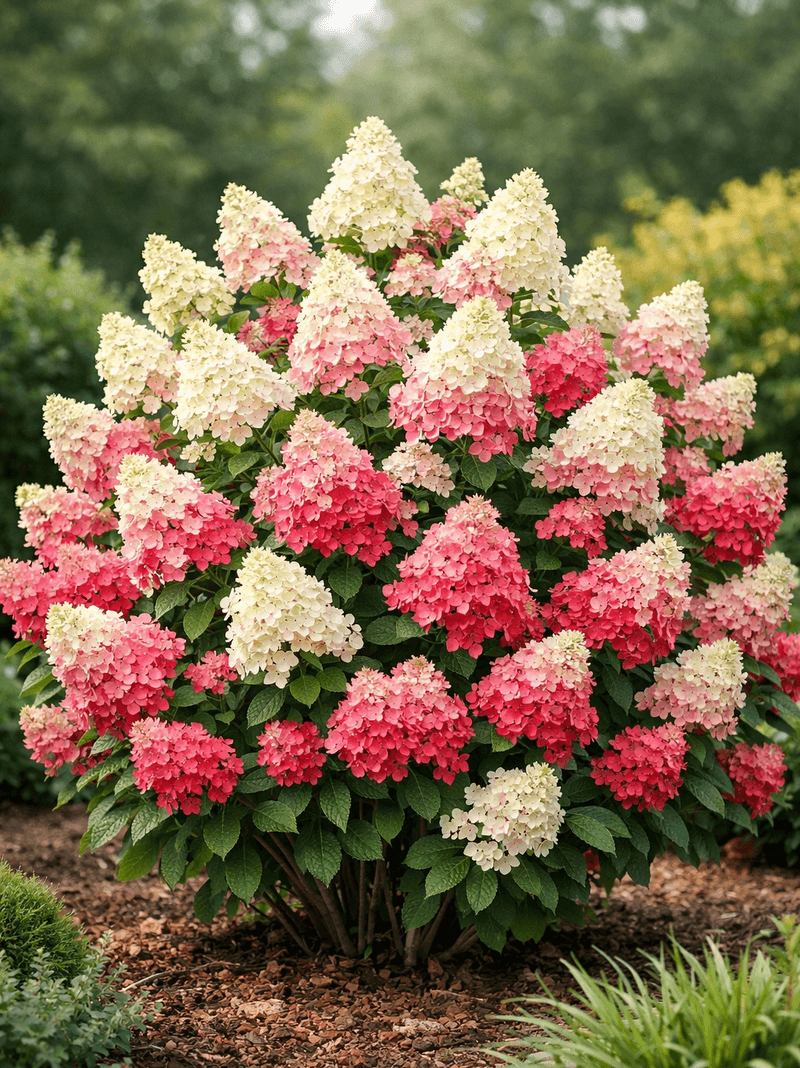
Ask any gardener who has grown a panicle hydrangea for five years and they will tell you the plant they have now looks nothing like the twig they planted. The flower cones get fatter, the shrub gets taller, and the color show gets more dramatic each season as the woody framework fills out.
What makes this one special is how forgiving it is. Panicle hydrangeas bloom on new growth, so a late frost or a rough winter will not wipe out your flowers the way it can with the fussy blue mophead types.
Give it a spot with morning sun and afternoon shade in most US zones, and prune it back in late winter to encourage strong new stems. Each year those stems come back thicker and hold up more blooms. By year four or five, a single plant can carry dozens of cones that fade from creamy white to blush pink as fall approaches.
2. Lilac
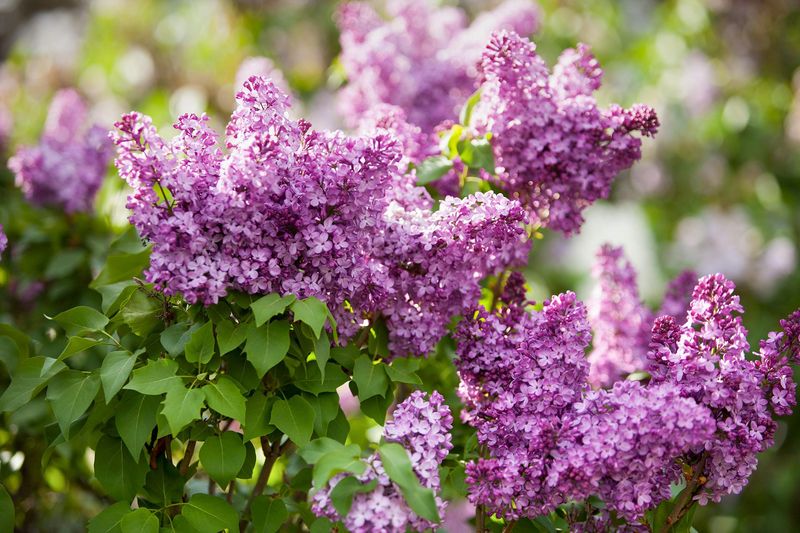
There is a reason old farmhouses across the northern US still have enormous lilacs blooming beside them decades after anyone planted them. Lilacs are practically immortal, and they get showier with every passing spring.
A young lilac might give you a shy handful of flower clusters in its first couple of years. Be patient. As the root system deepens and the plant matures, the spring display explodes into a wall of purple, white, or lavender blooms with that unmistakable perfume drifting across the whole yard.
Lilacs love cold winters and full sun, which makes them a champion in zones 3 through 7. Snip off spent flowers after blooming and remove a few of the oldest woody stems every couple of years to keep new growth coming.
Fun bit of history: some lilac varieties growing in New England today are descendants of shrubs planted back in the 1700s.
3. Peony (Tree Peony)
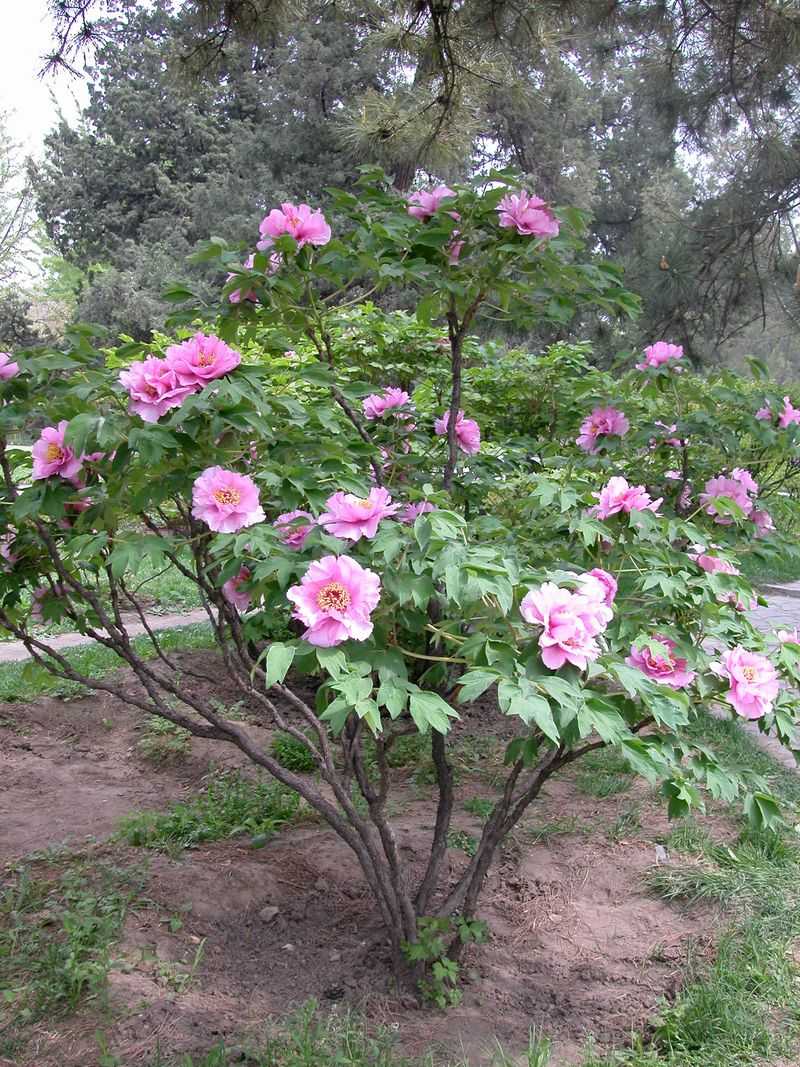
Picture a flower the size of a dinner plate, and you are picturing a mature tree peony in full swing. Unlike the floppy garden peonies that need staking, tree peonies build a woody frame that gets sturdier and more loaded with blooms every single year.
The first season or two can feel underwhelming, and that trips up a lot of impatient gardeners. Once the plant settles in, though, it becomes a slow-motion showstopper that can live and improve for fifty years or more.
Plant it in rich, well-draining soil with a bit of afternoon shade to protect those massive petals from scorching. Resist the urge to move it, since tree peonies hate having their roots disturbed and reward staying put with an ever-bigger show.
By the time it hits its stride, you may count a dozen or more of those enormous blooms on one plant, and neighbors will absolutely stop to ask what it is.
4. Azalea
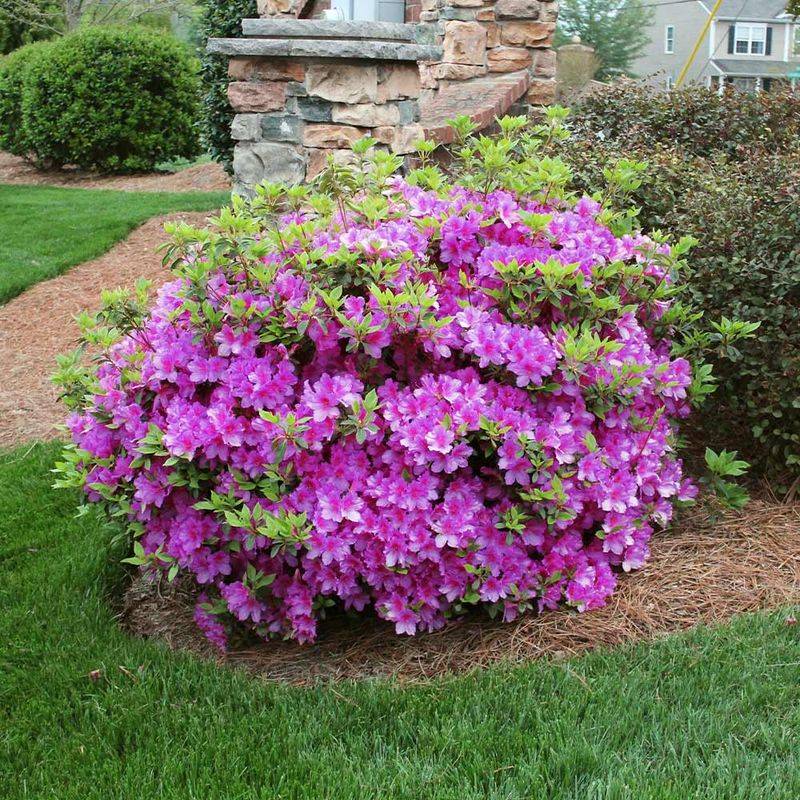
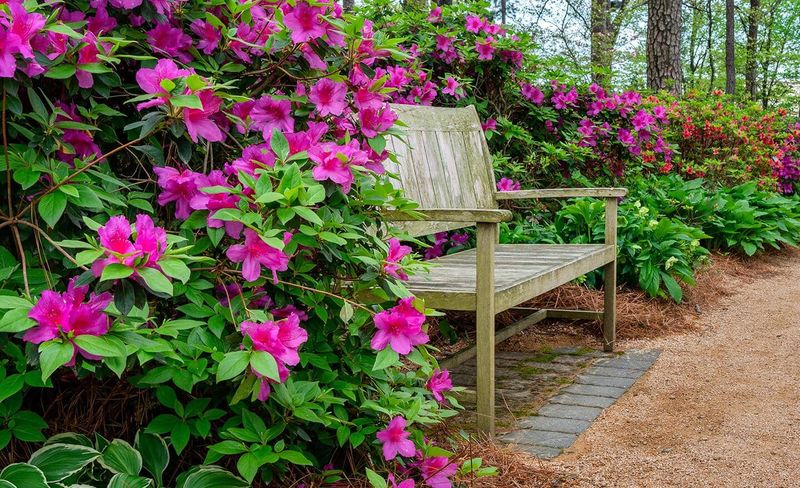
Drive through any older southern neighborhood in April and the azaleas will practically hurt your eyes with color. What most people do not realize is that those glowing mounds took years to reach that density, and they get better the longer you leave them alone.
Young azaleas start out a little sparse and leggy. With each spring, more branches fill in and the flower coverage thickens until the whole shrub disappears under blossoms.
Azaleas thrive in dappled shade and acidic soil, which is why they do so well under pines in the Southeast. Mulch them well, avoid heavy pruning, and they will settle into a rhythm of increasingly spectacular spring performances.
A quiet tip many gardeners swear by: feed them lightly with an acid-loving plant fertilizer right after bloom, and you may see even fuller flowering the following year.
5. Rose of Sharon
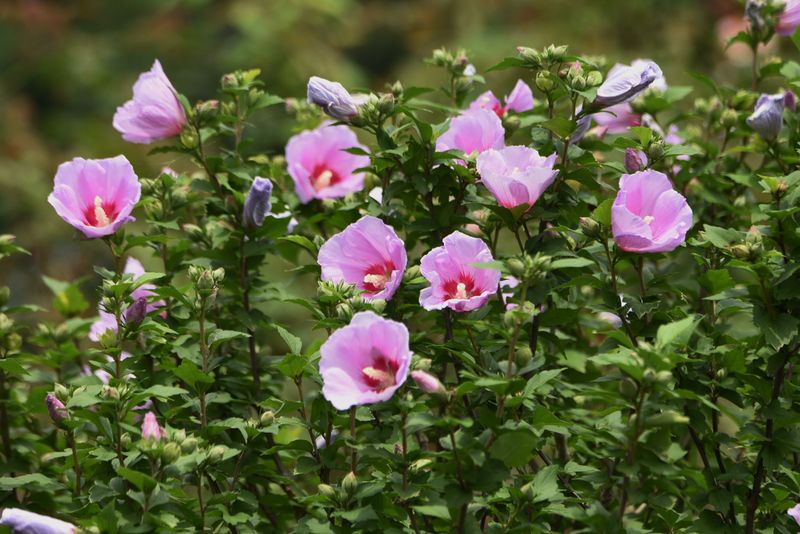
When most flowering shrubs have called it quits for the summer, rose of Sharon is just warming up. Blooming from midsummer straight into fall, this hardy hibiscus relative gives you color during the stretch when a lot of yards look tired.
Each year the plant grows taller and bushier, throwing out more of its papery flowers in shades of white, pink, blue, and violet. Give it a few seasons and it can turn into a living screen along a fence or property line.
It shrugs off heat, humidity, and poor soil, making it a workhorse across a huge chunk of the US. Full sun brings the heaviest flowering, and a hard prune in early spring keeps it tidy while pushing out even more blooms.
One heads-up worth knowing: it reseeds enthusiastically, so pull up any volunteer seedlings you do not want unless you enjoy free plants for the neighbors.
6. Weigela
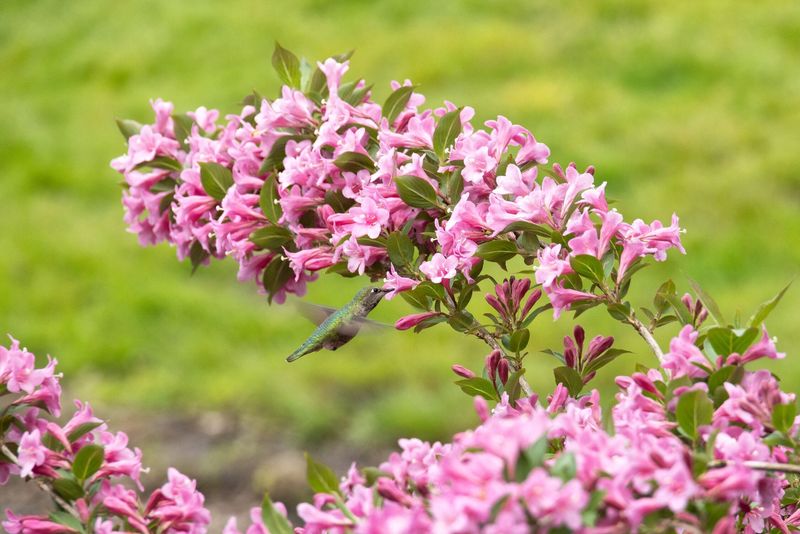
Hummingbirds have excellent taste, and they adore weigela. Those trumpet-shaped blooms lining every arching branch are basically a tiny buffet, and the show grows more generous as the shrub matures.
A first-year weigela is a modest little thing. Give it a couple of seasons and it becomes a graceful fountain of pink or red flowers, with modern varieties adding burgundy or lime-green foliage that looks good even after the blooms fade.
Weigela is refreshingly low-drama. Plant it in full sun, water it while it establishes, and prune right after the main flush of flowers to shape the arching form.
Many types will surprise you with a second, lighter round of blooms in late summer once the plant is well established, which is a lovely bonus for something that asks so little of you.
7. Forsythia
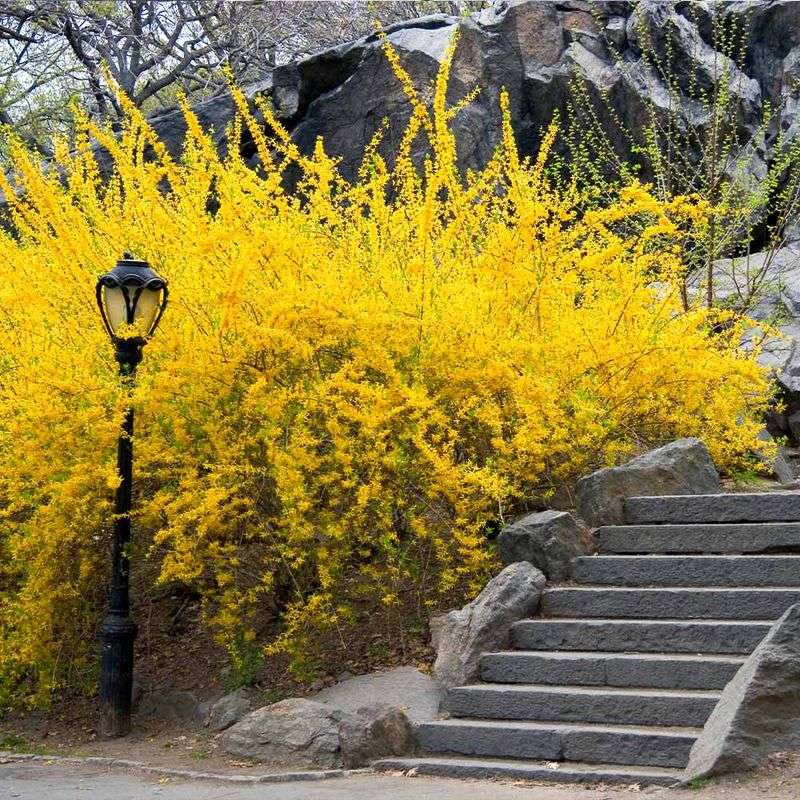
Long before anything else dares to bloom, forsythia sets the whole yard on fire with electric yellow. For many US gardeners it is the official signal that winter has finally lost its grip.
Left to mature, forsythia turns into a fountain of golden branches that seem to double in size and brilliance with each passing year. A well-established plant can push out thousands of tiny yellow flowers along stems that arch clear to the ground.
It is about as tough and easygoing as shrubs come, handling cold, clay, and neglect without complaint. Full sun gives the best bloom, and pruning right after flowering keeps it from becoming an unruly tangle.
Cut a few branches in late winter and bring them indoors, and they will bloom early in a vase, giving you a preview of spring weeks ahead of the garden.
8. Camellia
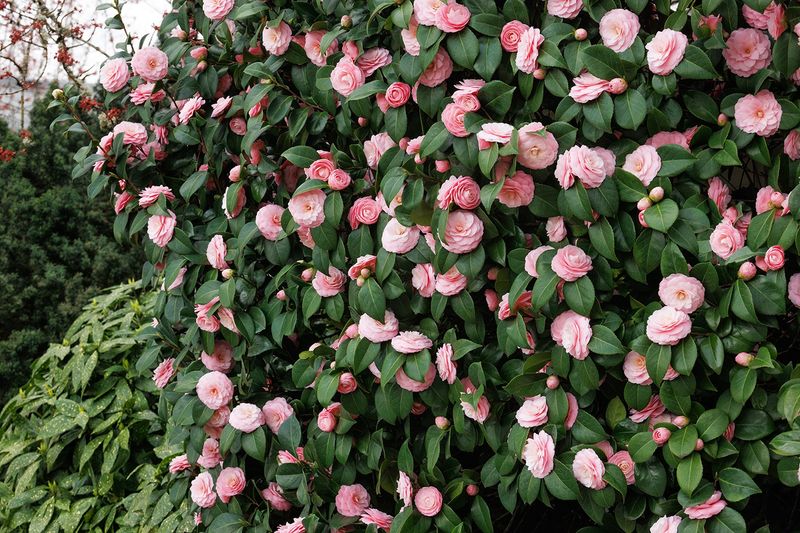
Elegance with staying power is the best way to describe a camellia. While the rest of the garden sleeps, this glossy-leaved beauty opens rose-like blooms in fall, winter, or early spring depending on the variety.
Camellias are slow and steady growers, and that patience pays off handsomely. A mature specimen becomes a dense, evergreen pillar studded with dozens of formal, perfectly layered flowers when little else has any color to offer.
They favor the milder parts of the country, roughly zones 7 through 9, and appreciate filtered shade with acidic, well-drained soil. Shelter them from harsh afternoon sun and drying winter wind for the cleanest blooms.
Some camellia plants in the Deep South are well over a century old and still flowering, which tells you everything about how gracefully these shrubs age.
9. Spirea
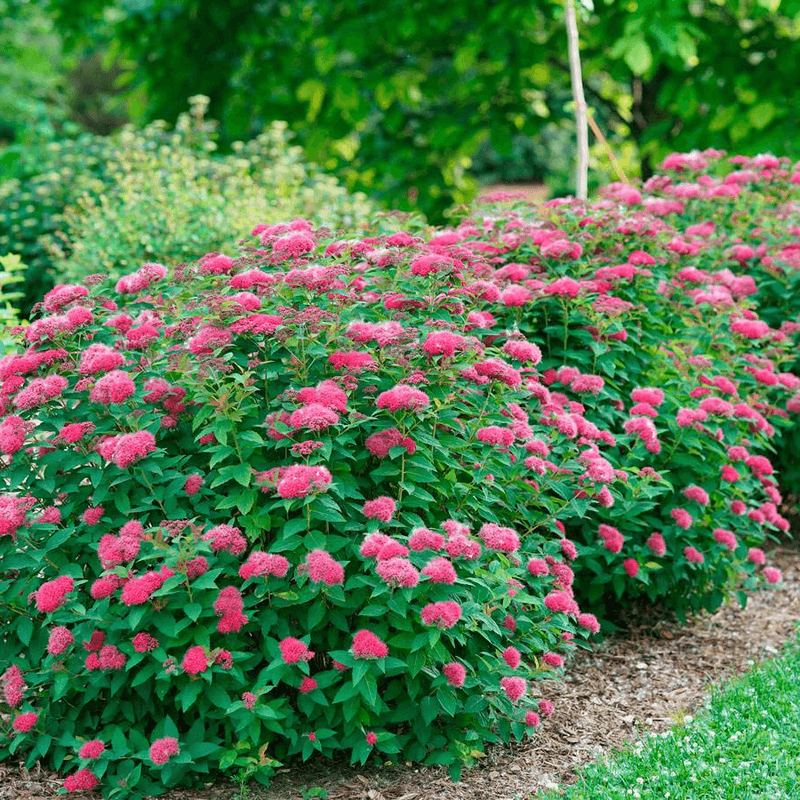
Compact, cheerful, and almost impossible to kill, spirea is the shrub for gardeners who want maximum payoff for minimum fuss. Those little flat-topped flower clusters cover the plant so completely that the foliage nearly vanishes.
As spirea matures it forms a tidy, rounded mound that flowers more heavily each year, and many varieties reward a light trim after the first bloom with a whole second show later in the season.
It handles heat, drought, and a wide range of soils, making it a reliable pick from the Midwest to the coasts. Plant it in full sun for the densest flowering and the brightest foliage color.
Newer types come with golden or coppery leaves that shift shades through the seasons, so the plant earns its keep even during the weeks when it is not in bloom.
10. Butterfly Bush
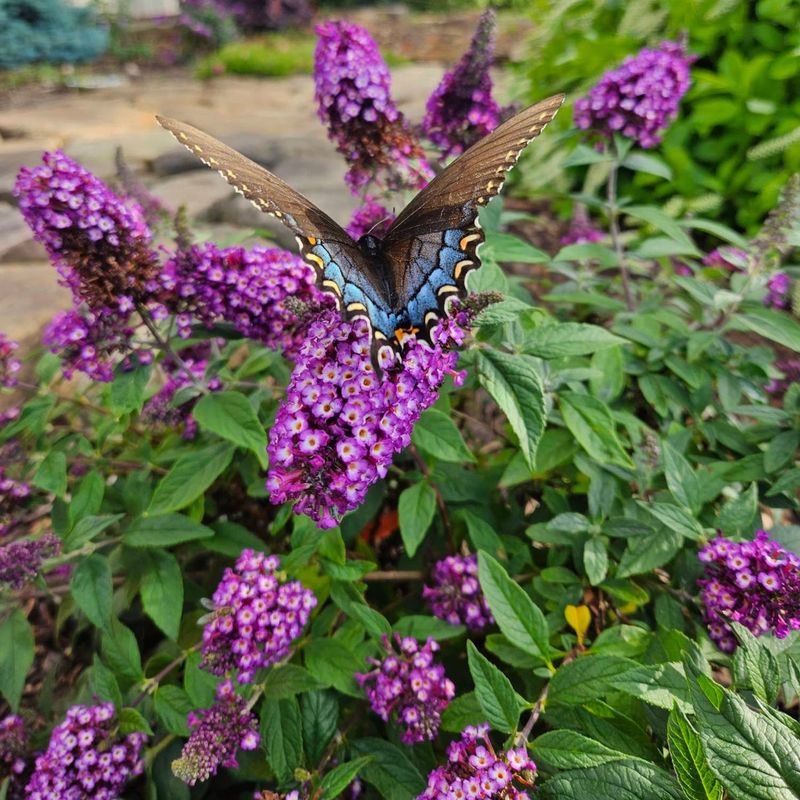
Stand near a butterfly bush on a warm afternoon and you will understand the name instantly. Long cones of nectar-rich flowers turn the plant into a swirling cloud of butterflies, bees, and the occasional hummingbird.
Give this shrub a season or two and it rockets upward, sending out more and longer flower spikes every year in purple, pink, white, or deep magenta. A mature plant in full bloom is a full-blown pollinator party from midsummer to frost.
Full sun and well-drained soil are all it really asks. Cut it back hard in early spring, since it blooms on new wood and comes back stronger for the chop.
Worth mentioning for US gardeners: it can spread aggressively in some regions, so look for the newer seedless or dwarf varieties if you want the show without the wandering seedlings.