
10 Things To Do For Your Peonies This Fall So They Come Back With More Blooms Next Spring

Your peonies may look finished for the year, but fall is when they quietly set up next spring’s flower show. The fleshy roots are storing energy and the pink buds for next year are already forming underground.
A few small mistakes now, like leaving sick leaves behind or planting too deep, can mean fewer blooms or none at all. The good news is that the fixes are simple, cheap, and take only an afternoon or two.
1. Cut Back Yellowing Foliage
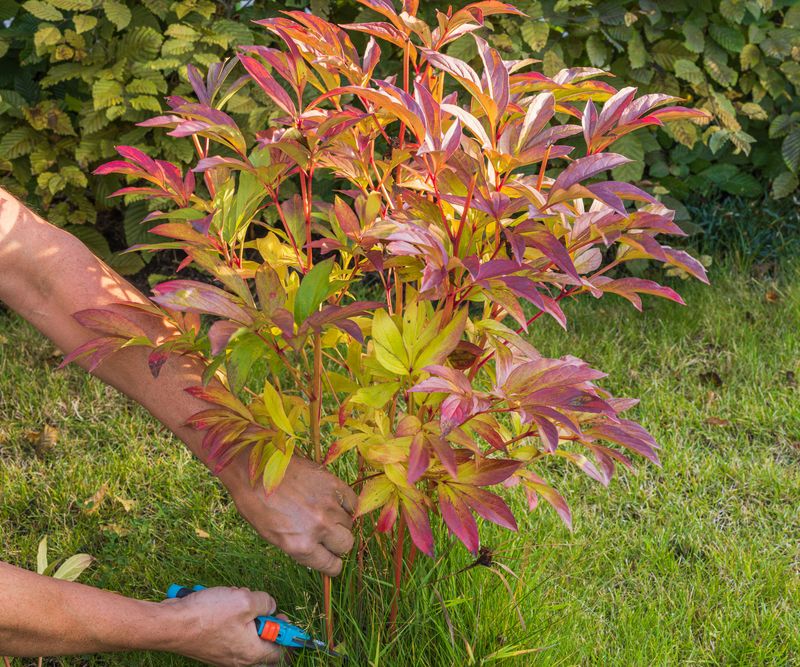
Once frost blackens those once-glossy leaves, your peony is sending a clear signal that it’s done for the season. Leaving the tired foliage standing might feel harmless, but it gives fungal spores and pests a cozy place to spend the winter.
Grab clean pruners and cut each stem down to about 2 to 3 inches above the soil. Those little stubs help you remember where the plant sits, so you don’t dig into it by accident in spring.
One big exception: tree peonies. Their woody stems carry next year’s buds, so skip fall pruning on those entirely and just tidy up any dead leaves.
2. Clear Away Every Bit of Debris
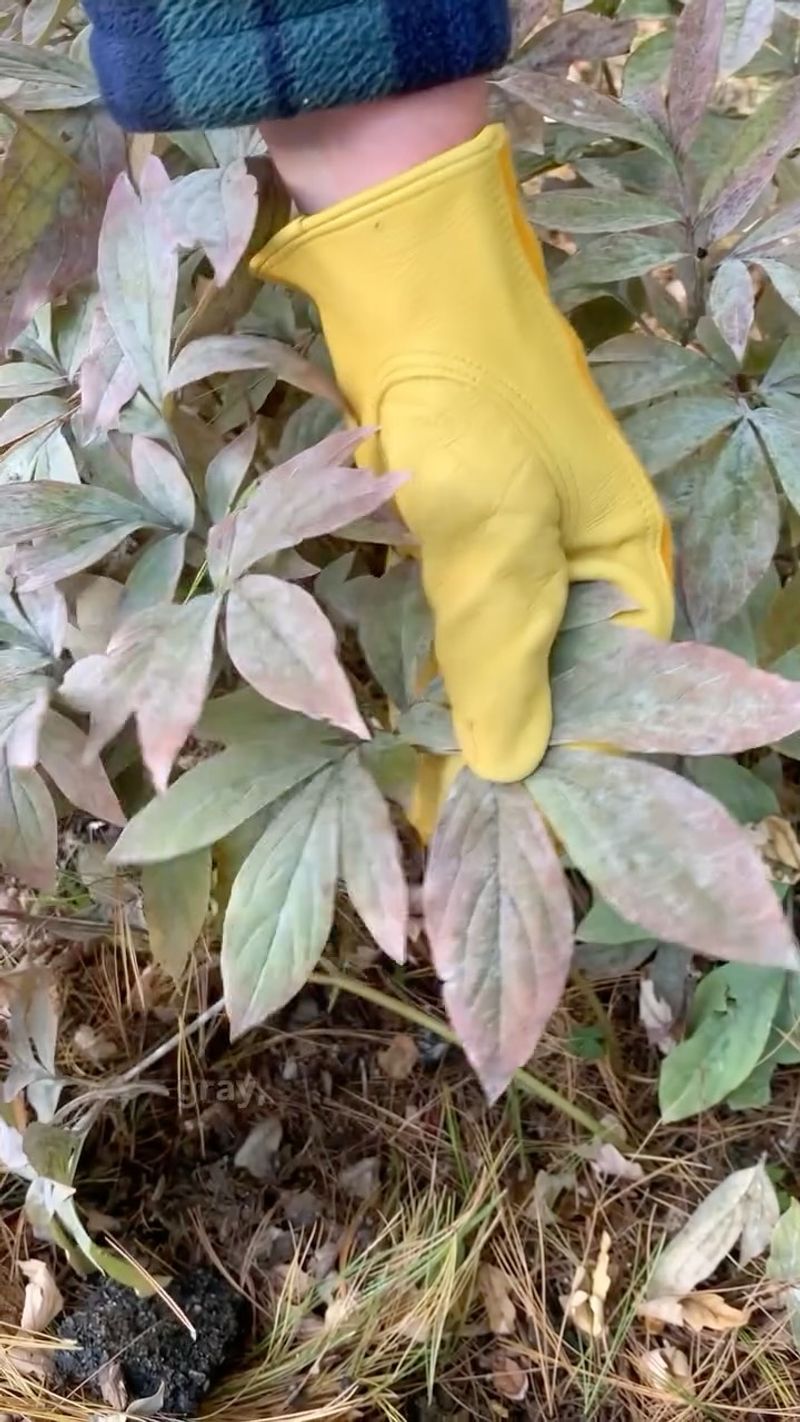
Picture botrytis blight as an unwanted houseguest that hides in the trash you forgot to take out. Spotty, moldy peony leaves left on the ground can carry that disease right back onto fresh spring shoots.
After cutting back, rake up every stem and leaf around the crown. If you see black spots, gray fuzz, or powdery patches, bag that material and put it in the trash or yard waste pickup.
Keep diseased peony debris out of your compost pile. Most home piles don’t get hot enough to kill the spores, so you’d just be spreading trouble across the whole garden next year.
3. Divide Crowded Clumps
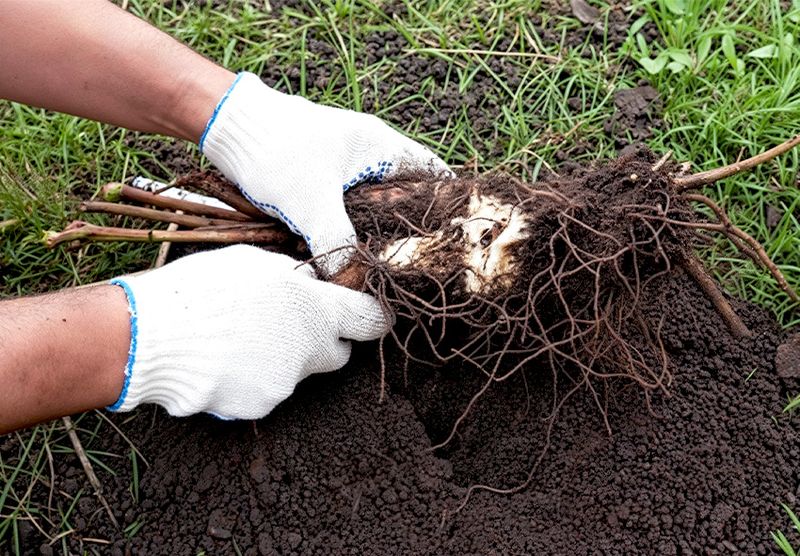
Did you know some peonies have bloomed in the same spot for over 100 years? Many never need dividing, but a clump that has grown huge, flowers poorly, or has a dead center may be asking for a fresh start.
Early fall, about six weeks before the ground freezes, is the sweet spot. Dig wide around the plant to avoid slicing roots, then lift the whole clump and gently rinse off the soil so you can see the buds.
Use a sharp knife or spade to cut the clump into pieces. Dividing can recharge an older plant, though be ready for a year or two of lighter blooms while the new sections settle in.
4. Replant at the Right Depth
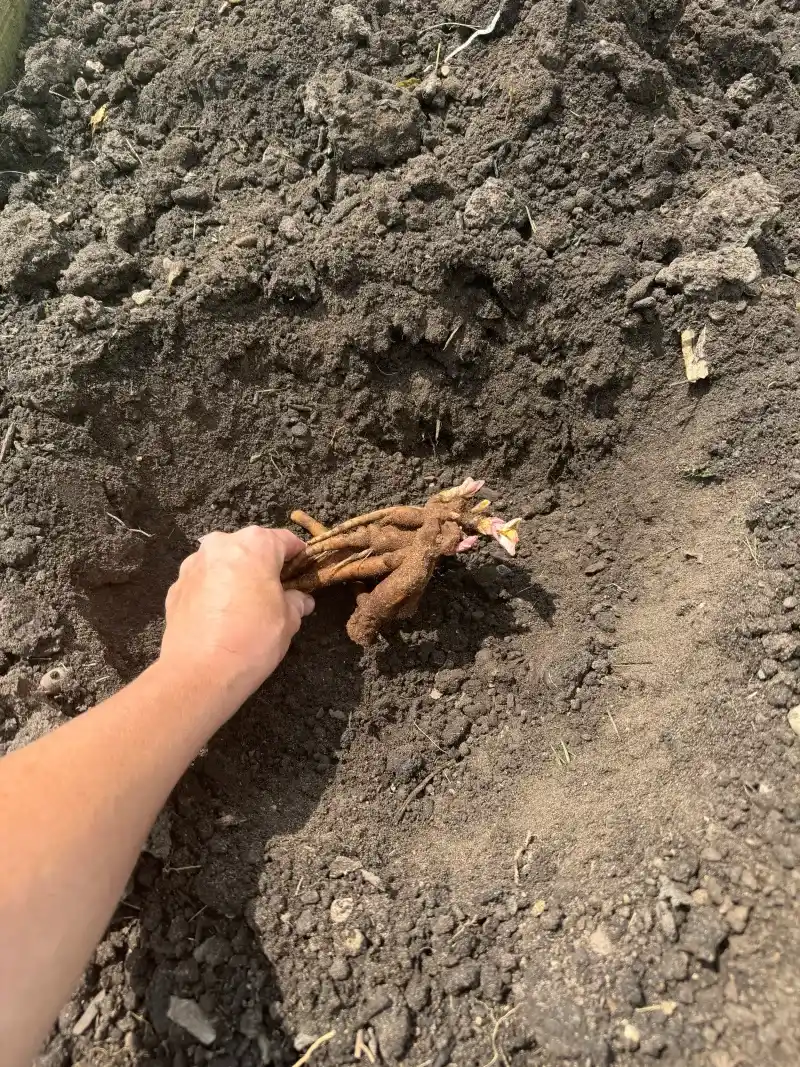
Here’s the mistake behind countless no-bloom peony complaints: planting too deep. A peony buried even a few inches lower than it likes can grow healthy leaves for years and never flower.
Make sure each division has 3 to 5 eyes, those pink or red buds, plus a good chunk of roots. Set herbaceous peonies so the eyes sit just 1 to 2 inches below the soil surface, and go closer to 1 inch in warmer southern areas.
Firm the soil gently and water well to settle it. Check again after a week, because soil can sink and leave your plant sitting deeper than you meant.
5. Move Shaded Peonies Into Full Sun
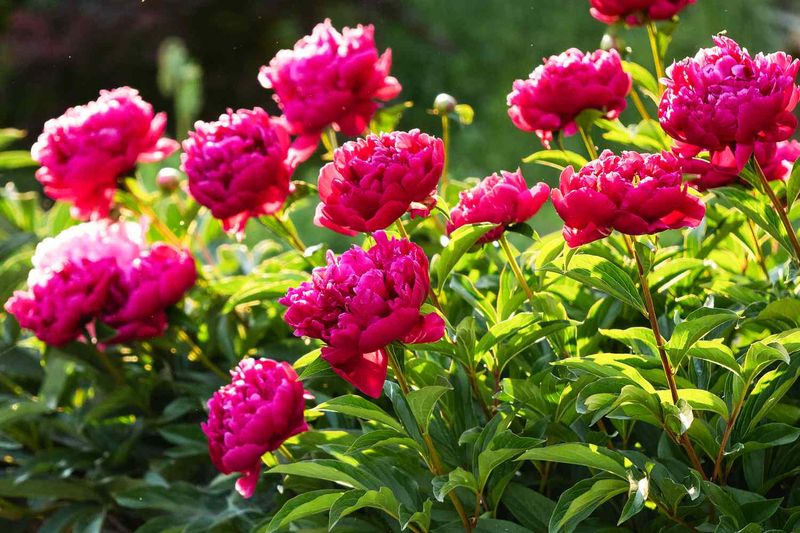
Sometimes the problem isn’t you at all. A peony that used to bloom well may be struggling because the maple next door grew up and stole its sunshine.
Peonies want 6 to 8 hours of direct sun each day and soil that drains well after rain. If yours sits in soggy ground or deep shade, fall is a good time to pick a better home.
Give each plant room to breathe, around 3 feet from its neighbors. Good airflow can reduce the leaf diseases that weaken plants over time.
6. Mulch Young Plants Loosely
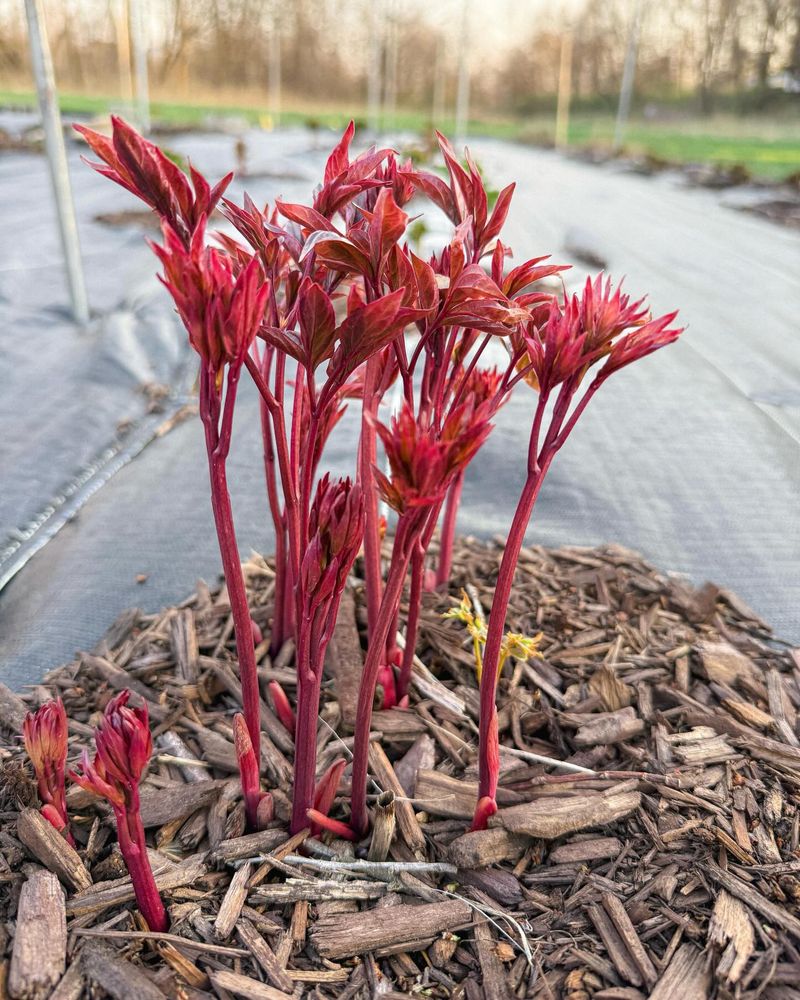
Brand-new peonies are a bit like toddlers in their first winter, they need an extra blanket. In cold regions, freezing and thawing can push young roots right out of the ground, a problem called frost heaving.
After the ground cools, spread 2 to 4 inches of shredded bark, straw, or pine needles around new or recently moved plants. Keep the mulch 1 to 2 inches away from the crown so it doesn’t trap moisture and cause rot.
Established peonies usually don’t need mulch. Pull back heavy layers in early spring, since buried crowns can bloom less.
7. Water Through Dry Autumn Spells
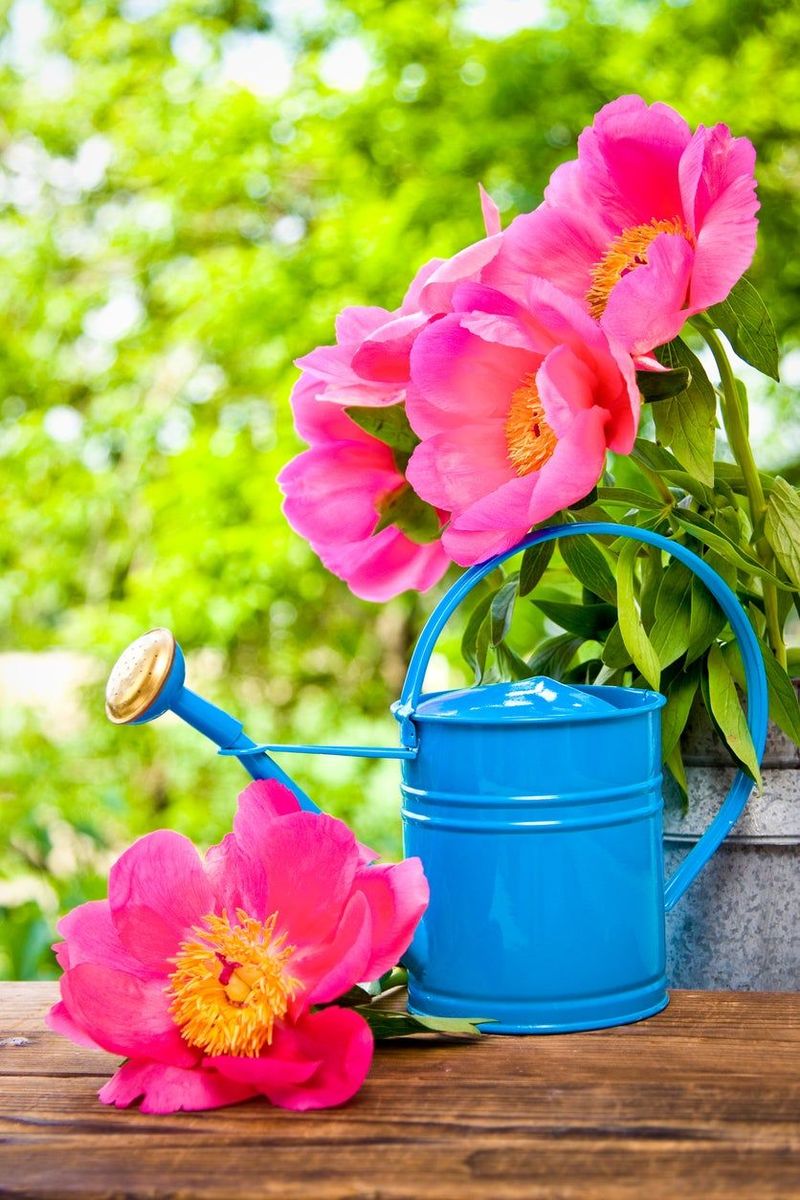
A dry September can do more harm than most gardeners realize. Those thick peony roots are busy storing food for spring, and they can’t do that well in dusty soil.
If you go a week or two without rain, give your plants a deep drink. Water at the base, not over the leaves, so foliage stays dry and fungus has less chance to grow.
New divisions need this the most. Keep the soil lightly moist until the ground freezes, but never soggy.
8. Shelter Potted Peonies

Roots in a pot face way harsher cold than roots tucked in the ground. A container can freeze solid, and that can damage or kill a peony that would have been fine in the garden.
Once hard freezes arrive, move potted peonies into an unheated garage, shed, basement, or enclosed porch. Aim for a spot that stays cold but just above freezing, because peonies still need a winter chill to bloom.
Water lightly, maybe once a month, just enough to keep the soil from drying out. Bring the pot back outside in early spring.
9. Feed Lightly Only If Needed
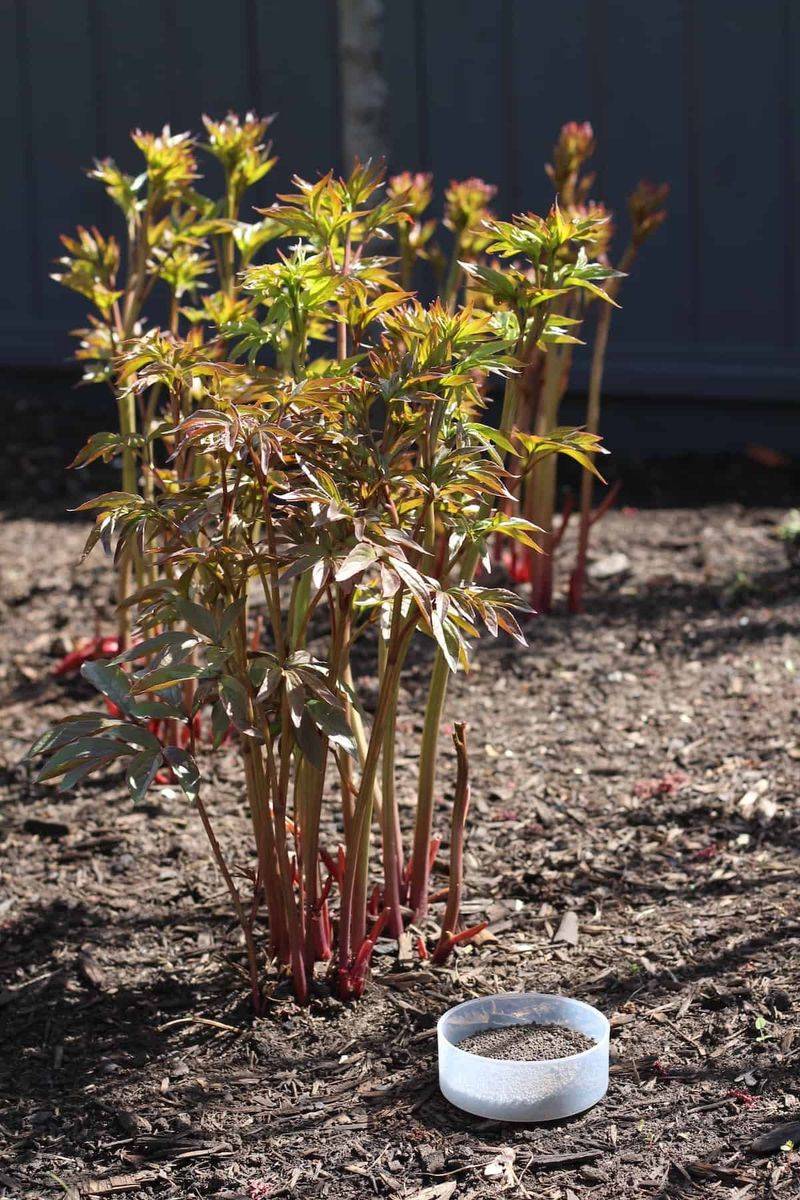
More food doesn’t always mean more flowers. Peonies are light eaters, and too much nitrogen gives you a big leafy bush with few buds.
If your plant bloomed poorly, try a light handful of low-nitrogen fertilizer such as 5-10-10 or 10-20-20. Sprinkle it around the outer edge of the plant, not on the crown, and water it in.
Healthy, well-blooming peonies can often skip feeding. A soil test from your local extension office can tell you for sure.
10. Guard Tree Peonies From Rabbits
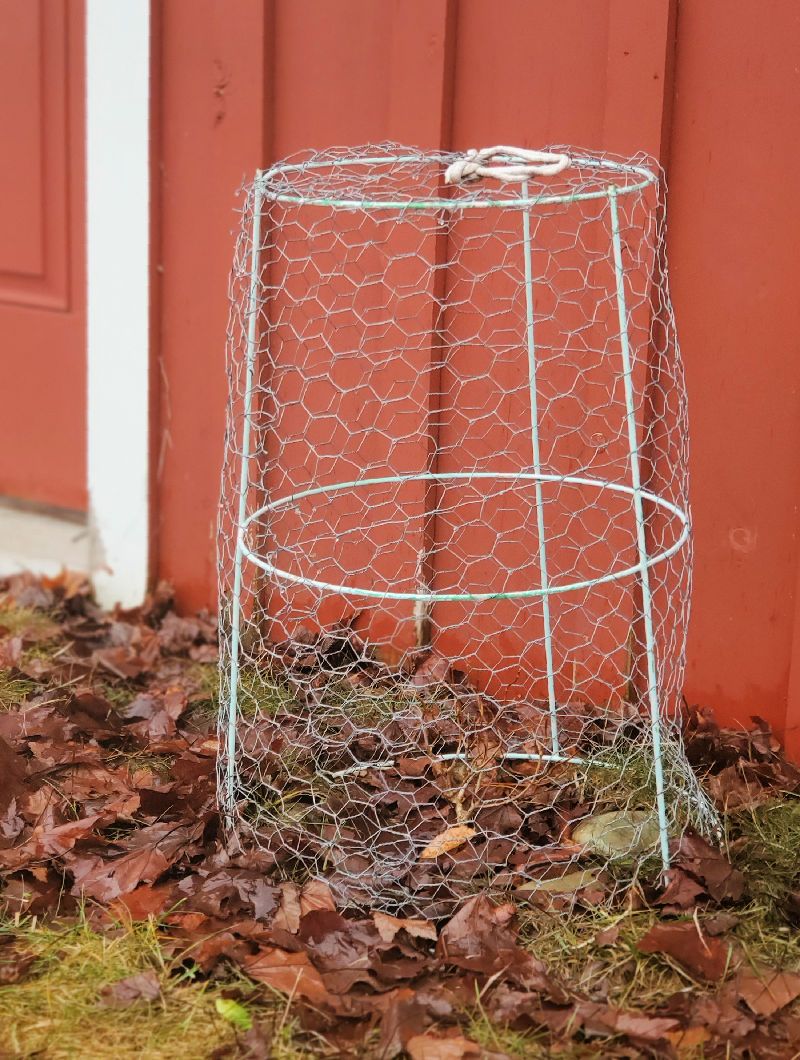
A hungry rabbit in January isn’t picky. When snow covers everything else, the tender bark and buds of a tree peony can look like a snack bar.
Wrap a loose ring of chicken wire around the base of woody peonies in fall, about 2 feet tall. Push the bottom edge slightly into the soil so bunnies can’t slip under it.
Check the cage after heavy snow, since drifts can give rabbits a ladder. Take it off in spring once fresh greens are back on the menu.