
12 Fall Vegetables You Need To Get In The Ground By August For A Big Autumn Harvest
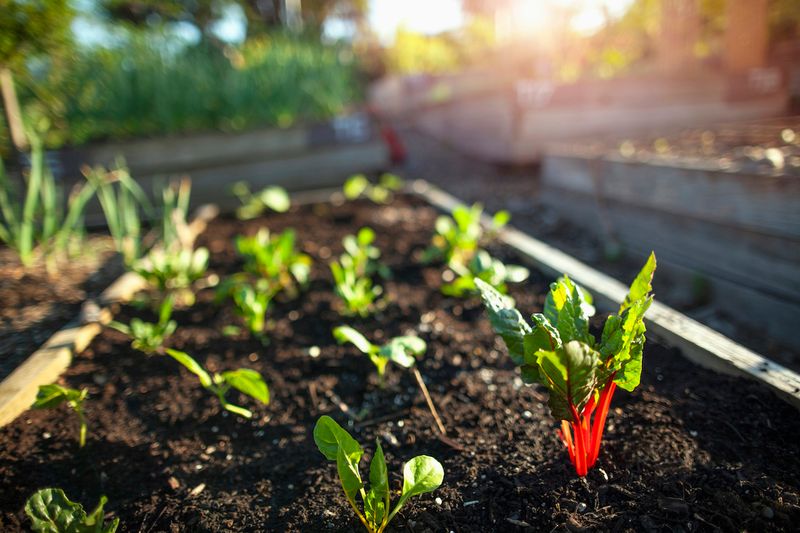
August might feel like the height of summer, but smart gardeners know it is actually the perfect time to think ahead. If you plant certain vegetables now, the cooler days of autumn will reward you with a second wave of fresh, homegrown food. Many of these crops actually taste sweeter after a light frost, so your fall garden can be even better than your summer one. Here are twelve vegetables to tuck into the ground before August ends for a harvest that keeps giving well into the cold months.
1. Kale
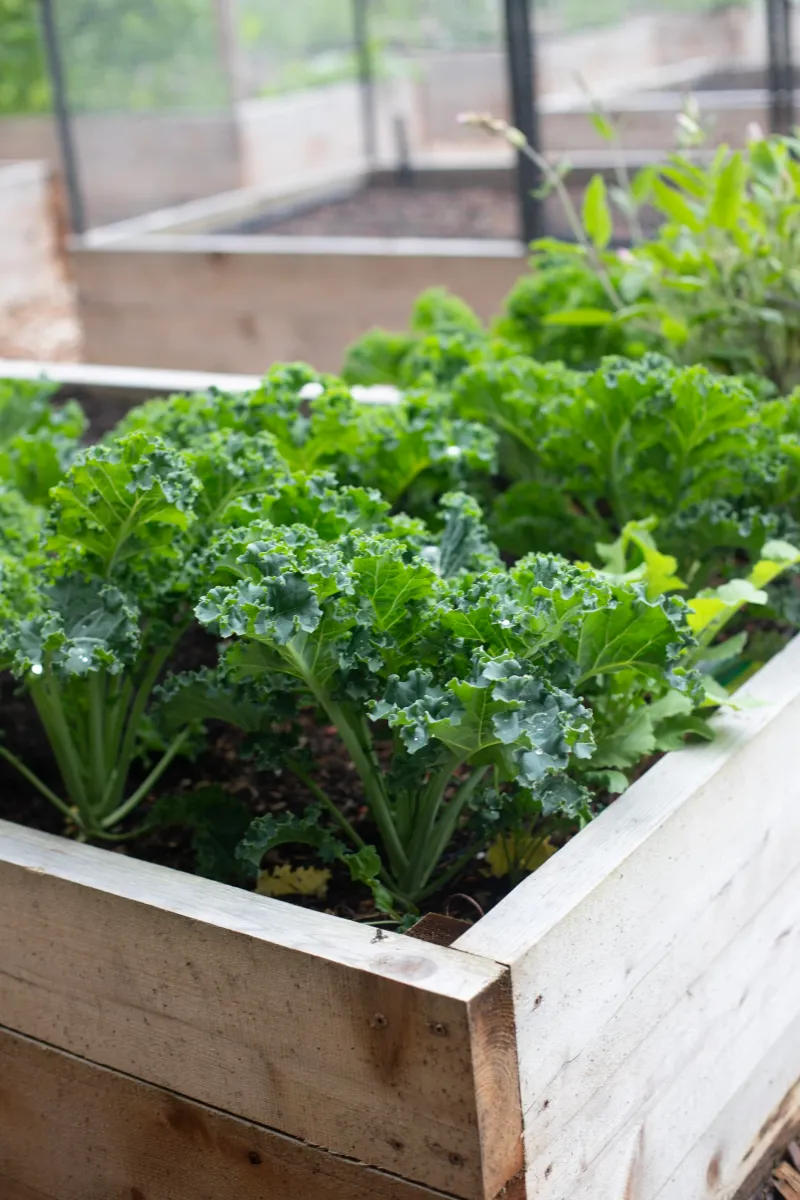
Frost is kale’s best friend, not its enemy. A couple of cold nights turn the leaves noticeably sweeter, trading that faint summer bitterness for a mild, almost nutty flavor.
Sow seeds directly in your bed by mid to late August and you can be picking tender leaves right through the first hard freezes. In many US zones, a well-mulched kale plant will soldier on into December and beyond.
Pick the outer leaves first and leave the center growing point alone. That cut-and-come-again habit means one row of kale can feed you for weeks without ever needing to be replanted.
2. Spinach
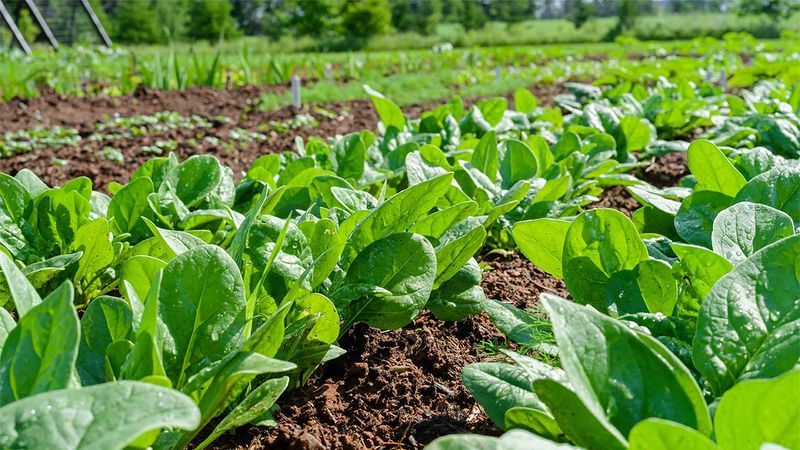
Few crops shrug off cold weather as gracefully as spinach does. It germinates far better in cooling late-summer soil than it ever will in the blazing days of June, which is exactly why August is its moment.
Direct sow a row every couple of weeks and you will stretch your salad season deep into fall. In milder regions, a fall planting under a simple row cover can overwinter and give you an early spring bonus harvest.
The leaves grow thick and dark in short days, packing more flavor into every bite. Snip young leaves for salads or let a few mature for cooking down into something hearty.
3. Radishes
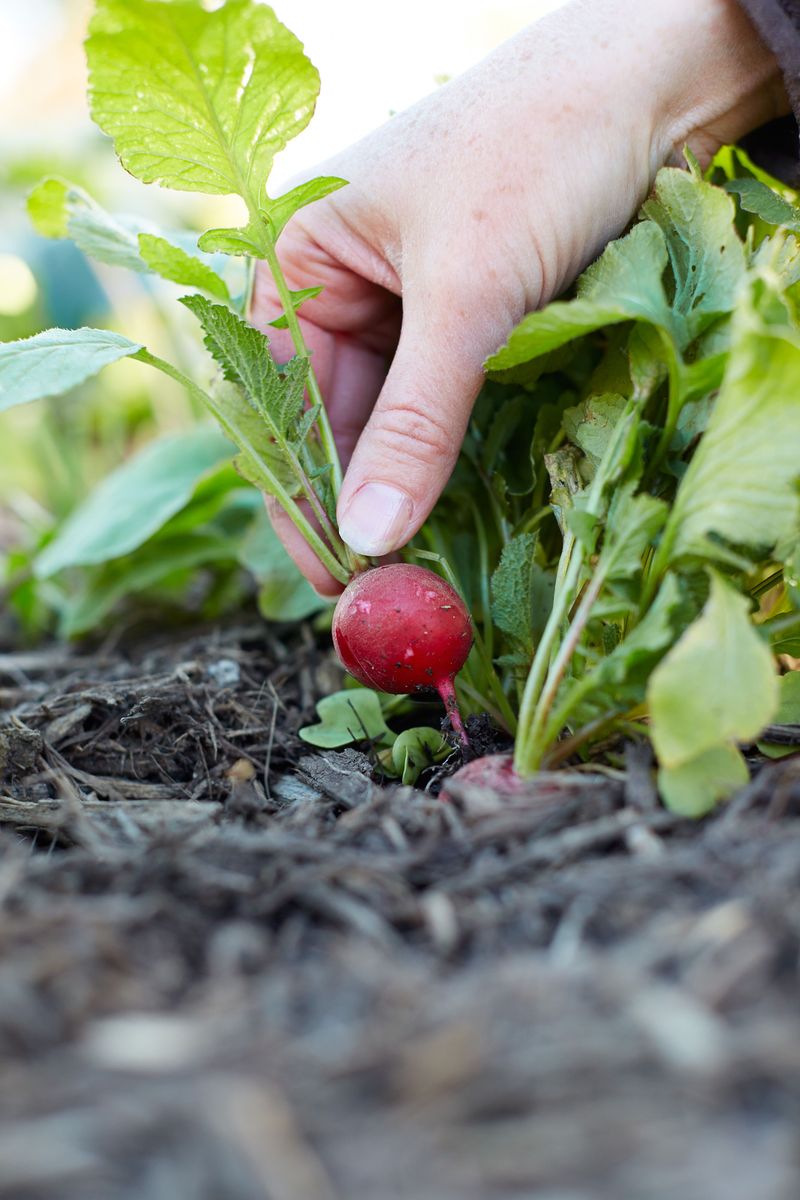
Impatient gardeners, this one is for you. Radishes can go from seed to plate in as little as three to four weeks, making them the fastest reward in the entire fall lineup.
Because they mature so quickly, you can sneak a crop into any bare patch of soil in August and still harvest well before the ground freezes. They also make a handy marker crop, sprouting fast to show you where your slower rows are planted.
Cooler weather keeps the roots crisp and mild rather than woody and fiery. Try a few succession sowings a week apart so you never run out of that satisfying crunch.
4. Carrots
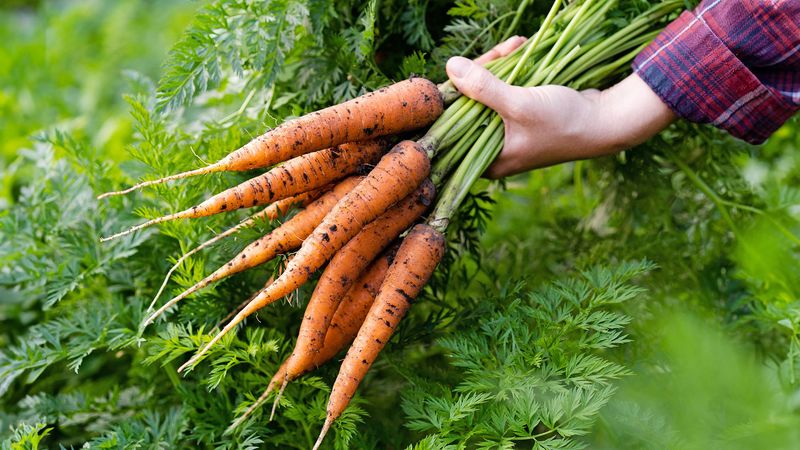
Patience pays off with carrots, and the payoff arrives right when the weather turns crisp. Cold temperatures trigger the roots to convert starches into sugars, so fall-grown carrots taste dramatically sweeter than anything you pulled in summer.
Sow seeds by early to mid August, keep the top of the soil moist while they germinate, and you will have long, sturdy roots by the time frost arrives. In fact, you can leave them in the ground and dig as needed, using the cold soil as a natural refrigerator.
A layer of straw mulch lets you keep harvesting even after the surface freezes. Few garden tricks feel as satisfying as pulling a sweet, snappy carrot in November.
5. Beets
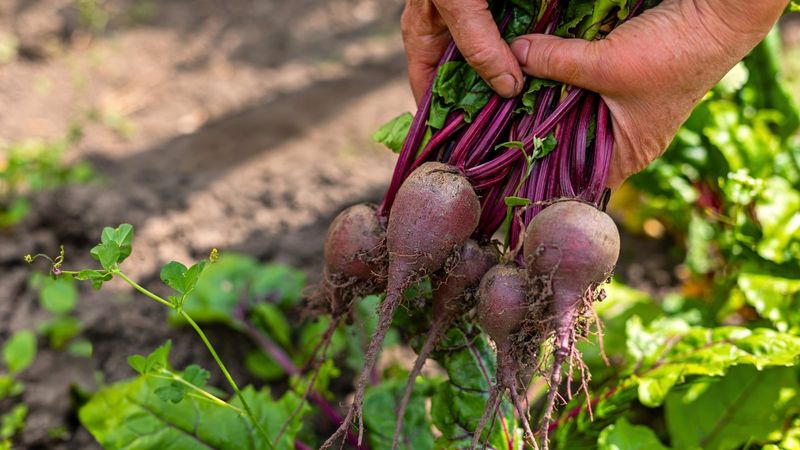
Two vegetables in one plant is a hard deal to beat. Beets give you sweet, earthy roots below ground and a flush of tender, colorful greens above, both of which improve as the nights grow cool.
Get seeds in by mid August and the roots will size up nicely before the deep freezes settle in. Each knobby seed actually contains several tiny seeds, so expect to thin the seedlings, and remember those thinnings are delicious tossed into a salad.
Fall beets develop a richer, sweeter flavor with less of that dusty taste some people dislike. Roast the roots, saute the greens, and let nothing go to waste.
6. Broccoli
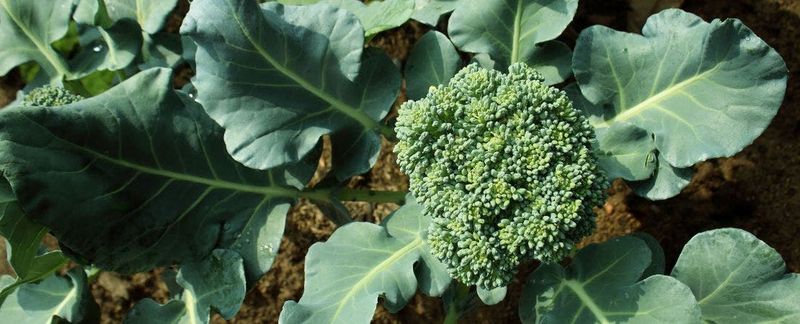
Summer heat makes broccoli bolt into bitter yellow flowers, but the falling temperatures of autumn are exactly what this plant craves. Cool weather encourages tight, dense heads and a sweeter taste with none of that stress-induced bitterness.
Because broccoli takes a while to mature, start with transplants in early August rather than seed if you want heads before a hard freeze. Space the plants generously, since they grow into surprisingly large bushes.
Here is the part many gardeners miss: after you cut the main head, the plant keeps pushing out smaller side shoots for weeks. One well-timed planting can quietly feed you long after that first big harvest.
7. Lettuce
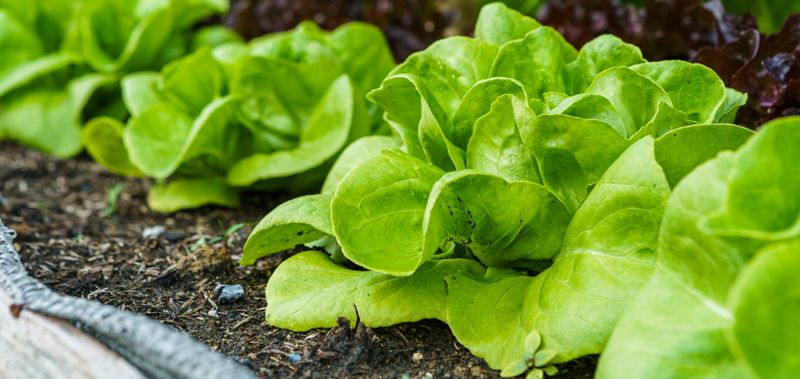
Bolting is the bane of summer lettuce, and August planting is how you dodge it entirely. As days shorten and temperatures drop, lettuce settles into slow, steady growth instead of shooting up into bitter, seedy stalks.
Loose-leaf varieties are the workhorses here, ready to snip in just a few weeks and forgiving of imperfect conditions. Scatter seeds thinly, keep the bed evenly moist, and pick outer leaves as you need them.
Try mixing several colors and textures in one row for a homegrown salad blend that beats anything in a plastic clamshell. A light frost only crisps the leaves, so keep harvesting until a hard freeze finally calls it quits.
8. Swiss Chard
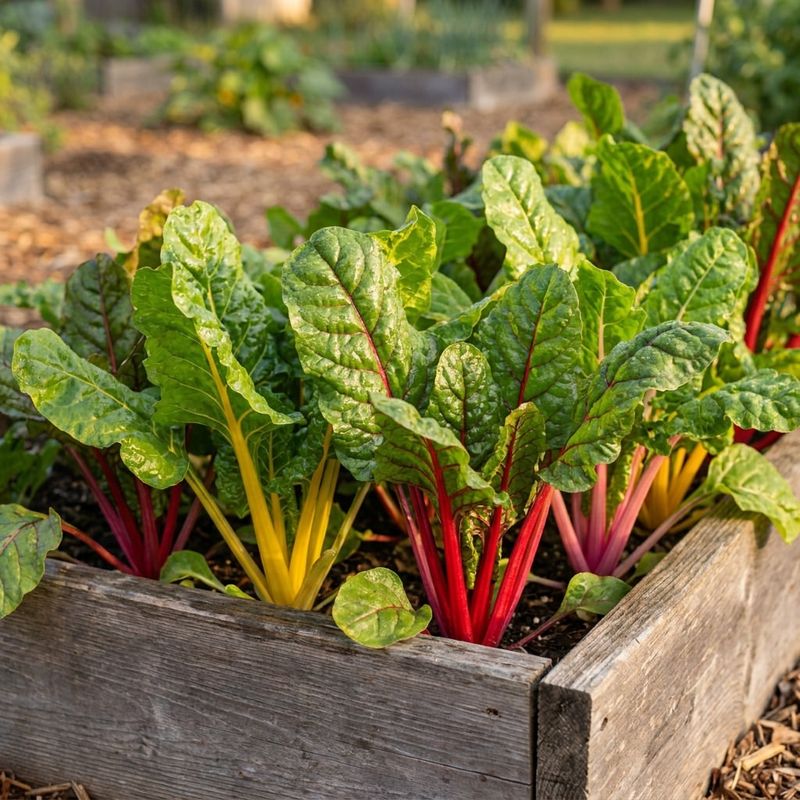
Bright stems in shades of pink, yellow, and red make chard the showoff of the fall garden, and it earns its keep with performance too. It handles both lingering summer warmth and early autumn chill better than most leafy greens, bridging the seasons with ease.
A single August sowing produces leaves you can harvest again and again through fall. Snap off the outer stalks and the plant simply keeps sending up new ones from the center.
Young leaves work raw in salads while mature ones cook down like a milder spinach. As a bonus, chard is closely related to beets, so you get similar earthy flavor without ever having to dig.
9. Turnips
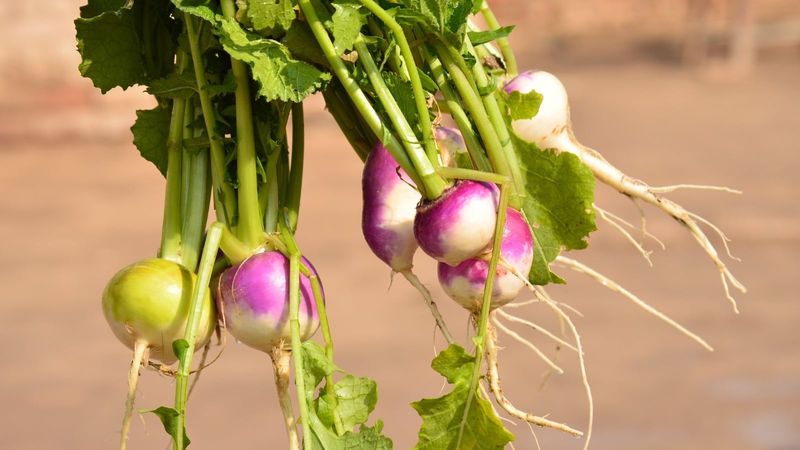
Old-fashioned and underrated, turnips deserve a comeback in the fall garden. They grow fast, ask for very little, and hand you two crops from one planting: peppery greens and crisp, sweet roots.
Sow seeds directly in August and small, tender roots can be ready in about a month and a half. Cool weather mellows their bite, giving the roots a sweet, almost fruity edge that summer turnips never achieve.
Pull them young for the best texture, or let a few grow larger for hearty roasting and mashing. Thrifty gardeners have leaned on turnips for centuries precisely because they store well and thrive when little else does.
10. Garlic
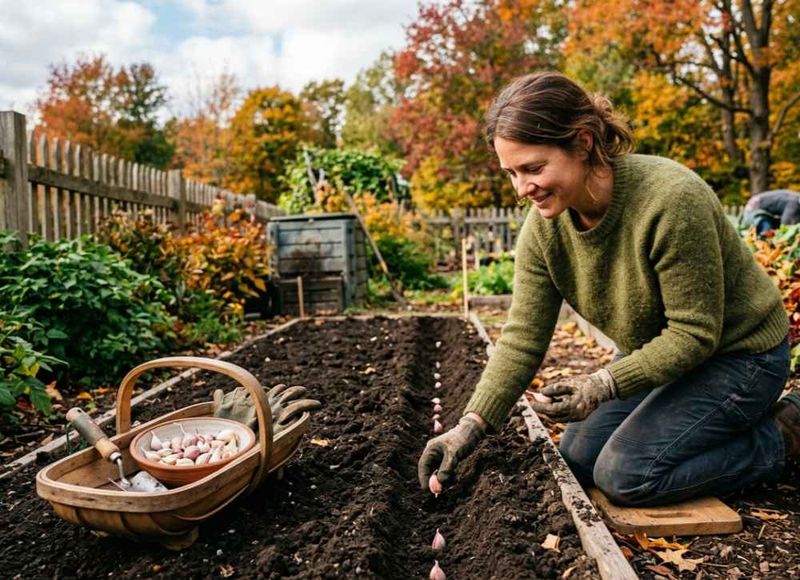
Think of garlic as the ultimate long game of the garden. While the others on this list feed you within weeks, garlic you plant in late summer or early fall is quietly setting up next summer’s harvest.
In cooler zones, cloves go in a little later than August, but warm-region gardeners can start prepping beds and ordering seed garlic now so nothing holds you back. Each clove you push into the soil, pointy end up, becomes a full head by the following year.
A blanket of mulch protects the roots through winter while they establish underground. It is one of the most set-it-and-forget-it crops you can grow, asking almost nothing between planting and harvest.
11. Arugula
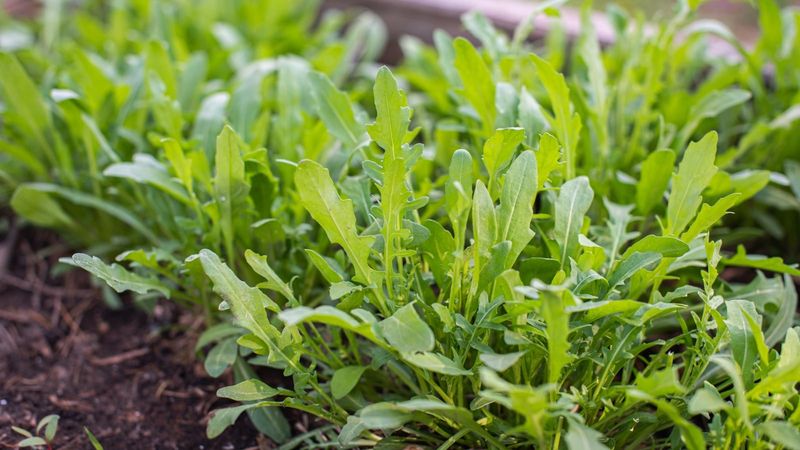
Peppery, fast, and almost impossible to mess up, arugula is a beginner’s dream that seasoned growers love too. It races from seed to harvest in as little as three to four weeks, and cool fall air keeps the leaves tender instead of harshly spicy.
Broadcast the tiny seeds over a small patch in August and thin as you harvest young leaves. Because it grows so quickly, arugula fills gaps left by finished summer crops without missing a beat.
The flavor leans nutty and mild in autumn, perfect for salads, sandwiches, or a scatter over pizza. Sow a fresh pinch every couple of weeks and you will always have a spicy handful ready to pick.
12. Bok Choy
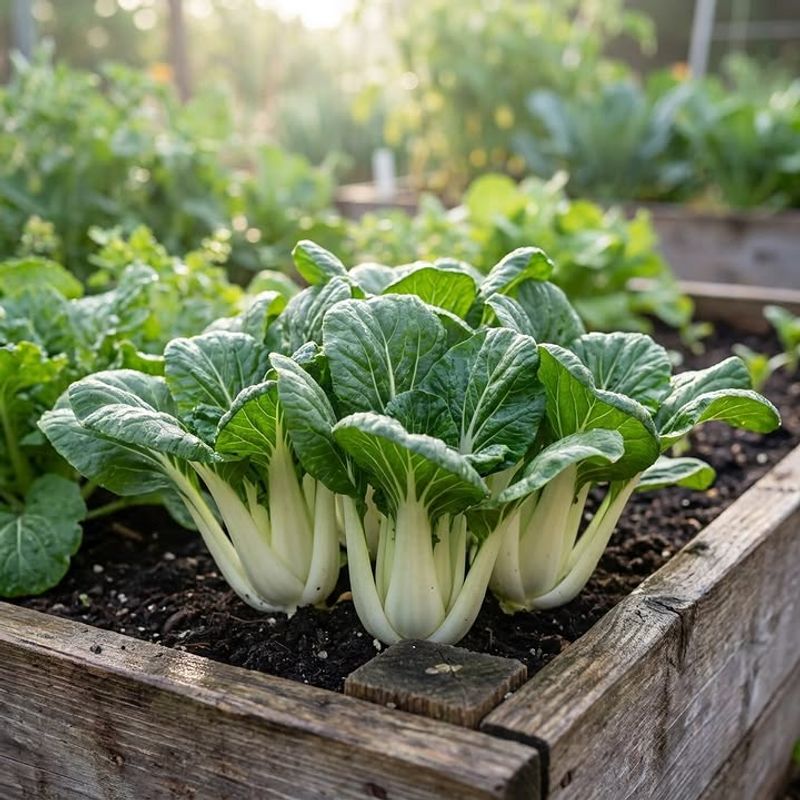
For gardeners who want something a little different, bok choy adds crunch and variety to the fall plot. This Asian cabbage relative loves cool weather and forms crisp white stalks topped with glossy green leaves in a matter of weeks.
An August sowing sidesteps the summer heat that makes it bolt, letting the plants form tidy, upright bundles instead. Baby varieties are ready remarkably fast, so even a late start can still land a harvest before hard frost.
Harvest the whole head at the base or pick outer leaves as you go for a steady supply. Quick to grow and quick to cook, it turns a stir-fry into a garden-to-plate meal in minutes.