
13 Red Flowers Hummingbirds Spot From Across The Street And Fly Straight Into Your Yard
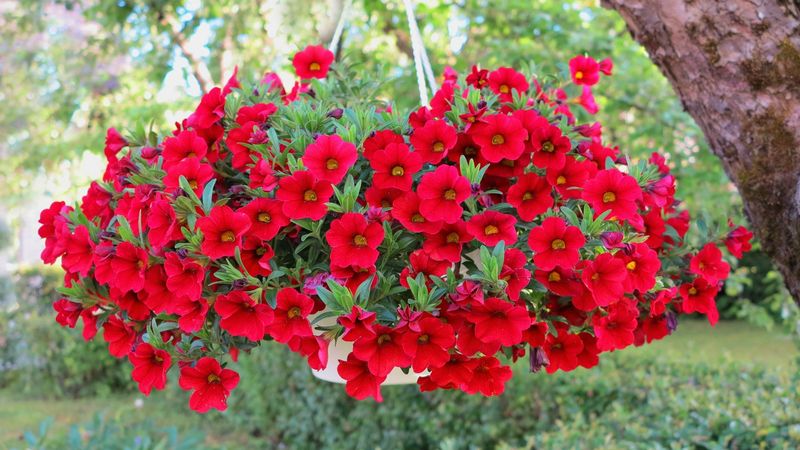
Hummingbirds see red better than almost any other color, and they use it like a road sign that says food is here. A single patch of the right red blooms can pull them in from surprisingly far away.
The trick is picking flowers that pair bright color with real nectar, so the birds keep coming back. Here are 13 red flowers that work hard for you, plus simple tips to keep them blooming all season.
1. Cardinal Flower
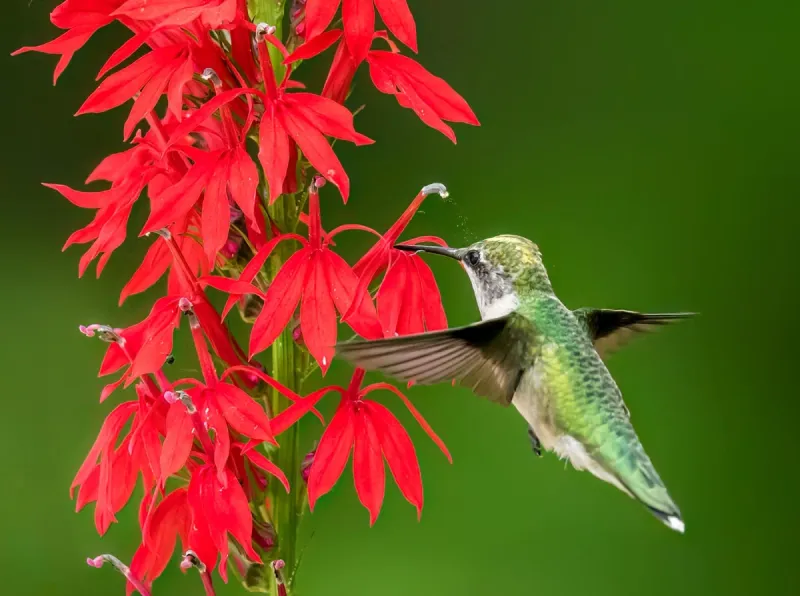
Ask any hummingbird fan to name one red plant, and cardinal flower usually comes up first. Its upright spikes of scarlet tubes show up in mid-summer, right when young hummingbirds are learning to feed on their own.
It grows in USDA zones 3 to 9 and loves damp soil, so it shines near a downspout, rain garden, or pond edge. You can still grow it in a regular bed if you water deeply during dry spells.
Full sun to part shade works fine.
The biggest worry gardeners have is that it vanishes after a year or two. That usually happens when mulch smothers the low leaf rosettes in winter.
Keep mulch pulled back from the crown, and let a few flower stalks drop seed so new plants fill in.
2. Scarlet Bee Balm
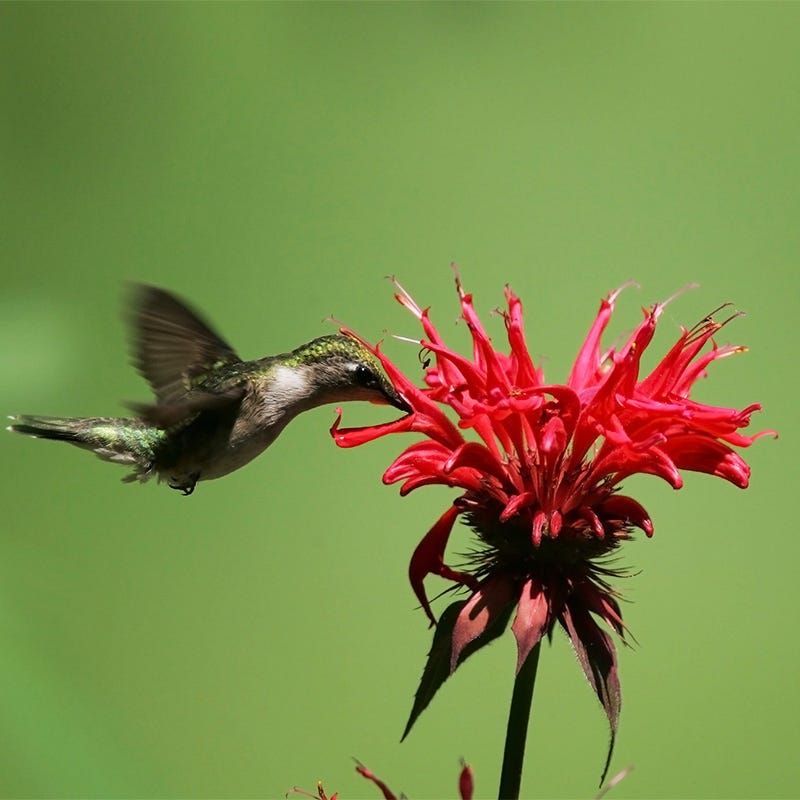
Picture a firework frozen mid-burst, and you have a scarlet bee balm flower. Those ragged red heads are packed with tiny tubes, each holding a sip of nectar that hummingbirds, bees, and butterflies all chase.
Bee balm is a North American native that likes steady moisture and sun to part shade. It spreads by roots, so give it room or dig out extra shoots each spring to share with neighbors.
Seeing white, dusty leaves by August? That is powdery mildew, and it is common.
Thin the clump so air can move, water at the soil instead of overhead, and choose mildew-resistant varieties like ‘Jacob Cline’ if it keeps happening.
3. Coral Honeysuckle
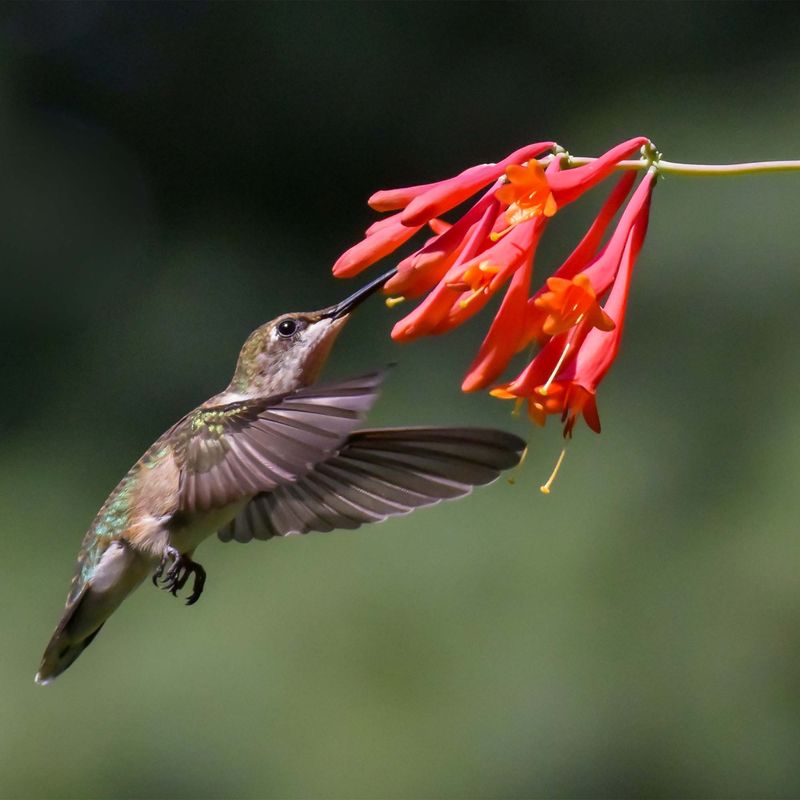
Forget the aggressive honeysuckle that swallows fences. Coral honeysuckle is the well-behaved native cousin, and hummingbirds treat it like a buffet that opens in spring and stays open into summer.
Clusters of red trumpet flowers dangle from twining stems that climb a trellis, mailbox post, or porch rail. It is hardy in zones 4 through 9 and takes full sun or a bit of shade, though more sun means more flowers.
If your vine is leafy but bloom-shy, too much shade or heavy nitrogen fertilizer is the usual culprit. Skip the lawn food nearby and trim lightly right after the first flush.
Bonus: songbirds snack on the red berries in fall.
4. Red Salvia
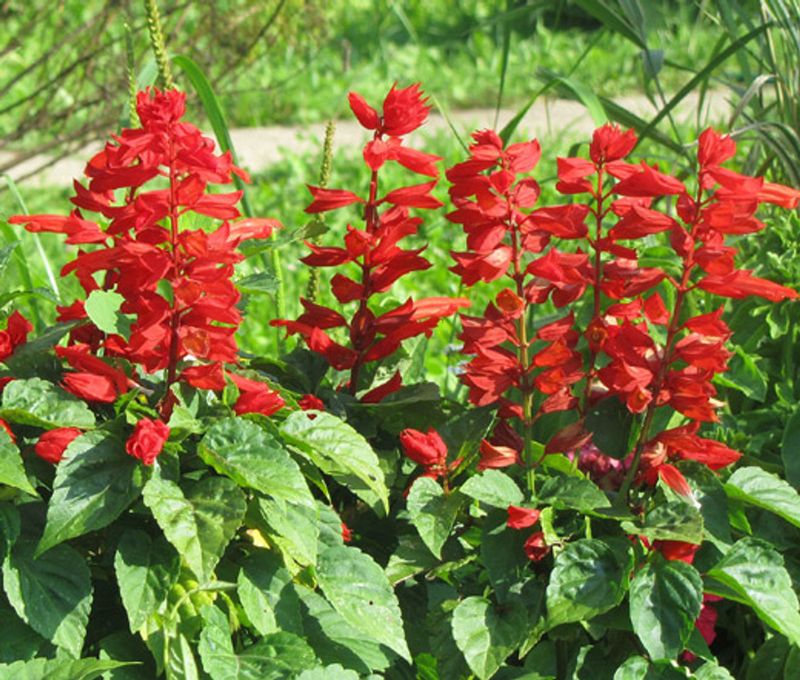
Few plants earn their keep like red salvia. From early summer until frost, those tall flower spikes keep pumping out fresh tubes, and hummingbirds work them over again and again.
Classic Salvia splendens is a reliable annual, while red forms of other sages like ‘Lady in Red’ offer a looser, airier look. All of them want full sun and soil that drains well.
When the spikes start looking brown and tired mid-season, grab your snips. Cutting faded stalks back to the next set of leaves tells the plant to push out new blooms within a couple of weeks.
A little effort here keeps your yard on the hummingbird map all summer.
5. Red Petunia
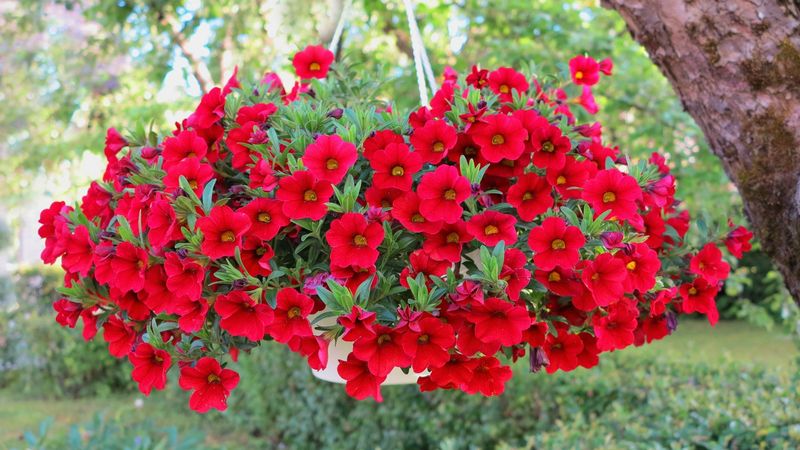
Surprised to see petunias here? Plenty of gardeners are.
Those trumpet-shaped red blooms you already tuck into baskets are a quiet favorite of hummingbirds passing through.
Hang a basket of red petunias near a window and you get a front-row seat. They want full sun, loose soil, and regular water, especially in containers that dry fast in July heat.
The common worry is leggy stems with flowers only at the tips. The fix is easy: pinch or trim stems back by a third in midsummer, then feed with a diluted liquid fertilizer.
Within two weeks the plant fills back in, and the hummingbirds return to a full menu.
6. Red Geranium
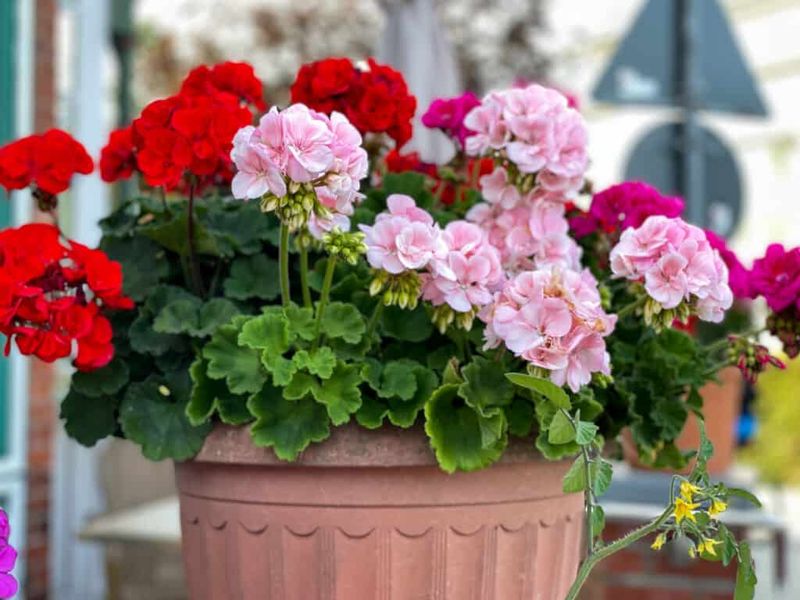
Grandma’s porch probably had them, and for good reason. Red geraniums are about as dependable as summer flowers get, and their bold clusters catch a hummingbird’s eye from the curb.
They thrive in pots, window boxes, and sunny beds. Let the top inch of soil dry before watering, because soggy roots are what usually kill them.
Fewer flowers lately? Snap off faded flower stalks right at the base, not just the petals.
Give a bloom-boosting feed every two weeks, and make sure the plant gets at least six hours of sun. Do that, and your geraniums can stay red right into fall.
You can even bring them indoors over winter.
7. Red Hibiscus
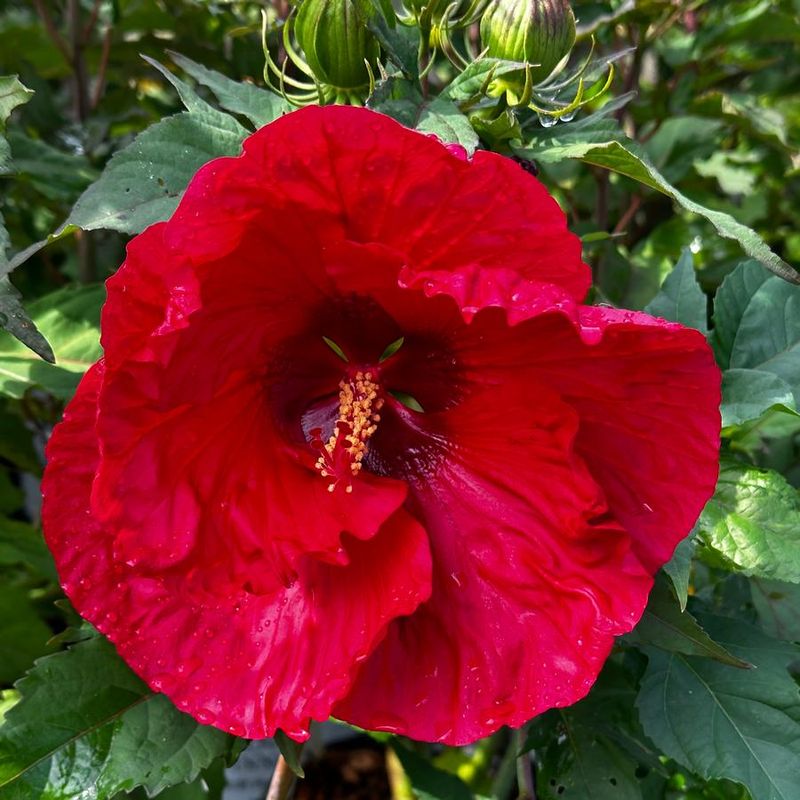
Some flowers whisper. Red hibiscus shouts.
Hardy types like Summerific ‘Valentine’s Crush’ open blooms the size of a dinner plate, impossible for any passing hummingbird to ignore.
Hardy hibiscus, also called rose mallow, comes back each year in much of the US. Tropical hibiscus works great in pots and moves indoors when nights get cold.
Do not panic in spring if your hardy hibiscus looks dead. It is famously late to wake up, often not sprouting until late May.
Mark the spot so you do not dig it up by mistake, and give it plenty of water once it starts growing.
8. Firecracker Penstemon
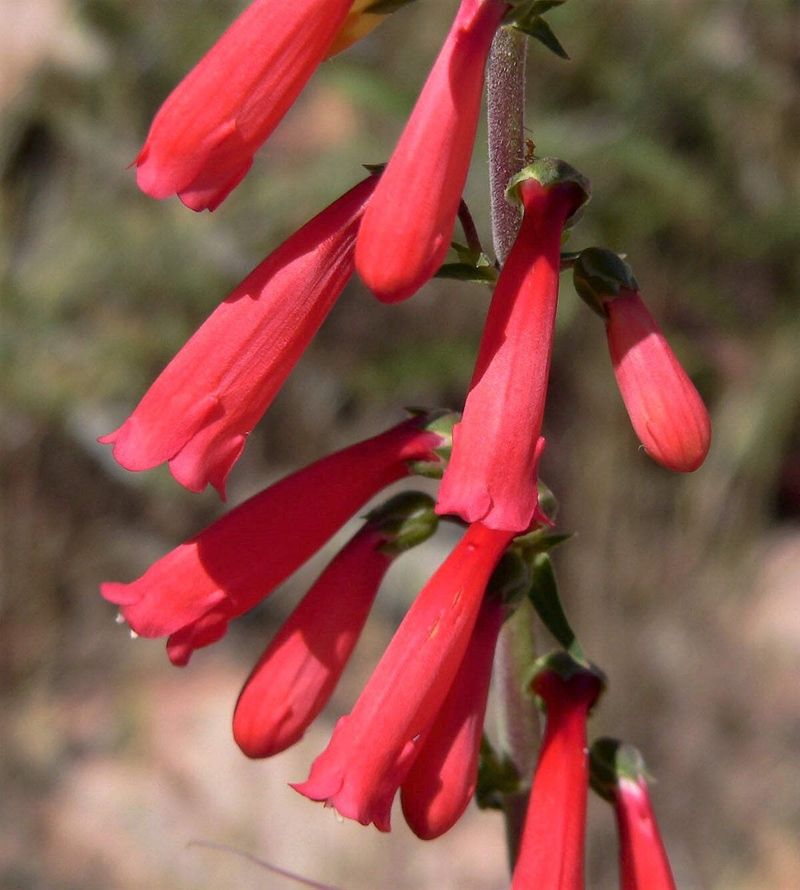
If a hummingbird designed its dream flower, it might look a lot like penstemon. The narrow red tubes are almost exactly the shape of a hummingbird’s bill.
Firecracker penstemon and other red beardtongues bloom from late spring into early summer. They handle heat and dry spells well, which makes them a smart pick for sunny, tough spots where other flowers fade.
Most penstemons fail from too much kindness. Rich soil and frequent watering rot their roots.
Plant them in lean, gravelly, well-drained ground, and water only until they settle in. Then mostly leave them alone.
9. Red Zinnia
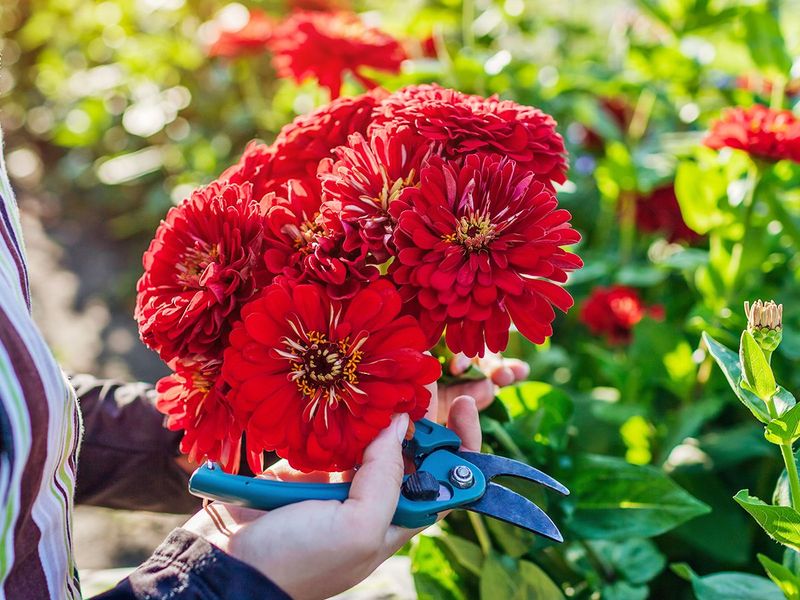
Here is a fun secret: zinnias do not look like hummingbird flowers at all. Yet the tiny yellow florets in the center are little tubes full of nectar, and hummingbirds know it.
Varieties like ‘Benary’s Giant Deep Red’ and ‘Dreamland Scarlet’ are cheap and easy to grow from seed sown right in warm soil. Full sun is a must.
The more you cut, the more they bloom, so fill a vase every week. Gray, powdery leaves are a common late-summer issue.
Space plants so air flows between them and water the base in the morning.
10. Red Mandevilla
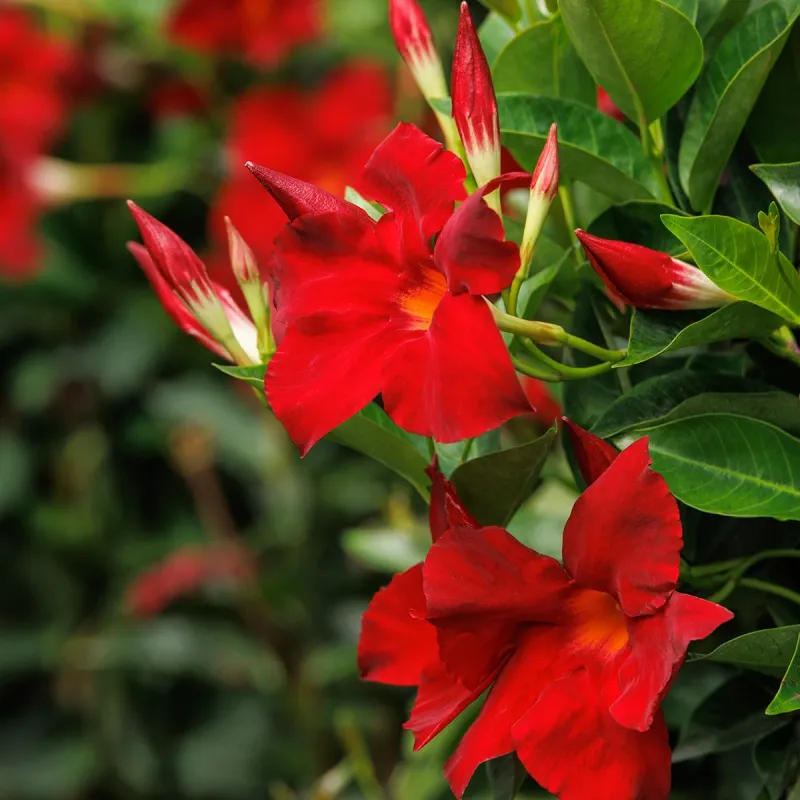
Want instant tropical vacation vibes on your patio? Red mandevilla delivers glossy leaves and long trumpet blooms that hummingbirds find within days of planting.
It loves heat and blooms nonstop in summer, perfect for a big pot with a small trellis. Most of the country treats it as an annual, but you can overwinter it in a bright window.
Yellowing leaves usually mean overwatering. Let the top couple inches of soil dry between drinks, and make sure the pot drains freely.
11. Crocosmia Lucifer
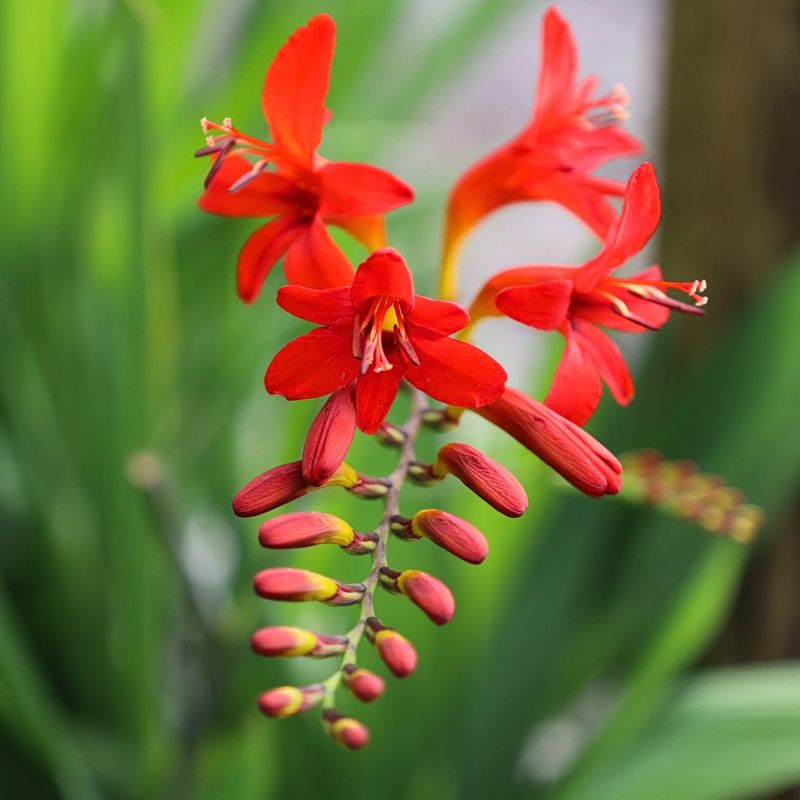
With a name like Lucifer, you expect drama, and this crocosmia brings it. Arching stems hold rows of blood-red tubes over sword-shaped leaves in midsummer.
It grows from corms and is reliably hardy to zone 5. Plant it in full sun with decent drainage, and it forms bigger clumps every year.
If blooms thin out after a few seasons, the clump is too crowded. Dig and divide in early spring, replant the corms a few inches apart, and you get more flowers plus extras to spread around the yard.
12. Red Columbine
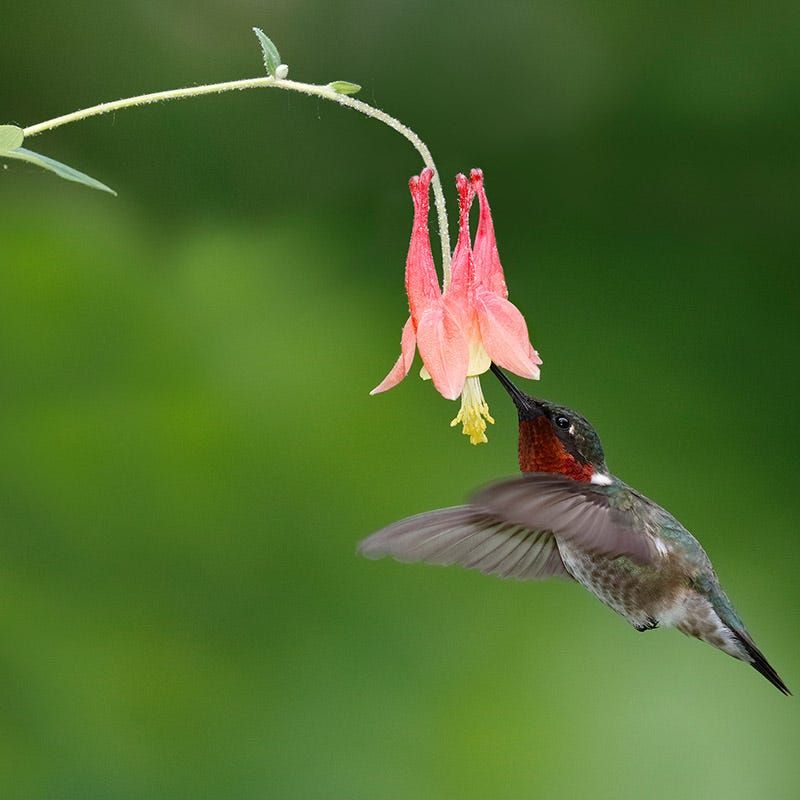
Early spring is a hungry time for hummingbirds just back from migration. Wild red columbine steps up first, with nodding red and yellow flowers when little else is blooming.
Aquilegia canadensis likes sun to part shade and moist soil that drains well. It looks delicate but holds up nicely under trees or along a shady path.
Noticing squiggly white trails in the leaves? Those are leaf miners, and they rarely hurt the plant much.
Just cut damaged foliage back after bloom, and fresh leaves will follow. Let some seed pods ripen so new plants pop up.
13. Red Hot Poker
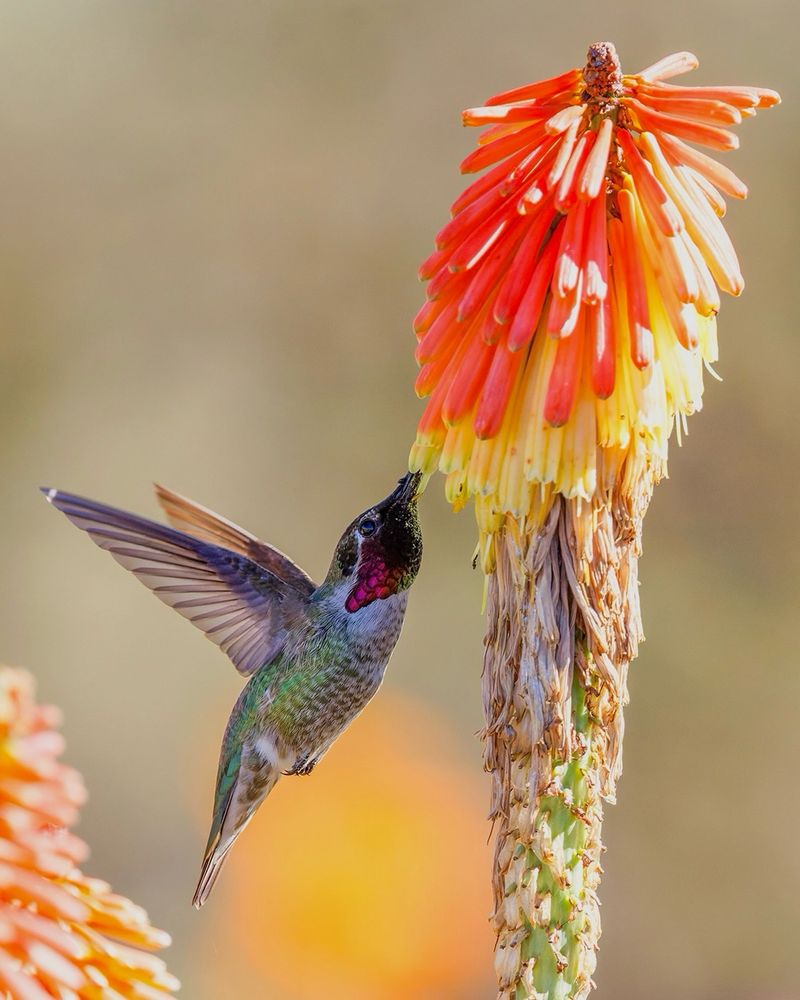
Stand back and you might think someone planted torches in the flower bed. Red hot poker, also called torch lily, sends up spikes glowing red at the top and fading to orange or yellow below.
Each spike is made of dozens of drooping tubes, and hummingbirds work their way around them like kids at a candy jar. These plants love sun and handle heat and drought once settled.
Wet winter soil is their weak spot. Plant in well-drained ground, and tie the leaves up loosely over winter so water does not collect in the crown.
Cut faded spikes to the base for more blooms.