
14 Surefire Ways To Get Grass Seed To Actually Take This Fall (Plus 7 Mistakes That Waste Every Bag)
Few things sting like watching a whole bag of grass seed sit on bare dirt and do nothing. Fall is the best time of year to fix thin or patchy spots, because the soil is still warm and the air is finally cool.
The catch is that seed only sprouts when a few simple things go right. Here are 14 ways to help your seed take root this fall, plus 7 common mistakes that quietly waste your money.
1. Time Your Planting Perfectly
Grass seed runs on a clock, and fall gives you a short, sweet window. For cool-season grasses like tall fescue, Kentucky bluegrass, and ryegrass, aim for 45 to 60 days before your first hard frost.
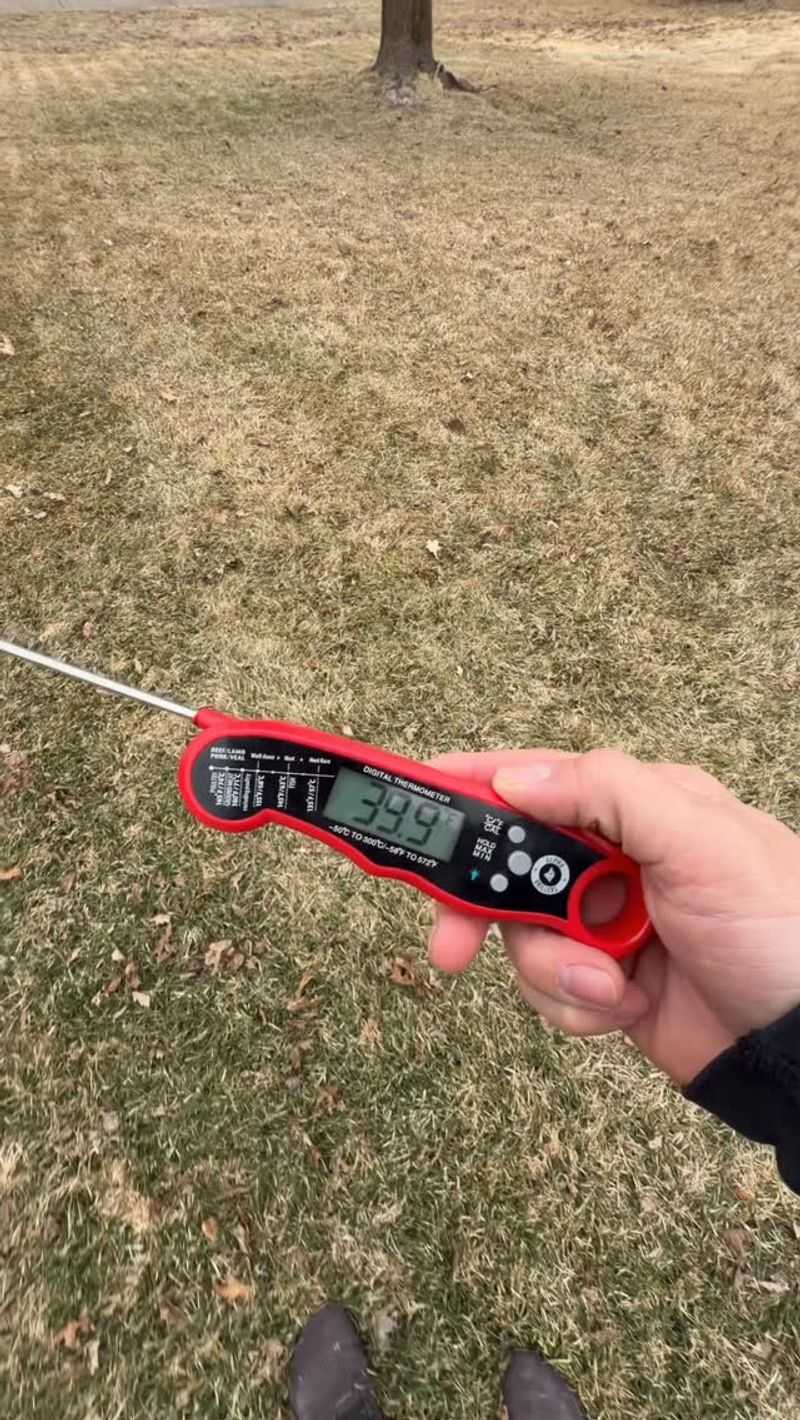
In most northern states, that lands between late August and late September. Soil around 50 to 65 degrees and daytime air between 60 and 75 degrees is the sweet spot.
A cheap soil thermometer takes the guesswork out. Push it a few inches deep in the morning, and once the readings settle into that range, you are ready to go.
Planting on time gives young roots weeks to dig in before winter puts everything to sleep.
2. Eliminate Weeds First
Picture a tiny grass sprout trying to grow next to a fat, thirsty dandelion. The weed wins nearly every time.
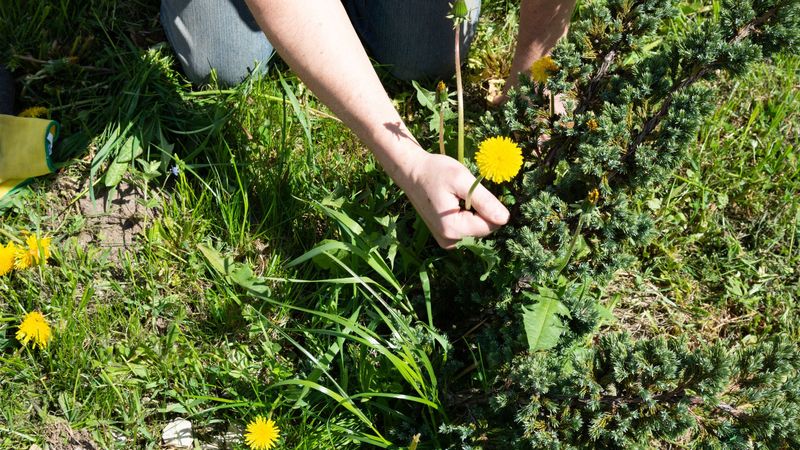
About a week before seeding, pull or spot-treat weeds in the area. Hand-pulling works well for small patches, especially after a rain when roots slide out easily.
If you use a weed killer, read the label for how long to wait before seeding. Some products linger in the soil for weeks and can stop seed cold.
3. Mow Your Lawn Extra Short
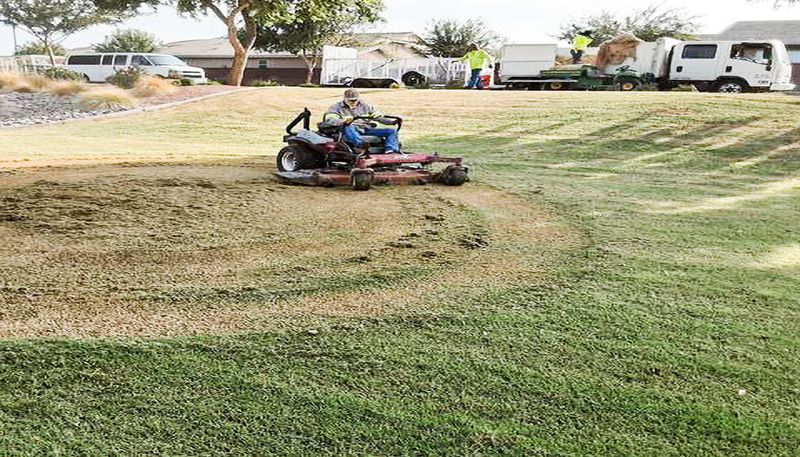
Normally, cutting grass short is a bad habit. Right before overseeding, though, it is exactly what new seed needs.
Drop your mower to about 1.5 to 2 inches and bag the clippings. Shorter grass lets sunlight hit the soil and helps seed actually land on dirt instead of getting stuck in leaf blades.
Once the new grass is up and growing, raise the mower back to its normal height. Think of this as a one-time haircut to make room for the newcomers.
4. Dethatch to Improve Contact
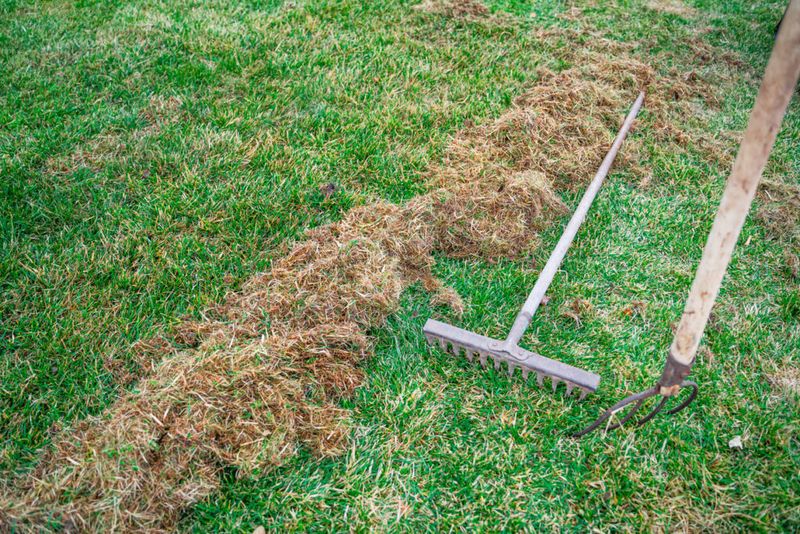
Kneel down and push your fingers into the base of your grass. If you feel a spongy brown mat more than an inch thick, that is thatch, and it is blocking your seed.
Thatch is a layer of dead stems and roots that sits between the grass and the soil. Seed that lands on it dries out fast and rarely sprouts.
A dethatching rake handles small yards, while a rented power dethatcher saves your back on bigger ones. Rake up the debris afterward, and you will be amazed how much comes out.
5. Aerate Compacted Soil
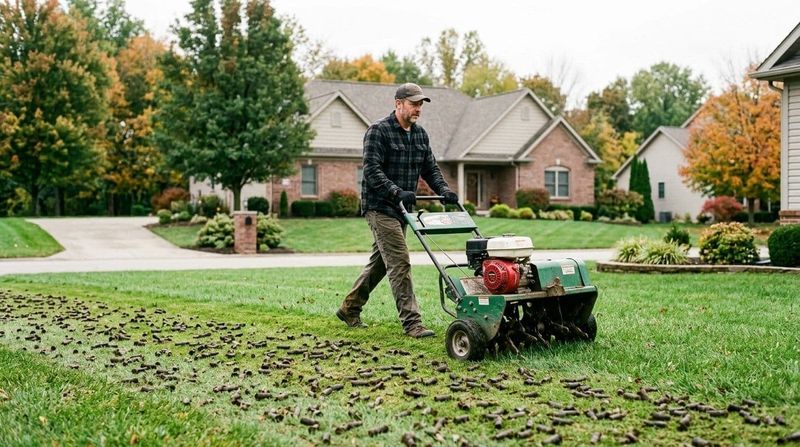
Kids, dogs, and lawn mowers all pack soil down over time. Hard soil makes it tough for roots to grow and for water to soak in.
Core aeration pulls out small plugs of soil, leaving thousands of little holes. Seed drops right into those pockets, where it stays moist and protected.
Aerate when the soil is slightly damp, not soggy or bone dry. Leave the plugs on the lawn; they break down in a week or two and return nutrients to the ground.
6. Lightly Loosen the Topsoil
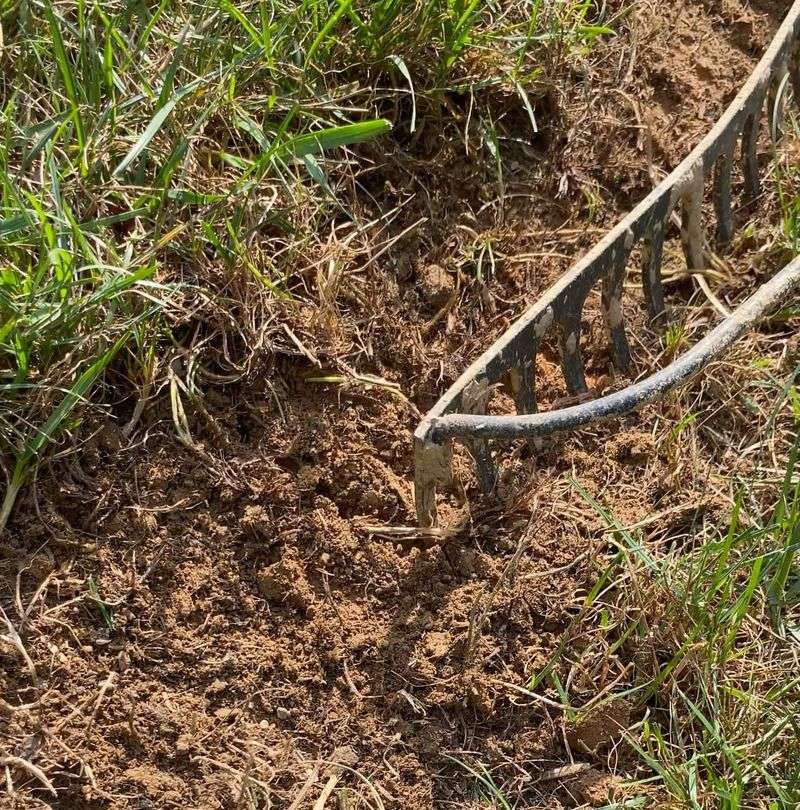
Bare spots are often crusted over like a hard cookie. Seed simply bounces off that surface.
Use a garden rake or hand cultivator to scratch up the top quarter inch to a few inches of soil in thin or bald areas. You want crumbly, loose dirt, not deep trenches.
This small effort makes a big difference. Loose soil holds water better and lets tiny roots slip down without a fight.
7. Incorporate Organic Matter
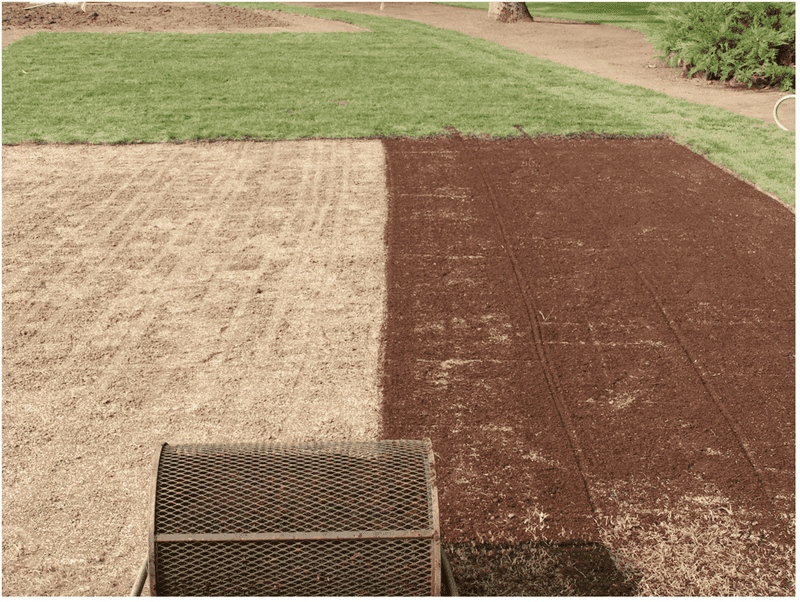
Gardeners already know compost is magic for tomatoes and flower beds. Turns out grass seed loves it just as much.
Mix a thin layer of compost into loosened soil, especially in sandy or clay spots. It helps sand hold moisture and helps clay drain, giving seedlings a friendlier home.
A quarter inch to half inch is plenty. Too much can smother seed or create soft, uneven ground.
8. Choose the Right Grass Seed

Walk down any garden center aisle and you will see dozens of bags. Picking the right one matters more than almost anything else on this list.
Match the seed to your climate, sunlight, and how you use the yard. Tall fescue handles heat and foot traffic, fine fescues tolerate shade, and Kentucky bluegrass spreads to fill gaps.
Check the label for weed seed and filler percentages, and look for varieties tested by NTEP when you can. Cheap bags with lots of filler often cost more in the long run.
9. Distribute Seed Evenly with a Spreader
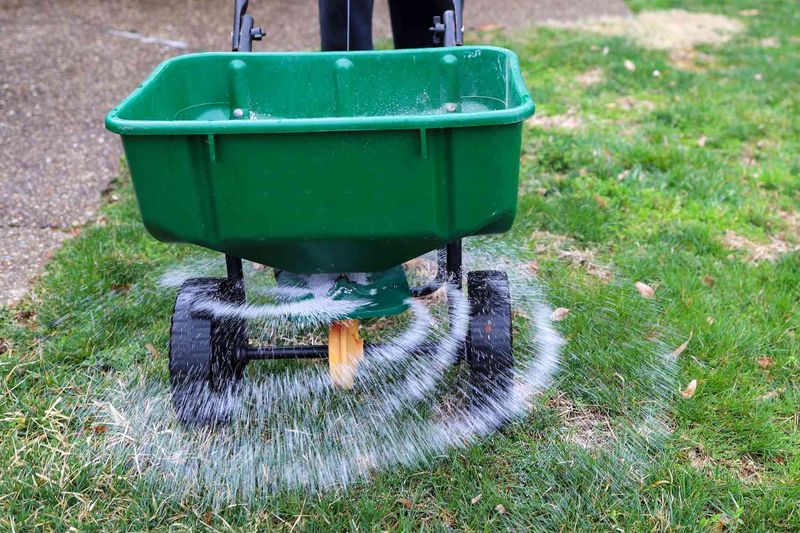
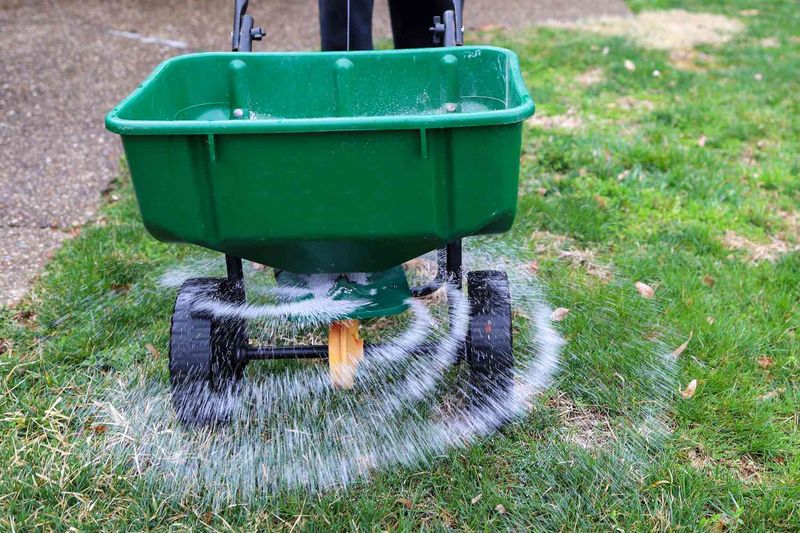
Tossing seed by hand feels natural, but it almost always leaves clumps and bald spots. A spreader fixes that.
Hand-held spreaders work for small patches, while push broadcast spreaders cover big yards quickly. Set it to half the recommended rate, then make two passes in crisscross directions.
That crisscross trick evens out any misses. Your lawn will come in looking uniform instead of striped.
10. Ensure Critical Seed-to-Soil Contact
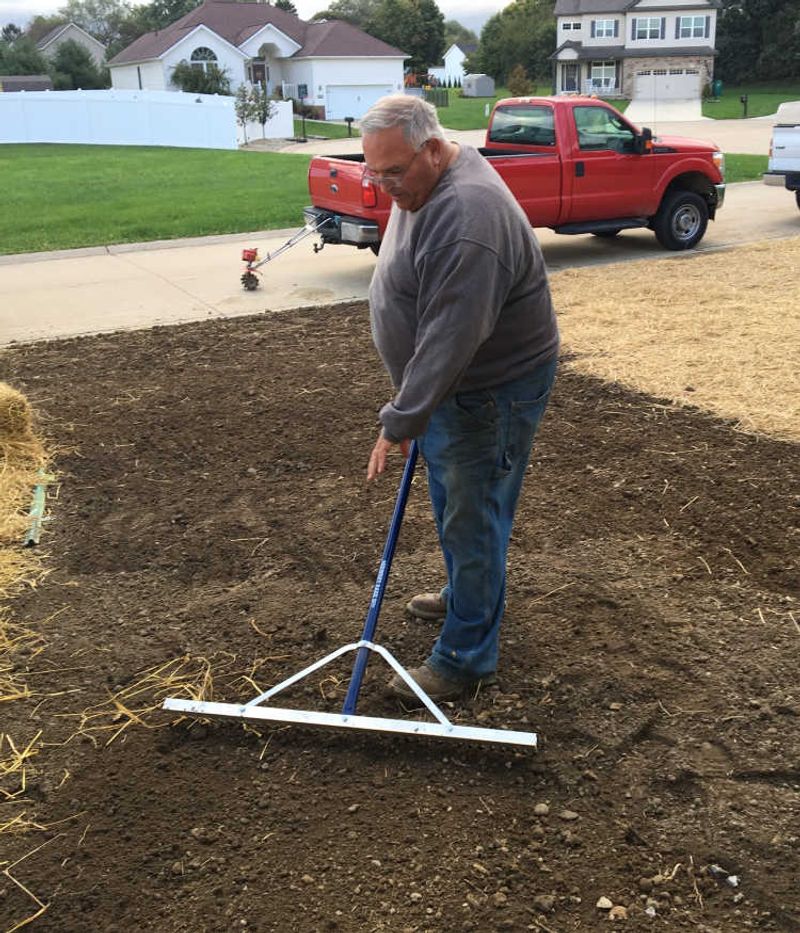
Here is the secret most people miss: seed has to touch soil to grow. Seed sitting on top of grass or mulch is basically bird food.
After spreading, gently rake the area so seed settles into the top quarter inch of soil. Some folks also roll it lightly with an empty lawn roller to press it in.
Do not bury it deep. A light covering is all most grass seed needs to soak up moisture and sprout.
11. Lightly Cover the Seed
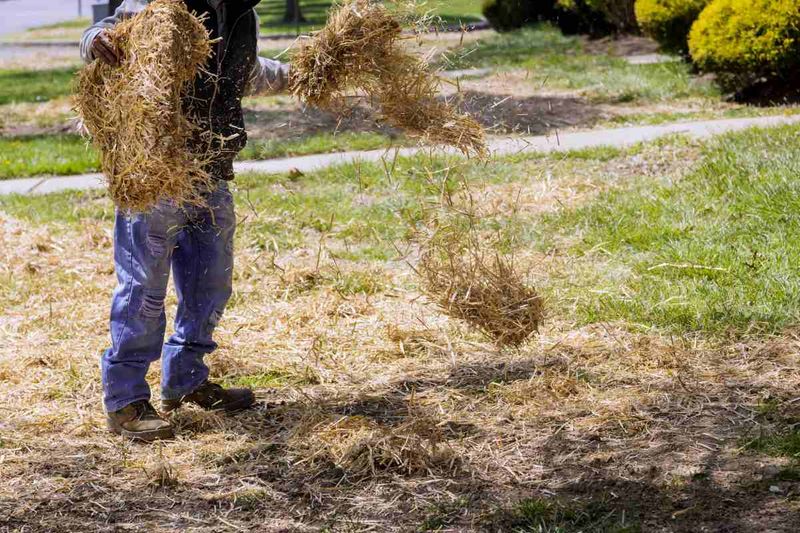
Birds watch you seed the lawn like it is an all-you-can-eat buffet. A light cover can help protect your investment.
Sprinkle a thin layer of weed-free straw, peat moss, or fine compost over the seed. It may reduce bird snacking and helps hold moisture in the soil.
Keep it thin enough that you can still see some soil through it. Thick layers block light and can trap too much moisture.
12. Apply a Starter Fertilizer
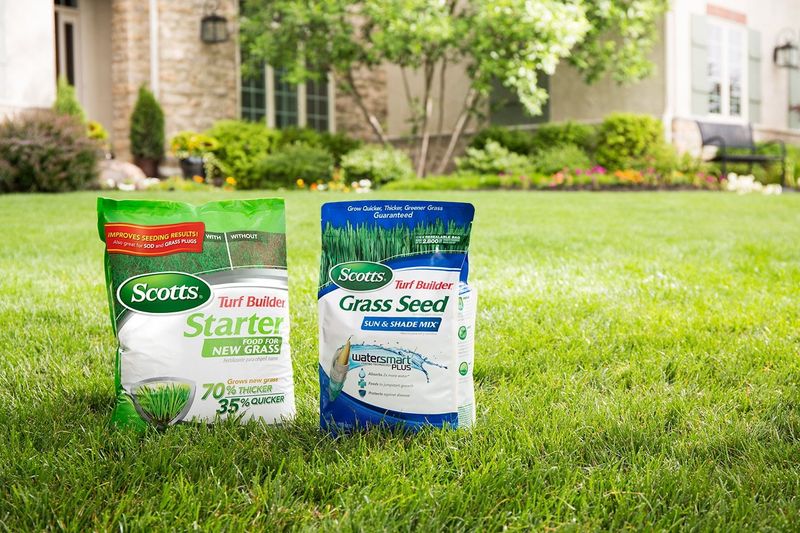
Baby grass has different needs than an older lawn. Starter fertilizer is made just for that first growth spurt.
These blends usually have more phosphorus, which supports root growth. Apply it the same day you seed, following the bag directions closely.
Some states limit phosphorus use, so check local rules. Many brands sell compliant starter formulas for those areas.
13. Water Lightly and Consistently
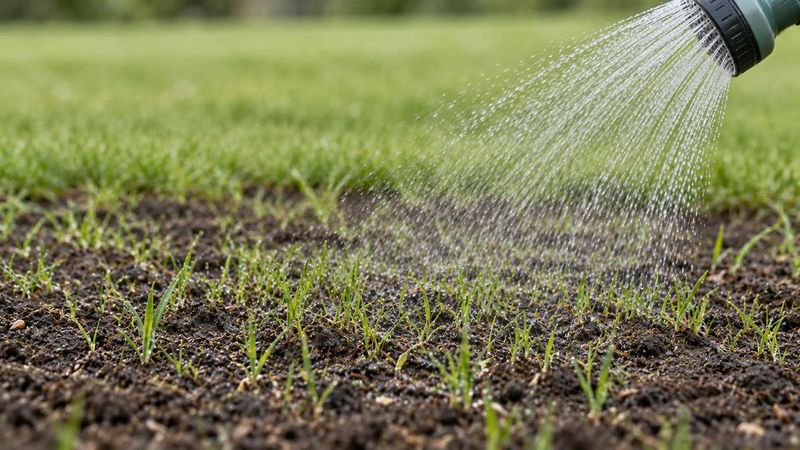
New seed is thirsty in a fussy way. It wants the top inch of soil damp all the time, not soaked once a week.
Water lightly once or twice a day, usually morning and early afternoon, until seedlings appear. Depending on the grass type, that can take anywhere from 5 to 21 days.
Watch for puddles or runoff, which mean you are overdoing it. A short, gentle sprinkle beats a heavy blast that washes seed away.
14. Transition Watering as Seedlings Mature

Once you see that fuzzy green haze, celebrate a little. Then change your watering habits.
Slowly water less often but for longer each time. Deeper watering encourages roots to chase moisture down, building a tougher lawn.
By the time the grass is ready for its first mow, around 3 inches tall, you can usually water a couple of times a week.
15. Mistake: Planting at the Wrong Time

Late October seeding feels productive, but it often ends in heartbreak. Seedlings that sprout too late do not have time to grow strong roots before frost.
Warm-season grasses like Bermuda and zoysia are a different story. They need hot soil and belong in late spring, not fall.
If you missed the window, consider dormant seeding in late fall when soil is too cold to sprout, so seed waits until spring.
16. Mistake: Skipping Soil Preparation
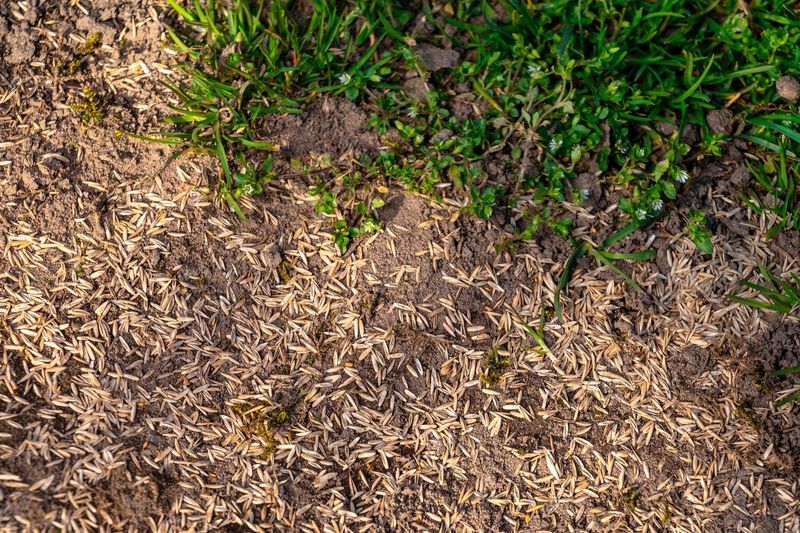
Scattering seed over a hard, weedy patch and hoping for the best is the fastest way to waste a bag.
Without loose soil, seed sits on top, dries out, and blows away. Thatch and weeds make it even worse.
Prep work takes an afternoon. Skipping it can cost you the whole season.
17. Mistake: Poor Seed-to-Soil Contact
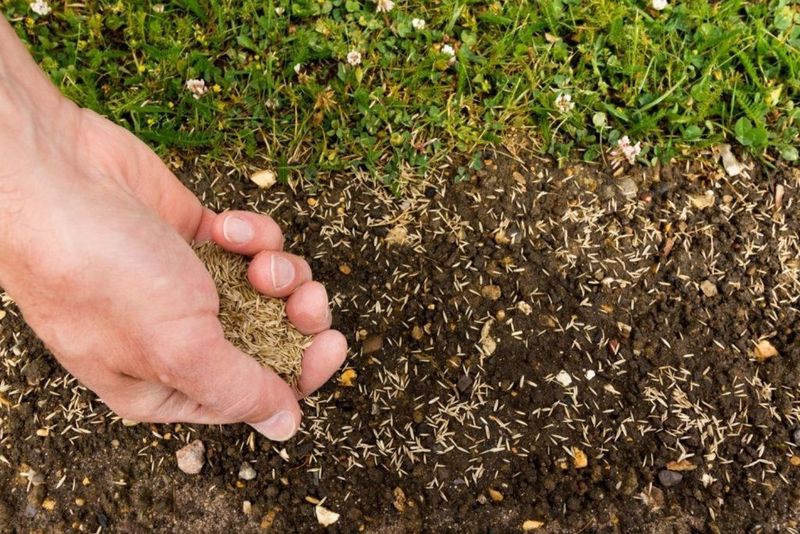
Two opposite mistakes cause the same problem. Some people leave seed sitting on top, while others bury it way too deep.
Exposed seed dries out or gets eaten. Seed buried deeper than a quarter inch may run out of energy before reaching the light.
Aim for the middle: lightly raked in, barely covered, and firmly settled.
18. Mistake: Inconsistent Watering
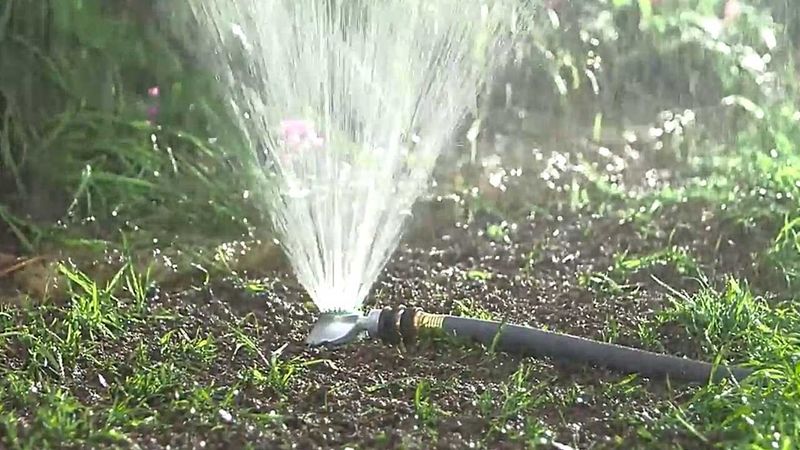
Ask lawn pros why seed fails, and drying out tops the list. Once a seed starts sprouting, letting it dry even once can kill it.
Overwatering causes trouble too. Puddles wash seed into clumps and soggy soil invites disease.
A simple hose timer may help keep moisture steady while you are busy or away.
19. Mistake: Choosing the Wrong Seed Type
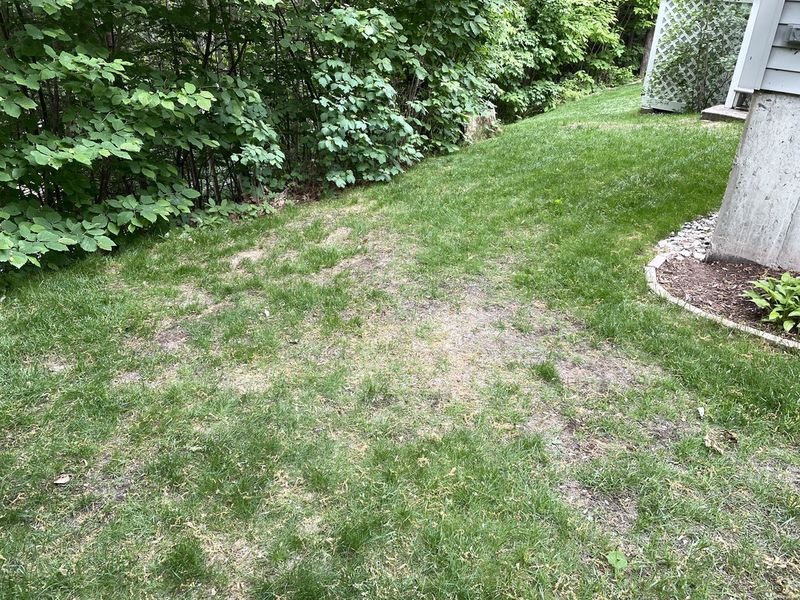
Sun-loving seed under a big oak tree is a sad sight. It sprouts, stretches, and fades away by spring.
Shady spots need shade-tolerant mixes, and hot southern yards need warm-season types. Busy play areas need tough, traffic-tolerant grass.
Read the bag before you buy. The right match saves you from reseeding every year.
20. Mistake: Ignoring Seeding Rates
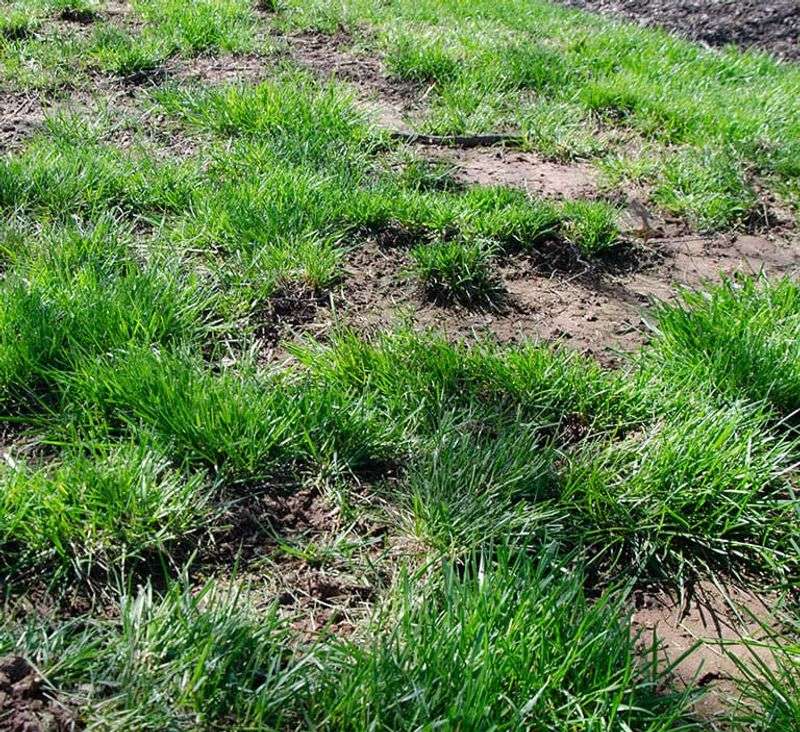
More seed must mean more grass, right? Not quite.
Too much seed crowds seedlings, so they fight over water and light and grow weak. Too little leaves a thin lawn that weeds happily fill.
Follow the rate on the bag, usually listed per 1,000 square feet. Measure your area first so you buy the right amount.
21. Mistake: Using Weed and Feed With Seed
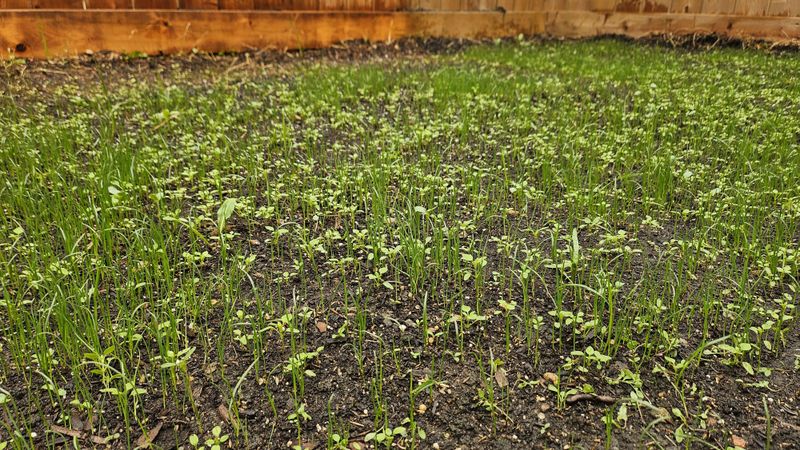
Weed and feed seems like a shortcut. For new seed, it can be a disaster.
Many of these products contain herbicides that stop seeds from sprouting or harm tender seedlings. High-nitrogen lawn food meant for mature grass can stress babies too.
Wait until you have mowed new grass three or four times before using weed controls, and stick with starter fertilizer until then.