
15 Places You Should Never Plant Coneflowers (And 5 Spots Where They Actually Thrive)
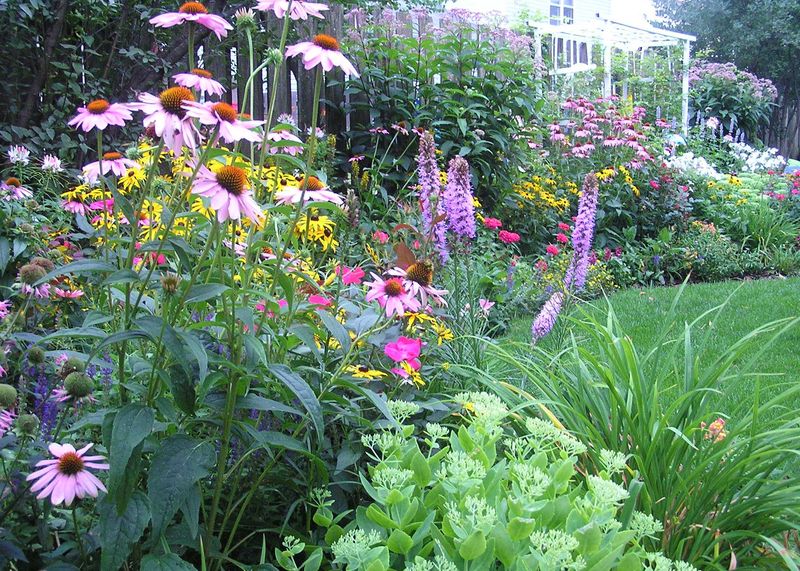
Coneflowers look tough, but even these sturdy prairie flowers can struggle when you plant them in the wrong spot. If your Echinacea keeps flopping over, refusing to bloom, or rotting at the roots, the location is usually the real culprit.
Below you will find 15 places where coneflowers tend to fail, plus 5 spots where they honestly can not lose. Get the placement right, and these plants will reward you with years of blooms, butterflies, and hungry finches.
1. Constantly Wet or Soggy Soil
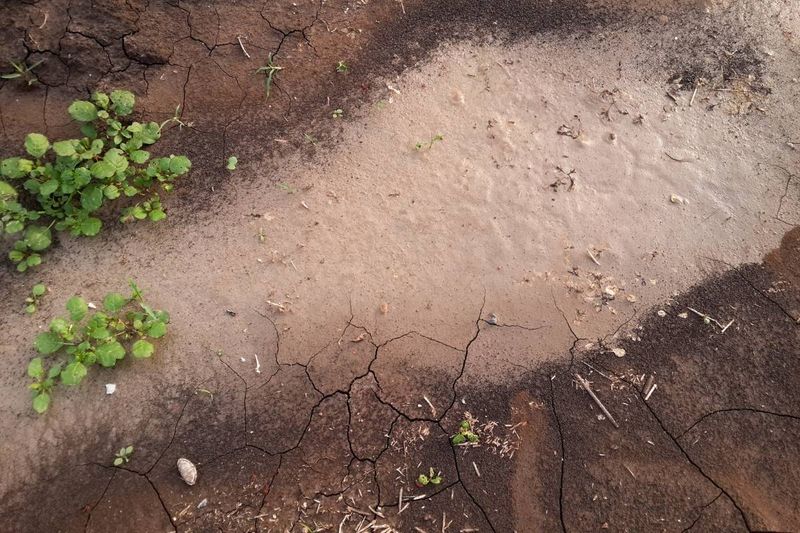
Nothing kills a coneflower faster than wet feet. When soil stays waterlogged after every rain, the roots sit in a soggy bath and slowly rot from the bottom up, and by the time the top wilts the damage is usually done.
Coneflowers evolved on open prairies where water drains away quickly. Their roots need air pockets in the soil, and constant moisture squeezes those pockets shut.
Watch for spots where puddles linger for hours or where the ground feels spongy underfoot.
If you have a low corner that collects runoff, save it for moisture lovers and plant your Echinacea somewhere higher. A simple fix is a raised bed or a gentle mound, which lifts the crown out of standing water and gives roots the drainage they crave.
2. Heavy Clay Soil
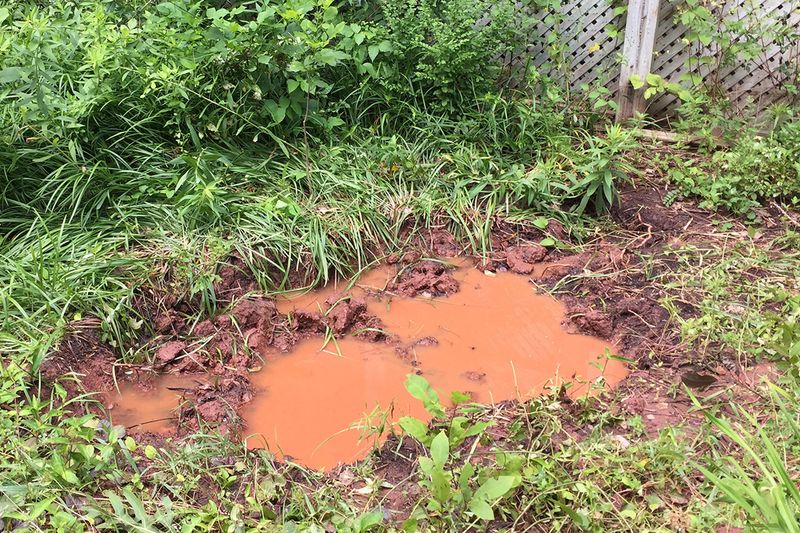
Dense, sticky clay is a coneflower’s quiet enemy. It clumps together, holds water like a sponge, and refuses to let roots push through, which leaves your plant gasping for the air and drainage it depends on.
Clay also warms slowly in spring and stays cold and wet just when young roots are trying to establish. The result is often stunted growth and a plant that never quite takes off, no matter how much sun it gets.
You do not have to give up on a clay yard, though. Work several inches of compost and coarse grit into the planting area to loosen the texture, or build up a raised bed on top.
Amended clay can actually grow beautiful coneflowers once water moves through it freely.
3. Full Shade Under Trees or Eaves
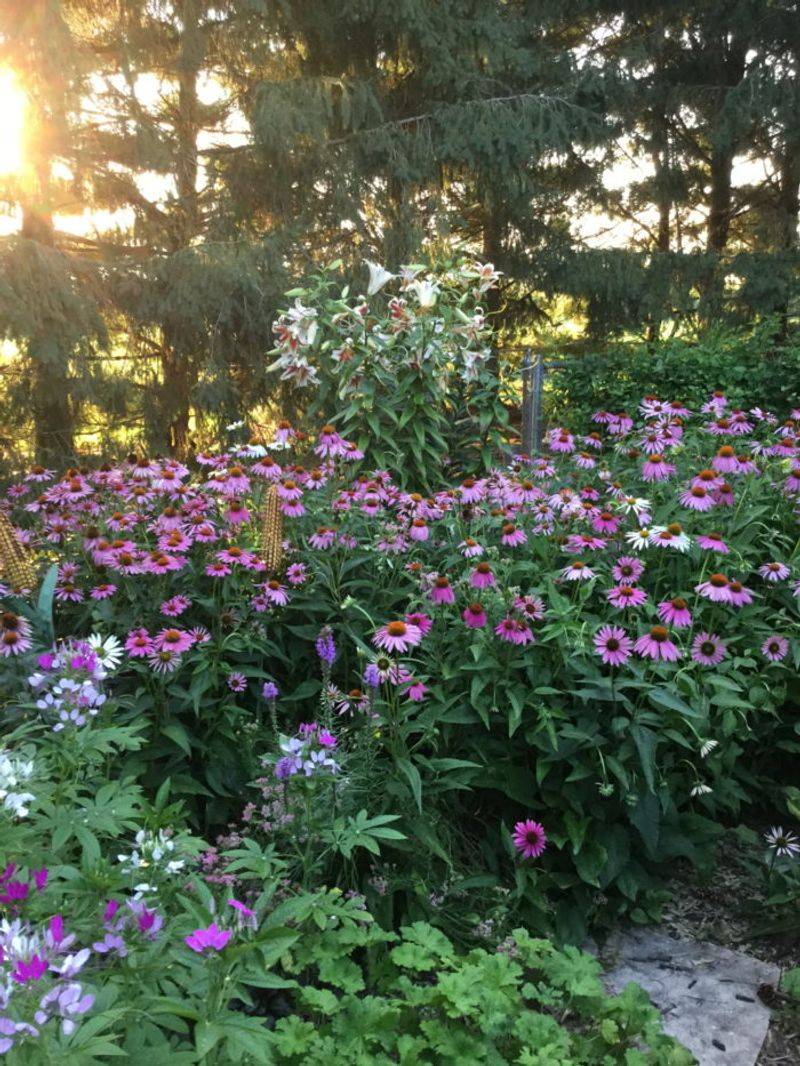
Sun is not optional for these flowers. Coneflowers are true sun worshippers that need six to eight hours of direct light a day, and tucking them into full shade is a recipe for disappointment.
Deprived of light, the plants stretch tall and leggy, produce weak stems, and bloom sparsely if at all. You might get a leaf or two, but the showy daisy-like flowers you were hoping for simply will not appear in a dark corner.
Shady spots beneath dense trees or along a north-facing wall belong to hostas and ferns, not Echinacea. Before you plant, spend a day watching where the sunlight lands.
Reserve the brightest, most open patch of your yard for your coneflowers and let the shade lovers have the rest.
4. Crowded Beds With Poor Air Circulation

Packing coneflowers shoulder to shoulder feels efficient, but it sets up a humid, stuffy micro-climate that fungus loves. When leaves can never dry out, powdery mildew and anthracnose move in fast.
You will spot the trouble as a dusty white coating on the foliage or dark blotches that spread across the leaves. Both diseases thrive where air sits still, especially during muggy summer weeks when the whole bed feels like a greenhouse.
Give each plant elbow room, usually a foot to eighteen inches, so breezes can flow between the stems and moisture evaporates quickly. Thinning out overgrown clumps every few years keeps the airflow moving and cuts down on the fungal problems that turn healthy leaves ugly.
5. Salty Coastal Sites
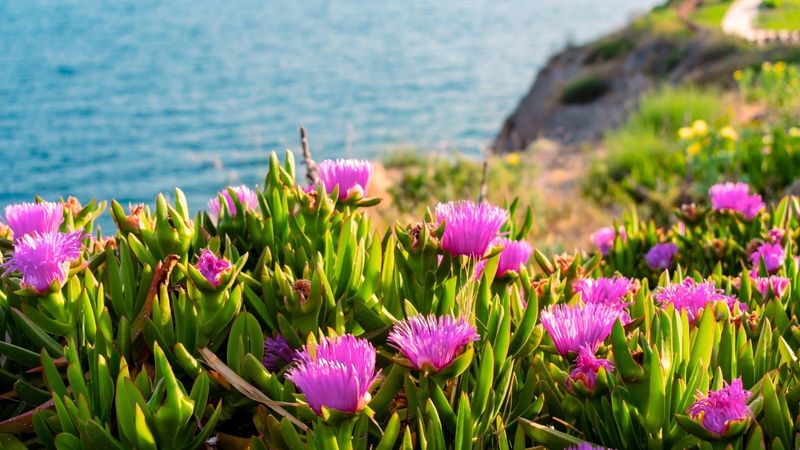
Beach living sounds idyllic, but ocean spray is rough on many coneflower varieties. Salt carried on the wind and soaked into sandy soil can scorch leaf edges and stress plants that simply were not built for that punishment.
Not every Echinacea handles salt the same way, and some newer hybrids sulk badly within reach of the surf. If your garden sits close to the shore, direct exposure to blowing salt spray often leads to browning tips and a short, unhappy life.
Should you love the look of coneflowers by the sea, tuck them behind a fence, hedge, or the shelter of your house where they gain some protection. Choosing tougher native types and improving the soil with compost also gives them a fighting chance against the salt.
6. Behind Taller Plants That Steal the Light
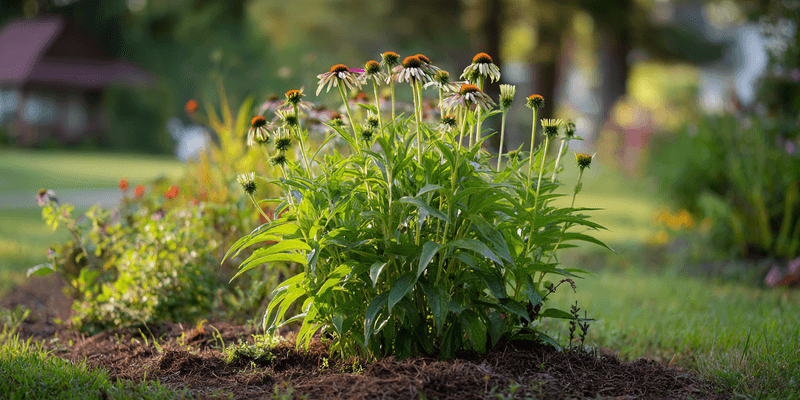
Even a spot that starts out sunny can betray you by midsummer. Plant coneflowers behind a fast-growing shrub or a towering stand of sunflowers, and they slowly disappear into the shadows as their neighbors shoot up.
Partial shade is not a death sentence, but it quietly chips away at performance. Blooms shrink, flowering slows, and shaded foliage stays damp longer, which invites the same fungal diseases that plague crowded beds.
Think ahead about the mature height of everything around your Echinacea. Set them at the front or middle of a border where nothing will loom over them by July, so they keep soaking up that full-day sun they need to put on a real show.
7. Spots That Beg for Heavy Fertilizer
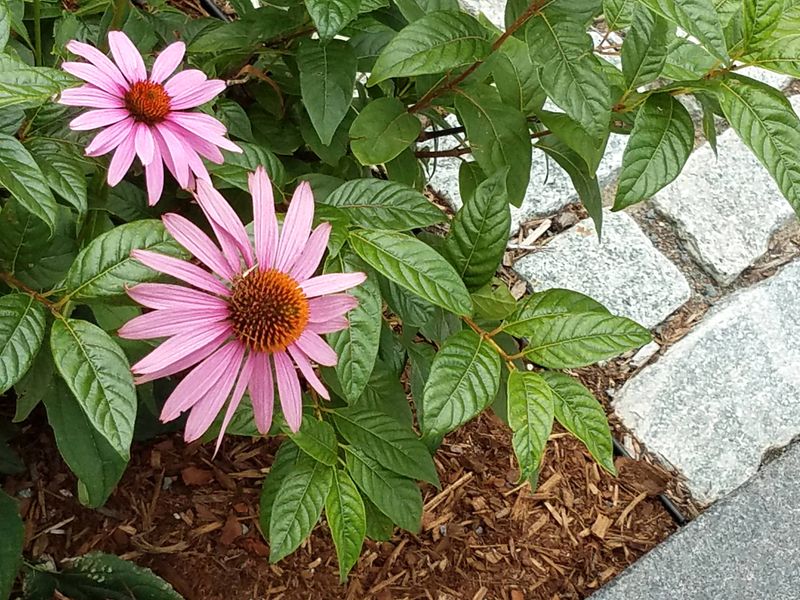
Coneflowers are the opposite of fussy eaters, and treating them like hungry roses backfires. Pile on the fertilizer and you will get a jungle of leaves with barely a flower in sight.
Rich, over-fed soil pushes the plant to grow lush green foliage at the expense of blooms. Those extra nutrients also encourage soft, floppy growth that leans and topples the moment a summer storm rolls through.
Skip the location that traps runoff from a heavily fed lawn or vegetable patch. A modest helping of compost at planting time is plenty.
Once established, coneflowers thrive on neglect and reward a light touch with sturdier stems and far more of those signature cone-topped flowers.
8. Beside Weedy or Grassy Patches
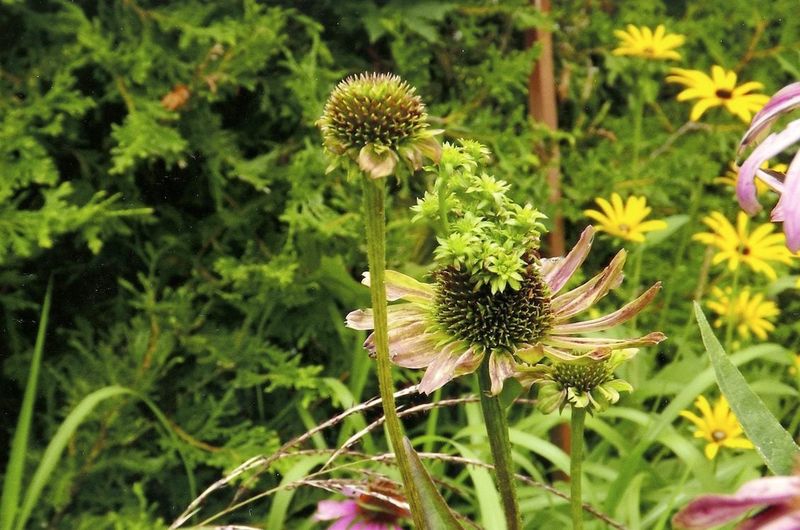
That untidy strip of tall grass along the fence is more dangerous than it looks. Weedy, grassy areas shelter leafhoppers, the tiny insects that spread a nasty disease called aster yellows to coneflowers.
Once infected, the symptoms are strange and unmistakable. Flowers turn green and deformed, cones sprout weird leafy tufts, and growth becomes stunted and warped.
There is no cure, so prevention is your only real defense.
Keep coneflower beds well away from neglected grassy margins and mow or trim those buffer zones regularly. Fewer hiding spots for leafhoppers means a much lower chance your Echinacea catches the disease that twists healthy blooms into something out of a horror movie.
9. Among Aggressive Groundcovers
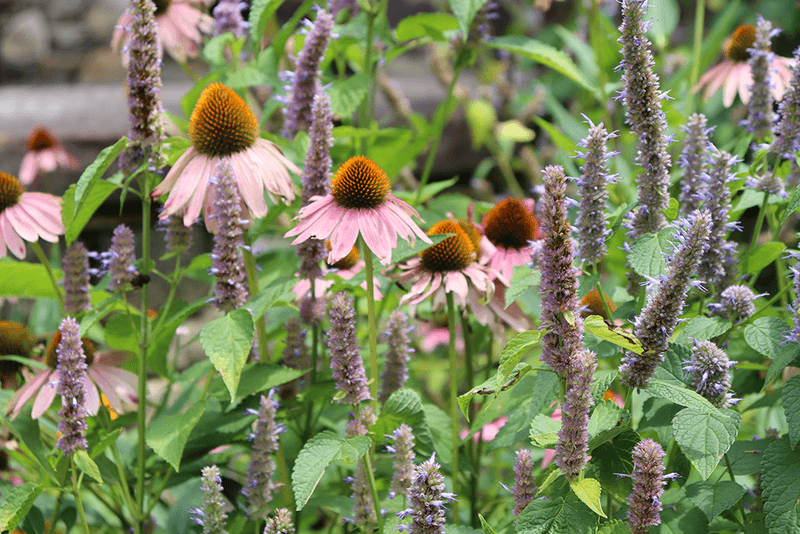
Vigorous groundcovers make wonderful carpets, but they play dirty with newcomers. Plant coneflowers into a mat of creeping vinca, ajuga, or spreading sedum, and the established groundcover will fight them for every drop of water and every crumb of nutrition.
Young coneflowers need open ground to sink roots and settle in. A dense living blanket smothers their crowns, hogs the surface moisture, and slows establishment until the new plants simply give up.
Give your Echinacea a clear pocket of bare soil and let it bulk up before any groundcover creeps close. Better yet, pair coneflowers with well-behaved companions that share space politely rather than muscling everything else out of the bed.
10. Anywhere You Plant Too Late in the Season

Timing quietly makes or breaks a coneflower’s survival. Echinacea purpurea grows a deep taproot that stores energy and anchors it through winter, and that root needs weeks of warm soil to develop before the cold arrives.
Stick a young plant in the ground much past midsummer and it may never build enough root to hold on. When the first hard freeze hits, an under-rooted coneflower can heave out of the soil or simply fail to return in spring.
Aim to plant in spring or early summer so roots have all season to reach down. If you are running late in the year, a container held over until the following spring is a safer bet than gambling on winter survival.
11. Bare, Unimproved Soil With No Organic Matter
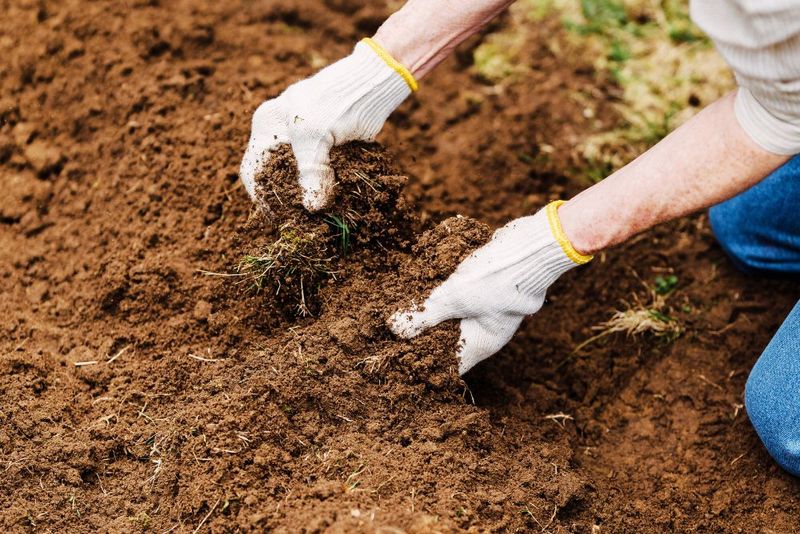
Coneflowers are forgiving, but bone-dry, lifeless dirt tests even their patience. Soil stripped of organic matter drains poorly, holds few nutrients, and offers roots little to grab onto as they try to establish.
These plants tolerate a wide range of conditions, yet they clearly do better when the ground has some structure and life to it. Compacted subsoil left over from construction or a neglected corner of the yard rarely gives roots the loose, crumbly home they prefer.
A little prep goes a long way. Mixing a few inches of compost into the planting hole improves drainage, feeds soil microbes, and helps young roots spread.
Skip that step, and your coneflower may limp along instead of taking off.
12. Windswept Spots With No Support
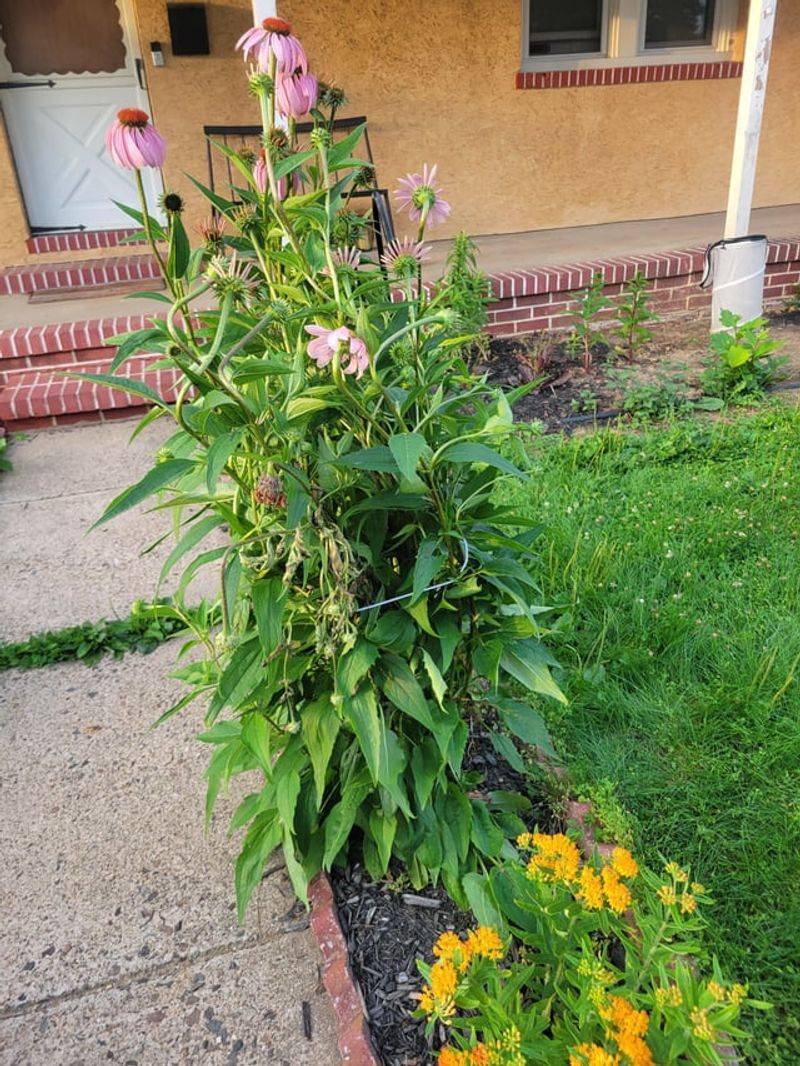
A steady blast of wind can turn a proud coneflower into a leaning mess. Exposed sites where gusts rip across open ground push tall stems around until they lean, kink, or snap.
Weak growth makes it worse. A plant already stretched thin from too little sun or too much fertilizer has flimsy stems that surrender to the first strong breeze, and once they flop they rarely stand tall again.
Sheltered planting solves most of the problem. Position coneflowers near a fence, wall, or clump of sturdier perennials that break the force of the wind.
Growing them in strong light with lean soil also builds the thick, rigid stems that shrug off gusts without any staking at all.
13. Areas You Plan to Water Constantly
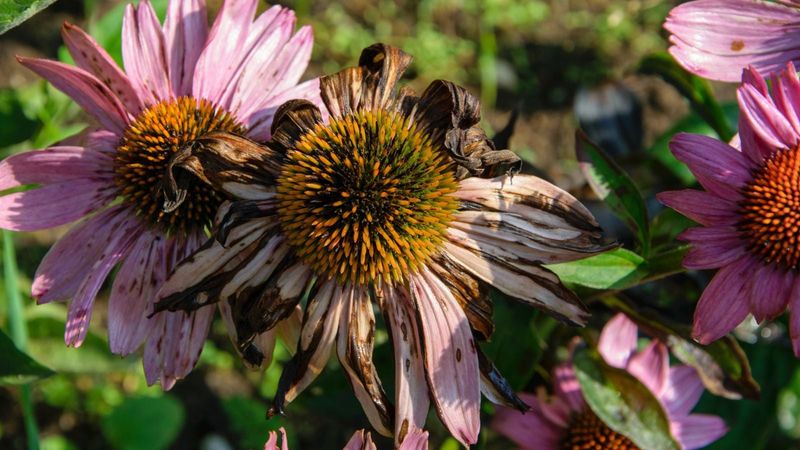
Kindness can drown a coneflower. Once established, these prairie natives are genuinely drought tolerant and actually prefer the soil to dry out between drinks, so a spot on your daily watering schedule works against them.
Overwatering keeps roots waterlogged, invites rot, and produces the same soft, disease-prone growth that plagues over-fed plants. Many gardeners lose coneflowers not to neglect but to too much loving attention with the hose.
Reserve those frequently watered zones for thirsty annuals and vegetables. Give your Echinacea a spot where it can go a bit dry, water it deeply only when the top inch of soil feels parched, and it will thank you with tough, resilient growth.
14. Beds You Like to Dig and Rearrange Often
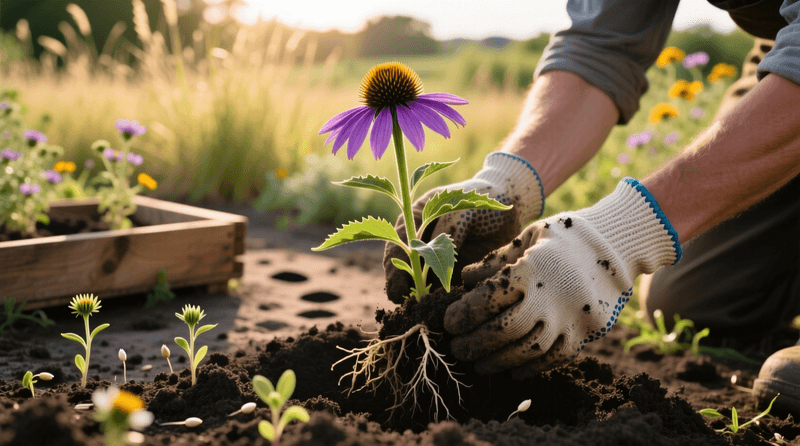
Coneflowers are homebodies that resent constant upheaval. Like most perennials, they settle in, sink deep roots, and only need dividing every three or four years, so a bed you love to dig up and redesign every season stresses them badly.
Each time you disturb the roots, you set the plant back and interrupt the deep growth that fuels next year’s blooms. Repeated transplanting weakens the crown and can leave you with a sulky, sparse-flowering shrub instead of a robust clump.
Choose a permanent home where your coneflower can stay put for years. Let it mature undisturbed, divide it only when the center starts to thin, and it will reward that patience with bigger, more reliable displays each summer.
15. A Tidy Formal Bed With Self-Seeding Varieties
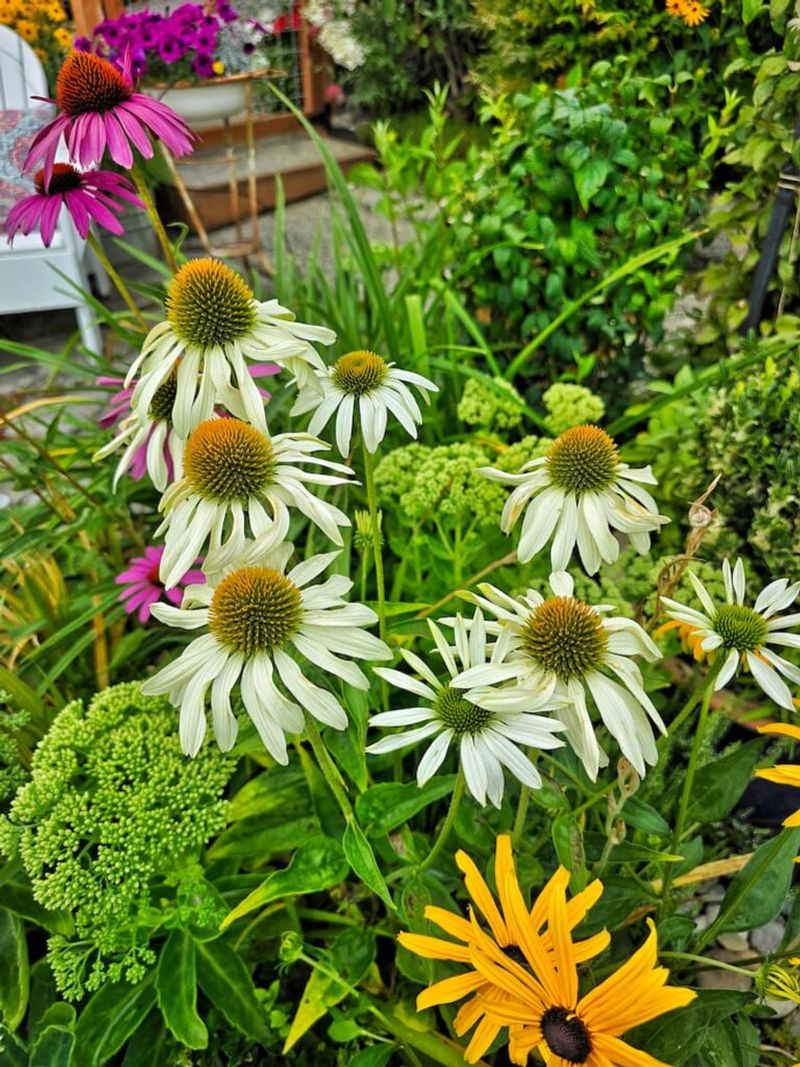
If you crave crisp, controlled garden lines, some coneflowers will drive you a little crazy. Older and native types are enthusiastic self-seeders, scattering seed that sprouts into surprise plants all over the bed.
Butterflies and finches adore those seed heads, and in a relaxed cottage garden the volunteers are a delight. In a manicured, symmetrical design, though, they read as clutter, popping up between the pavers and crowding your careful arrangements.
Match the plant to your style. For a neat look, deadhead spent flowers before they set seed, or pick a sterile modern hybrid that stays where you put it.
Save the free-spirited seed spreaders for wilder corners where a little happy chaos belongs.