
16 Easy Feeding Tricks That Make Potted Geraniums Bloom Like Crazy (Plus 2 That Never Fail)
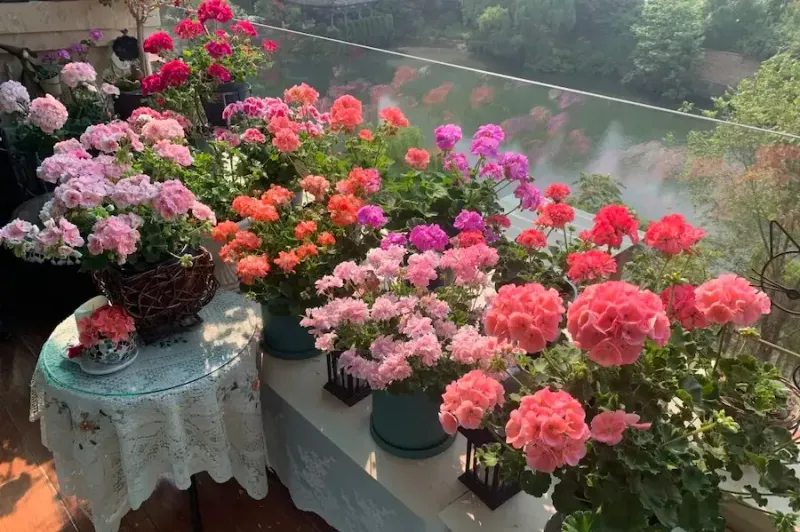
Potted geraniums are one of those flowers that pay you back big time when you feed them right. A hungry geranium gives you a few sad blooms and a lot of leaves, but a well-fed one bursts with color from spring all the way to frost. The good news is that most feeding tricks cost almost nothing and take just a couple of minutes. Here are 16 simple ways to keep your container geraniums flowering nonstop, plus two foolproof methods at the end that gardeners swear by year after year.
1. Match the Fertilizer Numbers to Flowers, Not Leaves
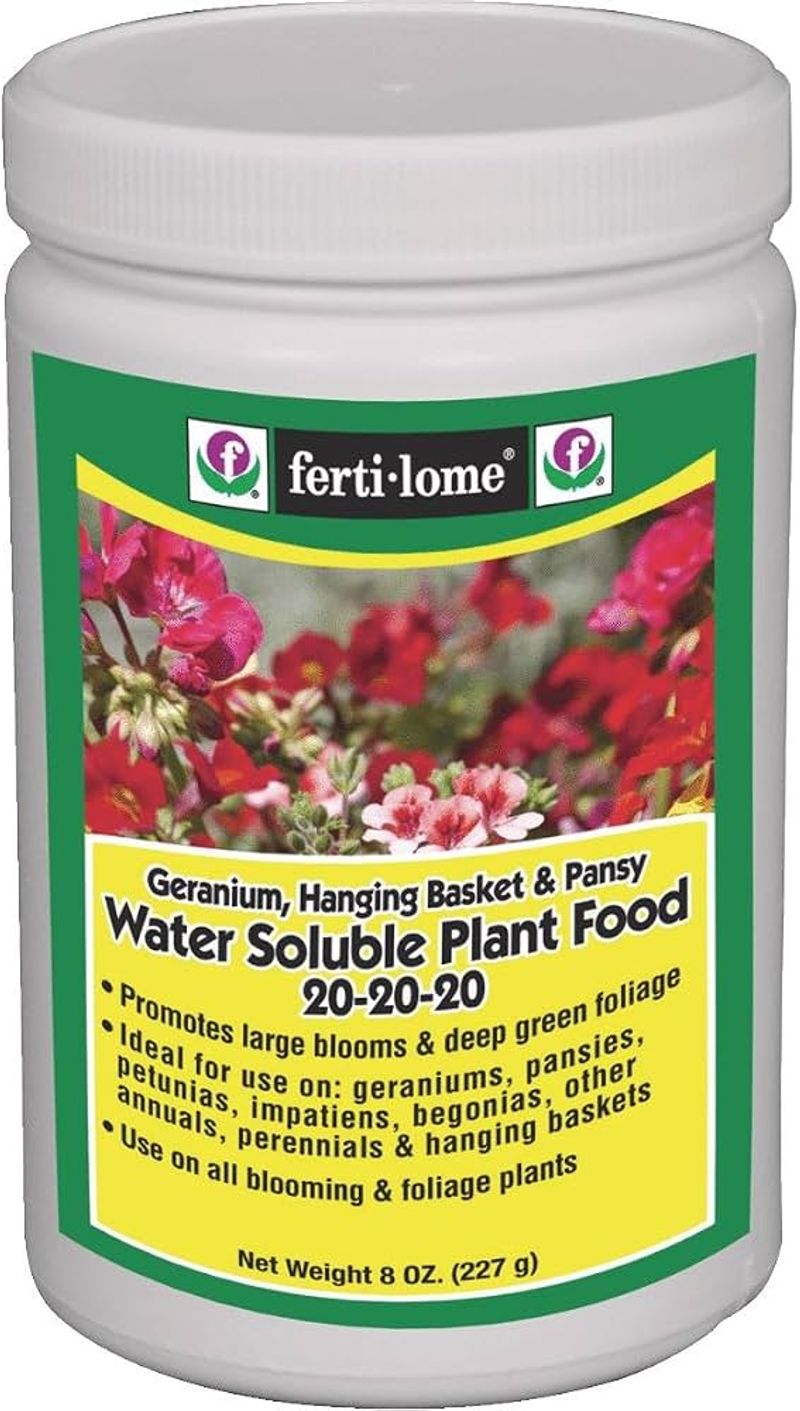
Grab any bag of plant food and you will see three numbers on the front, like 10-10-10 or 15-30-15. That middle number is phosphorus, and it is the one that pushes flowers instead of foliage.
Geraniums fed a high-nitrogen lawn-type feed tend to grow big, floppy, dark green plants with hardly any color on top. Reach instead for a blend where the middle number is equal to or higher than the first, such as a bloom-booster formula.
A quick tip for US backyard growers: many all-purpose tomato feeds work great on potted geraniums because they are built to trigger flowers and fruit. Read the label once, and you will never guess again.
2. Feed Little and Often Instead of All at Once
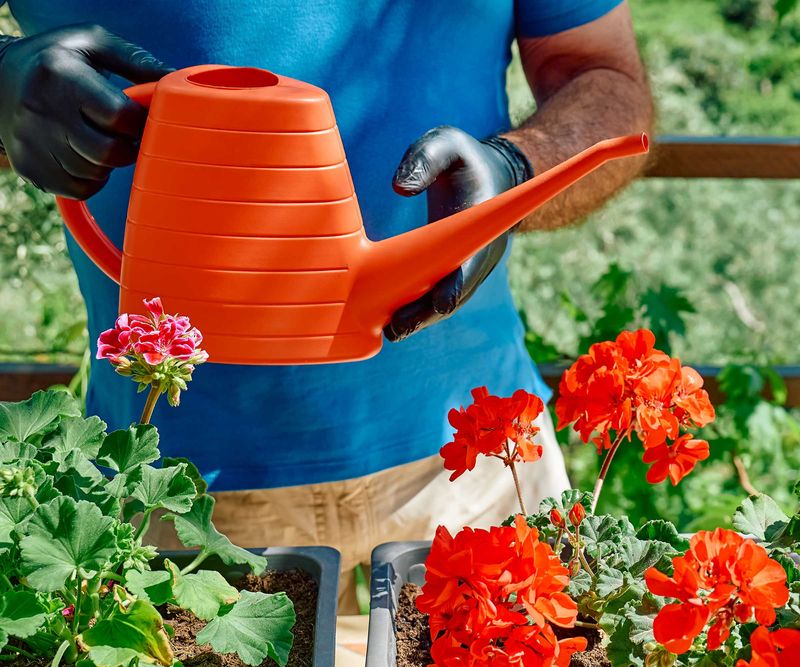
Think of your geranium like a snacker rather than a big-meal eater. Container soil holds only a small amount of nutrients, and a heavy dose all at once can wash straight out the drainage holes before the roots grab it.
A weak solution given every week or two beats a strong dose once a month. Many gardeners mix their liquid feed at half strength and apply it more frequently, which keeps blooms coming without shocking the plant.
Steady, gentle feeding also prevents the salt buildup that can burn roots. Your geranium stays fed, happy, and flowering the whole season.
3. Water First, Then Feed
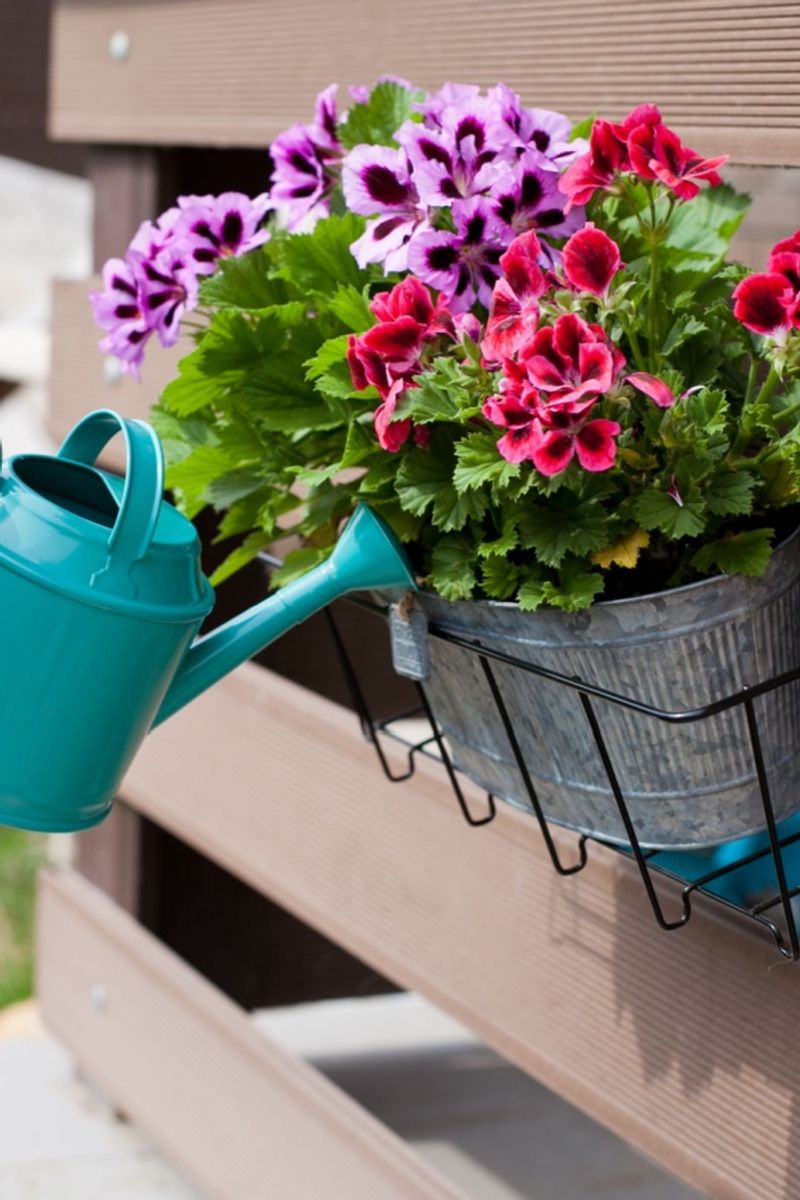
Pouring fertilizer onto bone-dry soil is one of the fastest ways to scorch tender roots. Dry roots soak up concentrated nutrients too quickly, and that can leave brown, crispy leaf edges.
Give the pot a plain drink of water first and let it settle for ten or fifteen minutes. Once the soil is damp, the feed spreads evenly and the roots take it in gently.
Morning is the sweet spot for this routine on a US patio, before the afternoon heat pulls moisture out of the container. It is a tiny order-of-operations change that protects your plant every single time.
4. Use Epsom Salt for Greener Leaves and More Buds
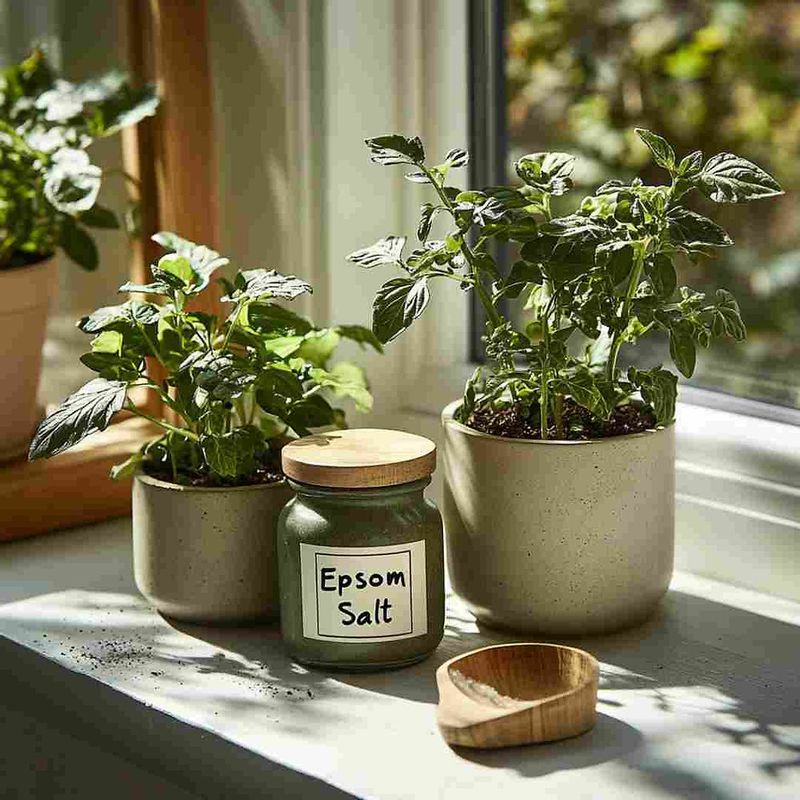
Yellowing leaves between the veins often mean your geranium is short on magnesium, and Epsom salt is the cheap fix sitting in your bathroom cabinet. Magnesium helps plants make chlorophyll, which powers the whole flowering machine.
Dissolve about one tablespoon in a gallon of water and use it as a drench once a month. Some growers also mist it lightly on the leaves for a faster pick-me-up.
Fun fact: Epsom salt is named after Epsom, England, where it was first found in spring water. It may help perk up tired, pale geraniums, but skip it if your leaves already look deep green and healthy.
5. Stir in Slow-Release Granules at Planting Time
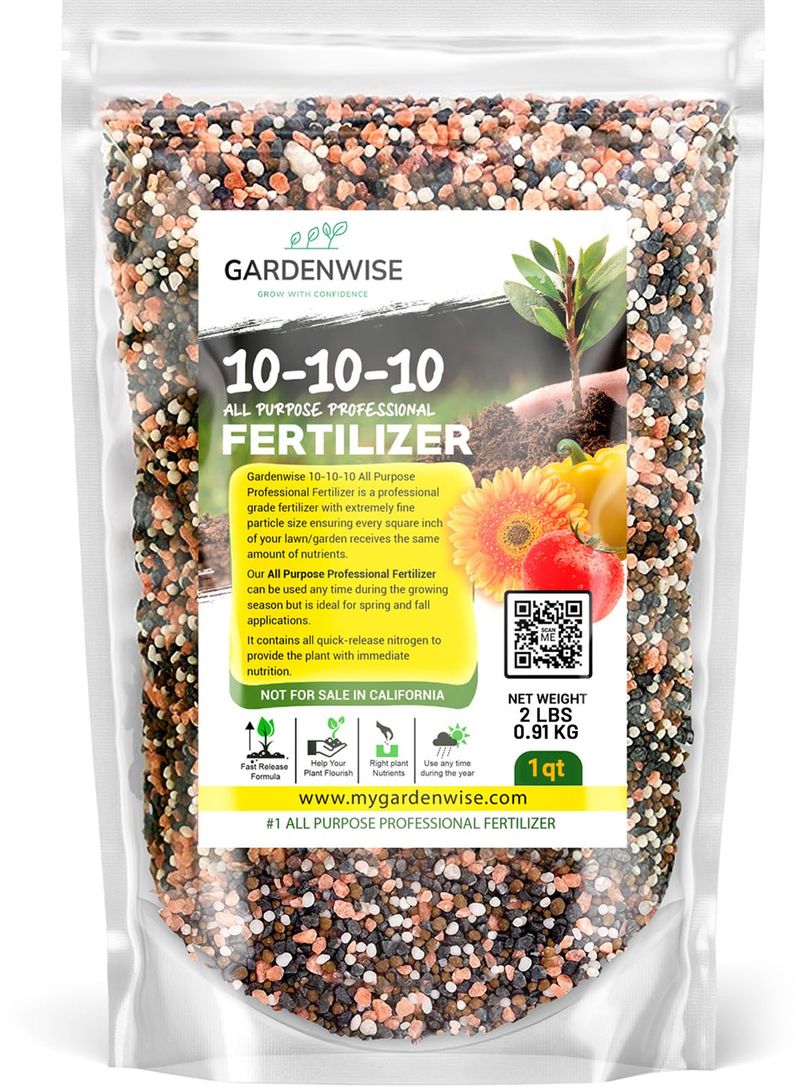
If remembering to feed every week sounds like a chore, slow-release granules are your set-it-and-forget-it friend. These little coated pellets release nutrients bit by bit each time you water.
Mix them into the top few inches of potting mix when you plant, and they can quietly feed your geranium for months. One scoop in spring often carries a container well into the hot part of summer.
Busy backyard gardeners love pairing granules with an occasional liquid feed on top for an extra bloom push. It is the lazy gardener’s secret to steady color with almost no effort.
6. Brew a Banana Peel Potassium Tea
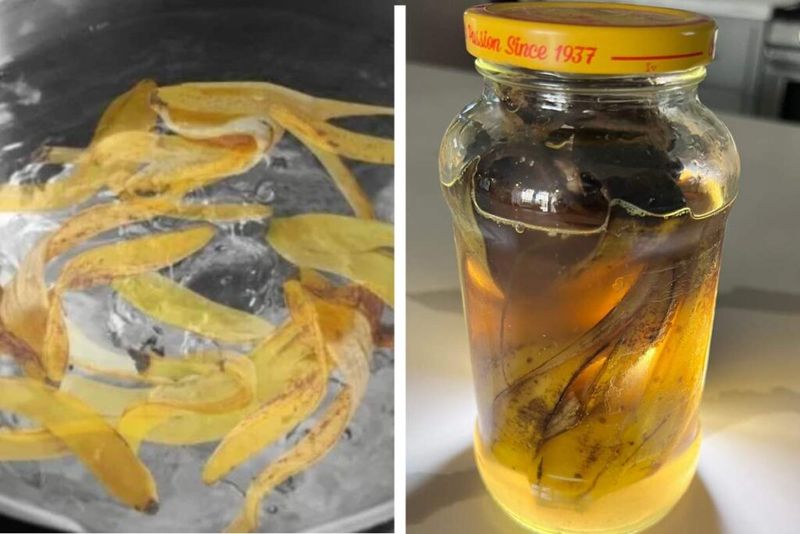
Before you toss that banana peel, know that it is packed with potassium, the nutrient that helps geraniums set strong flower buds. A little kitchen scrap can turn into a free feeding boost.
Chop two or three peels, soak them in a jar of water for two to three days, then pour the strained liquid around the base of your pot. The plant drinks up the potassium-rich brew.
Growers who try this often notice sturdier stems and brighter blooms over a few weeks. It will not replace a full fertilizer, but it can give your geranium a gentle nudge toward more color.
7. Wake Up Roots With a Splash of Fish Emulsion
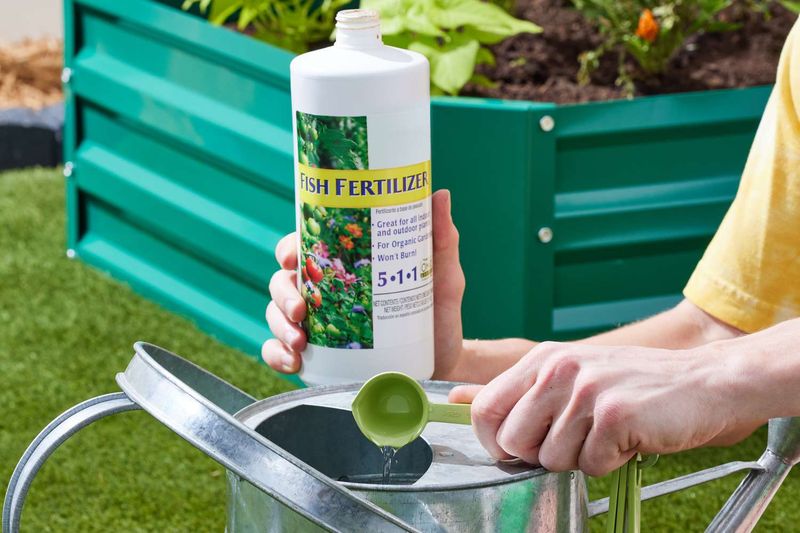
Fish emulsion smells like the docks for about an hour, but geraniums treat it like a feast. Made from processed fish, it delivers a quick shot of nitrogen and trace minerals that roots absorb fast.
Mix it according to the bottle, usually a tablespoon or two per gallon, and water it in during the cooler part of the day. The odor fades once it soaks into the soil.
Early-season use helps young plants build a strong base before they start flowering hard. Keep it away from indoor pots though, unless you want curious pets sniffing around.
8. Flush the Pot Monthly to Clear Salt Buildup
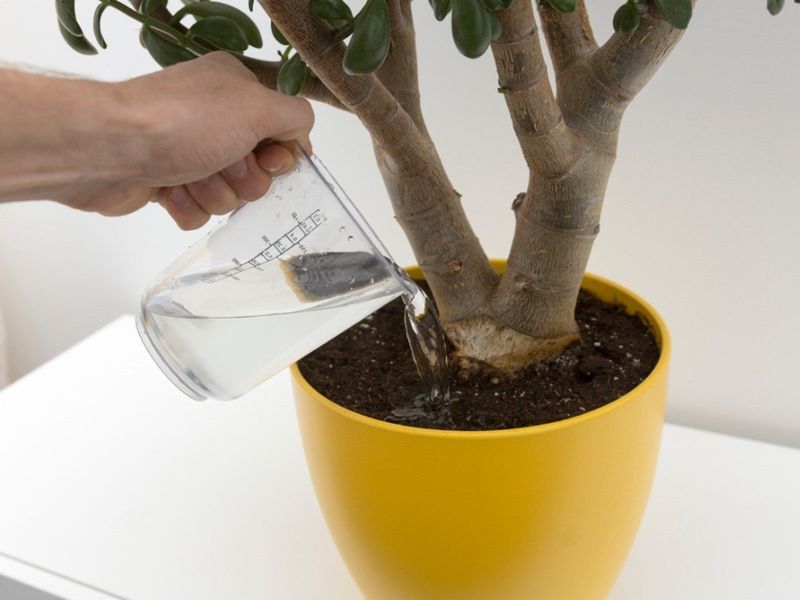
Every time you feed, a little leftover fertilizer salt stays behind in the soil, and over weeks it can build into a crust that blocks roots from drinking. You might see a white ring on the pot rim or slower blooming as a warning sign.
Once a month, run plain water through the pot until it drains freely from the bottom for a full minute or two. That flush carries the extra salts out and gives roots a clean slate.
After flushing, wait a day before your next feed so the soil resets. Your geranium responds with a fresh flush of buds, almost like hitting a reset button.
9. Try a Coffee Ground Top-Dressing
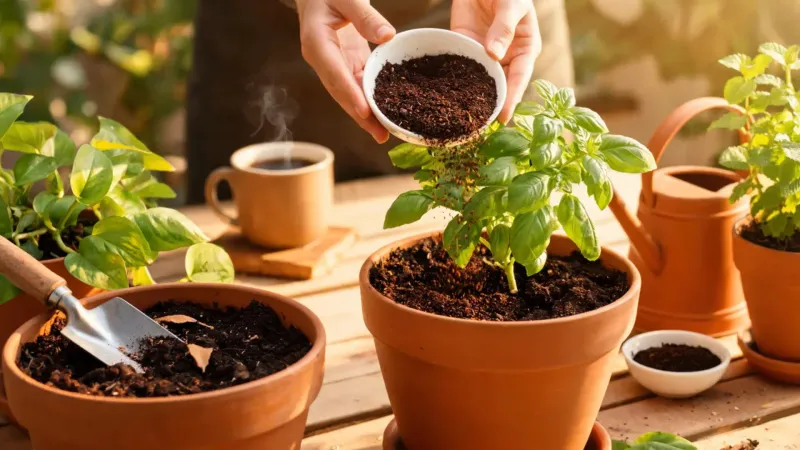
Used coffee grounds are a backyard favorite, and they add a mild dose of nitrogen plus a bit of organic matter to your container. The trick is using them right so they help instead of clumping.
Sprinkle a thin layer of dried, used grounds over the soil surface, then scratch them in lightly and water. A thick wet pile can mold, so keep the layer light and let it break down slowly.
Coffee grounds can also improve how the soil holds moisture between waterings. Save your morning leftovers and your geraniums may thank you with fuller growth.
10. Foliar Feed on Cloudy Days
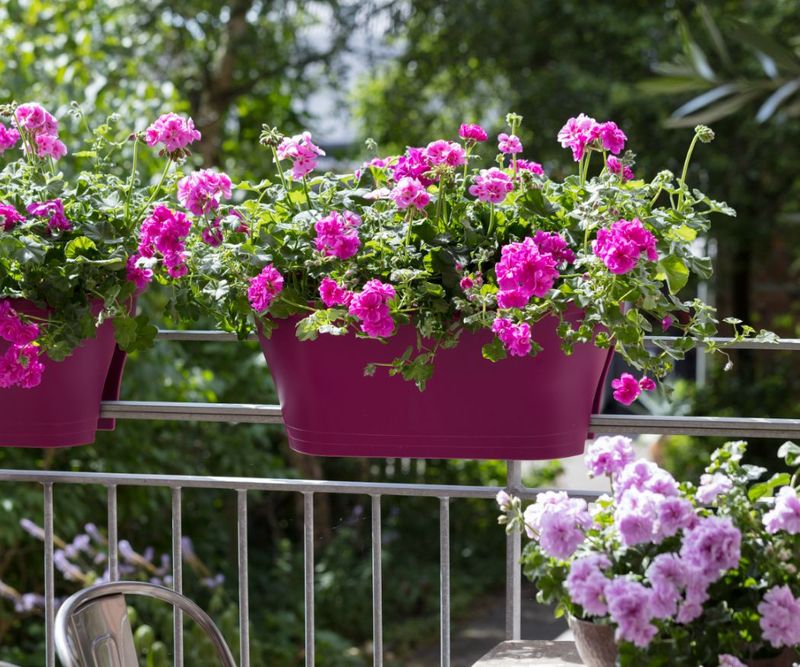
Roots are not the only way in. Geranium leaves can absorb nutrients too, and spraying a diluted feed directly on the foliage delivers a fast boost when a plant looks tired.
Mix your liquid fertilizer at half the normal strength and mist the tops and undersides of the leaves. Do it on an overcast day or in the evening so droplets do not act like tiny magnifying glasses in the sun.
Foliar feeding shines as a rescue move for pale or slow plants rather than an everyday routine. A couple of well-timed sprays can green things up within days.
11. Add Crushed Eggshells for a Slow Calcium Drip
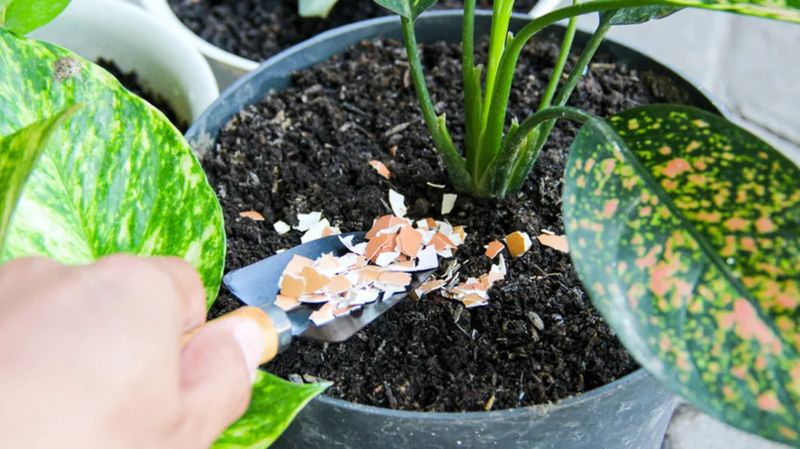
Calcium is the quiet nutrient that keeps geranium cell walls strong and helps prevent weak, floppy stems. Eggshells are loaded with it, and they are free from your breakfast.
Rinse, dry, and crush the shells as finely as you can, then work a spoonful into the topsoil of the pot. The finer you grind them, the faster the calcium becomes available to roots.
Because they break down slowly, eggshells act like a long, gentle drip rather than an instant fix. Over a season, they quietly support steadier, healthier flowering.
12. Pair Feeding With Regular Deadheading
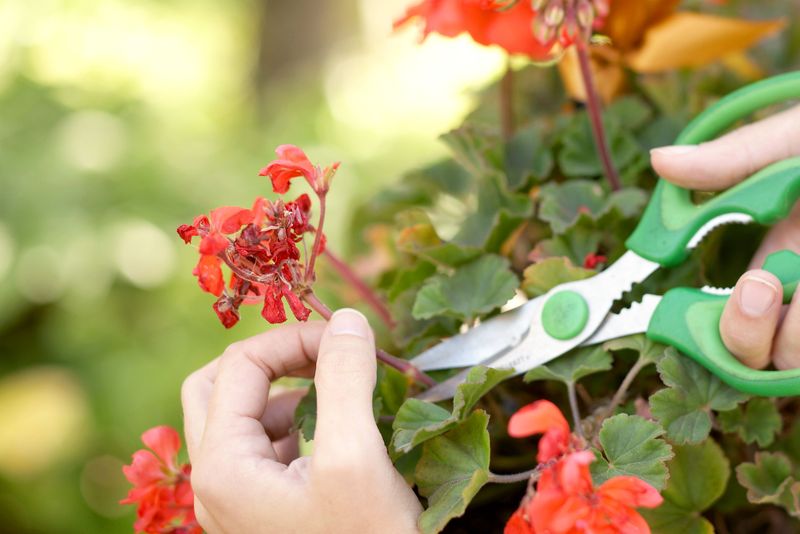
Here is a truth many gardeners miss: fertilizer works far better when you pinch off spent blooms. A geranium left to form seeds pours its energy into those seed pods instead of new flowers.
Snap or snip off faded flower heads down to the main stem, and the plant redirects all that fed-up energy back into fresh buds. Feeding plus deadheading is a team that outperforms either one alone.
Make it a two-minute habit whenever you water. You will be amazed how a well-fed, well-groomed geranium keeps pumping out color week after week.
13. Give a Compost Tea Boost
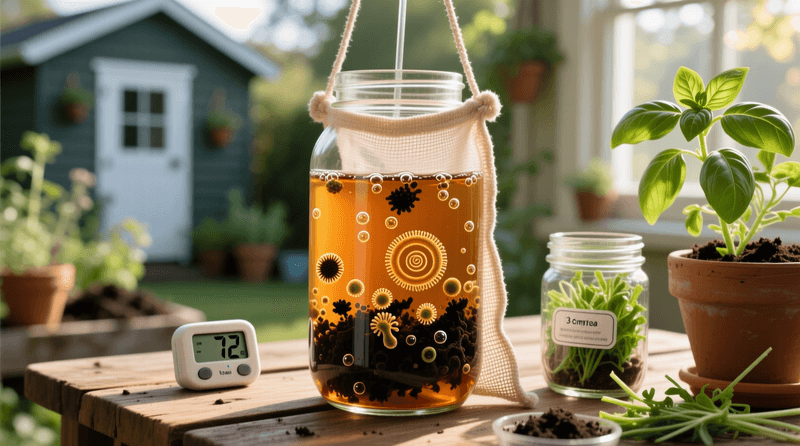
Compost tea is like a smoothie for your soil, full of gentle nutrients and helpful microbes that make feeding more effective. It is a favorite of backyard gardeners who like the organic route.
Scoop a shovel of finished compost into a bucket of water, let it steep for a day, stir now and then, then strain and water your pots with the liquid. The leftover solids can go right into the garden bed.
Regular compost tea can improve how well roots take up other fertilizers you apply. Think of it as the friendly helper that makes everything else work a little better.
14. Dial Feeding Down in the Heat of Summer

When temperatures climb into the 90s across much of the US, geraniums often pause their growth to conserve energy. Pushing heavy feed during that stall can burn stressed roots instead of fueling flowers.
Ease off to a lighter, less frequent feed during the hottest stretch, and watch the plant rather than the calendar. Once cooler days return, you can ramp feeding back up and expect a strong second wave of color.
Reading your plant beats following a rigid schedule. Perky, actively growing geraniums want food, while heat-sulking ones want a break.
15. Refresh the Top Inch of Potting Mix Midseason
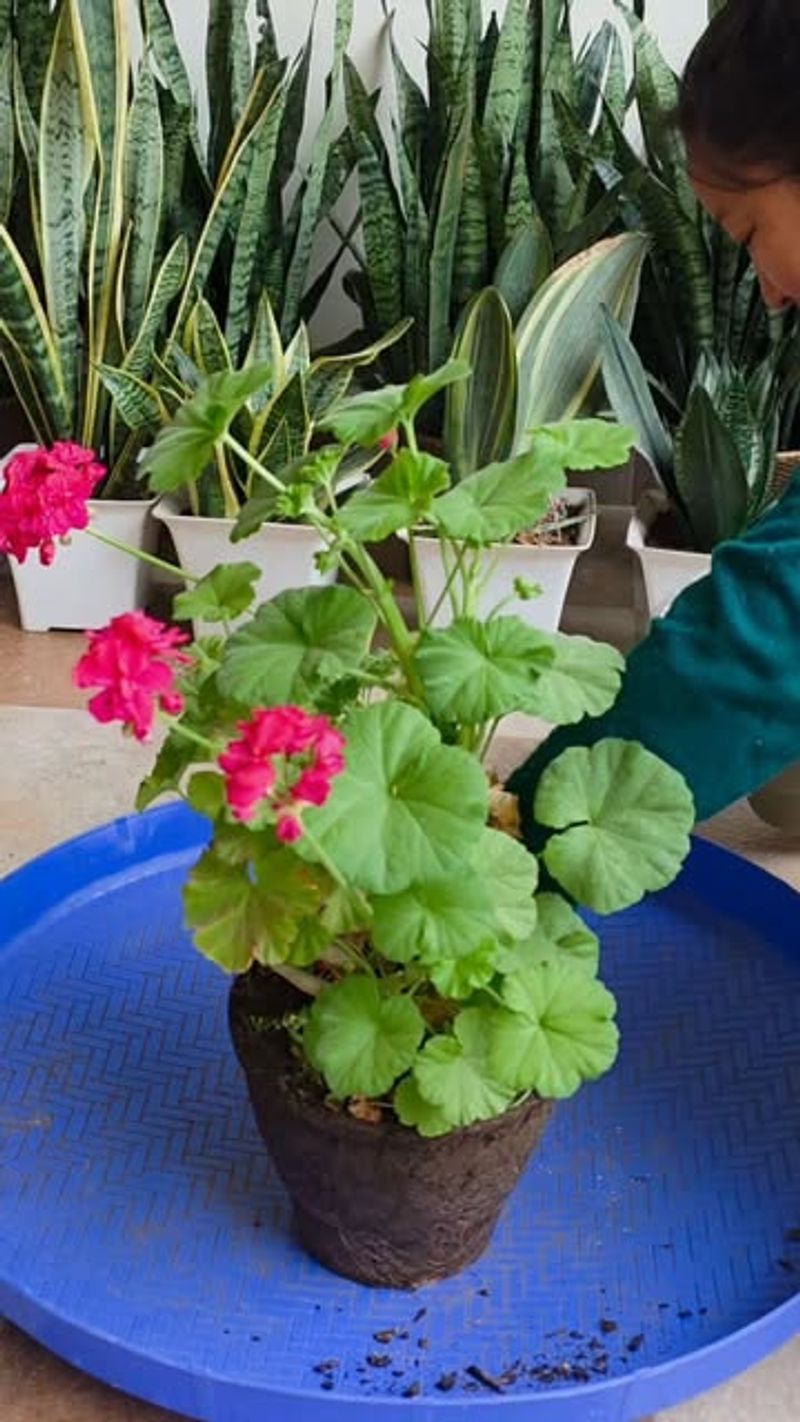
Old potting mix loses its punch, and by midsummer the top layer is often tired and compacted. Swapping it out gives roots a fresh source of nutrients without repotting the whole plant.
Gently scrape away the top inch of spent soil and replace it with fresh mix blended with a little slow-release feed. Water it in and the roots near the surface get a whole new pantry.
Doing this in mid to late summer often triggers a burst of new growth right when other geraniums start looking ragged. It is a small refresh with a big payoff.
16. Watch the Leaves as Your Feeding Report Card
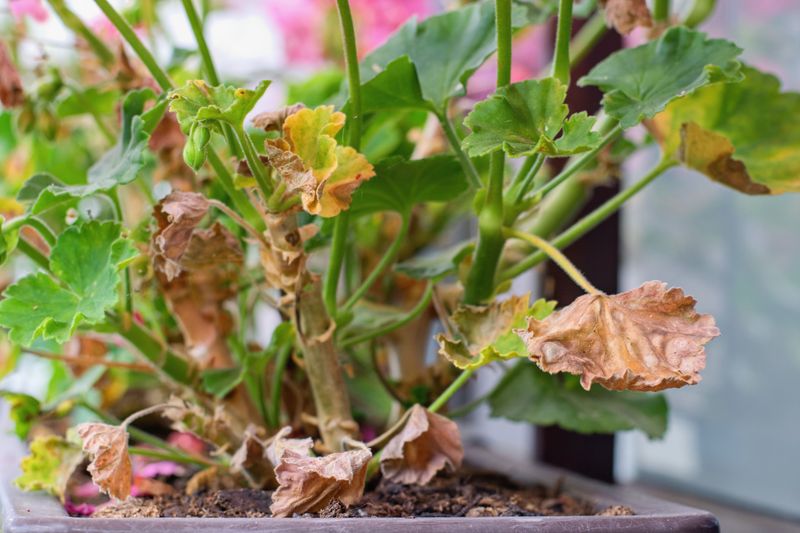
Your geranium tells you exactly what it needs if you know how to read it. Pale leaves overall hint at not enough nitrogen, yellow between the veins points to a magnesium gap, and purple-tinged undersides can signal low phosphorus.
Brown, crispy edges usually mean you fed too strong or the salts have built up. Small dark leaves with few blooms often mean the plant is simply hungry.
Check the foliage every few days and adjust your feeding to match the message. Learning this leaf language turns you from a guesser into a gardener who knows exactly when and what to feed.