
16 Genius Tricks For Growing Perfect Cucumbers In Pots (And 4 Mistakes That Ruin Them)
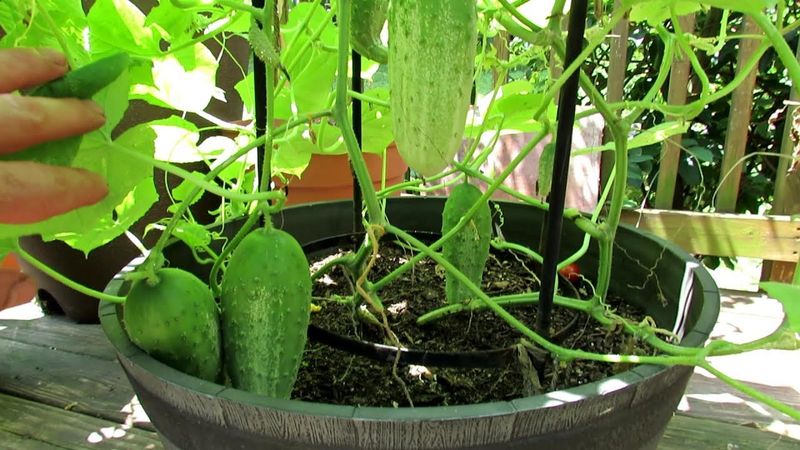
Cucumbers are one of the most rewarding crops you can grow, even if all you have is a sunny patio or balcony. The trick is knowing how to keep a potted cucumber plant happy, because a container changes the rules a little compared to growing in the ground.
Get a few key things right and you’ll be picking crisp, homegrown cucumbers all summer long. Get them wrong, and your plant can wilt, yellow, or refuse to fruit before you even taste one bite.
1. Choose the Right Container Size
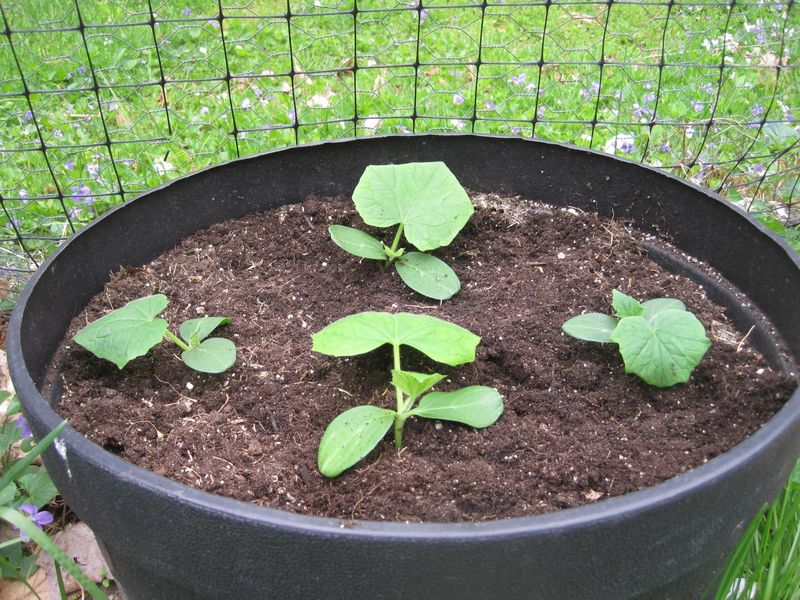
Roots are the part of a cucumber you never see, but they make or break the whole plant. Cucumbers send out surprisingly hungry, thirsty root systems, and cramming them into a tiny pot is like asking a big dog to live in a shoebox.
For bush-type cucumbers, a 5-gallon container gets the job done. Vining types, which usually pump out more fruit, are happiest in something that holds 10 gallons or more, or at least 12 inches wide and 10 to 12 inches deep.
Bigger pots hold moisture longer, which means fewer panicked watering sessions during a heat wave. Just make sure every container has drainage holes in the bottom, because roots sitting in trapped water will rot faster than you’d expect.
2. Select Compact or Vining Varieties Suited for Pots
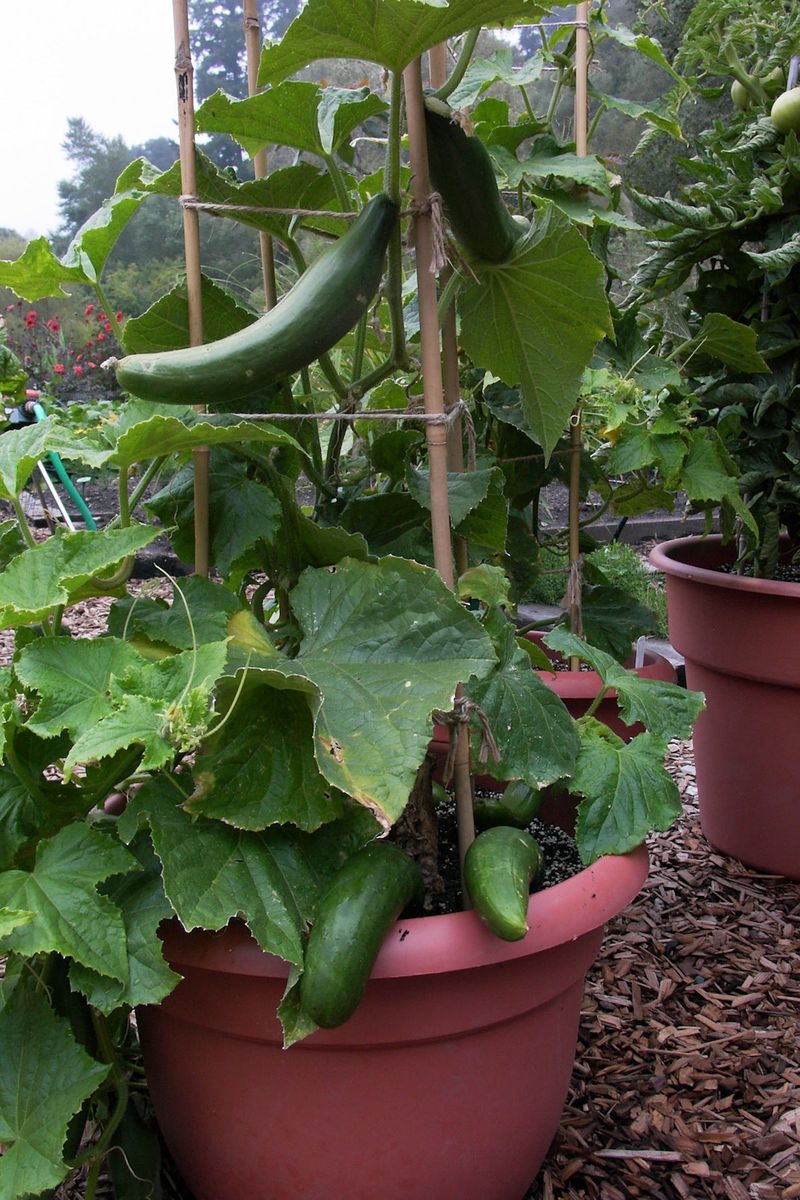
Not every cucumber wants to live in a pot, and picking the right variety saves you a world of trouble later. Bush-type cucumbers stay smaller and need little to no trellising, which makes them perfect for a crowded balcony or a small deck.
Look for names like ‘Spacemaster’, ‘Bush Champion’, ‘Little Leaf’, ‘Salad Bush’, or ‘Pickle Bush’ when you want something tidy and low-fuss. If you crave a heavier harvest and can offer support, vining options such as ‘Lemon’, ‘Marketmore 76’, ‘Green Fingers Persian’, and ‘Dasher II’ reward you generously.
Anything labeled Bush, Compact, or Patio is basically waving a flag that says it will thrive in containers. Choosing the right type from the start means less pruning, less stress, and more cucumbers on your plate.
3. Prepare a High-Quality Potting Mix
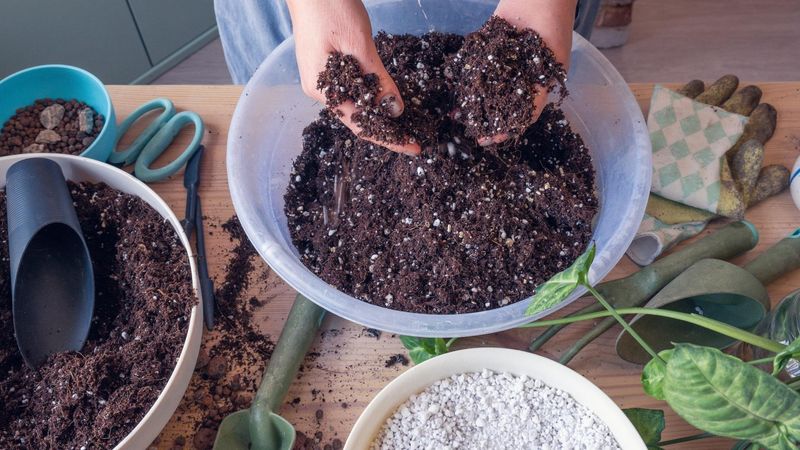
Reaching for a shovelful of garden soil feels like the natural move, but it’s one of the quickest ways to disappoint a potted cucumber. Garden dirt packs down hard in a container and can smuggle in pests and diseases you don’t want.
Grab a quality potting mix or a raised-bed blend made for edibles instead. A good mix drains well, holds just enough moisture, and leaves little air pockets so roots can breathe.
Try mixing two parts potting mix with one part compost for a richer, moisture-friendly home. A handful of worm castings or a scoop of slow-release organic fertilizer stirred in at planting time gives your seedlings a strong running start.
4. Provide Ample Sunlight
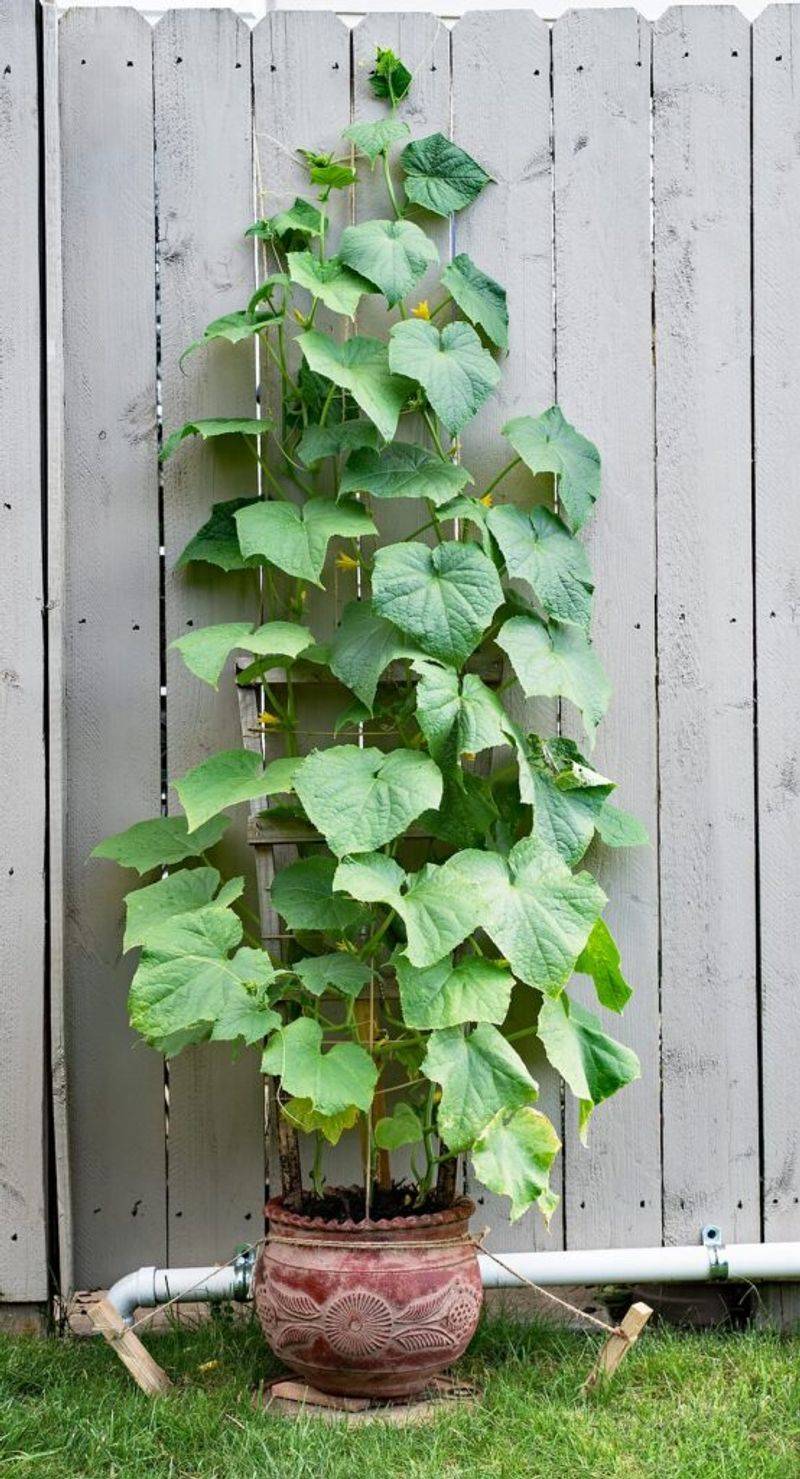
Sunshine is basically fuel for a cucumber plant, and skimping on it leaves you with leggy vines and empty flowers. These are warm-weather crops that want at least 6 to 8 hours of direct light every single day to grow strong and set fruit.
In hotter regions, 10 to 12 hours of sun is even better, so long as you keep the water flowing. The beauty of container growing is that you can chase the light around your yard.
Set your pots in the sunniest corner of the patio, deck, or driveway you can find. If a spot only gets morning shade and blazing afternoon sun, cucumbers usually love it.
5. Water Consistently and Deeply
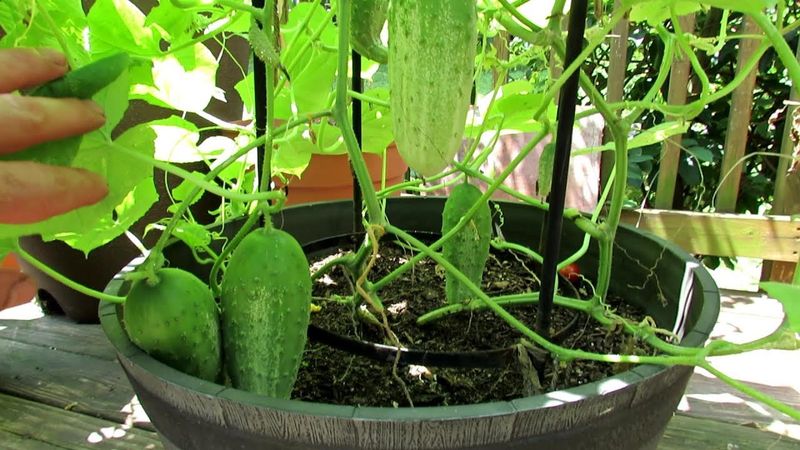
Pots dry out far faster than garden beds, so your watering can becomes your cucumber’s best friend. The goal is soil that stays evenly moist but never turns into a soggy swamp.
Poke a finger into the top inch of soil each day, and when it feels dry, give the plant a deep drink. Self-watering planters take a lot of the guesswork out of this, keeping moisture steady even when life gets busy.
One quiet trick worth remembering: aim your water at the soil, not the leaves. Splashing the foliage in hot, humid weather can invite fungal troubles like powdery mildew, and dry leaves tend to stay far healthier.
6. Fertilize Regularly
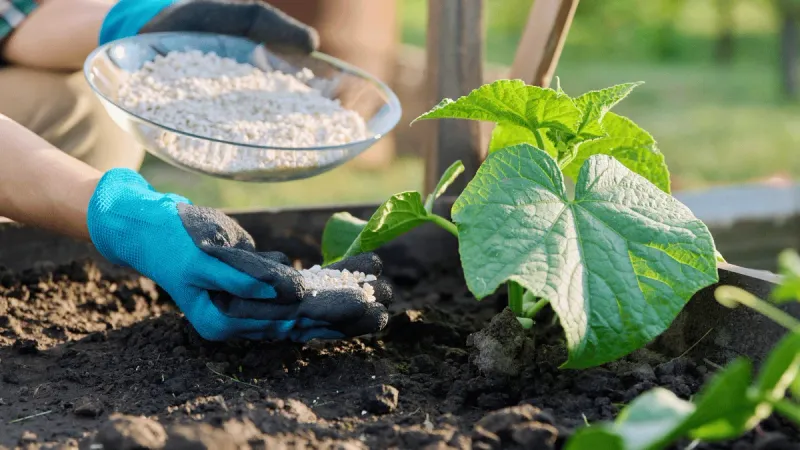
Cucumbers eat like teenagers, plowing through nutrients at a pace that can leave container soil bare. Because frequent watering flushes food out of pots quickly, you’ll need to keep the buffet stocked.
Start by blending compost and a slow-release organic fertilizer into the mix when you plant. Once the vines are up and growing, feed them a balanced organic liquid fertilizer every one to two weeks.
When those first flowers appear, switch to a high-potassium feed, like a tomato fertilizer, to nudge the plant toward making fruit instead of just leaves. Regular meals mean bigger yields and greener, healthier plants overall.
7. Install Sturdy Support Systems
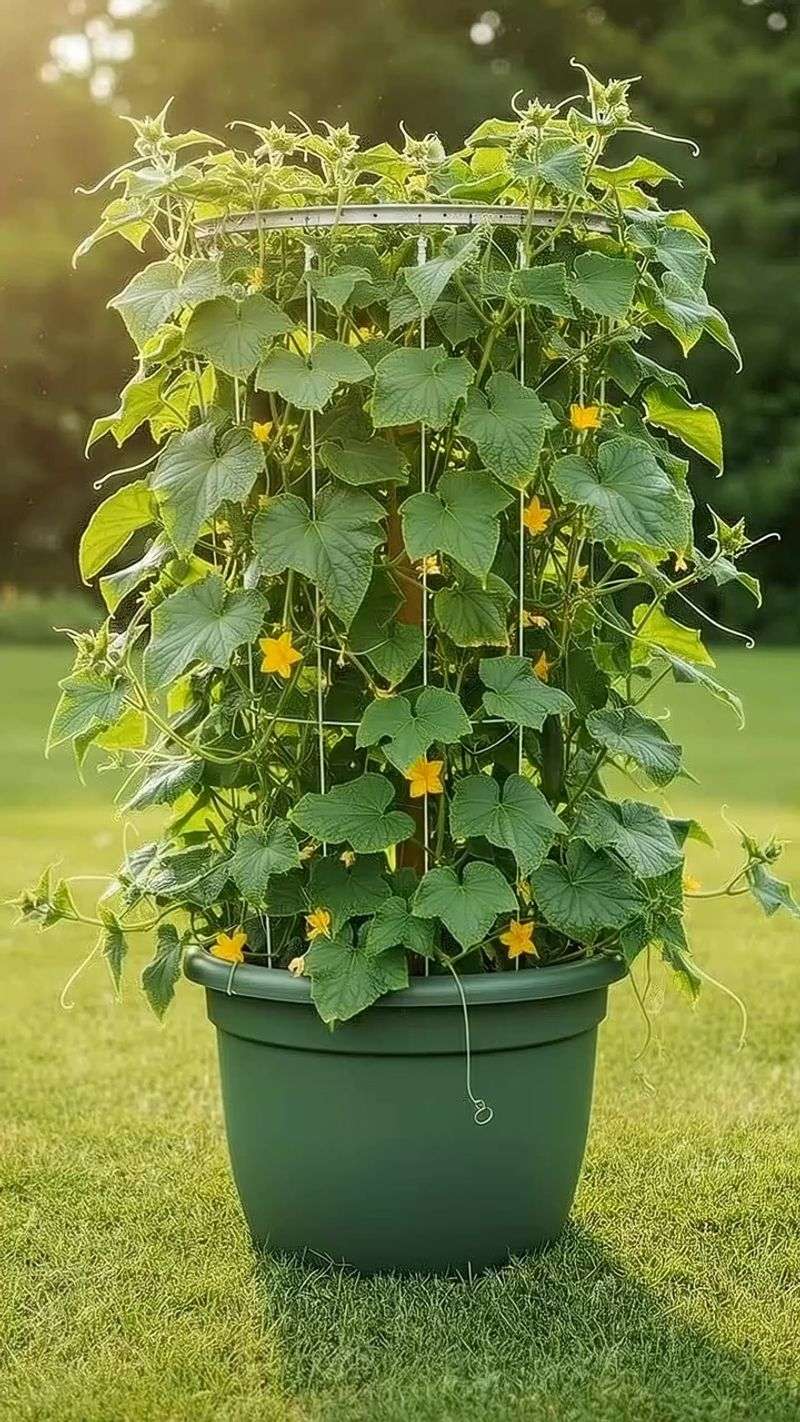
Give a vining cucumber something to climb and it rewards you by staying off the ground, out of the mud, and easy to harvest. Those vines can stretch 6 feet or more, so a wobbly stick just won’t cut it.
Set up a trellis, netting, or cage right at planting time rather than trying to wrestle the vines onto it later. Adding support early keeps roots undisturbed and lets the plant grow into its frame naturally.
Even some bush types, such as ‘Salad Bush’, appreciate a little something to lean on. Growing upward also boosts airflow and sunlight, which keeps disease at bay and makes spotting ripe cucumbers a breeze.
8. Prune Strategically for Better Yield and Health
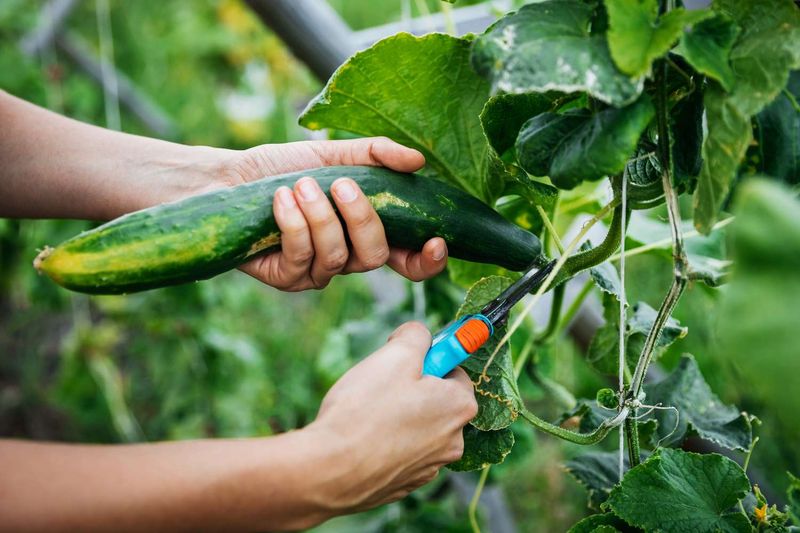
Snipping away a few leaves might feel counterproductive, yet smart pruning actually helps your cucumber thrive. Opening up the plant lets sunlight and air move through, which discourages powdery mildew and pushes energy toward fruit instead of extra foliage.
On climbing varieties, remove side shoots within about 50 cm of the ground and pinch off the little suckers that pop up at leaf nodes. That encourages one strong main vine rather than a tangled mess.
Pull off any dead, yellowing, or diseased leaves as you spot them. Bush types need barely any of this, just the occasional tidy-up.
Be careful not to overdo it, though, since chopping away too many side shoots can shrink your harvest.
9. Plant at the Right Time

Timing trips up more eager gardeners than almost anything else. Cucumbers are true warm-weather lovers, and cold soil will stall or straight-up kill a young plant before it has a chance.
Hold off until about two weeks after your last spring frost date, when soil temperatures reach at least 60 degrees Fahrenheit. Nighttime temps should be staying reliably above 50 degrees as well.
Rushing seedlings outdoors on the first warm afternoon in early spring often backfires. A little patience early on sets you up for a much stronger, faster-growing plant once the weather truly settles in.
10. Mulch to Retain Moisture
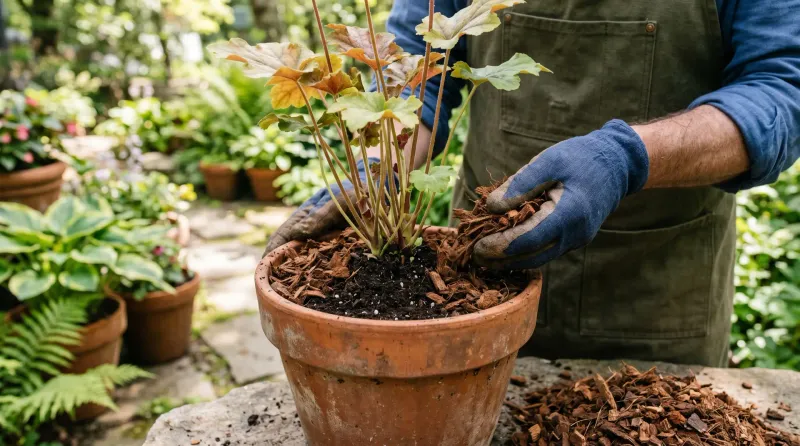
A thin blanket of mulch across the top of your pot works like a cool, damp cap for the roots below. During the peak of summer, that layer can be the difference between a plant that sails through a heat wave and one that flops by noon.
Mulch slows evaporation, so the soil stays moist longer between waterings. It also keeps the root zone cooler, which cucumbers genuinely appreciate when temperatures soar.
Straw, shredded leaves, or fine bark all do the trick. Spread it an inch or two thick, keeping it slightly away from the main stem, and your watering routine suddenly gets a lot more forgiving.
11. Monitor for Pests and Diseases
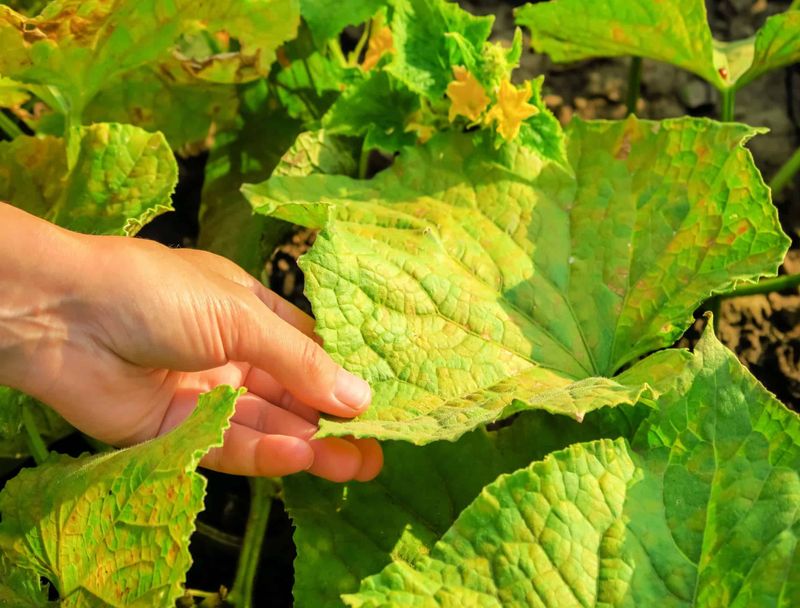
Catching trouble early is half the battle with any cucumber, and container plants make close inspection easy. Growing in pots can actually mean fewer pest problems, but that doesn’t mean you get to skip the daily once-over.
Keep an eye out for cucumber beetles, aphids, whiteflies, and spider mites, all of which love a tender vine. Diseases like powdery mildew, downy mildew, bacterial wilt, and anthracnose can creep in too.
Flip over a few leaves and scan for chewed edges, odd discoloration, spots, or unexpected wilting. Spotting a problem when it’s small gives you a real shot at fixing it before it spreads to the whole plant.
12. Implement Organic Pest Control
The moment you spot an unwelcome visitor, a gentle organic response usually beats reaching for harsh chemicals. Neem oil, insecticidal soap, or a homemade garlic spray can knock back aphids and beetles without poisoning your future salad.
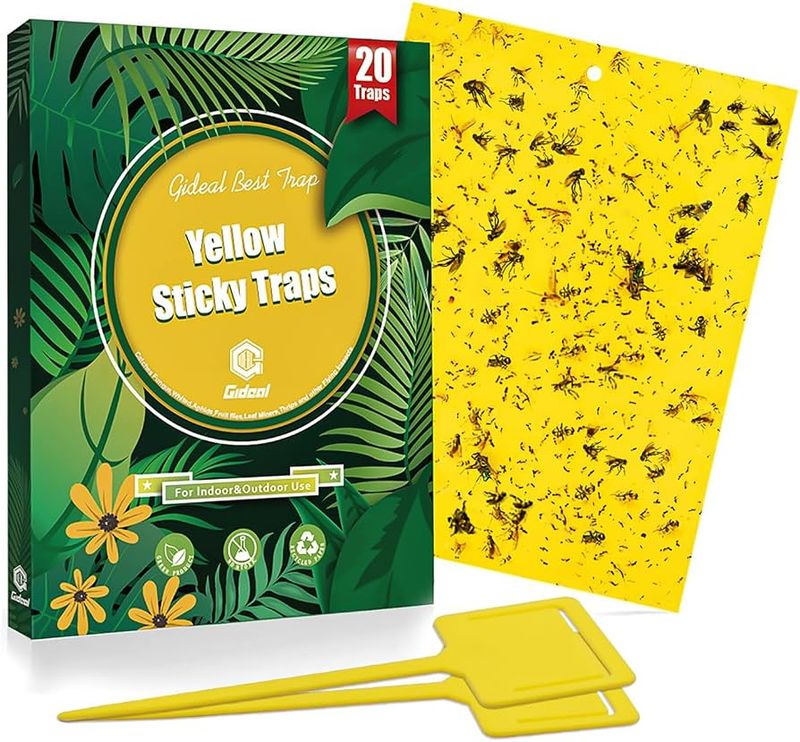
Yellow sticky traps are oddly satisfying and surprisingly effective at snagging flying pests like aphids and cucumber beetles. Pluck off any infected leaves right away to slow the march of fungal disease.
Floating row covers are a smart shield for young plants, keeping early-season bugs off until the vines are tough enough to fend for themselves. A little vigilance here protects everything you’ve worked for.
13. Consider Disease-Resistant Varieties
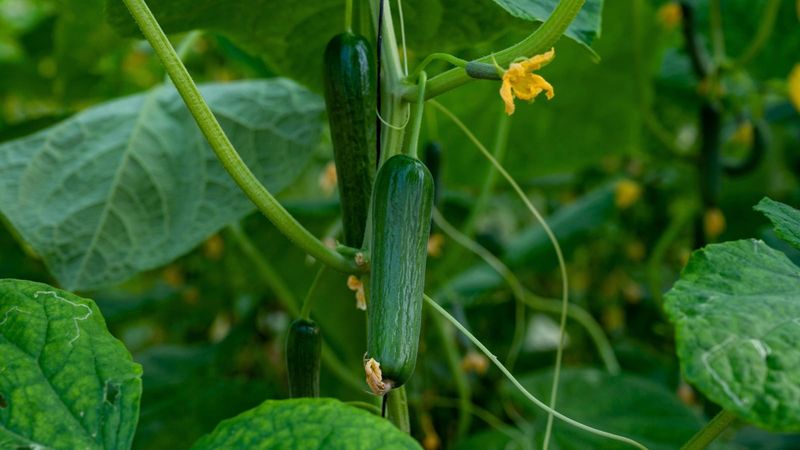
Some of the best pest and disease protection happens before you ever plant a seed. Choosing varieties bred to shrug off common cucumber troubles can spare you a lot of heartache later in the season.
Look for types labeled resistant to cucumber mosaic virus, downy mildew, powdery mildew, and scab. That little note on the seed packet is doing real work behind the scenes.
‘Spacemaster 80’ and ‘Arkansas Little Leaf’ are two dependable disease-resistant bush varieties worth trying. Starting with tougher genetics means less spraying, less worrying, and a much better chance of a full, healthy harvest.
14. Group Pots Together
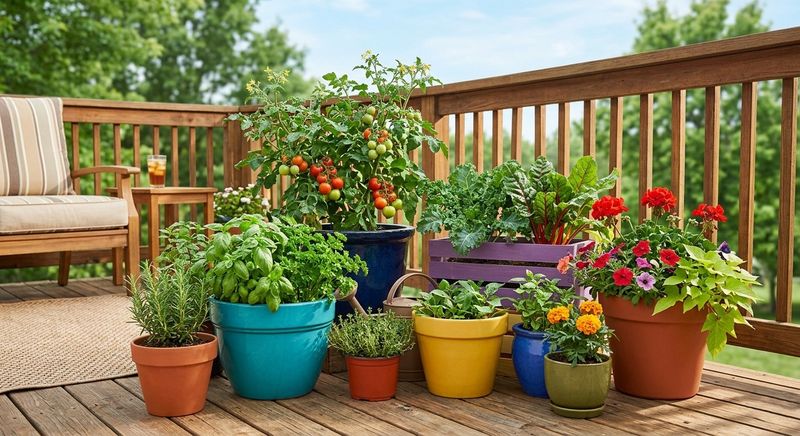
Lonely pots dry out and stress faster than clustered ones, which is why huddling your containers together is such an easy win. Grouping creates a little pocket of humidity that plants love, especially on scorching afternoons.
Sitting side by side, pots shade one another’s soil and hold moisture longer between waterings. Your daily chores get simpler too, since watering and harvesting happen in one convenient spot.
There’s even a pest bonus, as a tight cluster can be easier to protect and monitor than plants scattered all over the yard. Sometimes the smartest trick is just rearranging what you already have.
15. Harden Off Seedlings
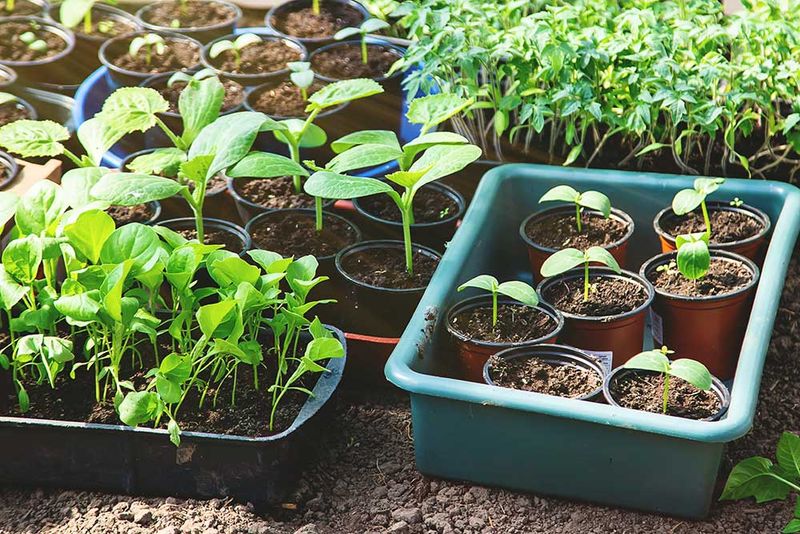
Seedlings raised on a cozy windowsill are a bit like kids who’ve never played outside, and tossing them straight into full sun and wind can shock them badly. Hardening off eases that transition and keeps young plants from stalling.
Over the course of several days, set your seedlings outside for a few hours at a time, gradually increasing their exposure to sun, breeze, and cooler air. Bring them back in each evening at first.
By the time you transplant them into their permanent pots, they’ll be toughened up and ready to grow. Skipping this step is a common reason healthy-looking seedlings suddenly sulk after moving outdoors.
16. Disinfect Tools
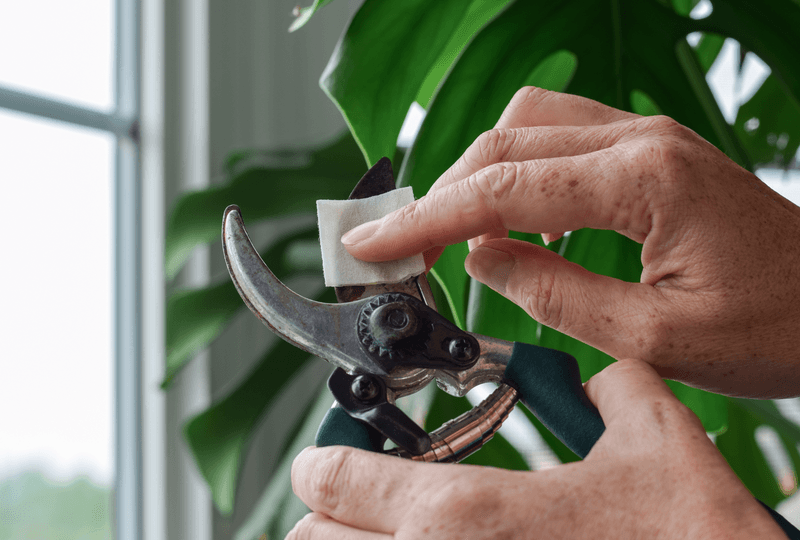
A dirty pair of pruning shears can quietly carry disease from one plant to the next without you noticing a thing. Clean tools are one of those unglamorous habits that seasoned gardeners swear by.
Before you snip a single leaf, wipe your shears or knife with rubbing alcohol or a 10 percent bleach solution. It takes seconds and can stop a fungal or bacterial problem from hitching a ride across your whole patio garden.
Make it a routine, especially when moving between plants or after cutting away anything that looks sick. Your cucumbers will never thank you out loud, but a healthier harvest speaks for itself.