
17 Reasons Your Tomatoes Get Bottom Rot-And Why The Real Cause Starts In The Soil
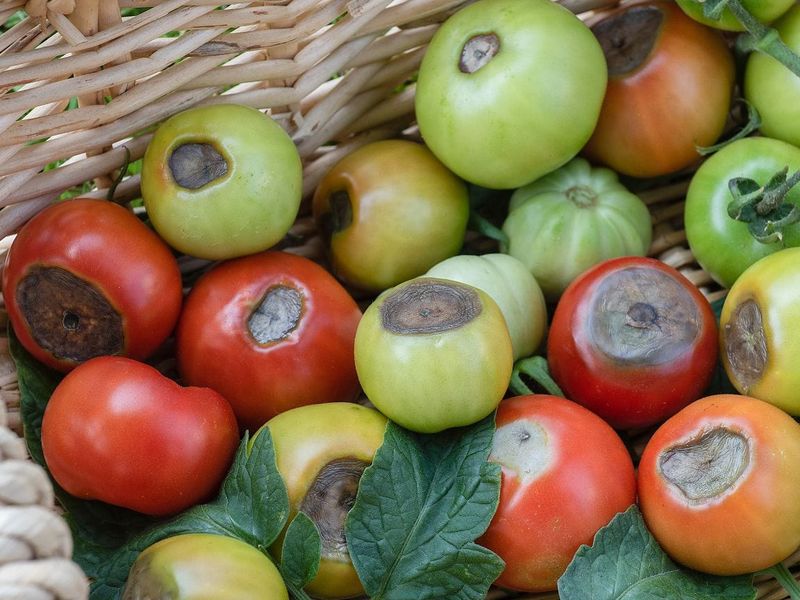
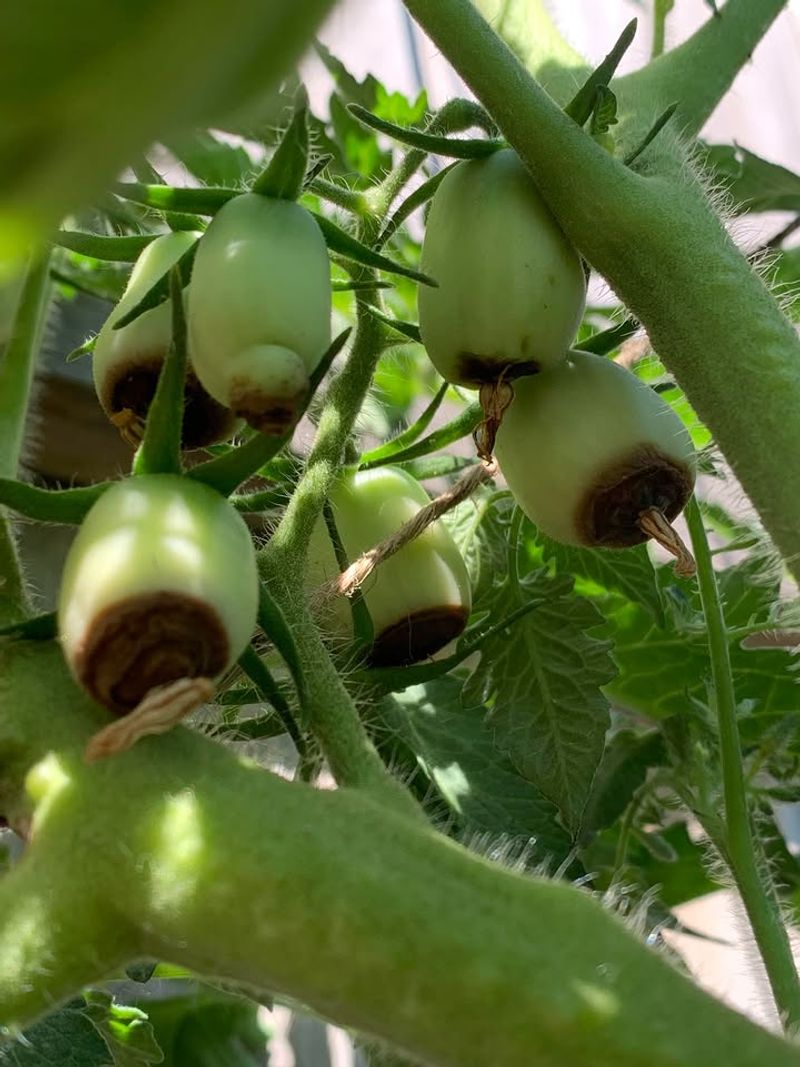
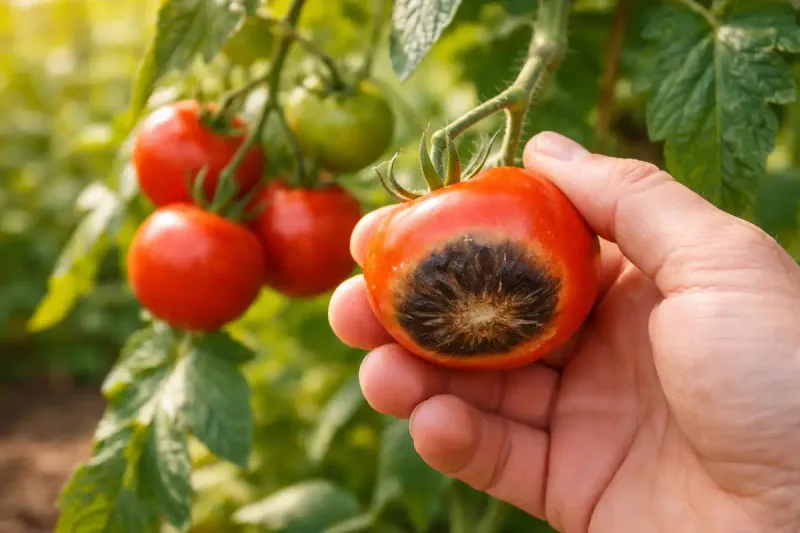
You wait all summer for those first ripe tomatoes, and then you flip one over to find an ugly, sunken brown patch on the bottom. That mess is called blossom end rot, and it fools a lot of gardeners into blaming bugs or bad seeds. The truth is that most of the trouble starts down in the dirt, long before the fruit ever forms. Once you learn what your soil is really doing, you can fix the problem and keep your harvest clean.
1. Calcium Shortage in the Soil
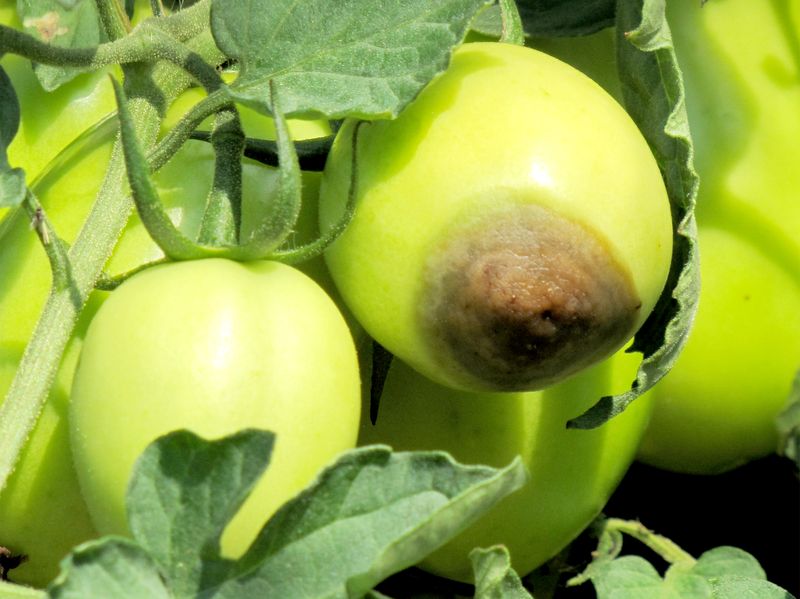
At the heart of nearly every case of bottom rot sits one mineral: calcium. Tomato fruit needs a steady supply of it to build strong cell walls, and when that supply runs thin, the bottom of the fruit collapses into that familiar leathery brown spot.
Here is the twist that surprises people. Your soil can actually hold plenty of calcium and the plant still ends up short, because calcium moves slowly and only travels well when other conditions cooperate.
A simple soil test from your county extension office tells you where you stand. If levels are genuinely low, crushed eggshells worked in ahead of time, gypsum, or garden lime can rebuild the reserve for next season.
2. Inconsistent Watering Habits
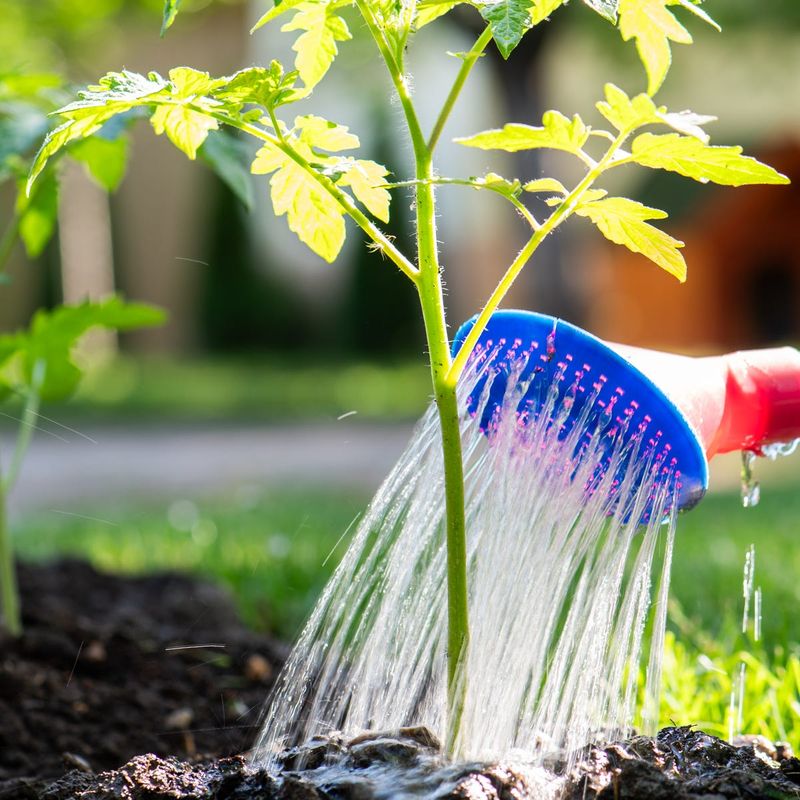
Picture calcium as a passenger that only rides through the plant on a stream of water. When you let the soil swing from bone dry to soaked and back again, that stream sputters, and the fruit at the far end of the line gets shortchanged.
Backyard growers who water heavily on the weekend and then forget until the next weekend see this constantly. The plant may look fine up top while the developing fruit quietly starves for the calcium it needed three days ago.
Aim for deep, even moisture rather than random splashes. A finger pushed two inches into the soil is your best gauge, and slow morning watering beats a frantic evening drench every time.
3. Soil pH That Locks Out Nutrients
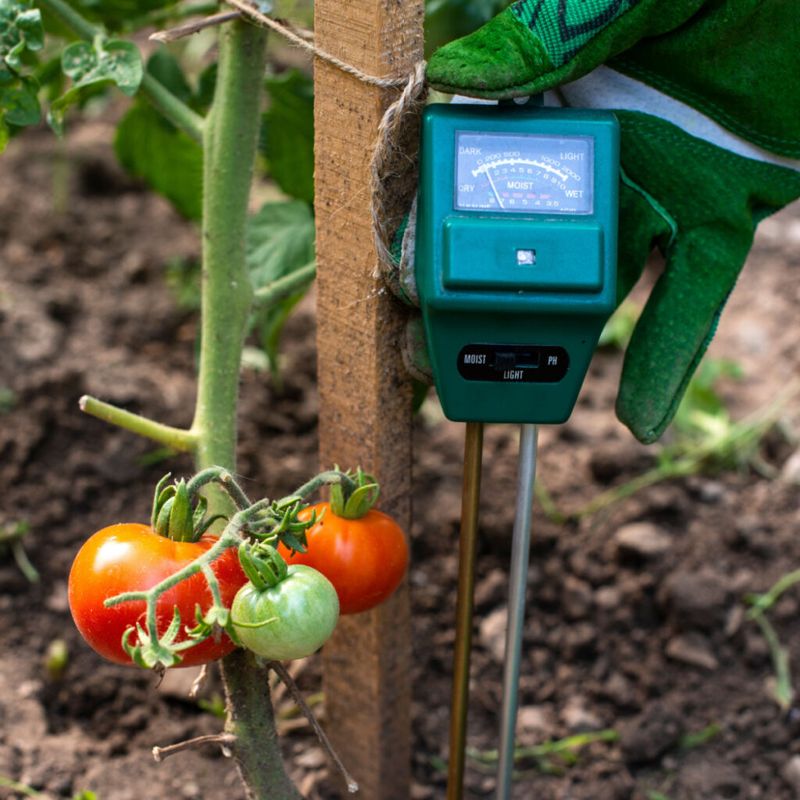
Soil chemistry can quietly sabotage you even when your fertilizer bag says everything is present. When the pH drifts too low and acidic, calcium and other minerals get chemically tied up where roots cannot grab them.
Tomatoes are happiest in soil that reads between 6.2 and 6.8. Drop much below that and you can be feeding the plant a full meal it simply cannot swallow.
An inexpensive pH meter or a mail-in test settles the question fast. Garden lime nudges acidic soil upward, and it works best when mixed in weeks before planting so it has time to react rather than sitting on top doing nothing.
4. Too Much Nitrogen Fertilizer
More food is not always better, and nitrogen is the classic example. Load your tomatoes with a high-nitrogen fertilizer and you get a jungle of gorgeous leaves that races ahead of the plant’s ability to move calcium into the fruit.
That lush green growth actually competes with the tomatoes for resources. All the vigor goes upward into foliage while the fruit at the bottom pays the price with rot.
Switch to a balanced blend once flowers appear, and lean toward formulas with more phosphorus and potassium than nitrogen. Your plant may look slightly less leafy, but the fruit will thank you where it counts.
5. Damaged or Cramped Roots
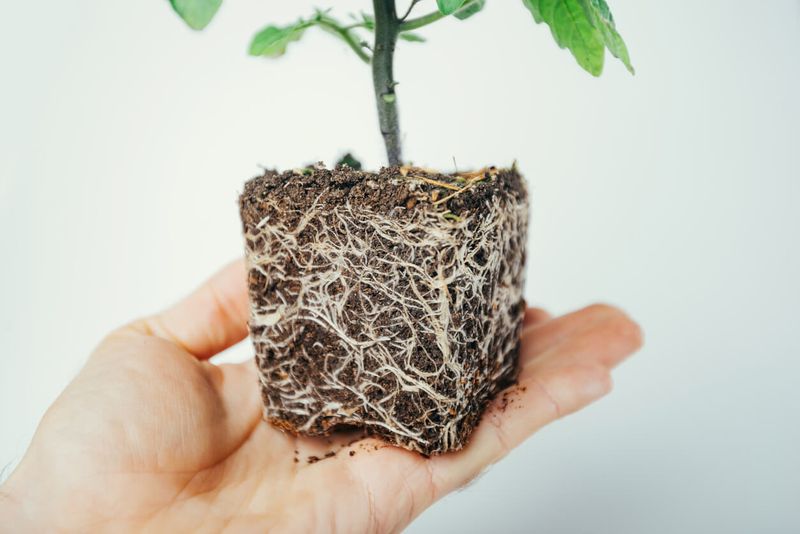
Every bit of calcium your fruit gets has to pass through the roots first, so anything that harms them shows up later on the tomato. Roots bruised during transplanting, chopped by careless hoeing, or squeezed into a too-small container simply cannot draw in what the plant needs.
Container growers get bitten by this often. A tomato jammed into a five-gallon pot may run out of root room by midsummer and start rotting fruit even with perfect watering.
Handle seedlings gently, give each plant real space, and keep sharp tools away from the root zone. Roots you protect early pay off in clean fruit all season.
6. Compacted, Heavy Soil
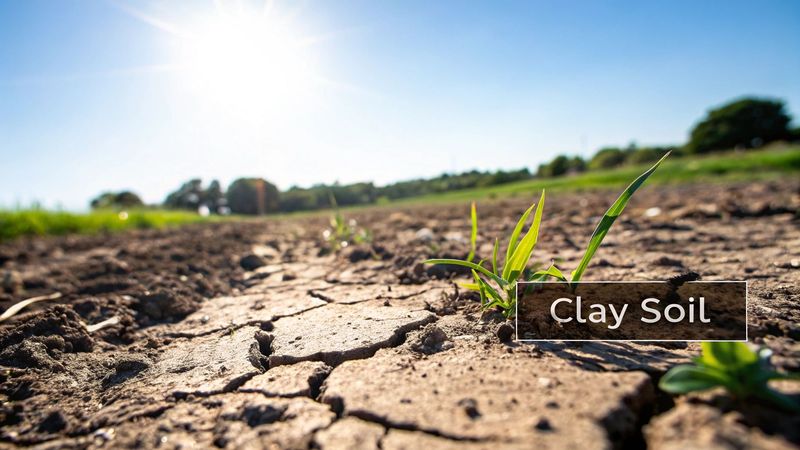
Roots need to breathe and stretch, and dense clay soil packed hard as a driveway gives them neither option. When soil compacts, water either pools on top or races away, and roots stall out instead of spreading toward the calcium they need.
You can spot the problem when your bed sheds water like a sidewalk or cracks into stiff plates as it dries. Neither is a friendly home for a hungry tomato.
Loosen the bed each spring and fold in compost, aged bark, or coarse organic matter to open up pockets of air. Softer soil lets roots roam, and roaming roots feed the fruit far better.
7. Skipping Mulch Around the Base
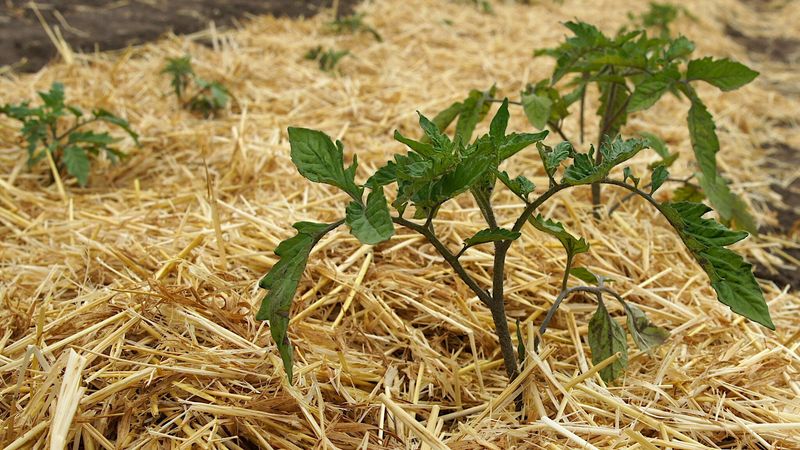
Bare soil around a tomato is like a leaky bucket. Sun and wind pull moisture out of the top few inches fast, and every dry-out spell interrupts the calcium delivery that keeps fruit bottoms solid.
Mulch fixes this cheaply. A few inches of straw, shredded leaves, or grass clippings act like a blanket that holds moisture steady and evens out those wild swings between wet and dry.
As a bonus, mulch keeps soil temperatures calmer and blocks weeds that would otherwise steal water. Lay it down after the soil warms, keep it a couple inches off the stem, and you have handed your roots a much steadier life.
8. Salty Soil From Overfertilizing
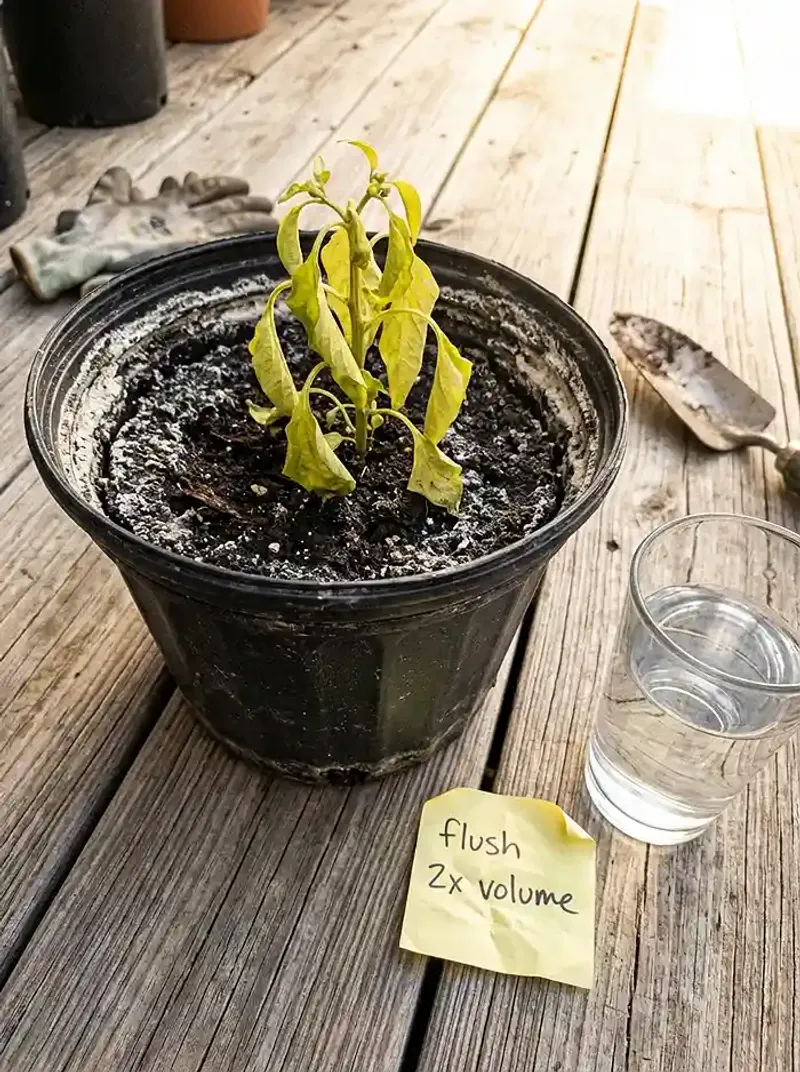
Fertilizer salts are a hidden troublemaker that builds up quietly over the years. When mineral salts accumulate, they pull water away from roots by pure chemistry, leaving the plant thirsty even in damp soil and choking off the calcium stream.
Container tomatoes and heavily fed beds are the usual victims. A white crust on the soil surface or along pot rims is your warning sign.
Flush pots occasionally with plenty of plain water to rinse salts out the bottom, and resist the urge to feed at every watering. Less frequent, measured feeding keeps the root zone comfortable instead of overloaded.
9. Planting Too Early in Cold Soil
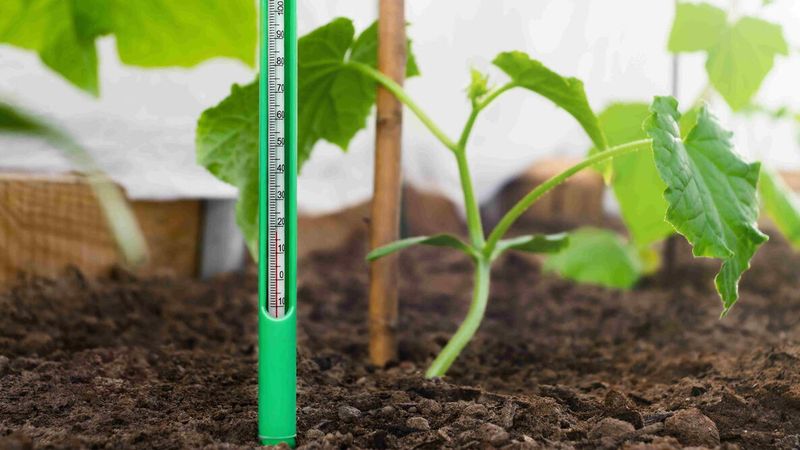
Eagerness in spring can backfire in an ugly way. Tomato roots barely function in cold soil, so a plant set out before the ground warms cannot pull up calcium no matter how much sits waiting nearby.
The first fruits on early-planted tomatoes are the ones that most often show rot, since they formed while the roots were still sluggish and half-asleep.
Wait until soil temperatures hold above 60 degrees a few inches down, or warm the bed with black plastic ahead of time. A short delay at planting saves you a wave of ruined early tomatoes.
10. Sandy Soil That Drains Too Fast
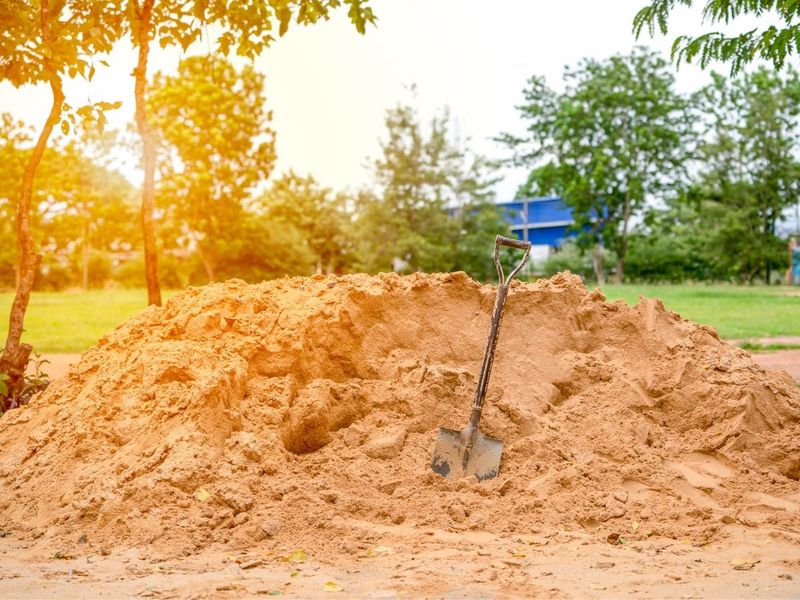
On the opposite end from heavy clay sits sandy soil, and it causes rot for the reverse reason. Water and dissolved calcium pour straight through before roots get a fair chance to drink, so the fruit ends up shortchanged even after a good rain.
Gardeners in coastal and southern sandy regions know this frustration well. The bed looks watered in the morning and bone dry by afternoon.
Building the soil up with compost and organic matter gives sand the sponge it lacks, helping it hold moisture and nutrients long enough for roots to use them. Frequent lighter watering also beats occasional floods on ground this loose.
11. Root Competition From Weeds
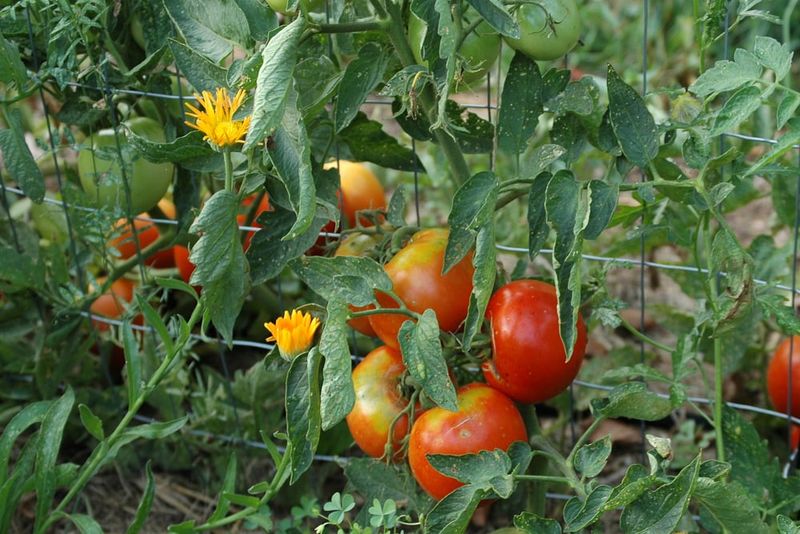
Weeds are not just unsightly; they are thieves working underground. Every dandelion and crabgrass plant crowding your tomato is drinking the same water and grabbing the same calcium your fruit desperately needs.
In a crowded bed the tomato often loses that quiet contest, and the loss reveals itself as soft brown bottoms weeks later.
Keep the area around each plant clear, especially in the first foot or two of soil where feeder roots live. Pull weeds while young and pair the cleanup with mulch so they struggle to return. A tidy root zone is a well-fed root zone.
12. Excess Magnesium Blocking Calcium
Here is a mistake born of good intentions. Plenty of gardeners toss Epsom salt at their tomatoes as a cure-all, not realizing the magnesium in it can crowd calcium out at the root and actually make bottom rot worse.
Calcium and magnesium compete for the same doorways into the plant. Flood the soil with one and you can accidentally slam the door on the other.
Only add magnesium if a soil test proves you are short on it. When calcium is the real issue, skip the Epsom salt entirely and focus on steady moisture and a proper calcium source instead.
13. Waterlogged, Poorly Drained Beds
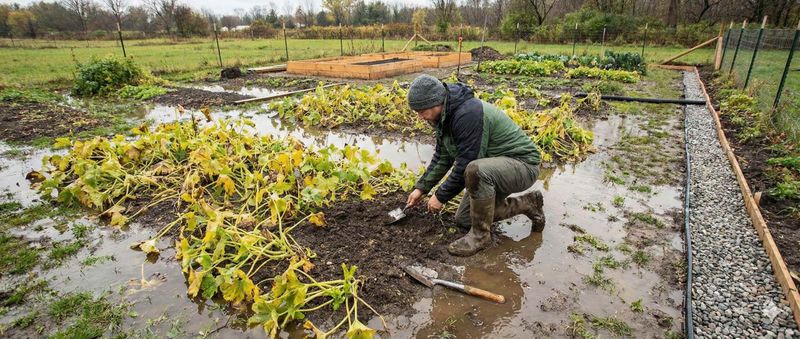
Too little water starves the fruit, but too much drowns the very roots that feed it. Soil that stays soggy pushes out air, and suffocating roots cannot move calcium upward even though they are sitting in a puddle of moisture.
Low spots in the yard and beds with no drainage are the usual offenders, especially after a stretch of heavy summer storms.
Raised beds, mounded rows, and generous compost all help excess water escape. If your garden holds standing water after a rain, fixing that drainage will do more for your tomatoes than any spray in the shed.
14. Fast-Growing Fruit Outpacing Supply
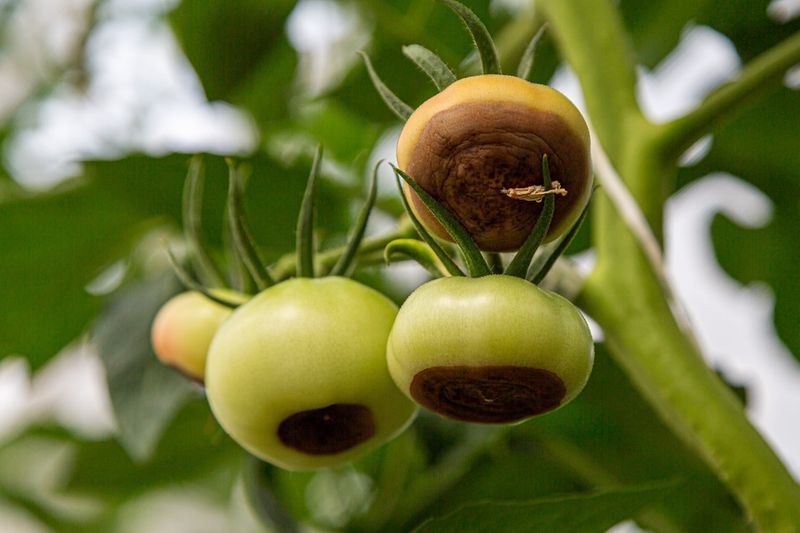
Some of the biggest, most vigorous tomato varieties set fruit so quickly that the plant’s plumbing simply cannot keep up. The tomato swells faster than calcium can travel to its farthest point, and that far point is the bottom that rots.
Big paste and beefsteak types are especially prone during a warm, fast-growing spell early in the season.
Interestingly, the plant usually corrects itself as the weather steadies and growth slows. Pinching off the first affected fruits lets the plant redirect energy, and later tomatoes on the same vine often come out perfectly clean.
15. Heat Waves Speeding Up Evaporation
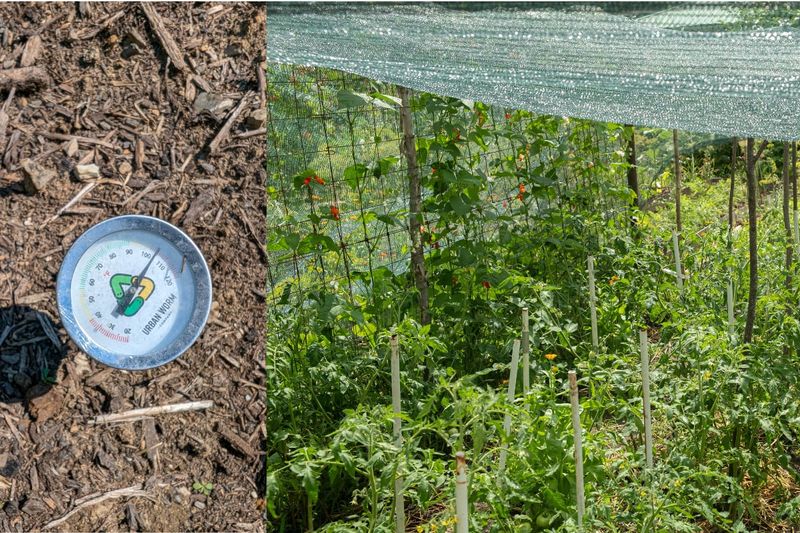
When temperatures spike, tomato leaves crank up their sweating to stay cool, pulling water rapidly out through the foliage. That surge sends calcium racing toward the leaves and away from the developing fruit, which loses the tug-of-war.
During a hot stretch you may notice fine fruit one week and a rash of rotten bottoms the next, even though nothing else changed.
Light afternoon shade cloth during extreme heat can ease the strain, and mulch plus steady moisture help the plant cope. As the heat breaks, keep watering consistent so the fruit that follows stays whole.
16. Low Organic Matter in the Bed
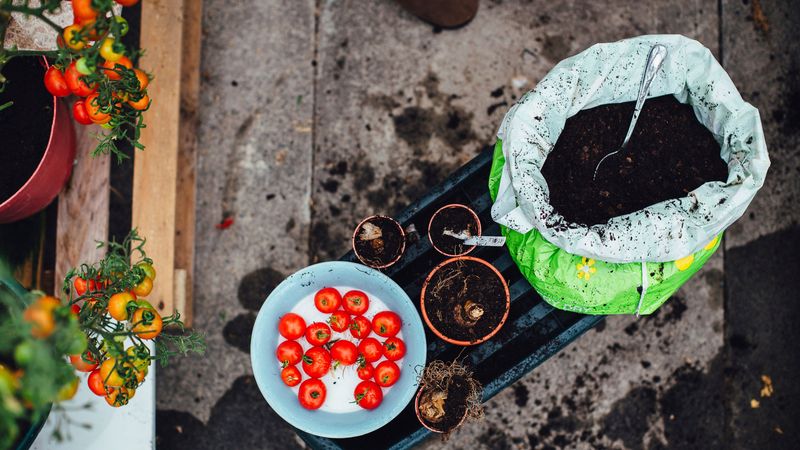
Think of organic matter as the memory of your soil. Compost and decayed plant material hold both water and nutrients in reserve, releasing them slowly and smoothing out the ups and downs that trigger rot.
A bed running low on that reserve behaves erratically. It dries out fast, feeds unevenly, and leaves fruit bottoms vulnerable when conditions get tough.
Working a couple inches of finished compost into the bed each season builds that buffer back up. Over time the soil grows darker, holds moisture longer, and delivers calcium far more reliably than lean, tired dirt ever could.
17. Reading the Leaves for Early Clues
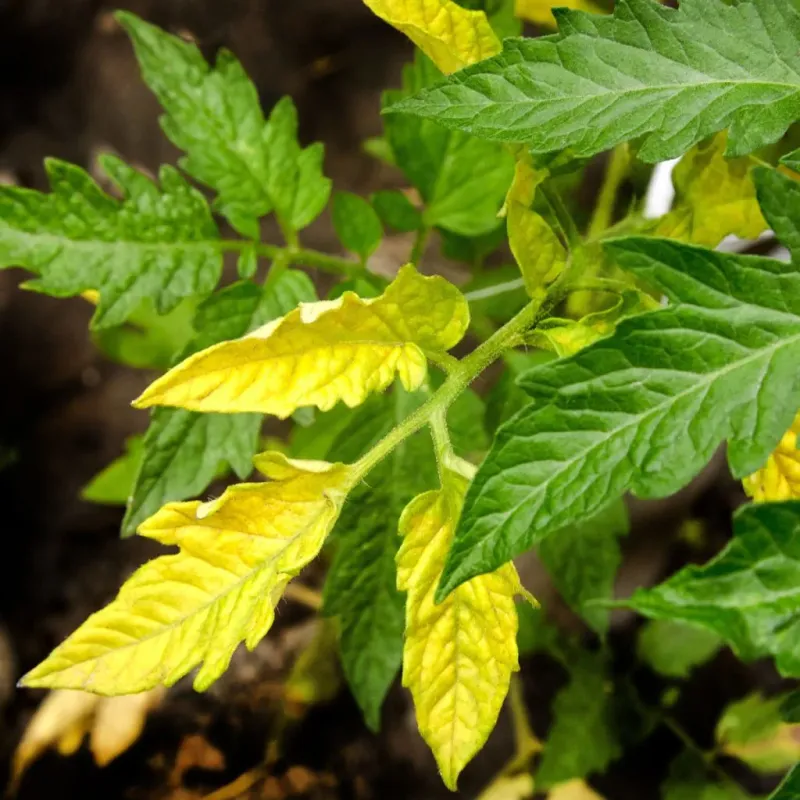
Your tomato often warns you long before a single fruit goes bad, and the leaves are where the message shows up first. Curling, unusual paling between the veins, or new growth that looks stunted all hint that the root system is struggling to deliver what the plant needs.
Catch these signals and you can fix the underlying soil issue while the fruit is still forming, instead of discovering rot at harvest.
Make a habit of glancing over the foliage every few days. Pale, distorted upper leaves paired with dry soil is a near-certain preview of trouble on the bottom of the next batch of tomatoes, and acting early keeps that batch clean.