
18 Fall Vegetables You Need To Seed Right Now In July For A Strong Autumn Harvest
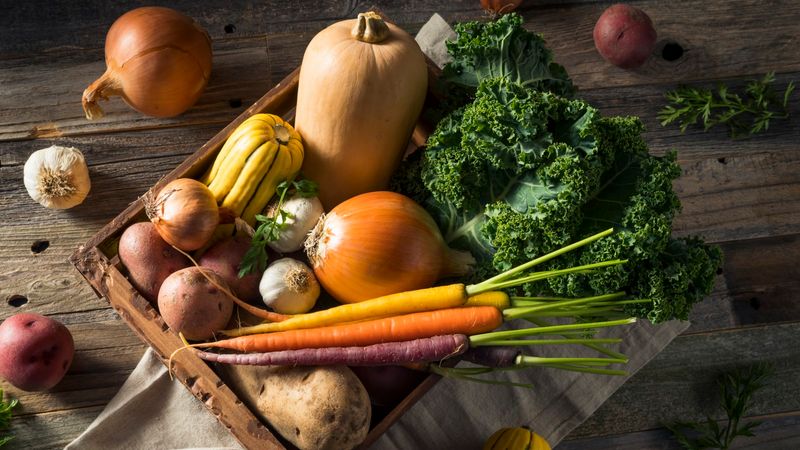
July feels like the middle of summer, but savvy gardeners know it is actually the starting line for fall. If you sow the right seeds now, cooler weather will hand you crisp greens, sweet roots, and hearty brassicas long after the heat fades. The trick is picking vegetables that mature before your first frost while shrugging off late-summer warmth. Here are 18 fall crops worth getting into the ground right now.
1. Broccoli
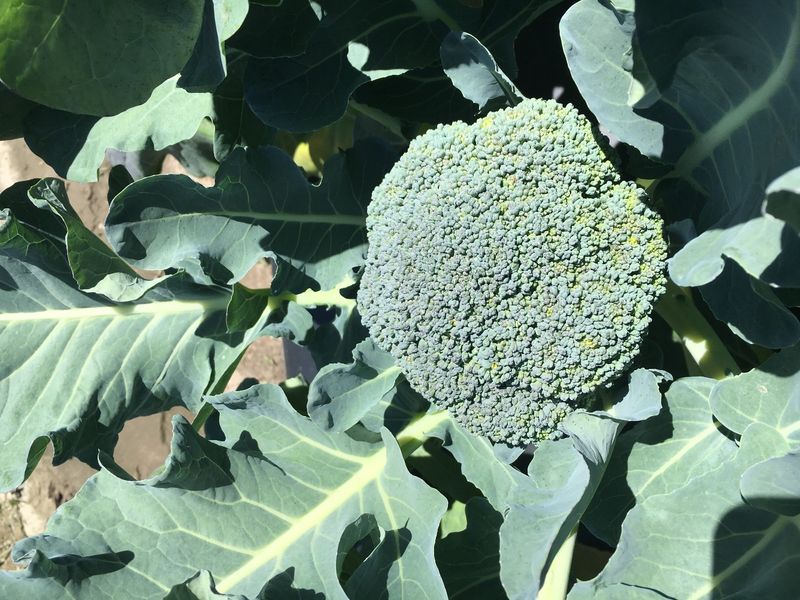
Few crops love a chilly finish the way broccoli does. Seeds started in July give the plants time to bulk up before nights turn cool, and that cool weather is exactly what sweetens the heads and keeps them from bolting.
Sow indoors in the first weeks of July, then transplant seedlings out in August once the worst of the heat backs off. Most varieties need around 60 to 80 days, so counting backward from your first frost tells you if you are on track.
Keep an eye out for cabbage worms as seedlings settle in. A light floating row cover early on can spare you the frustration of holey leaves, and it buys the plants a calmer start while temperatures are still high.
2. Kale
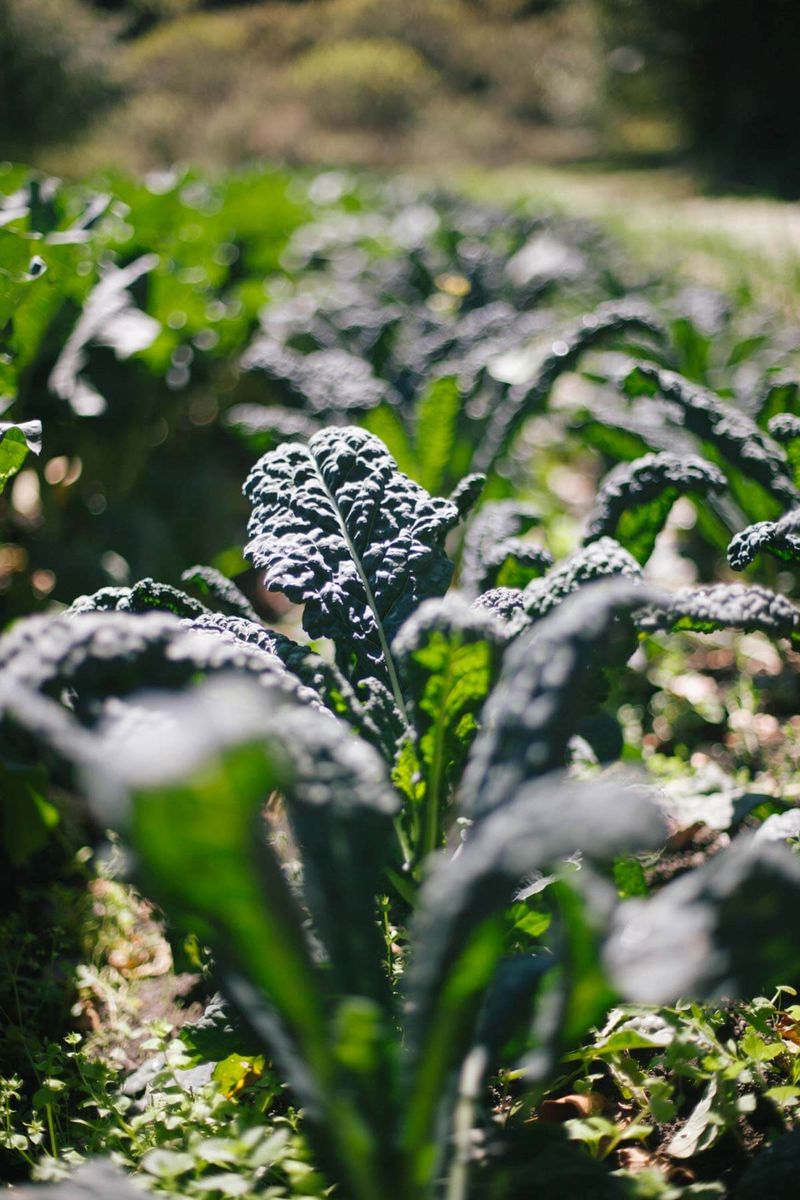
Kale is the overachiever of the fall garden, and frost only makes it better. A hard freeze that would flatten summer lettuce actually turns kale leaves sweeter as the plant converts starches into sugars to protect itself.
Direct sow in mid to late July for a steady supply of leaves through autumn and, in milder zones, straight into winter. You can start harvesting outer leaves once they reach the size of your hand, leaving the center to keep pushing new growth.
Because it stands up to cold so well, kale often outlasts everything else in the bed. Curly types hold texture in soups, while flat Lacinato leaves make excellent chips when the harvest piles up.
3. Carrots
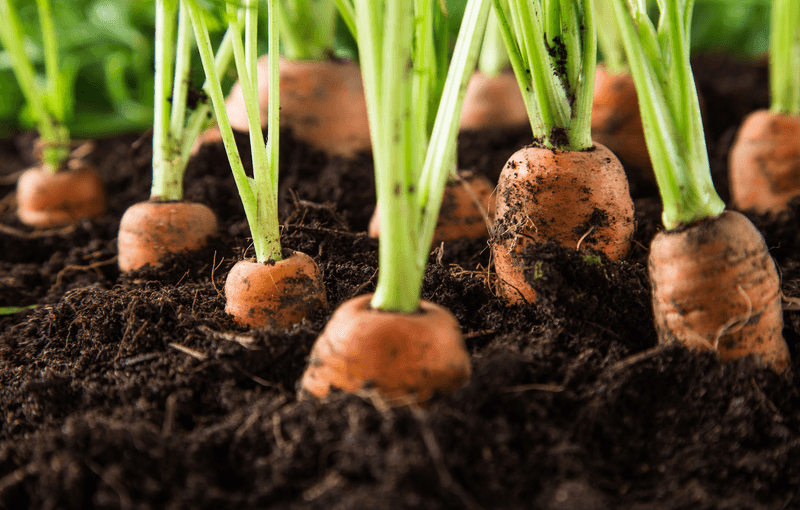
Sweetness is the reward for planting carrots now. Roots that mature in cool soil pack in more sugar, and a light frost right before harvest gives them a candy-like edge you never get from summer batches.
Direct sow in July since carrots hate having their roots disturbed by transplanting. The seeds are tiny and slow to wake up, so keep the top of the soil consistently moist until sprouts appear, which can take two weeks or more in warm ground.
Thin the seedlings once they are a couple inches tall to give each root room to size up. Crowded carrots twist around each other and stay stubby, so a little early spacing pays off big at pulling time.
4. Beets
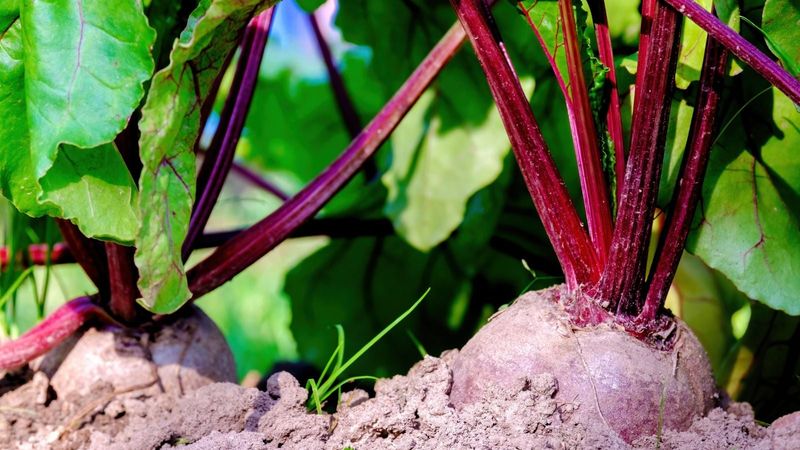
Two harvests from one seed makes beets a smart July pick. The roots swell up sweet and earthy in cool weather, while the leafy tops double as a nutritious green you can snip along the way.
Sow seeds directly into loosened soil around mid-July. Each knobby beet seed is actually a cluster, so expect a few sprouts from each one and thin them so the roots have breathing room.
They shrug off light frosts without complaint, which lets you leave them in the ground and dig as needed. Golden and candy-stripe varieties bring color to the plate if plain red feels boring after a season of them.
5. Spinach
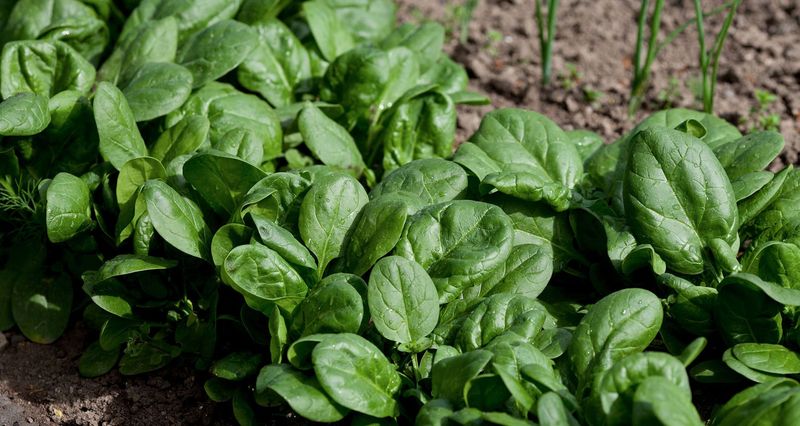
Heat is spinach’s enemy, which is why July timing matters so much. Wait until the second half of the month or start seeds where you can shade them, because warm soil above 75 degrees leaves seeds stubbornly dormant.
Once conditions cool, spinach races to produce tender, dark leaves perfect for salads and sauteing. Successive small sowings every couple of weeks keep the harvest steady instead of arriving all at once.
Fall-grown spinach rarely bolts the way spring crops do, since days are shortening rather than lengthening. That means a longer window of leaf picking before the plant ever thinks about flowering.
6. Radishes
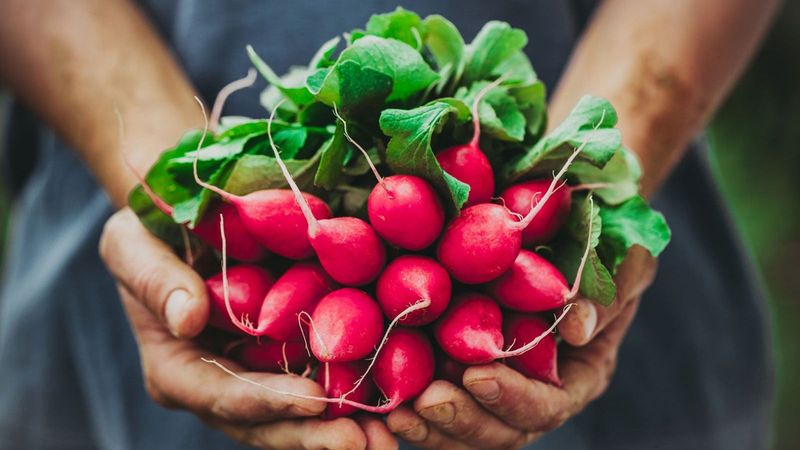
Impatient gardeners, this one is for you. Radishes go from seed to snack in as little as three to four weeks, making them the fastest payoff on the entire list.
Tuck seeds into any gap in the July garden, even between slower crops that need the space later. By the time your carrots or broccoli fill in, the radishes will already be pulled and eaten.
Cool fall weather keeps the roots crisp and mild instead of the harsh, woody heat they get in summer. Try a daikon type too, which grows longer roots that store well and taste great roasted.
7. Lettuce
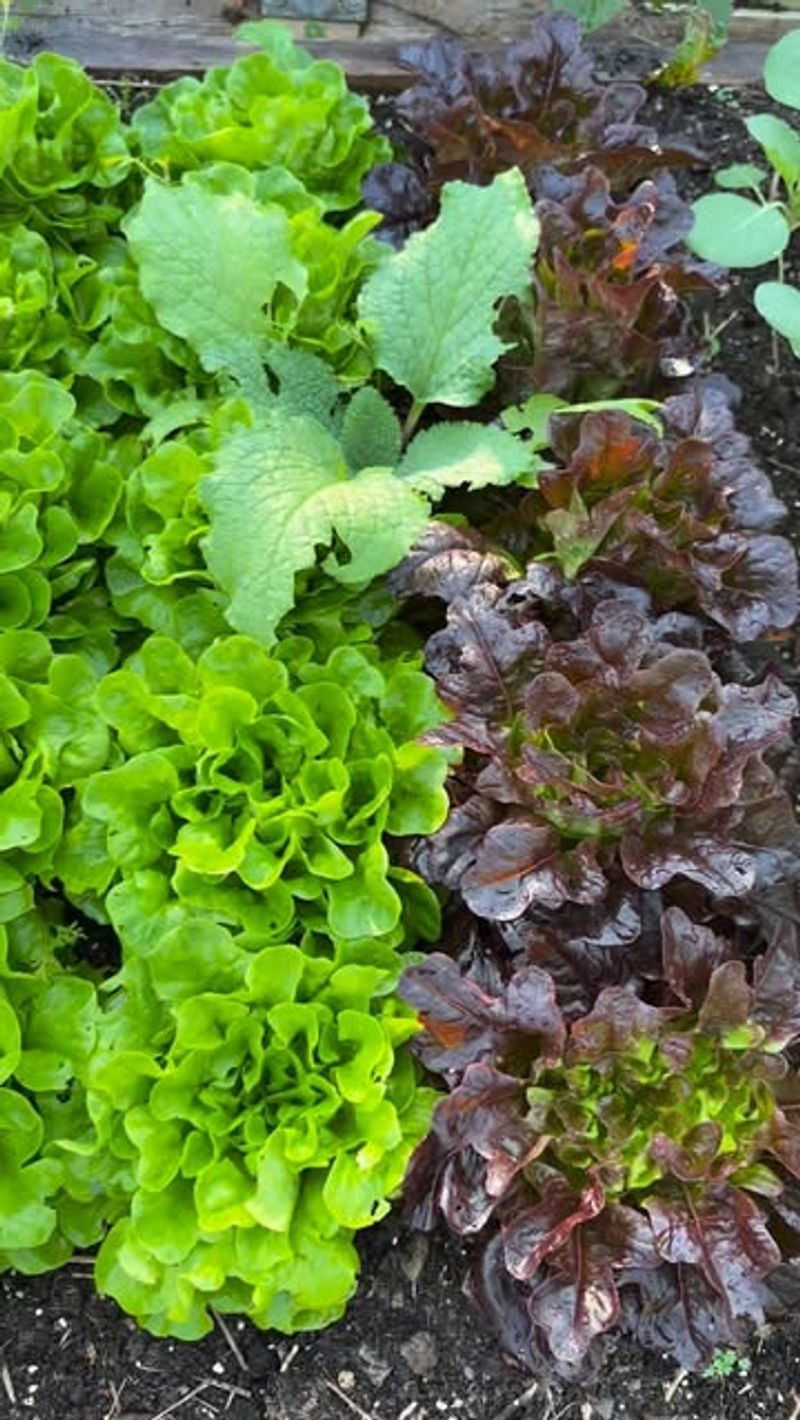
Salad season does not have to end when summer does. Lettuce actually prefers the mild days of autumn, staying tender and sweet instead of turning bitter and bolting the way it does in July heat.
Start seeds in a shadier spot or under a bit of shade cloth if you sow early in the month, then let cooling temperatures do the rest. Loose-leaf and butterhead types give you a cut-and-come-again supply if you harvest outer leaves.
Space out your plantings by a week or two so you are not drowning in heads all at once. A mix of red and green varieties makes even a small bed look like a market display.
8. Cabbage
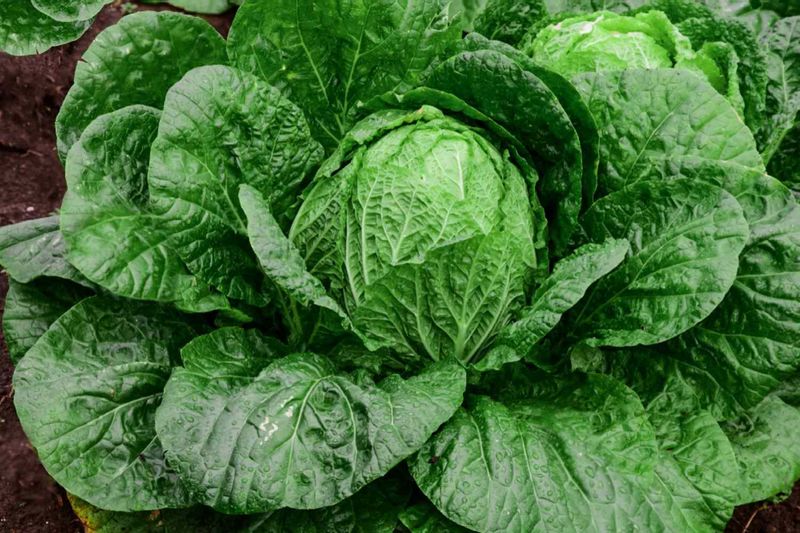
Patience turns into big rewards with cabbage. The tightly wrapped heads take their sweet time forming, but cool fall weather firms them up beautifully and cuts down on the pest pressure that plagues spring plantings.
Start seeds indoors in early July, then transplant hardened-off seedlings into the garden by early August. Fast-maturing varieties around 60 days give you the best odds of a full head before frost.
Autumn cabbage often stores for weeks in a cool spot, so a single planting can feed slaws and soups deep into the season. If space is tight, mini varieties produce softball-sized heads perfect for smaller households.
9. Turnips
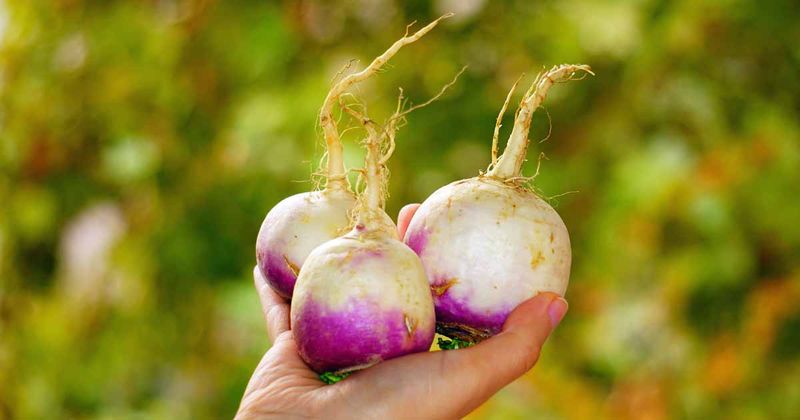
Old-fashioned and underrated, turnips deserve a comeback in your fall beds. They grow fast, feed you twice with both roots and greens, and get noticeably sweeter after a frost kisses them.
Scatter seeds directly in the garden in late July and thin the sprouts once they crowd. Salad-type turnips like the small white Japanese ones can be pulled young and eaten raw, crisp as an apple.
The greens cook up like a peppery version of collards, so nothing goes to waste. Because they mature in around 40 to 60 days, even a July start leaves plenty of margin before cold weather arrives.
10. Swiss Chard
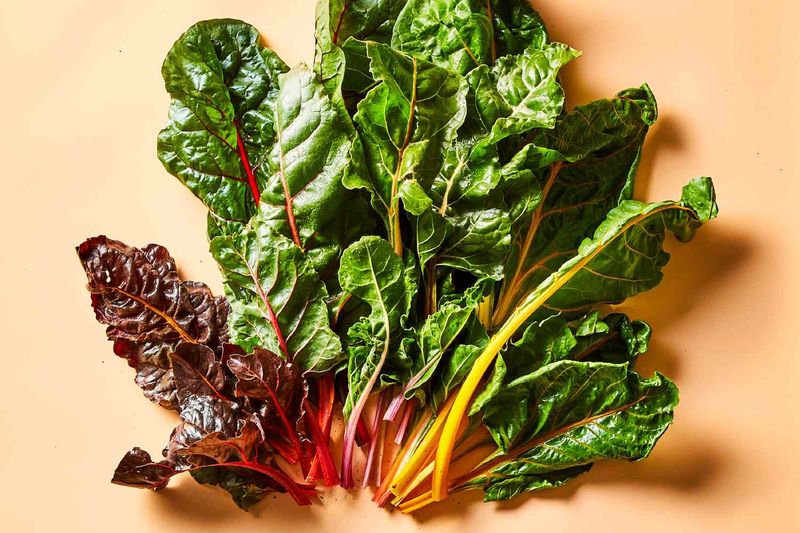
If you want color that lasts, chard delivers with stems in neon pink, yellow, and red. It bridges the gap between summer and fall better than almost any green, tolerating leftover heat while gearing up for cool-weather production.
Sow seeds in July and you can begin snipping outer leaves within a couple of months, coming back for more again and again. The plant keeps generating new growth from the center as long as you do not strip it bare.
Milder in flavor than kale but sturdier than spinach, chard sautes down quickly and holds its own in soups. A single row of Rainbow chard doubles as an ornamental border along a path or bed edge.
11. Cauliflower
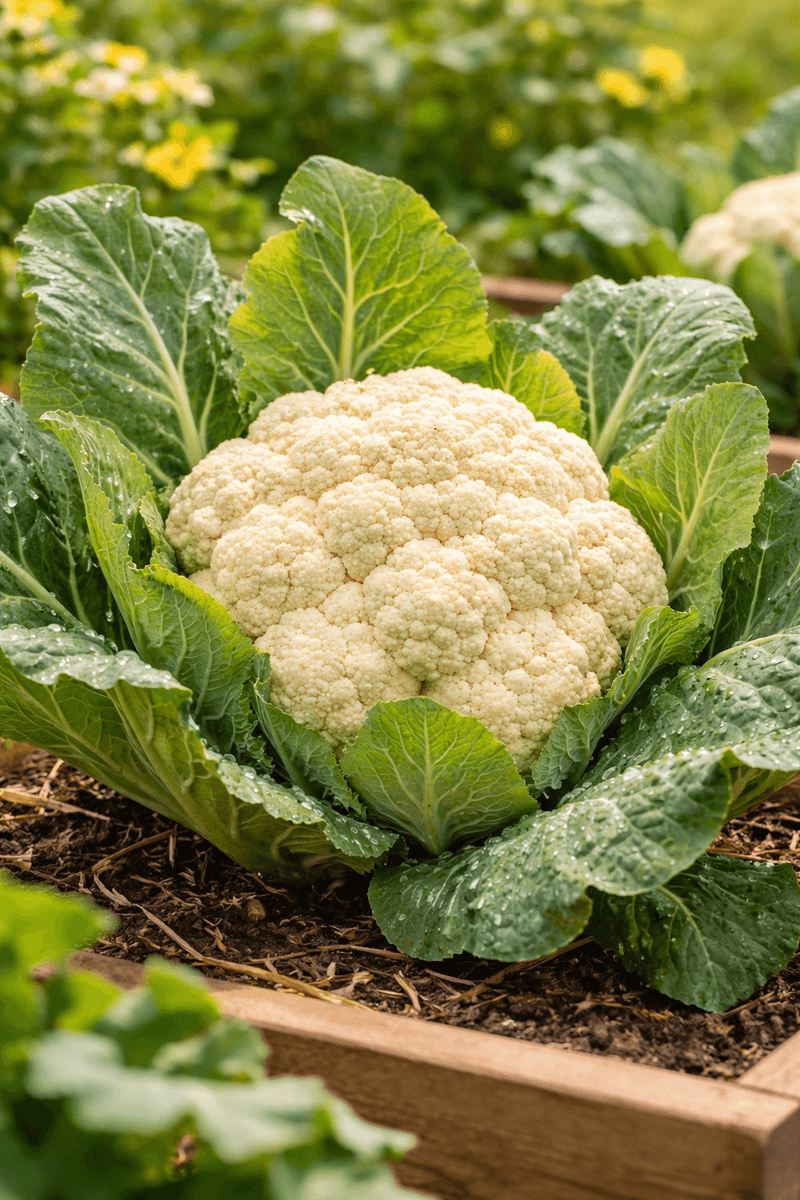
Cauliflower has a reputation for being fussy, and honestly it earns it, but the fall crop is far more forgiving than the spring one. Cool, steady autumn temperatures help the curds form white and tight without the sudden heat spikes that ruin spring heads.
Start seeds indoors in early to mid-July and move seedlings out in August. Many varieties need blanching, which means folding the outer leaves over the head to shield it from sun and keep it pale.
Consistent moisture is the real secret here, since stress makes the heads separate into loose, ricey clusters. Reward the plant with even watering and it repays you with a dense, creamy head worth the wait.
12. Kohlrabi
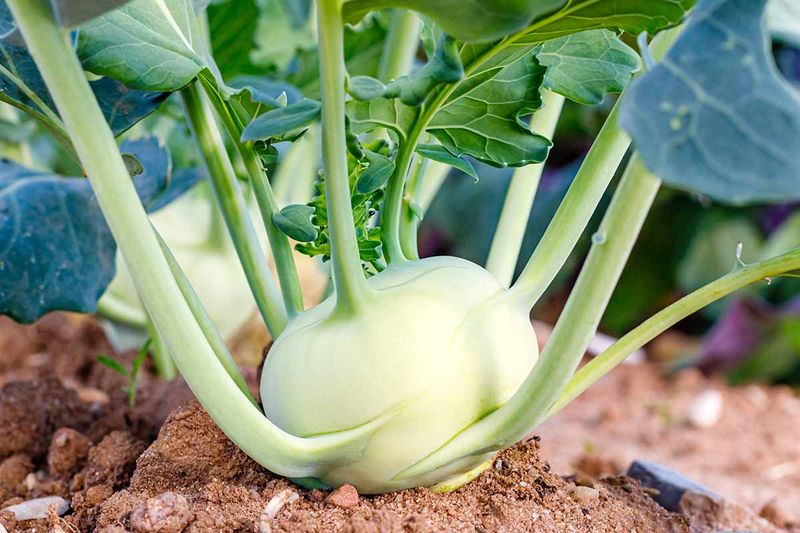
Looking like a vegetable from another planet, kohlrabi grows a swollen bulb above the soil with leaves sprouting out like antennae. Weird as it looks, the crisp bulb tastes like a sweeter, milder broccoli stem and works raw or cooked.
Direct sow or transplant in July for a fast turnaround, since many types mature in under two months. Harvest when the bulbs reach tennis-ball size, because letting them grow larger turns the flesh tough and woody.
Cool weather keeps the texture tender and the flavor mild, which is why fall is prime kohlrabi time. Peel one, slice it thin, and it makes a surprisingly refreshing crunch in an autumn salad.
13. Arugula
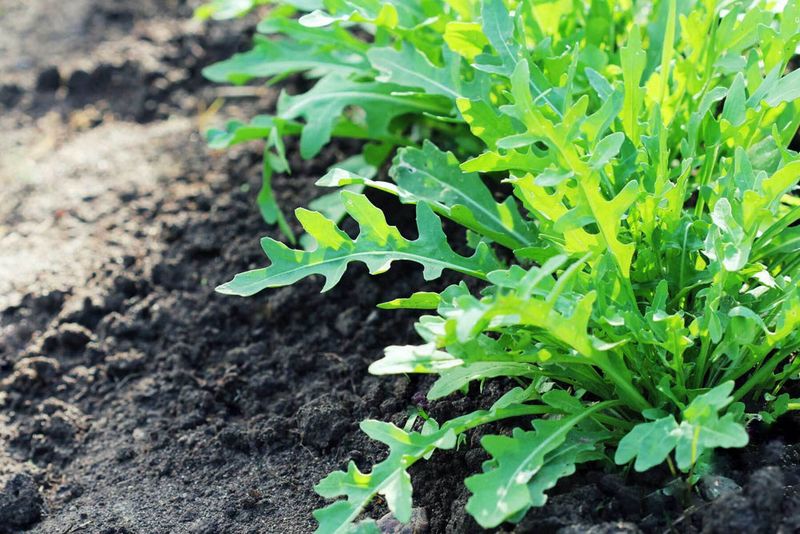
Peppery and quick, arugula rewards a July sowing with sharp, nutty leaves in just three or four weeks. The cooler the weather, the milder and more tender the greens, so fall is when this crop really shines.
Broadcast seeds thinly across a small patch and barely cover them, then keep the surface damp until they germinate. Because it grows so fast, a fresh sprinkle every ten days keeps salads stocked without any single planting bolting on you.
Let a few plants flower late in the season and the small white blooms are edible too, carrying that same spicy bite. Toss the leaves onto pizza or into pasta straight from the garden for a bright, fresh kick.
14. Bok Choy
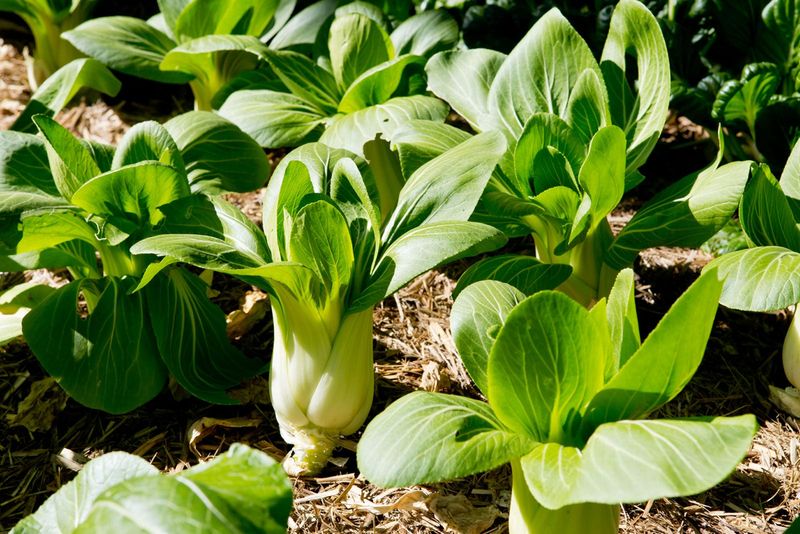
Stir-fry lovers should make room for bok choy this fall. The crisp white stalks and glossy green leaves grow quickly in cool weather, and autumn planting sidesteps the bolting that plagues this crop in warm spring soil.
Sow seeds directly in late July or start them indoors for transplanting. Baby varieties can be harvested whole in about a month, while full-size heads take a little longer but give you more to work with.
Even growth relies on steady moisture, so do not let the bed dry out between waterings. Slice a fresh head into a hot wok and it wilts down in seconds while keeping its signature crunch at the base.
15. Green Onions
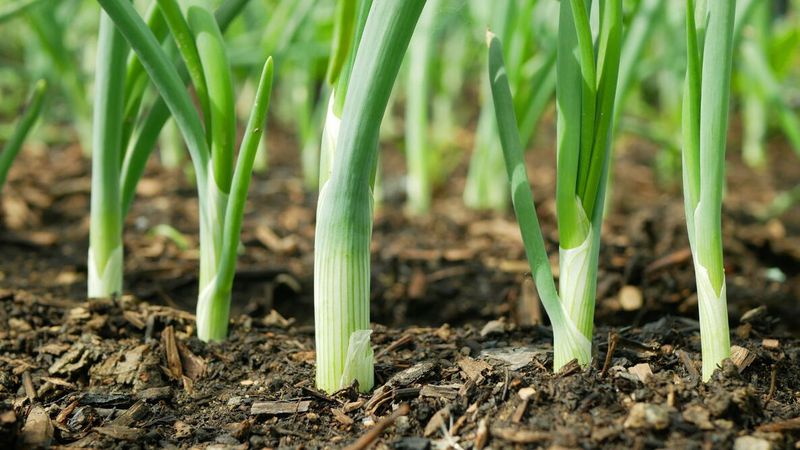
Nearly foolproof and endlessly useful, green onions belong in every fall garden. They tolerate cool weather without missing a beat and take up so little space that you can tuck them into corners and edges.
Sow seeds thickly in a narrow row during July and simply snip what you need once the tops reach pencil size. Leave the roots in the ground and many will regrow, giving you cut-after-cut convenience.
Because they mature quickly and keep going, a single planting flavors soups, stir-fries, and salads for weeks. If you already have onion sets lying around, poke a few of those in too for an even faster start.
16. Peas
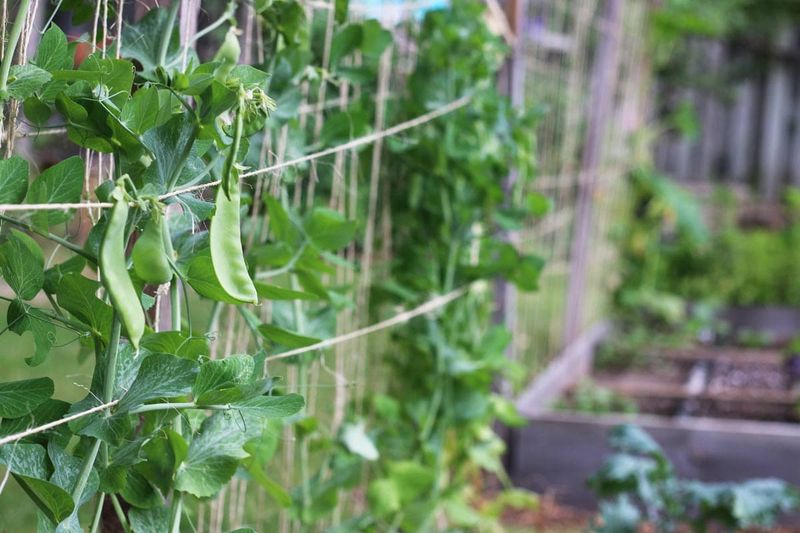
Spring is not the only season for peas, and fall crops sidestep the sudden heat that ends spring vines early. A late-July sowing lets the plants climb and flower as temperatures fall, timing their pods for cool, comfortable weather.
Choose a fast-maturing variety and count carefully back from your first frost, since peas need roughly 60 days and cannot rush cold soil. Snap and snow types give you edible pods, which mature quicker than shelling peas.
Give the vines something to climb, whether a trellis, netting, or a length of twine, and they will practically take care of themselves. Fresh fall peas eaten straight off the vine taste like a small victory before winter closes in.
17. Mustard Greens
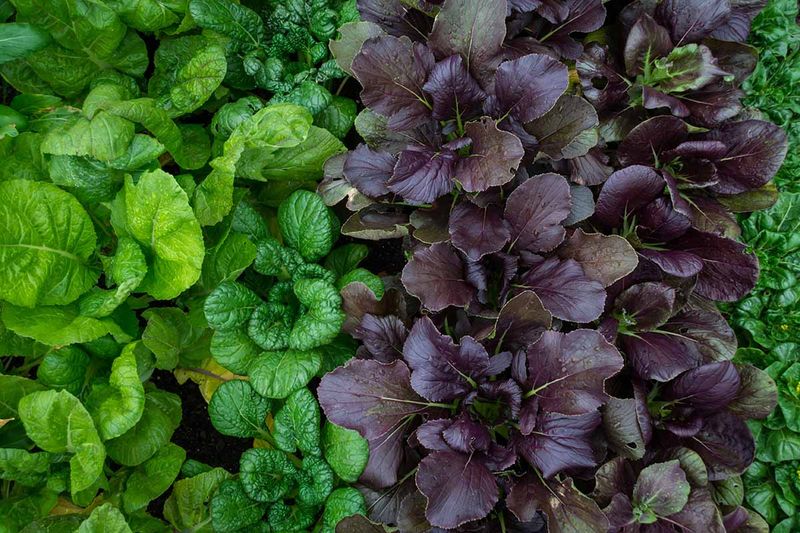
For anyone who loves a little heat on the plate, mustard greens bring a wasabi-like zing that mellows nicely when cooked. They grow fast and thrive in the cooling days of autumn, ready to cut in as little as a month.
Direct sow in July and thin the seedlings so each plant has room to leaf out. Young leaves add spice to salads raw, while mature ones cook down beautifully with a splash of vinegar in classic Southern style.
Frost tames their sharpness and boosts their sweetness, so the flavor keeps evolving through the season. Red-leaved varieties like Osaka Purple double as a striking splash of color among all the greens.
18. Collard Greens
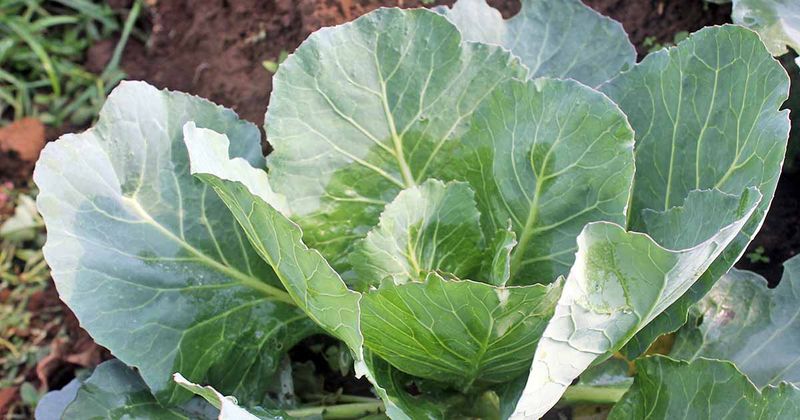
Toughness is the hallmark of collards, which laugh off frosts that finish off tenderer greens. A July sowing sets them up for a long autumn harvest, and many gardeners in mild zones keep picking leaves straight through winter.
Sow seeds directly or transplant seedlings, spacing them generously because the plants grow large and broad. Harvest the lower leaves as you go and the plant keeps producing from the top like a leafy little palm tree.
Cold weather sweetens them just as it does kale, taking the edge off any bitterness. Slow-cooked with a bit of smoke and vinegar, fall collards turn into comfort food that improves the longer the season drags on.