
18 Reasons Your Lawn Turns Brown In Late Summer (And The Hidden Stressor Working Below The Surface)
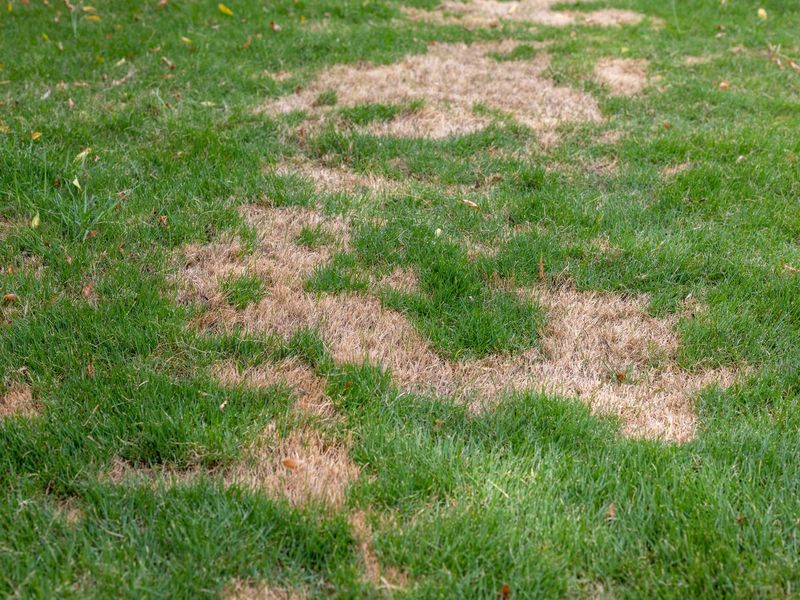
Nothing deflates the pride of a well-kept yard faster than watching green turn to crispy brown in the dog days of summer. The tricky part is that brown grass rarely has just one cause, and some of the worst offenders are hiding right under your feet where you cannot see them.
Once you learn to read the signs, you can tell the difference between a lawn that is simply napping and one that is truly in trouble. Let’s walk through the 18 most common reasons your lawn browns out in late summer, including the sneaky underground stressors most people miss.
1. Drought Stress
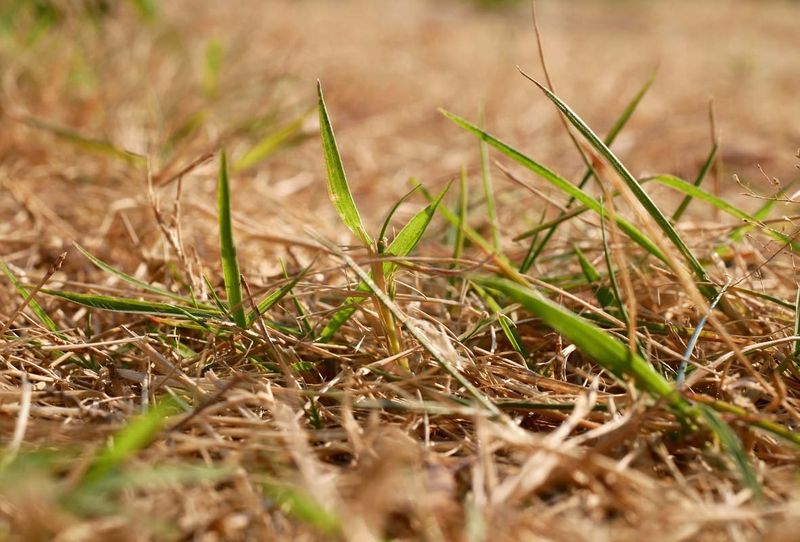
Grab a screwdriver and try pushing it into your lawn. If it stops short like the soil turned to concrete, thirst is almost certainly the culprit behind your browning turf.
When rain disappears for weeks, grass simply cannot pull enough moisture to keep its blades plump and green. You will notice the color fade from a healthy green to a dull gray-green, then to straw.
Footprints that linger instead of springing back are another early warning sign that the grass has run out of water reserves.
A truly drought-stressed lawn holds tight when you tug on it, because the roots are still alive and clinging to whatever moisture remains deep down. The fix is refreshingly simple: deep, infrequent soakings that wet the soil six inches down beat shallow daily sprinkles every time.
Aim for about an inch of water per week, delivered in one or two long sessions, and your lawn can often bounce back within a couple of weeks.
2. Summer Dormancy
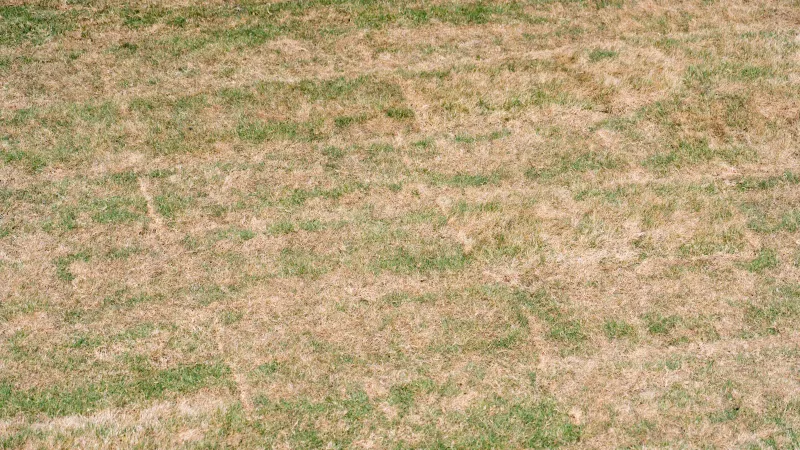
Here is the good news that surprises most homeowners: sometimes brown grass is just taking a nap, not dying. Cool-season grasses like Kentucky bluegrass, fescue, and ryegrass have a built-in survival trick where they go dormant during stretches of heat and drought.
During dormancy the blades turn brown or the color of dry straw, but the crown and root system underneath stay very much alive. It is the plant’s clever way of conserving energy until conditions improve.
Think of it like a bear hibernating through a tough season rather than dying in it.
The telltale clue is uniformity. A dormant lawn browns fairly evenly across the whole yard rather than in odd circles or streaks.
Once cooler temperatures and steady rain return in fall, a dormant lawn greens right back up on its own. If you want to keep it green through the heat, water deeply every couple of weeks, but honestly, letting it rest is perfectly healthy for the grass.
3. Heat Stress
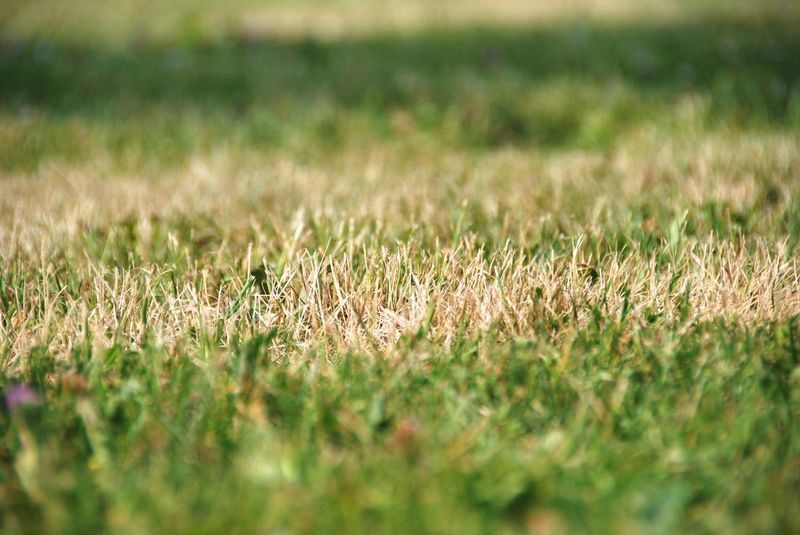
When the thermometer climbs into the 90s day after day, your grass loses water through its blades faster than the roots can replace it. The result is a lawn that looks bluish-gray, wilted, and crispy before it finally browns.
Unlike a slow drought, heat stress can show up suddenly during a brutal week-long heat wave. Grass in the hottest, sunniest parts of the yard fades first, while shadier patches hold their color longer.
You might even see the blades folding or rolling inward, which is the plant trying to shrink its exposed surface and slow moisture loss.
Watering in the early morning gives the lawn a fighting chance to stock up before the sun blasts it again. Avoid mowing or heavy foot traffic during a heat wave, since stressed grass bruises easily and takes longer to recover.
Raising your mower height also helps the taller blades shade the soil and keep root zones cooler.
4. Underwatering
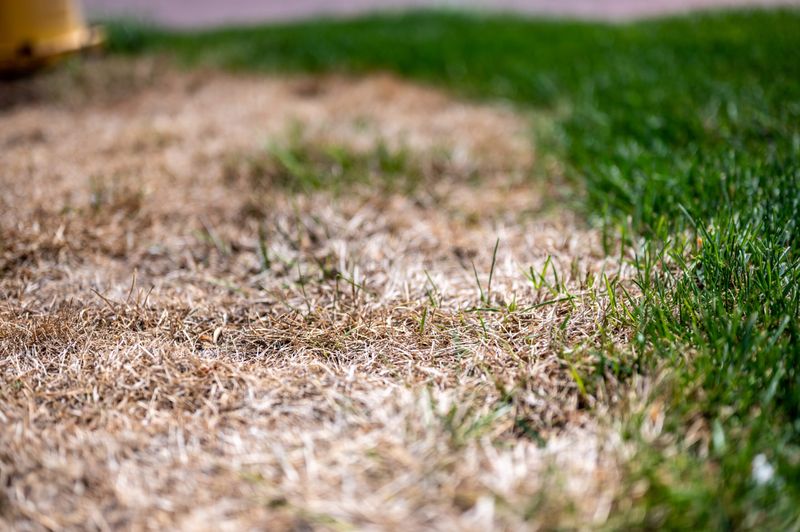
It feels like you are watering, yet brown spots keep spreading. More often than not, the grass is getting sprinkled but never truly soaked, and shallow watering during scorching months pushes it toward dormancy or death.
Quick five-minute bursts only wet the very top layer of soil. That trains roots to stay shallow, where they dry out the moment the sun returns.
The lawn ends up permanently thirsty even though the sprinkler runs on schedule.
An easy test involves setting empty tuna cans around the yard while the sprinklers run. When they collect about an inch of water, you have watered enough for the week.
Switch to fewer but longer sessions so moisture sinks deep and roots follow it down. A lawn watered this way develops a stronger, more drought-proof foundation that shrugs off the next hot spell.
5. Overwatering
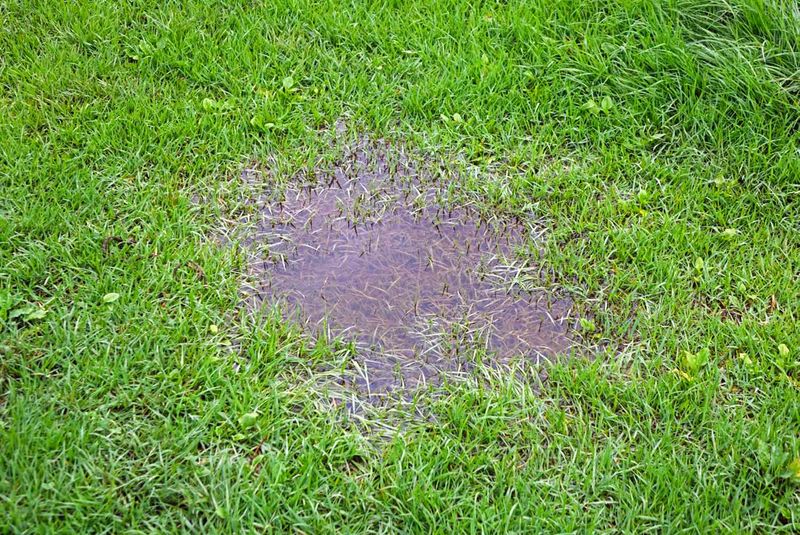
Believe it or not, drowning your lawn with kindness browns it out just as fast as neglect. Roots need air pockets in the soil, and when water fills every gap, they suffocate and stop absorbing nutrients.
A soggy, spongy feeling underfoot is the first hint that you have overdone it. Overwatered lawns also tend to grow moss, build up thick thatch, and invite fungus into the neighborhood.
The excess moisture creates a damp playground where diseases spread with ease.
Because starved and drowning grass can look nearly identical from the curb, the ground itself tells the real story. Check whether the soil stays wet and squishy for hours or even days after watering.
If so, dial way back and let the top inch of soil dry between waterings. Your grass will breathe easier, and those fungal problems often fade once the swamp conditions disappear.
6. Poor Irrigation Coverage
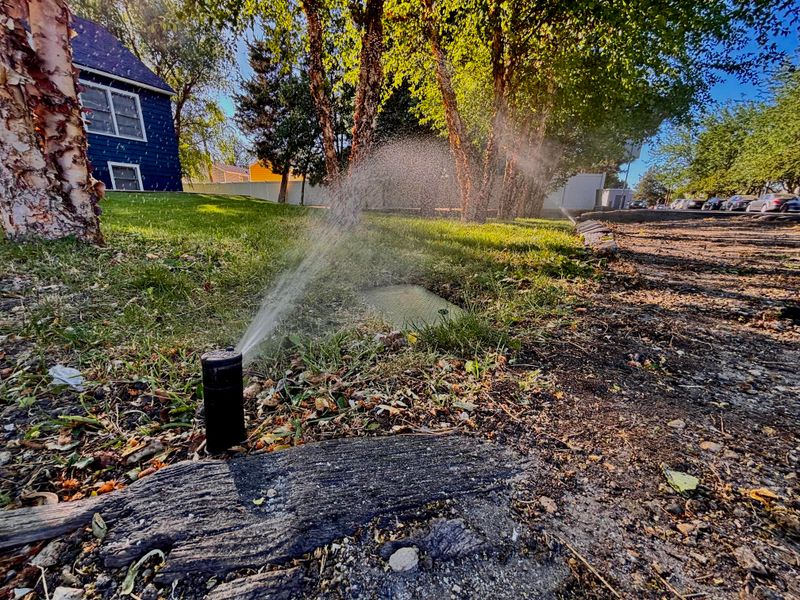
Ever notice brown areas that seem to follow a strange pattern, like arcs or straight lines across the yard? That signature usually points a finger straight at your sprinklers.
A clogged nozzle, a head knocked out of alignment, or a spray blocked by a shrub can leave certain patches bone dry while the rest of the lawn stays lush. The grass is not sick and it is not dormant; it is simply missing its drink because the water never reaches it.
These dry zones often sit at the far edges of a sprinkler’s throw or in corners the pattern cannot cover.
Run your system while you watch, and map out which spots stay dry. Adjust or replace faulty heads, unclog nozzles, and make sure sprays overlap so no strip goes thirsty.
For stubborn dead zones, a little hand-watering with a hose bridges the gap until you get the coverage dialed in. Even irrigation is one of the quickest ways to erase mysterious brown patches.
7. Watering at the Wrong Time
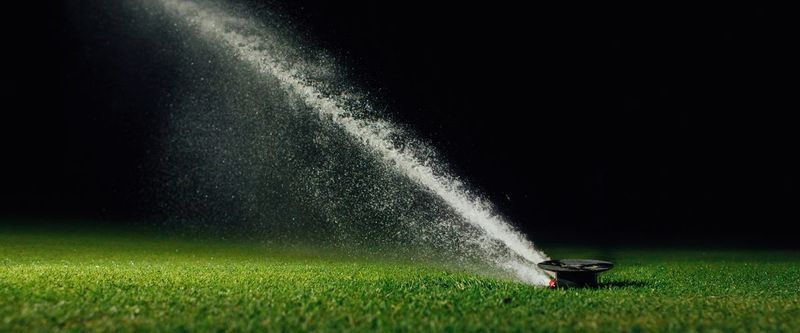
Timing your watering matters more than most folks realize. Running the sprinklers in the late afternoon or evening leaves blades wet all night long, and damp grass in the dark is basically an open invitation for fungus.
Diseases like brown patch absolutely thrive in that overnight moisture. The grass never gets a chance to dry, so spores settle in and spread while you sleep.
Come morning you may find fresh circles of dead-looking turf that were not there the day before.
The sweet spot for watering falls between 5 and 8 in the morning. Watering early lets the sun burn off surface moisture quickly, cuts down on evaporation waste, and gives roots a full day to drink up.
Set a timer if you are not an early riser, because this single adjustment prevents a surprising number of late-summer fungal headaches. Midday watering wastes water to evaporation, so morning truly is the winner.
8. Grubs
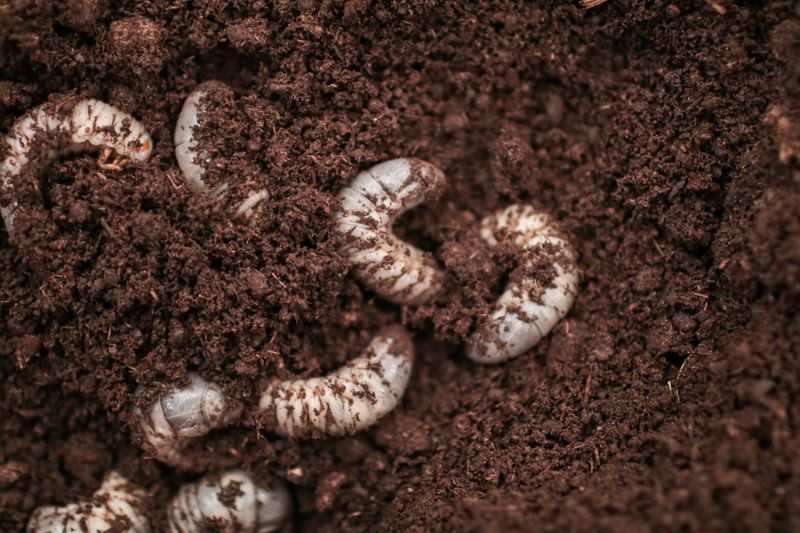
Now we get to the hidden stressor working below the surface, and grubs are the ringleaders. These plump, C-shaped beetle larvae live in the soil and munch on grass roots from late summer into fall, quietly destroying your lawn from underneath.
The giveaway is unforgettable: affected turf peels back like a loose carpet because the roots holding it down have been eaten away. You might also spot skunks, raccoons, or birds tearing up patches at night, and they are not being destructive for fun.
They are feasting on the grub buffet just below the grass.
To check, cut a one-foot square of sod and fold it back. More than five or six grubs in that patch means an infestation worth treating.
Beneficial nematodes and milky spore offer natural control, while timing is everything with any treatment. Catching grubs early, before they mature, saves you from the heartbreak of rolling up dead sod by the armload.
9. Chinch Bugs
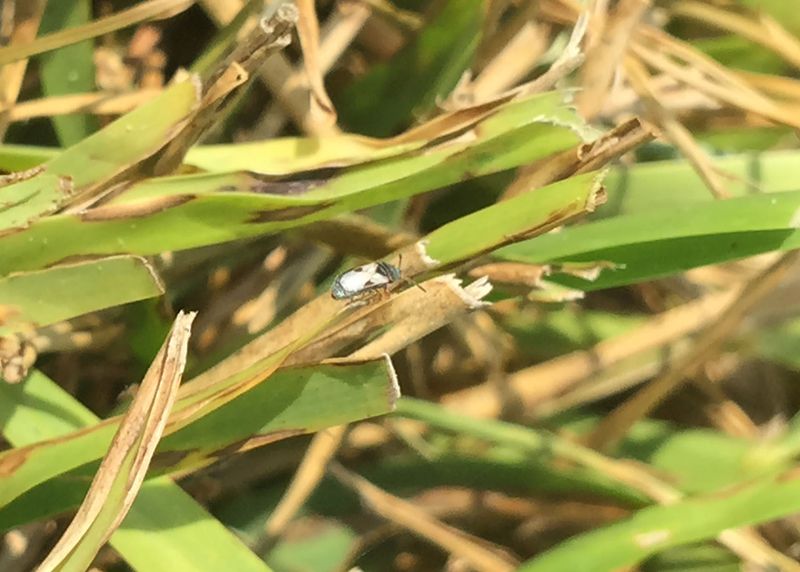
Tiny but mighty destructive, chinch bugs pack a nasty punch into a body barely the size of a pinhead. They pierce grass blades and inject a toxin as they feed, which makes the grass wilt, yellow, and finally die in irregular brown blotches.
You will usually find them lurking in the thatch layer, favoring the hottest, driest, sunniest stretches of lawn. Because their damage mimics drought, plenty of homeowners water and water while the real bandits keep chewing away.
That misdiagnosis lets a small colony explode into a big problem.
A simple coffee-can test flushes them out. Push a bottomless can into the turf at the edge of a browning patch, fill it with water, and watch for little black-and-white bugs floating up within a few minutes.
If they show up, targeted treatment and reducing thatch buildup will knock back the population. Keeping the lawn properly watered also makes it far less inviting to these heat-loving pests.
10. Sod Webworms

If you have watched little tan moths flutter up in a zigzag as you walk across the yard at dusk, take note. Those are lawn moths, and their offspring, the sod webworms, chew your grass down to nubs while you sleep.
The larvae hide by day in silk-lined tunnels tucked into the thatch and soil, then emerge at night to snip off grass blades near the base. Damage tends to appear in late July or August as thin, ragged brown patches that many people wrongly chalk up to dormancy.
That confusion buys the worms time to keep spreading.
A soapy water drench poured over a suspicious area will bring them wriggling to the surface within minutes, confirming the diagnosis. Healthy, well-fed lawns often outgrow minor webworm damage on their own.
For heavier infestations, natural predators, nematodes, or targeted treatments help restore the turf before those nighttime nibblers thin it out completely.
11. Billbugs
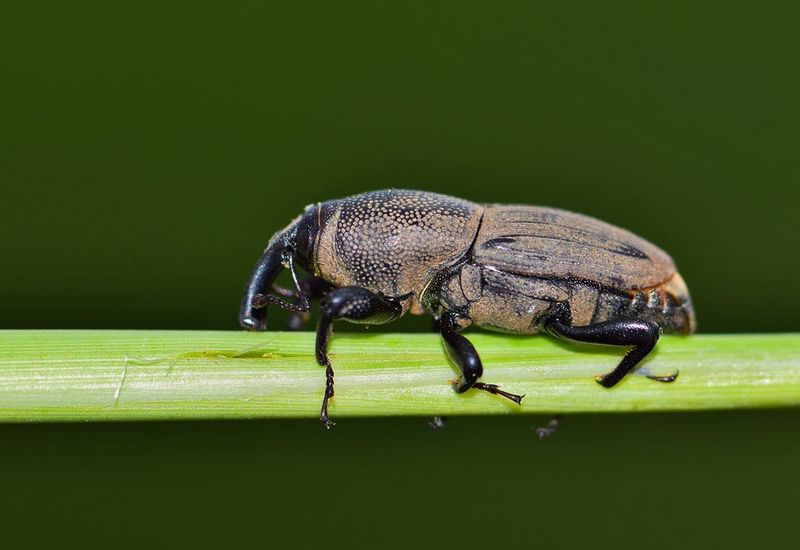
Meet the pest that hollows out your grass from the inside. Billbug larvae are legless, cream-colored grubs that burrow into grass stems and feast on the tissue, leaving the plants too weak to stand.
The classic test is the tug test. When you pull on browning grass and it snaps off effortlessly at the base, leaving behind what looks like sawdust or fine frass, billbugs are almost certainly to blame.
That crumbly residue is the digested remains of the stem they have been eating.
Because the damage blocks grass from taking up water and nutrients, affected areas dry out and brown even when moisture is plentiful. Adult billbugs are small, dark weevils you might spot crawling across driveways or sidewalks in early summer, a preview of the damage their young will cause later.
Keeping the lawn thick and vigorous helps it shrug off light feeding, while stubborn infestations respond to well-timed control before the larvae mature.
12. Brown Patch Disease
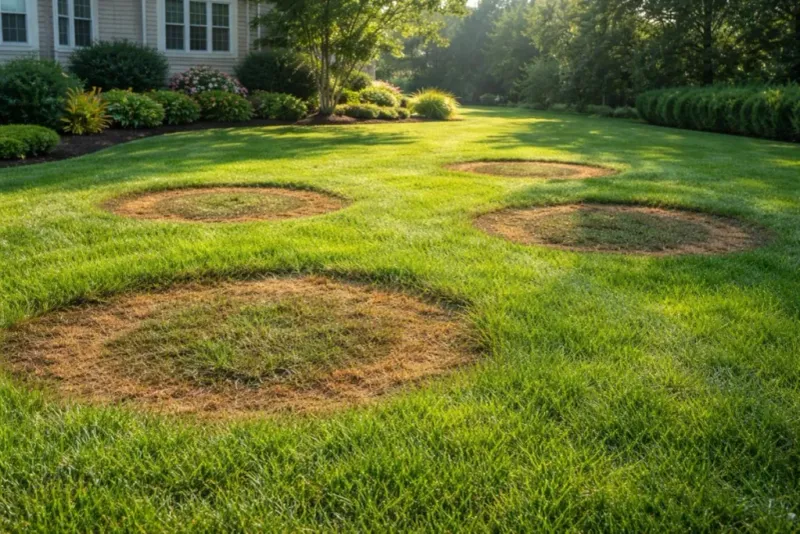
Circular patches ringed by a smoky gray border are the calling card of one of summer’s most common lawn diseases. Brown patch loves hot, humid, muggy weather and really gets going when days climb above 80 degrees and nights stay above 65.
The disease creates roughly round areas of tan or brown grass that can spread from a few inches to several feet wide. In the early morning, a darker gray ‘smoke ring’ often outlines the edge where the fungus is actively attacking.
Once the dew dries, that ring can vanish, so early risers get the clearest look.
Overdoing nitrogen fertilizer, thick thatch, and grass that stays wet overnight all pour fuel on the fire. Water in the morning only, ease up on fast-release nitrogen during the heat, and improve air movement by thinning nearby shrubs.
Good mowing and drainage habits keep this fungus from turning a single circle into a lawn full of them.
13. Dollar Spot Disease
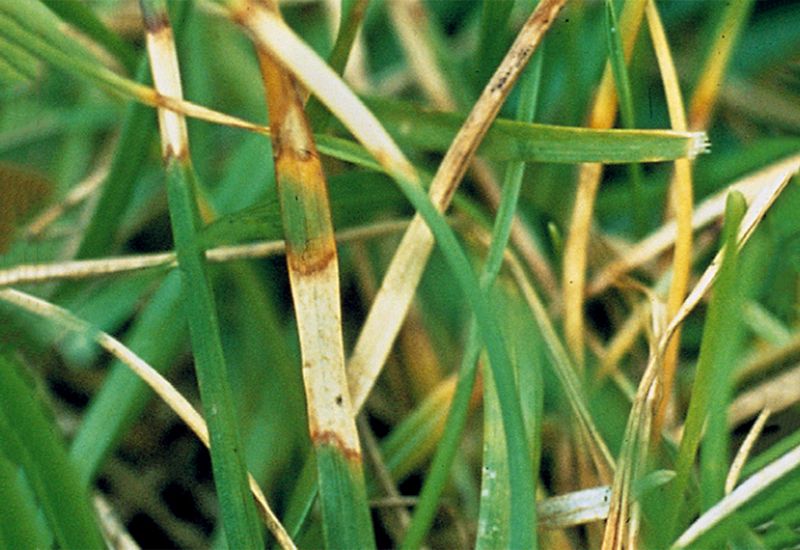
Named for the little coin-sized blemishes it leaves behind, dollar spot dots a lawn with small tan or straw-colored circles about the size of a silver dollar. Left unchecked, those tiny spots merge into larger sunken patches that can take over big sections of turf.
Hot, humid stretches with heavy morning dew are prime conditions for this fungus. One clue that sets it apart is the hourglass-shaped lesions with tan centers you can spot on individual blades if you look closely.
Early in the morning you might even see fine, cobweb-like fungal threads across the affected grass.
Underfed lawns are especially vulnerable, since grass low on nitrogen struggles to fight the infection off. A modest, balanced feeding often helps the turf recover and crowd out the disease.
Watering in the morning, mowing at the right height, and reducing prolonged leaf wetness round out a solid defense against these pesky little coins.
14. Summer Patch and Necrotic Ring Spot
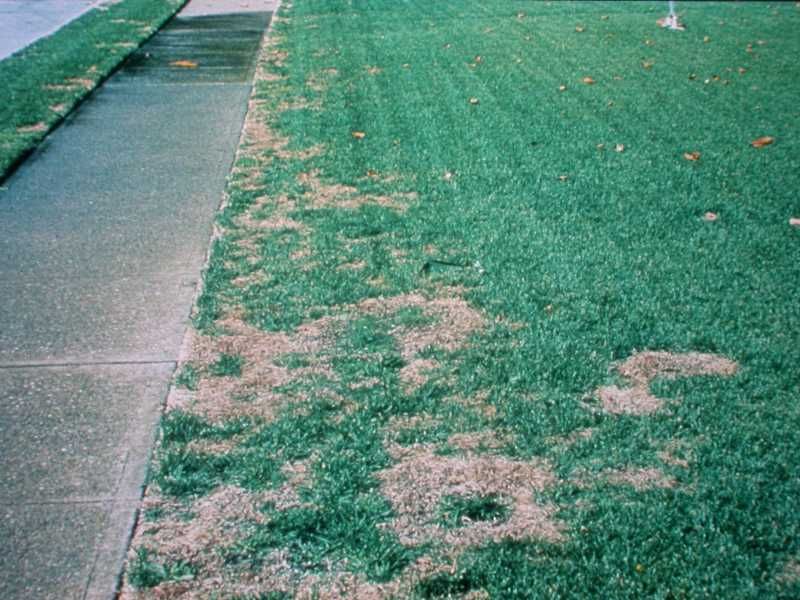
Some fungal diseases skip the blades entirely and go straight for the roots, which makes them especially sneaky. Summer patch and necrotic ring spot both attack the root system, so the grass browns because it literally cannot drink.
Summer patch peaks in the hottest weather and often shows up as arcs, rings, or frog-eye patterns where a tuft of green survives in the middle of a dead circle. Necrotic ring spot behaves similarly but stays more active in late spring and fall.
Both leave behind those distinctive doughnut-shaped dead zones that puzzle homeowners.
Because the damage happens underground, surface treatments often disappoint, and prevention beats cure with these two. Reducing compaction through aeration, avoiding heavy spring nitrogen, and watering deeply but less often all help.
Keeping the root zone healthy and stress-free is your best insurance, since a strong root system is exactly what these diseases try to steal.
15. Improper Mowing (Too Short)
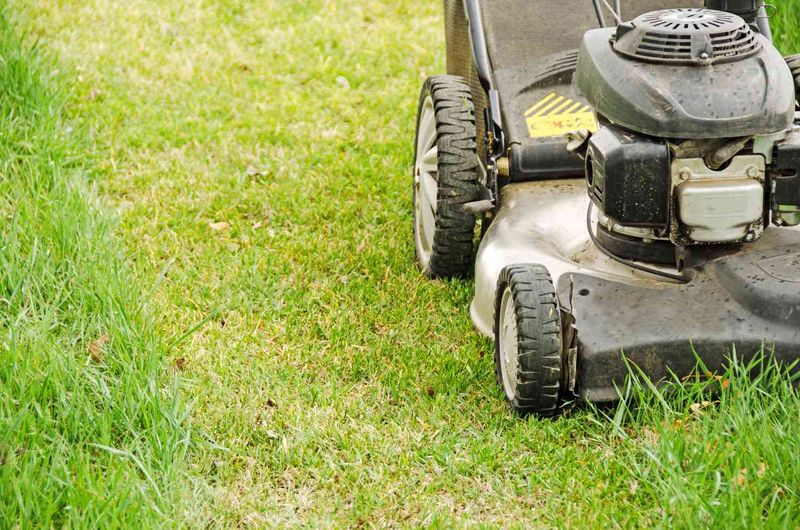
Scalping your lawn to stretch the time between mowings backfires badly in summer. Cutting grass too short strips away the very blades that soak up sunlight and feed the plant, leaving it weak, stressed, and prone to browning.
Short grass also exposes bare soil to the sun, so the ground heats up fast and dries out even faster. Roots grow shorter to match the shorter blades, which means the lawn loses its ability to reach deep moisture right when it needs it most.
Weeds happily move into the thinning, sunbaked turf too.
Bumping your mowing height up by half an inch to a full inch during the hottest months makes a real difference. Taller blades shade the soil, hold in moisture, and photosynthesize more energy for a stronger root system.
Following the one-third rule, never removing more than a third of the blade at once, keeps your grass green and resilient through the summer grind.
16. Dull Mower Blades
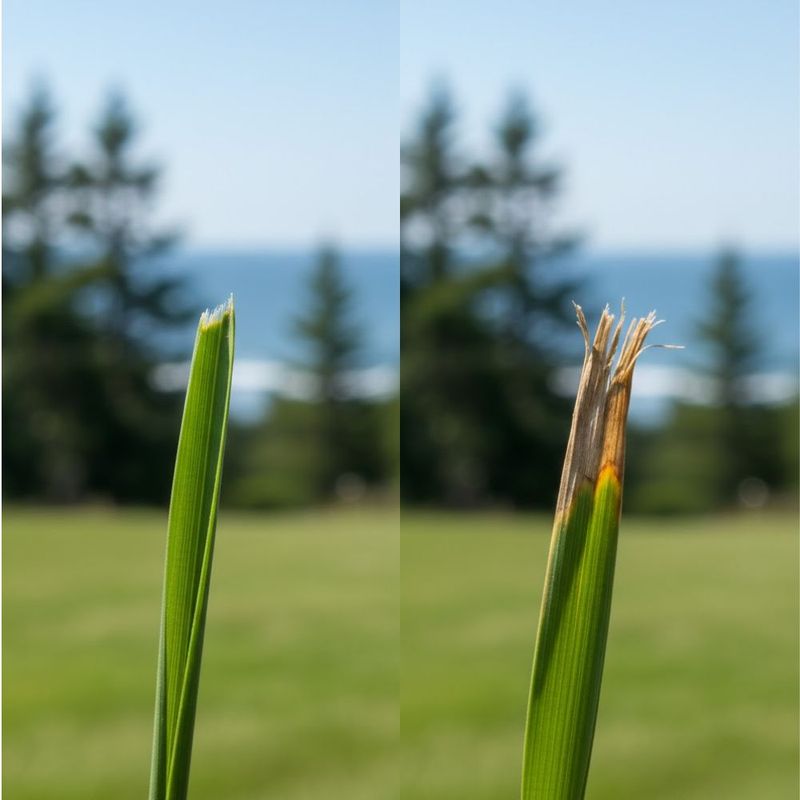
Run your hand over freshly cut grass and look at the tips. If they appear frayed, torn, or tipped with brown, your mower blade is dull and doing more harm than good.
Sharp blades slice each blade cleanly, but a dull one tears and shreds instead, leaving ragged wounds that dry out at the edges. Multiply that across an entire lawn and you get an overall brownish, hazy cast a day or two after mowing.
Those torn openings also give diseases and insects an easy way in.
Grass already fighting summer heat cannot afford the extra stress of jagged cuts. Sharpening the blade a few times per season, especially before peak summer, keeps every pass clean and gentle.
It is one of the cheapest, most overlooked upgrades you can make, and the difference in how quickly your lawn recovers after mowing is genuinely noticeable.
17. Over-Fertilization and Fertilizer Burn
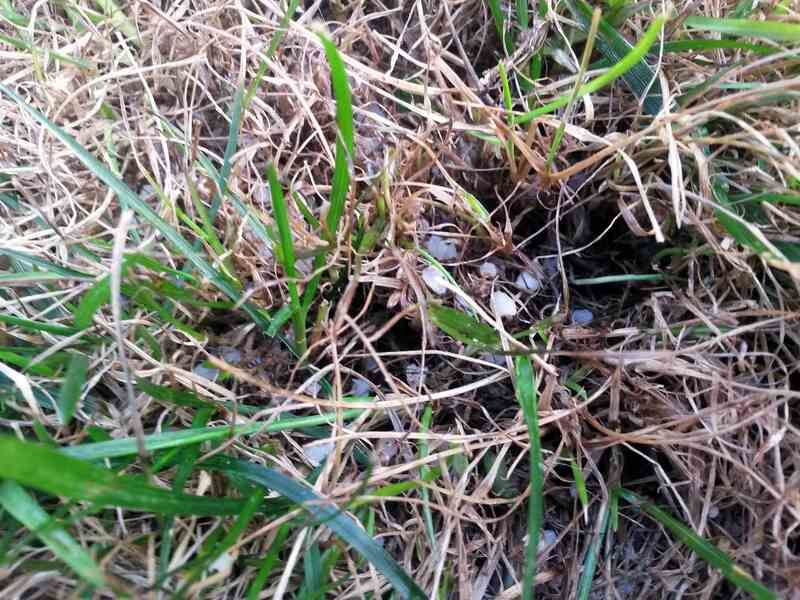
Feeding your lawn feels caring, but too much of a good thing scorches it. Fertilizer burn happens when excess nitrogen and salts pull water right out of the grass roots, dehydrating the plant from the inside.
The pattern often mirrors however you spread the product. Streaks of yellow and brown following your spreader path, or a heavily browned strip where the spreader paused, are dead giveaways.
The blades feel crispy and dry despite regular watering, because the salts are working against every drink the grass takes.
Fast-release fertilizers applied during hot, dry weather are the biggest offenders. Watering deeply right after can help flush some of the excess salts down past the roots.
Going forward, choose slow-release formulas, follow the label rates exactly, and hold off on heavy feeding during heat waves. A hungry lawn recovers far more easily than an over-fed, burned one, so when in doubt, use a lighter hand.
18. Dog Urine
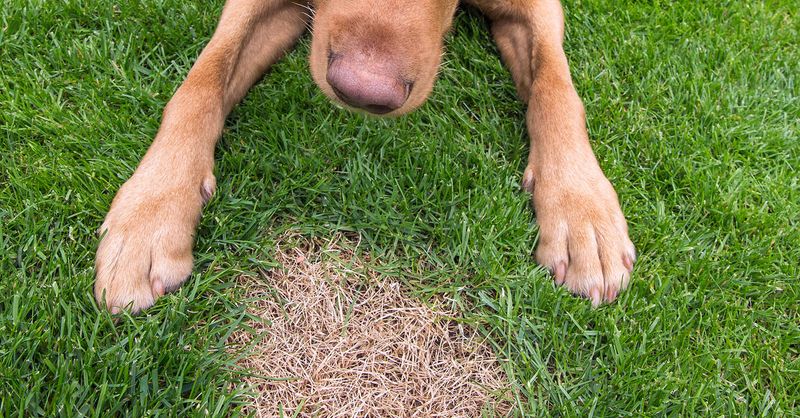
If you share your yard with a four-legged friend, those round brown spots ringed by lush dark green may have a very cute cause. Dog urine is loaded with nitrogen, and when it soaks into one small area, it acts like a massive overdose of fertilizer that burns the grass right where they go.
The classic look is a dead brown center surrounded by an extra-green halo, since the diluted edges get just enough nitrogen to thrive while the middle gets torched. Female dogs tend to leave more concentrated spots because they squat and release everything in one place.
Repeat visits to a favorite potty corner make the damage worse over time.
Rinsing the spot with water soon after your pup goes helps dilute the nitrogen before it burns. Encouraging plenty of drinking water, training a designated bathroom area, or reseeding tough spots all keep the damage in check.
Your dog can stay, and so can your green lawn, with a few simple habits.