
19 Small Perennials That Fill Bare Spots Fast And Grow Big By Next Summer
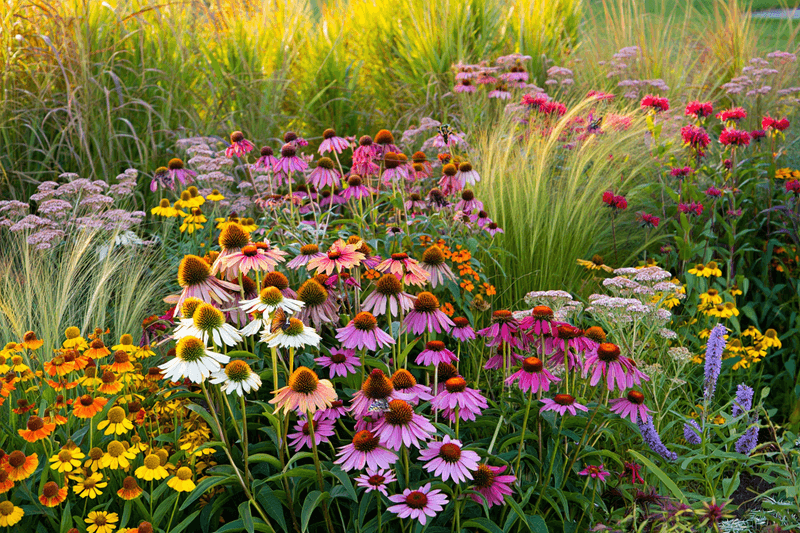
Bare spots in a garden bed can feel like a puzzle with a missing piece, but the right perennial fills that gap and comes back bigger every year. The best part is that many of these plants start small, then spread or bulk up fast enough to look established by the very next summer. Below are 19 perennials that do the heavy lifting for you, whether you garden in a sunny raised bed, a shady corner, or a hot patch of clay. Pick a few that match your yard, and you will spend less time staring at empty dirt and more time enjoying the color.
1. Creeping Phlox

Picture a river of pink, purple, or white washing over a slope in early spring, and you have creeping phlox doing what it does best. A single small plant can spread into a mat two feet wide within a season, hugging the ground and smothering the bare soil beneath it.
It shrugs off heat once established and handles the rocky, poor soil where fussier plants sulk. Gardeners in cooler northern zones love it for erosion control on banks, while southern growers appreciate how it fills seams between stepping stones.
Cut it back lightly after the bloom fades and it stays tidy instead of woody. By next summer that one nursery pot becomes a carpet you will be dividing and sharing with neighbors.
2. Black-Eyed Susan
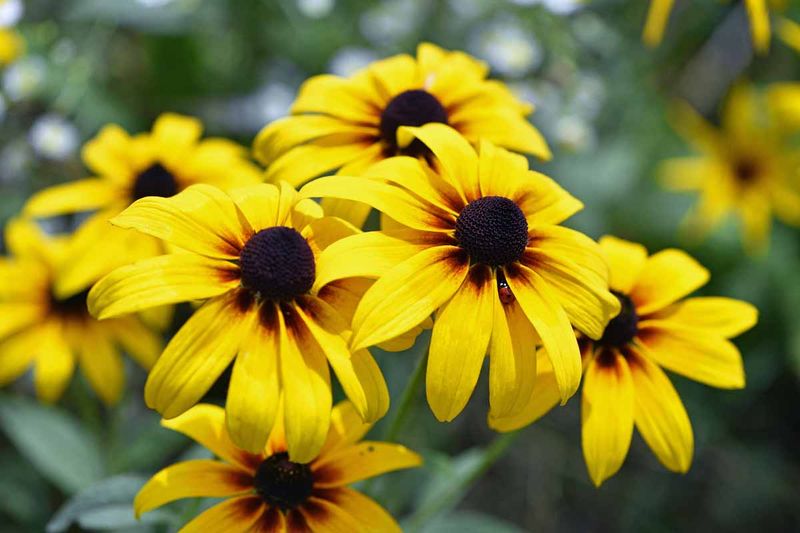
Few plants promise as much cheer for as little effort as the black-eyed Susan, with its golden petals ringing a dark chocolate center. Plant a small clump in spring and it will bush out fast, often flowering the same year and returning far larger the next.
Its roots run just enough to knit into a wider stand without becoming a bully, which makes it a reliable gap-filler in sunny beds across most of the country. Pollinators treat it like a diner, so expect bees and butterflies to show up.
Fun bit of trivia: it is the state flower of Maryland, and it seeds itself politely, giving you free plants for the following season.
3. Catmint
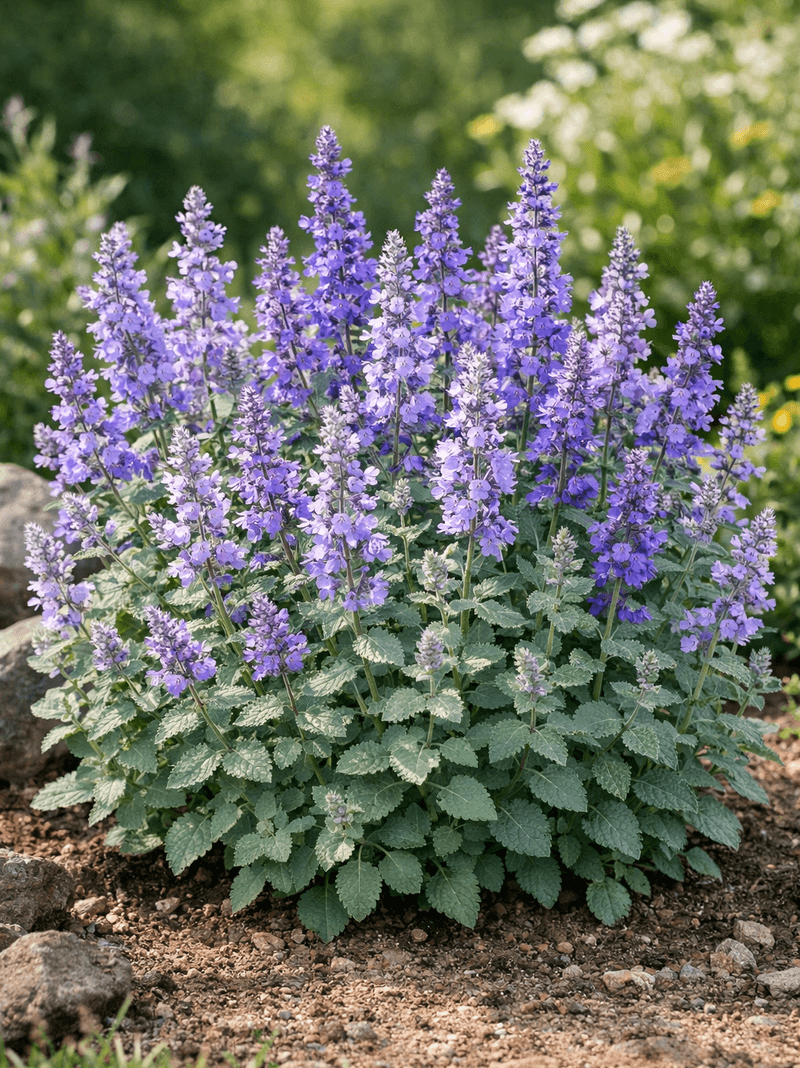
Run your hand across a mound of catmint and you release a soft minty scent that also happens to bother a lot of common backyard pests. The plant explodes from a modest start into a billowing cloud of gray-green foliage topped with lavender-blue spikes.
It asks for almost nothing: lean soil, a bit of sun, and the occasional shearing to spark a second flush of blooms. Deer and rabbits tend to walk right past it, which is a gift in yards where they graze everything else.
By its second summer a single plant reads like three, softening path edges and hiding the dying leaves of spent bulbs behind a haze of color.
4. Daylily
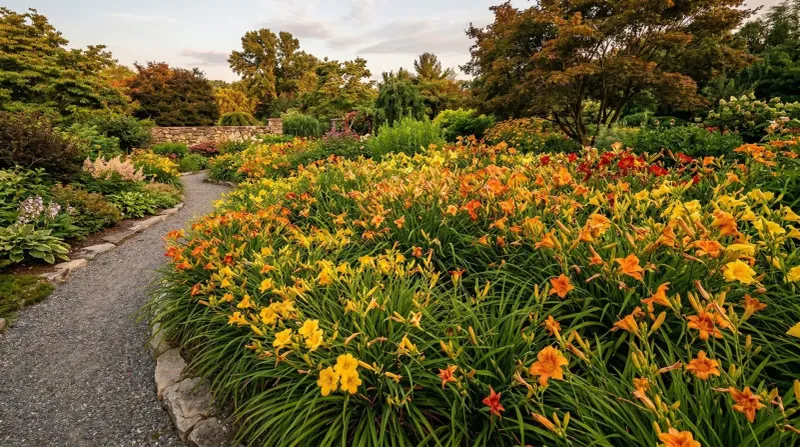
Toughness has a name in the perennial world, and it is the daylily. Each bloom lasts only a day, but a healthy clump throws out so many buds that the show rolls on for weeks.
What makes it a bare-spot hero is the speed of its clumping roots, which fatten a small division into a fountain of strappy leaves within one growing season. It tolerates clay, drought, road salt, and neglect, which is why you see it thriving in the toughest ditches.
Dig up an established clump, split it into fists of roots, and you can fill an entire border cheaply. Come next summer those splits will be blooming like they had been there for years.
5. Coreopsis
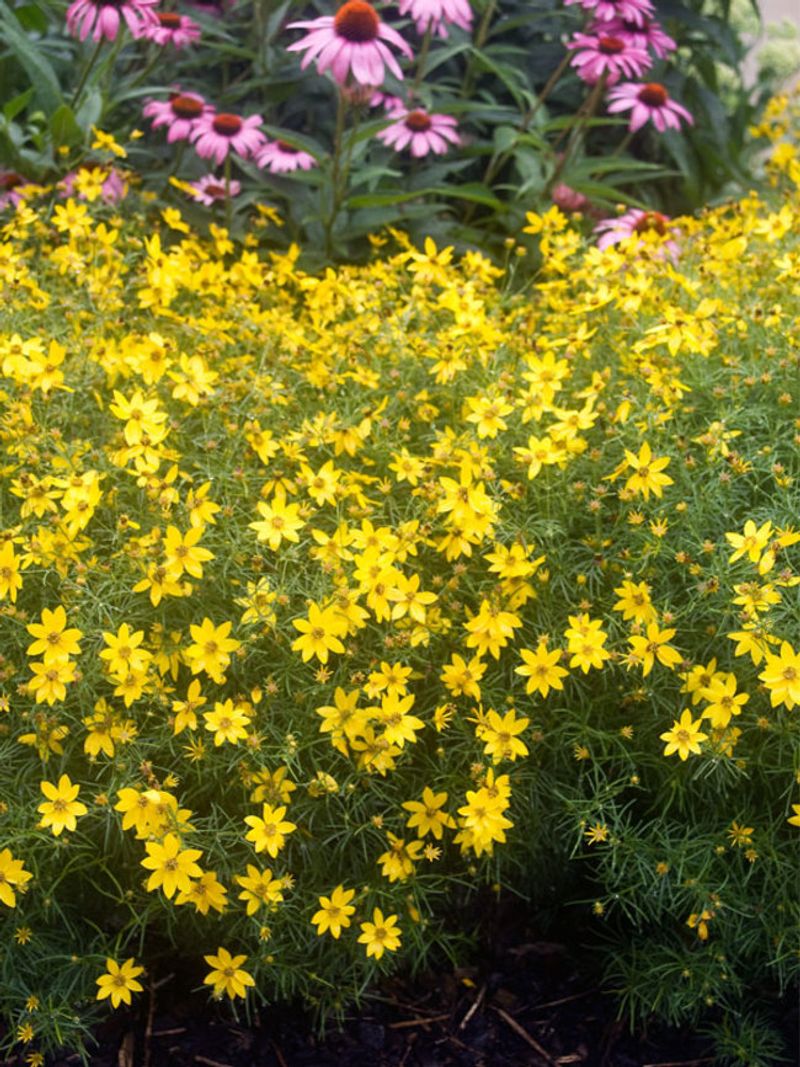
Sunshine bottled into a plant is the easiest way to describe coreopsis, sometimes called tickseed. The thread-leaf types especially form airy, fast-spreading cushions dotted with hundreds of small daisy blooms from early summer until frost.
Start with a quart pot and you will be surprised how quickly it fills a foot or more of open ground, weaving between neighbors without shoving them aside. It thrives in hot, dry, sandy spots where lawns give up.
A quick shearing midsummer keeps it blooming instead of flopping. The following year the clump comes back denser and wider, giving you that established-border look on a beginner budget.
6. Hardy Geranium
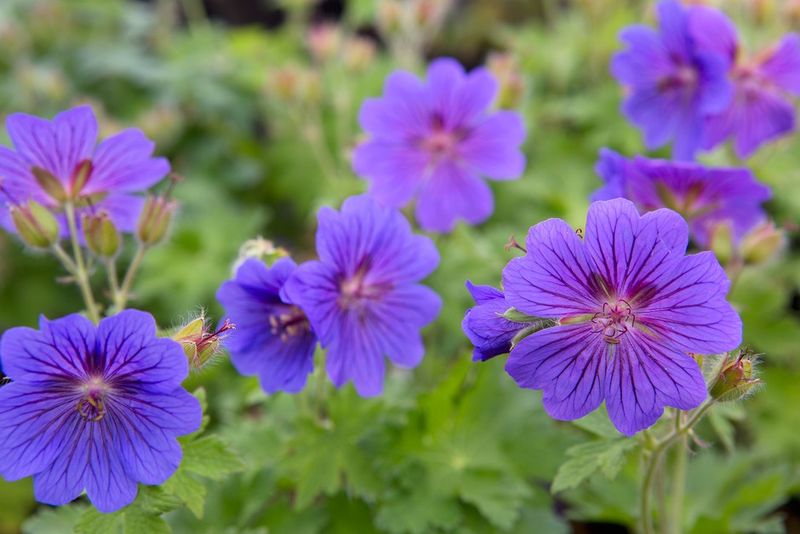
Not to be confused with the annual bedding kind, the hardy geranium is a quiet workhorse that sprawls into a low mound of lacy leaves studded with saucer-shaped flowers. Varieties like Rozanne bloom almost nonstop from late spring into fall.
It has a knack for weaving through and under taller plants, filling awkward gaps that other perennials leave open. Give it a haircut when it gets leggy in midsummer and it bounces back fresh within two weeks.
Partial shade suits it as well as sun, making it one of the few fast fillers that works on both sides of a fence. Next season the mound roughly doubles, sealing the soil against weeds.
7. Sedum
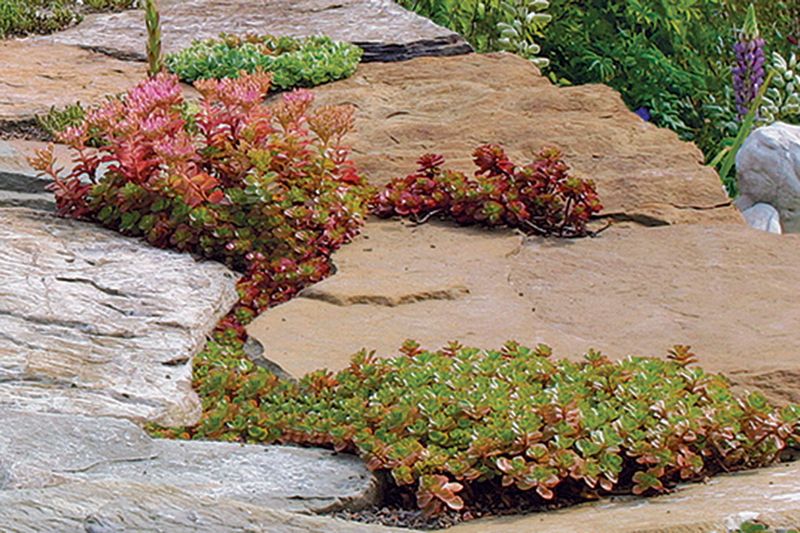
Ever notice how the plant clinging to a baking rooftop or a gravel driveway barely blinks in a heat wave? Odds are it is a creeping sedum, and that same grit makes it a champion at colonizing bare, poor soil.
The low-growing types root wherever a stem touches ground, so a handful of cuttings pressed into dirt will knit into a succulent carpet by the next season. Upright kinds like Autumn Joy bulk into shrub-sized mounds that feed late pollinators.
They store water in fleshy leaves, so watering mistakes rarely hurt them. For a slope, a hell strip, or a container that always dries out, sedum quietly wins.
8. Salvia
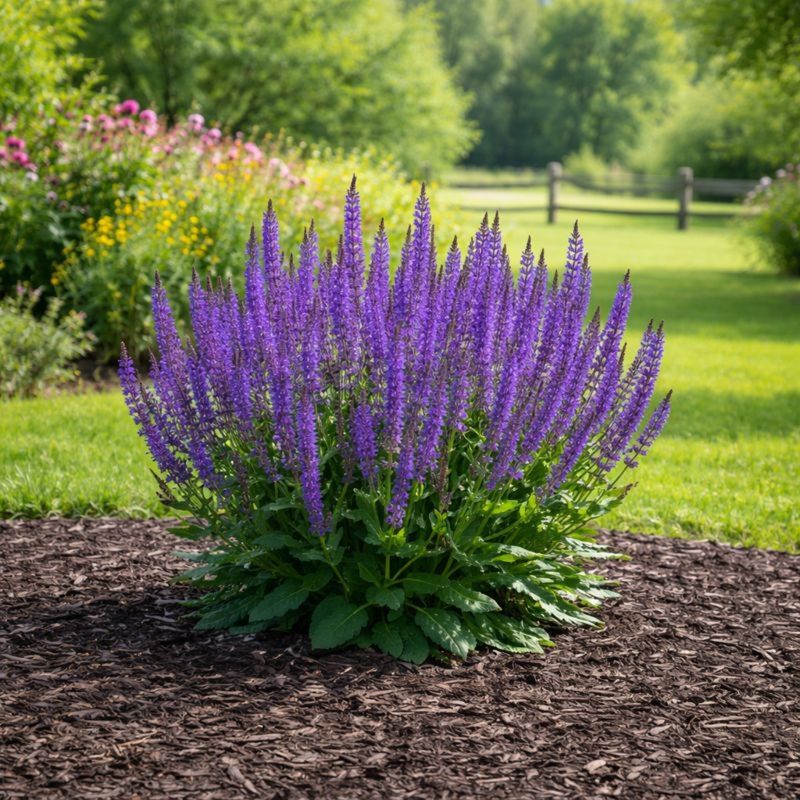
Bees seem to draw straight lines toward the upright purple spires of perennial salvia the moment it opens. Beyond the buzz appeal, its aromatic foliage tends to make browsing deer think twice.
A young plant fills out into a rounded clump within a season and reblooms if you snip the faded spikes. It thrives in full sun and dry soil, holding its color through the kind of July heat that flattens softer plants.
Combine it with yellow coreopsis or golden daylilies and the contrast pops from across the yard. By the second summer the clump is broad enough to anchor a corner of the bed on its own.
9. Coneflower
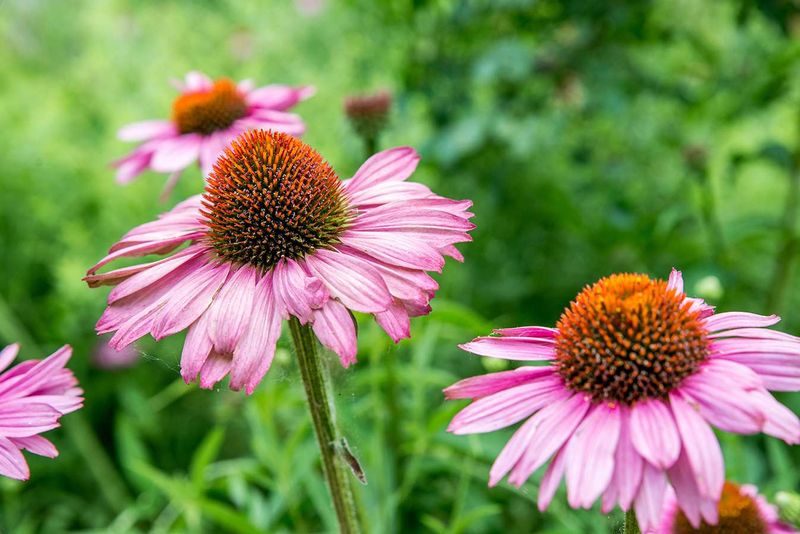
Standing tall with its drooping petals and spiky central cone, the purple coneflower has the sturdy look of a prairie native, because that is exactly what it is. It sends down a deep taproot and bulks up quickly, filling a gap with strong stems that do not need staking.
Goldfinches perch on the spent cones to pick seeds in fall, so leaving the seed heads standing feeds birds through winter. It handles drought and clay with ease once its roots settle in.
Newer color varieties stretch beyond purple into orange, white, and red. A one-gallon plant this year reads as a robust, multi-stemmed clump the next.
10. Lamb’s Ear
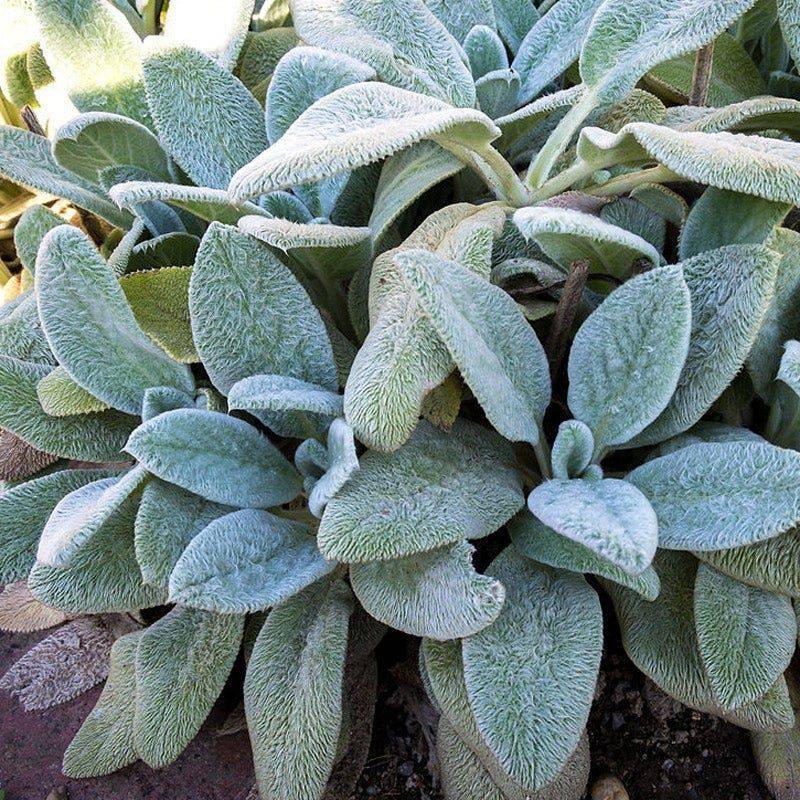
Touch the leaves once and you understand the name, because lamb’s ear feels exactly like soft velvet you cannot stop petting. The silvery, fuzzy foliage spreads into a low mat that reflects light and calms down busier plantings around it.
It roots outward steadily, so a few starter plants close a bare stretch by the following summer. The fuzz that feels nice to us tends to put off slugs and hungry deer.
It prefers dry feet, so plant it where drainage is good and skip the heavy mulch. Snip the flower stalks if you want it to stay a tidy carpet rather than reaching skyward.
11. Yarrow
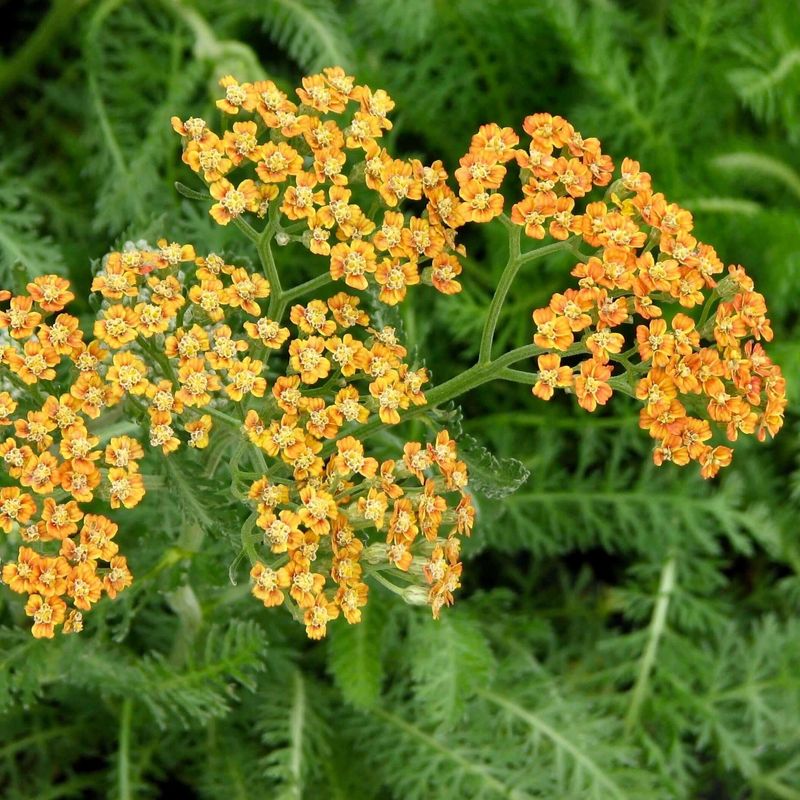
Flat-topped flower clusters in yellow, red, or peach make yarrow look almost architectural against its ferny foliage. It spreads by underground runners at a brisk pace, so one plant becomes a colony that shrugs off drought and poor soil.
Beneficial insects like ladybugs and lacewings love the landing pads its blooms provide, which quietly helps with aphid control nearby. The scent of the crushed leaves is not one most grazing animals enjoy.
Shear it after the first bloom for a tidy second round. Because it fills so fast, give it room away from delicate neighbors and let it own its patch by next summer.
12. Hosta
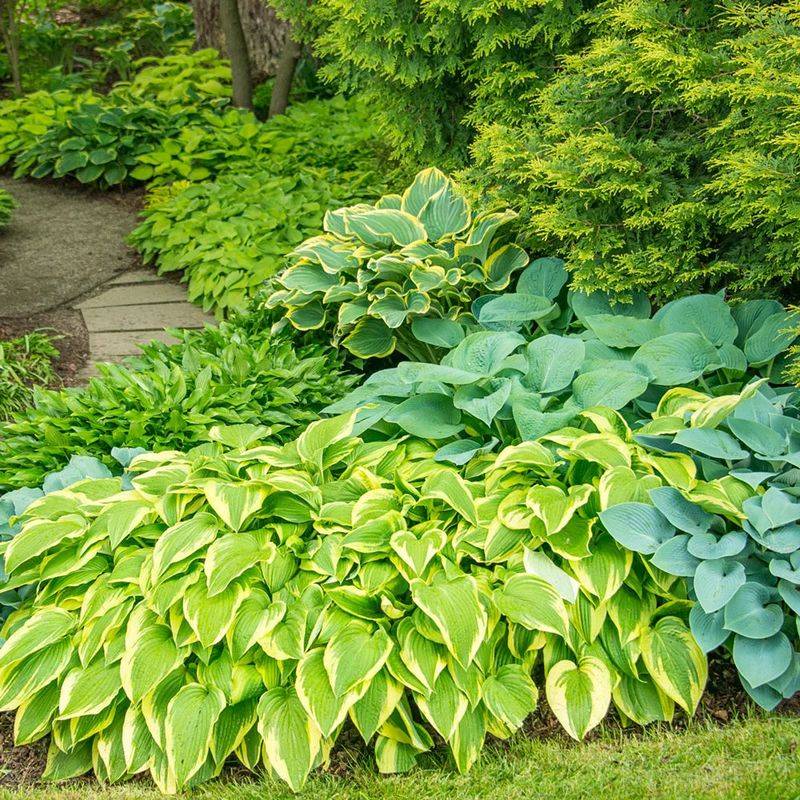
For the shady corner where nothing sunny will grow, the hosta is a reliable friend that unfurls broad leaves into a lush green mound. Divisions bulk up quickly, and even a small clump can double in leaf count over a single season.
The range of leaf color runs from deep blue to bright chartreuse to crisp variegation, so you can brighten a dim spot without a single flower. It handles the dry shade under trees better than most.
One caution for damp yards: slugs enjoy the leaves, so the thicker-leaved blue varieties resist chewing better. Split a mature clump in spring and you can fill an entire shady border for free.
13. Coral Bells
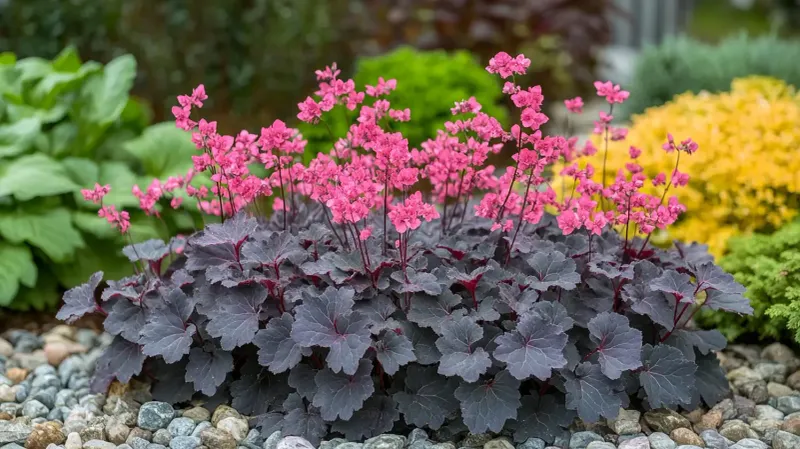
Leaf color, not flowers, is the headline act with coral bells, and the palette runs from lime and caramel to near-black burgundy. The tidy rosettes plump up fast, filling front-of-border gaps with year-round color in milder zones.
Airy wands of tiny bells rise above the foliage in early summer and pull in hummingbirds. It bridges sun and part shade, giving you flexibility where light shifts through the day.
Keep the crown from sitting too deep and lift plants that heave in winter freeze-thaw. Mix a few leaf colors together and one season later they read as a rich, quilted patch.
14. Shasta Daisy
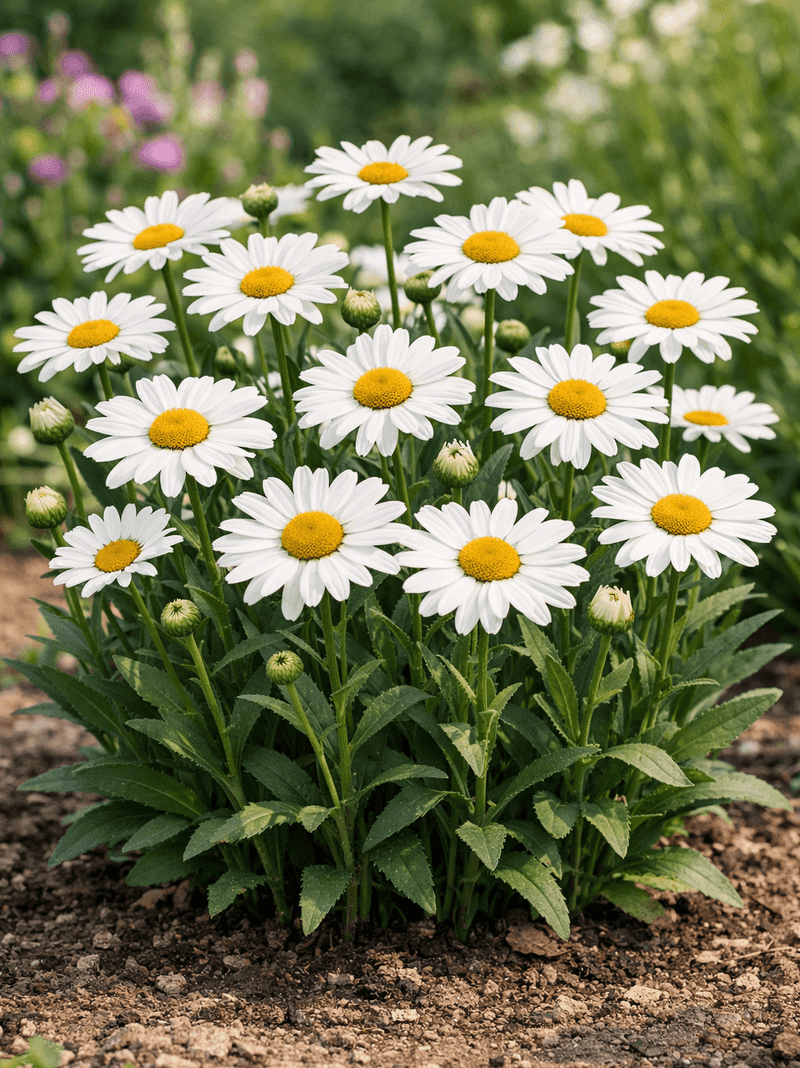
Nothing says classic summer garden quite like the clean white petals and sunny center of a Shasta daisy. It clumps outward at a friendly speed, taking a small division to a generous, blooming mound within one year.
The stems stand strong enough to double as cut flowers for the kitchen table, and deadheading keeps the show going for weeks. Full sun and average soil are all it really asks.
Every few years you lift and divide the center to keep it vigorous, which conveniently hands you more plants for other bare spots. Pair it with purple salvia for a crisp, high-contrast combination.
15. Russian Sage
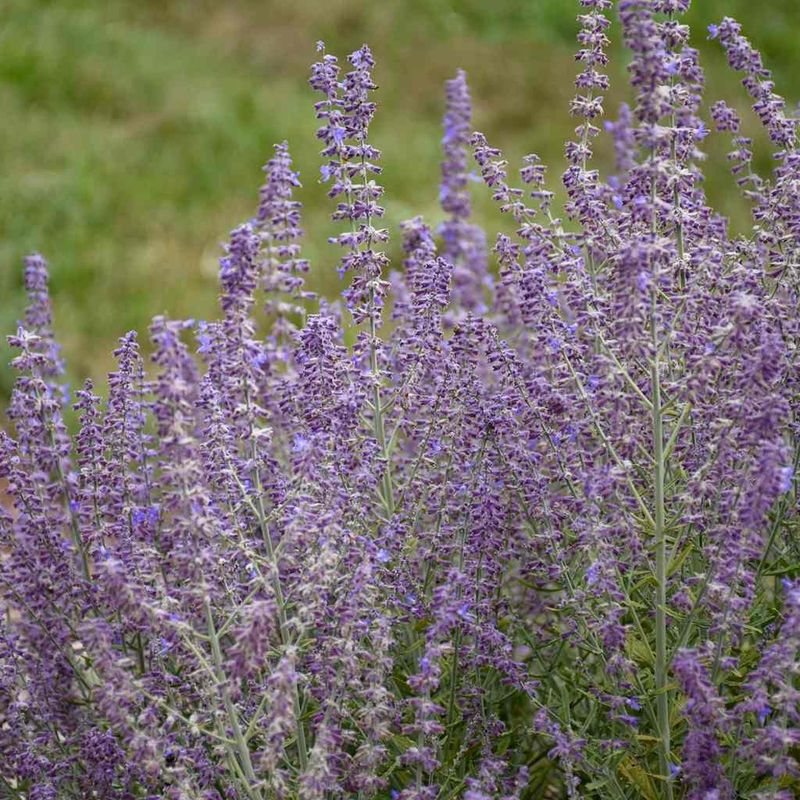
From a distance, Russian sage looks like a lavender-blue haze floating over the garden on silvery stems. It bulks up dramatically in its second year, filling a wide airy space that few plants can match for that soft, see-through effect.
The aromatic silver foliage tends to keep deer and rabbits at arm’s length while drawing in droves of bees. Heat, drought, and lean soil are exactly the conditions it prefers.
Cut it back hard in early spring and it rockets up fresh each year. Give it space at the back of a bed, because a modest starter plant can reach a three-foot cloud by next summer.
16. Bee Balm
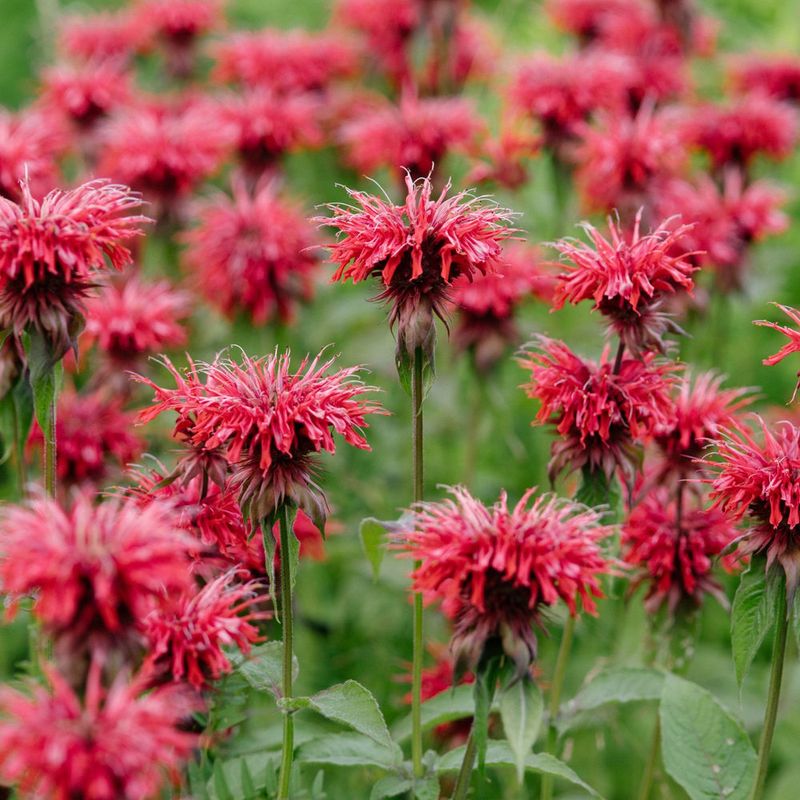
Shaggy, firework-shaped blooms in red, pink, or purple make bee balm one of the most fun plants to watch a hummingbird visit. It spreads by runners with real enthusiasm, so a single plant can knit a wide patch closed within a season.
The minty, aromatic leaves are part of the reason many pests keep their distance. Give it decent air flow and morning sun to reduce the powdery mildew it can be prone to in humid regions.
Because it travels, plant it where you welcome a colony or edge it with a barrier. By next summer it will be humming with pollinators and packed with color.
17. Creeping Thyme
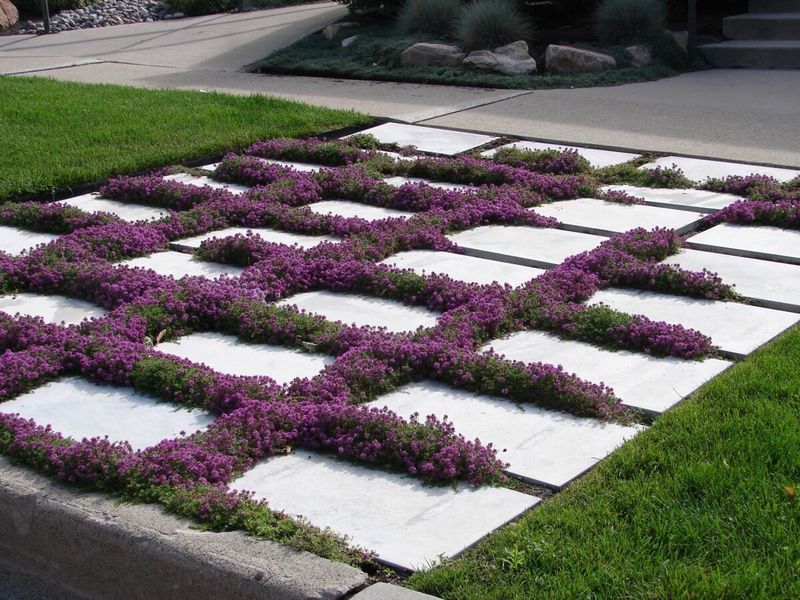
Step on a patch of creeping thyme and it releases a warm, herbal fragrance that many bothersome insects would rather avoid. Growing barely an inch or two tall, it flows between pavers and over the edges of raised beds into a living carpet.
It roots as it creeps, so a few plugs spaced a foot apart will close the gaps in a single growing season. Tiny pink or purple flowers cover it in summer and buzz with bees.
Poor, gritty soil and full sun bring out its best, and it tolerates light foot traffic better than turf grass. As a lawn alternative or a filler between stones, it earns its keep quickly.
18. Lady’s Mantle
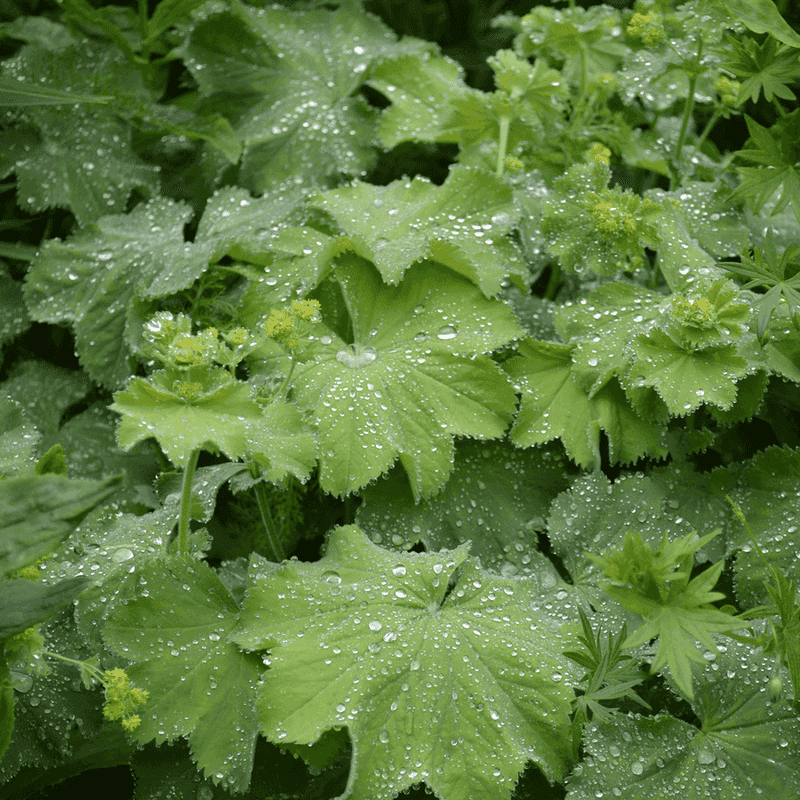
After a morning rain, the scalloped leaves of lady’s mantle cradle silvery beads of water that look like scattered pearls, and that alone earns it a spot. The soft mounds spread outward steadily, filling the front of a shady or part-sun border with texture.
Frothy chartreuse flowers rise in early summer and blend beautifully with almost any color scheme. It self-sows gently, giving you volunteer plants to move around the garden.
Cut the whole plant back after flowering and fresh new leaves appear within weeks. In one season a small start becomes a generous cushion that hides bare soil and tired bulb foliage alike.
19. Blanket Flower
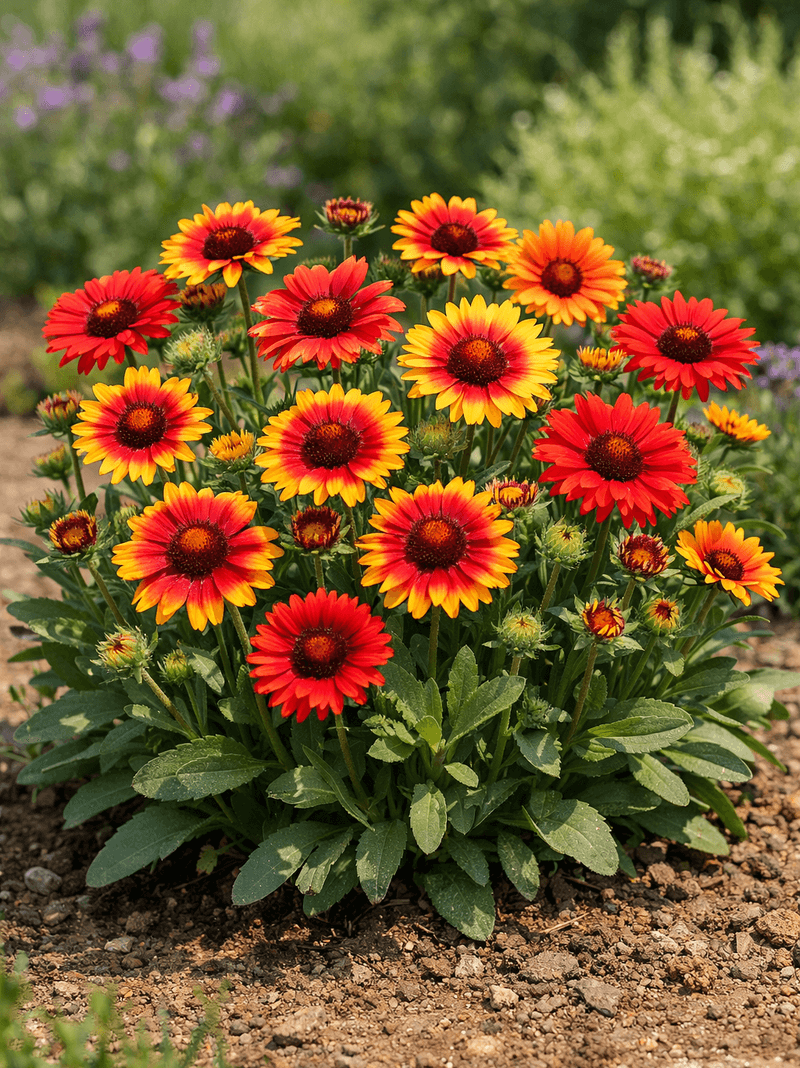
Warm bands of red and gold radiate out from the center of each blanket flower bloom, echoing the woven Native American blankets it was named for. It grows fast and flowers relentlessly from early summer to frost, filling a hot, dry gap with nonstop color.
Short-lived as an individual plant, it makes up for it by reseeding freely, so the patch renews itself year after year. Sandy soil and blazing sun are its happy place, and it laughs off drought.
Deadhead lightly to steer the balance between more flowers and more seedlings. For a sunny spot that always looked thin and tired, this one delivers a bold, cheerful fix.