
20 Everyday Scents That Send Squirrels, Chipmunks, And Raccoons Running From Your Garden
You walk outside to check your tomatoes and find one ripe fruit with a single bite taken out of it. Squirrels, chipmunks, and raccoons can wreck a garden overnight, digging up bulbs and tasting everything you worked hard to grow.
The good news is that these critters have very sensitive noses, and many smells you already have at home may help push them away. Here are 20 simple scents to try before you reach for anything expensive or harsh.
1. Peppermint Oil
Ask any longtime gardener what they grab first when chipmunks show up, and peppermint oil comes up again and again. The menthol punch that feels refreshing to us can overwhelm a tiny, sensitive rodent nose.
Squirrels, chipmunks, and raccoons all tend to steer clear of it.
Soak a few cotton balls in pure peppermint essential oil and tuck them into small jar lids around your tomato bed or petunia containers. The lids keep oil off the soil and leaves.
You can also mix about 15 drops into a cup of water for a quick spray along bed edges.
Scent fades fast outdoors, especially in summer heat. Refresh the cotton balls every few days and after every rain for the best chance at keeping visitors away.
2. Garlic
Garlic has kept vampires out of stories for centuries, and it may do a similar job on furry garden raiders. The sulfur compounds released when a clove is crushed create a sharp smell many animals simply dislike.
For a simple option, scatter crushed cloves around plants that keep getting nibbled. For larger areas, blend two bulbs with a quart of water, let it sit overnight, strain it, and add a few drops of dish soap.
Spray the mix on mulch and bed borders rather than directly on tender blooms.
One bonus: garlic powder works in a pinch. Dust it lightly around pots of geraniums where squirrels love to dig, and repeat after watering.
3. Cayenne Pepper
Nothing ruins a squirrel’s snack quite like a nose full of capsaicin. That is the compound that makes hot peppers hot, and it can irritate the eyes and noses of squirrels, chipmunks, and raccoons that get too close.
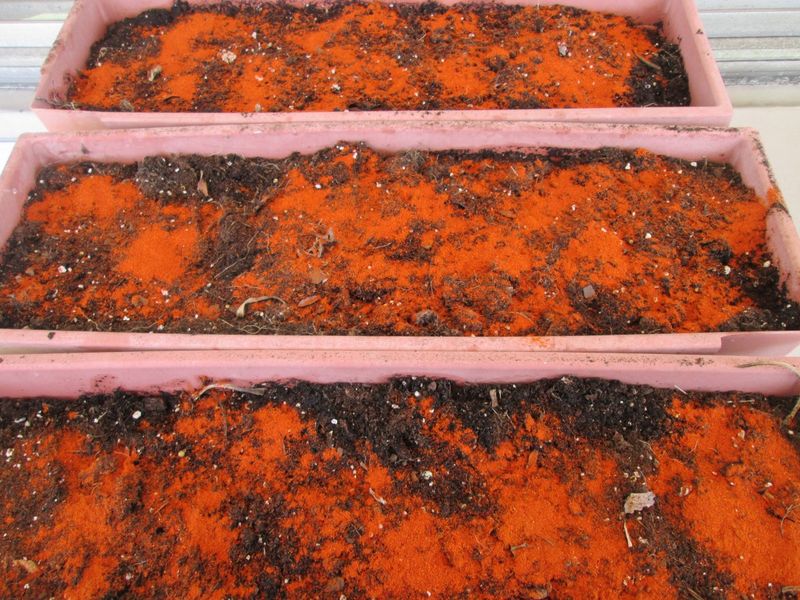
Sprinkle cayenne or chili powder around the base of plants, especially in containers where squirrels dig up freshly planted petunias. For a spray, stir a tablespoon of cayenne into a quart of warm water with a few drops of dish soap.
Let it settle, then strain before using.
Wear gloves and keep it out of your own eyes. Skip it near spots where pets roll or sniff, and reapply after rain since the powder washes away quickly.
4. Black Pepper
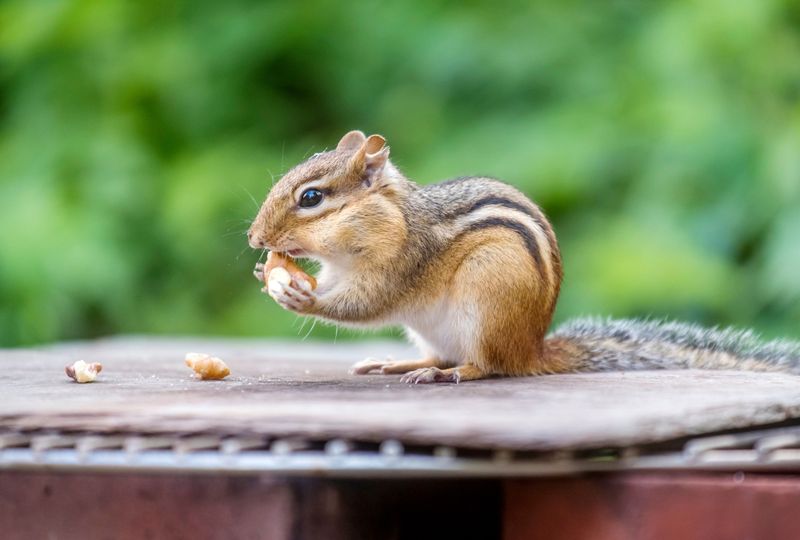
Not every home has cayenne, but almost every kitchen has a pepper shaker. Black pepper is milder than its fiery cousin, yet its sharp, sneeze-inducing smell may still make a curious chipmunk think twice.
Treat it as a gentle first step. Shake a line of ground pepper along the edge of a bed, around hydrangea roots where chipmunks tunnel, or across a spot where you keep finding small holes.
Coarse ground pepper tends to last a little longer than fine powder.
Because it is so mild, black pepper works best paired with something stronger, like garlic or peppermint. Think of it as backup rather than the main defense.
5. White Vinegar
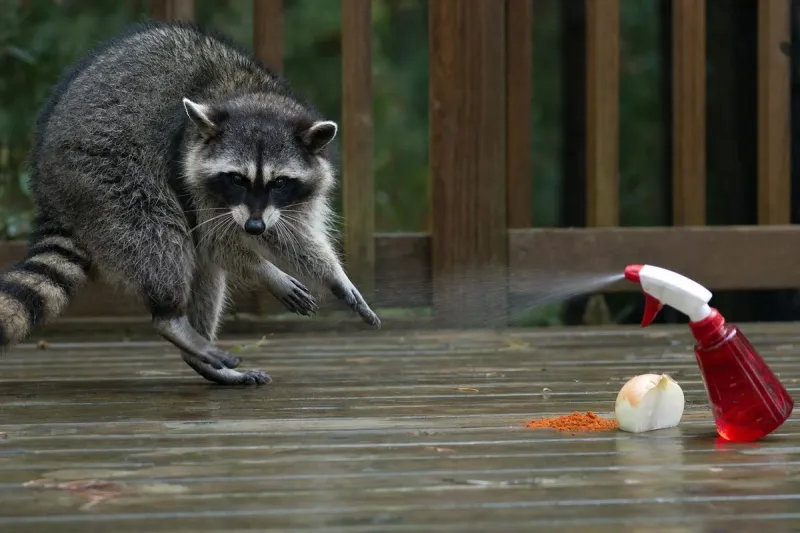
That sour whiff you get when cleaning windows? Raccoons and squirrels are not fans either.
Vinegar’s sharp acidic smell can work as a short-term scent barrier.
Soak old rags or cloth strips in white vinegar and tie them to stakes near the spots where critters enter the yard, like gaps under fences. Apple cider vinegar works too.
Some gardeners also spray a half-and-half mix of vinegar and water on fence posts and hard surfaces.
Here is the catch: vinegar can burn plant leaves and change soil acidity. Keep it off your plants and out of beds.
Use it on borders, posts, and paths only, and refresh every couple of days.
6. Used Coffee Grounds
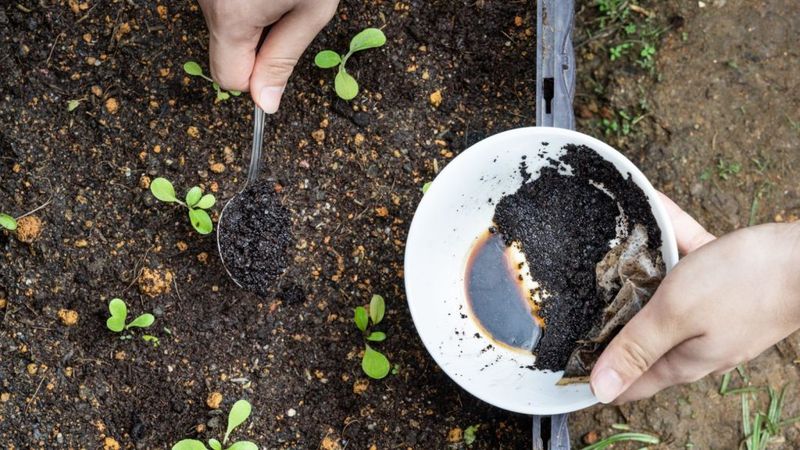
Your morning cup can pull double duty. Used coffee grounds give off a strong, bitter aroma that may help discourage squirrels and chipmunks from digging around your plants.
Spread a thin layer around tomatoes, peppers, or flower beds. Keep it thin, about a quarter inch, because thick layers can crust over and block water.
As the grounds break down, they add organic matter to the soil, so the habit feeds your garden while it guards it.
Ask a local coffee shop for their leftovers if you do not drink much coffee. Many happily give away bags of grounds for free.
7. Cinnamon
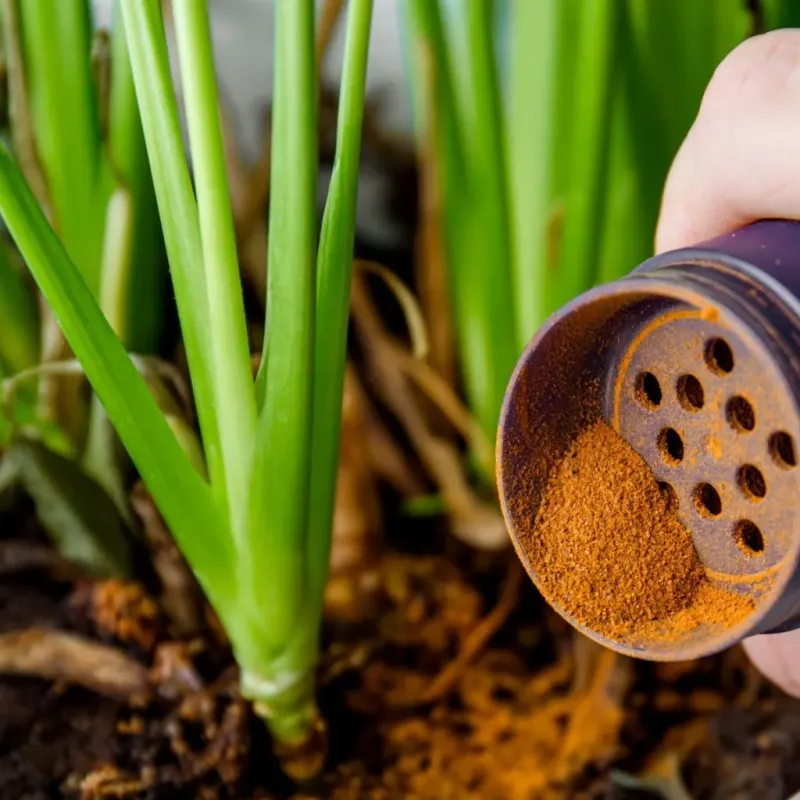
Cinnamon smells like holiday baking to us, but squirrels and raccoons seem to find that warm, spicy scent off-putting. It is one of the gentlest options on this list, and it is safe to use in pots.
Dust ground cinnamon over the soil of containers where squirrels keep digging, such as geraniums or freshly planted bulbs. It also has a nice side benefit: many gardeners use it to help discourage fungus gnats and damping off on seedlings.
Fun fact: cinnamon comes from the inner bark of trees, and people have traded it for over 4,000 years. A bulk bag from a discount store keeps costs low since you will need to reapply after watering.
8. Ammonia
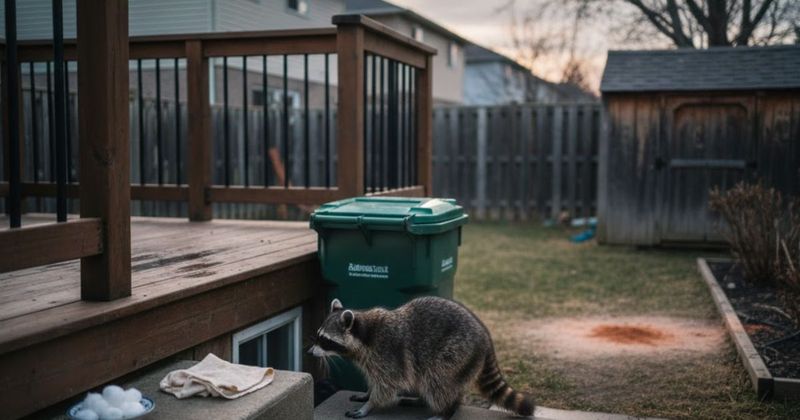
Some smells say danger in animal language, and ammonia is one of them. Its harsh odor resembles predator urine, which can make raccoons, chipmunks, and squirrels nervous about sticking around.
Soak a rag in household ammonia and place it inside a coffee can with holes poked in the lid. Set the can near trash bins, under decks, or by known entry points.
The container keeps the liquid off your plants and soil.
Please be careful with this one. Ammonia fumes can harm kids, pets, and plants, and you should never mix it with bleach.
Keep cans well out of reach and away from your growing beds.
9. Citrus Peels
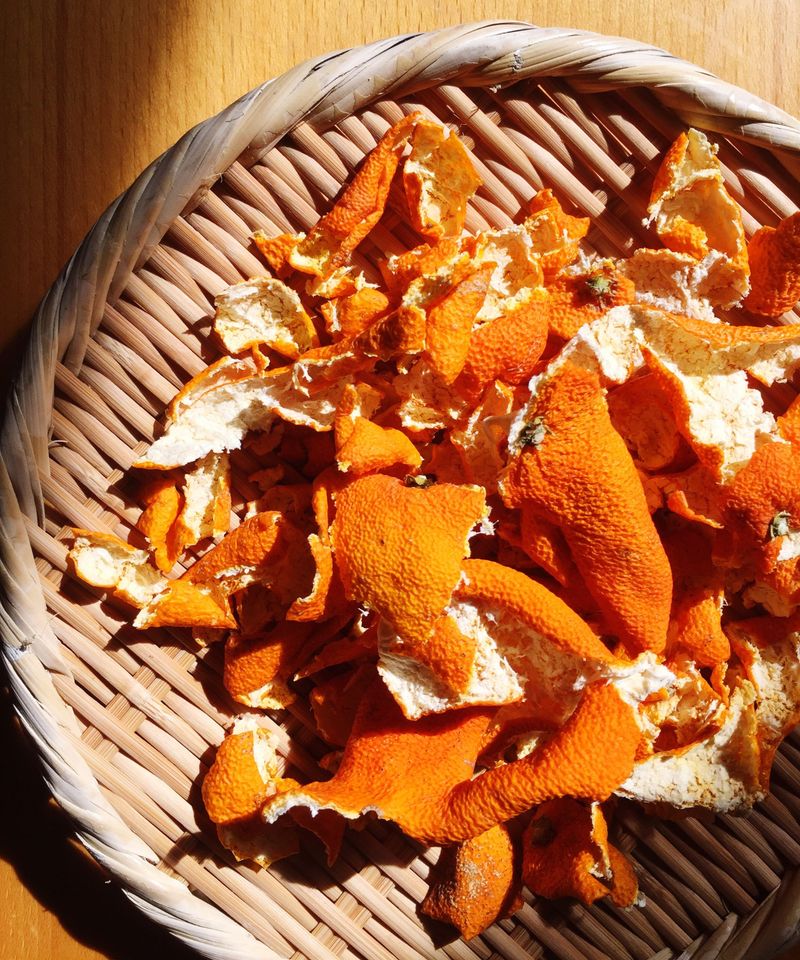
Squeezing lemons for lemonade? Save those peels.
Squirrels tend to dislike strong citrus smells, and raccoons may avoid them as well.
Scatter fresh lemon, orange, or grapefruit peels around plants that keep getting raided. Swap them out every few days before they dry out or mold.
For a spray, mix lemon juice or a few drops of lemon essential oil with water and mist bed edges.
Peels break down into compost over time, so nothing goes to waste. It is an easy kitchen habit that fits right into summer, when citrus drinks and fresh produce are everywhere.
10. Eucalyptus Oil
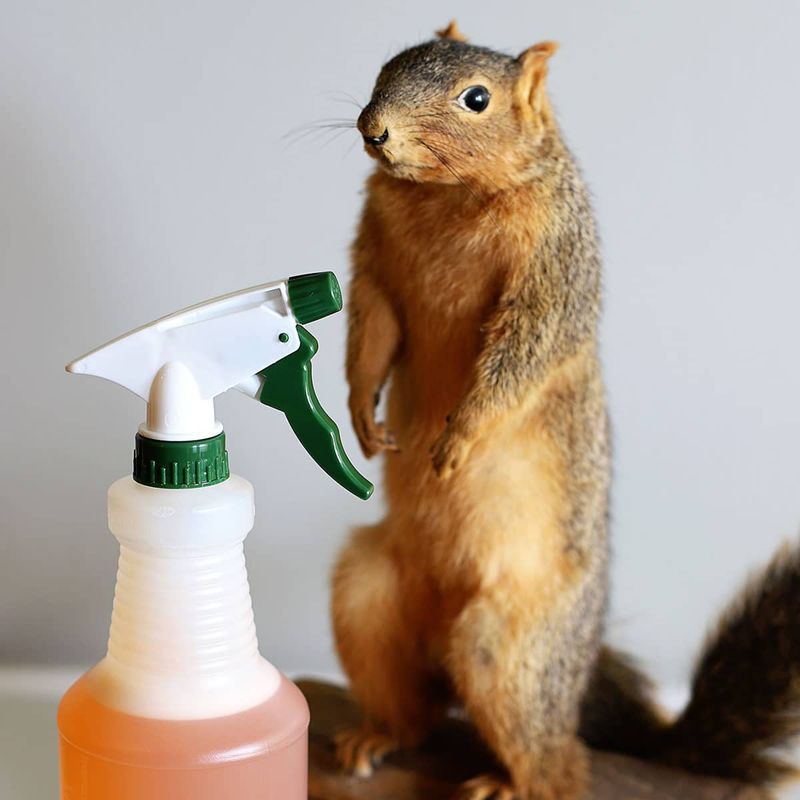
Think of eucalyptus as the cough drop of the garden. Its medicinal, almost camphor-like scent is strong enough that squirrels, chipmunks, and raccoons may choose to snack elsewhere.
Use it the same way as peppermint: soaked cotton balls in lids or a diluted spray of about 10 to 15 drops per cup of water. Target spots like the base of a clematis trellis, along a fence line, or near a raided bird feeder area.
Many gardeners rotate eucalyptus with peppermint every week or two. Switching scents may keep clever animals from getting used to one smell.
11. Rosemary
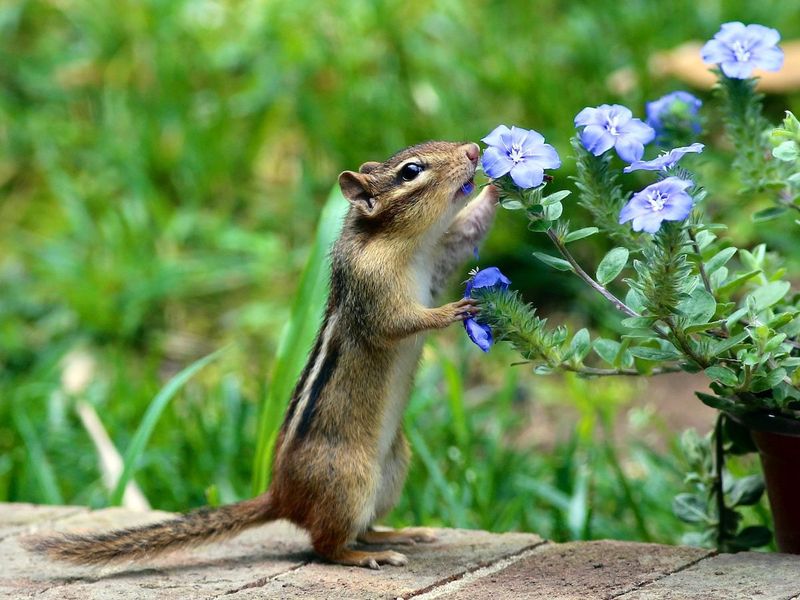
Here is a deterrent you can also put in your soup. Rosemary has a piney, resinous scent that squirrels and chipmunks often avoid.
Plant a few rosemary shrubs along bed edges as a living border. In colder zones where it will not survive winter, grow it in pots you can move around.
You can also crush fresh sprigs and tuck them into small cloth sachets near problem spots.
Rosemary loves sun and dislikes wet feet, so it pairs well with tomatoes and other sun-loving crops. Brush past it when you water to release more of that scent.
12. Castor Oil
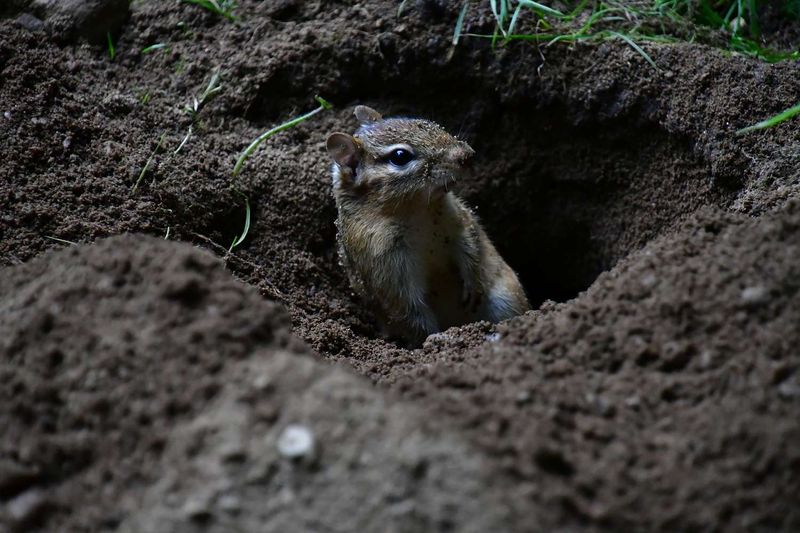
Chipmunk tunnels under your hydrangeas can loosen roots and leave the shrub wilting even when it is watered. Castor oil is a classic choice for this exact problem.
Its smell and taste make treated soil less appealing to burrowing critters. Mix about a quarter cup of castor oil with two tablespoons of dish soap, then add a tablespoon of that blend to a gallon of water.
Pour it into burrow holes or water it over areas with heavy digging.
Castor oil is the main ingredient in many store-bought mole and vole repellents. Making your own costs a fraction of the price.
13. Onion
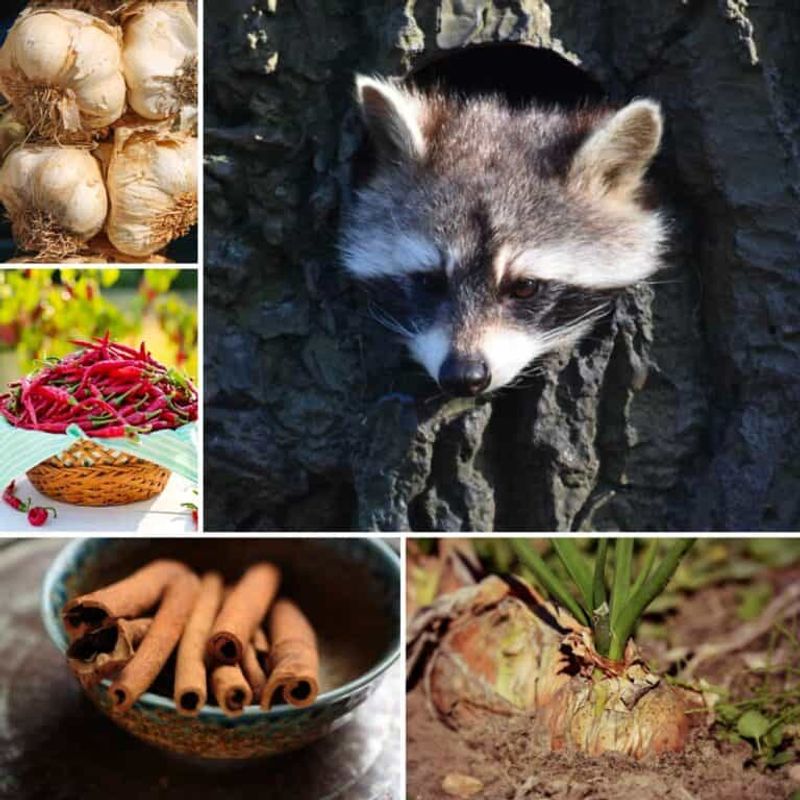
Raccoons are famous for raiding sweet corn the night before you planned to pick it. Onions, like garlic, release sulfur compounds that raccoons find especially unpleasant.
Cut onions into quarters or chop them roughly and set them near areas where you see raccoon tracks or damage. Replace them every two or three days as they dry out and lose their bite.
Planting onions along garden borders can add a longer-lasting layer of scent.
Keep onion scraps away from areas where dogs roam, since onions are toxic to pets. A raised spot or a mesh bag tied to a stake works well.
14. Lemongrass
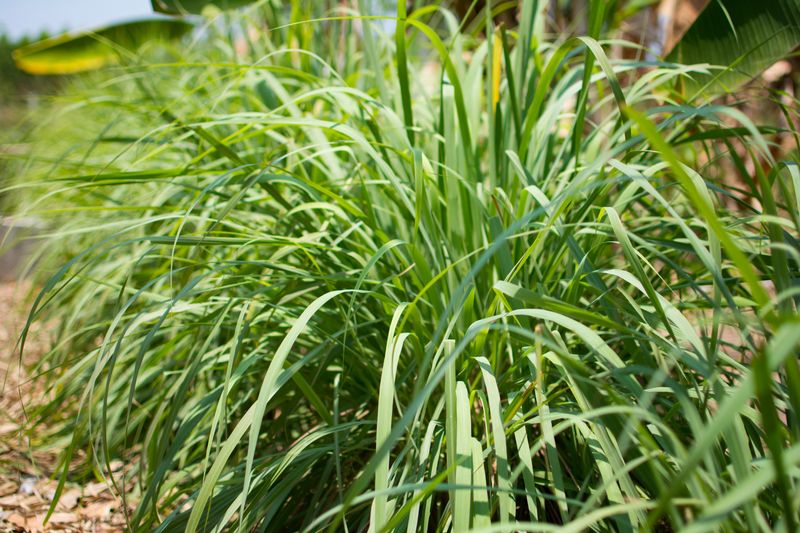
Raccoons find gardens largely by smell, tracking down ripe fruit and pet food. Lemongrass works a little differently than other options here, because its clean, grassy citrus scent may help mask the food smells that draw them in.
Grow lemongrass in large containers near patios and garden gates. For borders, some gardeners mix a few drops of lemongrass oil with castor oil and water, then spray it along entry points.
Lemongrass grows fast in summer heat and makes a tasty tea. In cold regions, bring a potted clump indoors before frost.
15. Lavender
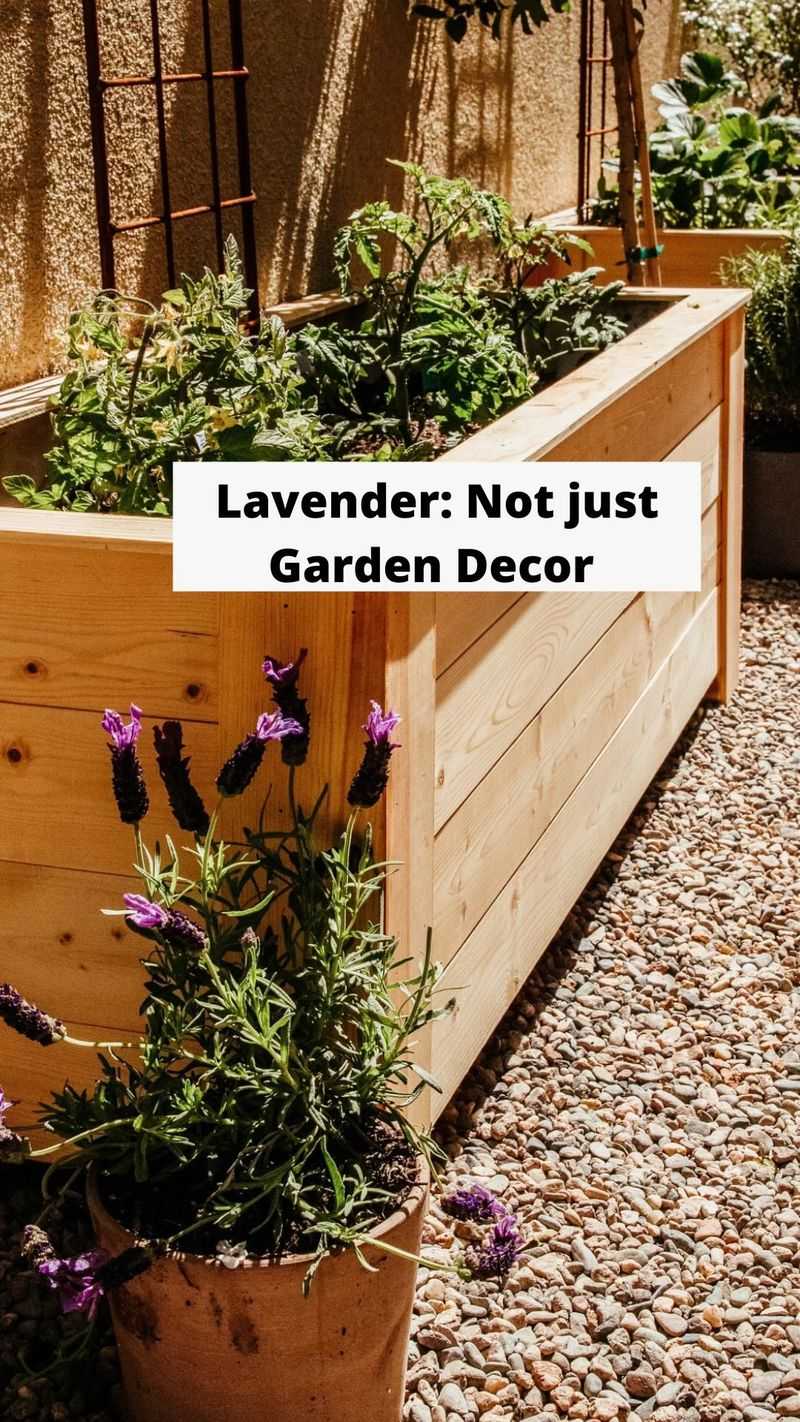
Bees adore it, people love it, and squirrels would rather keep their distance. Lavender’s strong floral scent is one squirrels often find unpleasant.
Plant lavender around bed edges or along walkways to create a fragrant border. It thrives in hot, dry spots where petunias sometimes struggle, so it makes a smart companion for sunny beds.
Dried lavender bundles can also be tucked into containers.
Give it well-drained soil and full sun, and avoid overwatering. Soggy roots are the most common reason lavender fails in home gardens.
16. Marigolds
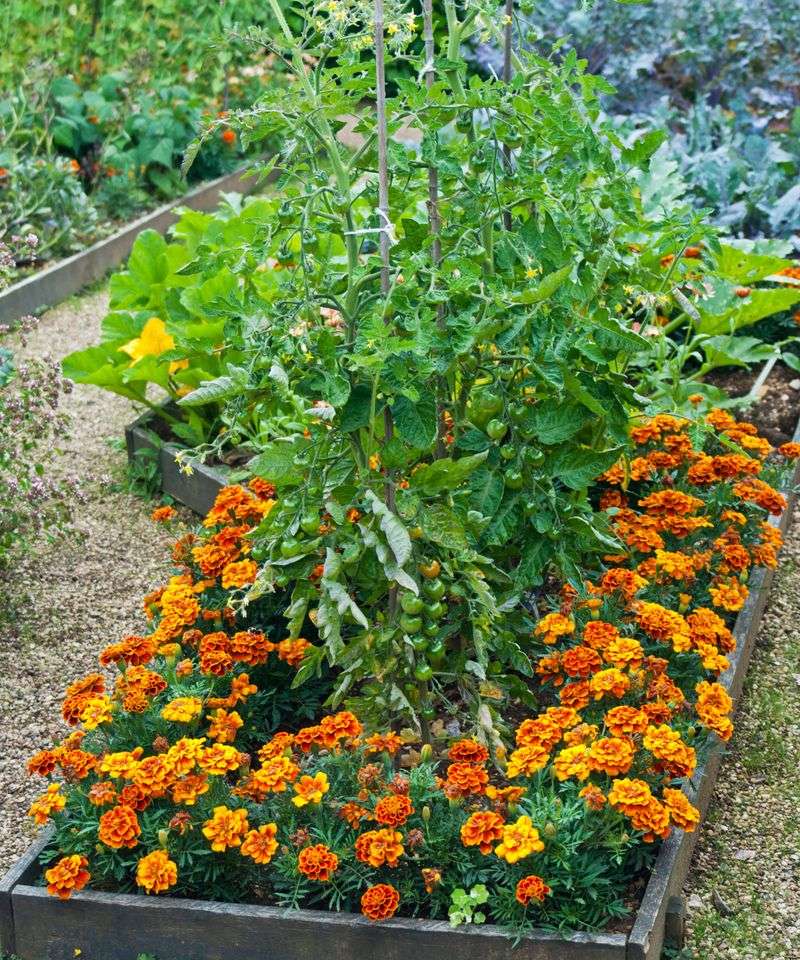
Old-time gardeners have planted these sunny blooms around vegetable patches for generations. Marigolds have a strong, musky smell that may help discourage squirrels and other pests.
Plant a ring of them around your tomato bed or along the front of a flower border. French marigolds are compact and especially fragrant.
Pinch off spent flowers to keep them blooming all summer.
Results vary, and a very hungry squirrel may ignore them. Still, they cost little, bloom nonstop, and add bright color while doing their job.
17. Spearmint
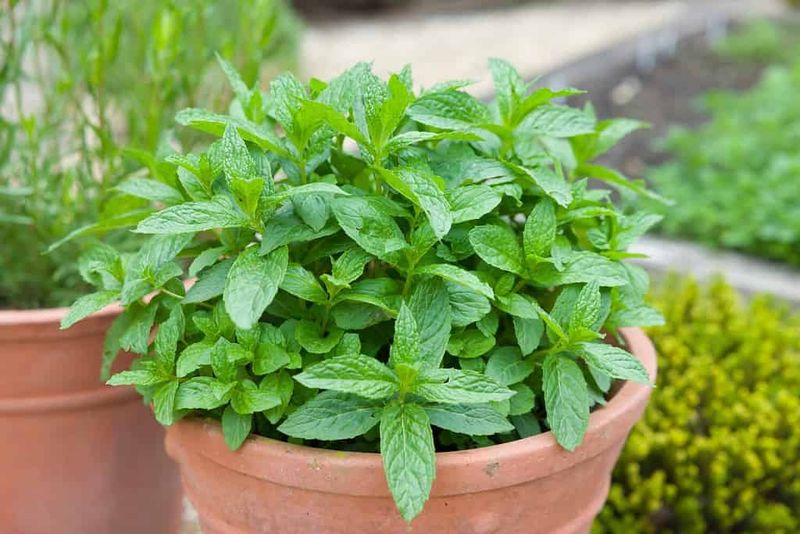
Peppermint gets most of the attention, but its softer cousin deserves a spot too. Spearmint has a sweeter minty smell that may still discourage chipmunks and red squirrels.
Grow it in pots, not in the ground. Mint spreads aggressively by underground runners and can take over a bed in one season.
Set pots near spots where chipmunks run along walls or dig.
Snip sprigs regularly and crush a few leaves when you pass by. You get fresh mint for iced tea while boosting the scent around your garden.
18. Dryer Sheets
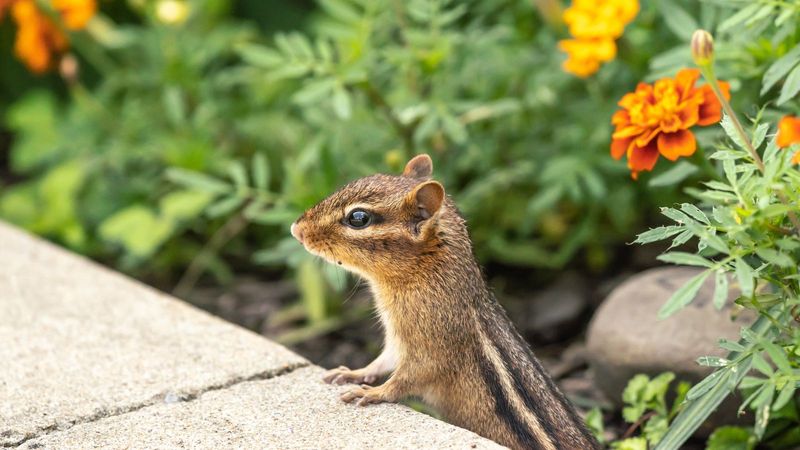
Sounds odd, right? Plenty of gardeners swear that strongly scented dryer sheets help chase chipmunks away from foundations and flower beds.
Tuck sheets under rocks or tie them to stakes near holes and runways. Swap them out every week or after rain.
Choose the strongest-smelling brand you can find.
The evidence here is mostly from gardeners’ experience rather than research. Pick up the sheets when you are done so they do not end up as litter in your soil.
19. Irish Spring Soap
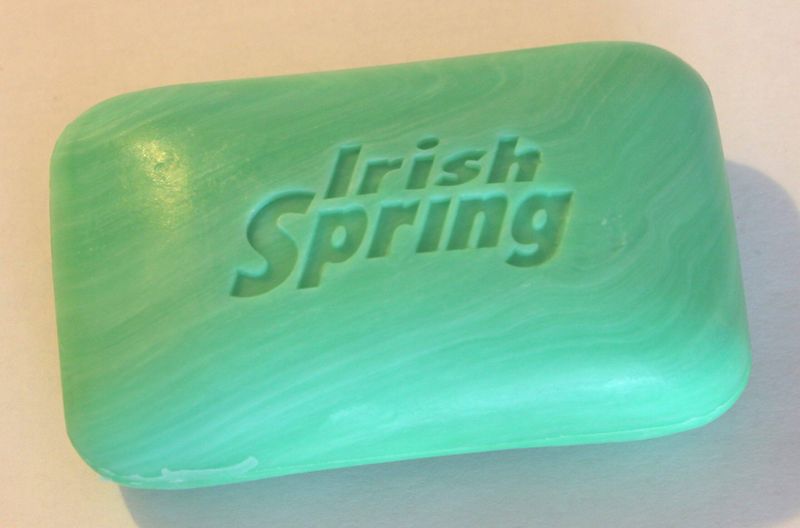
A bar of soap in the garden might get some funny looks from the neighbors. Even so, Irish Spring’s bold scent has a loyal following among gardeners battling chipmunks.
Cut a bar into chunks or grate it into shavings. Place pieces in mesh bags or old nylons and hang them from stakes near your hydrangeas, hostas, or bulb beds.
Keeping soap off the soil helps avoid buildup around roots.
One bar can last most of a season. It is inexpensive, easy, and worth testing if chipmunks keep tunneling.
20. Pine Oil
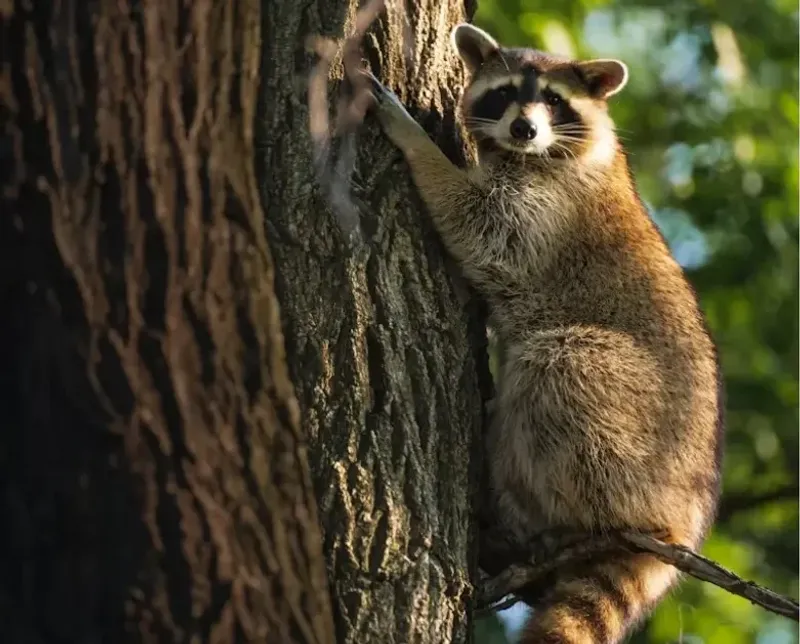
A walk in the woods smells lovely to us, but raccoons reportedly dislike pine oil’s sharp, resinous punch. It rounds out this list as another essential oil worth rotating in.
Use it like peppermint or eucalyptus. Soak cotton balls, set them in lids near trash bins or garden gates, or add a few drops to water for a spray on fence posts.
Refresh after rain.
Remember that no single smell works forever. Mixing scents, removing food sources, and securing trash lids together can reduce visits far more than any one trick, so you can enjoy your harvest instead of sharing it.