
22 Fast-Spreading Perennials That Fill Your Beds Quickly Without Ever Taking Over

Bare patches in a flower bed can feel like a slow, frustrating waiting game, especially when you want color and coverage this season instead of three years from now. The good news is that some perennials fill in fast while still staying polite enough to share a bed with your other plants.
You get the lush, grown-in look without spending every weekend yanking out runaway roots. Here are 22 quick-filling perennials that do the heavy lifting for you and know when to stop.
1. Catmint (Nepeta)
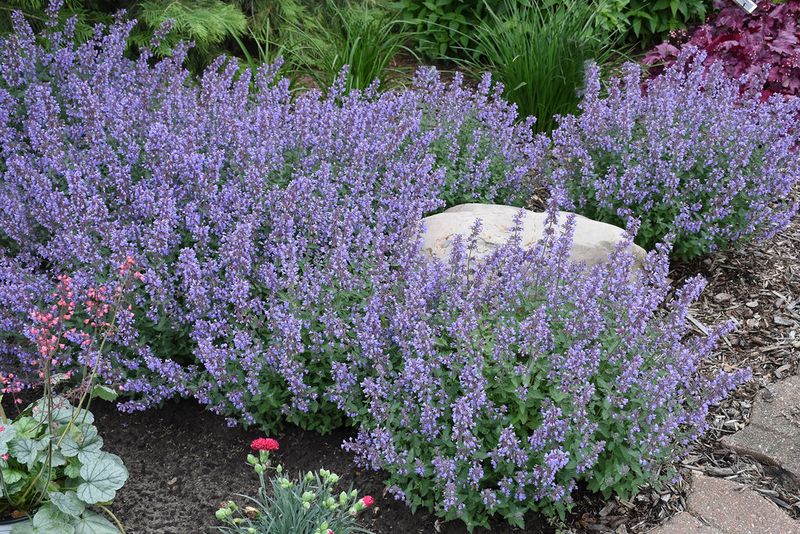
Bees adore it, deer usually ignore it, and it forms billowy blue-purple mounds almost before you finish planting. Catmint is one of those plants that looks established in its very first summer.
Older seed-grown types can scatter offspring around the bed, but most named cultivars stay put and simply widen into tidy clumps. If you want more, snip a few cuttings or split a mature plant in spring and you will have free copies fast.
Give it sun and let the soil dry between waterings. A quick shear after the first flush of bloom keeps it neat and often triggers a second wave of flowers.
2. Bee Balm (Monarda)
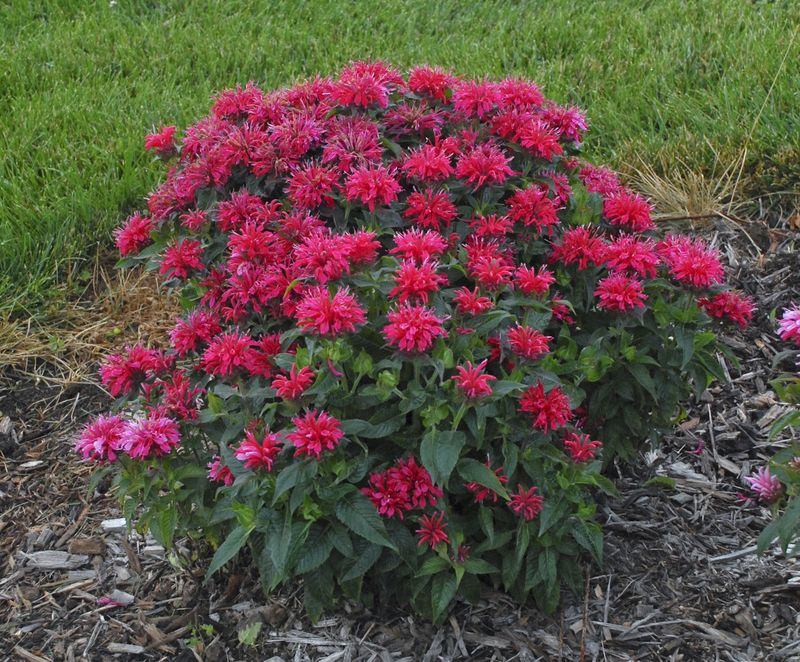
Few plants throw a party for pollinators like bee balm, with its shaggy, firework-shaped blooms in red, pink, and violet. Hummingbirds line up for it all summer long.
It travels by underground rhizomes to build dense colonies, so it fills a spot generously without leaping across the whole yard. If a clump gets wider than you like, just slice off the edges with a spade and share the extras.
Plant it where air moves freely to keep the leaves happy, and pick a mildew-resistant variety if humidity is high in your area. Give it room up front and it rewards you with weeks of color.
3. Black-Eyed Susan (Rudbeckia fulgida)
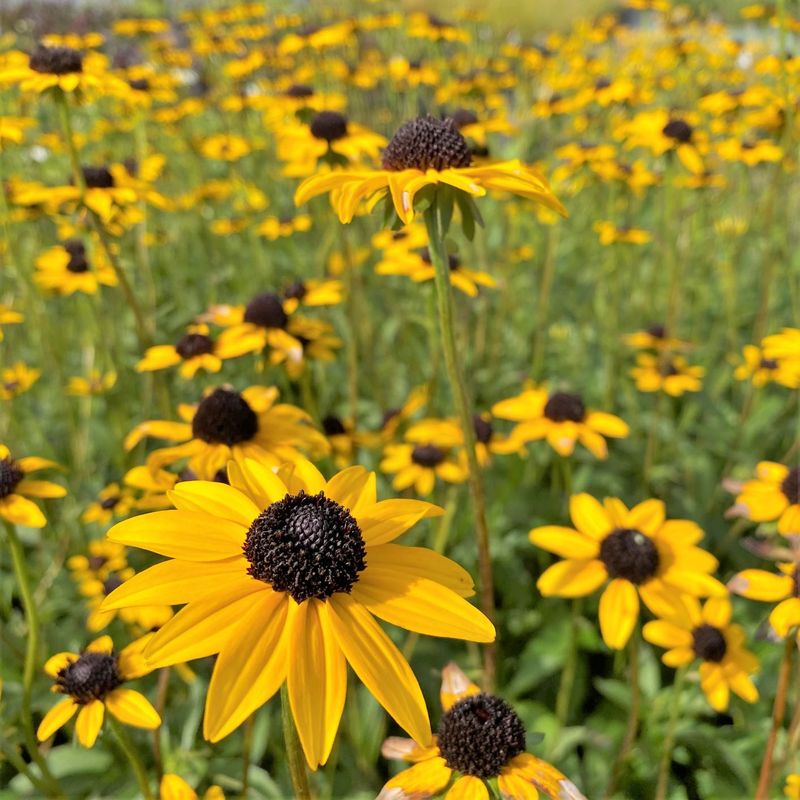
Golden petals circling a dark chocolate center make black-eyed Susan the picture of late-summer cheer. Cut a stem and it lasts for days in a vase, too.
What sets it apart is its double strategy for spreading: it creeps by short underground stems and scatters seed with real enthusiasm. Leave the seed heads standing and you will find fresh seedlings the next spring, which is easy to control by simply pulling the ones you do not want.
It shrugs off heat and poor soil like a champ. Deadhead if you prefer fewer volunteers, or let it self-sow to knit a whole sunny corner together.
4. Lamb’s Ear (Stachys byzantina)
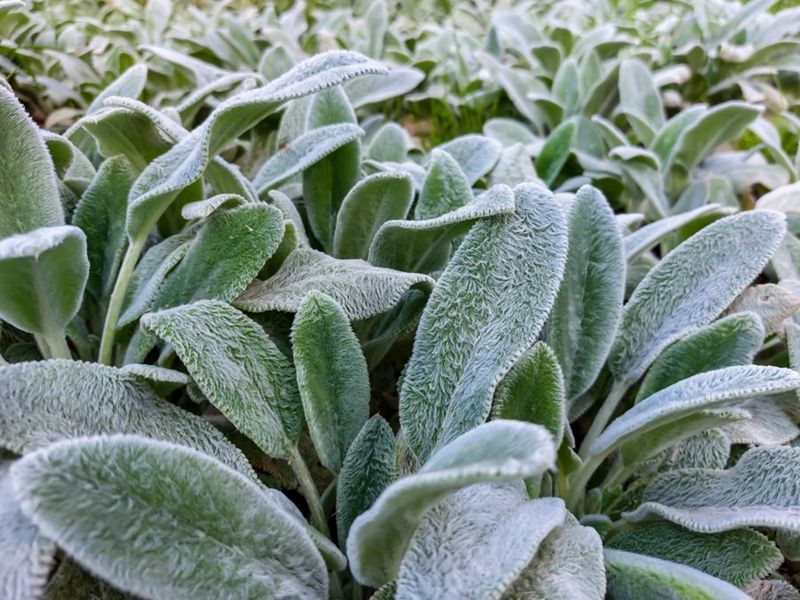
Run your fingers over lamb’s ear and you will understand the name instantly: the leaves are so soft and fuzzy that kids can’t stop petting them. That silvery, velvety foliage is the real star here.
It knits together into a low, shimmering carpet by sending out short underground stems, filling gaps between showier plants beautifully. Because the mat stays close to the ground, it is simple to edge back with a trowel whenever it wanders.
Give it full sun and lean, well-drained soil, and it practically takes care of itself. In humid summers, trim any tired leaves so the clump stays fresh and bright.
5. Garden Phlox (Phlox paniculata)
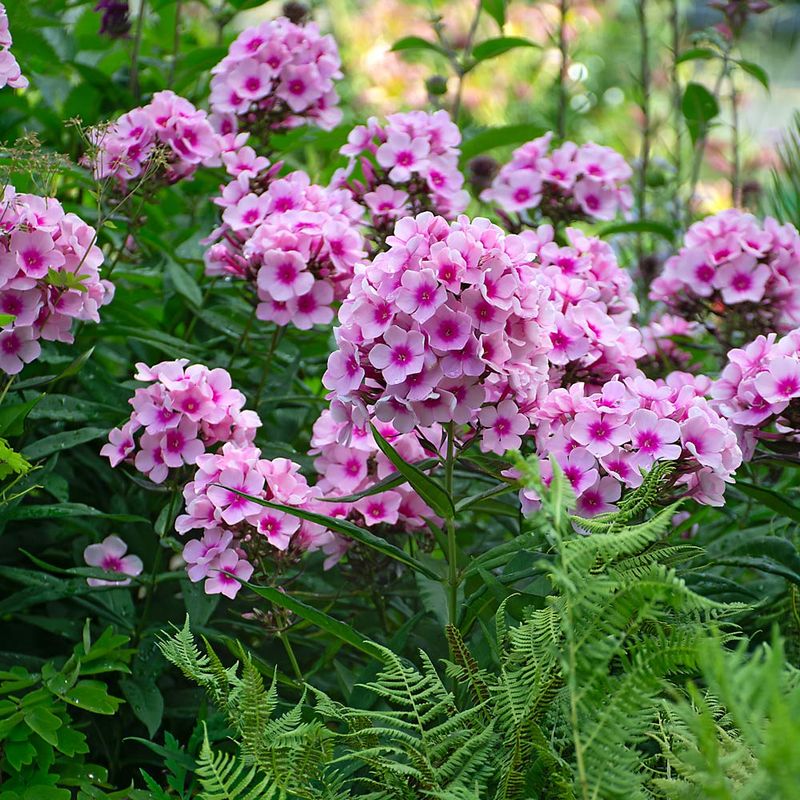
Come July, garden phlox lifts fat clusters of fragrant blooms right when many other perennials are catching their breath. The scent alone earns it a spot near a patio or path.
It broadens by creeping rhizomes and tosses out seedlings, so a single plant slowly becomes a satisfying stand of color. Keep in mind that seedlings often revert to muddy pink, so pull strays if you want to protect a specific shade.
Good airflow is its best friend for dodging mildew, so space clumps apart and thin crowded stems in spring. Reward it with steady moisture and it blooms for weeks.
6. Yarrow (Achillea millefolium)
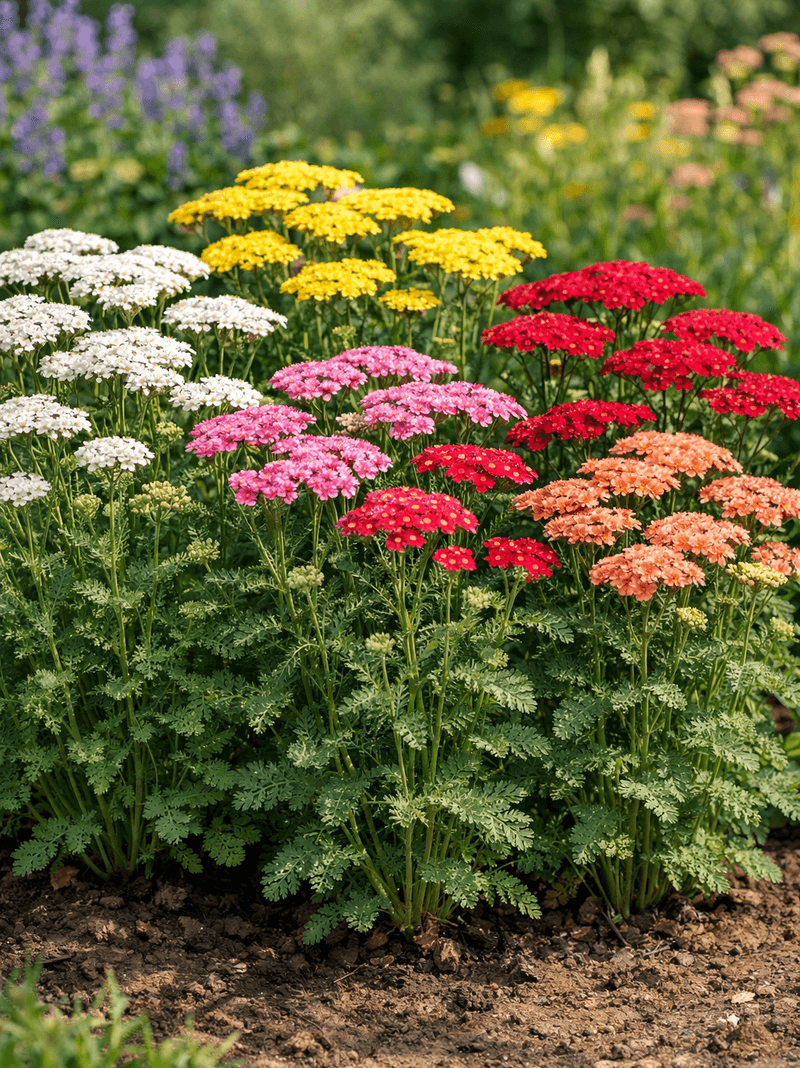
Flat-topped clusters of tiny flowers hover over ferny leaves, giving yarrow a breezy, meadow feel that hummingbirds and butterflies can’t resist. It comes in sunset shades of yellow, coral, and cherry red.
Both rhizomes and self-sown seed help it spread, so it fills a dry, sunny bank surprisingly quickly. Since the roots sit fairly shallow, unwanted spread lifts out easily with a hand fork.
Poor soil actually suits it better than rich soil, which can make it flop. Cut it back after blooming and you often coax a fresh round of color before frost.
7. Shasta Daisy (Leucanthemum superbum)
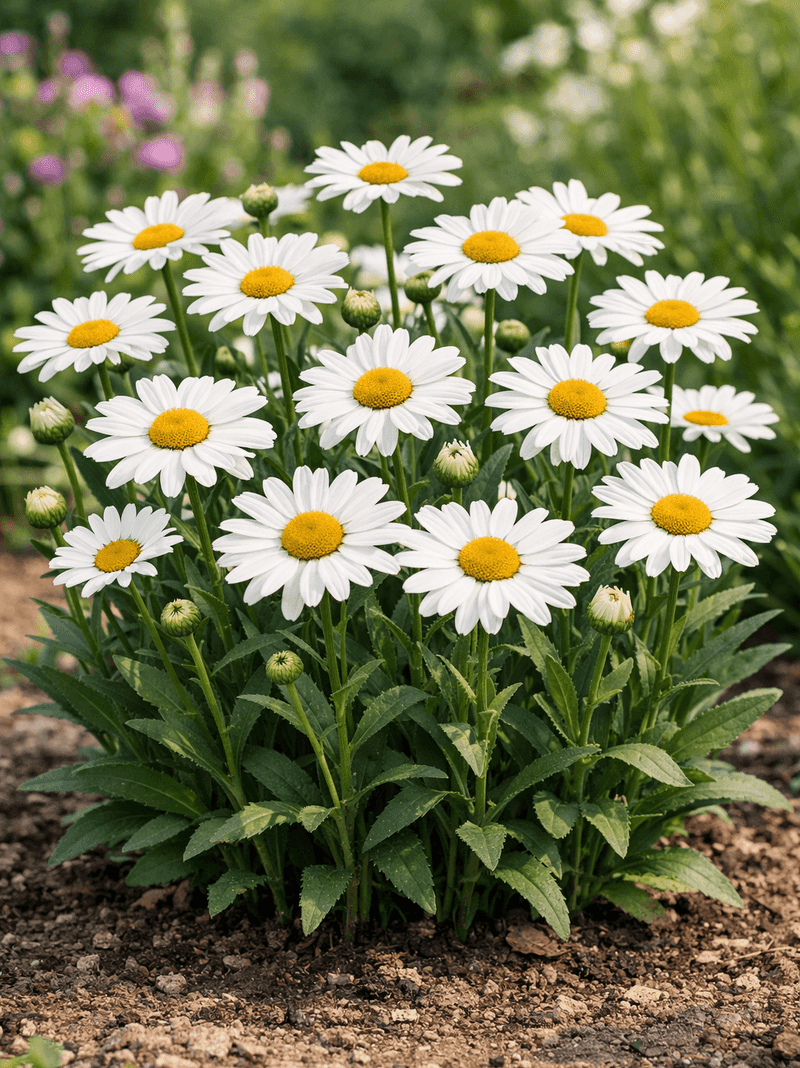
Crisp white petals around a sunny yellow eye make the Shasta daisy feel like summer distilled into one flower. It is the classic bloom kids pluck to play he-loves-me-not.
Clumps widen steadily through rhizomes and toss out a few seedlings, so a small starter plant becomes a generous drift within a couple of seasons. Every few years you can dig and divide the center to keep it vigorous and multiply your stock.
Full sun and decent drainage are all it asks. Snip spent blooms regularly and the plant keeps pushing fresh flowers well into late summer.
8. Hardy Geranium (Geranium spp.)
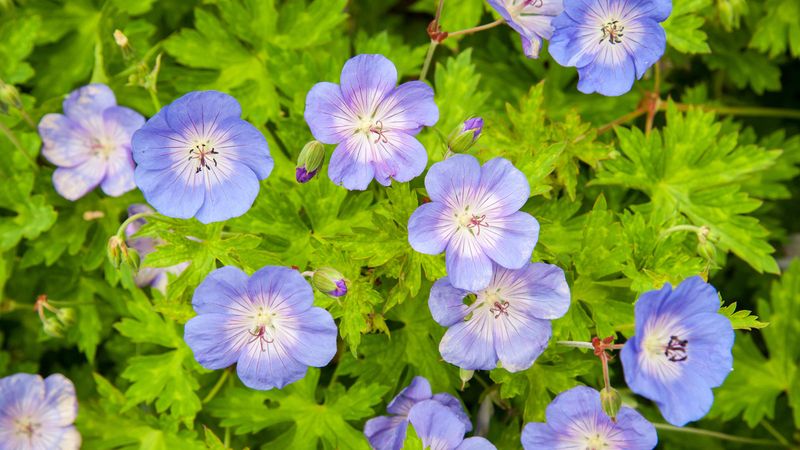
Not to be confused with the potted geraniums on porch steps, hardy geraniums are tough perennials that weave a low tapestry of saucer-shaped flowers. They quietly solve the problem of bare soil peeking between bigger plants.
Depending on the type, they spread by creeping roots or by gentle self-seeding, threading themselves attractively around roses and shrubs. When one strays too far, a quick tug or a spade cut brings it back in line.
Many varieties handle part shade, which makes them handy for tricky spots. Shear the whole plant back after the first bloom and fresh leaves and flowers return within weeks.
9. Jupiter’s Beard (Centranthus ruber)
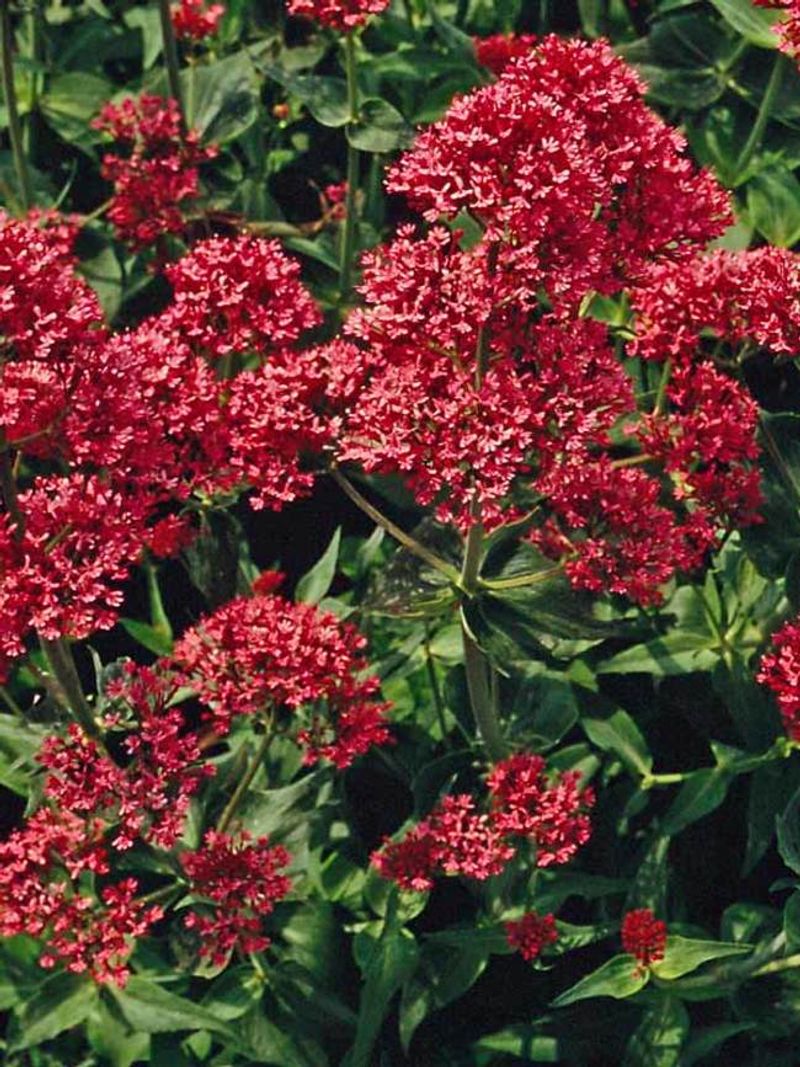
Clouds of rosy-red or white blooms sit atop this cheerful plant from late spring straight through summer, barely pausing for breath. Butterflies treat it like a favorite diner.
Its trick is prolific self-seeding, so it tucks itself into gravel, wall crevices, and any bare gap it can find. That eagerness is easy to steer: shear off faded flowers before they set seed and you control exactly how much it multiplies.
Lean, alkaline soil and full sun bring out its best. It handles drought and neglect gracefully, making it a lifesaver for that hot, forgotten strip along the driveway.
10. Coreopsis (Coreopsis spp.)
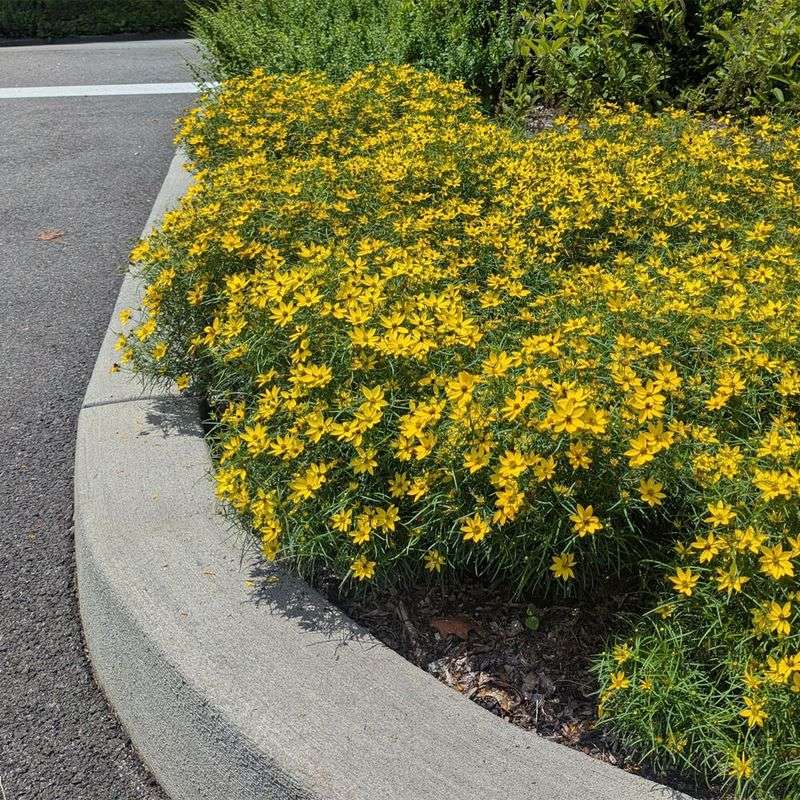
Sunny and dependable, coreopsis pumps out golden or pastel daisy-like blooms for months with almost no fuss. It looks like a scattering of tiny suns across the bed.
Some kinds creep by rhizomes while others simply reseed, but either way they knit gaps together fast. The spreading stays manageable because thin, shallow roots pull free with ease when you want to reshape a planting.
Give it sun and it laughs at heat and dry spells. A midsummer shearing when it looks tired brings a burst of new buds and keeps the show going toward fall.
11. Hosta (Hosta spp.)

For shady corners where flowers struggle, hosta steps in with bold, sculptural leaves in blues, golds, and variegated stripes. The foliage alone can carry a whole shade bed.
Rather than running underground, hostas fill space by expanding their clumps into wider and wider rosettes each year. That makes them wonderfully predictable, and when a clump gets big you slice it into several plants with a sharp spade in spring.
Consistent moisture keeps the leaves lush and unblemished. Tuck a few near ferns and astilbe and you have a woodland scene that fills in cleanly, never chaotically.
12. Foxglove (Digitalis purpurea)
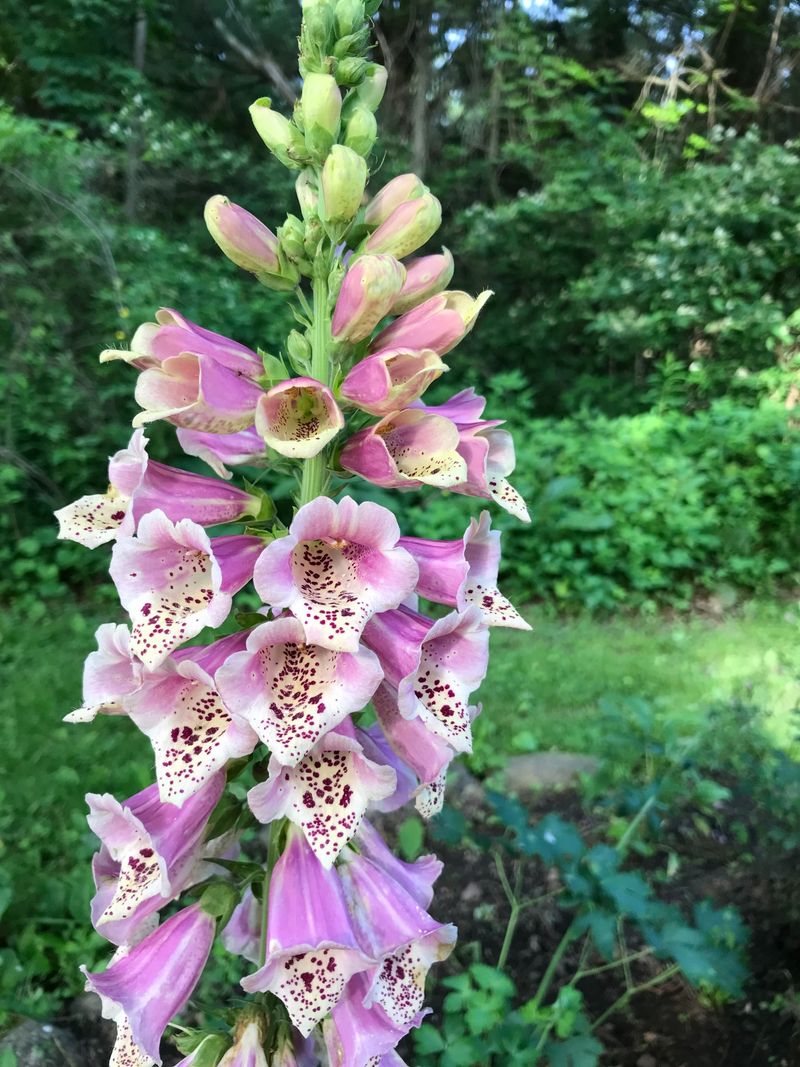
Towering spires studded with speckled bells give foxglove a fairy-tale presence that draws every eye in the garden. Bumblebees disappear right inside the tubular flowers.
Technically a short-lived plant, it keeps itself going by reseeding reliably, so new spires pop up year after year to fill the vertical space. Letting a few seed heads ripen guarantees the encore, and thinning the seedlings decides how thick the stand becomes.
Part shade and moist, rich soil suit it best. One heads-up worth remembering: every part of the plant is toxic if eaten, so plant it away from curious little hands and pets.
13. Creeping Thyme (Thymus serpyllum)

Step on creeping thyme and it releases a warm, herbal scent that makes you want to linger. It hugs the ground so tightly you can walk right across it.
Spreading into a dense, flowering mat, it fills the cracks between stepping stones and blankets bare edges in a haze of tiny pink-purple blooms. Bees swarm it when it flowers, and any patch that overreaches simply peels up by hand.
Full sun and sharp drainage are its only real requests. As a bonus, this tough little carpet crowds out weeds while asking for barely any water once it settles in.
14. Sweet William (Dianthus barbatus)
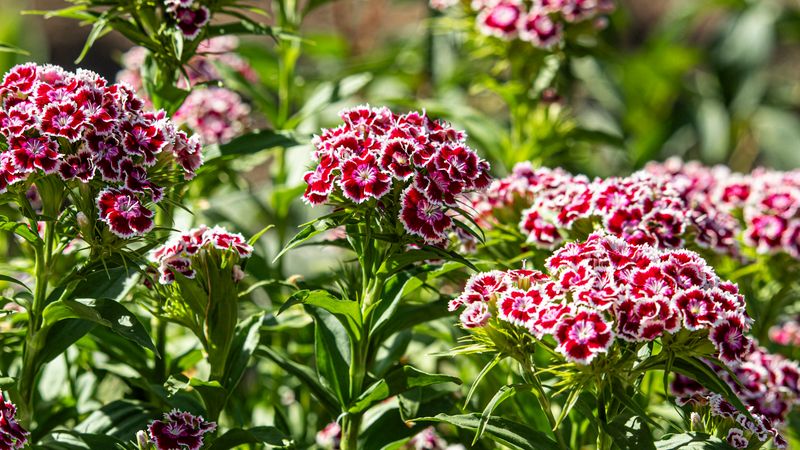
Clusters of frilly, clove-scented blooms in reds, pinks, and bicolors give Sweet William an old-fashioned, cottage-garden charm. It is the kind of flower your grandmother probably grew.
Though technically a biennial, it behaves like a perennial thanks to steady self-seeding, so the color keeps returning without replanting. You control the spread simply by choosing how many seed heads to leave standing at season’s end.
It likes full sun to light shade and well-drained soil that never stays soggy. Snip stems for little bouquets and the plant keeps blooming, filling in front-row gaps with reliable, fragrant color.
15. Echinacea (Echinacea purpurea)
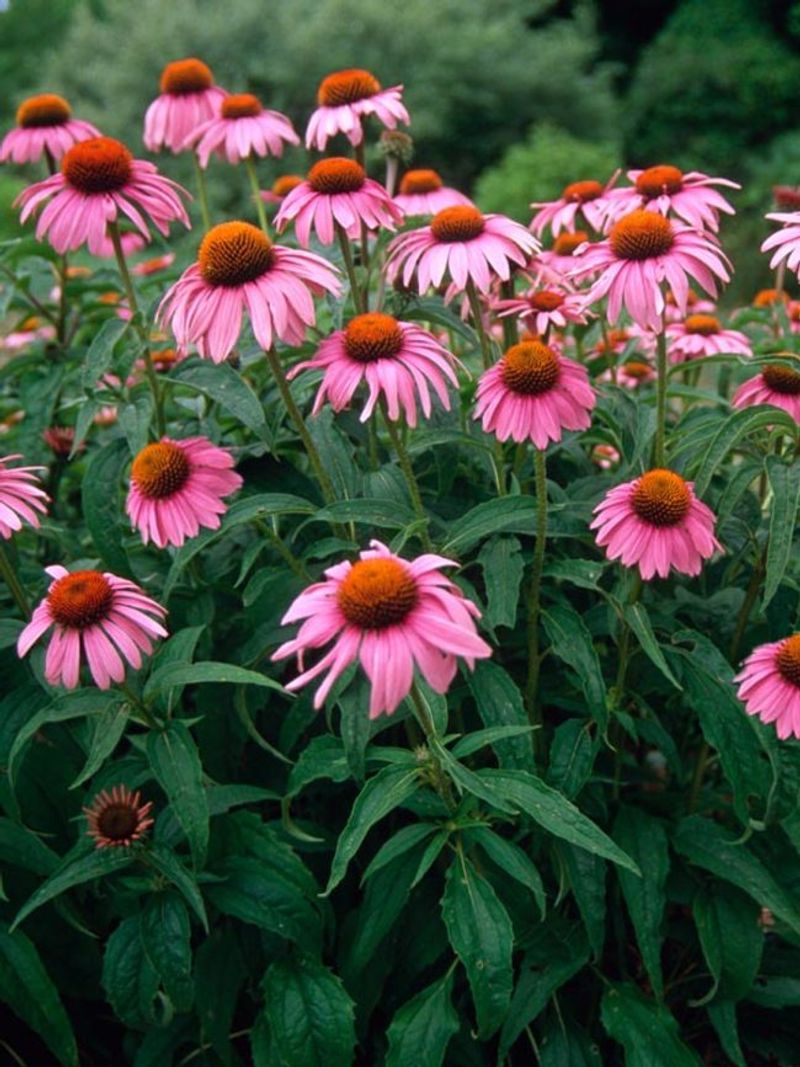
Purple coneflower stands tall and unbothered through the hottest weeks, its daisy-like petals drooping gently around a spiky copper cone. Goldfinches perch on the dried seed heads come fall.
It fills space two ways: the clumps widen each year and a scattering of seed brings fresh plants nearby. Because it grows in tidy upright bunches, controlling it is as easy as dividing a crowded clump or plucking a few volunteers.
Full sun and average soil keep it thriving with little help. Leave the seed heads up through winter and you feed the birds while setting the stage for next year’s expansion.
16. Creeping Phlox (Phlox subulata)
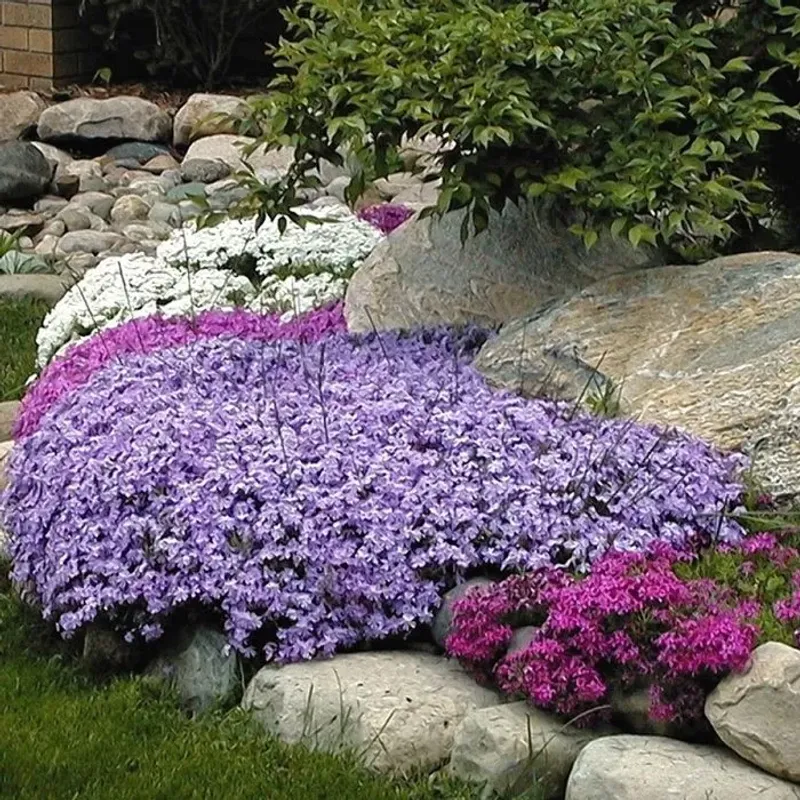
In early spring, creeping phlox explodes into a solid sheet of pink, blue, or white so dense you can barely see the foliage underneath. Slopes and rock walls seem to catch fire with color.
It races outward as a low, spreading groundcover, quickly covering bare ground that would otherwise wash out or grow weeds. Reining it in takes nothing more than trimming the outer edges once the blooms fade.
Full sun and gritty, well-drained soil bring out the heaviest flowering. After the spring display finishes, the evergreen-ish mat stays green and tidy, holding soil in place all season.
17. Ajuga ‘Chocolate Chip’

Deep bronze-chocolate leaves and short spikes of blue flowers make this compact Ajuga a moody, modern groundcover with real personality. The narrow foliage looks almost like tiny lizard tongues laid across the soil.
It spreads by runners to weave a low carpet, filling shady gaps where grass gives up. Unlike some of its bigger Ajuga cousins, ‘Chocolate Chip’ stays smaller and slower, so it is far easier to keep within bounds.
Part shade and evenly moist soil suit it perfectly, though it tolerates sun in cooler regions. Slide it beneath shrubs or along a path edge and it quietly stitches the whole area together.
18. Lamium ‘White Nancy’
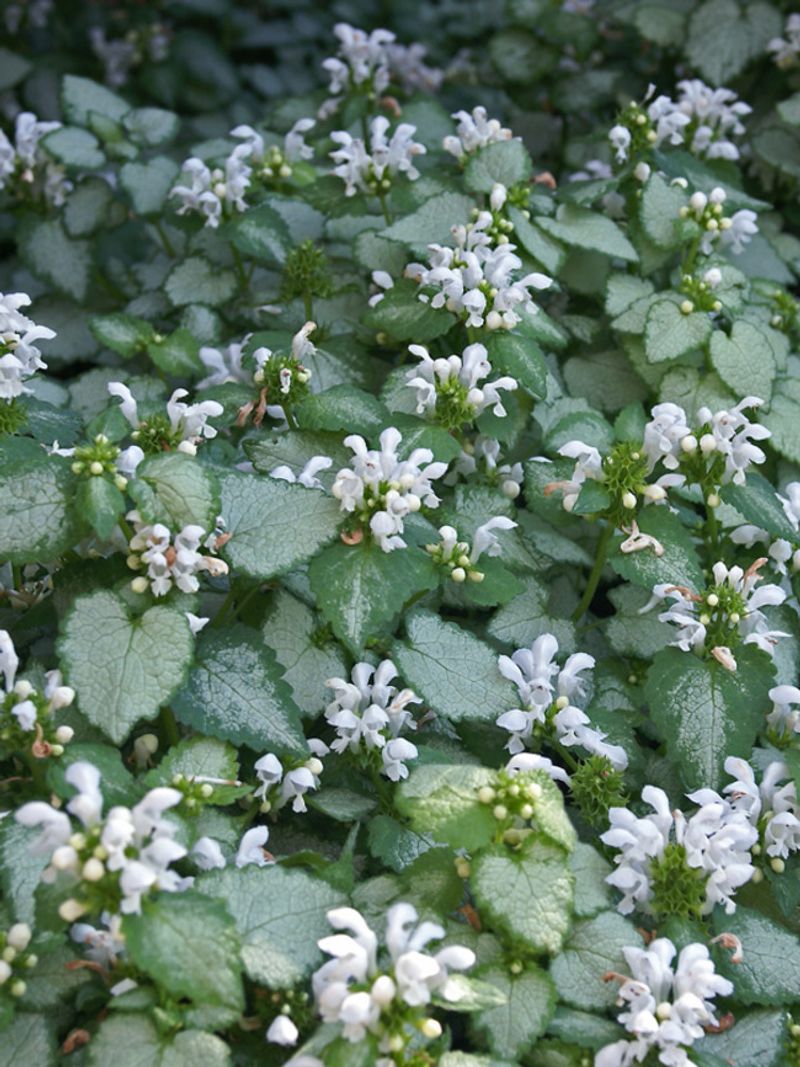
Silver-frosted leaves edged in green light up the darkest corners of the garden, and crisp white flowers only add to the glow. It is the plant to reach for when a shady spot feels dull and lifeless.
Trailing stems root as they go, letting it spread into a bright groundcover fairly quickly. That growth is easy to guide, since the shallow stems lift and reposition with a gentle pull whenever you want a different shape.
Moist soil in part to full shade keeps the foliage looking its freshest. Pair it with hostas and ferns and its silvery sheen makes the whole grouping pop.
19. Pachysandra

Beneath trees where almost nothing else will grow, pachysandra spreads a smooth, glossy green carpet that looks tidy in every season. Deep, dry shade is exactly where it shines.
It marches outward on underground runners to form an even, weed-smothering blanket, solving erosion and bare-dirt problems in one move. Keeping it in check is a matter of edging the border a couple times a year with a spade.
Once established, it needs very little water or attention, making it a set-it-and-forget-it fix for problem shade. Its uniform, low profile gives a manicured look with almost no ongoing effort.
20. Candytuft (Iberis sempervirens)
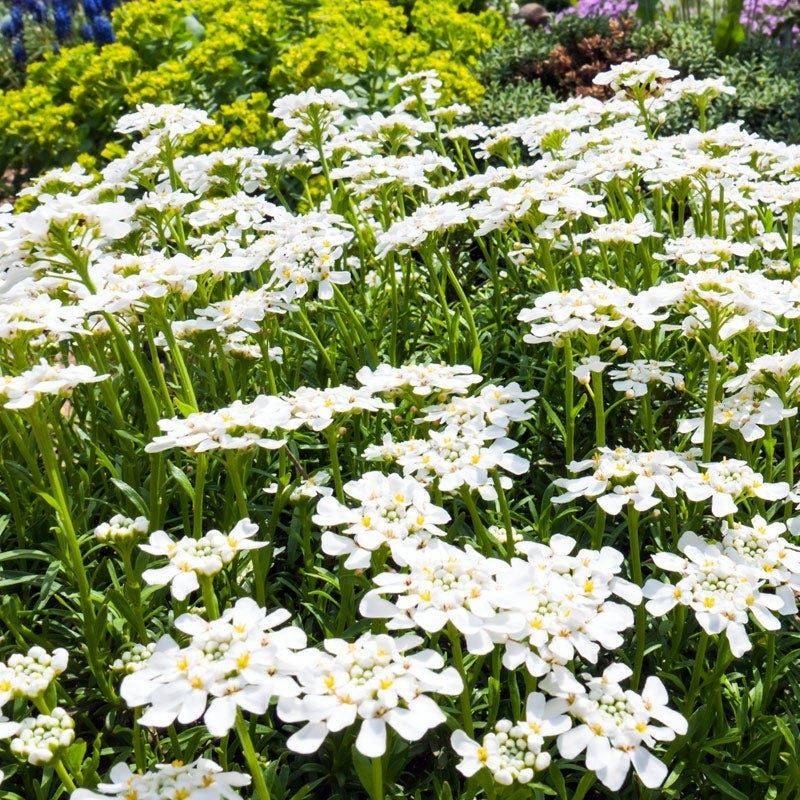
Snow-white flower clusters smother candytuft so completely in spring that the plant looks like it fell asleep under a fresh drift of snow. Bees find it irresistible the moment it opens.
Low and spreading, it fills the front of a border or spills over a wall edge, widening a bit more each year. Its neat, mounding habit keeps it from ever bullying neighbors, and a light shearing after bloom tidies the shape.
Full sun and good drainage keep the evergreen foliage handsome through winter in many regions. Plant it where you want dependable early color that returns without any coaxing.
21. Astilbe
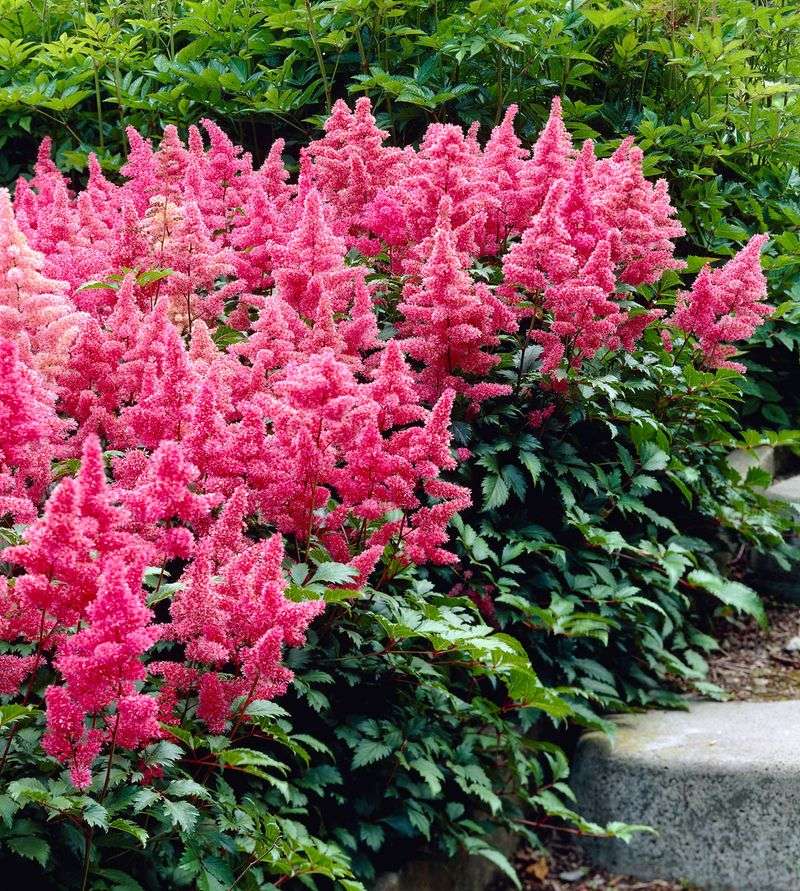
Feathery plumes in pink, red, and creamy white rise above fern-like foliage, bringing soft texture to shady beds that often feel flat. The plumes sway with the slightest breeze.
Instead of running around, astilbe fills space by slowly widening its clumps, which makes it one of the most well-mannered spreaders on this list. When a clump grows large, splitting it in spring gives you several new plants and keeps the parent vigorous.
Its one firm rule is moisture, so give it rich, damp soil and it thrives. Group several together and their plumes create a lush, drifting effect that never gets out of hand.
22. Stonecrop (Sedum spectabile)
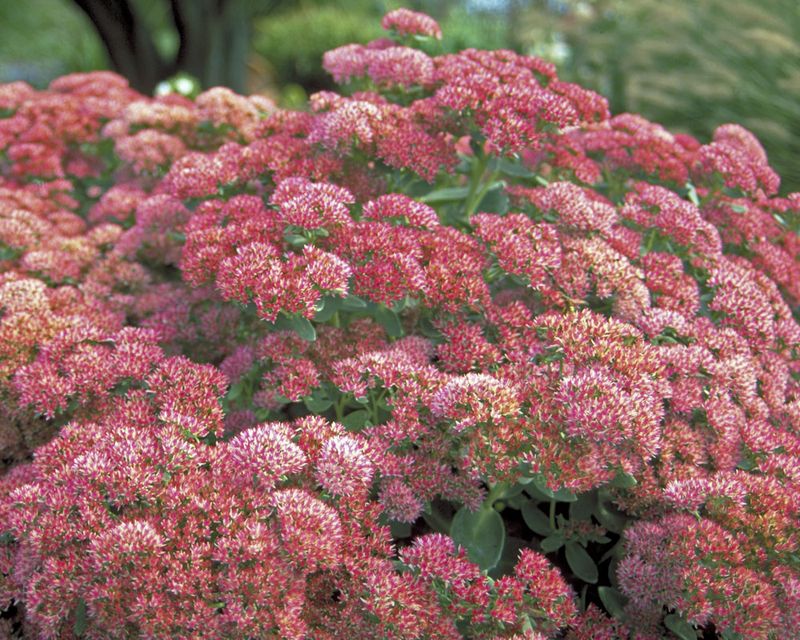
Thick, succulent leaves and broad flower heads make stonecrop look good even before it blooms, then late summer paints those heads pink and rose. Butterflies cluster on the flat clusters like they’re at a landing pad.
It spreads vigorously yet politely, thanks to a shallow root system that lifts out with almost no effort when you want to reshape a planting. Pinching it back in early summer keeps the stems from flopping and encourages a sturdier, fuller clump.
Drought and heat barely register with this tough plant, so it fills a hot, dry spot where others fail. Leave the seed heads standing and they add winter interest long after the color fades.