
23 Tiny Perennials That Look Full-Grown By Next Summer And Crowd Out The Weeds For You
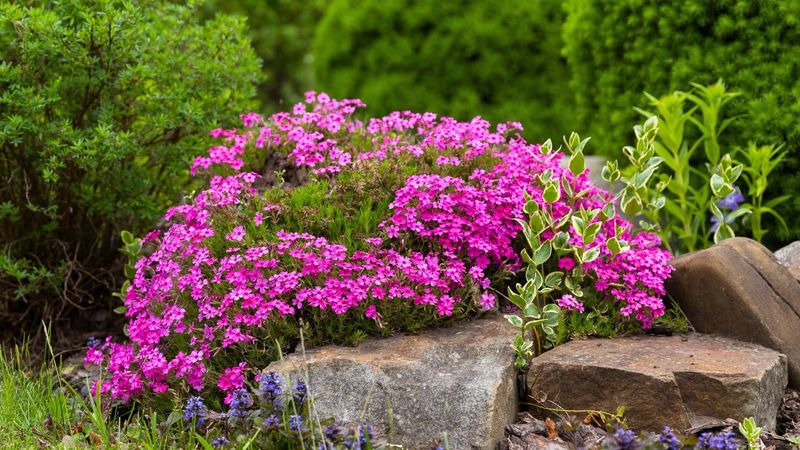
Buying big plants gets expensive fast, but plenty of small perennials catch up in a hurry and fill your beds within a single growing season. The best part is that once they knit together into a thick carpet, weeds barely stand a chance of finding open soil to sprout in. That means less pulling for you and more time enjoying your garden. Here are 23 tiny perennials that grow up quick and pull weed-blocking duty while they do it.
1. Creeping Thyme
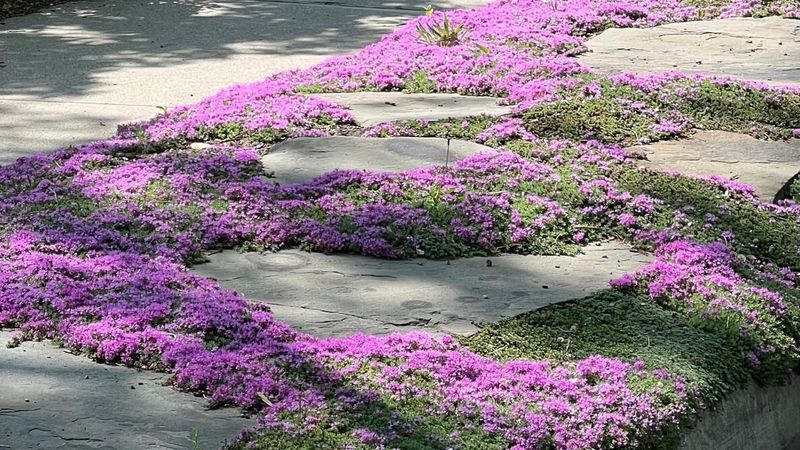
Step on a patch of creeping thyme and it releases a warm, herby scent that makes weeding feel a little less like a chore. Tucked into small plugs in spring, it races outward and forms a low green mat studded with pink or purple flowers by the following summer.
What sets it apart is how tough it is underfoot. You can walk on it, plant it between stepping stones, or let it spill over a rock wall, and it keeps knitting together into a dense cover that leaves almost no bare dirt for weeds.
Bees and other pollinators love the tiny blooms, so a thyme carpet does double duty. It smothers unwanted sprouts while feeding the good bugs. In hot, dry US backyards it barely asks for water once its roots settle in, which makes it a favorite for sunny, neglected corners.
2. Ajuga (Bugleweed)
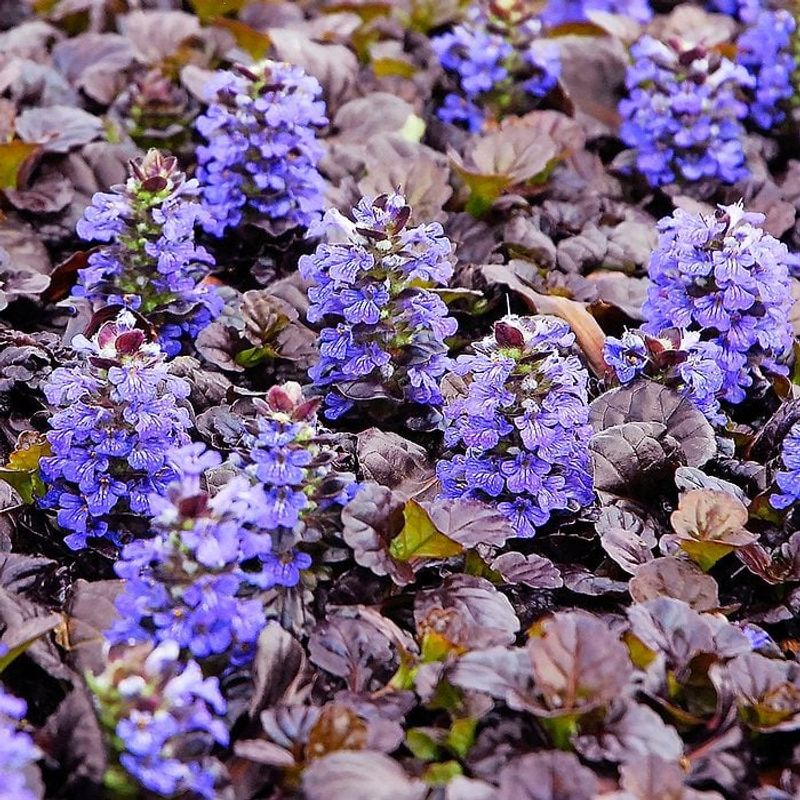
Few groundcovers move as fast as ajuga once it gets comfortable. Little rosettes send out runners in every direction, and within a season those runners root and multiply into a glossy carpet topped with spikes of blue-purple flowers.
Shade is where this one really earns its spot on the list. Many quick spreaders demand full sun, but ajuga happily fills those dim spots under trees and along the north side of the house where weeds usually take over.
The leaves come in deep bronze, burgundy, and variegated cream, so you get color even when nothing is blooming. Just give it a little room to roam, because it spreads with real enthusiasm. Set edging or plant it where you actually want a solid mat, and it rewards you by choking out chickweed and other shade weeds all season.
3. Creeping Phlox
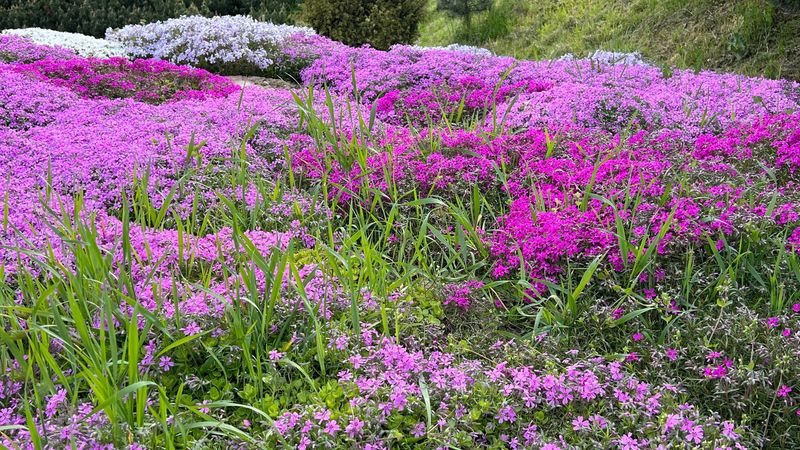
Come April and May, creeping phlox turns hillsides into rivers of pink, white, and lavender that stop passersby in their tracks. Bought as modest little plants, it stretches and mounds until it forms a cushiony blanket that returns thicker every year.
Its needle-like foliage stays green long after the flowers fade, which is the secret to its weed-fighting power. That fine, tangled growth stays low and dense, leaving no gaps where crabgrass or dandelions can sneak through.
Slopes and retaining walls are where it shines, since it drapes downward and holds soil in place while it spreads. Give it decent drainage and plenty of sun, and a few starter plants will cover a bank surprisingly fast, saving you from mowing or weeding a tricky incline.
4. Sedum (Stonecrop)
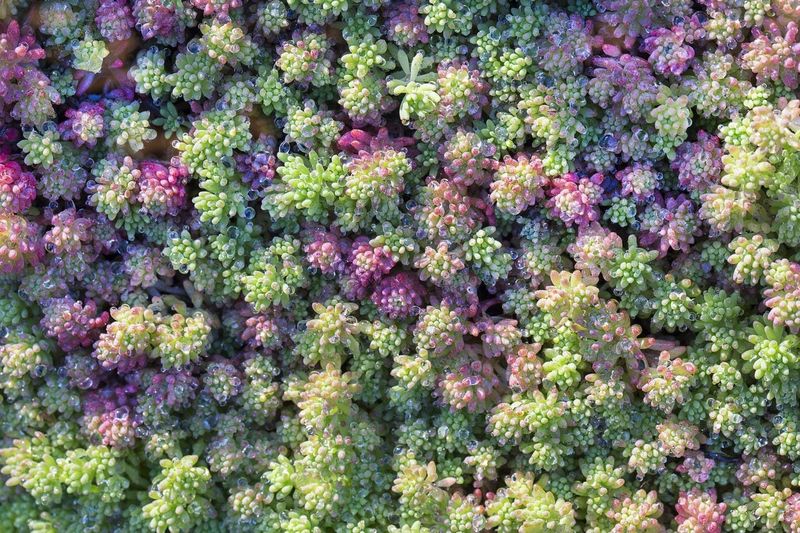
Drought throws everything it has at sedum, and the plant just shrugs. Its plump, water-storing leaves let it thrive in gritty, poor soil where most groundcovers give up, and small sprigs spread into a thick succulent quilt in no time.
Low-growing stonecrop varieties like ‘Angelina’ or ‘Dragon’s Blood’ form mats only a couple inches tall, glowing gold, chartreuse, or ruby depending on the season. That solid coverage blocks light from reaching weed seeds, so few ever get the chance to germinate.
Because it needs so little, sedum is perfect for the hot strip along a driveway, a green roof, or a rock garden that bakes all afternoon. Break off a few stems, press them into the ground, and they root themselves. By the next summer you have a living mulch that shrugs off heat and keeps weeds locked out.
5. Lamb’s Ear
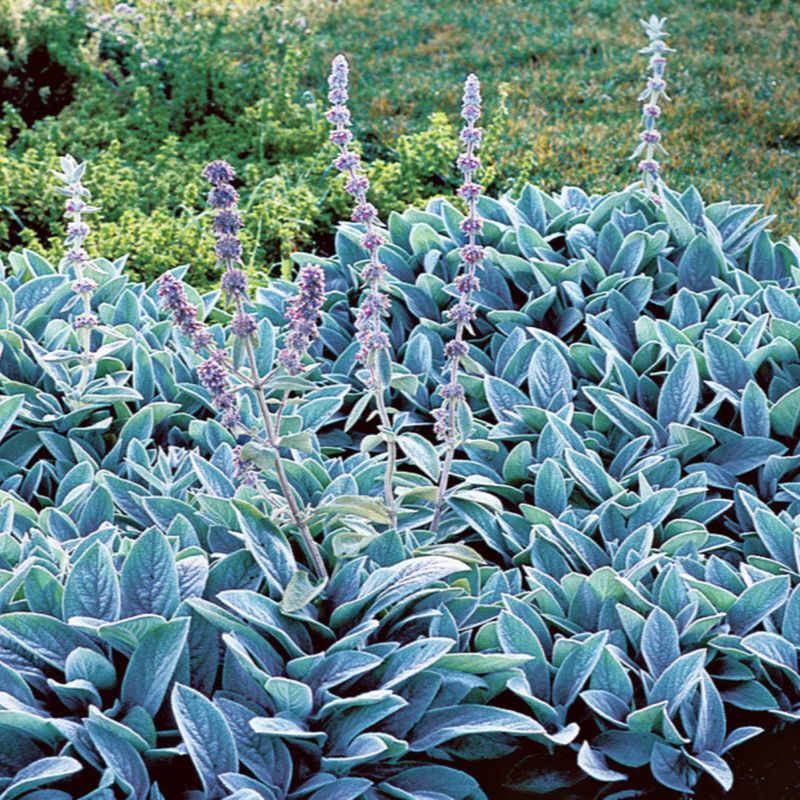
Reach down and touch lamb’s ear and you understand its name instantly: the leaves are soft, silvery, and fuzzy as a stuffed animal. Small plants clump outward season after season, and that velvety foliage overlaps into a solid mat that weeds can’t push through.
The silver color is a bonus for design lovers, since it cools down hot color schemes and glows at dusk. Kids and grownups alike can’t resist petting it, which makes it a fun choice for a family garden.
Dry soil and blazing sun suit it fine, so it fills those difficult sunny spots without fuss. Snip off the flower stalks if you want it to stay tidy and leafy, and it will keep spreading its plush carpet wider each year while smothering the weeds beneath.
6. Hardy Geranium (Cranesbill)
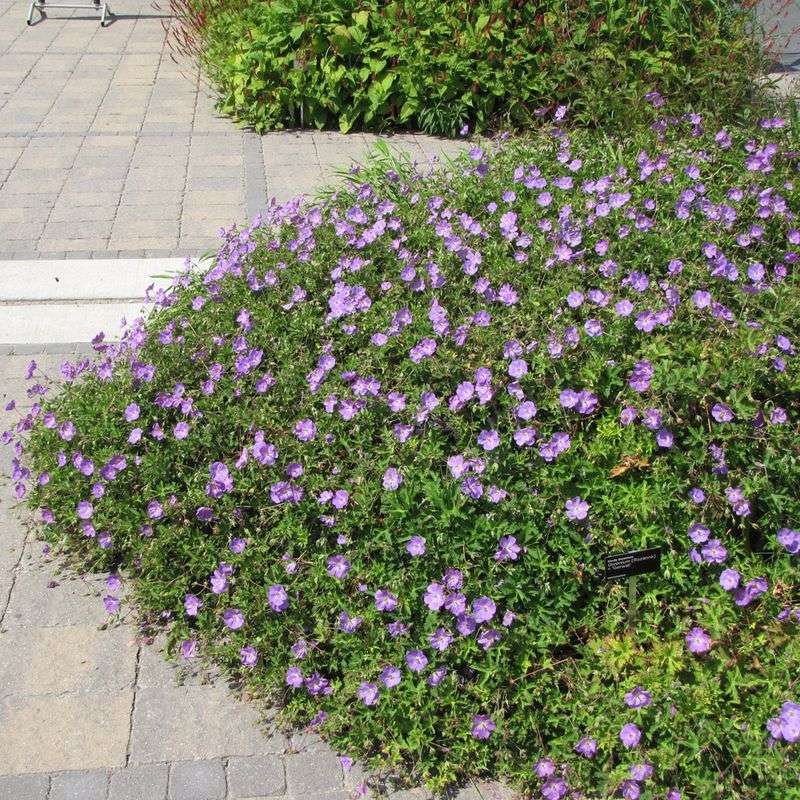
Not to be confused with the potted geraniums at the garden center, hardy cranesbill is a rugged perennial that mounds up into a froth of flowers and lacy leaves. Skinny starter plants bulk up quickly and by the second summer form billowing clumps that flop over and cover the ground.
Long bloom time is its calling card. Varieties like ‘Rozanne’ pump out blue-violet flowers from early summer until frost, giving you months of color while the dense foliage smothers weed seedlings underneath.
It handles sun or part shade and isn’t picky about soil, so you can tuck it almost anywhere a gap needs filling. Once it settles in, that mound of leaves shades the soil so completely that weeding along the front of a border becomes nearly optional.
7. Catmint
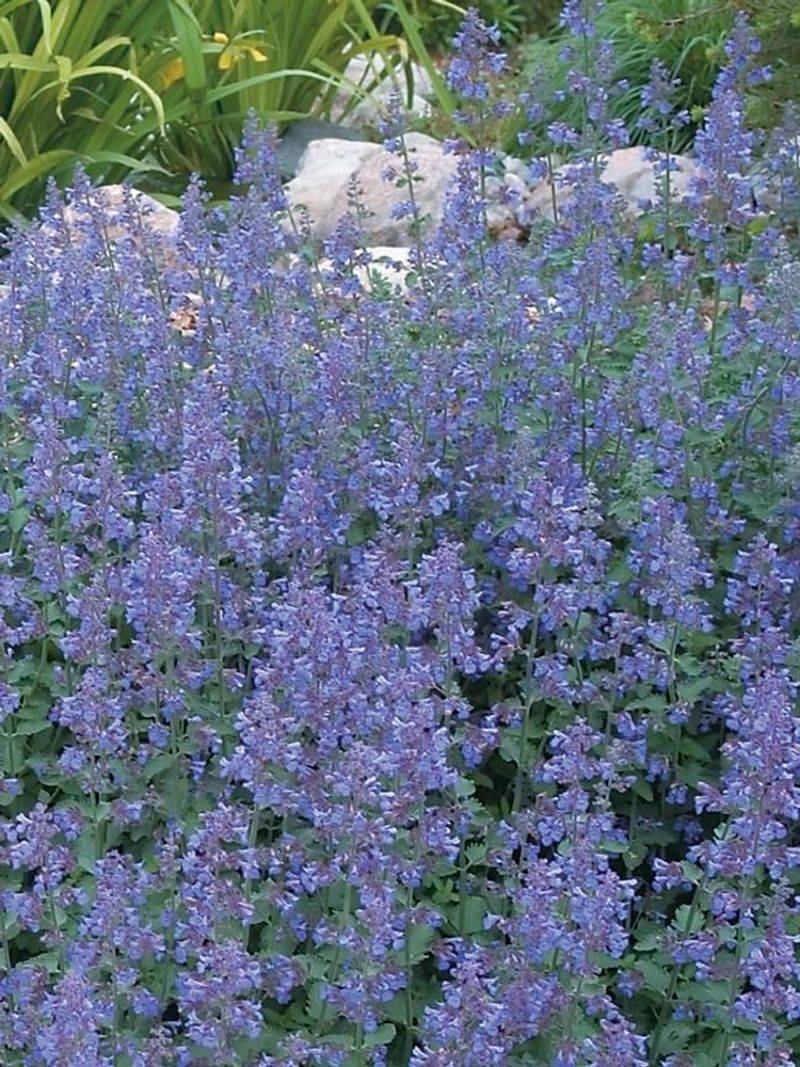
A haze of soft blue-purple and a scent that drives cats a little wild, catmint is one of those plants that looks established almost overnight. Small transplants explode into airy, aromatic mounds their first full season, spilling loosely over the ground.
The fragrant foliage is a quiet workhorse. That same minty smell that deters some garden pests also means deer and rabbits usually leave it alone, and the dense growth shades out weeds along the way.
Give it a shear after the first big flush and it rebounds with a second wave of blooms. Pollinators swarm it from spring through fall. Planted in a row, catmint makes a soft, weed-blocking edge for a path or bed that needs almost no babysitting once it takes hold.
8. Coreopsis (Tickseed)
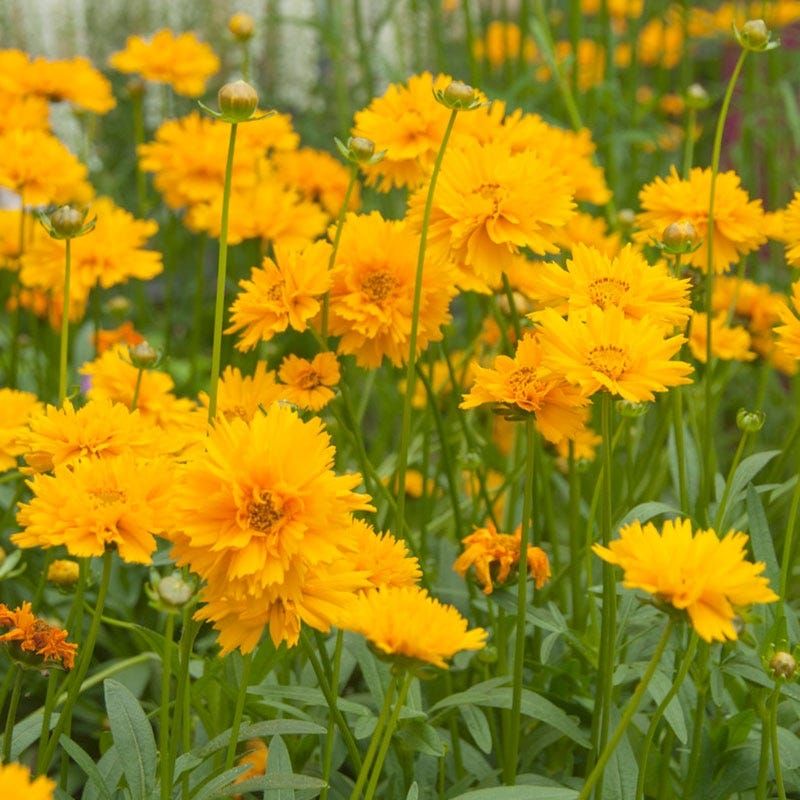
Sunshine seems to pour right out of coreopsis, whose daisy-like blooms cover the plant in gold, yellow, and sometimes red for months on end. Small nursery pots bush out fast, forming feathery clumps that fill a bed by their second summer.
Threadleaf types in particular grow into fine, dense mounds of foliage that leave little room for weeds to elbow in. The more you deadhead, the more it blooms, so it stays full and flowery instead of leggy and gappy.
Heat and lean soil don’t bother it, making it a reliable choice for sunny US borders that bake in July. Native varieties also feed butterflies and beneficial insects, so your weed-suppressing patch becomes a little pollinator diner at the same time.
9. Black-Eyed Susan
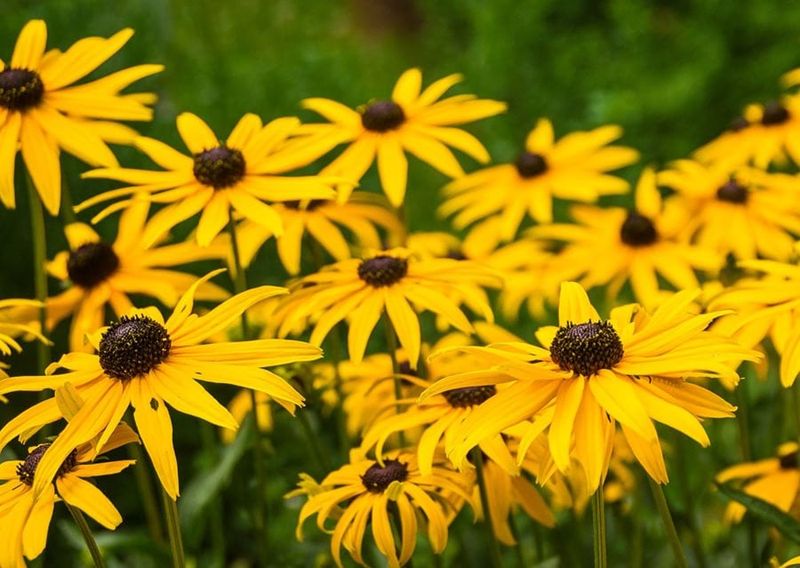
Golden petals circling a dark chocolate center make black-eyed Susan instantly recognizable, and it multiplies with cheerful determination. A few plugs settled in spring will clump and self-sow into a bold, sunny stand within a season or two.
Height is part of what makes it valuable here. While many weed-blockers hug the ground, this one grows knee-high and packs its stems tightly, casting shade that keeps weeds from getting a foothold below.
Native across much of the US, it laughs at heat, drought, and clay. Birds feast on the seed heads in fall if you leave them standing, and the whole colony comes back thicker each year, turning a weedy patch into a wall of gold with barely any effort from you.
10. Daylily

Nearly indestructible and endlessly forgiving, daylilies earn their reputation as the plant even brown-thumb gardeners can’t kill. Small fans planted in spring fatten into full clumps of arching, strappy foliage within a year, each throwing up a parade of trumpet blooms.
The magic for weed control is in those thick, overlapping leaves. They form such a solid tuft that sunlight simply can’t reach the soil, so weeds sputter out beneath a mature daylily crown.
Plant them shoulder to shoulder along a fence or slope and they merge into a continuous, weed-proof band. They cope with drought, poor soil, and neglect, and they divide easily, so one starter clump can populate a whole border in a couple of seasons for free.
11. Hosta
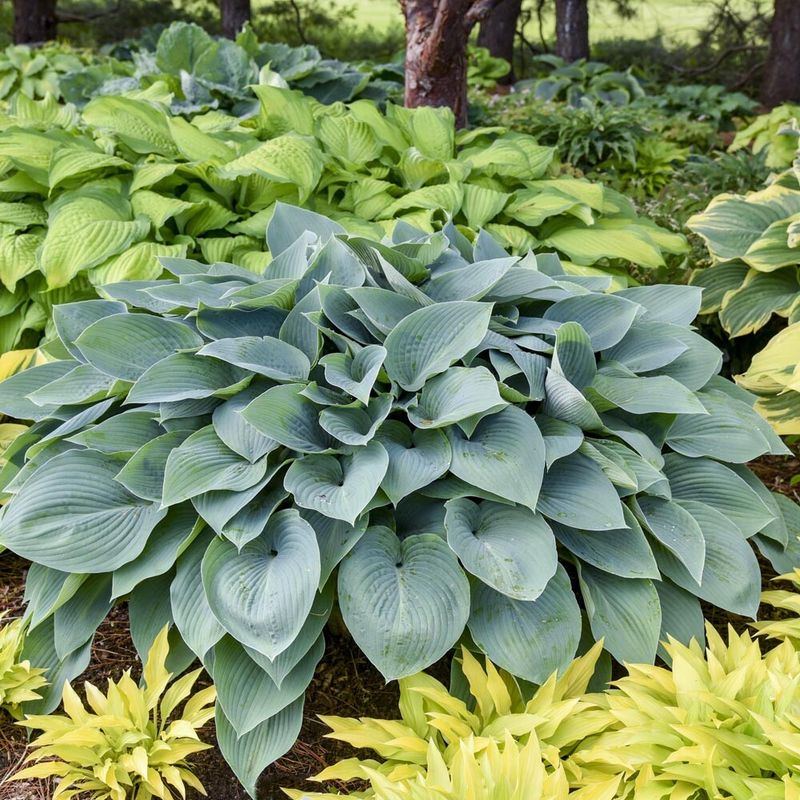
For the shady spots where nothing seems to want to grow, hostas are the hands-down champions. Little divisions bulk up into broad, layered mounds of leaves that can span two or three feet, unfurling bigger every spring.
Those overlapping leaves are the whole point. A mature hosta throws a deep pool of shade over the ground beneath it, and weeds rarely have the light they need to survive in that darkness.
Leaf color ranges from deep blue-green to bright chartreuse to crisp variegation, so a grouping reads like a quilt even without flowers. Space a few small ones a couple feet apart and by next summer they close the gaps, turning a bare, weedy shade bed into a lush, low-maintenance carpet of foliage.
12. Moss Phlox
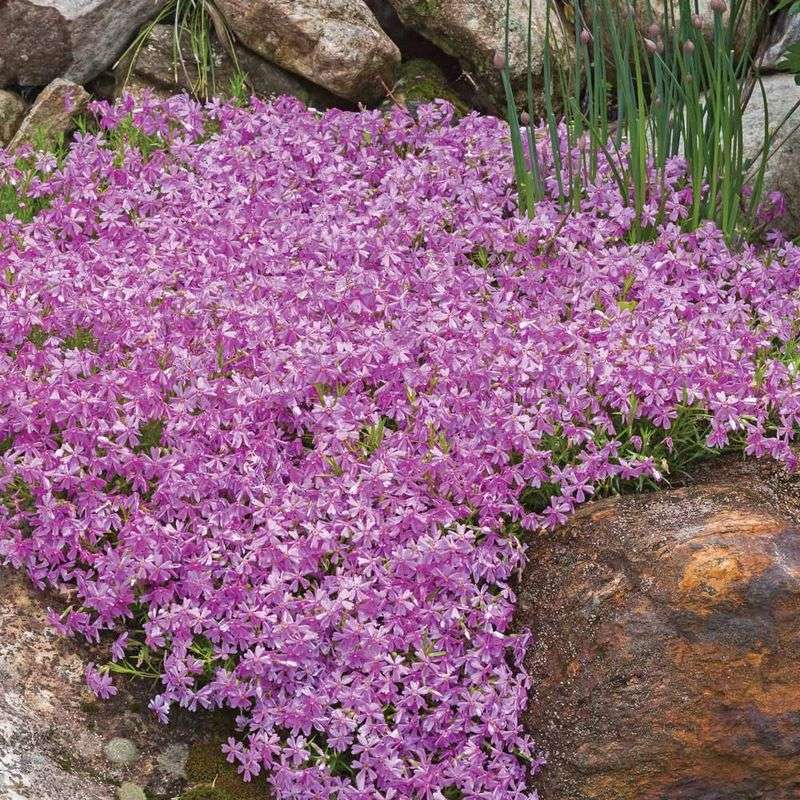
Often mistaken for its cousin creeping phlox, moss phlox hugs the ground even tighter and turns rocky ground into a tapestry of spring color. Modest plugs spread into wide, low mats that ripple over the soil and burst into bloom before most perennials wake up.
Its dense, moss-like texture is what keeps weeds at bay. The fine foliage stays so thick and matted year-round that seedlings can’t find a crack to sprout in, even in the lean, gravelly soil it prefers.
Because it stays flat, it works beautifully spilling over walls, edging a path, or blanketing a slope too steep to mow. A handful of starter plants set close together will merge into a solid, self-maintaining cover within a season.
13. Lady’s Mantle
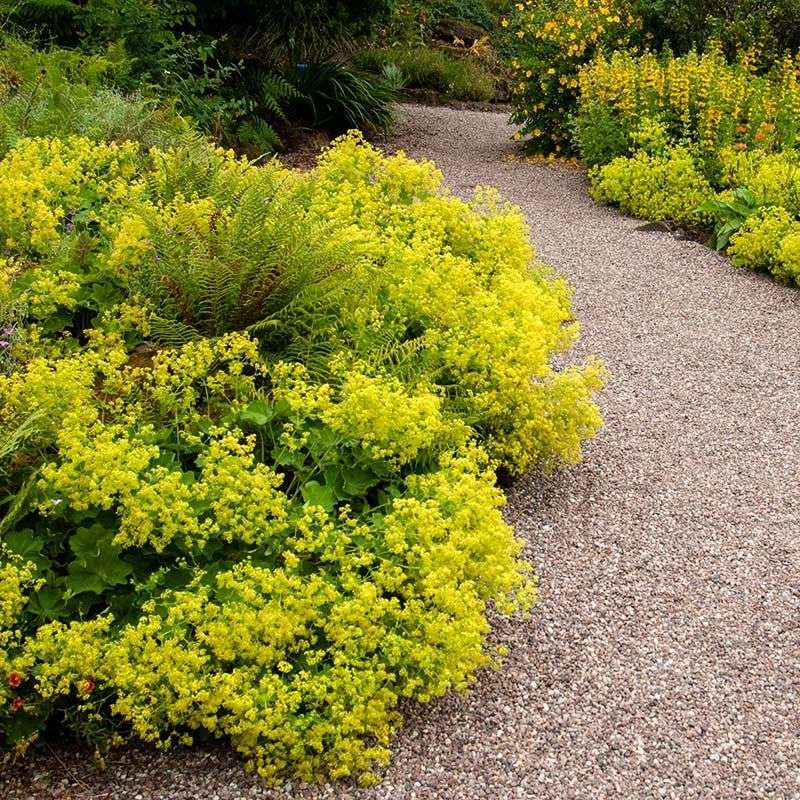
Morning after a rain, lady’s mantle looks like it’s been sprinkled with diamonds, its scalloped leaves catching dew in perfect silver beads. Small clumps grow into generous, ruffled mounds by their second season, topped with frothy chartreuse flowers.
Those wide, cupped leaves do more than hold water prettily. They fan out and overlap to shade the ground completely, so weeds struggle to gain any ground beneath a healthy clump.
It thrives in part shade and average soil, filling in the softer, cooler parts of the garden where sun-lovers sulk. Line a shady path with it and you get a soft green edge that suppresses weeds and looks enchanting after every rainfall, with almost no upkeep required.
14. Salvia (Perennial Sage)
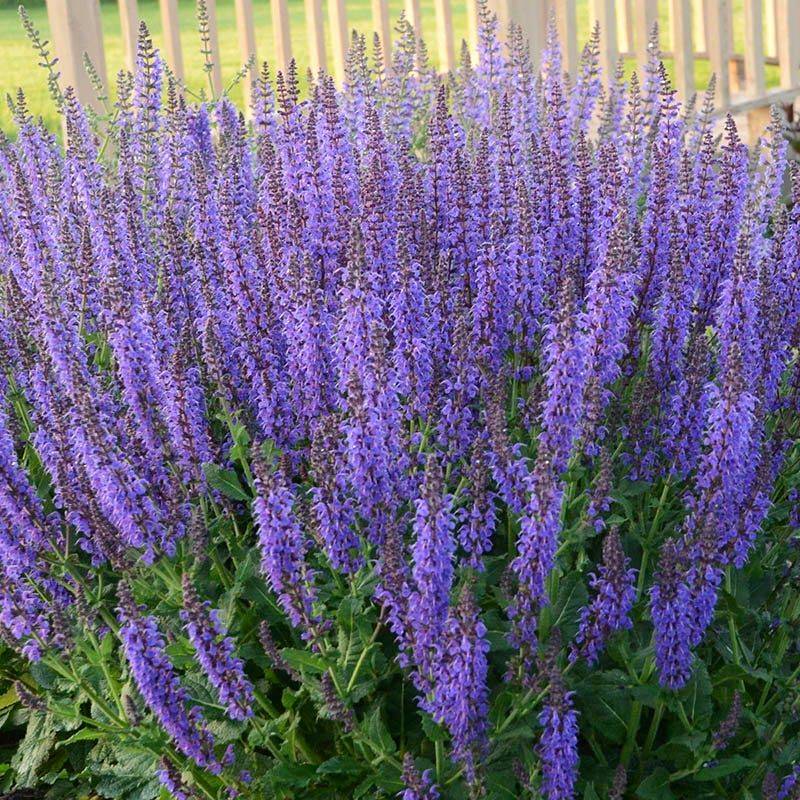
Spikes of deep violet-blue shooting up from tidy clumps make perennial salvia a standout in early summer borders. Small plants establish fast and mound into bushy, aromatic clumps that look years old by their first full season.
The scented leaves pull a bit of extra weight here. That resinous smell tends to keep deer and rabbits browsing elsewhere, and the tightly packed foliage forms a base that leaves little open ground for weeds.
Shear off the spent flower spikes and salvia reblooms, keeping the plant dense and colorful instead of thin and floppy. Hummingbirds and bees mob the flowers all season. Grouped along a walkway, it makes a fragrant, weed-resistant edge that stands up to heat and asks for very little water.
15. Coral Bells (Heuchera)
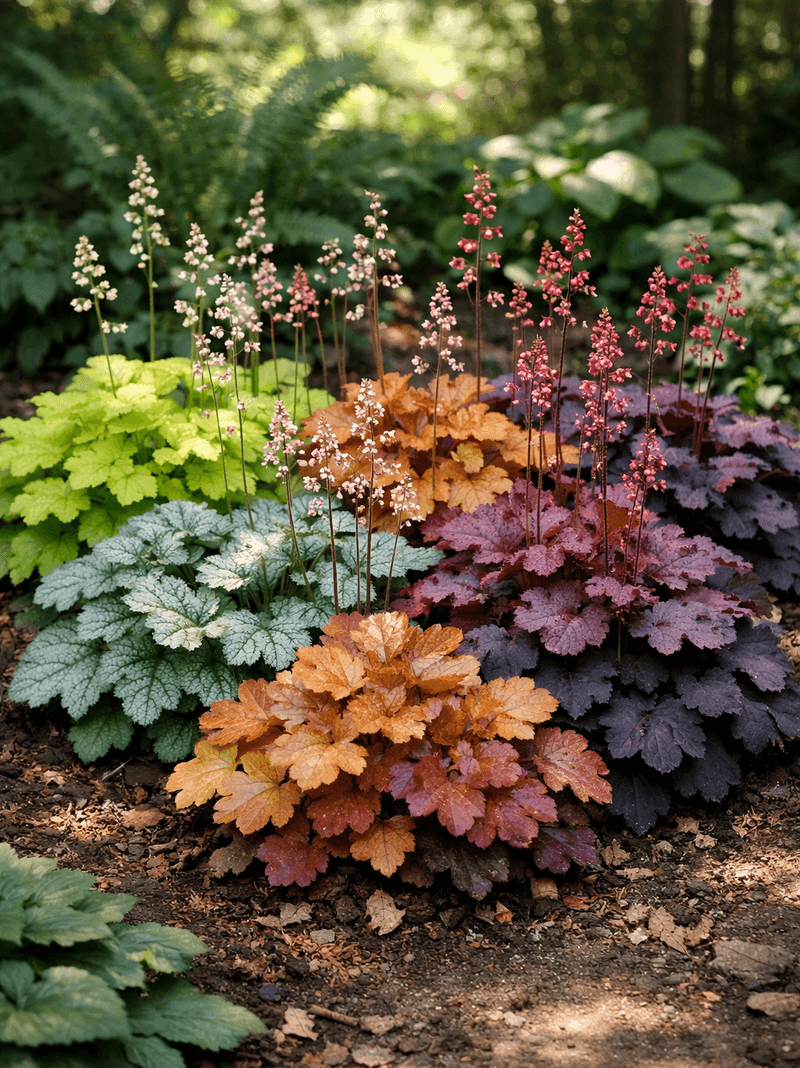
If foliage color is your thing, coral bells deliver leaves in caramel, plum, lime, and near-black that hold their shade all season long. Small plants round out into neat, ruffled mounds within a year, sending up delicate wands of tiny bell flowers.
The rosette shape is quietly practical. Each plant forms a dense, dome-like clump of overlapping leaves that shades its own root zone, keeping weeds from moving in close.
Happy in part shade and adaptable to many soils, heuchera slots into spots between shrubs or along a woodland edge. Plant a run of them in mixed colors and they knit into a low, quilt-like band that suppresses weeds while giving you rich color from spring straight through fall.
16. Sweet Woodruff
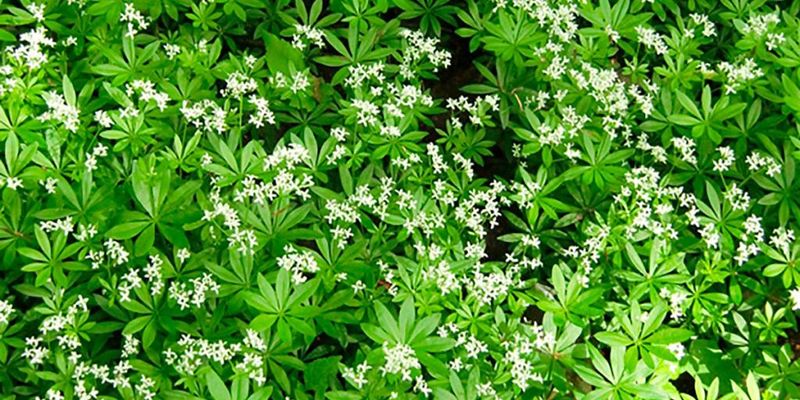
Beneath the trees where grass gives up, sweet woodruff spreads a delicate green carpet dotted with tiny white star flowers each spring. Small starts creep outward by underground runners and fill a shady patch remarkably fast for such a dainty-looking plant.
Its whorled leaves grow so thick and low that weed seeds simply can’t find open soil. When dried, the foliage smells of fresh-cut hay and vanilla, a scent long used to freshen linens.
Cool, moist, shaded ground is exactly where it thrives, which happens to be the same ground weeds love. By colonizing those spots first, sweet woodruff beats the weeds to the punch and forms a soft, fragrant blanket under trees and along shady foundations.
17. Creeping Jenny
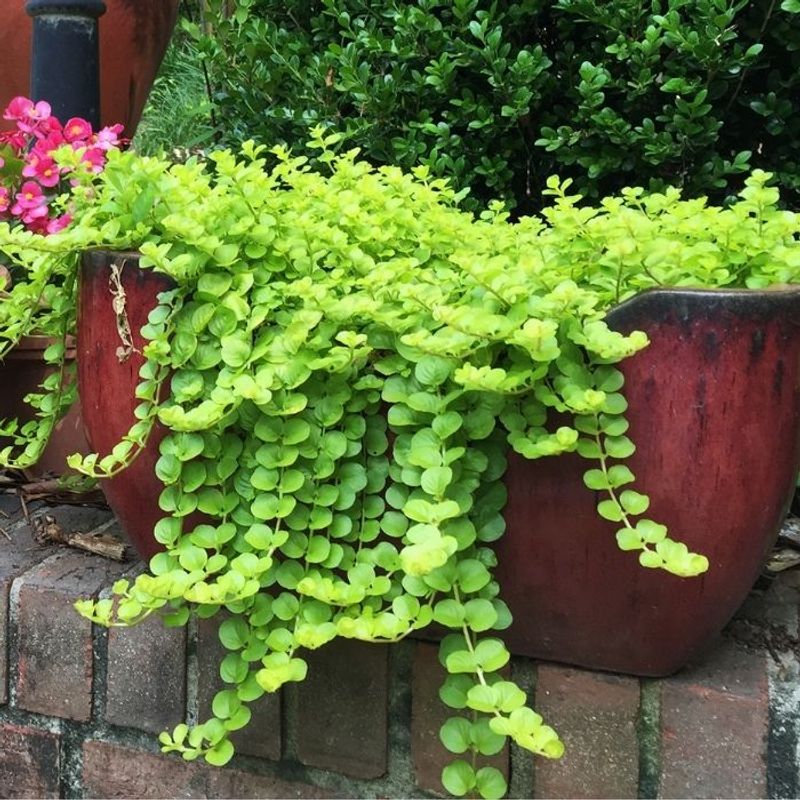
Bright as a splash of golden paint, creeping Jenny sends out trailing stems lined with round, coin-shaped leaves that glow in the shade. Tiny cuttings root as they crawl, so a few plants blanket a moist area within a single season.
The chartreuse ‘Aurea’ variety lights up dark corners like little pools of sunshine, and that vivid, dense growth blocks weeds while it brightens things up. It roots at every node, weaving a tight mat that leaves no gaps.
Damp soil, pond edges, and spots that stay a little wet are its happy place, exactly the areas where weeds tend to thrive. Let it spill from a container or ramble over the ground and it fills in fast, doing the weeding for you.
18. Yarrow
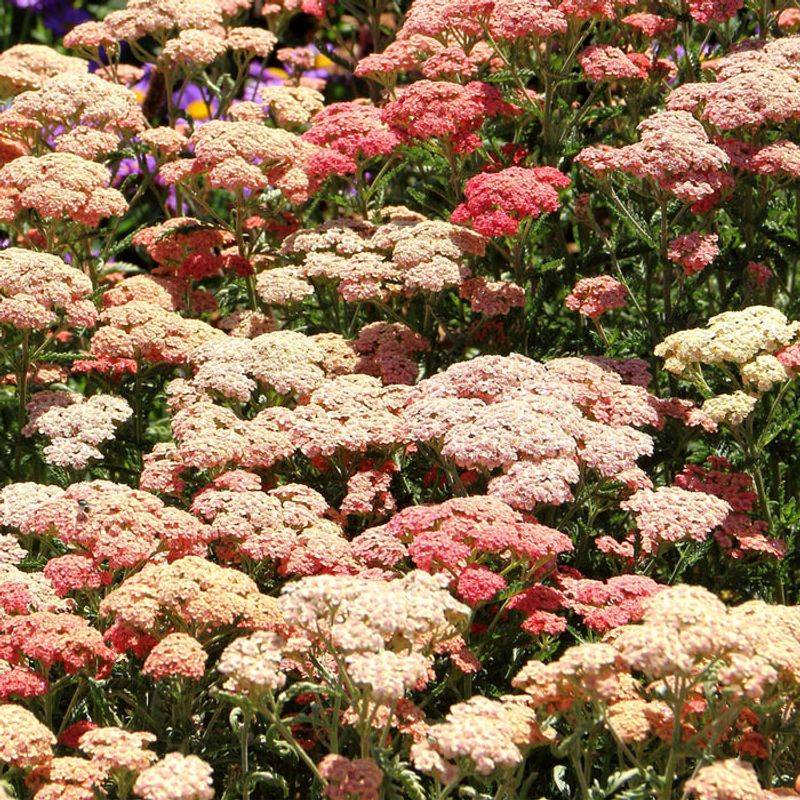
Flat-topped flower clusters in gold, pink, red, and cream sit atop feathery foliage, and yarrow shrugs off the worst conditions your yard can offer. Small plants spread by roots and self-seeding, filling a sunny patch into a soft, ferny stand within a season.
The fine, lacy leaves form a surprisingly dense base at ground level. That thick mat of foliage crowds out weeds, and the aromatic leaves tend to keep browsing critters uninterested.
Poor soil, drought, and blazing sun are no problem, which makes yarrow ideal for the hot, forgotten corners of a US backyard. Pollinators adore the wide flower heads, so your weed-blocking colony hums with butterflies and beneficial insects all summer while asking for almost nothing in return.
19. Barren Strawberry
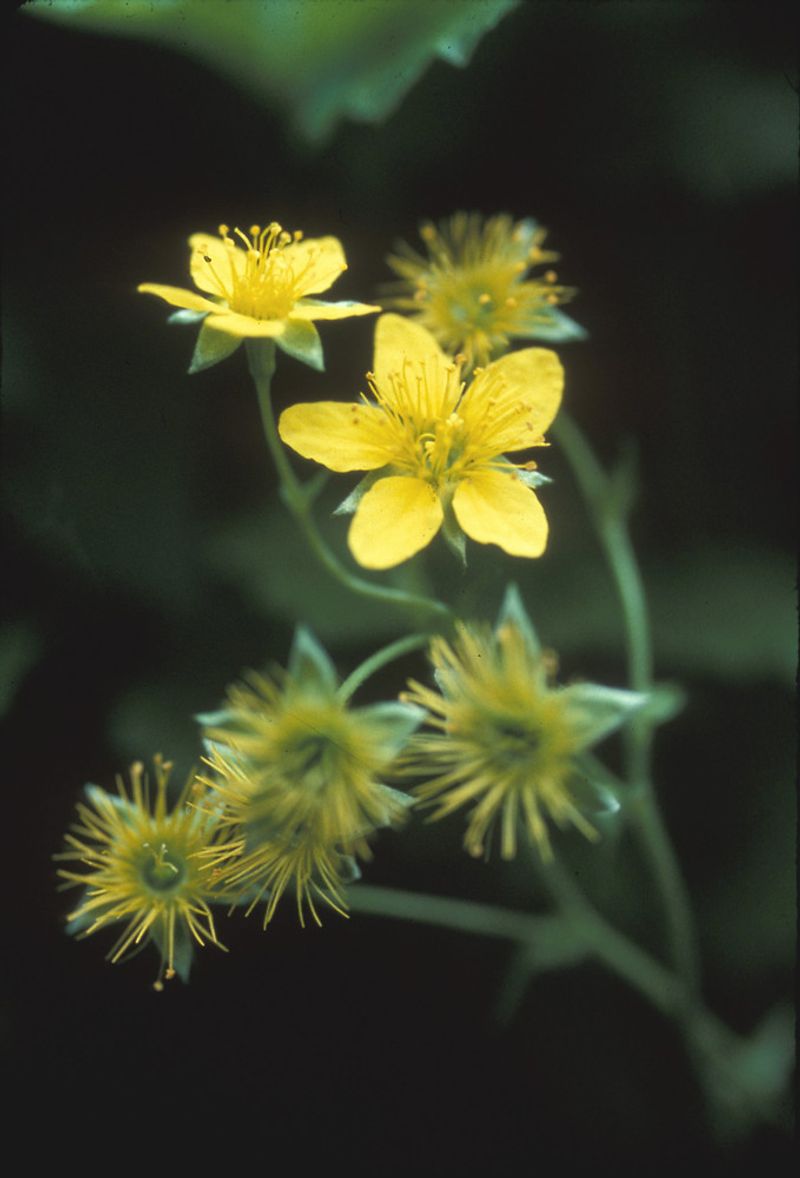
All the good looks of a strawberry plant with none of the mess, barren strawberry offers glossy trifoliate leaves and cheerful yellow flowers without producing edible fruit. Small plants send out runners and knit into a low, evergreen carpet fast.
Its tidy, spreading habit is the reason gardeners reach for it as a lawn alternative. The leaves stay dense and close to the ground year-round in mild zones, leaving weeds no daylight to work with.
Tough enough for foot traffic and adaptable to sun or part shade, it handles slopes and awkward strips that are a pain to mow. Set out a handful of plugs and they mesh into a smooth, weed-suppressing mat that needs mowing never and weeding rarely.
20. Snow-in-Summer
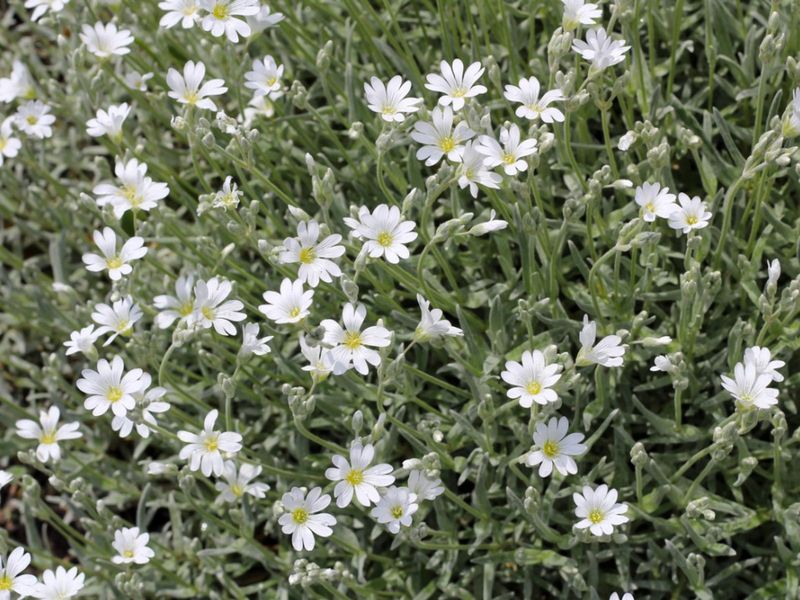
True to its name, snow-in-summer buries its silvery foliage under a drift of pure white flowers each June, looking for all the world like a late snowfall. Small plants sprawl quickly into wide, felted silver mats that fill sunny, dry ground in short order.
The silvery leaves aren’t just pretty; they reflect heat and hold up in tough, gritty soil where weeds might otherwise move in. That dense, woolly carpet stays put and blocks light from the soil below.
Rock gardens, wall tops, and hot slopes are where it truly belongs, spilling and spreading with abandon. Give it good drainage and full sun and a few starter plants will merge into a shimmering, weed-smothering blanket by the following summer.
21. Dianthus (Pinks)
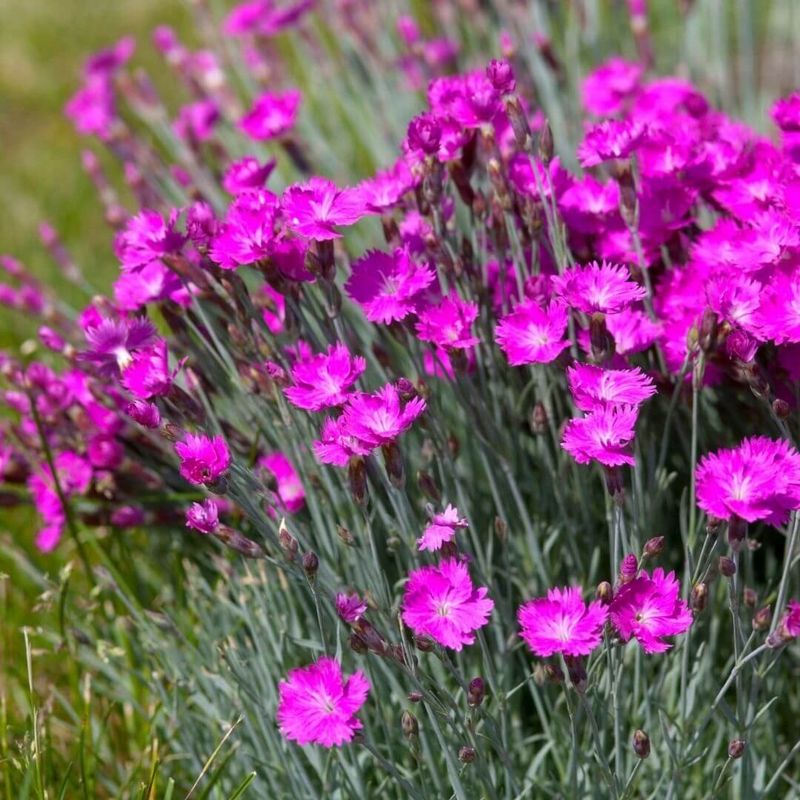
Lean in close to a patch of dianthus and you’ll catch a sweet clove-and-cinnamon fragrance drifting up from the frilly little flowers. Small plants form tight, blue-green cushions that broaden season by season into fragrant, weed-blocking tuffets.
That mounded, grassy foliage is its secret weapon. The clumps grow so compact and dense that they leave virtually no bare soil, and the spicy scent seems to discourage some nibbling pests too.
Sun and sharp drainage keep it blooming, and deadheading brings on more of those ruffled pink, red, and white flowers. Edge a walkway or fill a rock garden pocket with pinks, and you get a low, aromatic border that holds the line against weeds while perfuming the air.
22. Wild Ginger
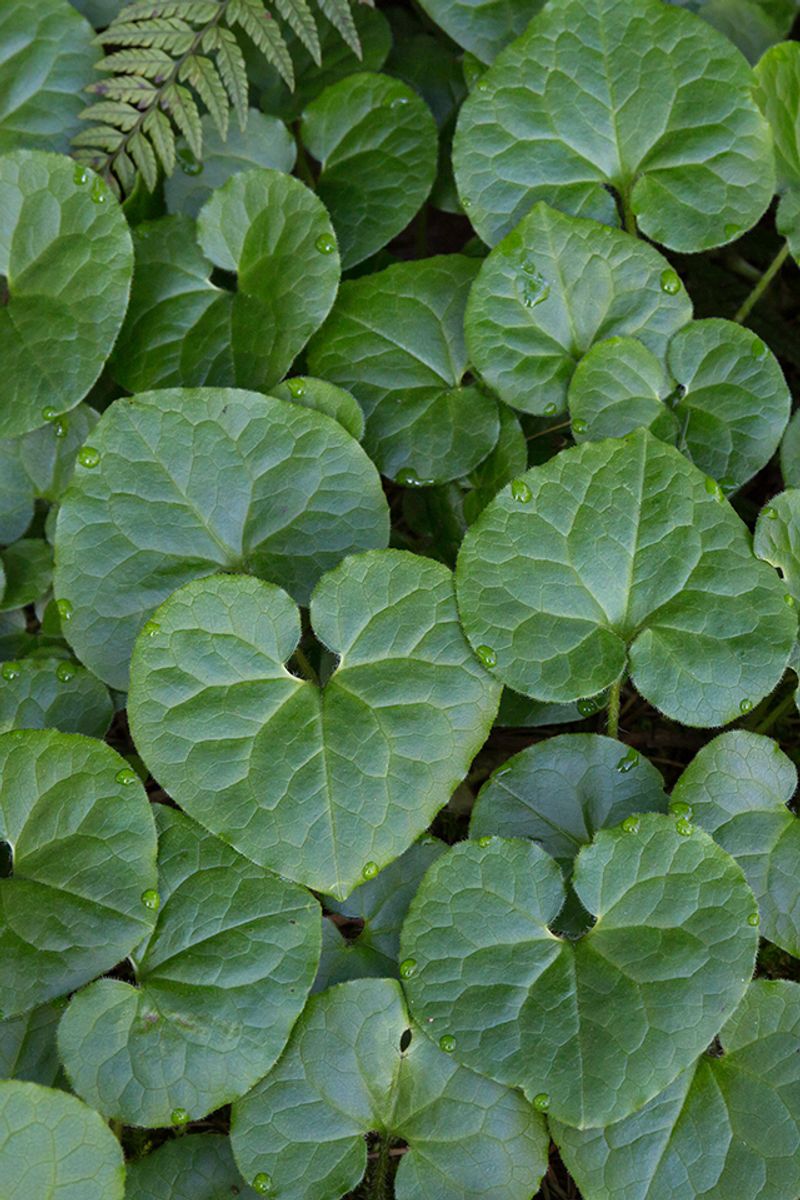
Deep in the shady understory, wild ginger lays down a lush carpet of heart-shaped leaves that looks like it belongs on a woodland floor. Small plants spread slowly but steadily by creeping rhizomes, and within a season or two they mesh into solid, glossy cover.
The overlapping leaves grow low and thick, shading out weeds in the deep shade where few other groundcovers bother to try. Native species also support local insects and give a natural, forest-floor feel to a shade garden.
Rich, moist soil under trees is its ideal home, exactly the spot where mulch washes away and weeds sneak in. Once wild ginger fills in, it holds that ground firmly, giving you a handsome, weed-resistant carpet in the toughest shade you’ve got.
23. Creeping Veronica (Speedwell)
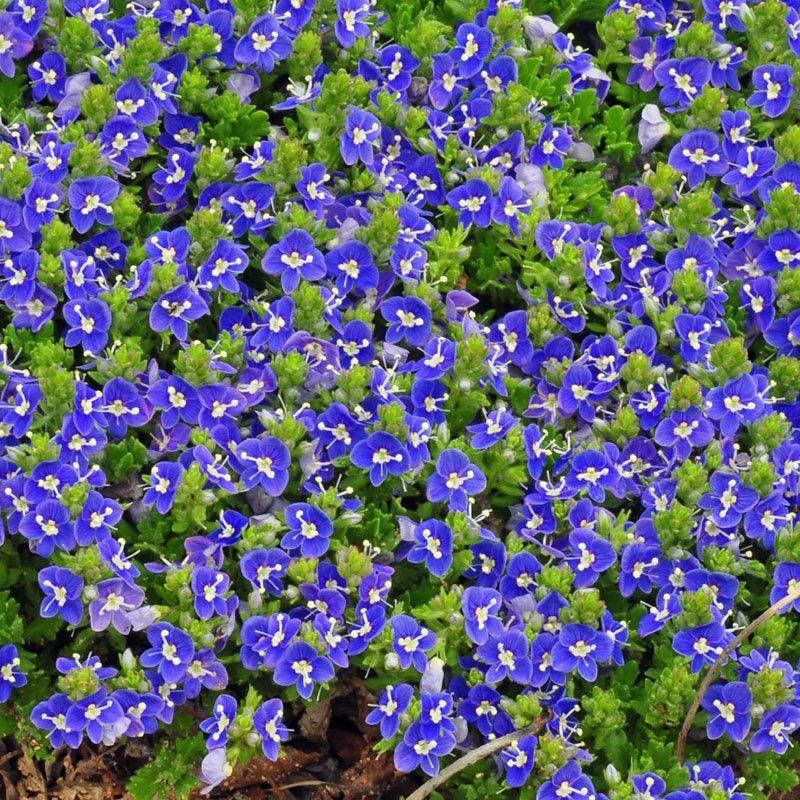
Low and unassuming most of the year, creeping veronica surprises everyone in spring when it disappears under a sheet of tiny blue flowers. Small plugs spread outward into flat, ground-hugging mats that fill in fast and take light foot traffic in stride.
Its dense, fine-leaved habit is what keeps weeds down. The mat grows so tight and low that it works as a living lawn alternative, leaving no daylight for weed seeds sitting in the soil below.
Sun or part shade both suit it, and it isn’t fussy about soil, making it easy to slip between pavers or across a small open area. A scattering of starter plants will merge into a continuous carpet by next summer, giving you color in spring and quiet weed control all year.