
8 Real Reasons Your Hydrangeas Grow Leaves But Never Bloom (And The Hidden One Most People Miss)
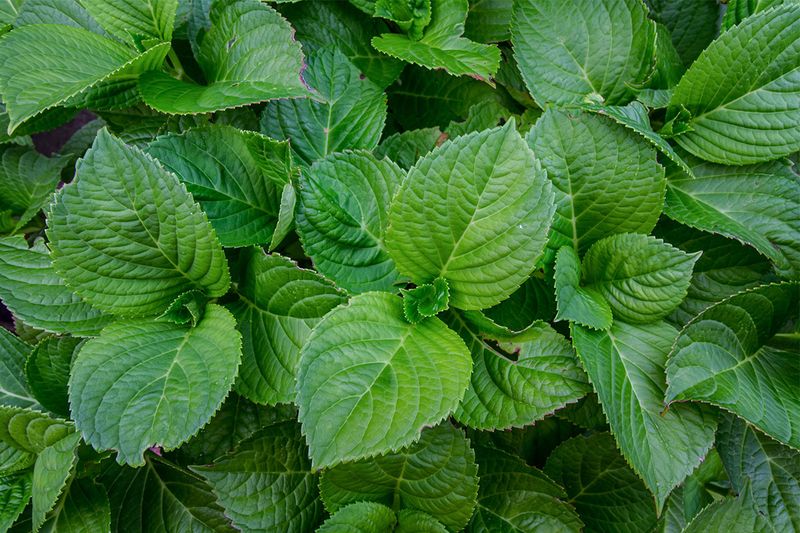
A hydrangea full of lush green leaves but not a single flower can leave you scratching your head, especially when the plant looks perfectly healthy. The truth is, leafy growth and flower production are two separate things, and a thriving canopy of foliage does not guarantee that flower buds ever made it through the season.
Most gardeners assume something is wrong with the soil or the watering, but the real culprit is often something that happened months earlier. This guide walks through eight verified reasons your hydrangea may have skipped a bloom season, so you can diagnose the problem before reaching for fertilizer or pruning shears.
Leaves Do Not Guarantee Flowers
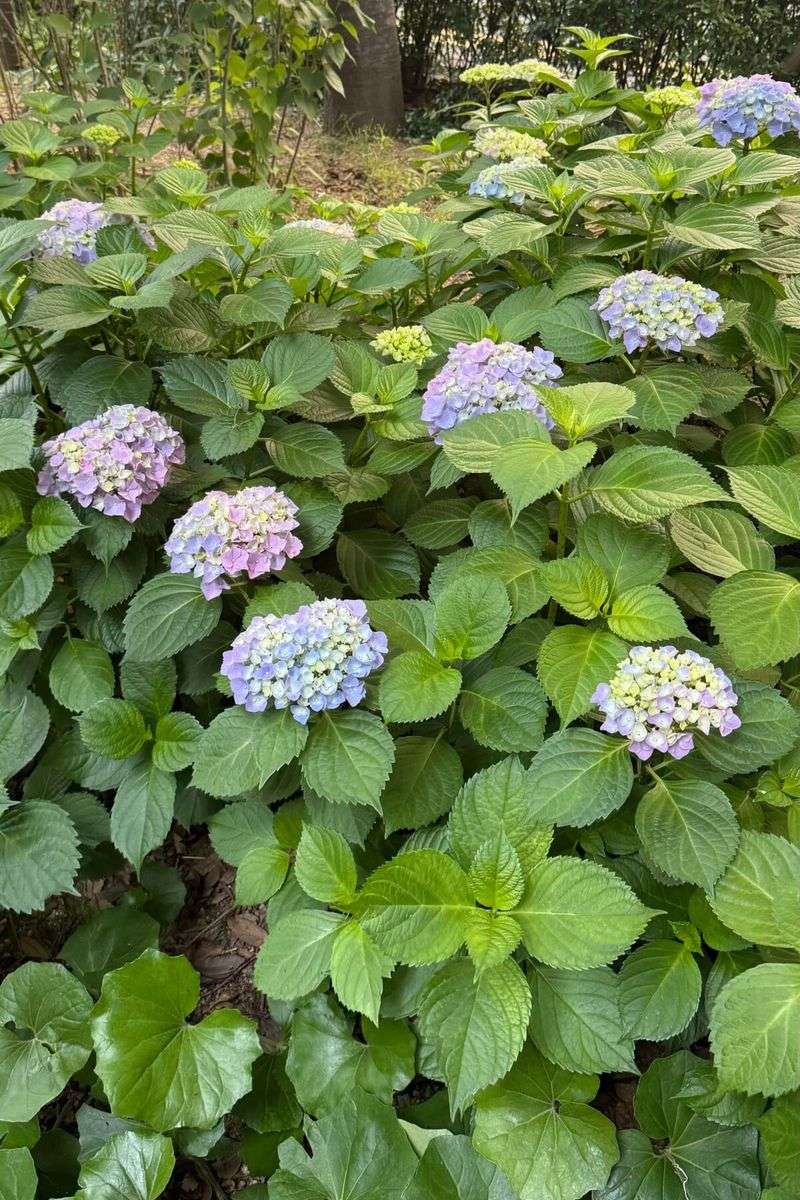
Healthy leaves are easy to mistake for a sign that everything is fine, but a hydrangea can produce a full canopy of green growth even when its flower buds were lost months ago. Vegetative buds and flower buds are separate structures, and cold damage, pruning at the wrong time, or deer browsing can wipe out the flower buds while leaving the vegetative buds completely intact.
The result is a plant that looks vigorous in every way except the one you were waiting for.
Washington State University’s Hortsense fact sheet on hydrangea failure to bloom confirms that a plant can leaf out normally even when its flower buds did not survive winter, because the two bud types respond differently to cold stress. That distinction matters a lot when you are trying to figure out what went wrong, because it means you cannot use leaf health as proof that the plant is ready to flower.
A commonly overlooked possibility, and the one worth checking first, is that the flower buds were removed or killed before spring even arrived. This guide addresses a missing bloom season, not a verdict that the plant will never flower again.
University of Maryland Extension’s hydrangea problem guide lists pruning at the wrong time, winter injury, late frost, inadequate light, drought stress, excess nitrogen, deer browsing, and plant age as verified causes, and each one requires a slightly different response. The diagnostic sequence in the sections below starts with species identification and works outward from there.
Identify the Hydrangea Before You Diagnose It
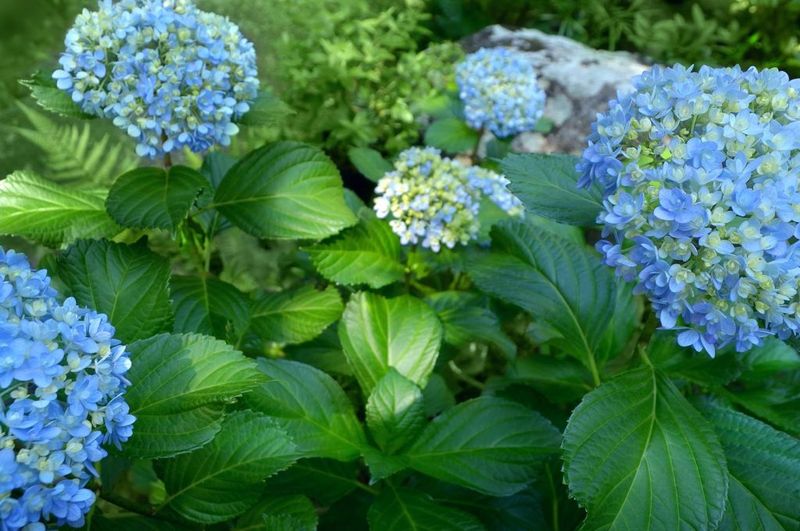
Before any other diagnosis makes sense, you need to know what kind of hydrangea you are actually dealing with. The single most important distinction is whether the plant blooms on old wood, new wood, or both, because that one fact changes nearly every piece of pruning and care advice you might read.
Bigleaf hydrangeas (Hydrangea macrophylla), including mopheads and lacecaps, and oakleaf hydrangeas (Hydrangea quercifolia) are old-wood bloomers. They form their flower buds on stems that grew the previous season, so anything that damages or removes those stems over winter or early spring takes the flowers with it.
Panicle hydrangeas (Hydrangea paniculata) and smooth hydrangeas (Hydrangea arborescens) are new-wood bloomers. They form buds on the current season’s growth, so they are far more forgiving of winter pruning and cold snaps.
Clemson Cooperative Extension’s pruning guide makes clear that advice for one group cannot be transferred directly to the other, which is why a neighbor’s tip about cutting back in fall may work beautifully on their ‘Limelight’ panicle hydrangea and ruin your next bloom season on a bigleaf.
Some modern bigleaf cultivars, including many in the Endless Summer and Let’s Dance series, were bred to rebloom on both old and new wood. They offer more flexibility, but performance still depends on conditions, and the pruning window still matters.
University of Maryland Extension’s pruning resource recommends checking the plant tag, cultivar name, or bloom timing to sort out which type you have before doing anything else.
If the tag is long gone, look at the flower head shape, the leaf texture, and when it last bloomed. Rounded mophead clusters and large, rough-textured leaves usually point to a bigleaf.
Cone-shaped flower heads typically signal a panicle type. Getting this right is the foundation for every other step in this guide.
Wrong-Time Pruning Can Remove Next Year’s Flowers
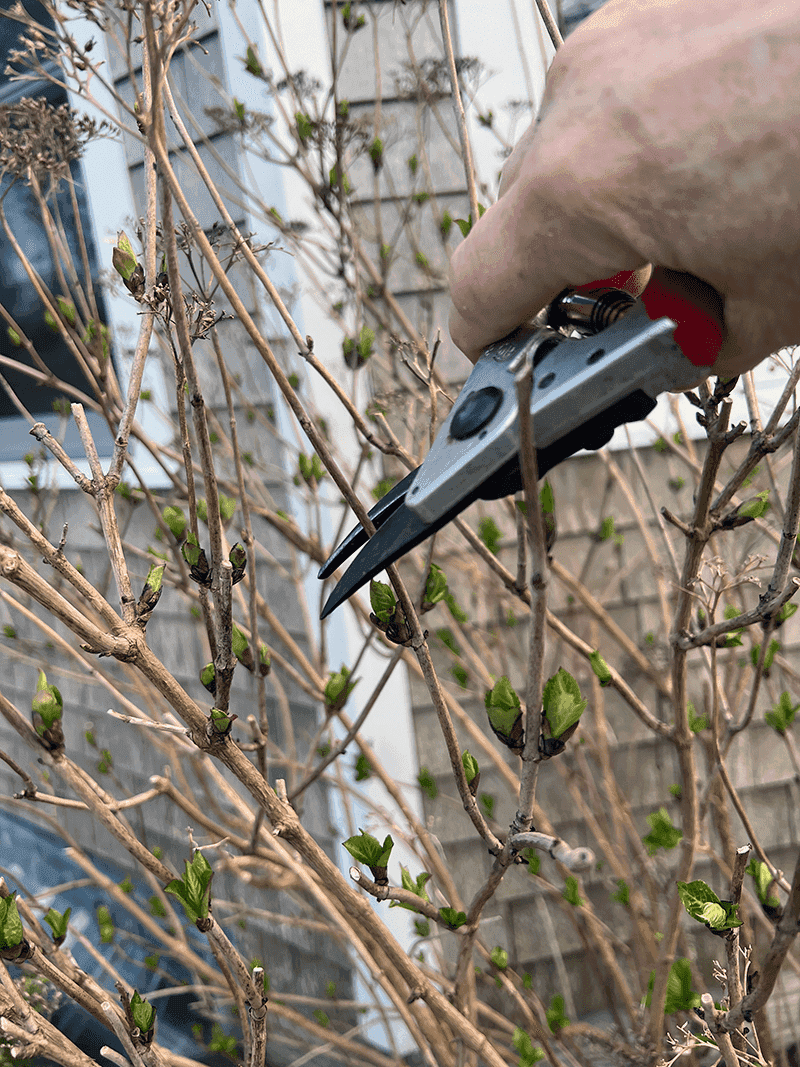
Pruning at the wrong time of year is one of the most common reasons a bigleaf or oakleaf hydrangea produces plenty of leaves and zero flowers. These plants set their flower buds on the previous season’s stems, often as early as late summer.
A tidy fall cleanup, a hard cutback in late winter, or even a well-meaning shaping session in early spring can remove every bud that was waiting to open, leaving the plant to leaf out normally while producing no flowers at all.
University of Maryland Extension’s pruning guide recommends pruning bigleaf and oakleaf hydrangeas immediately after they finish flowering, if pruning is truly necessary, and avoiding routine fall, winter, or early-spring cuts. That timing window exists because the buds for next year form shortly after the current-year flowers fade.
Cut too late in the season or too early in the following year, and you are cutting off next year’s display.
Panicle and smooth hydrangeas work on a completely different schedule. Because they bloom on current-season growth, they can generally be pruned in late winter or early spring without sacrificing flowers.
Clemson’s hydrangea pruning resource notes this distinction clearly, and it is why pruning advice that sounds perfectly reasonable for one species can be counterproductive for another.
If you are unsure what type you have, the safest move right now is to leave the existing stems alone. Do not prune until after you have confirmed the bloom type and, ideally, after the plant has had a chance to show you where the buds are forming.
For reblooming bigleaf cultivars, some sources suggest removing only the spent first-flush stems rather than cutting the whole plant back, but check the guidance specific to your cultivar before acting, because recommendations vary. Holding off on any pruning this season costs nothing and preserves whatever bud potential the plant still has.
Cold Can Kill Buds While Leaves Survive
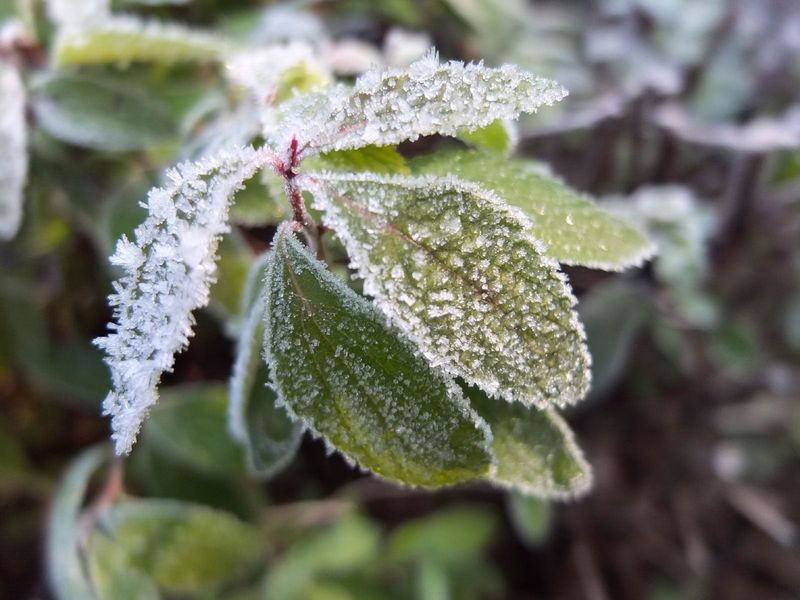
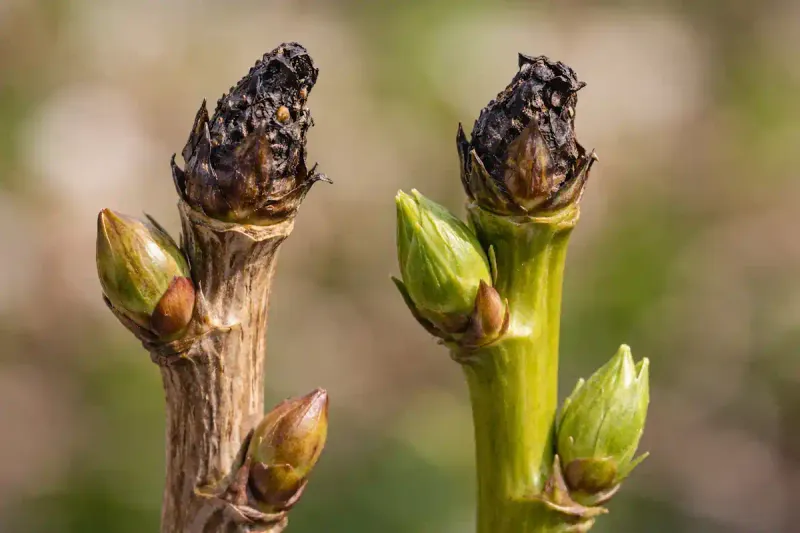
A hard winter or a late spring frost can kill flower buds on a bigleaf or oakleaf hydrangea without touching the vegetative buds that produce leaves. The plant may green up beautifully in spring, looking completely normal, while every potential flower was already dead.
This is one of the most frustrating scenarios for gardeners because the plant gives no obvious distress signal.
Washington State University’s Hortsense explains that old-wood cultivars face particular risk because their flower buds sit on exposed older stems through the winter months. Severe cold, repeated temperature swings, an early fall freeze before the plant has hardened off, or a late frost after the buds have begun to swell can all cause bud death.
The vegetative buds that push out leaves are generally more cold-tolerant, so they survive and grow even when the flower buds did not.
UMass Amherst’s fact sheet on why Hydrangea macrophylla fails to flower notes that bigleaf hydrangeas can miss a bloom season after unfavorable winter or spring conditions even when planted correctly and cared for well. That framing matters: a single weather-damaged season reflects conditions, not a persistent care mistake, and the plant may bloom normally the following year if winter is milder.
To check whether cold was the cause, examine the stem tips in early spring before growth begins. Score the bark lightly with a fingernail or a small knife.
Green tissue underneath means the bud is alive. Brown or tan tissue signals cold damage.
Panicle and smooth hydrangeas are far less vulnerable to this problem because they form fresh buds each spring on new growth, regardless of what winter did to last year’s stems.
Light and Moisture Limit Flowering
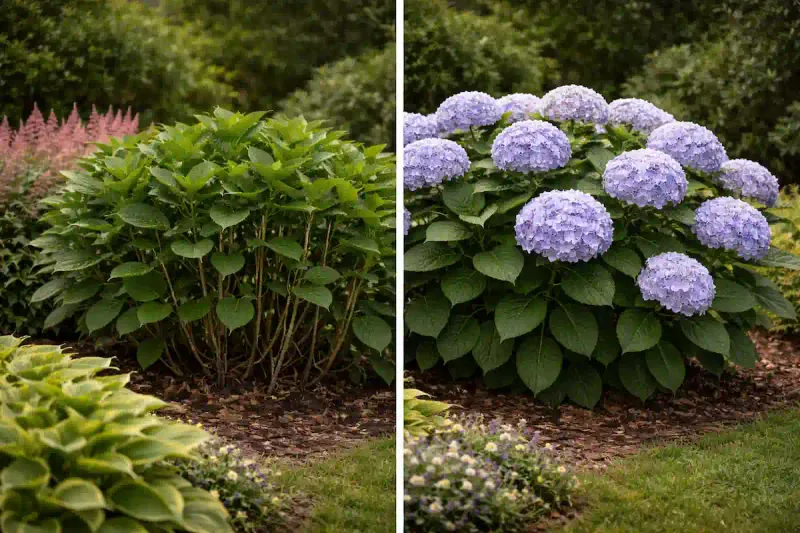
Where a hydrangea is planted and how consistently it receives water can quietly suppress flowering even when the foliage looks perfectly fine. Too much shade is a real problem, but the solution is not simply to move the plant into full sun, because many hydrangeas suffer in hot, exposed conditions just as much as they do in deep shade.
University of Illinois Extension’s hydrangea care guide explains that light requirements vary by species. Bigleaf hydrangeas generally perform well with morning sun and afternoon shade, especially in warmer climates where afternoon heat can stress the plant and reduce flowering.
Panicle hydrangeas tend to tolerate or even prefer more direct sun than bigleaf types. Prescribing full sun for every hydrangea is an oversimplification that can lead to heat stress, chronic wilting, and reduced bloom rather than more flowers.
Water stress is a subtler issue. Drought can suppress flowering even when the foliage still looks reasonably healthy, because the plant prioritizes basic survival over reproduction.
However, midday wilting is an unreliable indicator of drought on its own. University of Maryland Extension notes that some hydrangeas wilt during high daytime temperatures even when soil moisture is adequate, particularly in full sun.
Before increasing irrigation, push a finger or a soil probe two to three inches into the ground. If the soil feels dry at that depth, watering is warranted.
If it feels moist, wilting is likely a heat response rather than drought.
Consistent moisture throughout the growing season supports flower development, and a two- to three-inch layer of mulch can help retain soil moisture between waterings, especially in sunnier spots. Avoid keeping the soil continuously waterlogged, which can damage roots and create its own set of problems.
The goal is steady, not excessive, moisture.
Excess Nitrogen Can Favor Leaves Over Flowers
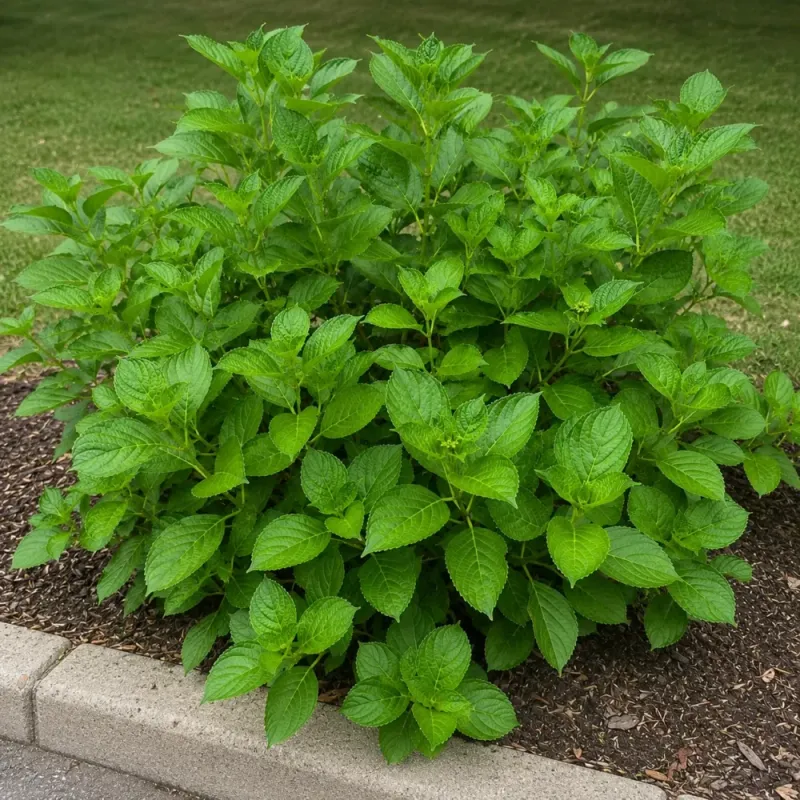
Vigorous green growth on a hydrangea that refuses to bloom is sometimes a sign of excess nitrogen, though lush leaves alone are not enough to confirm it. Nitrogen promotes vegetative growth, and when a plant receives more than it needs, it may channel that energy into producing stems and foliage rather than flowers.
This is especially worth considering if the hydrangea grows near a lawn that receives regular fertilizer treatments, or if you have been feeding the shrub repeatedly through the season.
University of Maryland Extension’s problem guide lists excess nitrogen as one possible cause of abundant foliage paired with reduced flowering. The key word is “possible.” Pruning history, winter injury, shade, drought, deer browsing, and plant age all need to be ruled out before blaming fertilizer.
A plant that has never been overfed but blooms on old wood and was pruned at the wrong time will show the same leafy-but-flowerless pattern for an entirely different reason.
Bone meal is sometimes recommended as a bloom booster, but adding phosphorus without knowing your soil’s current nutrient levels is not a reliable fix and can create other problems. Soil phosphorus levels in many established gardens are already adequate or even high, and unnecessary additions can interfere with the uptake of other nutrients.
Penn State Extension’s soil testing program recommends testing before applying any fertilizer or amendment, and a basic soil test is inexpensive and widely available through cooperative extension offices.
Soil pH is a separate topic that sometimes gets tangled into fertilizer conversations. pH primarily influences flower color in susceptible bigleaf hydrangeas, shifting blooms between blue and pink. It is not a universal trigger for flowering, and adjusting pH with lime, sulfur, or aluminum sulfate will not make a non-blooming hydrangea produce flowers.
Deer, Plant Age, and Greenhouse Origins Add Clues
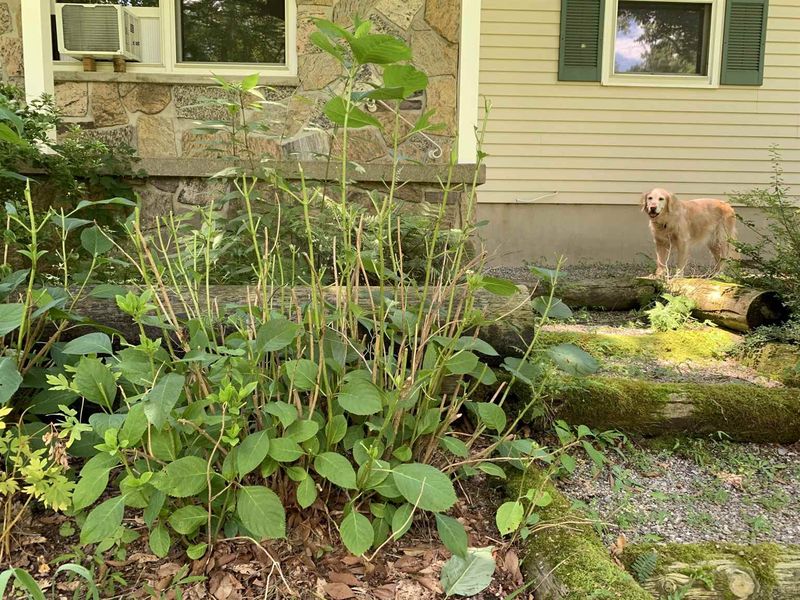
Not every flowerless hydrangea was pruned at the wrong time or hit by frost. Three other causes are worth checking once the obvious suspects have been ruled out: deer browsing, plant youth, and the origin of the shrub itself.
Deer are efficient and quiet, and they tend to browse the tender stem tips where flower buds are concentrated. University of Maryland Extension points to clipped stems, missing terminal buds, and browsing damage concentrated on the accessible side of the shrub as the telltale signs.
Unlike frost damage, which tends to affect exposed stems uniformly, deer damage is often uneven and shows the clean diagonal cut of a bite rather than the brown, shriveled tissue of cold injury. If your yard has deer pressure, this is worth checking before assuming a pruning or fertilizer problem.
Plant age matters more than many gardeners expect. Iowa State University Extension notes that some hydrangeas, particularly climbing and oakleaf types, may not bloom reliably during the first two or three years after planting.
A newly planted or transplanted shrub is often focused on root and stem establishment, and a skipped bloom season during that period is normal rather than alarming. If your plant went into the ground within the last couple of years and the foliage looks healthy, patience may be the most practical response.
Florist or gift hydrangeas deserve their own mention. Plants sold in bloom around Easter or Mother’s Day are often greenhouse-produced bigleaf types that were forced to flower under controlled conditions.
Penn State Extension explains that the flower buds on these plants may not be reliably winter-hardy in colder regions. The shrub can survive at the roots and produce normal foliage in spring, yet fail to bloom because the top growth or buds were killed over winter.
If you received your hydrangea as a gift, knowing its origin helps set realistic expectations about what it will do once it moves outdoors permanently.
Follow a Diagnosis-First Rescue Plan
The most useful thing you can do right now costs nothing: work through a short, ordered checklist before touching the plant or buying anything. Start by confirming the species or cultivar so you know whether you are dealing with an old-wood, new-wood, or reblooming type.
That single fact determines whether fall pruning was a problem and whether this season’s buds are already gone or still forming.
Next, inspect the stems for signs of cold or browsing damage. Score the bark lightly near the tips to check whether the tissue underneath is green or brown.
Look for the clean cuts and missing terminal buds that indicate deer. Review your pruning history honestly, including whether any fall or late-winter cleanup removed stems on an old-wood type.
Then assess the site: how many hours of direct sun does the plant receive, and has soil moisture been consistent? University of Maryland Extension’s pruning guide advises preserving surviving old wood on bigleaf and oakleaf types until the correct post-flowering window, rather than removing stems preemptively.
Check fertilizer history and proximity to a lawn fertilization program before concluding that nutrients are the issue. If amendments seem warranted, run a soil test first.
Penn State Extension’s soil testing guidance outlines how to get an accurate read before applying anything. On the topic of deadheading: removing spent flowers may encourage faster rebloom in cultivars capable of repeat flowering, but it cannot prompt a non-reblooming cultivar to produce new flowers on demand, as University of Connecticut Extension’s hydrangea fact sheet makes clear.
A weather-damaged or newly planted shrub may simply need another season. Persistent failure after two or more years calls for reviewing the diagnosis, not adding more products.
The gardener who diagnoses first and intervenes second almost always ends up with more flowers.