
9 Reasons North Carolina Gardeners Should Grow Okra In Every Backyard Every Summer
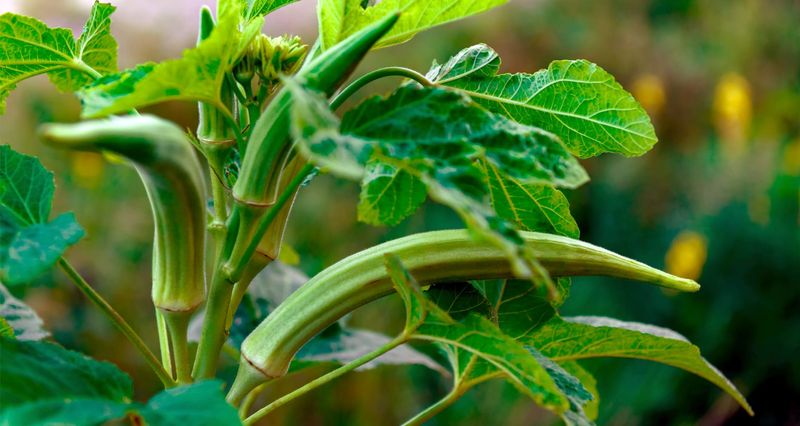
If your other summer vegetables wilt the second the North Carolina heat cranks up, okra is the tough, cheerful plant that keeps right on going. It handles our sticky Piedmont summers, feeds pollinators, and hands you dinner for months.
Best of all, it fits into a wildlife-friendly backyard without needing a pile of chemicals. Here are nine solid reasons to tuck a few okra plants into your yard this year.
1. Thrives in North Carolina’s Summer Heat
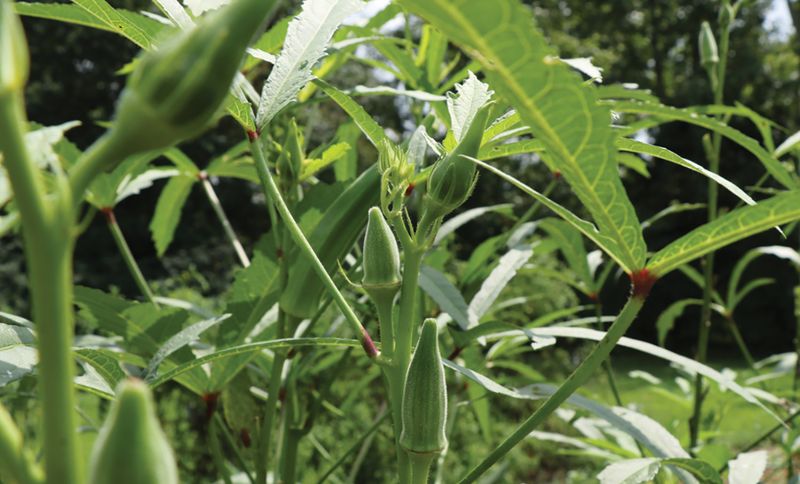
Most gardeners have watched their tomatoes sulk and their lettuce bolt the moment a July heat wave rolls through the Piedmont. Okra does the opposite.
It practically stretches toward the sun and grows faster the hotter it gets.
Okra is a true warm-season crop, and it keeps producing even when the thermometer pushes past 90 degrees. Those muggy Coastal Plain afternoons that flatten other plants are exactly the conditions it loves.
That makes it one of the most dependable things you can plant when the rest of the garden is struggling. While your neighbors are babying their fussy vegetables, your okra will be quietly cranking out pods week after week.
2. Handles NC’s Dry Spells With Ease
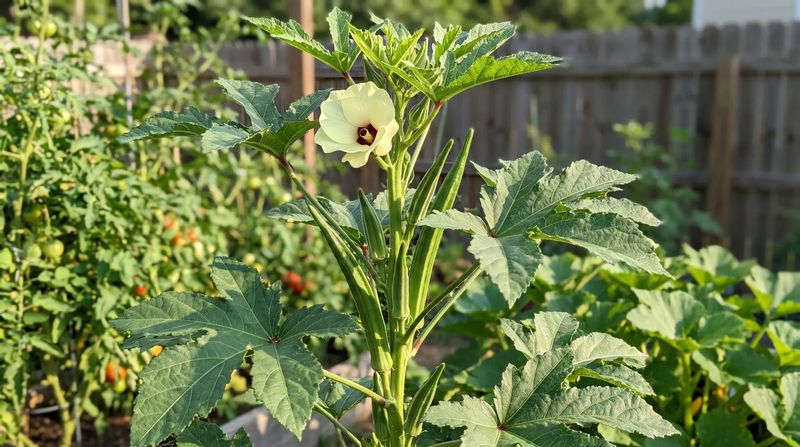
North Carolina summers can swing from soggy thunderstorms to weeks with barely a drop. That unpredictability wrecks a lot of shallow-rooted vegetables, but okra shrugs it off.
Okra sends down a deep taproot that lets it pull moisture from far below the surface. So when a dry spell settles over your yard, it can coast through with far less watering than most crops need.
You will still get the best harvest with steady moisture, but the plant forgives you if life gets busy and the hose stays coiled. For a backyard steward trying to save water during a hot stretch, that resilience is a real gift.
3. Draws Bees and Butterflies to Your Yard
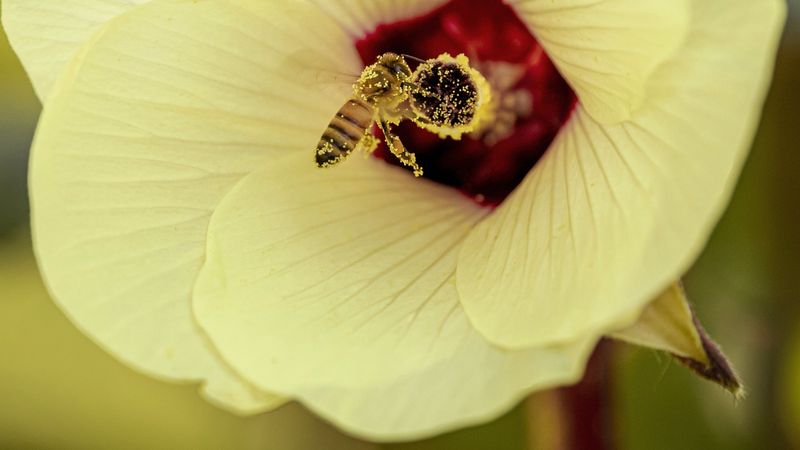
Okra blossoms look like small hibiscus flowers, creamy yellow with a deep maroon center, and pollinators cannot resist them. Bees and butterflies show up all summer long to visit each bloom.
There is even a specialist bee named for the plant, the okra bee (Ptilothrix bombiformis), sometimes called the rose mallow bee, that plays a real role in pollinating those flowers. Spotting one at work in your own yard feels like a small nature discovery.
Every flower you grow becomes a little fuel stop for the native pollinators a healthy North Carolina yard depends on. That means a livelier, buzzier backyard and better fruit set across your whole garden.
4. Shrugs Off Most Common Garden Pests
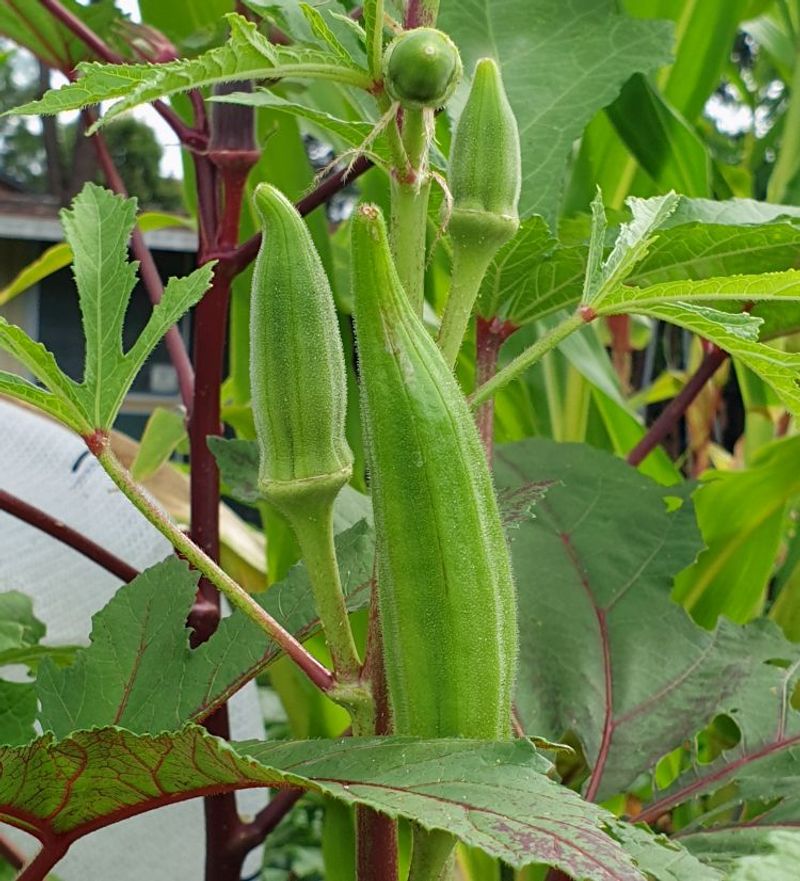
Ask anyone who has fought Japanese beetles on their roses and they will tell you how relentless those pests can be. Okra mostly gets left alone.
Damage from the usual backyard troublemakers tends to be minor and cosmetic.
Because the plant rarely needs rescuing, you can skip the chemical sprays that drift onto everything else in your yard. That keeps your borders safer for the box turtles, fireflies, and songbirds you are working to protect.
Fewer pesticides means a healthier little ecosystem overall. Growing something this low-maintenance lets you be a better steward without extra effort.
5. Rolls Out the Welcome Mat for Beneficial Insects
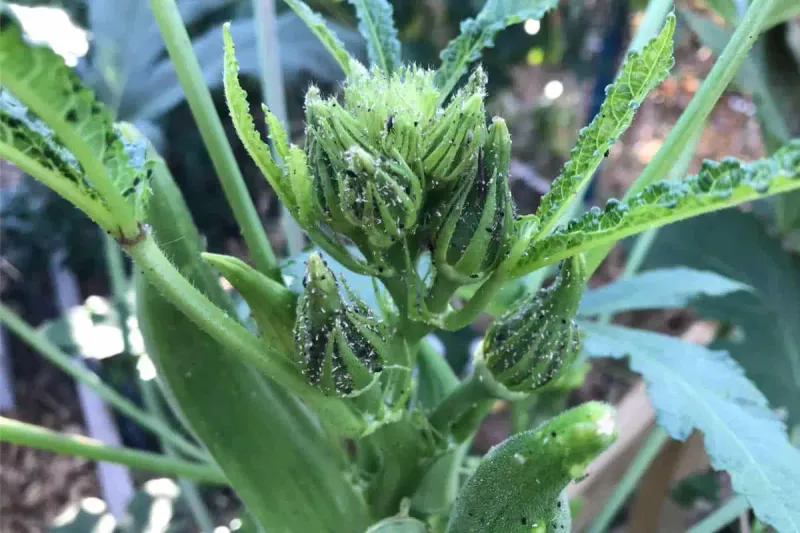
Here is a nice bonus most gardeners never expect: okra does not just avoid pests, it actively supports the good bugs. Ladybugs, lacewings, and tiny parasitic wasps all find a home among its leaves.
Those helpers earn their keep by hunting down aphids and other soft-bodied nuisances before they can spread. In a way, your okra plants become a headquarters for your yard’s natural pest patrol.
Once that balance takes hold, the whole garden gets easier to manage. Nature does the policing, and you get to enjoy watching the ladybugs go about their work.
6. Doubles as a Stunning Ornamental Plant
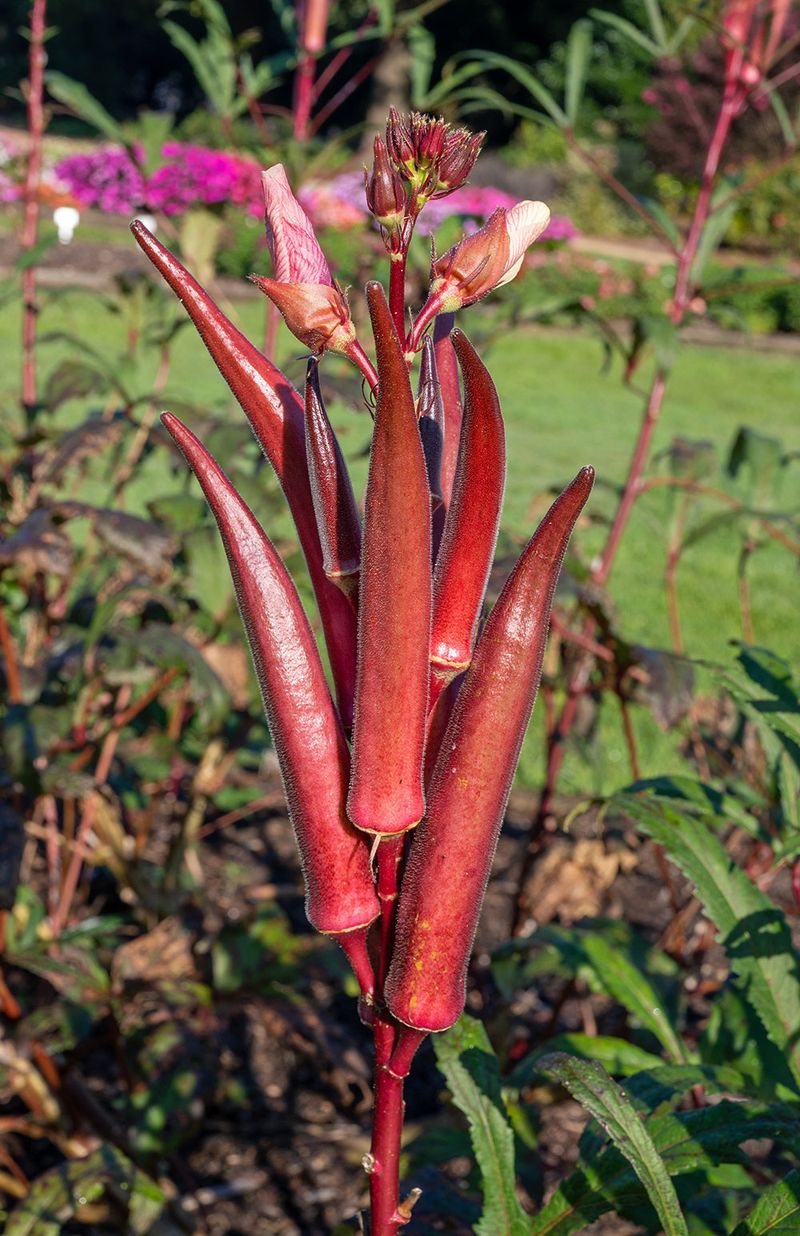
Who says a vegetable cannot be beautiful? Okra grows tall and stately, topped with those elegant hibiscus-style blooms that would look right at home in a flower bed.
Try a variety like ‘Burgundy’ and you get bold red stems and deep crimson pods that add real drama to a border. Tucked among your ornamentals, it blurs the line between the pretty garden and the productive one.
Neighbors will ask what that gorgeous plant is, and you get to tell them it is dinner. Few backyard crops give you this much curb appeal along with a harvest.
7. Keeps the Harvest Coming All Summer
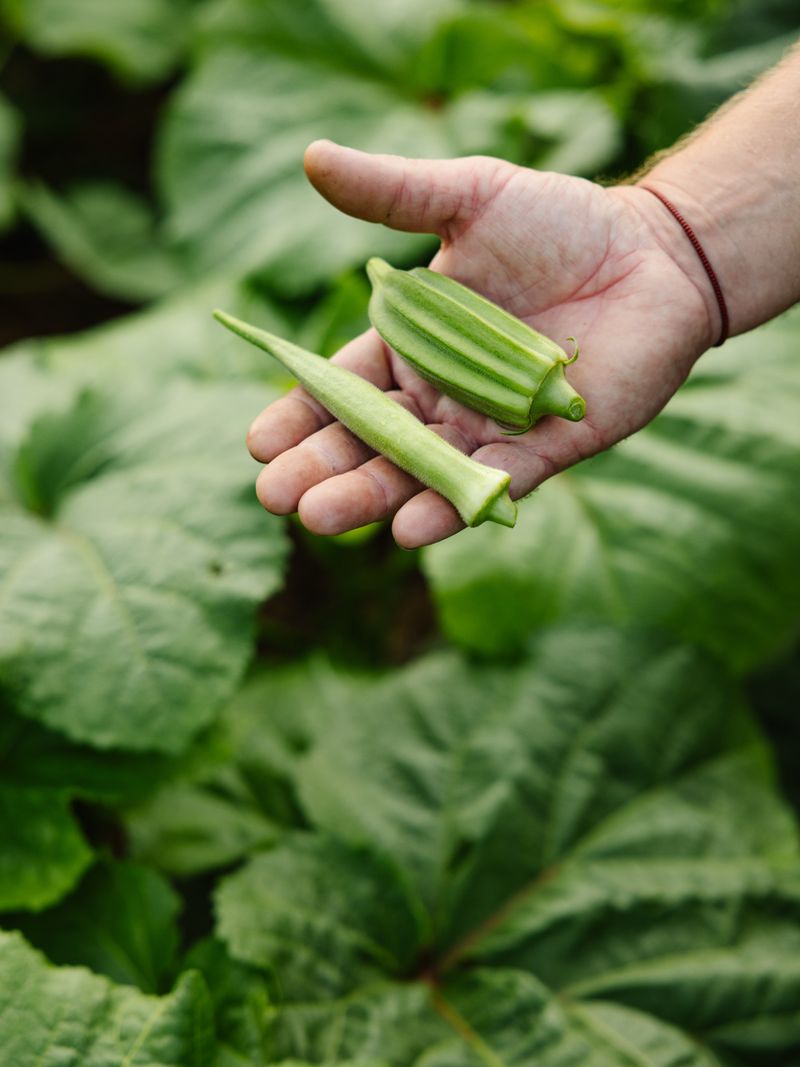
Plant okra once and it pays you back for months. From the heat of early summer right up until the first frost, the plant keeps pushing out tender new pods.
The trick is to pick often, ideally every one or two days, while the pods are still small and snappy. Regular harvesting actually signals the plant to keep making more, so the busier you are, the more you get.
Leave a pod too long and it turns woody, so keep those clippers handy. That steady rhythm of picking is part of the fun and keeps fresh produce landing on your table well into fall.
8. Ties You to North Carolina’s Southern Food Roots

Few crops carry as much Southern history in a single pod as okra. Growing it connects your backyard to generations of North Carolina cooks who fried it, stewed it, and stirred it into pots of gumbo.
Fresh from your own plants, it tastes worlds better than anything trucked in from far away. You can slice and fry it crisp, drop it into a summer stew, or thicken a hearty gumbo the traditional way.
Every meal becomes a small tribute to regional cooking. There is something satisfying about serving a dish rooted right here in the state you call home.
9. Feeds Your Family Real Nutrition
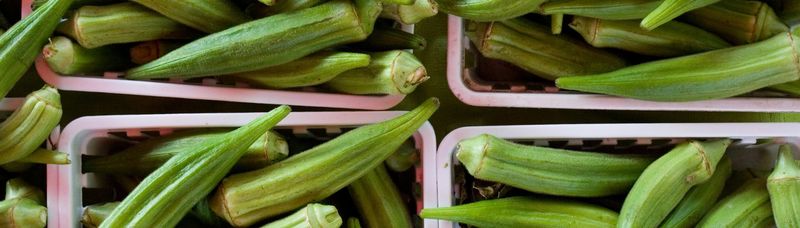
Beyond flavor and beauty, okra quietly delivers on health. Those humble green pods are loaded with vitamins C, K1, and B6, plus magnesium, folate, and a good dose of fiber.
They also carry antioxidants that support your family’s overall wellness, all from a plant you grew steps from your back door. Homegrown means you know exactly how it was raised, with no mystery sprays involved.
Getting kids to try a vegetable they helped pick is a lot easier, too. When something this nutritious is also this easy to grow, it earns a permanent spot in the summer garden.