
8 Real Reasons Your Hydrangeas Leaf Out Beautifully But Never Give You A Single Bloom
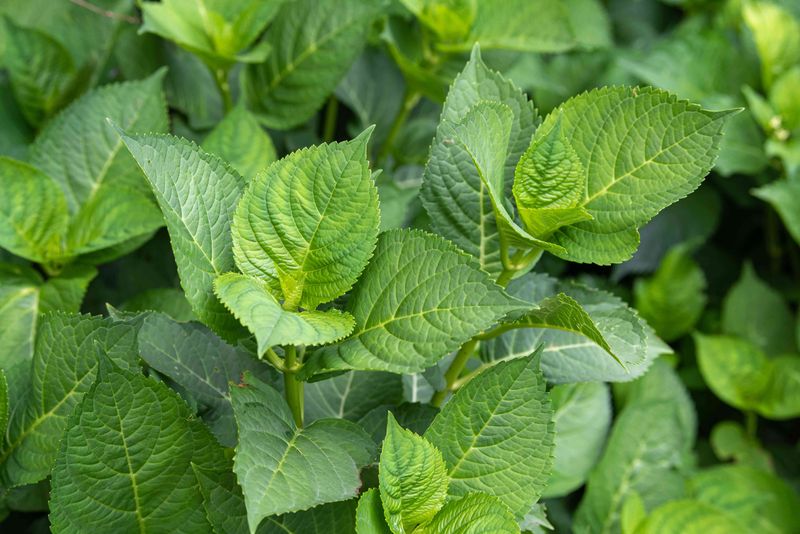
Few things are more frustrating than a hydrangea that grows big, healthy leaves every year but refuses to hand you a single flower. You water it, you baby it, and still nothing but green. The good news is that a bloomless hydrangea is almost always trying to tell you something, and once you learn to read the signs, the fix is usually simple. Here are eight honest reasons your shrub is all leaf and no bloom, plus what you can do about each one.
1. You Pruned at the Wrong Time
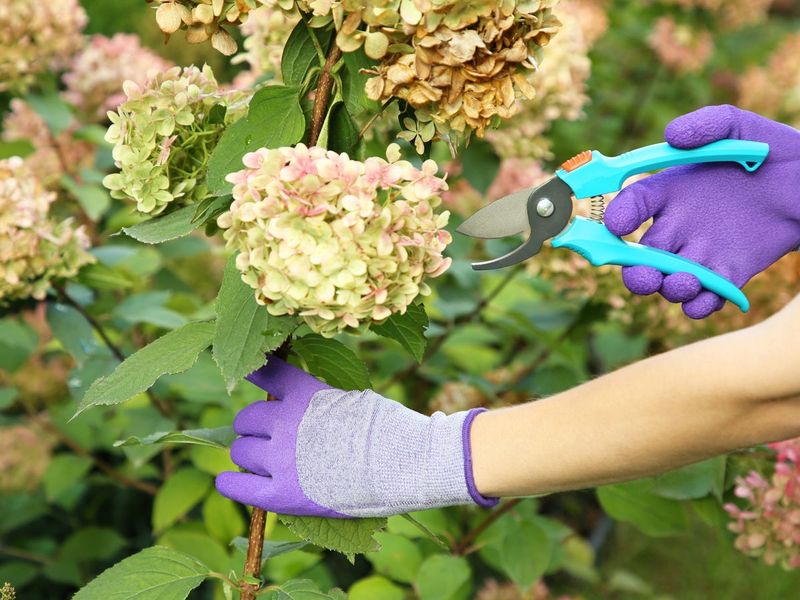
Timing is everything when it comes to trimming a hydrangea, and a single well-meaning haircut can wipe out an entire year of flowers. Many popular types, like the classic bigleaf hydrangea, form next year’s flower buds on the current year’s stems by late summer or early fall.
If you grab your shears in winter or early spring to tidy things up, you are very likely snipping off the exact wood that was ready to bloom. The plant responds by pushing out fresh leaves instead, which is why it looks lush but stays flowerless.
To break the cycle, learn which type you own first. For old-wood bloomers, prune right after the flowers fade in summer and then leave the plant alone. When in doubt, resist the urge to cut at all for a full season and watch what happens.
2. A Late Spring Frost Nipped the Buds
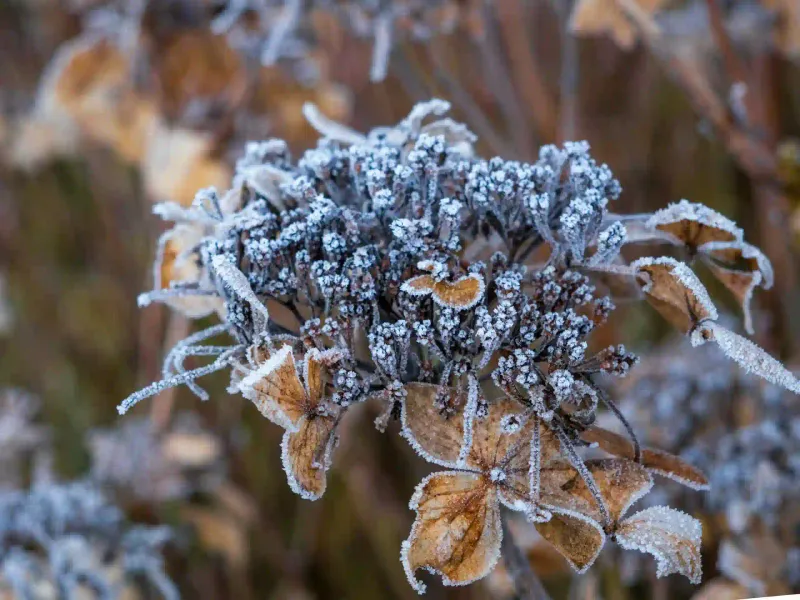
Picture a warm early spring that coaxes your hydrangea into waking up, followed by one sneaky cold snap. That surprise frost can quietly kill the tender flower buds while leaving the leaf buds tough enough to survive.
The result feels like a cruel trick. Weeks later the plant leafs out beautifully, so everything looks fine, yet the flowers that were supposed to open have already been destroyed at the bud stage.
Gardeners in colder northern zones deal with this more than anyone, especially with bigleaf and mountain hydrangeas. A simple fix is to keep an old sheet or frost cloth handy and drape it over the shrub on nights when a late freeze is forecast. Choosing reblooming varieties that flower on both old and new wood also gives you a backup crop later in the season, so one bad frost does not cost you the whole show.
3. Too Much Shade Is Starving the Blooms
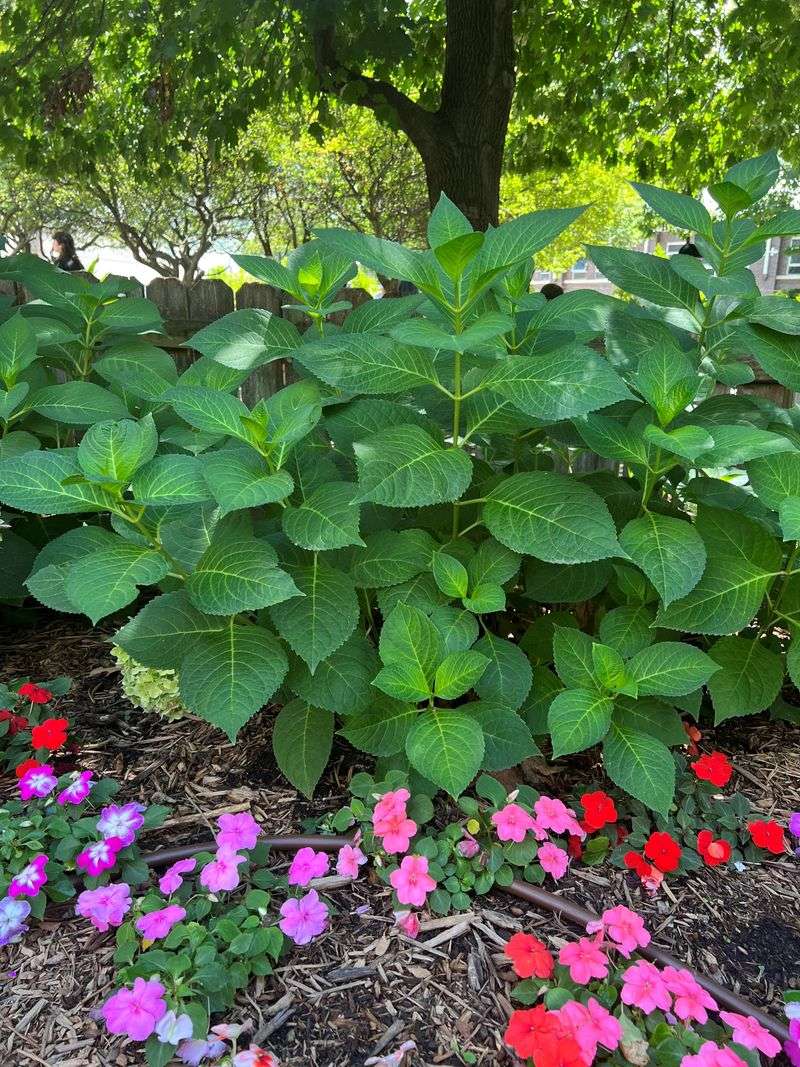
Hydrangeas have a reputation as shade lovers, and that half-truth trips up a lot of gardeners. While they appreciate a break from harsh afternoon sun, most of them still need several hours of light to build the energy required for flowering.
Plant one in the deep shade of a north-facing wall or under a dense tree canopy, and it will happily grow into a leafy green mound. Flowers, however, take real fuel, and a shrub stuck in the dark simply cannot produce enough to bloom.
Aim for morning sun with afternoon shade in most US backyards, which gives the plant light without the scorch. If yours sits in gloom all day, consider transplanting it in fall to a brighter spot, or thinning out overhead branches to let more sunshine reach the leaves. More light often turns a stubborn green shrub into a flowering one within a season or two.
4. You Fed It the Wrong Fertilizer
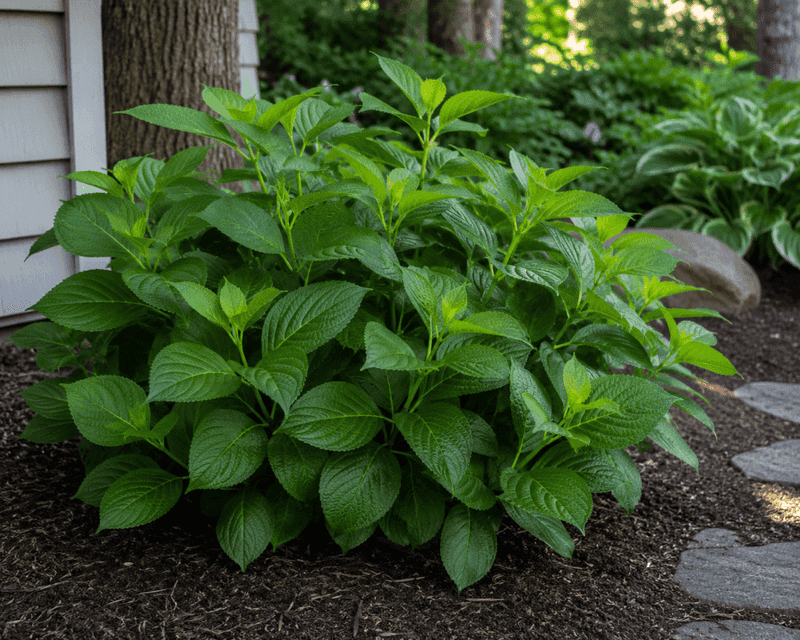
Overfeeding is a classic case of loving your plant a little too much. High-nitrogen fertilizers, the same ones that green up a lawn, tell a hydrangea to pour all its energy into leaves and stems.
All that lush foliage looks impressive, but the plant treats flower production as an afterthought when it is swimming in nitrogen. Lawn feed drifting into nearby beds is a surprisingly common culprit.
Switch to a balanced or bloom-boosting fertilizer with more phosphorus, and apply it sparingly in early spring. A layer of compost usually gives hydrangeas all the gentle nourishment they need without the leafy overdrive. If you have been generous with the plant food, easing off for a season may be exactly what tips the balance back toward flowers.
5. The Plant Is Simply Too Young
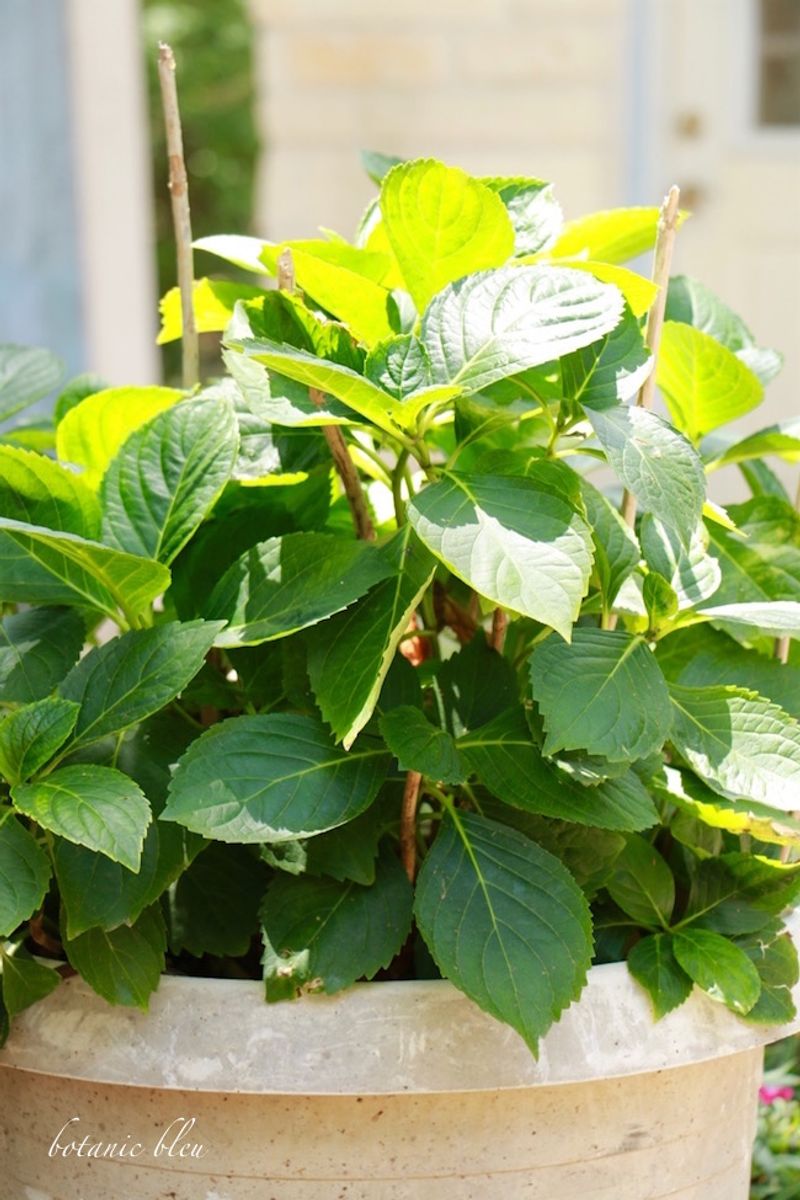
Sometimes the answer is patience, not a problem. A young hydrangea, especially one bought small or grown from a cutting, often spends its first couple of years building roots and structure before it bothers with flowers.
During this stage the shrub can look completely healthy and put on plenty of green growth. It is quietly investing in a strong foundation, and blooms are the reward that comes later.
Give a newly planted hydrangea two to three years to settle in before you worry about a bloom shortage. Keep it watered, avoid heavy pruning, and let it establish. Once the root system is solid, most young plants reward your patience with a flush of flowers that makes the wait feel worth it.
6. Winter Cold Killed the Old Wood
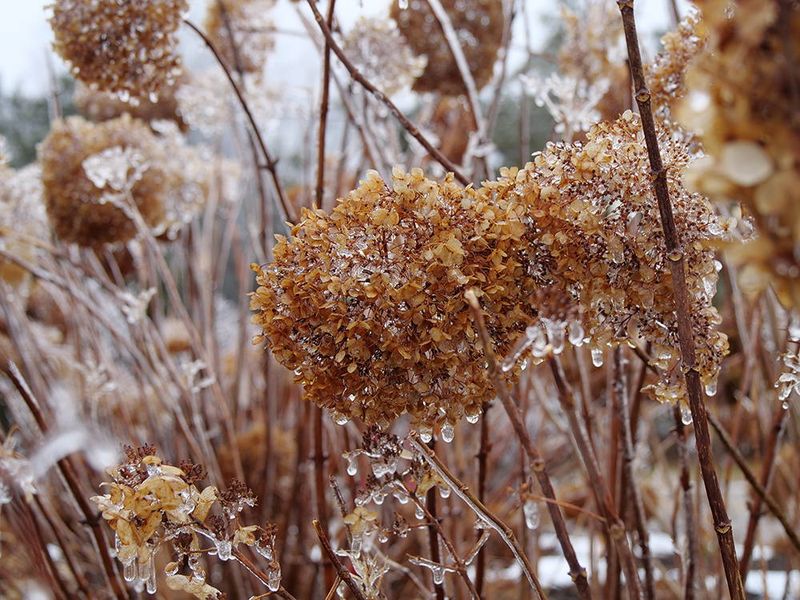
A brutal winter can quietly rewrite your hydrangea’s whole year. For varieties that bloom on old wood, the flower buds ride out the cold months sitting on last season’s stems, exposed to whatever winter throws at them.
When temperatures drop hard enough, those stems and their precious buds die back to the ground. Come spring, the plant regrows from the base with vigorous new shoots, which explains the wall of leaves and the total absence of flowers.
Mulching heavily around the base in late fall helps insulate the crown and lower stems. In colder US regions, wrapping the shrub with burlap or piling leaves around it can save the buds that carry your blooms. Reblooming types that also flower on new wood are a smart insurance policy if harsh winters are a regular event where you live.
7. It Is Getting Too Much or Too Little Water
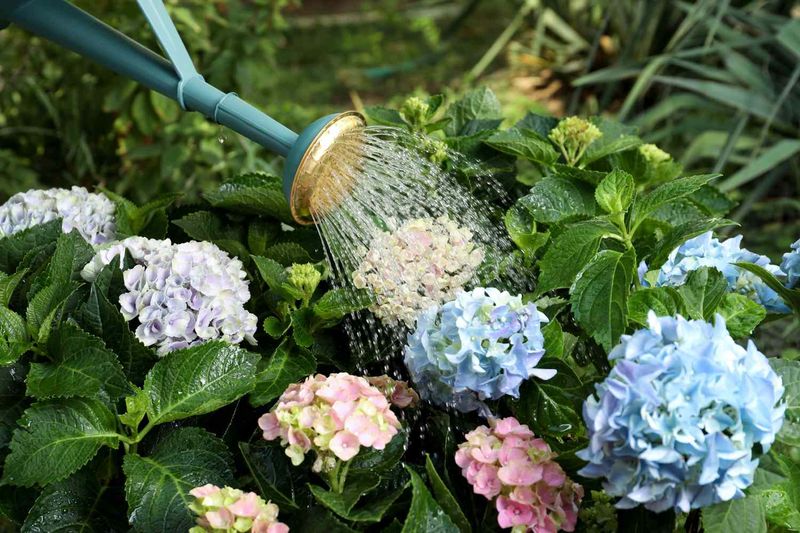
Water stress plays out in a sneaky way with these shrubs. When a hydrangea gets soaked constantly or bakes dry for long stretches, it shifts into survival mode and pauses on the luxury of flowering.
A plant sitting in soggy, poorly drained soil often keeps its leaves but drops the effort of forming buds. On the flip side, one that repeatedly dries out during bud formation may abort those flowers before they ever appear.
Consistency is what hydrangeas crave. Aim for evenly moist soil that drains well, and add a few inches of mulch to hold moisture steady between waterings. A deep drink once or twice a week beats frequent shallow sprinkles, and getting this rhythm right can gently coax a leafy plant back into blooming without any drastic changes.
8. Hungry Deer or Pests Ate the Buds

Sometimes the thief works the night shift. Deer, rabbits, and even certain insects have a taste for tender hydrangea flower buds and will nibble them off before they ever get a chance to open.
Since these critters usually leave the tougher leaves alone, you wake up to a green, healthy-looking shrub with no clue that its blooms were eaten in the dark. Deer are the usual suspects in many US backyards, treating unprotected buds like a buffet.
Scent-based deterrents may help keep them at bay, and many gardeners swear by planting aromatic herbs like lavender, rosemary, or mint nearby to mask the appeal. Physical barriers such as netting or fencing offer more reliable protection during bud season. Once the midnight snacking stops, the buds finally get their chance to open into the flowers you have been waiting for.