
Grow These 10 Beautiful Plants And Keep Mosquitoes Out Of Your Yard All Summer
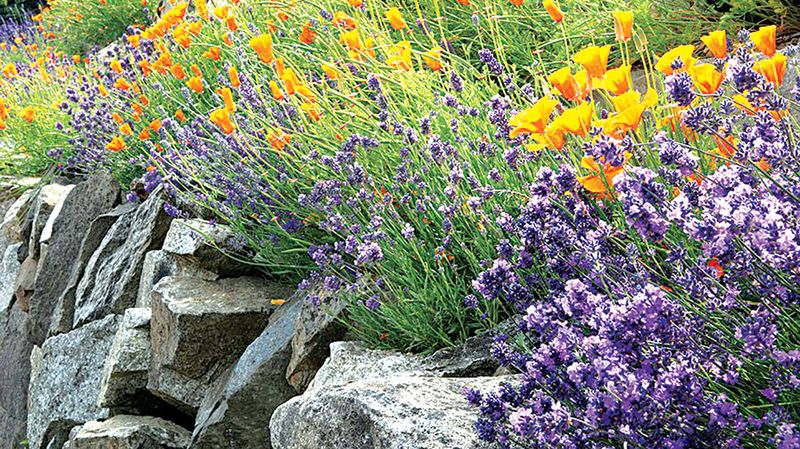
Buzzing mosquitoes can turn a relaxing evening on the patio into a slapping contest. The good news is that certain plants give off scents mosquitoes hate, so you can fight back with living decorations instead of chemical sprays. Below are ten gorgeous plants that look great in your yard and help keep those pests at a distance all summer long. Plant a few of these near your seating areas and let nature do some of the work for you.
1. Citronella Grass
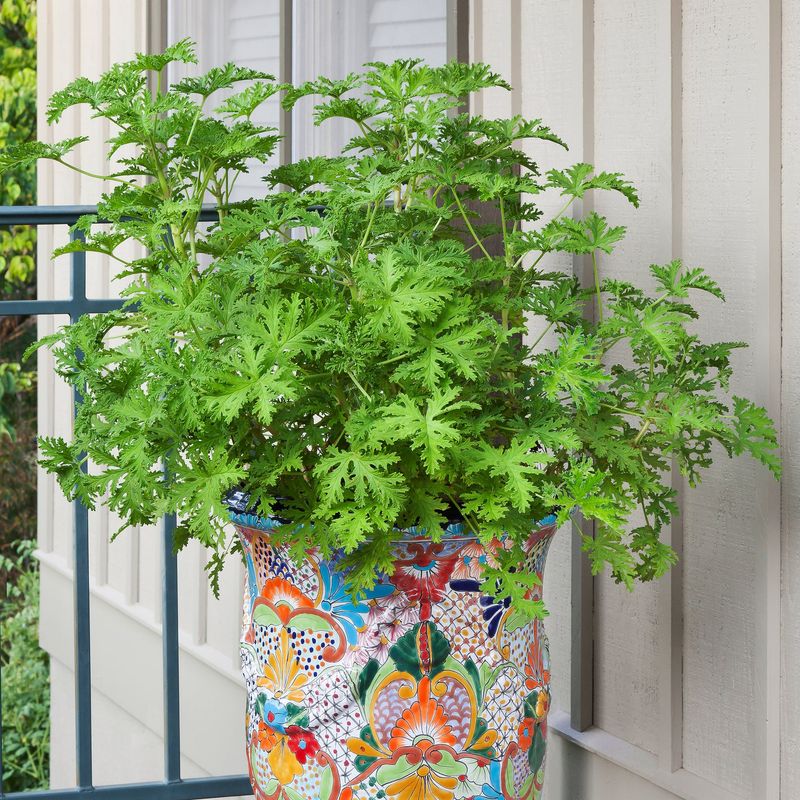
Ever wonder what gives those summer candles their signature scent? The answer grows in a tall, feathery clump called citronella grass, the plant most people picture when they think about warding off mosquitoes.
The oil in its leaves masks the smells that draw mosquitoes toward us, like sweat and body heat. Brushing past the blades or crushing a leaf releases a fresh, lemony aroma that may help keep the biters confused and looking elsewhere.
In most US backyards it grows as an annual, shooting up to five or six feet in a single warm season. Set it in a big container near your porch steps so you can move it out of the cold once fall arrives. Give it full sun and steady moisture, and it will reward you with a lush green fountain of foliage all summer.
2. Lavender
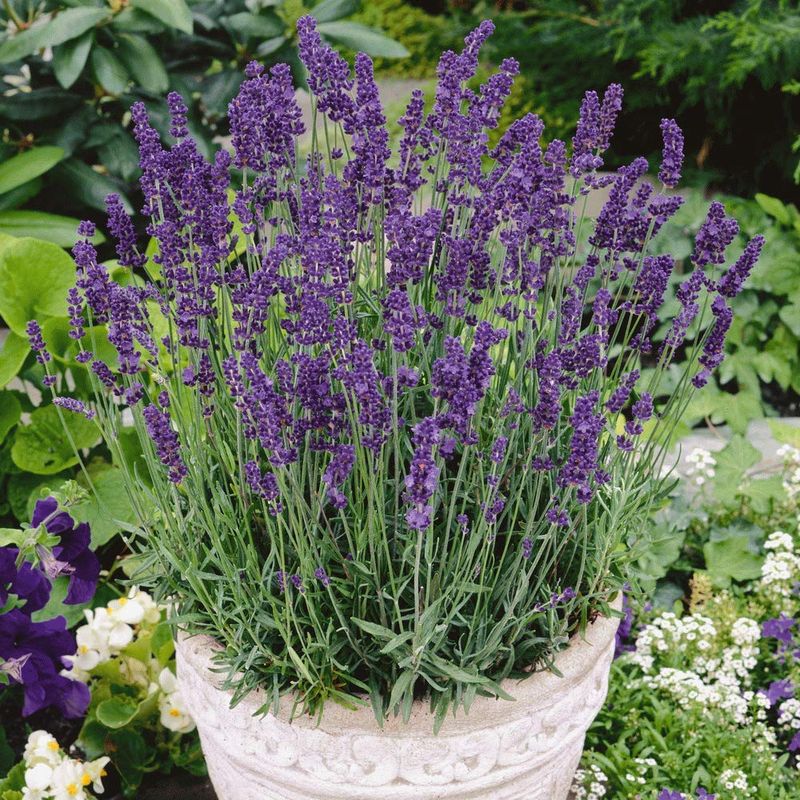
Few plants pull double duty as gracefully as lavender, filling the air with a calming perfume while quietly annoying the neighborhood mosquitoes. That sweet fragrance we love happens to be one insects would rather avoid.
The essential oils packed into its purple flower spikes and silvery leaves can reduce the odds of getting bitten when planted along walkways and near doors. As a bonus, bees and butterflies adore the blooms, so you get pollinator traffic without the pest traffic.
Lavender is a tough, drought-friendly plant once it settles in, which makes it a favorite for sunny, well-drained beds across much of the country. Plant it where you brush past it often, since a little contact stirs up the scent. Trim the spent flowers and it will keep looking tidy from early summer into fall.
3. Marigolds
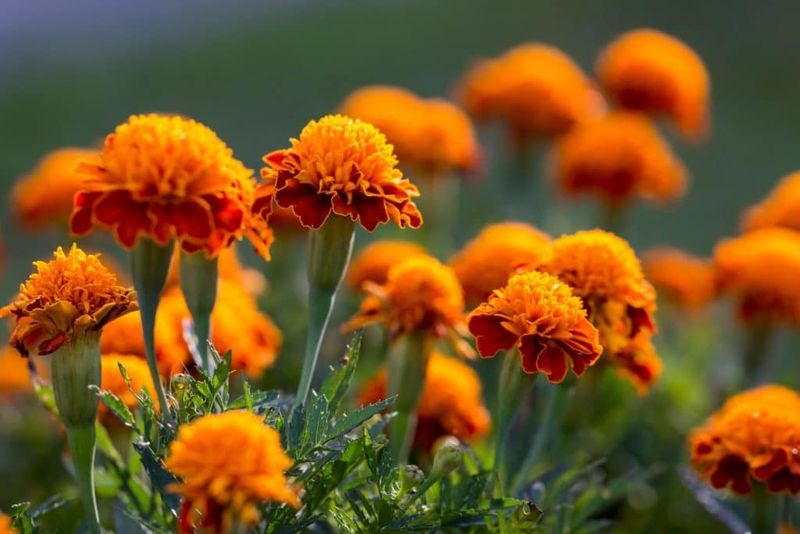
Bright, cheerful, and almost impossible to kill, marigolds are the workhorse of the pest-fighting flower bed. Gardeners have tucked them between vegetables for generations, and there is real reasoning behind the tradition.
Their bold orange and yellow blooms carry a compound called pyrethrum, an ingredient found in many commercial bug repellents. The strong scent can help steer mosquitoes, aphids, and other unwanted visitors away from the plants you actually want to protect.
Line them along the edge of a patio, drop them into pots by the back door, or scatter them through your tomato patch for double duty. They thrive in full sun and bloom nonstop from spring until the first frost with barely any fuss. Deadhead the fading flowers now and then, and you will keep the color coming right through the hottest weeks of summer.
4. Basil
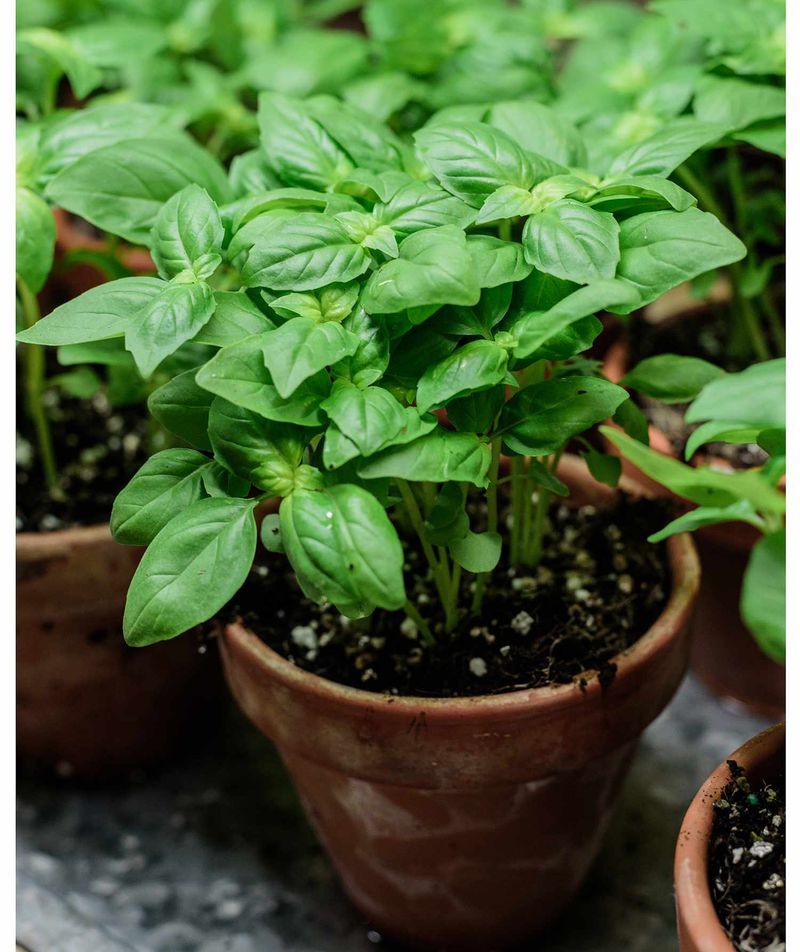
Here is a plant that can flavor your dinner and defend your deck at the same time. Basil sends up a peppery, clove-like aroma that people find mouthwatering and mosquitoes find downright offensive.
Unlike some herbs, basil does not need to be crushed to do its job. The living leaves give off enough fragrance on their own to help keep bugs at bay, which is why a pot of it belongs right on the outdoor table where you eat.
Lemon basil and cinnamon basil have especially strong scents if you want extra punch. Keep the plant in full sun, water it regularly, and pinch off the flower buds to encourage bushier growth. Snip leaves for your pasta and pesto all summer, and the more you harvest, the more it produces.
5. Catnip
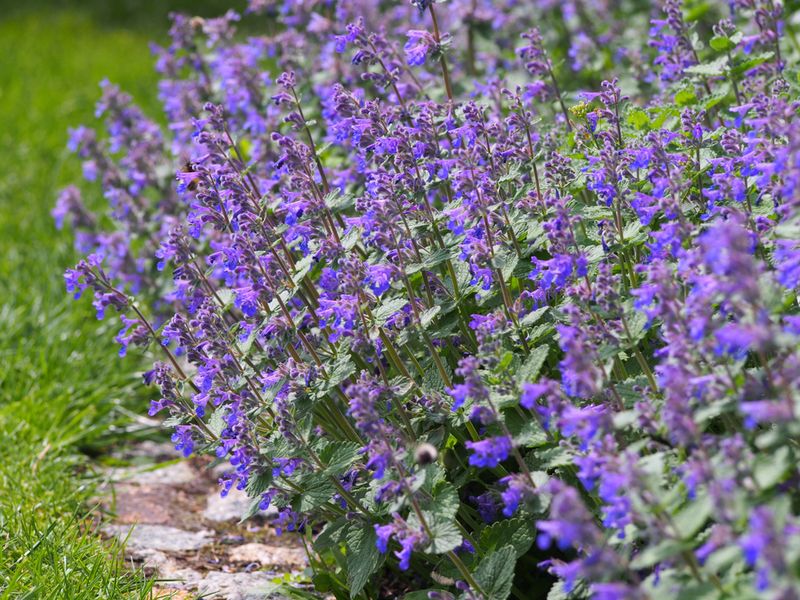
Your cat is not the only creature with strong feelings about catnip. Studies have pointed to a compound in this scruffy little herb, nepetalactone, as a surprisingly powerful mosquito deterrent, in some tests outperforming the chemicals in store-bought sprays.
A member of the mint family, catnip spreads quickly and fills gaps in a bed with soft gray-green leaves and tiny lavender flowers. That eagerness to spread is worth watching, so many gardeners keep it in a container to stop it from taking over.
Plant it near seating areas and give it a sunny to partly shaded spot. It shrugs off dry spells and poor soil, making it one of the easiest options on this list for a busy backyard. Just be ready for the occasional visit from the neighborhood cats, who may decide your mosquito plan is actually their new favorite hangout.
6. Rosemary
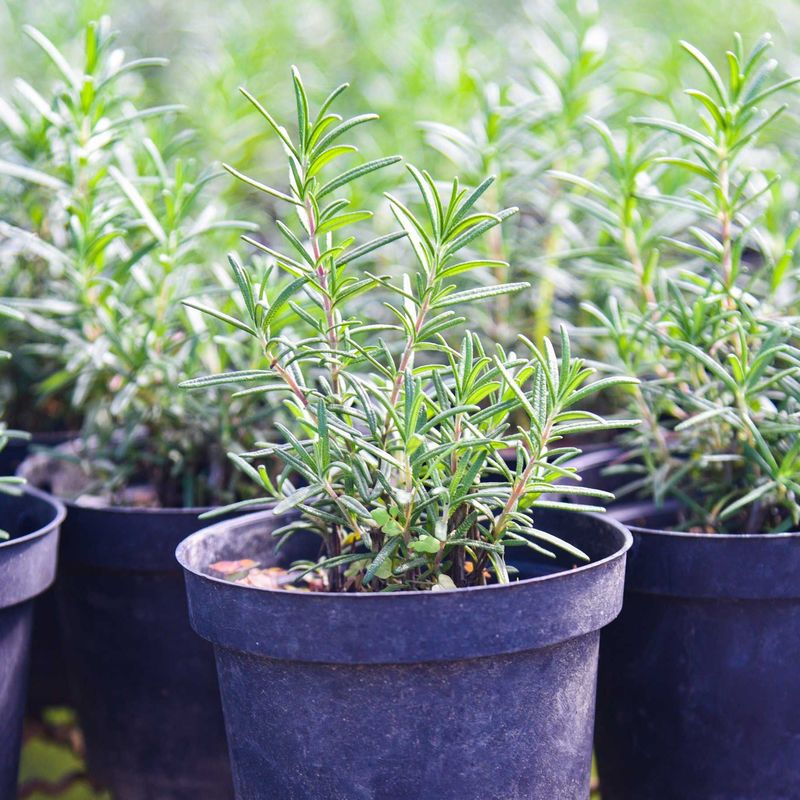
Woody, aromatic, and evergreen in milder regions, rosemary brings a Mediterranean feel to the yard while doubling as a bug barrier. The same piney scent that makes roasted potatoes irresistible is one that mosquitoes tend to avoid.
Toss a sprig on the grill and the smoke that drifts across your gathering can help clear the air of flying pests. Growing it in pots around your seating space keeps the fragrance close whenever a breeze or a passing shoulder stirs the needles.
Rosemary loves heat and hates soggy roots, so give it a sunny spot with quick-draining soil and go easy on the water. In warmer parts of the US it can grow into a sizable shrub, while northern gardeners often treat it as a container plant to overwinter indoors. Either way, you get a fragrant, good-looking helper you can cook with all season.
7. Lemongrass
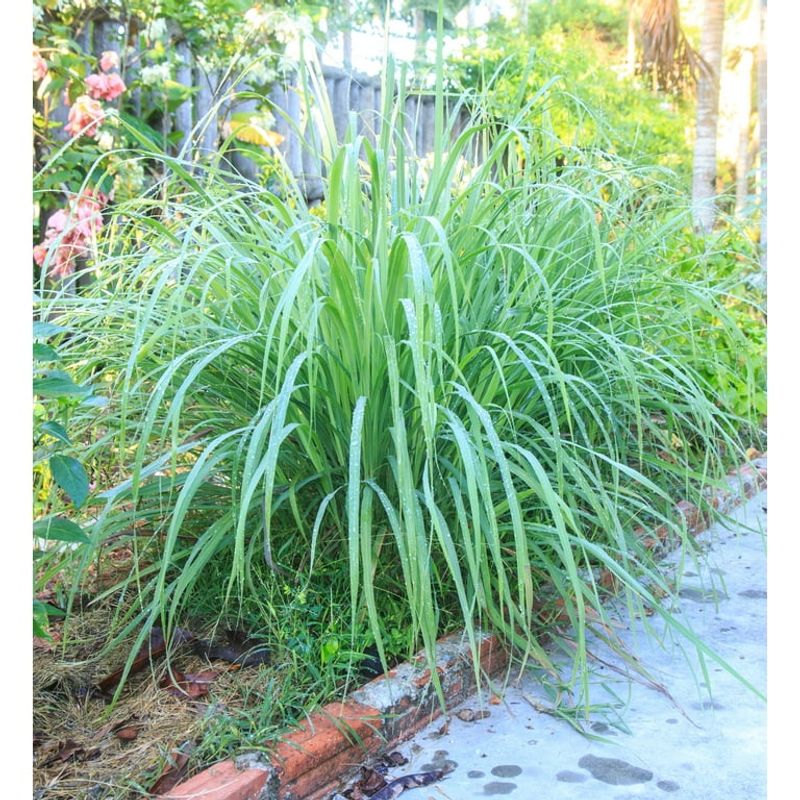
If citronella grass has a close cousin, this is it. Lemongrass contains many of the same aromatic oils, delivering a bright citrus scent that mosquitoes would rather steer clear of.
Beyond its bug-repelling reputation, lemongrass is a genuine kitchen star, showing up in soups, teas, and stir-fries across countless recipes. Growing it means you get a mosquito helper and a fresh ingredient from the exact same plant.
It forms a dramatic, fountain-shaped clump that can top out around three to five feet, making a bold statement in a large pot or a sunny corner bed. Warmth is non-negotiable, so treat it as an annual in cooler zones or bring the container indoors before frost. Keep the soil moist and the sun plentiful, and it will grow fast and full.
8. Peppermint
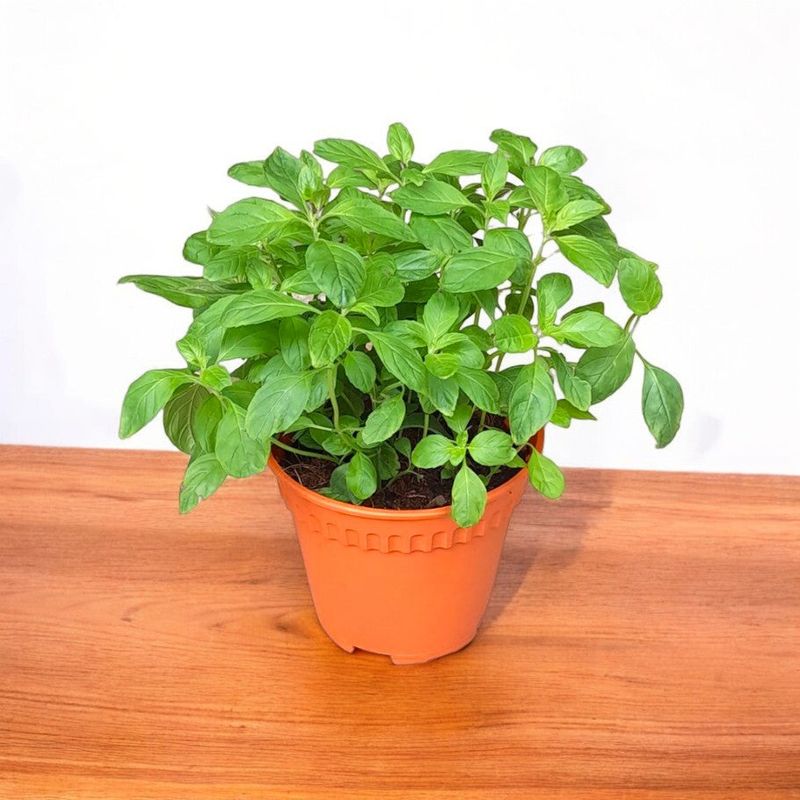
Crush a single peppermint leaf and the cool, tingly rush that hits your nose is exactly what sends mosquitoes packing. That intense menthol scent overwhelms the cues bugs use to find a meal.
Peppermint can also soothe the bites you do end up with, since rubbing a crushed leaf on an itchy spot may bring a bit of cooling relief. It is a handy plant to have within arm’s reach of the patio.
Be warned that mint is an enthusiastic spreader that will happily colonize a whole bed if you let it. Keeping it in a pot is the smart move, and it happily tolerates partial shade, which sets it apart from the sun-lovers on this list. Give it regular water and pinch it back often to keep the leaves coming and the fragrance strong.
9. Scented Geraniums
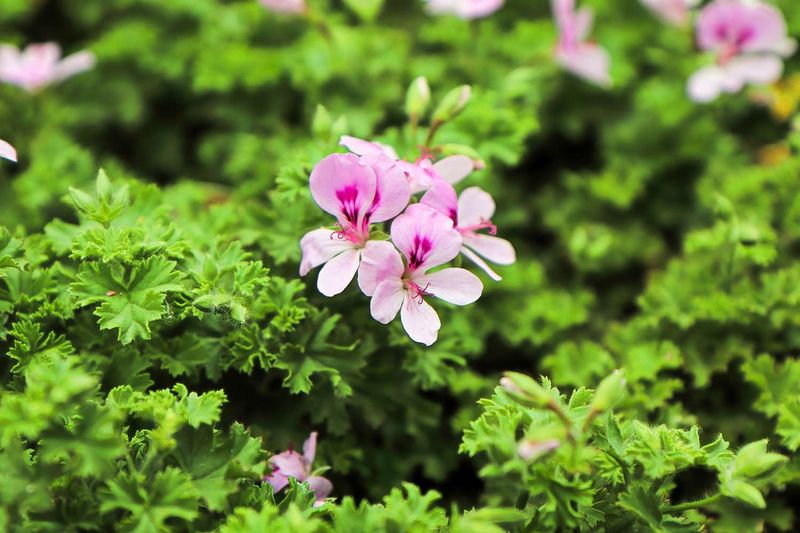
Sometimes called mosquito plants at the garden center, scented geraniums earned the nickname thanks to varieties that give off a strong citronella-like aroma. The citrosa type in particular smells lemony enough to make bugs think twice.
What sets these apart is the sheer variety of fragrances packed into their pretty, ruffled leaves, from rose and mint to apple and nutmeg. Run your hand across the foliage and the scent lingers on your skin, a small pleasure that happens to help your cause.
They bloom in cheerful clusters and thrive in hanging baskets, window boxes, and containers on the porch rail. Full sun and moderate water keep them happy, and pinching off spent blooms encourages fuller plants. In cold zones they overwinter easily indoors on a bright windowsill, coming back for another summer of duty.
10. Bee Balm
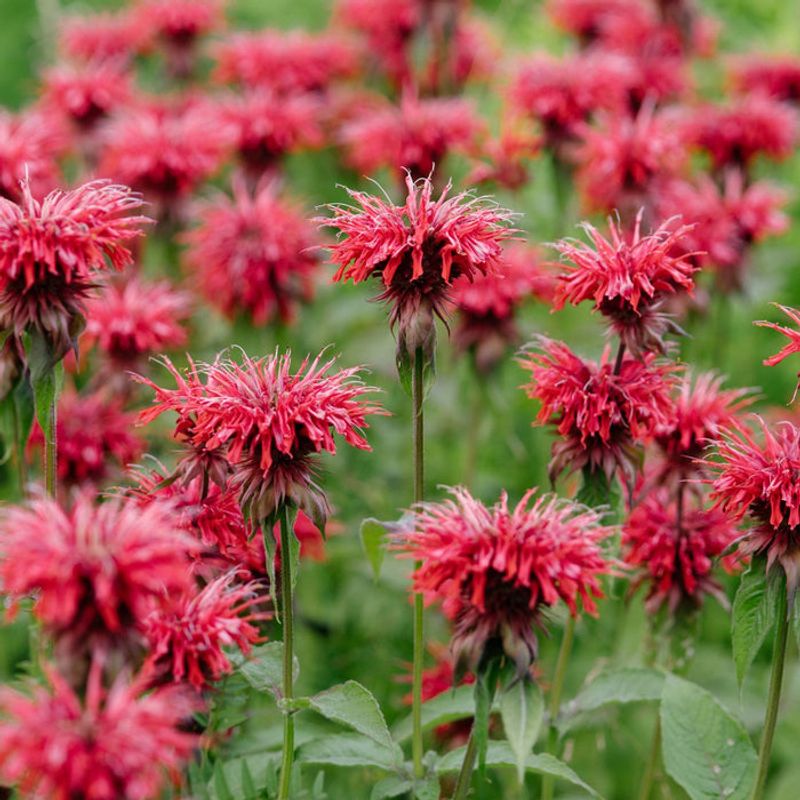
Wild, showy, and buzzing with life, bee balm proves a mosquito-fighting plant can also be the star of the flower bed. Its shaggy red, pink, and purple blooms look like fireworks frozen mid-burst.
Crushing the leaves releases a spicy, oregano-like fragrance that can help mask the scents mosquitoes track. Native to North America, it fits right into US backyards and draws in the good guys like bees, butterflies, and hummingbirds while shooing away the pests.
Plant it in full sun to light shade and give it decent air circulation, since crowded, humid conditions can invite powdery mildew on the leaves. It comes back year after year in most regions, spreading into a generous patch of color. Deadhead the fading flowers to stretch the bloom season and keep the show going deep into summer.