
8 Ways Epsom Salt Helps Your Tomatoes Thrive—And 7 That Do More Harm Than Good
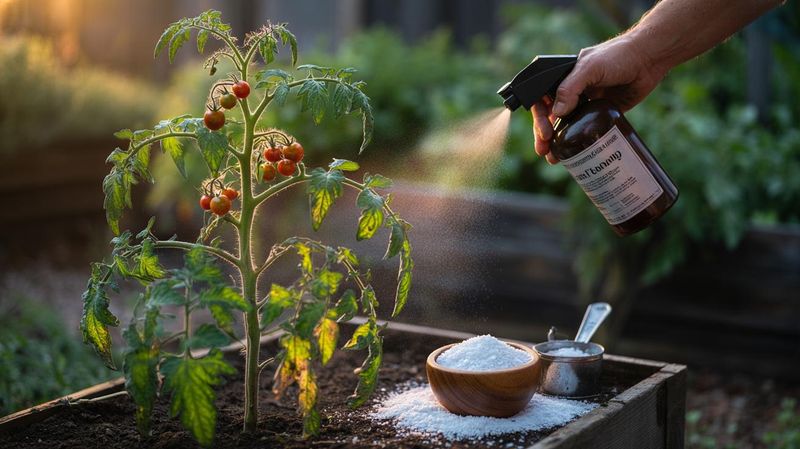
Epsom salt has a reputation as a garden miracle, and plenty of tomato growers swear by it. But the truth is more complicated than a scoop in the watering can. Some uses genuinely help your plants, while others can quietly cause trouble you won’t notice until harvest disappoints you. Here are eight smart ways Epsom salt can boost your tomatoes, plus seven mistakes worth avoiding before you reach for the box.
1. Correcting a Confirmed Magnesium Deficiency
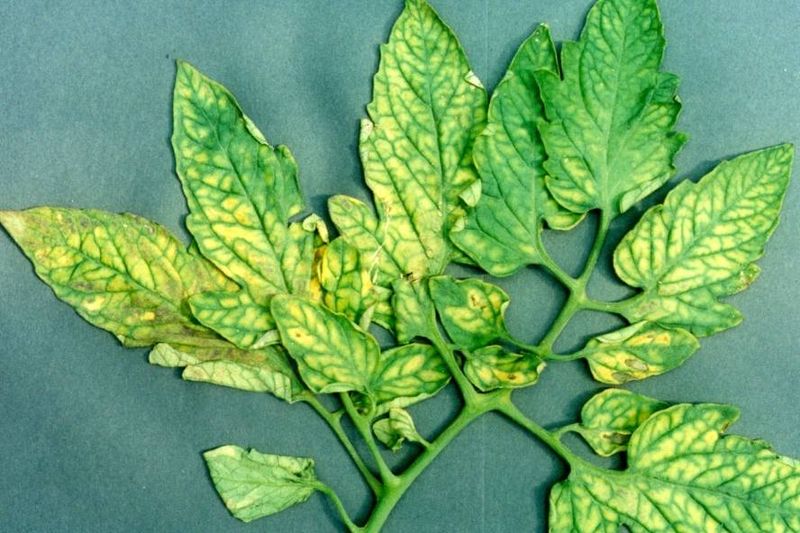
Magnesium sits right at the center of every chlorophyll molecule, which is a fancy way of saying your tomato plant literally cannot make food without it. Epsom salt is magnesium sulfate, so when a soil test confirms your dirt is short on magnesium, a measured dose can genuinely turn things around.
Gardeners in the eastern United States, especially the sandy soils of the Southeast and coastal areas, tend to see magnesium shortages more often because rain washes the nutrient away. If your leaves are yellowing between the veins while the veins stay green, and a test backs it up, Epsom salt is the right tool.
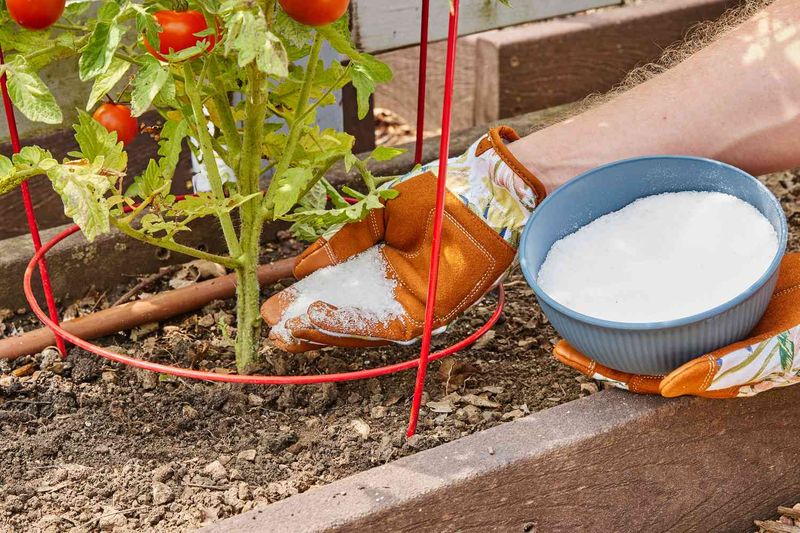
The key word is confirmed. Guessing invites overuse, but responding to real evidence gives your plants a clean, fast-acting source of a mineral they truly need. Mix roughly one tablespoon per gallon of water and apply to the root zone, then watch new growth over the next couple of weeks.
2. Giving Seedlings a Gentle Early Boost
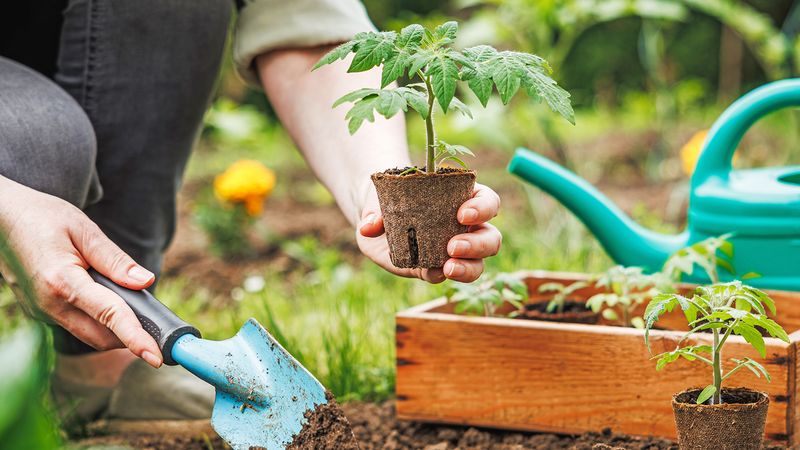
Young tomato transplants go through a stressful stretch when they move from a cozy tray into open ground. A very light Epsom salt solution during this window can support the enzyme activity that helps roots settle in and take up other nutrients.
Think of it as easing the transition rather than force-feeding. A weak mix, about a teaspoon per gallon watered at the base, is plenty for a small plant that has not yet built a big root system.
Backyard growers in cooler northern zones sometimes notice seedlings stall out in chilly spring soil, since cold roots struggle to grab magnesium. A gentle drink at planting time can help those young plants green up and start climbing sooner, giving you a head start on the season.
3. Supporting Greener, Fuller Foliage
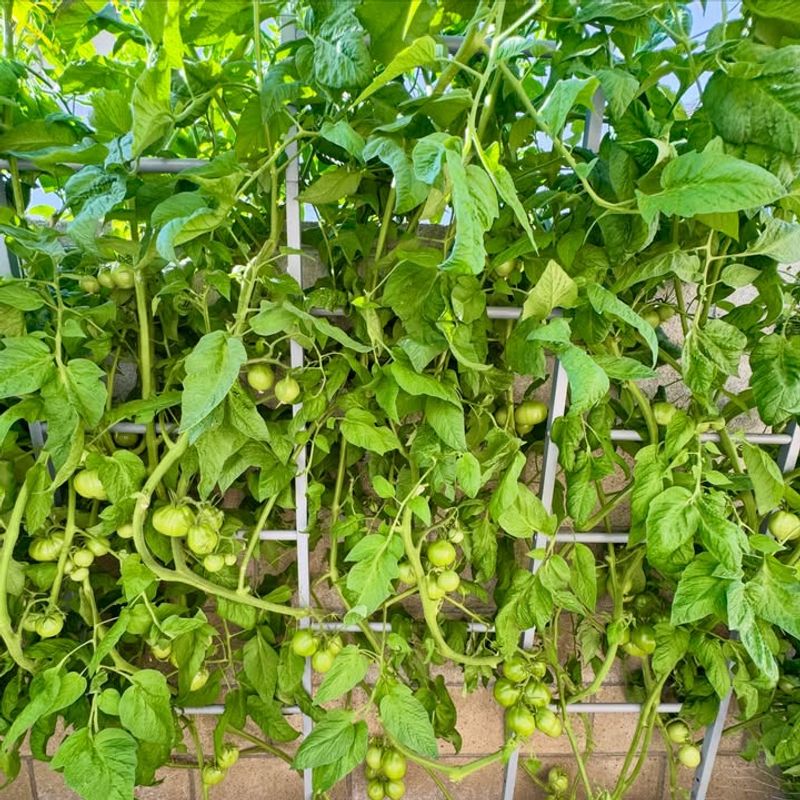
Ever look at a neighbor’s tomato patch and wonder why their leaves glow that deep, healthy green while yours look tired? When magnesium is the missing piece, Epsom salt can help restore that rich color because the mineral is essential for photosynthesis.
More working green area means the plant captures more sunlight and converts it into the sugars that eventually flavor your fruit. Healthier foliage also shades developing tomatoes, which helps protect them from sunscald during bright summer days.
That said, greener leaves only follow if magnesium was actually short to begin with. On plants that already have enough, extra Epsom salt will not make foliage any lusher, so save your effort for plants showing real signs of need.
4. Delivering Sulfur Your Plants Can Use
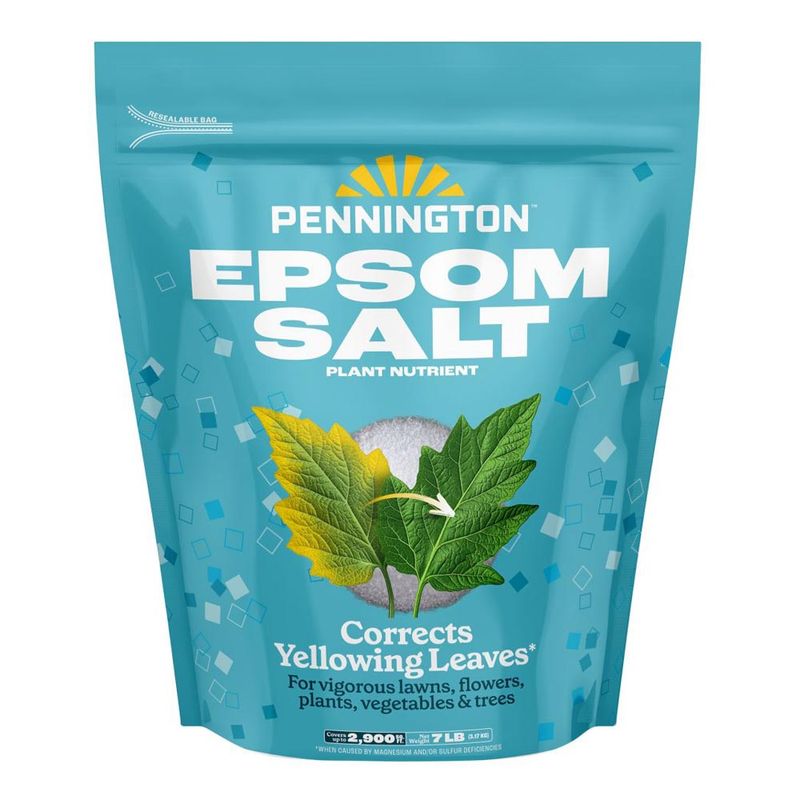
Magnesium gets all the attention, but Epsom salt also carries sulfur, and that second half of the equation quietly pulls its weight. Sulfur helps tomatoes build proteins and certain enzymes, and it plays a role in developing that classic tomato aroma and flavor.
Many gardeners forget sulfur even exists as a plant nutrient, yet it can run low in soils that have been heavily worked or leached by rain. A dose of magnesium sulfate covers both bases at once.
If your tomatoes look pale overall, with newer leaves lacking color, sulfur may be part of the story. Because Epsom salt supplies it in a readily available form, plants can put it to work quickly rather than waiting on slower-releasing amendments.
5. Applying It as a Quick Foliar Spray
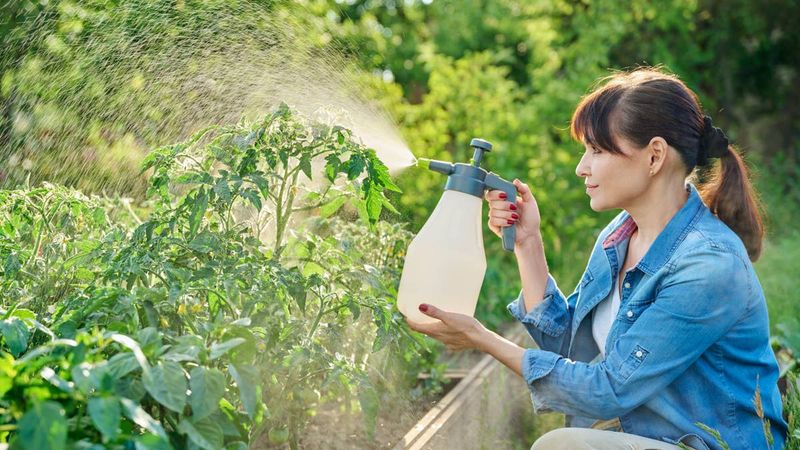
Roots are not the only doorway into a tomato plant. Leaves can absorb nutrients directly, and that makes a diluted Epsom salt foliar spray a fast way to deliver magnesium when a plant shows deficiency mid-season.
Dissolve about two tablespoons in a gallon of water and mist the foliage in the early morning or evening, never during the blazing midday heat. Spraying when the sun is low keeps droplets from scorching the leaves and gives the plant time to take the nutrients in.
A foliar approach shines when you need results faster than soil uptake allows, such as when fruit is setting and you spot yellowing creeping across the leaves. Just keep the mix weak, because concentrated sprays can burn tender leaf surfaces.
6. Helping Containers Where Nutrients Wash Out
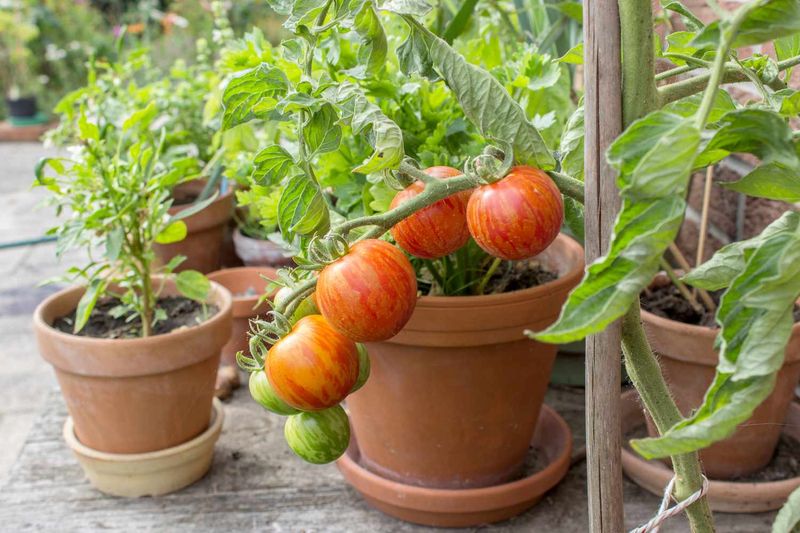
Container tomatoes live a fast-draining life. Every time you water a pot, some nutrients rinse straight out the bottom, and magnesium is among the first minerals to disappear from potting mix.
Because of that steady leaching, potted tomatoes tend to run short on magnesium sooner than plants in the ground. A light, periodic Epsom salt feeding can replace what the water carries away and keep container plants from fading mid-summer.
Patio and balcony growers across crowded suburbs and apartment communities benefit here, since containers are often their only option. Keep the dose gentle and space applications out, letting the plant guide you rather than sticking to a rigid schedule.
7. Improving Nutrient Uptake When Magnesium Is Low
Here is a detail that surprises many growers: magnesium does more than feed the plant itself. It acts like a helper that assists tomatoes in absorbing and moving other nutrients such as nitrogen and phosphorus around the plant.
When magnesium runs short, a plant can struggle to use fertilizer you already applied, almost like having groceries but no way to carry them home. Restoring magnesium can quietly unlock the value of the other feeding you have been doing.
So if your tomatoes seem unresponsive to a balanced fertilizer despite your best efforts, and a test points to low magnesium, correcting that gap with Epsom salt may help the whole nutrition system work more smoothly.
8. Reviving Older Plants Showing Late-Season Fade
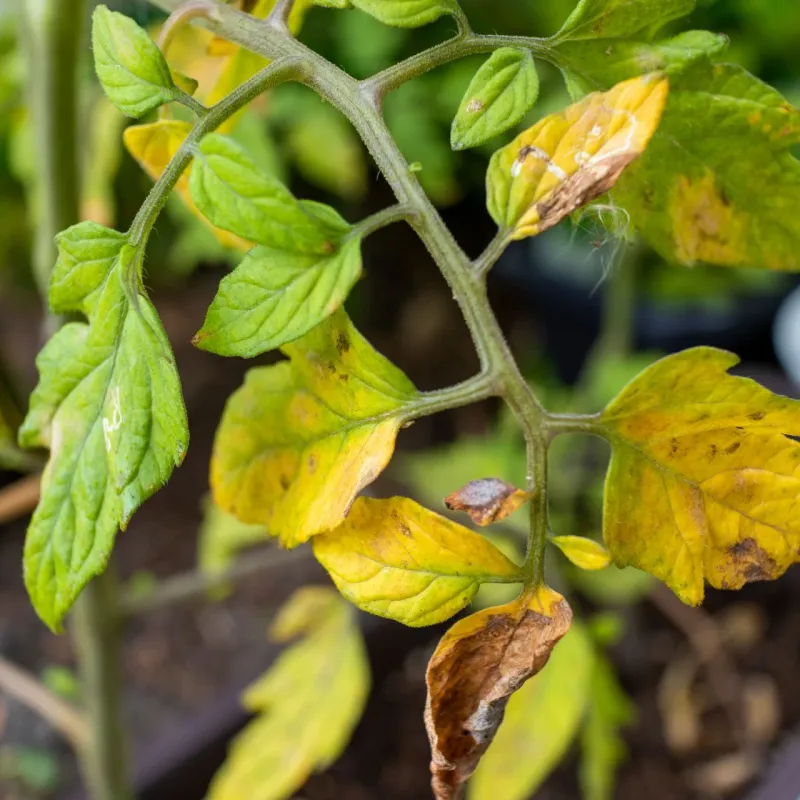
Toward the back half of summer, tomato plants that have been cranking out fruit for weeks can look worn down, with lower leaves yellowing between the veins. Magnesium gets pulled from old leaves to feed new growth and developing tomatoes, so mature plants sometimes empty their reserves.
A moderate Epsom salt application at this stage can top off magnesium and help a hardworking plant keep producing into late season. It will not turn back time, but it can extend the run of a plant that still has fruit to give.
Watch the newest growth after treating, since that tells you whether the plant is responding. If fresh leaves come in green and healthy, your timing paid off.
9. Believing It Prevents Blossom End Rot
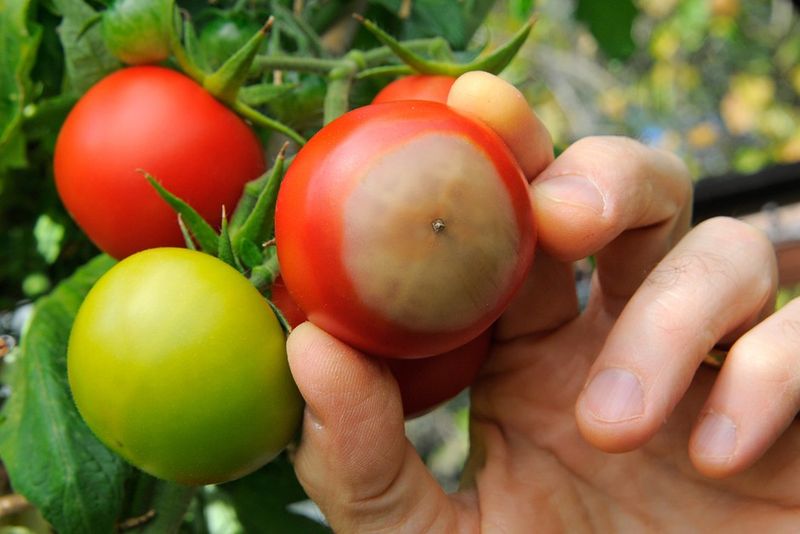
Now we cross into the mistakes, and this one tops the list because it is repeated everywhere. Blossom end rot, that ugly black sunken patch on the bottom of a tomato, comes from a calcium problem, not a magnesium one.
Here is the trap: Epsom salt adds magnesium, and magnesium actually competes with calcium for uptake. So reaching for Epsom salt to fix blossom end rot can make the very problem worse instead of better.
The real culprits are usually uneven watering and inconsistent calcium availability. Keep soil moisture steady, mulch to hold water, and skip the Epsom salt entirely for this issue. Chasing the wrong fix wastes time while your fruit keeps rotting.
10. Using It Without Ever Testing Your Soil
Tossing Epsom salt around on a hunch is like taking medicine for an illness you have not been diagnosed with. Plenty of soils already hold enough magnesium, and adding more brings zero benefit while raising the odds of harm.
An inexpensive soil test, often available through your local county extension office, tells you exactly what your dirt is missing. Spending a few dollars on that answer saves you from guessing your entire season away.
Blind application is the single most common Epsom salt mistake among backyard growers. Let the test lead, and you will only feed what actually needs feeding, which protects both your plants and your wallet.
11. Overapplying and Building Up Salts
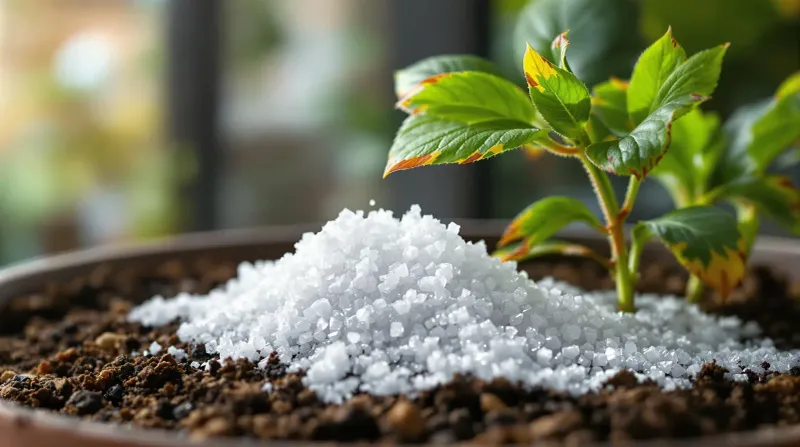
More is not better here, and heavy-handed use can genuinely backfire. Epsom salt is a mineral salt, and piling it on can raise the salt concentration in your soil to levels that stress tomato roots.
When soil salts climb too high, roots struggle to pull in water even when the ground is moist, which leads to wilting and stunted growth that looks confusingly like drought. You end up harming the plant while trying to help it.
Stick to modest, occasional doses when a real need exists, and resist the urge to sprinkle extra for good measure. Salt buildup lingers in the soil, so overdoing it now can haunt next season’s garden too.
12. Throwing Off Your Calcium Balance
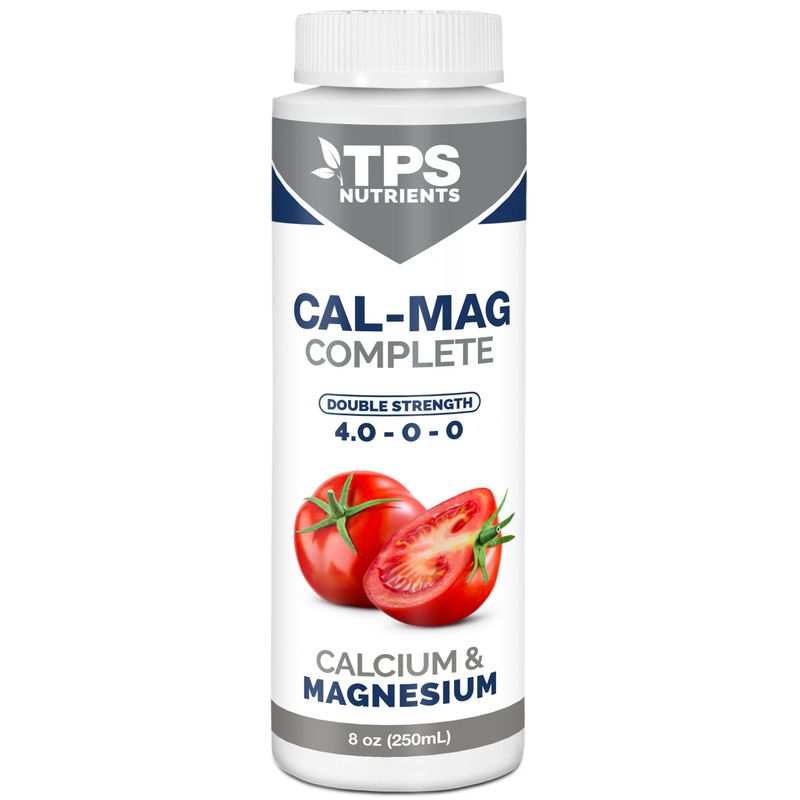
Nutrients in soil do not sit in separate lanes; they interact and compete. Magnesium and calcium jostle for the same uptake pathways, so flooding your soil with magnesium from Epsom salt can crowd out calcium your tomatoes need.
That imbalance can trigger problems that mimic a calcium shortage, including weaker cell walls and that dreaded blossom end rot creeping back in. You may spend the summer chasing symptoms your own additions created.
Balance beats excess every time. If you truly need magnesium, apply it in a measured way and keep an eye on calcium levels through testing, so one mineral never bullies the other out of the picture.
13. Spraying Leaves in Harsh Midday Sun
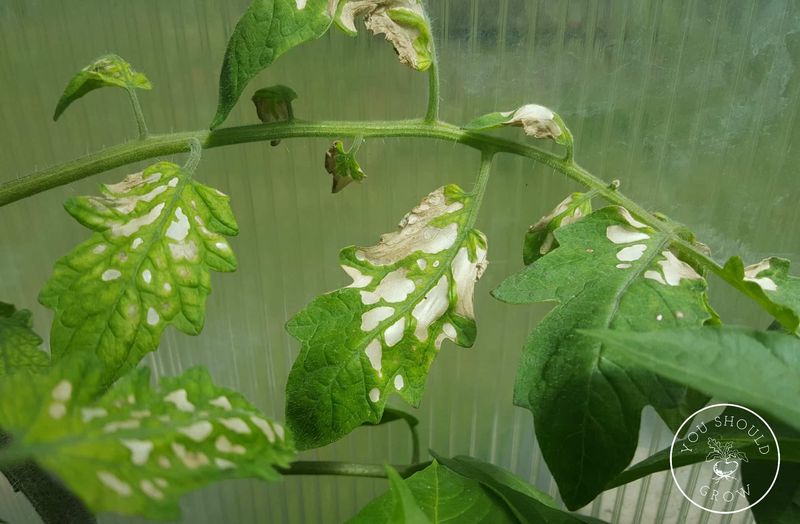
Timing can turn a helpful treatment into a damaging one. Foliar spraying Epsom salt when the sun blazes overhead sets the stage for leaf burn, because water droplets and dissolved salts can scorch heated foliage.
During summer afternoons across much of the country, leaf surfaces get hot enough that any spray becomes a gamble. Damaged leaves mean less photosynthesis, which is the opposite of what you were aiming for.
Shift your spraying to early morning or the cool of evening, and keep the solution weak. Cooler temperatures and low light let the plant absorb the magnesium safely without the risk of crispy, spotted leaves.
14. Treating It as a Complete Fertilizer
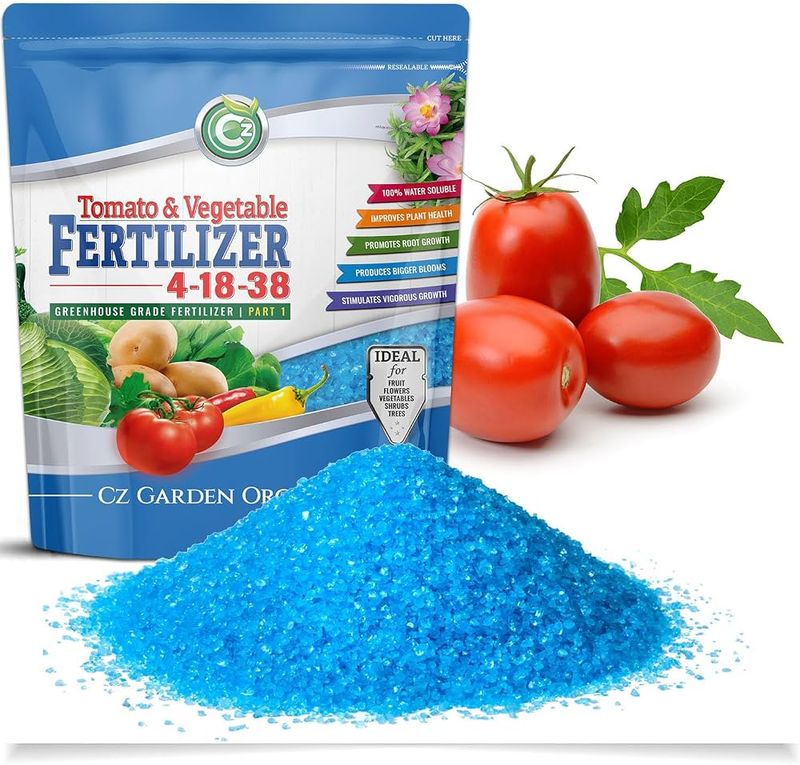
One of the biggest misunderstandings is expecting Epsom salt to feed your tomatoes fully. It only supplies magnesium and sulfur, and tomatoes hunger for a whole menu of nutrients, especially nitrogen, phosphorus, and potassium.
Rely on Epsom salt alone and your plants will slowly starve for the big nutrients that drive stems, roots, and fruit. Green leaves cannot compensate for missing nitrogen or the potassium that ripens flavorful tomatoes.
Use a balanced tomato fertilizer or compost as your foundation, and think of Epsom salt as a specialty supplement for a specific gap. Confusing a side dish for the main meal leaves your plants hungry no matter how much you apply.
15. Letting Runoff Reach Waterways and Beds Nearby
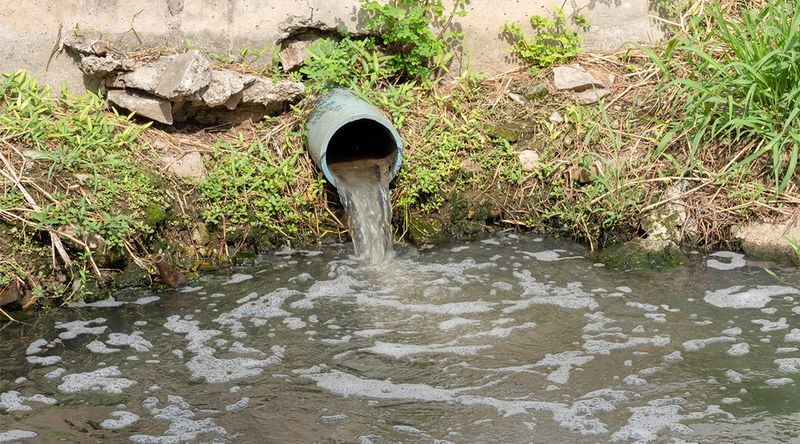
What washes off your garden does not simply vanish. Excess Epsom salt drains through soil and can travel with runoff into storm drains, ditches, and eventually local streams, adding magnesium and sulfates where they are not wanted.
Overuse also spreads to nearby plants you never intended to treat, potentially stressing flowers, shrubs, or vegetables that already had enough magnesium. Your generous scoop for the tomatoes can quietly ripple across the whole bed.
Applying only what a soil test justifies keeps the mineral where it belongs and out of the wider environment. Responsible dosing protects your entire yard and the waterways downstream, which is a small habit with a big payoff.