
Awaken Your Inner Plant Whisperer And Coax Struggling Hydrangeas Back Into Full Bloom
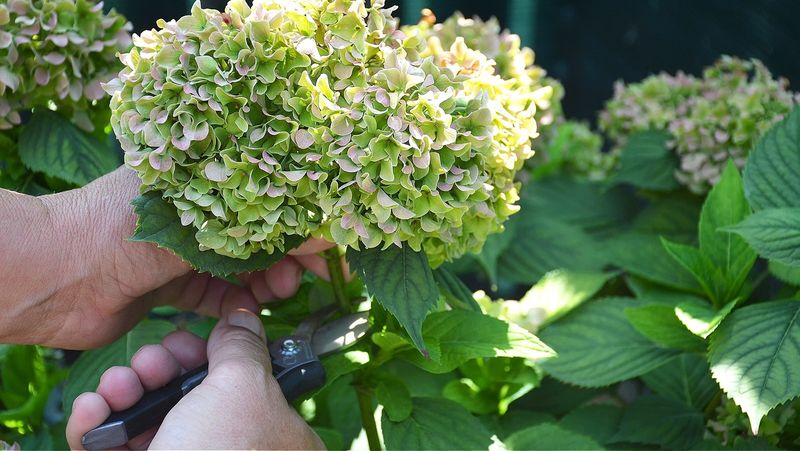
Hydrangeas are some of the most dramatic plants in a home garden, going from lush and blooming to wilted and flowerless seemingly overnight. When yours stops performing, the instinct is to water more, prune harder, or grab a fertilizer off the shelf, but those quick fixes often make things worse. Getting a struggling hydrangea back on track starts with reading the clues the plant is already giving you. With the right diagnosis, you can protect what the plant has left and set it up for a much better show next season.
Identify the Hydrangea Before You Try to Fix It
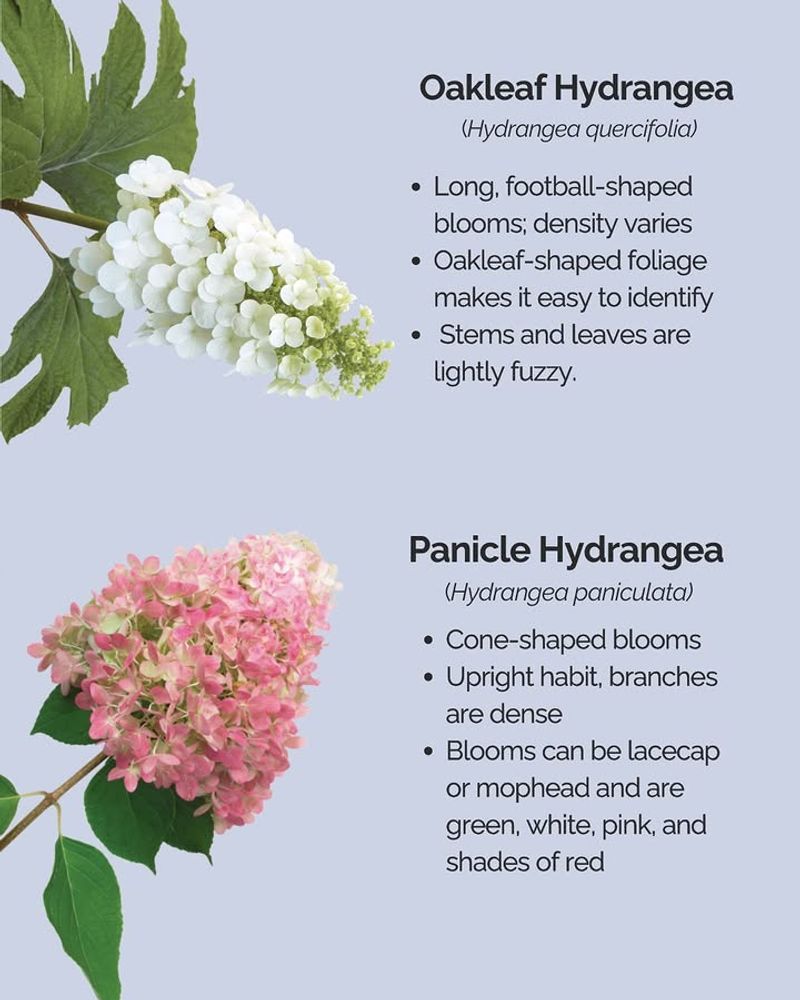
Before reaching for pruners or a bag of fertilizer, the single most useful thing you can do is figure out exactly which hydrangea you have. University of Minnesota Extension pruning guidance makes clear that care advice differs substantially among bigleaf, oakleaf, smooth, panicle, mountain, and climbing types, and that cultivar-level differences matter, particularly among modern reblooming bigleaf varieties. Treating all hydrangeas as one category is where most gardening mistakes begin.
Start with the plant tag if you still have it, or check any nursery records or receipts from when the plant was purchased. Leaf shape and flower form are your next best tools: bigleaf hydrangeas have broad, glossy leaves and either mophead or lacecap flowers; oakleaf hydrangeas have distinctive lobed leaves that resemble oak foliage and cone-shaped clusters; panicle hydrangeas produce elongated, pointed flower heads; and smooth hydrangeas, like the familiar ‘Annabelle,’ have rounded clusters and softer, matte leaves.
Why does this identification step matter so much? Penn State Extension’s species-specific pruning guide explains that bigleaf, mountain, oakleaf, and climbing hydrangeas generally form their flower buds on old wood, meaning the stems that grew last season carry next year’s flowers. Cutting those stems at the wrong time removes the buds before they ever get a chance to open.
Smooth and panicle hydrangeas follow a different pattern entirely, forming flowers on new wood that grows in the current season, so late-winter or early-spring pruning suits them well. Some modern reblooming bigleaf cultivars, such as the Endless Summer series, can flower on both old and new wood, which is why cultivar information still matters even once you know the species.
One more special case worth flagging: florist or gift hydrangeas sold in decorative indoor packaging. Penn State Extension notes that these plants are often forced into bloom and may not be reliably hardy enough to flower outdoors in colder parts of the United States. If yours came wrapped in foil from a grocery store, its outdoor performance may always be limited. Knowing what you have is the foundation every other fix depends on.
When Hydrangeas Fail to Flower, Check Several Causes
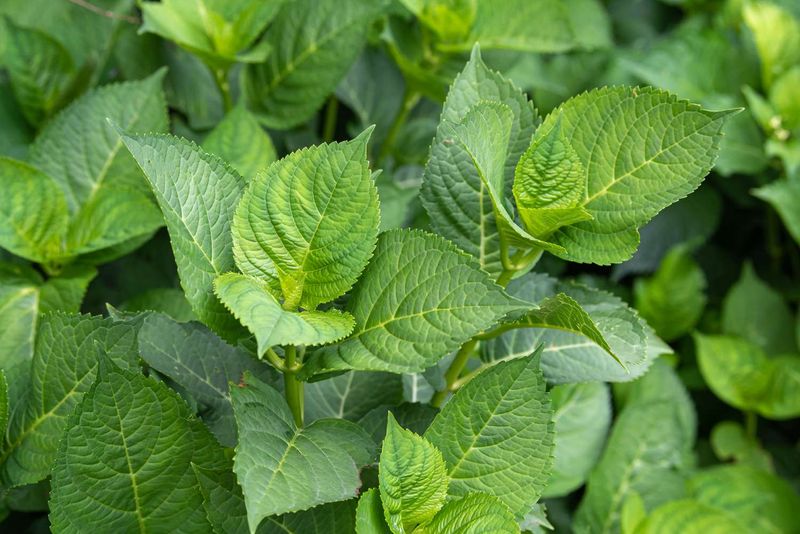
A hydrangea full of leaves but empty of flowers is one of the more frustrating sights in a summer garden, and the temptation is to blame pruning immediately. Pruning at the wrong time is absolutely a real problem, but WSU HortSense’s hydrangea failure-to-bloom fact sheet lists it alongside a broad set of other equally common culprits, including insufficient light, drought, poor drainage, excessive heat, and excess nitrogen. Jumping straight to a pruning explanation can send you right past the actual problem.
Winter injury is one of the most frequently overlooked causes, especially for bigleaf hydrangeas. A plant can come through a hard winter with its roots and crown completely intact, push out a healthy flush of new leaves in spring, and still produce zero flowers because the stems that carried those buds were killed by cold. Late spring frosts can do the same damage even after the plant looks like it has survived the season. Deer browsing during fall and winter strips buds from stems quietly and completely, leaving gardeners puzzled by a plant that looks otherwise fine.
Beyond cold and wildlife, the planting site itself can be responsible. Penn State Extension points to insufficient light as a consistent contributor to poor flowering, along with excessive sun and heat in exposed locations. Poorly drained soil stresses roots over time in ways that suppress blooming even when the plant keeps producing foliage. Excess nitrogen from over-fertilizing pushes energy into leaves rather than flowers.
The most important thing to understand about lost old-wood buds is that no amount of watering, feeding, or midsummer pruning can bring them back for the current season. University of Maryland Extension’s hydrangea problem guide reinforces that a plant can be entirely healthy and still not flower if those buds are gone. When that is the situation, the practical goal shifts to protecting the plant, correcting the underlying site or care problem, and preserving next season’s buds.
Match Pruning to the Wood That Carries Flowers
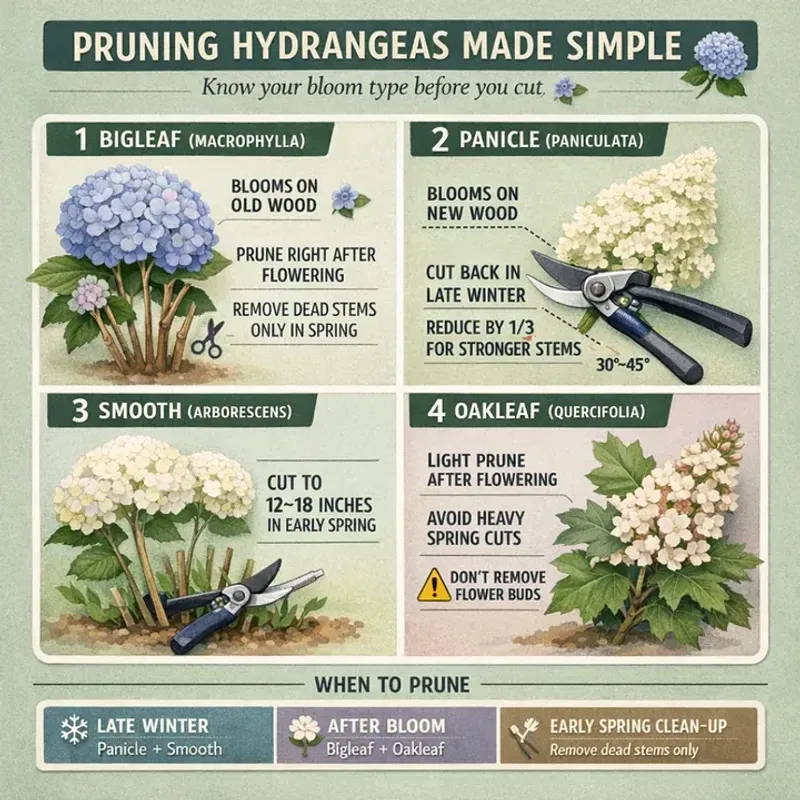
Pruning a hydrangea well comes down to one question: does this plant flower on wood that grew last year, or on wood that is growing right now? Get that answer right and the timing follows naturally. University of Illinois Extension’s pruning guide explains that old-wood bloomers, including bigleaf, mountain, oakleaf, and climbing hydrangeas, should be pruned immediately after flowering if pruning is needed at all, because that window gives the plant time to set new buds on the current season’s growth before winter arrives.
Smooth and panicle hydrangeas work the other way. Because they flower on new wood produced in the current growing season, cutting them back in late winter or early spring does not cost them any flower buds. In fact, University of Minnesota Extension notes that panicle and smooth hydrangeas generally respond well to late-winter pruning and can produce vigorous flowering stems from the resulting new growth.
The rule that matters most if you are unsure of your plant: do not hard-prune an unidentified hydrangea in fall, winter, or early spring. That is the window that removes old-wood flower buds from bigleaf, oakleaf, and mountain types before you even know they were there. Penn State Extension’s species-specific timing resource recommends using the plant tag, leaf shape, flower shape, or nursery records to confirm the type before making any significant cuts.
Reblooming bigleaf cultivars add one more layer of nuance. Because they can produce flowers on both old and new wood, a well-timed prune after the first flush of bloom can encourage a second round without sacrificing the whole season’s show. Even with these cultivars, though, the cultivar name matters, since not every plant sold as a rebloomer performs the same way in every climate. When in doubt, prune lightly and only after you have seen the first flowers open.
Read Wilting Through the Soil and Weather
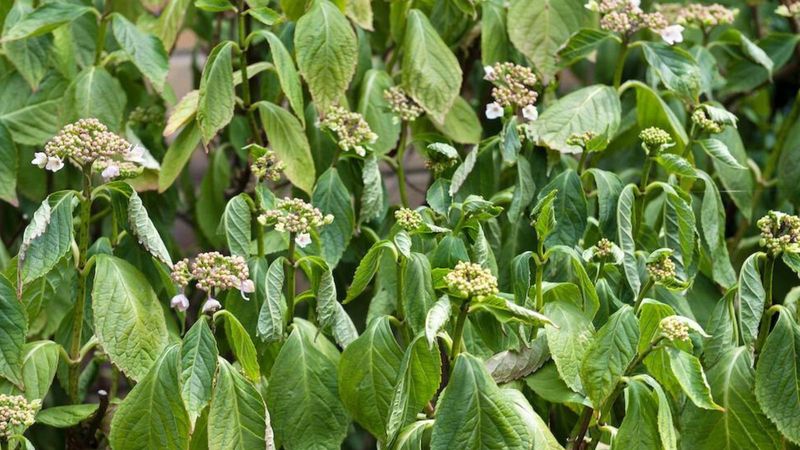
Drooping hydrangea leaves on a hot afternoon can look alarming, but reaching for the hose before checking the soil is a common mistake that can cause more harm than the wilt itself. University of Maryland Extension points out that bigleaf hydrangeas in particular may wilt in full sun even when the root zone has adequate moisture, and that saturated soil can also cause wilting through root damage. The symptom looks the same in both situations, which is why the soil tells you more than the leaves do.
For established in-ground shrubs, checking moisture 6 to 9 inches below the surface is far more reliable than going by calendar or surface appearance. University of Minnesota Extension’s watering guide for established trees and shrubs recommends checking whether the top 6 to 9 inches of the root zone are actually dry before watering, then delivering water deeply at the root zone when the soil calls for it. If leaves recover overnight and the soil is still moist several inches down, heat stress is the more likely explanation, not drought.
Container-grown hydrangeas dry out much more quickly than in-ground plants and need more frequent monitoring, since pot size, sun exposure, and potting mix all affect how fast the root zone loses moisture. The 6-to-9-inch rule applies specifically to established shrubs in the ground, not to plants in pots.
A roughly 2-to-3-inch layer of organic mulch around the base of an in-ground plant can help reduce evaporation and moderate soil temperature through summer heat. Penn State Extension’s plant health guidance notes that mulch should not be piled against stems, since stem contact can hold moisture against bark and invite rot. Excessive mulch depth can also form a barrier that prevents rainfall and irrigation from reaching the soil beneath it, so a consistent, moderate layer works better than a thick mound.
Separate Scorch, Frost Injury, and Leaf Spot
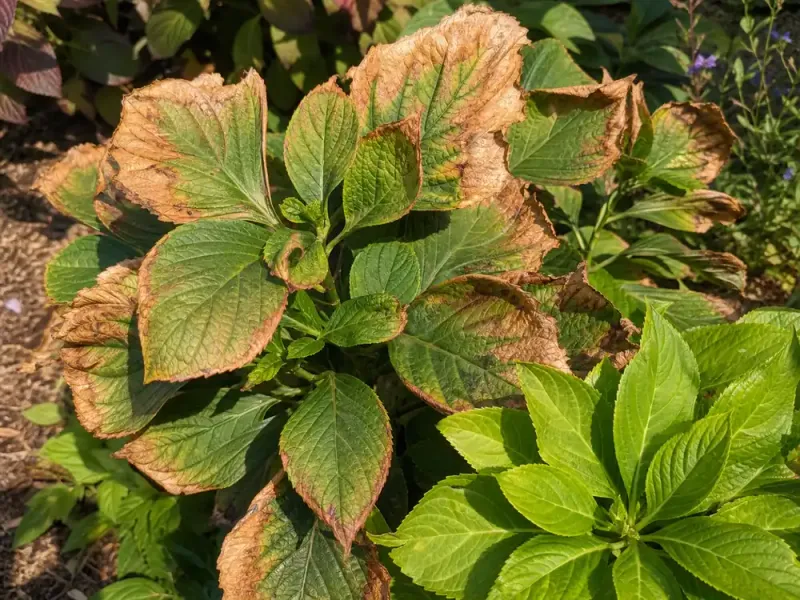
Brown patches on hydrangea leaves send many gardeners straight to the pesticide aisle, but the appearance of damaged foliage rarely points to just one cause. Brown, crispy margins along leaf edges are a common sign of excessive sun exposure, drought stress, intense heat, or frost injury, and those causes can overlap in the same plant during the same season. University of Maryland Extension’s hydrangea problem resource notes that distinguishing among these requires looking at the whole picture, including recent weather, soil moisture, sun exposure, and when the damage first appeared, rather than the leaf alone.
Spots that are brown, purple, tan, or gray, especially when they begin on lower leaves and spread upward, suggest a different category of problem: possible bacterial or fungal leaf spot. Splashing water, whether from rain or overhead irrigation, can spread bacterial leaf spot from leaf to leaf, which is why keeping foliage as dry as possible and improving air circulation around the plant are practical first responses. Switching to drip irrigation or watering at the base rather than overhead can make a real difference over time.
What those spots generally do not require is an immediate pesticide application. University of Minnesota Extension’s plant problem diagnostic guidance emphasizes identifying the specific problem before treating, and many leaf spots are primarily cosmetic, causing no meaningful harm to the plant’s overall health or flowering. Spraying without a confirmed diagnosis risks disrupting beneficial insects and can create resistance in the organisms you are actually trying to control.
Herbicide drift, viral symptoms, root damage, and weather injury can all produce spots or discoloration that resembles pest or disease damage. When the pattern is unusual or the damage is spreading quickly, a photograph submitted to a local cooperative extension office or master gardener program can provide a much more reliable answer than a visual match to an online symptom chart. Treat the symptom as a clue that warrants investigation, not a confirmed diagnosis that demands immediate action.
Balance Light, Heat, and Drainage

Where a hydrangea sits in the yard shapes almost everything about how it performs. Full sun sounds like a universal advantage for flowering plants, but several hydrangea species do their best work with morning sun and afternoon shade, particularly in regions where summer temperatures climb above 85 or 90 degrees. University of Maryland Extension connects intense afternoon exposure to higher water demand, temporary wilt, foliage scorch, and a shorter or weaker bloom display, even in otherwise healthy plants.
Too little light creates the opposite problem. A plant tucked under a dense tree canopy or against a north-facing wall may produce plenty of foliage but consistently skip flowering because it never receives enough energy to form buds. WSU HortSense lists insufficient light as one of the reliable contributors to poor bloom performance, alongside pruning errors and weather damage. The ideal exposure for most hydrangeas is bright, indirect light or direct morning sun with shade during the hottest part of the afternoon.
Drainage deserves equal attention when assessing a planting site. A location that holds water after rain, stays consistently soggy, or drains very slowly keeps the root zone saturated, which stresses roots and can eventually suppress flowering even when the rest of the plant looks fine. Repeatedly watering a site that already stays wet compounds the problem significantly.
A simple drainage check involves digging a small hole about 12 inches deep, filling it with water, and watching how quickly it empties. University of Minnesota Extension recommends assessing both the soil moisture level and the drainage pattern before adjusting irrigation practices, since overwatering a poorly drained site can create root conditions that mimic drought stress on the surface. Improving drainage through amended soil, raised planting, or redirected water flow often does more for a struggling hydrangea than any fertilizer or pruning adjustment.
Test Soil Before You Reach for Fertilizer
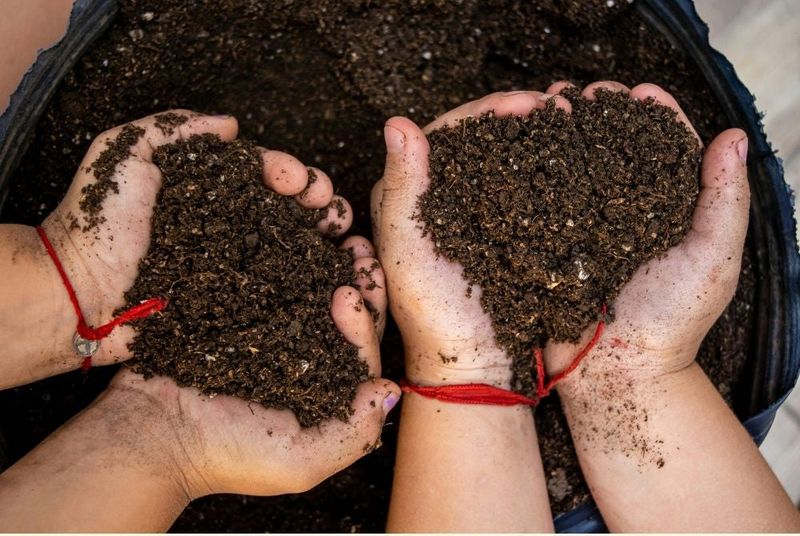
Yellow leaves with green veins are easy to misread. That pattern, called chlorosis, can suggest a nutrient deficiency, but extension soil and plant health guidance points out that it can also reflect unsuitable pH, root damage from saturated soil, or compaction that limits root function. Grabbing a general fertilizer in response to yellow leaves without checking the soil first is a bit like taking a random medication for an undiagnosed symptom: it might help, but it could also make things worse.
A basic soil test from your state’s cooperative extension service or a reputable lab gives you actual numbers on pH, organic matter, and nutrient levels, which is far more useful than guessing. University of Maryland Extension recommends testing before amending, since both over- and under-application of nutrients can create new problems. Excess phosphorus, for example, can interfere with iron and zinc availability, potentially causing the very yellowing you were trying to fix.
Nitrogen deserves particular caution. A lush hydrangea with dense, dark green foliage but no flowers has often received too much nitrogen, which pushes the plant toward vegetative growth at the expense of blooming. Colorado State University Extension’s fertilizer resource explains that nitrogen drives leaf and stem growth, and that plants receiving excess amounts often redirect energy away from flower production.
Bloom-booster fertilizers marketed specifically for flowering plants typically contain elevated phosphorus levels. Extension plant nutrition guidance is consistent on this point: phosphorus should be applied only when a soil test shows a documented deficiency, not as a routine fix for poor blooming. Most established garden soils already have adequate phosphorus, and adding more without evidence of a shortfall rarely improves flowering and can create long-term soil imbalances. A balanced, slow-release fertilizer applied once in spring, if the soil test supports it, is a more measured starting point than any specialty product.
Use Flower Color as a Limited Soil-PH Clue
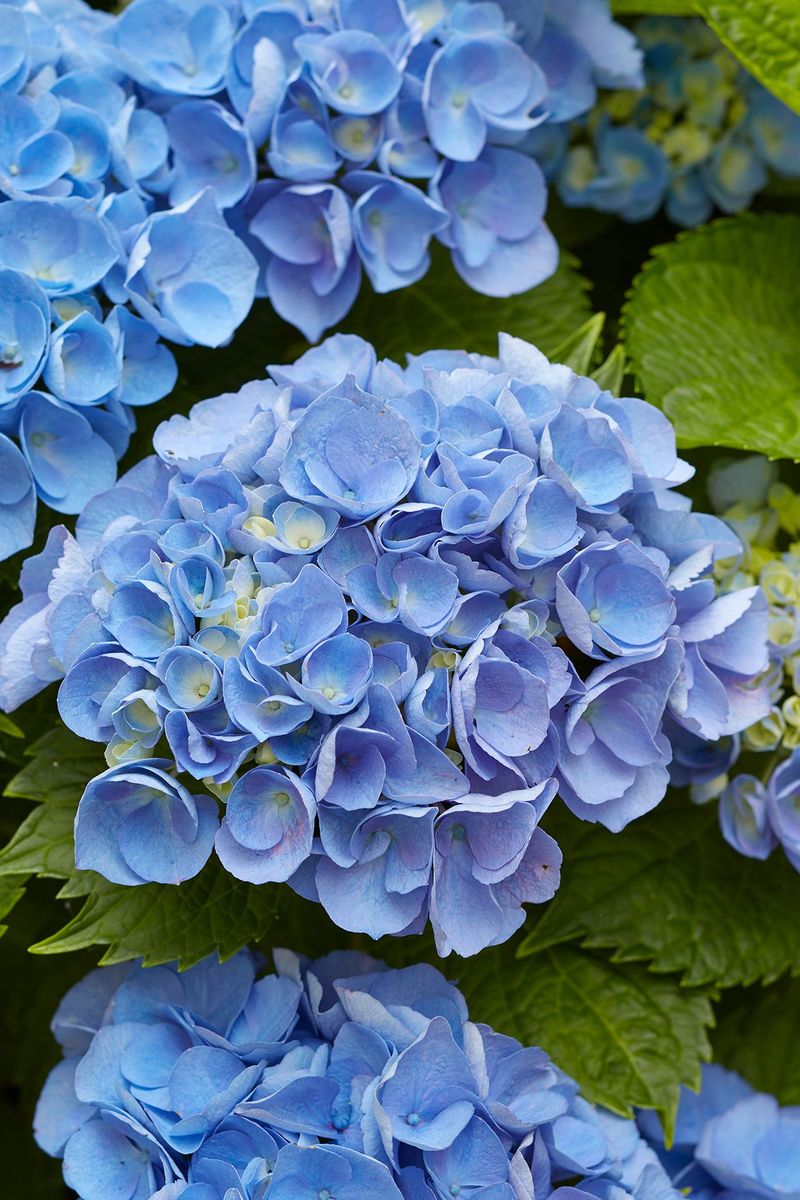
Flower color in hydrangeas gets a lot of attention, and the science behind it is genuinely interesting, but it applies to a narrower group of plants than most gardening content suggests. Soil pH and the availability of aluminum in the soil affect the flower color of many bigleaf and mountain hydrangeas, with more acidic conditions and available aluminum tending to produce blue flowers, while less-acidic conditions lean toward pink. University of Maryland Extension is specific about the scope: white-flowered cultivars generally remain white regardless of soil conditions, and smooth hydrangeas such as ‘Annabelle’ do not shift color in response to pH changes.
If you grow a pink or blue bigleaf hydrangea and want to understand or adjust its color, a soil test is the necessary first step. University of Illinois Extension’s hydrangea care publication explains that aluminum availability is tied to soil pH, and that attempting to shift color without knowing your starting pH can lead to over-correction. Applying acidifying amendments to soil that is already quite acidic, or adding lime to soil that does not need it, can injure roots and disrupt the availability of other nutrients.
Aluminum sulfate is sometimes recommended for shifting hydrangea flowers toward blue, but it carries real risk when applied without soil test guidance. Misuse can burn roots or create toxicity problems, particularly in lighter soils. Penn State Extension and other land-grant sources generally favor elemental sulfur or another properly selected acidifying amendment when pH adjustment is actually needed, and only after testing confirms the need.
Color is a satisfying thing to manage when conditions are right, but it is worth keeping in perspective: a hydrangea blooming in a color you did not expect is still a blooming hydrangea. Chasing a specific hue with unadjusted amendments is a secondary concern compared to getting the plant healthy and flowering reliably in the first place.
Build a Recovery Plan for the Next Flowering Cycle
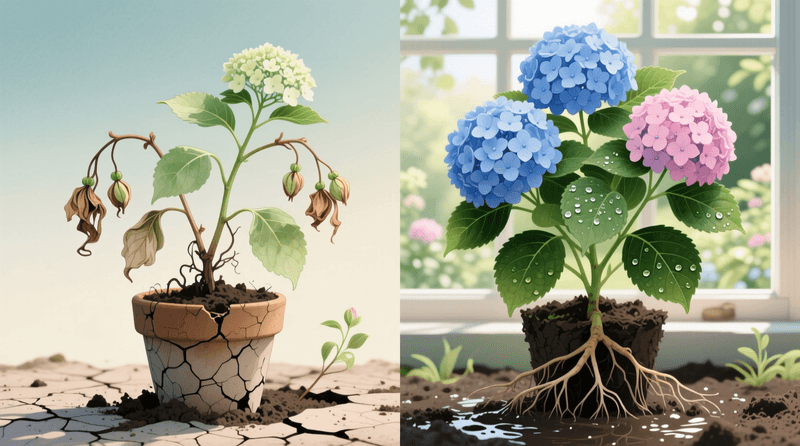
Putting together a recovery plan works best as a sequence rather than a simultaneous pile of interventions. Start by confirming the cultivar or at least the species, because every decision that follows, especially pruning, depends on whether the plant blooms on old or new wood. Then inspect the stems carefully for surviving buds, which on old-wood types look like small, swollen nodes along the stem and are your clearest signal about what the current season might still offer.
Assess the planting site next. Check light exposure, look for drainage problems, and for established in-ground shrubs, probe the soil 6 to 9 inches down before watering. University of Minnesota Extension recommends basing irrigation decisions on actual soil moisture rather than a fixed schedule. Then hold off on fertilizer until a soil test gives you something concrete to act on, since adding nutrients without that information can work against flowering rather than for it.
Prune only according to bloom type and timing. Penn State Extension and University of Minnesota Extension both emphasize that timing errors are among the most preventable causes of lost flowering. If the plant is a new-wood type or a reblooming cultivar, corrective pruning now may still encourage later blooms this season. If it is an old-wood type that has already lost its buds to cold, pruning, or deer, the honest path is to protect the plant, correct the site problem, and wait for next year’s cycle.
A struggling hydrangea is rarely beyond recovery. University of Maryland Extension frames the goal well: better diagnosis and improved plant health lead to better future flowering, which is a more reliable promise than any guarantee of immediate full bloom. A plant that finishes this season healthier and better sited than it started is already well on its way.