
8 Ways Epsom Salt Actually Helps Your Tomatoes-And 7 Ways It Quietly Backfires
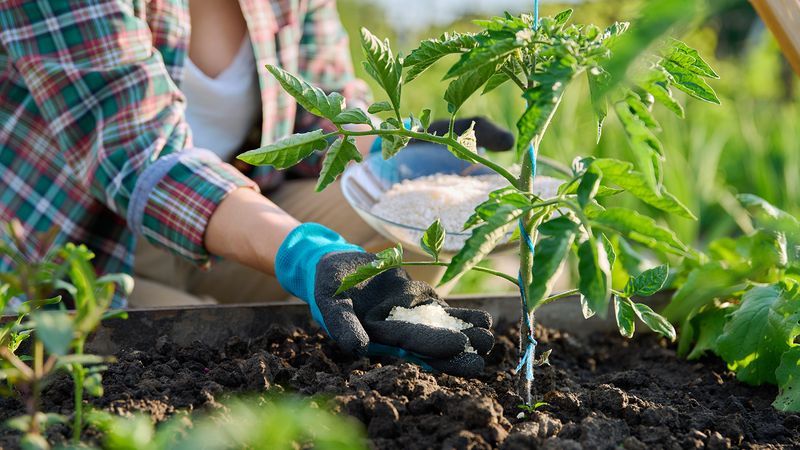
Epsom salt has a reputation as a miracle fix for tomato plants, and plenty of backyard gardeners swear by it. The truth is a little messier than the internet lets on, because it can genuinely help in some situations and quietly cause trouble in others. Knowing the difference means you stop guessing and start giving your plants exactly what they need. Here are eight honest wins and, further down, a few sneaky ways this popular trick can trip you up.
1. It Delivers Magnesium When Your Soil Is Genuinely Short
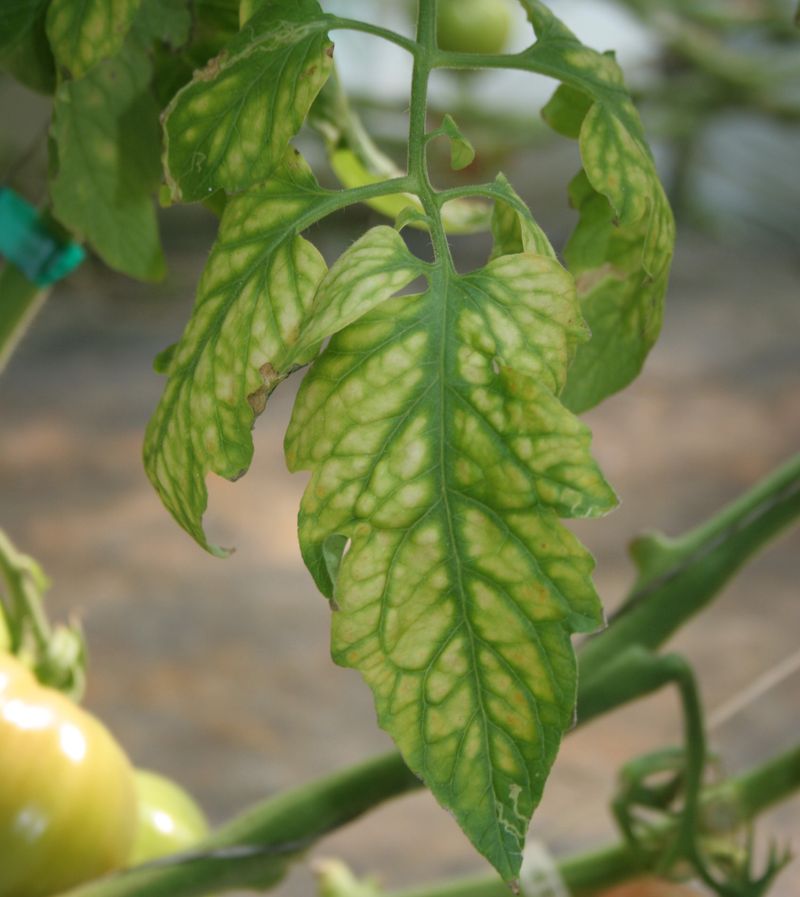
Picture a tomato leaf that has gone yellow between the veins while the veins themselves stay stubbornly green. That marbled look is one of the clearest signs of a magnesium shortage, and Epsom salt (magnesium sulfate) can step in fast.
Magnesium sits at the center of every chlorophyll molecule, so without it your plants literally cannot make food properly. In older sandy soils common across the Southeast and parts of the Midwest, magnesium leaches out with heavy summer rain, leaving plants hungry for it.
A light dose dissolved in water can green things back up within a week or two when the deficiency is real. The key word is real. Epsom salt only works as a fix here if magnesium is what your soil actually lacks, which is why the smartest first step is a cheap soil test rather than a hopeful guess.
2. It Can Perk Up Seedlings During Transplant Shock
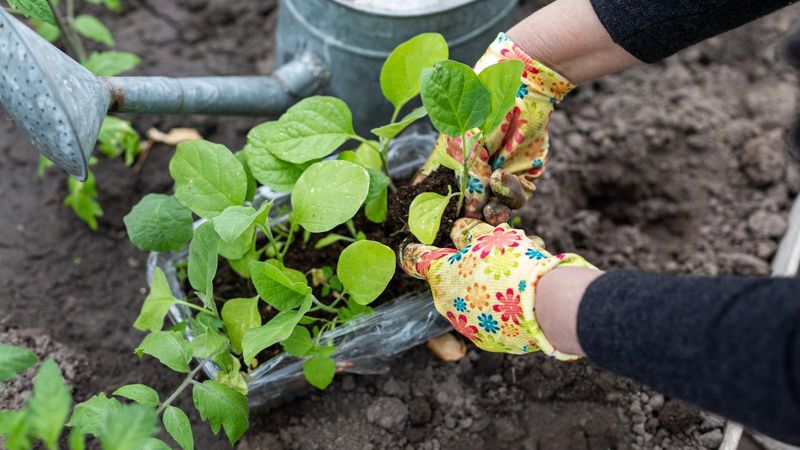
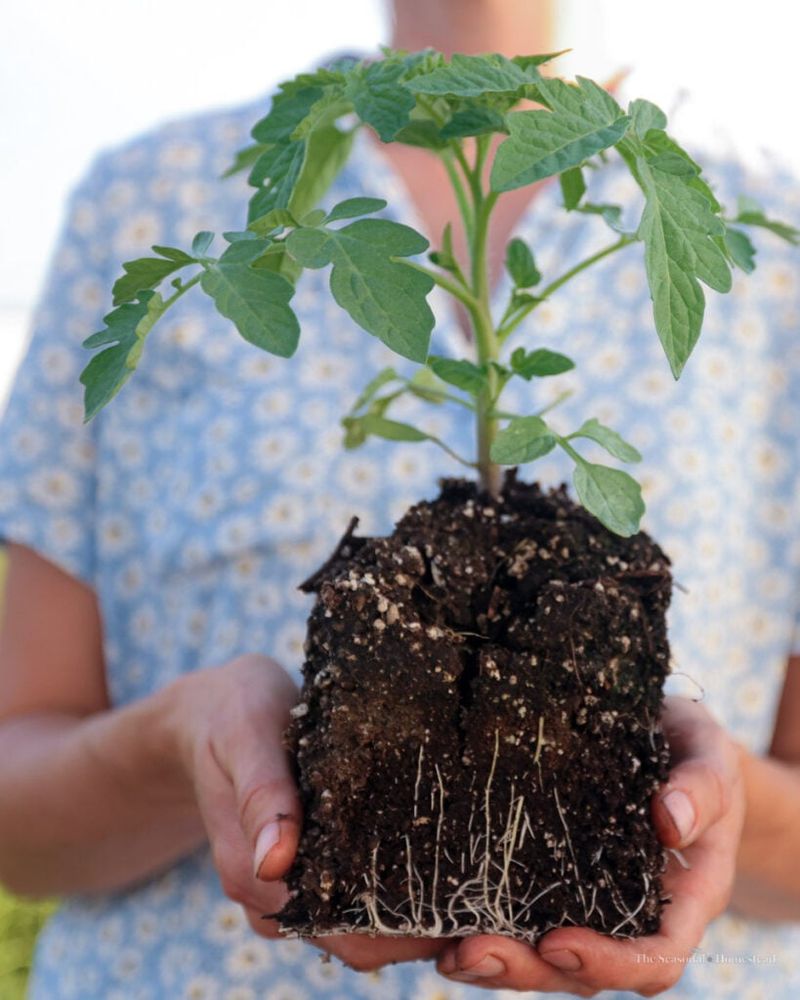
Moving a young tomato from a cozy pot into open ground is a stressful day for the plant, even if it looks fine to us. Roots get disturbed, water uptake stumbles, and the seedling often sulks for a while.
A very dilute Epsom salt solution watered in at transplant time may give roots a gentle magnesium boost that supports early leaf growth. Gardeners in cooler northern zones, where spring soil is slow to warm, sometimes notice their transplants settle in a touch faster.
Think of it as a small helping hand, not a cure. The effect is modest and only shows up if the soil was borderline low to begin with. Pair it with steady watering and a few days of afternoon shade, and your seedlings will thank you far more than they would from Epsom salt alone.
3. It Supports Better Fruit Flavor in Magnesium-Poor Beds
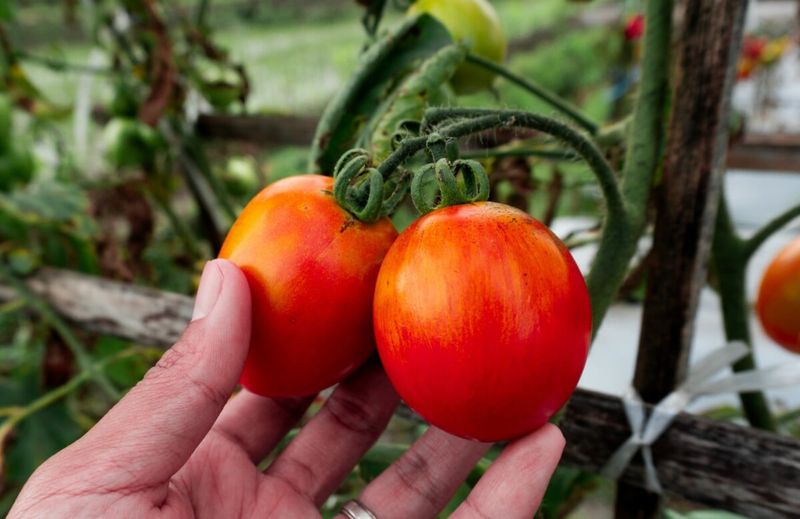
Ever bitten into a homegrown tomato that tasted flat and watery, nothing like the ones you dreamed about all winter? Flavor is tied to how well the plant photosynthesizes, and magnesium is a big part of that engine.
When a bed is truly short on magnesium, correcting it can help the plant build more sugars and richer flavor compounds in the fruit. Some container growers see this most clearly, since potting mixes get flushed of nutrients every time they water.
The catch is that flavor depends on many things at once, including sunlight hours, watering rhythm, and the variety you chose. Epsom salt nudges one small lever. If your soil already has plenty of magnesium, adding more will do nothing for taste and may just waste your effort.
4. It Works as a Quick Foliar Spray for Fast Uptake
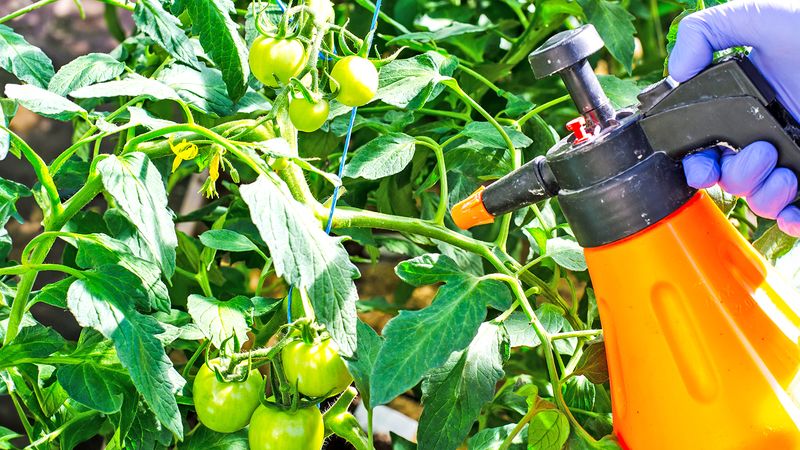
Roots can be slow eaters, especially in cold or compacted soil where nutrients sit locked away. A foliar spray skips that bottleneck by feeding the leaves directly.
Mixing a small amount of Epsom salt into water and misting it onto the undersides of tomato leaves lets magnesium absorb through the leaf surface within hours. Gardeners often reach for this method mid-season when they spot early yellowing and want a faster response than root feeding gives.
Spray in the early morning or evening so the sun does not scorch wet leaves, and keep the mix weak. Overdoing the concentration can leave crusty white spots on the foliage. Used gently and only when leaves show real need, it is one of the more reliable tricks in the Epsom salt playbook.
5. It May Improve Nutrient Uptake When Balanced Correctly
Nutrients in soil work like a team, and sometimes one player helps another get onto the field. Magnesium and phosphorus have that kind of relationship, with magnesium assisting the plant in moving phosphorus where it needs to go.
In beds that test slightly low on magnesium, a measured dose can help your tomatoes make fuller use of the phosphorus already present. That means the fertilizer you have been buying does more work instead of sitting idle in the dirt.
Balance is everything, though. Too much magnesium can crowd out calcium and potassium, throwing the whole team out of sync. The gardeners who benefit here are the ones treating a known shortfall, not those dumping Epsom salt in as a general tonic and hoping for magic.
6. It Backfires When People Blame It for Blossom End Rot
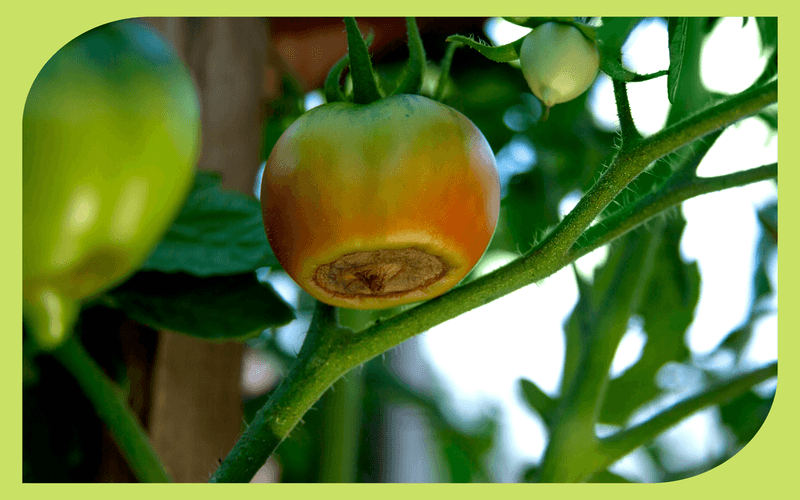
Here is the myth that trips up more tomato growers than any other. Those ugly sunken brown patches on the bottom of your fruit, called blossom end rot, are caused by a calcium problem, not a magnesium one.
Adding Epsom salt to fight blossom end rot can actually make things worse. Magnesium and calcium compete for the same spots on plant roots, so piling on magnesium can block the very calcium your tomatoes are begging for.
The real cure is usually steadier watering, since uneven moisture keeps roots from pulling calcium up into the fruit. Reach for consistent watering and mulch first, and leave the Epsom salt jar on the shelf. Believing the old rumor here quietly sabotages the harvest you are trying to save.
7. It Quietly Throws Off Your Soil Balance With Overuse
A little enthusiasm can turn into a slow-building problem underground. Every time you add Epsom salt to soil that did not need it, the magnesium accumulates because plants only take up so much.
Over a season or two, that buildup shifts the ratio between magnesium, calcium, and potassium. The result is a garden bed that looks fine on the surface while the chemistry beneath it drifts out of range, making future crops harder to grow well.
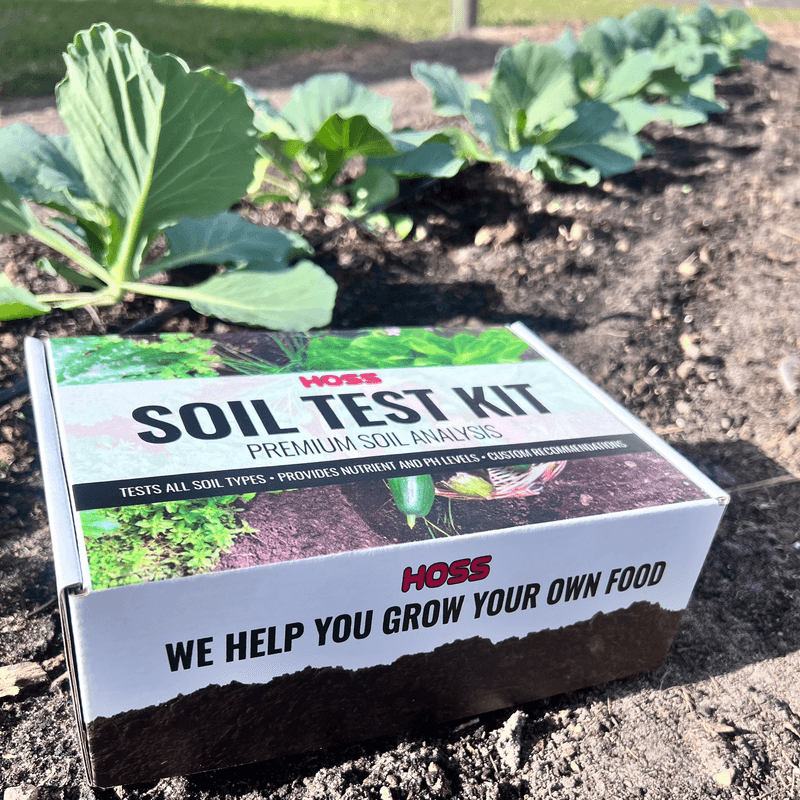
Container gardeners feel this fastest since there is nowhere for excess to wash away. A yearly soil test is the honest way to know whether you are helping or simply piling on. If magnesium is already adequate, more Epsom salt is not a bonus, it is a liability waiting to show up.
8. It Can Wash Into Waterways and Cause Trouble Downstream
What we sprinkle in the backyard does not always stay in the backyard. Magnesium sulfate is highly water soluble, so heavy rain or overwatering carries the excess straight out of the root zone and into storm drains and streams.
In neighborhoods near ponds, creeks, or coastal watersheds, that runoff adds to the nutrient load that already stresses local water. It is a small contribution from any one garden, but multiply it across a whole street of well-meaning growers and it adds up.
Using Epsom salt only when a soil test says you need it keeps that runoff to a minimum. Responsible timing matters too, since applying it right before a downpour mostly feeds the gutter instead of the plant. Treating it as a targeted tool rather than routine seasoning protects both your tomatoes and the water beyond your fence.