
Grow This Magical Purple Flower And Your Whole Garden Will Smell Like Fresh Cherry Pie
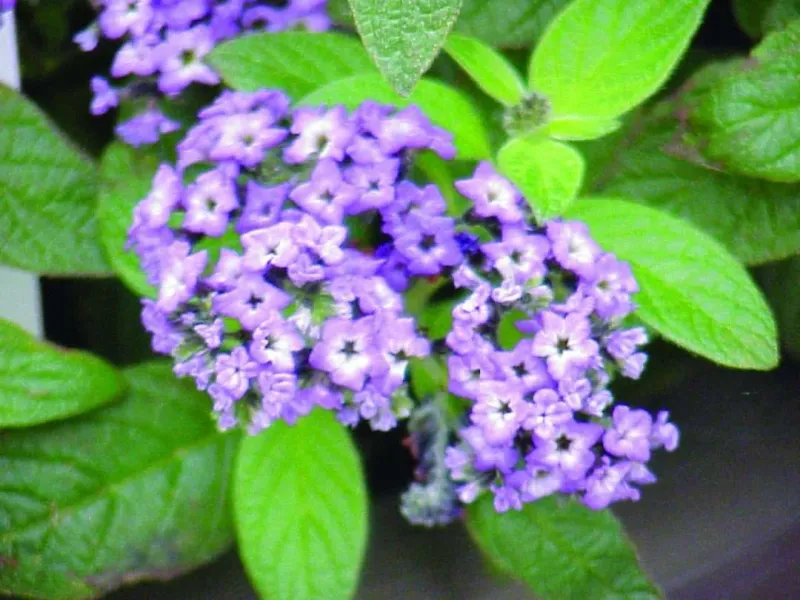
Somewhere between vanilla and cherry pie lives a flower that stops people mid-step and makes them wonder what they are smelling. Common garden heliotrope, known botanically as Heliotropium arborescens, produces dense clusters of small purple and violet blooms with a sweet, dessert-like fragrance that has earned it the nickname cherry pie flower. The scent is real, but it is a close-up experience rather than a whole-yard event, and how strongly you notice it depends on the cultivar you choose, where you plant it, and even how your own nose processes floral compounds. Grow it right and you may catch that warm, sweet moment every time you walk past the porch.
Meet the Purple Flower Behind the Cherry-Pie Name
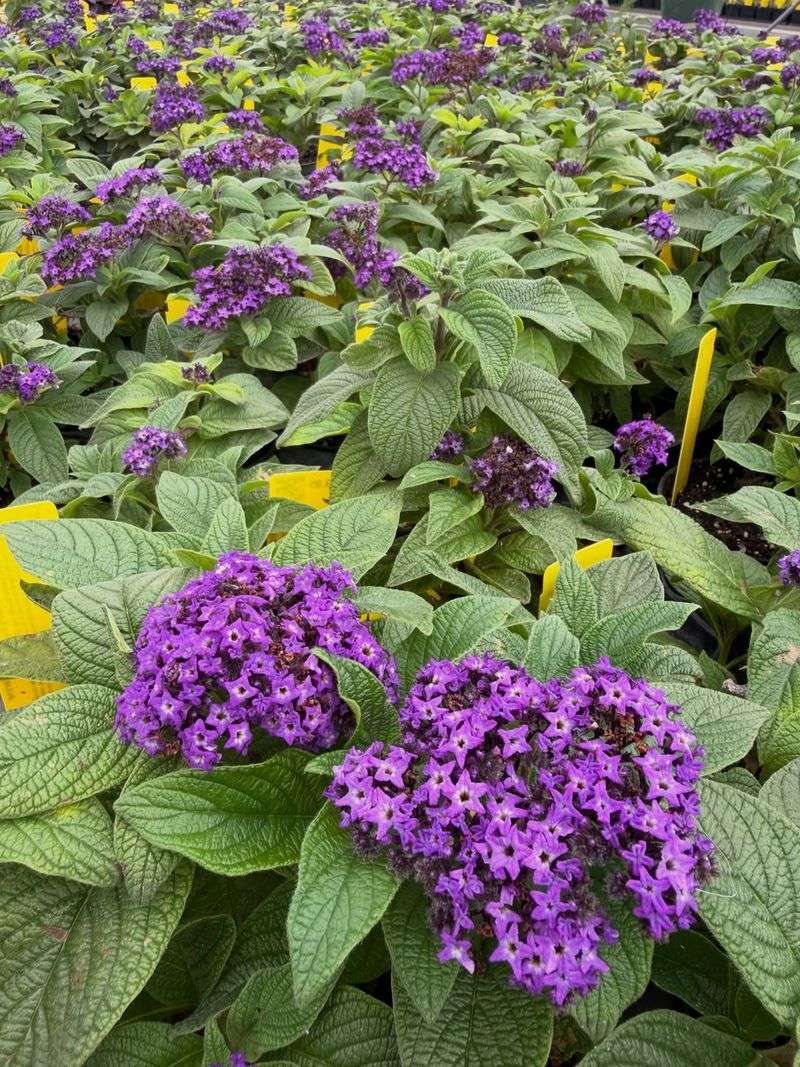
Common garden heliotrope, Heliotropium arborescens, is the purple flower most often connected to the cherry-pie comparison. North Carolina Extension describes it as a tender perennial native to Peru that produces small purple, violet, or blue flowers gathered into rounded clusters, with a fragrance that gardeners and growers have long found memorable. You may also see it sold under the common names cherry pie heliotrope, cherry pie flower, or Peruvian heliotrope, all pointing back to the same species.
One source of confusion worth clearing up right away: the name “garden heliotrope” sometimes refers to a completely different plant, Valeriana officinalis. Missouri Botanical Garden’s plant finder lists both species separately, and they have different growth habits, appearances, and care needs. When you are shopping for the cherry-pie-scented purple flower, look specifically for Heliotropium arborescens on the tag or label.
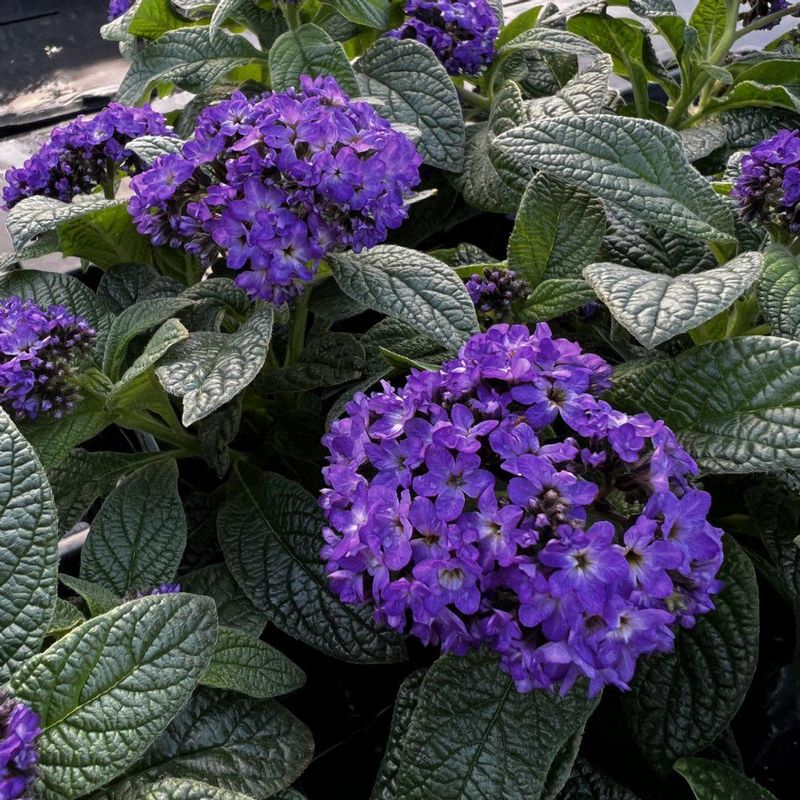
The flowers themselves are small individually, but they pack together into broad, slightly domed clusters that can be quite showy against the plant’s dark, somewhat wrinkled leaves. The Royal Horticultural Society describes the species as heavily scented, which matches its long-standing reputation as a cottage-garden favorite.
About that title promise: the fragrance is genuine, but the evidence supports a close-up experience rather than a scent that drifts reliably across an entire backyard. Sit near the plant on a warm afternoon and you may notice that sweet, dessert-like quality strongly. Walk to the far end of the yard and results will vary. Keeping that realistic picture in mind will help you position the plant where it actually delivers the moment you are hoping for.
What Does Heliotrope Actually Smell Like?
Calling heliotrope’s scent “cherry pie” is a useful shorthand, but the actual experience is more layered than that. The RHS describes the fragrance as heavily scented with a sweet character, while North Carolina Extension uses “vanilla-like” as one reference point. Plenty of gardeners catch almond, powdery vanilla, or a faintly medicinal warmth rather than anything that closely resembles baked fruit. Your nose may land somewhere different from your neighbor’s, and that is completely normal for complex floral scents.
Cultivar matters more than most gardeners expect. A University of Georgia study on heliotrope volatile compounds identified 41 flower-emitted compounds in the cultivar ‘Marine’ and noted that breeding programs focused on producing larger flower clusters and more saturated flower colors had, in some lines, resulted in reduced fragrance. In other words, a plant selected for showier blooms may deliver a quieter scent. That finding has a direct practical implication: not every purple heliotrope on the nursery bench will reward you with the same intensity.
Weather and growing conditions add another layer of variability. Warmth tends to release volatile compounds more freely, so a sunny afternoon may offer a noticeably stronger impression than a cool, overcast morning. Plant size, soil health, and even the time of day can all shift what you actually perceive standing next to the plant.
The most reliable buying strategy is to seek out a cultivar that the seller or breeder specifically describes as fragrant, and to smell a flowering specimen in person before you commit. A retail tag saying “fragrant” is a useful starting point, not a guarantee of any particular intensity or scent profile. If you can press your face close to an open flower cluster at the nursery and catch that warm, sweet note, you have a much better idea of what you are bringing home than any label alone can tell you.
Place It Where You Will Notice the Fragrance
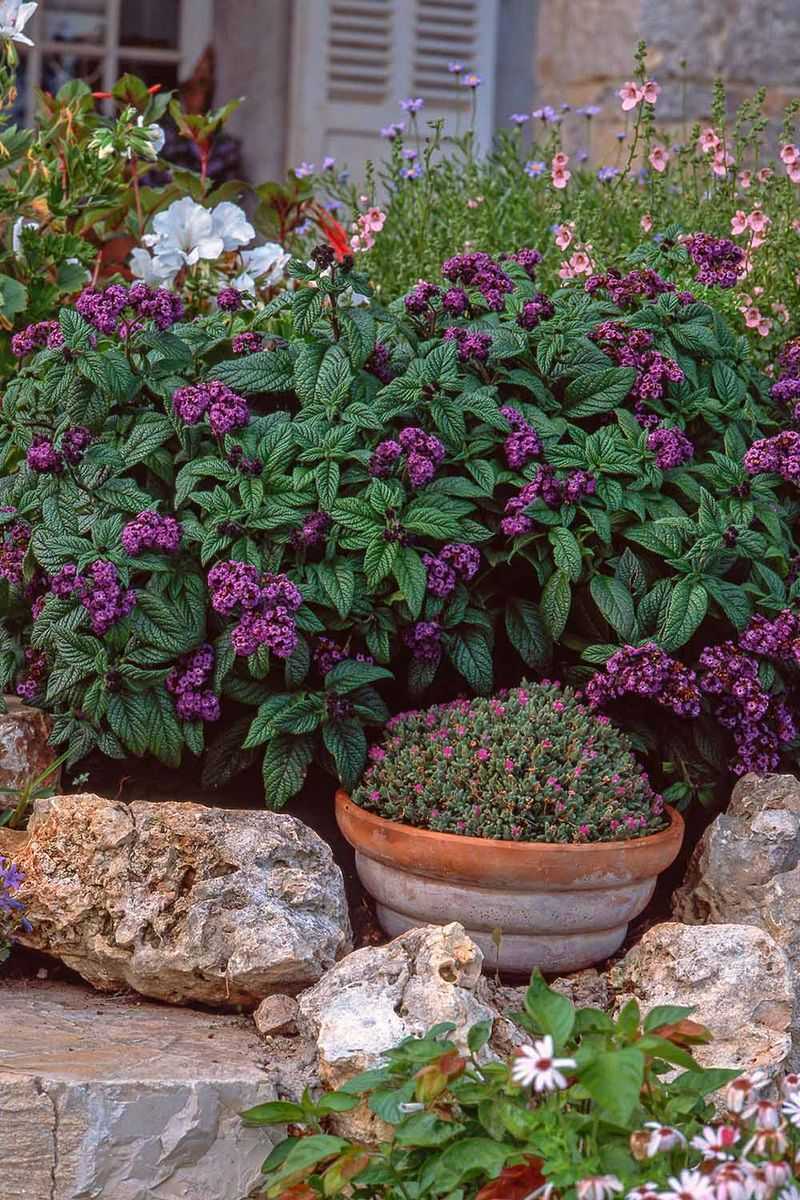
Getting the most from heliotrope’s scent is largely a placement decision. Rather than hoping the fragrance will travel across a wide garden, tuck the plant somewhere people actually pass close by: a patio edge, the step beside a front door, a seating area, or along a frequently used garden path. The RHS notes heliotrope’s suitability for borders and containers near seating areas, which aligns with the goal of catching the scent on your own terms. No authoritative source establishes a reliable fragrance radius for this plant, so the practical move is to bring yourself within arm’s reach of the blooms.
Missouri Botanical Garden recommends full sun as the general preference for Heliotropium arborescens. In regions where summer afternoons regularly push past 90 degrees Fahrenheit, a spot that receives morning sun and some light afternoon shade can help the plant stay comfortable and keep blooming rather than stalling under heat stress. A south- or east-facing location near a wall or fence often provides that balance.
Pairing placement with regular observation pays off in a second way. A plant near a door or patio is one you will naturally check on every day, which means you will catch early signs of stress, dryness, or pest activity before they become serious problems. North Carolina Extension notes that consistent moisture is important, so a location where you walk past daily doubles as a reminder to check the soil. Good placement, in short, serves both the sensory experience and the plant’s ongoing health.
Give It Moist, Rich Soil Without Wet Roots
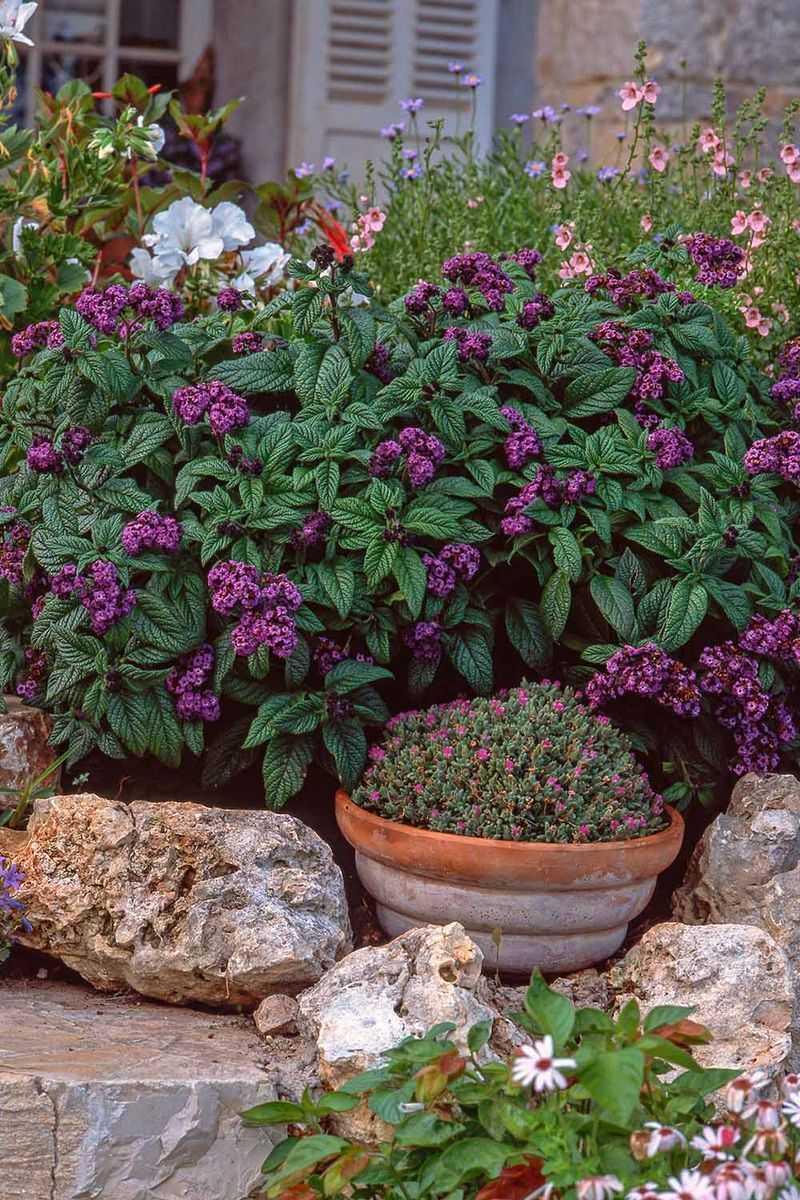
Heliotrope is not a fussy plant, but it does have a clear preference when it comes to soil. Missouri Botanical Garden describes the ideal growing medium as organically rich, moist, and well-drained. That combination means the roots should never sit in water, but the soil should also not be allowed to dry out completely between waterings. If your garden bed tends to stay soggy after rain, amending with compost and ensuring adequate drainage before planting will serve the plant far better than trying to compensate with careful watering later.
Timing your outdoor planting around frost matters in most of the continental United States. Set transplants outside after the local last frost date has passed and nighttime temperatures are reliably above freezing. Rushing that step risks cold damage to a plant that originated in the warmer climates of Peru, Colombia, and Bolivia and has no cold hardiness to draw on. North Carolina Extension confirms the plant’s tender perennial status and its common use as a warm-season annual across much of the country.
Once the plant is settled in and growing, a little shaping goes a long way. Pinching stem tips encourages branching and produces a fuller, bushier plant rather than a leggy one. Deadheading spent flower clusters keeps the display looking tidy and can encourage the plant to push out additional blooms. The RHS supports deadheading as a routine maintenance step for continued flowering.
Bloom season generally runs through summer, with flowering potentially continuing into fall if temperatures stay favorable and the plant remains healthy. There is no fixed end date, and a well-cared-for specimen in a mild autumn can keep producing flower clusters well past what you might expect from a typical warm-season annual. Consistent watering and a light balanced fertilizer applied through the growing season will keep the plant energized without pushing excessive leafy growth at the expense of flowers.
Containers Make Heliotrope Easier to Position and Save
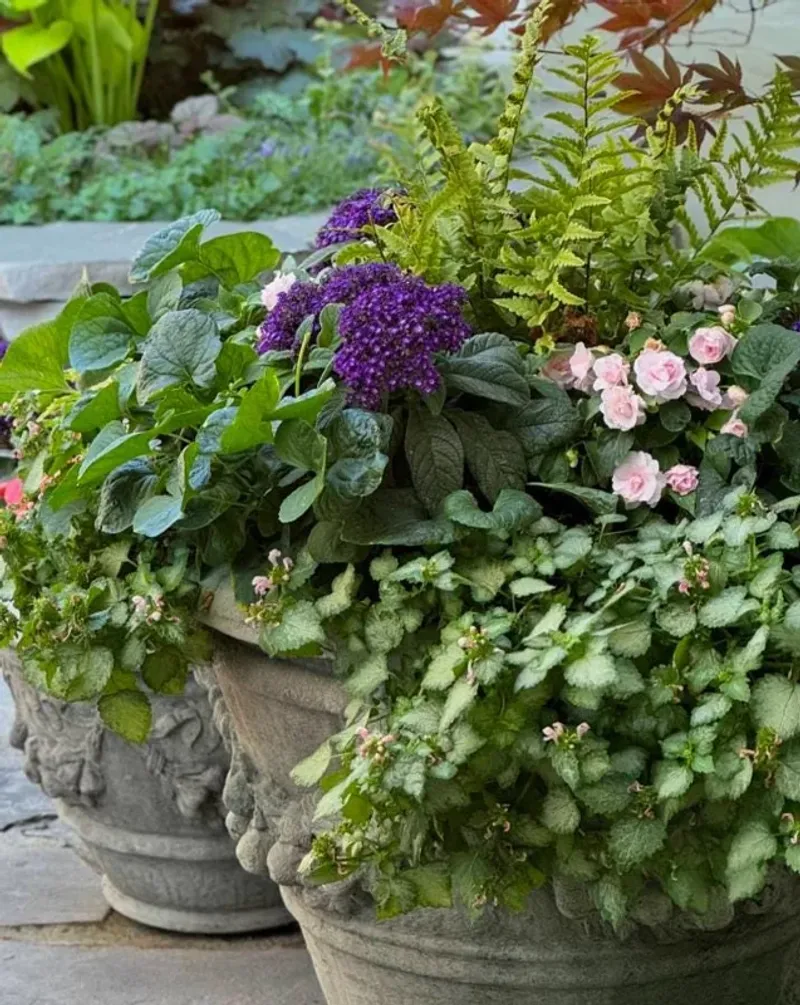
One of the most practical things about growing heliotrope is how well it adapts to life in a pot. Rutgers Cooperative Extension lists heliotrope among plants suited to containers, window boxes, and hanging baskets, which gives gardeners a lot of flexibility in how and where they use it. A container beside a patio chair or near the front step puts the fragrance exactly where you want it, and it can be repositioned as the season changes or as the light shifts.
Containers do have their own demands. Drainage is non-negotiable: a pot without holes at the bottom will hold water around the roots and cause the same rot problems as waterlogged garden soil. Potted plants also tend to dry out faster than in-ground beds, especially during hot weather, so checking soil moisture every day or two is a practical habit rather than an overreaction. Missouri Botanical Garden notes the container-friendly nature of the plant while also emphasizing consistent moisture as a key care requirement.
For gardeners in colder regions, containers offer a straightforward path to saving a plant from year to year. Before the first frost, move the pot indoors to a bright, frost-free location and treat it as a houseplant through winter. This approach sidesteps the plant’s limited cold tolerance and means you start the next season with an established specimen rather than purchasing new transplants.
A note on hardiness zones: the USDA hardiness map is based on average annual extreme minimum winter temperatures, and Heliotropium arborescens is listed as winter-hardy only in USDA Zones 10 and 11. That designation describes cold-temperature survival, not summer performance or fragrance output. Gardeners in Zones 3 through 9 are best served by treating the plant as a warm-season annual or moving containers before temperatures drop.
Watch for Pests and Treat Pollinator Value as a Bonus
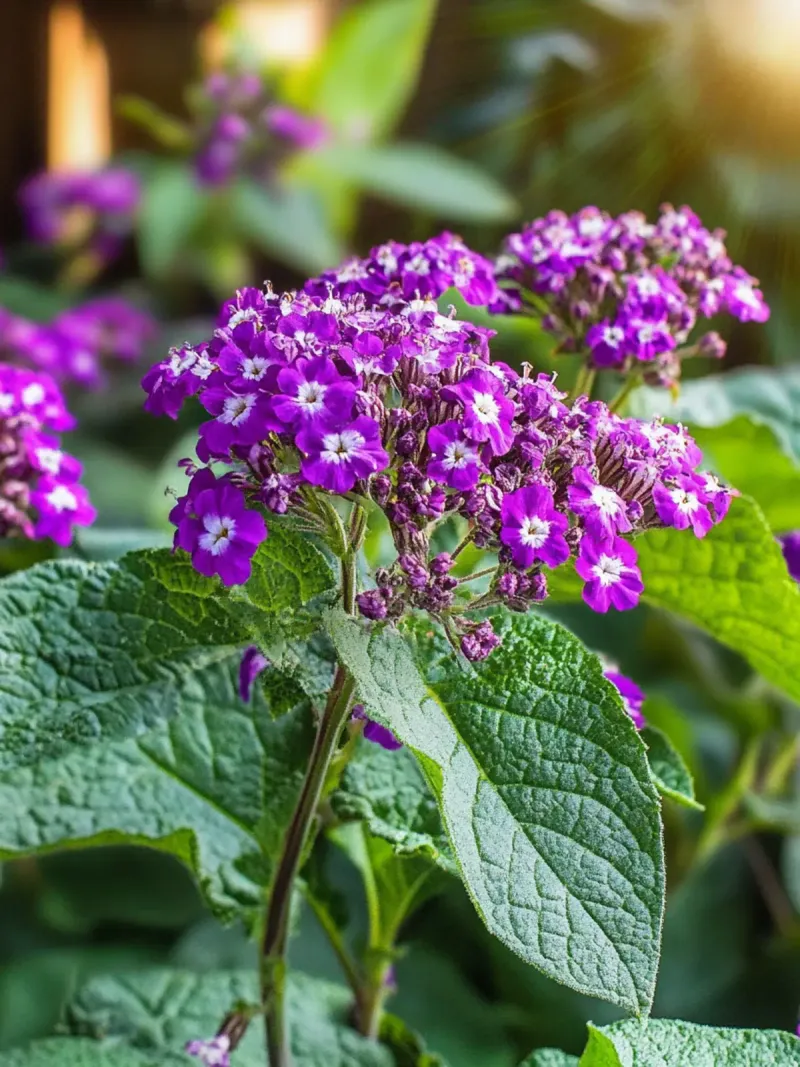
A few common garden pests may show up on heliotrope during the growing season. Whiteflies, aphids, spider mites, and mealybugs are the ones most frequently mentioned in connection with this plant. Missouri Botanical Garden and North Carolina Extension both flag these insects as potential concerns. Getting into the habit of turning over a few leaves during your regular watering check is an easy way to catch a problem early, when a strong spray of water or a targeted insecticidal soap application can handle it before numbers build.
Plants brought indoors for overwintering or kept as houseplants year-round should be inspected regularly. University of New Hampshire Extension notes that greenhouse whitefly can be a persistent issue in indoor and protected growing environments. Checking new growth and the undersides of leaves before and after moving a plant inside is a sensible precaution, though indoor conditions do not automatically make infestations more likely than outdoor ones.
On the more rewarding side of the ledger, heliotrope can serve as a supplementary nectar and pollen source for bees and other pollinating insects. The RHS lists the cultivar ‘Lord Roberts’ as beneficial to pollinators, and Penn State Extension’s trial garden report also notes pollinator activity. Whether bees, butterflies, or other visitors actually show up in your garden depends on the local species present, nearby competing flowers, weather, and pesticide use in the area. Think of pollinator activity as a welcome possibility rather than a predictable outcome.
Enjoy the Scent, but Keep the Plant Out of Mouths and Muzzles
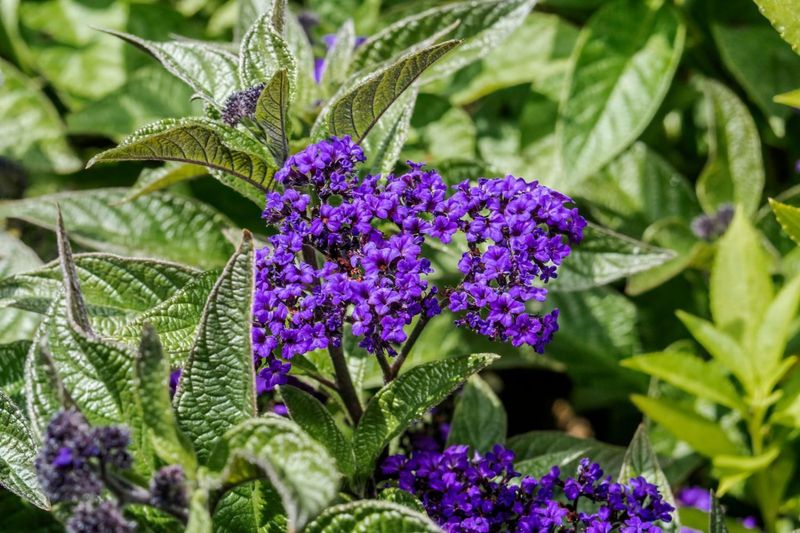
The dessert-like fragrance can make heliotrope feel inviting in every sense, but the similarity to food ends at the nose. North Carolina Extension identifies Heliotropium arborescens as a poisonous plant and lists flowers, leaves, roots, sap, seeds, stems, and fruits as the plant parts of concern. The responsible compounds are pyrrolizidine alkaloids, which are associated with possible digestive upset and liver damage in people and animals. Do not taste the flowers, brew any part of the plant into tea, or use any portion as a food garnish or ingredient, regardless of how sweet the scent seems.
Animal safety requires the same firm approach. The ASPCA specifically identifies heliotrope as toxic to horses, with pyrrolizidine alkaloids implicated in liver disease following sufficient or prolonged ingestion. Keep the plant well away from horse pastures and any area where horses can browse. The risk is not limited to large animals: Penn State Extension’s 2025 trial garden report describes a heliotrope cultivar as highly toxic to animals including domestic pets and humans.
Placing the plant out of reach of children and animals is the clearest practical step you can take. A raised container on a porch railing, a window box above ground level, or a bed bordered by a low fence can all reduce access without eliminating the plant from your garden. If a child or animal ingests any part of the plant, contact Poison Control at 1-800-222-1222 for people, or reach your veterinarian or the ASPCA Animal Poison Control Center at 1-888-426-4435 for pets. Prompt contact matters more than waiting to see whether symptoms develop.
The toxicity warning is not a reason to skip this plant entirely. Millions of gardeners grow heliotrope safely every year by simply treating it the way they would any ornamental that is not meant for consumption, keeping it beautiful and off the menu.
Create a Localized Cherry-Pie Moment
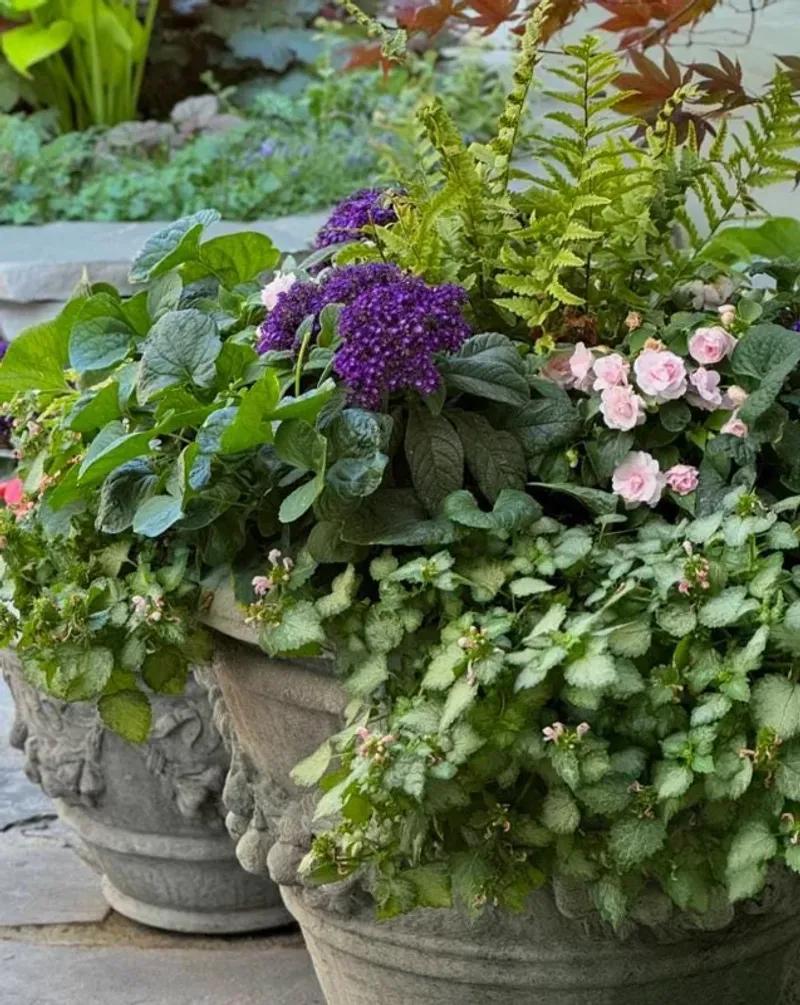
Pulling together everything in this guide comes down to a handful of decisions made before you even buy the plant. Start by looking for a cultivar that the seller or breeder specifically describes as fragrant, and smell a flowering specimen in person when that option is available. The University of Georgia research makes clear that not all purple heliotropes are equally scented, so a quick sniff at the nursery is worth more than any label.
Once you have a plant worth bringing home, put it somewhere you will actually be: a patio edge, a doorstep, a bench-side container. Provide full sun or morning sun with light afternoon protection in hot climates, keep the soil consistently moist but well-drained, and move containers indoors before frost if you garden anywhere colder than USDA Zones 10 and 11. Pinch, deadhead, and check for pests regularly to keep the plant in good shape through the season.
North Carolina Extension and every other reliable source on this plant agree on one thing: heliotrope is a rewarding ornamental with a genuinely distinctive fragrance. What it cannot do is guarantee that your whole garden will smell like fresh cherry pie. What it can do, positioned well and chosen carefully, is stop you mid-step on a warm afternoon with a sweet, vanilla-cherry moment that makes the whole season feel a little more like dessert.