
20 Smells Squirrels And Chipmunks Absolutely Hate, Sprinkle These And They’ll Stop Digging Up Your Beds
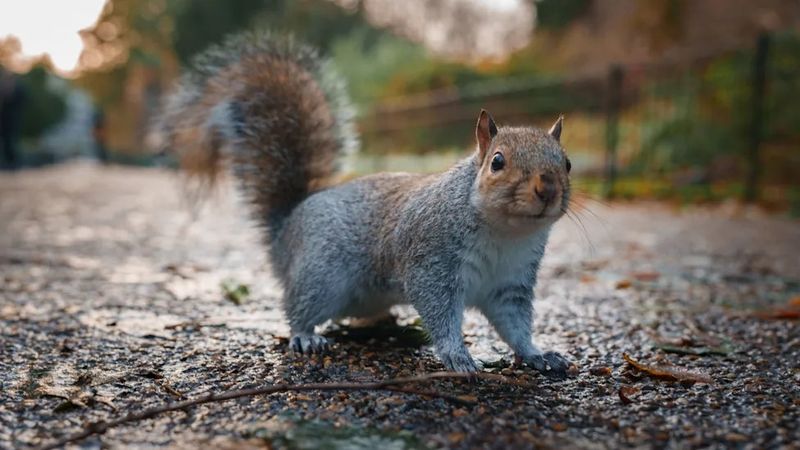
Squirrels and chipmunks are cute until they turn your flower beds into a personal buffet and burial ground. The good news is that these little diggers rely heavily on their sense of smell, and there are plenty of scents that send them running the other way. Sprinkle the right ingredients around your garden and you can protect bulbs, seedlings, and veggies without traps or harm. Here are 20 smells these backyard bandits can’t stand.
1. Cayenne Pepper
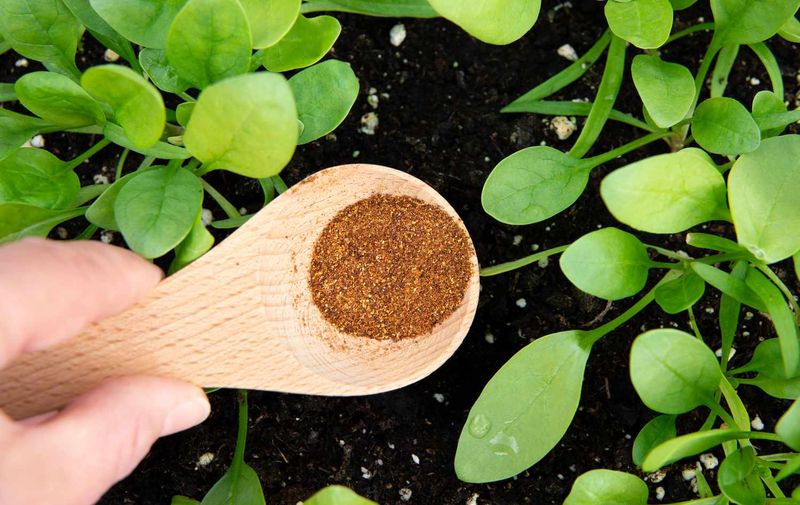
Ask any seasoned gardener about the cheapest rodent trick in the book and cayenne pepper usually comes up first. The fiery capsaicin that makes hot peppers burn our mouths is even more overwhelming to a squirrel’s sensitive nose and paws.
Sprinkle a light dusting directly over your soil and around the base of plants. When a chipmunk starts digging, the powder clings to its nose and feet and delivers an unpleasant surprise that it remembers on the next visit.
Reapply after rain or heavy watering, since moisture washes the heat away fast. Keep it off leafy greens you plan to eat unless you rinse them well later.
2. Peppermint Oil
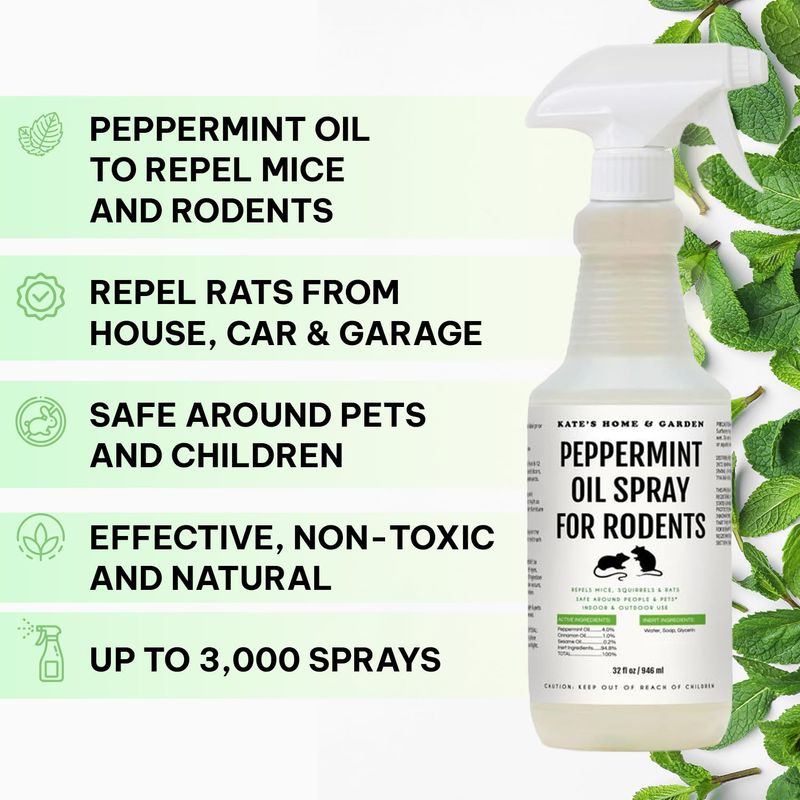
There is a reason so many natural pest sprays lean on peppermint. The sharp menthol scent that feels refreshing to us reads as a suffocating cloud to small rodents with far more powerful noses.
Soak cotton balls in a few drops of peppermint essential oil and tuck them near burrow entrances, along raised bed edges, or inside containers holding your bulbs. A homemade spray of water and a dozen drops of oil works well on fences and planters too.
The scent fades within a week or so, which is actually a feature. It reminds you to refresh the spots and keeps the deterrent from becoming background noise the animals learn to ignore.
3. Garlic
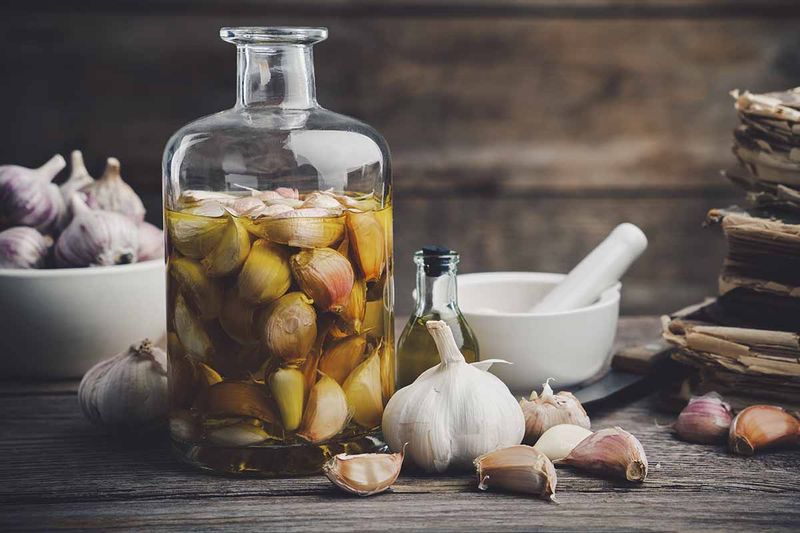
Vampires aren’t the only creatures put off by garlic. Its pungent sulfur compounds hang heavy in the air and confuse the delicate scent tracking that squirrels and chipmunks depend on to feel safe.
Crush a few cloves and scatter them among your plantings, or blend garlic with water to make a spray for the perimeter of your beds. Some gardeners plant whole garlic bulbs as a living barrier around tulips and crocuses.
Bonus: the same smell that annoys rodents also bothers aphids and certain beetles. You end up handling more than one backyard nuisance with a single kitchen staple.
4. Black Pepper
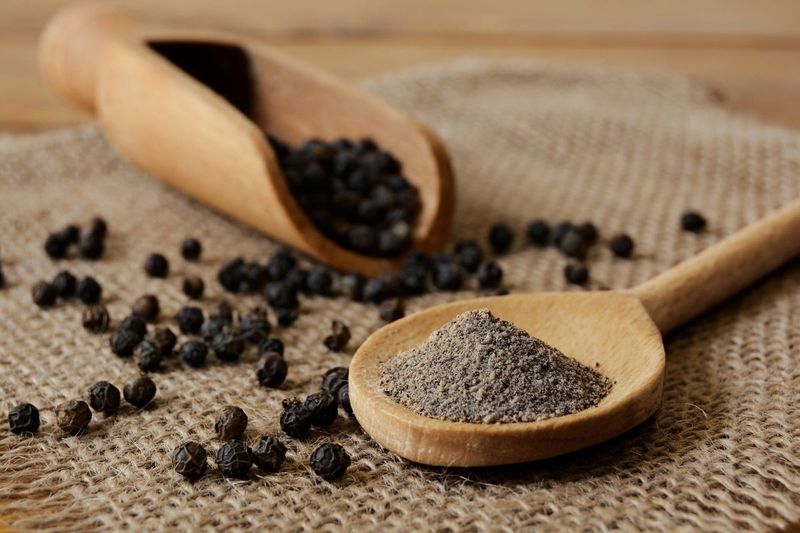
Sitting right in your spice rack is a quieter cousin to cayenne that pulls the same trick. Ground black pepper carries piperine, a compound that irritates a rodent’s nasal passages the moment they sniff around your soil.
Dust it over freshly planted areas where chipmunks love to dig for treasure. Mixing it with a little cayenne creates a one-two punch that’s harder for them to shrug off.
It’s mild enough that it won’t harm your plants, and a canister from the grocery store covers a surprising amount of ground for the price.
5. Coffee Grounds
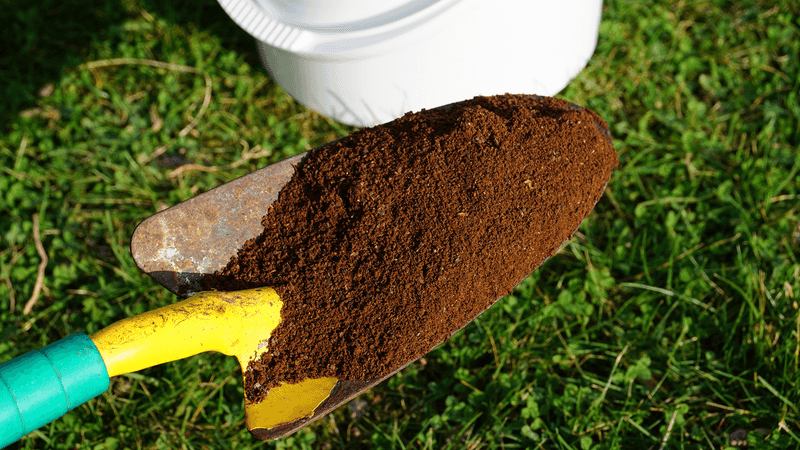
Your morning brew can pull a second shift out in the yard. Used coffee grounds give off a strong, bitter aroma that squirrels and chipmunks find off-putting, and the gritty texture makes digging less pleasant too.
Spread them in a thin layer over the topsoil of your beds and around bulbs. As a nice side effect, they add a bit of nitrogen and improve soil as they break down.
Save your grounds in a jar through the week and refresh the garden sprinkle every few days. Free, useful, and it keeps something out of the trash.
6. White Vinegar
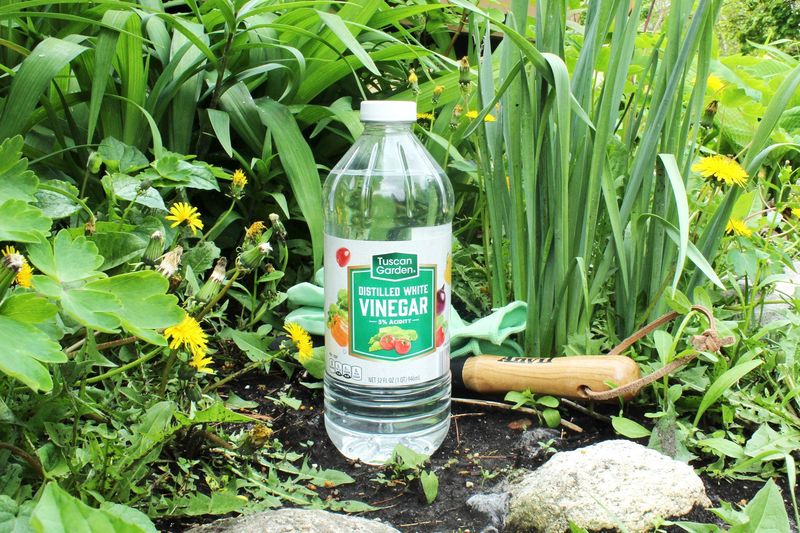
The nose-wrinkling tang of vinegar isn’t just unpleasant to people. Its harsh acetic smell overwhelms the subtle scent cues rodents rely on, making a treated area feel unfamiliar and unsafe to them.
Dampen rags with white vinegar and place them near fences, sheds, or the edges of beds where the critters slip in. Avoid pouring it directly on plants, since the acidity can scorch leaves and roots.
Because the smell evaporates quickly, this works best as a spot deterrent you refresh often rather than a set-and-forget solution.
7. Marigolds
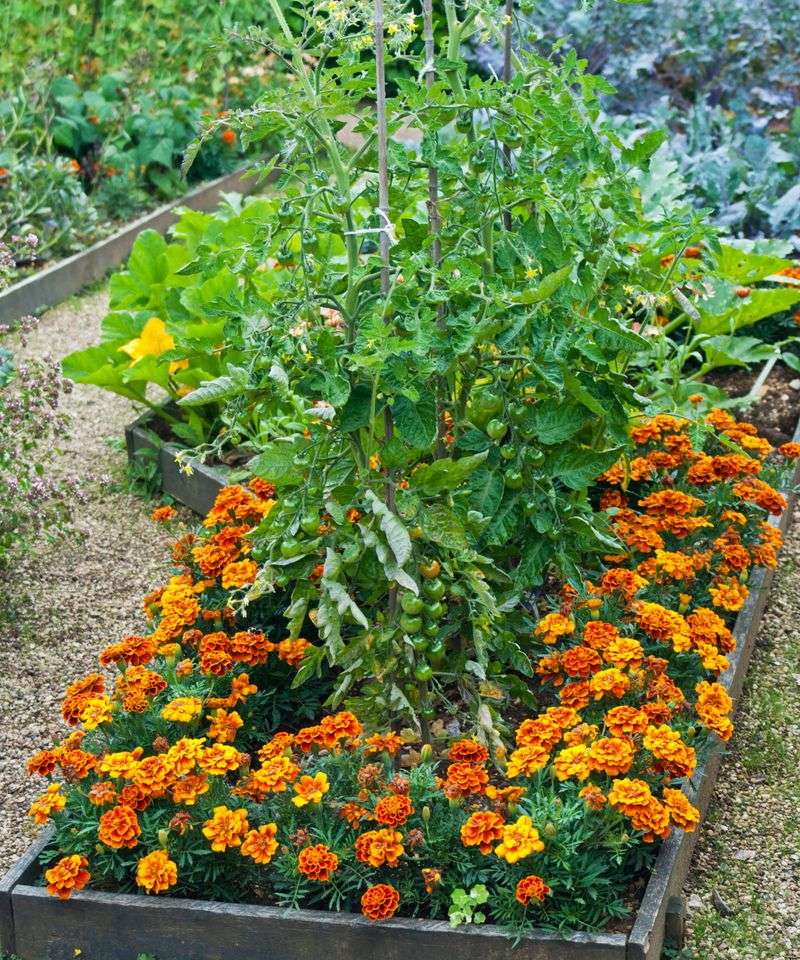
Cheerful as they look, marigolds pack a musky scent that many backyard pests would rather avoid. Squirrels and chipmunks tend to steer clear of the pungent foliage, which makes these blooms a pretty living fence.
Plant a border of them around vegetable patches or ring your tulip beds for a splash of orange and gold that pulls double duty. They ask for little more than sun and occasional watering.
Gardeners have leaned on marigolds for generations to guard tomatoes and other crops, so you’re joining a long tradition of letting flowers do the security work.
8. Peppers and Hot Sauce Spray
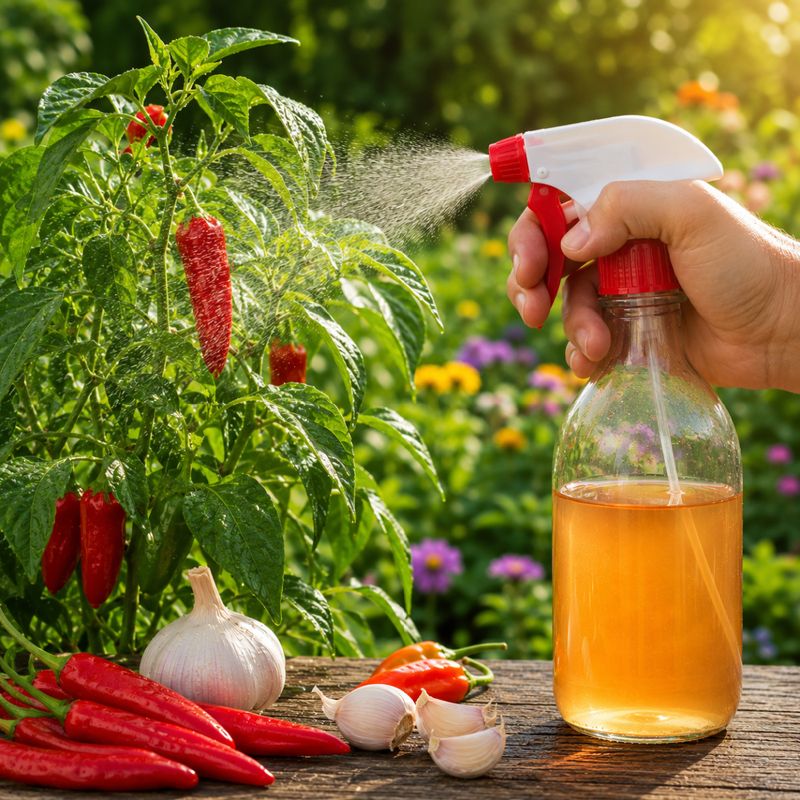
When a simple dusting isn’t cutting it, gardeners often graduate to a homemade hot sauce spray for stubborn diggers. Boiling hot peppers or stirring hot sauce into water creates a clingy, spicy coating that sticks to leaves and soil.
Strain the mixture and pour it into a spray bottle, then mist the surfaces squirrels chew or dig. The heat lingers longer than loose powder and coats more thoroughly.
Wear gloves while you handle it and keep it away from your eyes. A splash of dish soap helps the spray stick through light rain.
9. Cinnamon
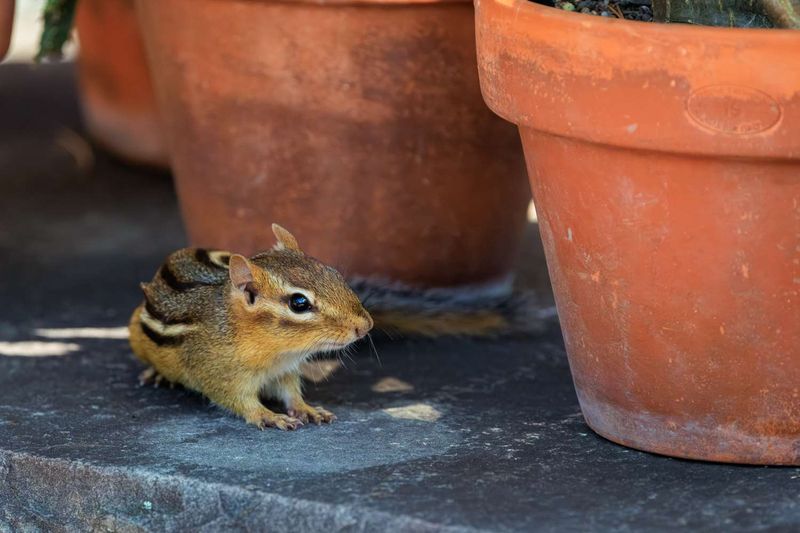
Warm and cozy to us, cinnamon is anything but inviting to a curious chipmunk. The strong spicy aroma irritates their noses and masks the food scents that lure them into your beds in the first place.
Shake ground cinnamon over the soil around bulbs and along container rims. It’s completely safe for plants and even carries mild antifungal properties that help seedlings.
Cheap, sweet-smelling to you, and harmless to the garden, it’s one of the friendlier options on this list for households with kids and pets nearby.
10. Onions
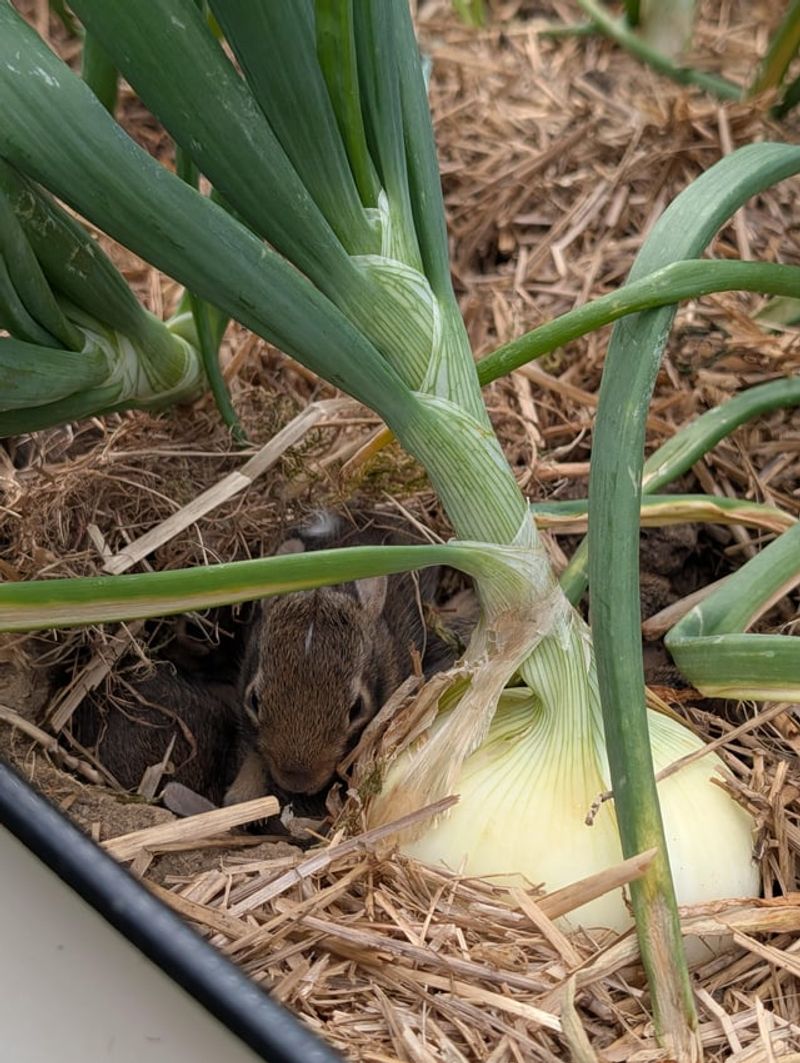
Cutting an onion makes your own eyes water, so imagine the effect on a nose many times more sensitive. The sharp sulfur smell of onions is deeply unappealing to squirrels and chipmunks nosing around for a snack.
Slice a few and tuck the pieces near burrow openings or scatter them across trouble spots. Some gardeners plant onion sets right alongside vulnerable bulbs as a smelly bodyguard.
Swap out the slices every couple of days before they rot, and you’ll keep the pungent barrier fresh and working.
11. Rosemary
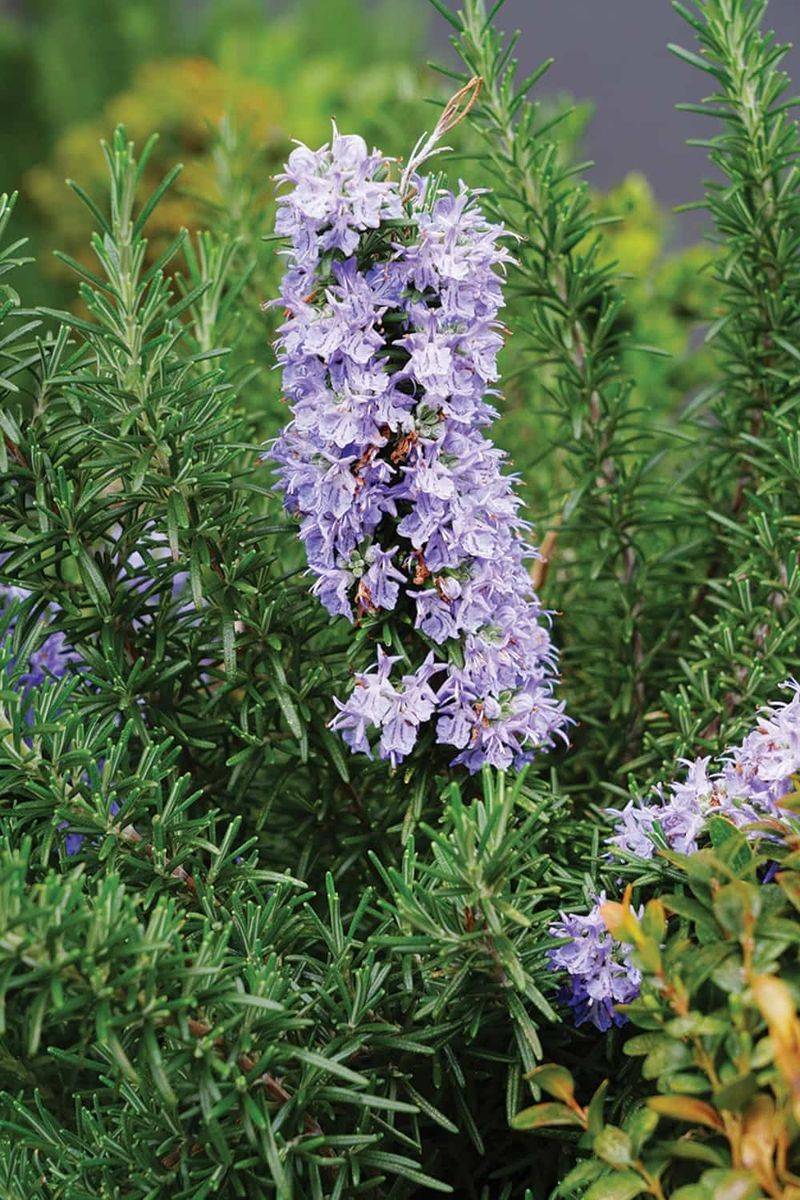
Brush past a rosemary bush and that piney, resinous scent clings to your fingers. Rodents find the same aroma overpowering, which turns this hardy herb into a fragrant fortress for nearby plants.
Tuck rosemary among your beds or grow it in pots you can move to wherever the digging is worst. It thrives in heat and dry spells, making it a low-fuss guardian through the back half of summer.
You get a kitchen herb and a deterrent in one plant, plus the added bonus of a garden that smells wonderful every time you walk by.
12. Predator Urine
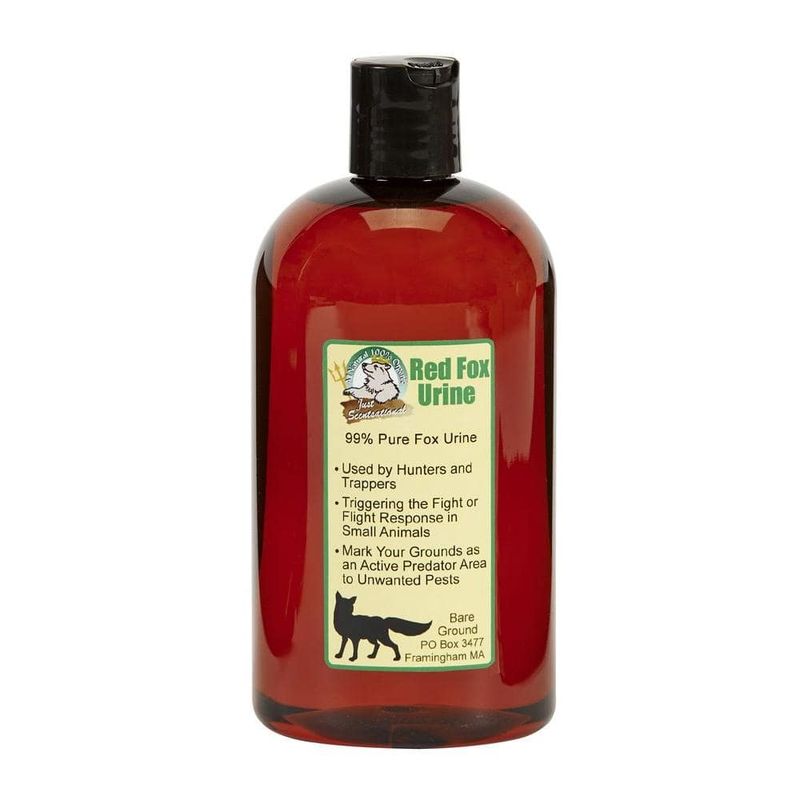
Nothing scares a small rodent like the scent of something that wants to eat it. Commercial fox, coyote, or bobcat urine granules trigger a deep survival instinct that tells chipmunks and squirrels a predator is patrolling.
Sprinkle the granules around the border of your garden and near favorite digging zones. Because the message is fear rather than mere irritation, it can clear an area quickly when other scents fall short.
You’ll find it at garden centers in weatherproof forms. Reapply after heavy rain, and place it around the perimeter rather than directly on edible crops.
13. Mothballs
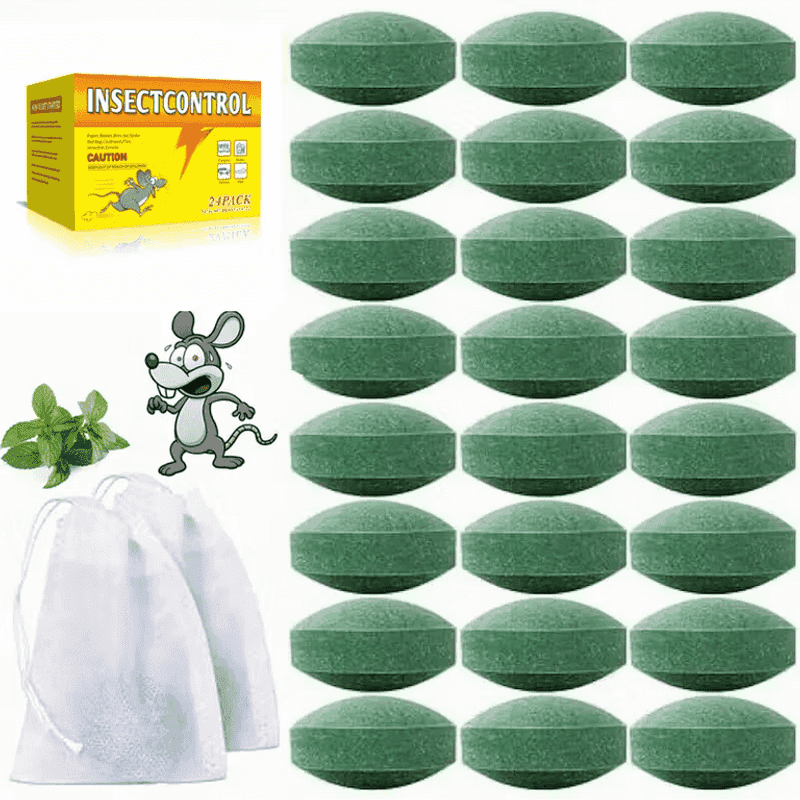
That distinctive closet smell comes from naphthalene, a chemical rodents genuinely detest. Mothballs release a strong vapor that squirrels and chipmunks go out of their way to avoid.
Use them carefully, since the same chemistry that repels animals is toxic to pets, children, and beneficial soil life. Seal a few inside a perforated container tucked near a burrow rather than scattering them loose in open beds.
Many gardeners save this option for enclosed spots like sheds, crawl spaces, or garage corners where the fumes stay contained and away from anything you eat.
14. Citrus Peels
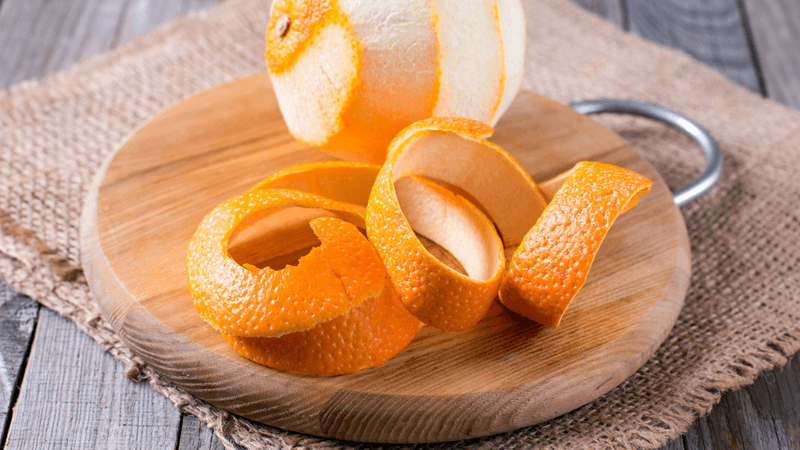
Save those orange and lemon rinds instead of tossing them. The zesty oils in citrus peels smell bright and pleasant to us but strike squirrels and chipmunks as sharp and unwelcome.
Scatter fresh peels across your soil and around the base of plants they keep targeting. As the oils release, they mask the food scents drawing the animals in.
Peels dry out and lose their punch within a few days, so keep a steady supply coming from your kitchen. It’s a tidy way to squeeze extra value out of your fruit.
15. Garlic and Chili Powder Mix
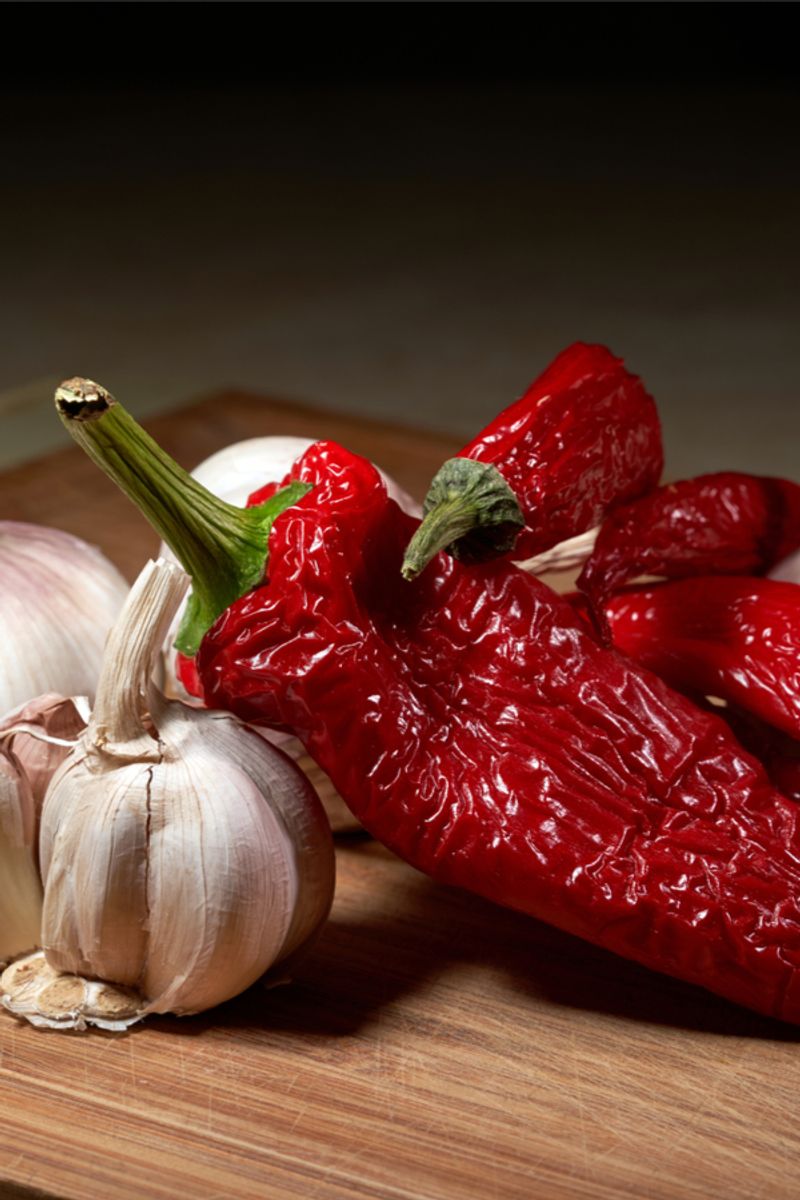
Combine two heavyweights and you get a deterrent that hits from two directions at once. A blend of garlic powder and chili powder pairs a pungent sulfur punch with a fiery kick that overwhelms a rodent’s senses.
Mix equal parts and dust it over the soil in problem areas, or stir it into water for a sprayable version. The double whammy is tough for even determined diggers to power through.
Keep a shaker jar of the mix ready by the back door so refreshing your beds after rain takes only a minute.
16. Lavender
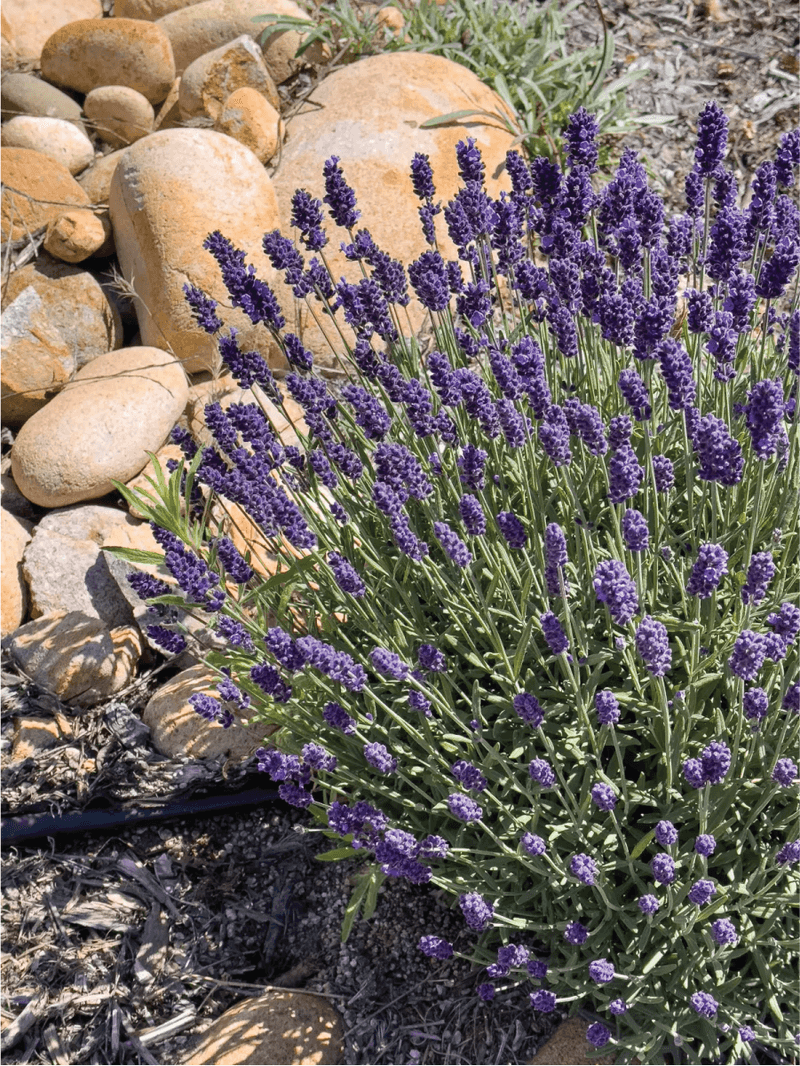
Loved for its calming perfume in our homes, lavender does the opposite job outdoors. The intense floral oils that soothe people register as too strong and unpleasant for squirrels and chipmunks.
Plant clumps of it along walkways and bed borders where it can bloom purple and hum with bees all summer. Dried lavender sachets tucked into containers work indoors and on porches too.
Drought tolerant and pollinator friendly, it beautifies your space while quietly telling the diggers to look elsewhere for their next hole.
17. Ammonia
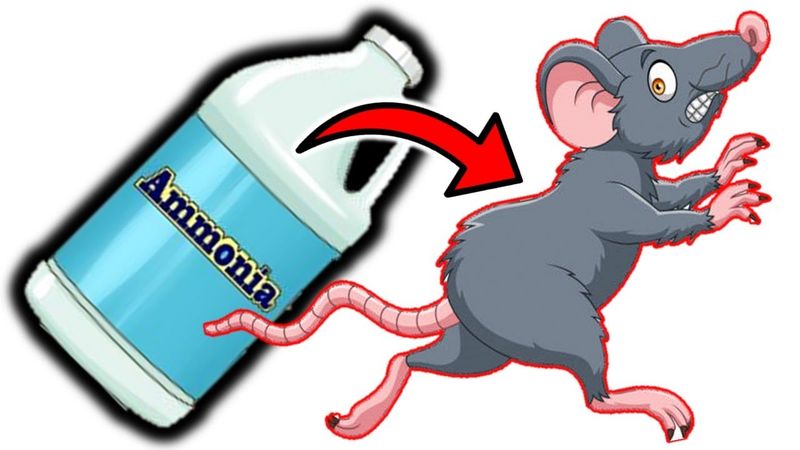
A whiff of ammonia mimics the scent of predator waste, which spells danger to a small animal’s brain. That association makes it one of the more powerful smells for clearing out persistent burrowers.
Soak rags in a diluted ammonia solution and place them in old jars near burrow entrances, well away from plant roots. Never pour it directly into soil, since it can burn plants and harm earthworms.
Handle it in a ventilated spot and keep it far from kids and pets. Used as a targeted spot treatment, it convinces rodents the neighborhood has gotten dangerous.
18. Daffodils

Here’s a clever swap for gardeners tired of losing tulips. Daffodil bulbs contain lycorine, a bitter, toxic compound that squirrels and chipmunks learn to leave completely alone.
Plant daffodils as a protective ring around bulbs the rodents actually crave, and the smell and taste form a natural no-go zone. Once they nose one, they rarely come back for seconds.
You get cheery spring color and built-in defense at the same time. It’s one of the few options that keeps working year after year with zero reapplication.
19. Dryer Sheets
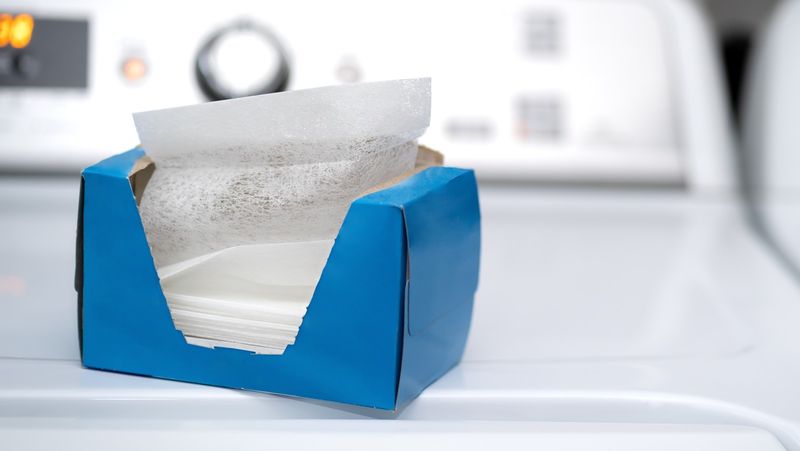
Believe it or not, the same sheets that soften your laundry can guard your garden. Their strong artificial fragrance overwhelms a rodent’s nose and makes treated areas feel invaded by something unfamiliar.
Tuck used or fresh dryer sheets around container rims, stake them near vulnerable plants, or stuff them into small pots you set among the beds. They’re easy to move around as the trouble spots shift.
The scent fades fast in open air, so plan to swap them out every few days. Cheap, handy, and probably already sitting in your laundry room.
20. Cloves
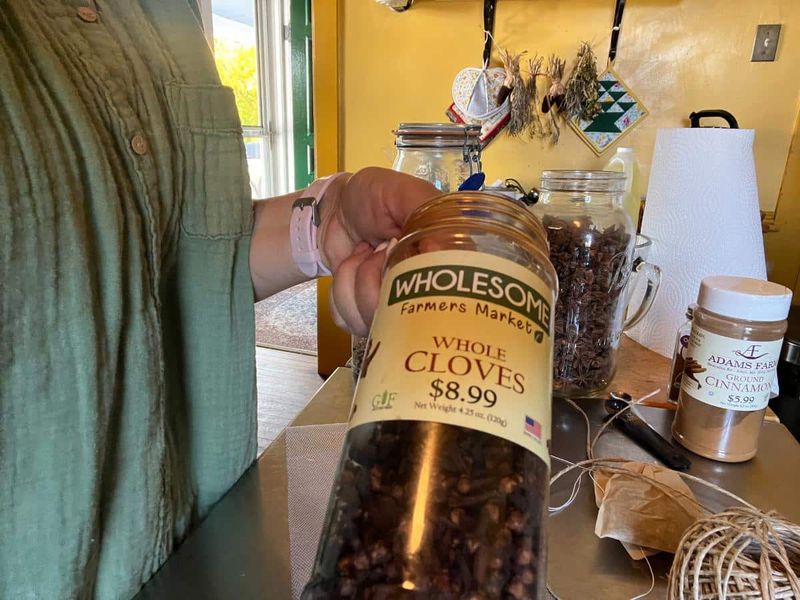
Tiny but mighty, whole cloves carry an intense spicy-sweet aroma thanks to a compound called eugenol. That concentrated punch is far too much for squirrels and chipmunks to tolerate up close.
Scatter whole cloves across your soil or tie a handful into a small cloth pouch you can hang near problem beds. Clove essential oil diluted in water also makes an effective spray.
A little goes a long way, so a single jar from the spice aisle can protect your beds for weeks. Your garden ends up smelling faintly of the holidays while the diggers stay away.