
Here’s A Red-Hot Flower That Steals The Show In Your Yard And Pulls In Hummingbirds All Summer
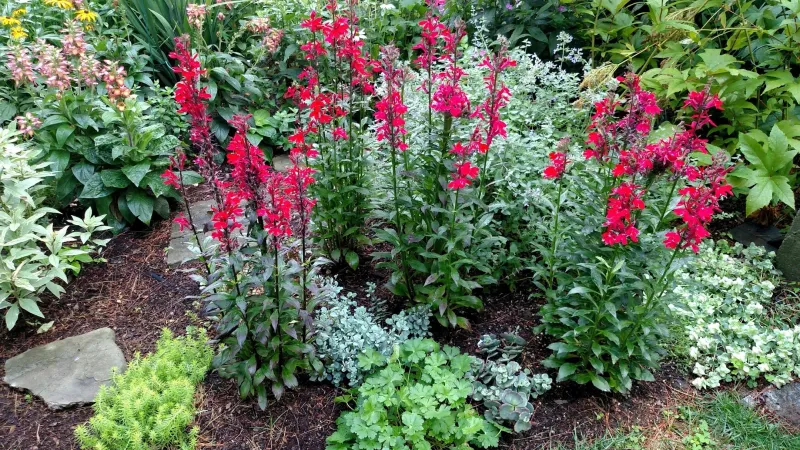
Few plants stop a garden visitor in their tracks the way a scarlet cardinal flower can. Cardinal flower, known botanically as Lobelia cardinalis, is a native North American perennial whose vivid red spikes rise boldly above moist beds and pond edges from midsummer into early fall. Hummingbirds may find its tubular blooms hard to resist, making it a strong choice for gardeners who want both color and winged visitors. Plant it in the right spot and it can become one of the most memorable things growing in your yard.
Cardinal Flower Makes a Moist Garden Glow Red
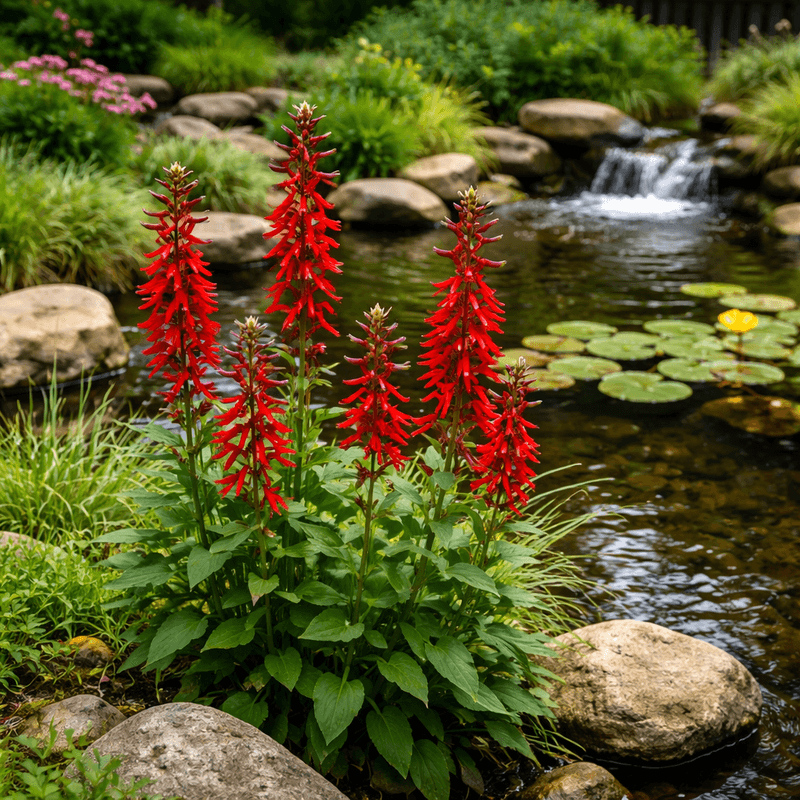
Lobelia cardinalis, commonly called cardinal flower, is a herbaceous perennial native to much of eastern and central North America. It grows naturally along streams, swamps, wet meadows, and low woods, which tells you a great deal about where it will thrive in a cultivated setting. The USDA NRCS cardinal flower plant guide describes it as a plant of moist, low-lying habitats, and that moisture preference is the single most important thing to understand before you plant it.
In the garden, plants typically reach about 2 to 4 feet tall, sometimes stretching a bit higher under good conditions. The flowers are a vivid scarlet to cardinal red, arranged in upright terminal spikes that create a strong vertical line. That vertical form is genuinely useful in a border or naturalistic planting because it draws the eye upward and gives a moist-site garden a sense of structure that sprawling plants cannot provide.
Cardinal flower fits naturally into several settings that many suburban yards already have or could easily create. Rain gardens, pond or stream edges, wet meadows, and damp woodland gardens are all excellent candidates. Penn State Extension highlights it as a recommended rain garden plant for exactly this reason, noting its preference for moist to wet conditions.
One thing to be clear about from the start: this is not a plant for every yard. Dry, exposed beds in full sun without reliable irrigation are a poor match. Missouri Botanical Garden’s plant profile specifically warns that the soil should not be allowed to dry out. If you have a reliably moist spot, cardinal flower can anchor it with some of the most striking color a native perennial can offer.
Its Red Tubular Blooms Offer Hummingbirds a Useful Signal
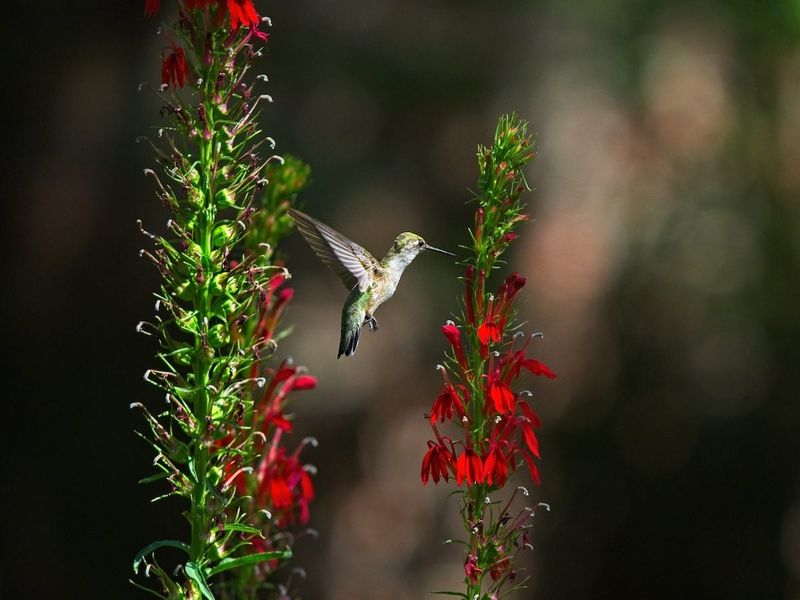
Hummingbirds are well-documented nectar visitors to cardinal flower, and USDA material describes Lobelia cardinalis as primarily hummingbird-pollinated in parts of the Northeast. That relationship makes sense when you look at the flower closely. The tubular shape fits a hummingbird’s bill and hovering feeding style almost perfectly, delivering nectar efficiently to a bird that needs to consume enormous amounts of energy relative to its size.
Red color plays a role too, but it is not the whole story. University of Illinois Extension notes that hummingbirds tend to investigate brightly colored, tubular flowers, particularly red, orange, and pink blooms, but they also visit flowers in other colors when those flowers provide a good nectar reward. Relying on color alone to explain the attraction oversimplifies what is actually happening.
Nectar availability matters a great deal. A flower that produces abundant, accessible nectar will hold a hummingbird’s attention far better than a visually similar flower with little to offer. Bloom timing is equally important: a plant that flowers when hummingbirds are actively moving through your region has a much better chance of drawing visits than one whose peak is out of sync with local bird activity.
Audubon explains that the attraction hummingbirds show toward red flowers is real but not absolute, and that flower abundance, nectar quality, and surrounding habitat all influence whether birds return. Cardinal flower’s appeal comes from several traits working together: the vivid red color, the tubular form, the nectar it produces, and its bloom timing in the late-summer window when hummingbirds are active. No single feature does the job alone.
Expect the Main Bloom in Mid to Late Summer
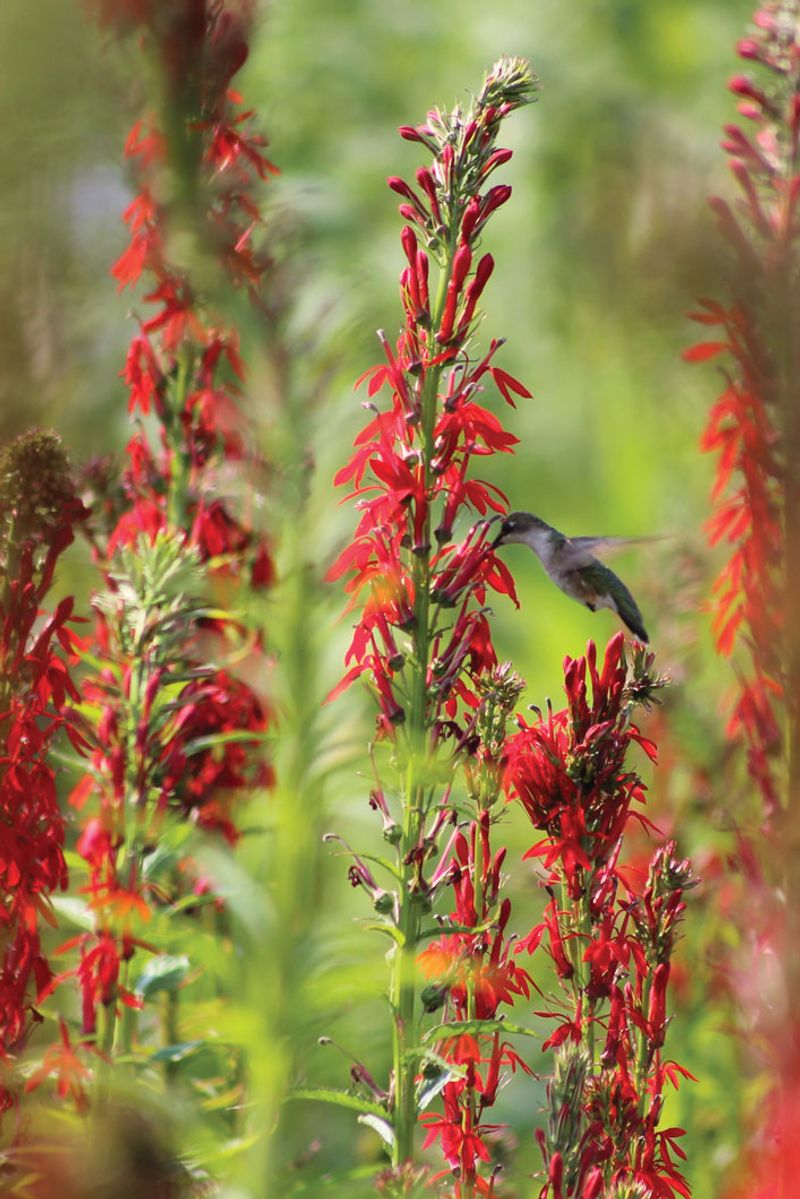
The title of this article promises hummingbirds all summer, and that framing deserves a straight correction. Cardinal flower is a mid- to late-summer bloomer, not a plant that opens in early June and keeps flowering continuously until the first frost. Understanding that window helps you plan a garden that actually delivers on the promise of late-summer color and hummingbird activity.
Authoritative references place the bloom period in slightly different windows depending on region and growing conditions. Missouri Botanical Garden lists the flowering period as July through September, while Penn State Extension cites August through September as the typical window for their region. Some USDA sources extend the range to June through August or even July through October in certain climates. That spread reflects real regional variation rather than contradictions between sources.
What this means practically is that a gardener in the Deep South may see blooms earlier in summer, while someone in the upper Midwest or New England may find the peak falls squarely in August and September. Local conditions, planting depth, moisture levels, and the specific microclimate of a site can all shift the timing somewhat. Treating any single date range as a guarantee for every yard in every region sets unrealistic expectations.
Cardinal flower is genuinely well-suited to strengthening a late-summer hummingbird display. That is a real and valuable role. What it cannot do reliably is cover the full hummingbird season from the birds’ spring arrival through their fall departure, which is why the sections that follow address companion planting as part of a complete seasonal strategy.
Keep the Soil Consistently Moist
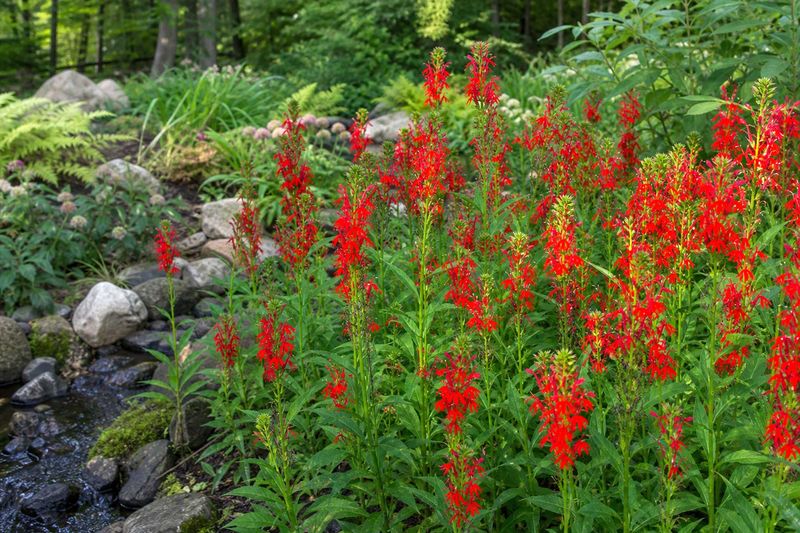
Soil moisture is the factor that determines whether cardinal flower thrives or slowly declines in your yard. Missouri Botanical Garden is direct on this point: the soil should not be allowed to dry out. That is not a minor preference the plant can push through in a dry stretch. It is the defining condition for success, and choosing a planting location should start there rather than with appearance or sun exposure.
The best sites for cardinal flower are those that hold moisture naturally. Rain gardens are an excellent fit because they capture and slowly absorb runoff, keeping the soil in the moist-to-wet range that the plant prefers. Penn State Extension specifically recommends it as a rain garden plant, and University of Minnesota Extension’s rain garden guidance points to native moisture-loving perennials like cardinal flower as well-suited anchors for those low-lying planted areas. Pond or stream edges, wet meadows, and damp woodland gardens offer similar conditions and work equally well.
Dry, exposed beds are a poor match. A sunny raised bed with fast-draining soil, a slope that sheds water quickly, or a border that bakes through July without supplemental watering will stress the plant and reduce both flowering and longevity. If you want to grow cardinal flower in a sunnier spot, consistent irrigation that keeps the root zone genuinely moist, not just occasionally damp, can make it work.
Sun exposure offers some flexibility. Cardinal flower tolerates full sun to part shade, but in hotter regions or during extended heat waves, part shade can help reduce moisture stress. Fewer hours of direct afternoon sun means the soil loses moisture more slowly, which reduces how much supplemental watering the plant needs to stay healthy. A spot that gets morning sun and afternoon shade is often a practical sweet spot in USDA zones 7 and warmer.
One clarification worth making: moist to wet soil does not automatically mean permanently standing water or a bog. Cardinal flower wants consistent moisture and tolerates wet feet during rain events, but it does not require the plant to sit in standing water around the clock. A site that drains slowly and stays reliably damp is the target.
Group Plants to Build a More Visible Nectar Display
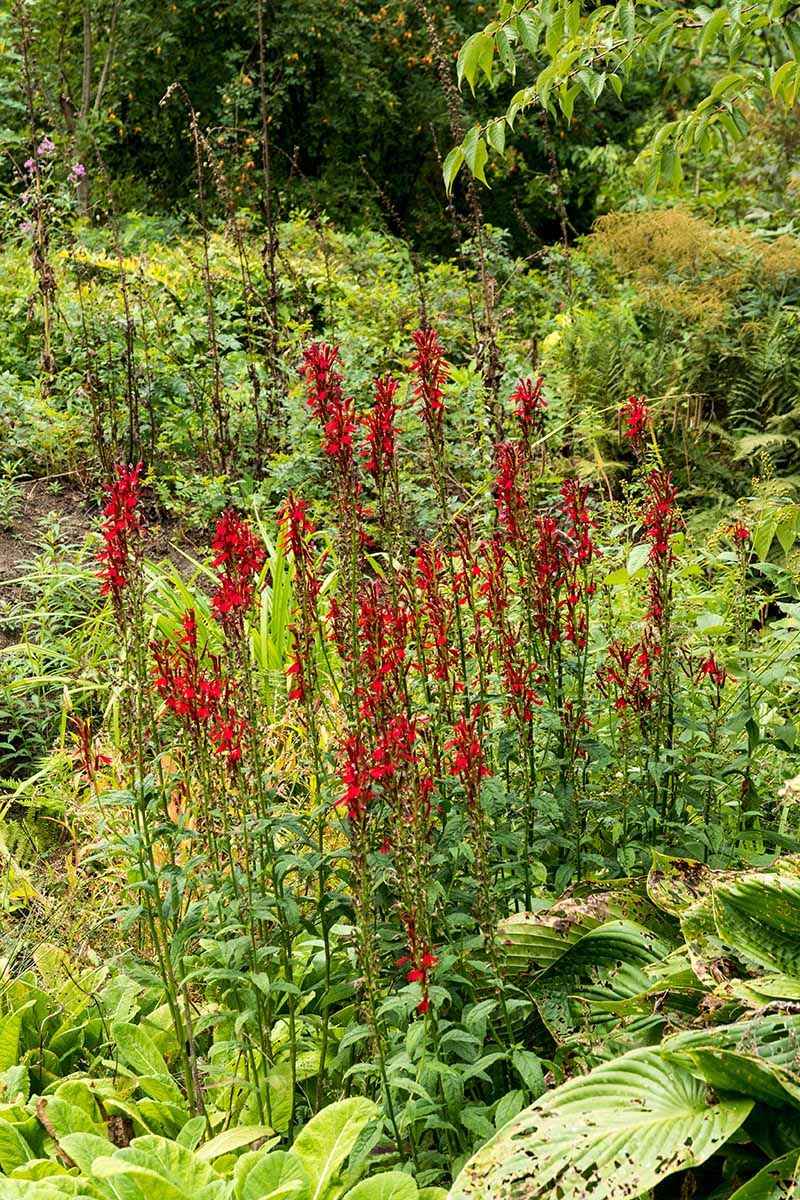
A single cardinal flower stem is beautiful, but a group of them is what actually catches a passing hummingbird’s attention from a distance. Penn State Extension’s hummingbird guidance recommends planting several specimens together so birds can locate the flowers more easily and so the planting offers a more substantial nectar source per visit. One isolated stem in a large bed can go unnoticed; five or seven plants clustered together create a bold red column that reads clearly even from across a yard.
Grouping also improves the practical math of nectar availability. A hummingbird that finds a generous patch of flowers is more likely to return to that location than one that finds a single plant with limited reward. University of Illinois Extension makes a similar point, noting that flower abundance matters alongside color and form when it comes to drawing hummingbird visits. Keep expectations measured, though: grouping plants improves your odds but does not guarantee that hummingbirds will appear in your specific yard.
Cardinal flower is clump-forming and can self-seed, which means a healthy planting may gradually expand on its own over several years. Missouri Botanical Garden describes it as somewhat short-lived, so individual plants may not persist indefinitely. Allowing self-sown seedlings to establish in place is one of the easiest ways to maintain a stand without replanting from scratch each season. If seedlings pop up in spots that work for your design, leave them.
If they appear where you do not want them, remove them while they are small.
When self-seeding is not producing enough replacements, plan to add new plants every few years rather than waiting for a gap to appear in your display. Treating the planting as a dynamic, self-renewing colony rather than a permanent fixture makes management much easier and keeps the visual impact strong from season to season.
Add Other Flowers for More Consistent Seasonal Support
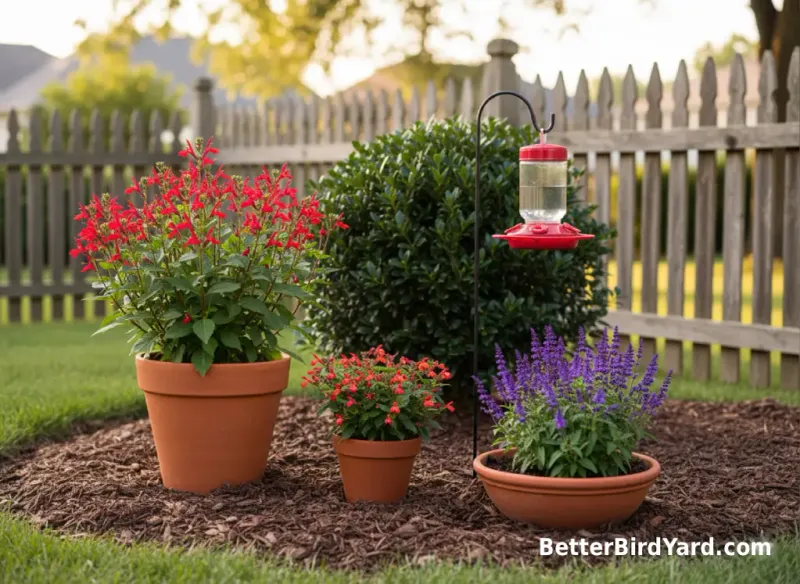
Cardinal flower covers a valuable window in mid- to late summer, but a single species cannot provide nectar throughout the full hummingbird season. The timing of that season varies by region: ruby-throated hummingbirds may arrive in the eastern United States as early as late April and linger into October, while western species follow different schedules entirely. One plant with a six-to-ten-week bloom period leaves a lot of that season uncovered. Illinois Extension recommends combining plants with different bloom periods and maintaining a succession of flowers from spring through fall to give hummingbirds consistent reasons to visit and return.
A practical approach is to build a layered planting calendar around cardinal flower’s late-summer peak. Spring-blooming natives like wild columbine (Aquilegia canadensis) can draw early migrants before cardinal flower opens. Bee balm (Monarda species) typically blooms in early to midsummer and bridges the gap nicely. After cardinal flower finishes, late-season options such as native salvias or cardinal climber vine can extend nectar availability into fall.
Penn State Extension’s hummingbird resource supports this staggered-bloom strategy as a more reliable approach than relying on any single plant.
Flowers are only part of the picture. Audubon’s hummingbird garden guidance points out that hummingbirds eat insects and spiders in addition to nectar, sometimes catching them in mid-air or pulling them from spider webs. A yard that supports insect life through diverse native plantings and avoids broad-spectrum pesticide use provides a more complete resource for hummingbirds than a yard with nectar flowers alone.
Think of cardinal flower as a cornerstone of a late-summer display rather than a complete solution. Pair it with plants that bloom earlier and later, keep the garden hospitable to small insects, and you will be giving hummingbirds genuine reasons to spend time in your yard across a longer stretch of the season.
Keep the Plant Away From Grazing People and Pets
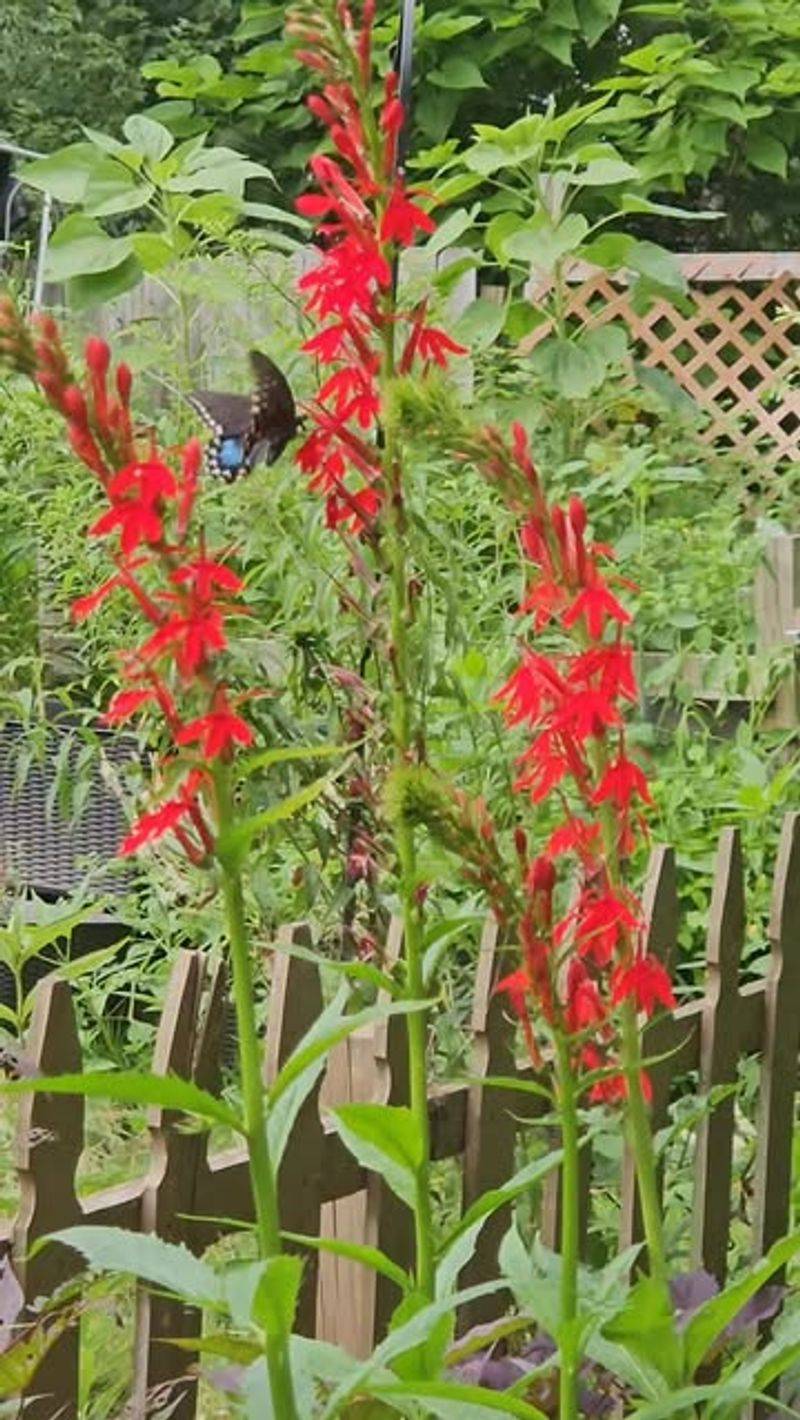
Cardinal flower is a striking plant, but one practical limitation should factor into where you put it. North Carolina Extension identifies cardinal flower as poisonous to humans and notes that it is problematic for cats, dogs, and horses if large quantities are consumed. Missouri Botanical Garden’s profile also flags toxic alkaloids present in the plant’s foliage. This is not a plant to treat as edible or to place casually in a children’s play area or a spot where pets roam freely and graze.
The risk is not that a brush against the plant causes harm. The concern is ingestion, particularly by children who might pick and taste unfamiliar plants, or by pets that graze on garden vegetation out of curiosity or boredom. Horses that have access to pastures or fence lines where cardinal flower grows are also a consideration for rural or semi-rural properties.
Placing the plant in a defined bed along a pond edge, in a rain garden, or in a back-of-border moist planting where children and freely grazing animals do not typically spend time is a straightforward way to enjoy it safely. If your yard includes young children or pets that regularly explore planted areas, choose a location you can monitor or separate with a low border, raised edge, or natural barrier. The plant’s beauty and its value to hummingbirds are genuine, and the safety consideration does not mean you cannot grow it. It means you should be thoughtful about exactly where it goes.
Choose Cardinal Flower When Your Yard Can Meet Its Needs
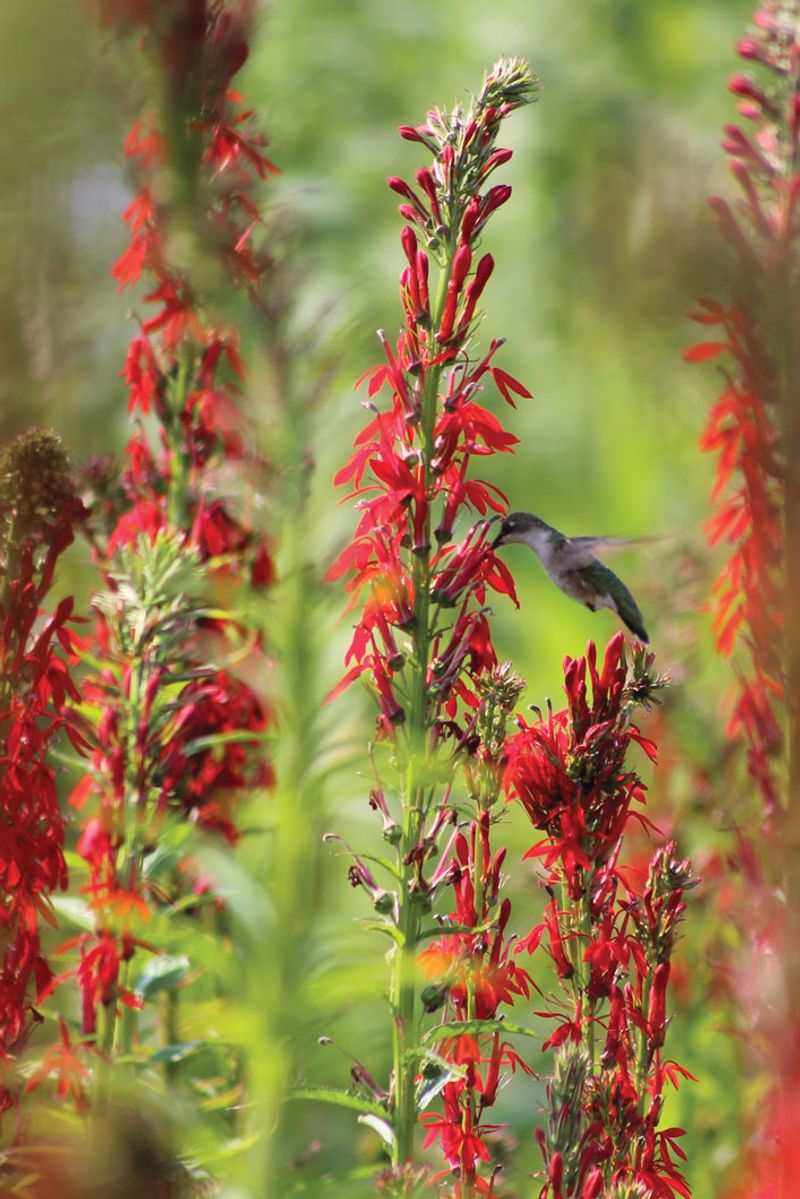
Cardinal flower earns its reputation as one of the best native perennials for a moist-site hummingbird garden. Penn State Extension and Missouri Botanical Garden both highlight it as a strong choice for reliably moist locations, and that recommendation holds up well for suburban gardeners with rain gardens, pond edges, stream margins, or naturally damp beds.
The honest summary is this: if you can keep the soil consistently moist and you want a bold red, late-summer perennial with real hummingbird appeal, cardinal flower is a strong match. Penn State’s hummingbird guidance supports grouping several plants together and combining them with other species that bloom earlier and later, which gives you a better overall result than a single planting alone. Hummingbirds may visit; nothing guarantees them, but a well-placed group of cardinal flowers during their peak bloom period gives you a genuine shot.
Before you plant, keep two things in mind. First, the moisture requirement is real and non-negotiable. A dry bed will not sustain this plant through summer. Second, North Carolina Extension’s toxicity warning means placement near children or freely grazing pets deserves careful thought.
Neither consideration makes cardinal flower a difficult plant. They make it a plant that rewards the gardener who takes a few minutes to choose the right spot. When the conditions are right, few native perennials deliver that shade of red with quite the same authority.