
32 Gorgeous Plants To Grow Instead Of Roses When You Want Something Easier And Just As Stunning
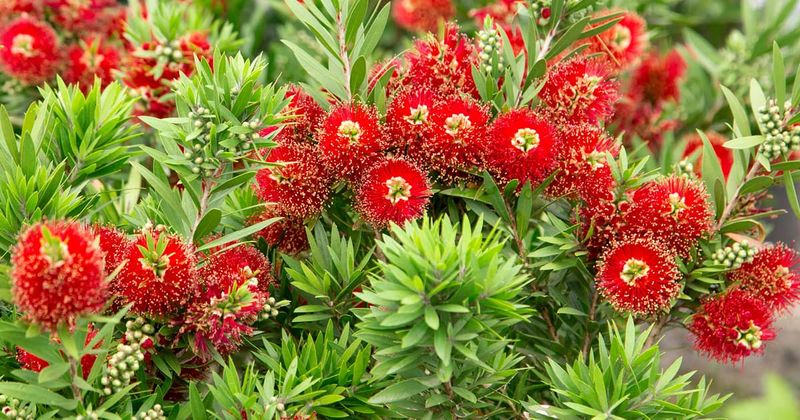
Roses get all the glory, but they can be fussy, thorny, and prone to every bug and disease in the yard. The good news is that plenty of other flowers deliver the same jaw-dropping color and romance with a fraction of the babysitting. Whether you garden in raised beds, containers, or a plot out back, there is a low-drama beauty here for you. Here are 32 gorgeous plants that let you skip the pruning gloves and still stop the neighbors in their tracks.
1. Peony
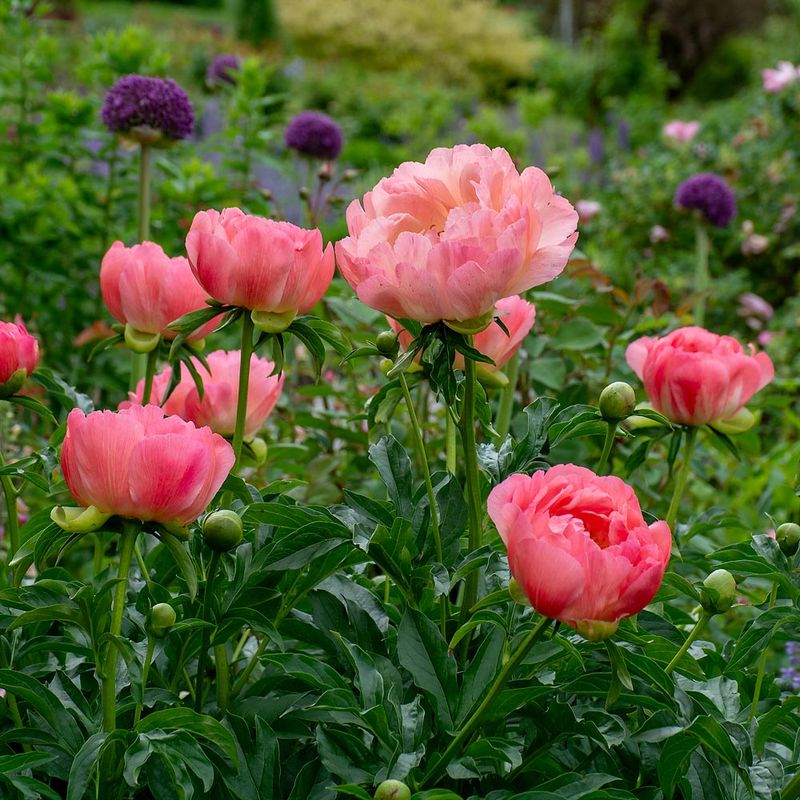
Few flowers match the fluffy, over-the-top blooms of a peony, and once planted, these beauties can outlive the gardener who planted them. Some peony plants have been thriving in the same spot for over 50 years with almost no help.
They ask for a sunny spot and patience the first year or two, then reward you with softball-sized blooms every late spring. The cut flowers last for days in a vase, filling a room with a light, sweet scent.
Once established, peonies shrug off cold winters and come back stronger each season. No spraying, no constant deadheading, just show-stopping flowers on autopilot.
2. Dahlia
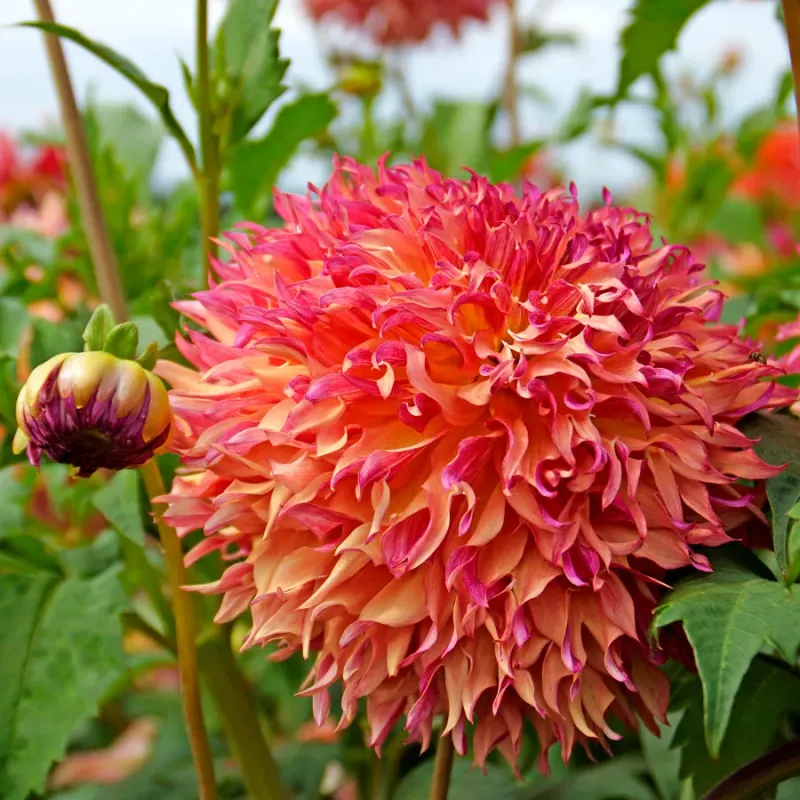
If you love the drama of a rose but want something that keeps producing right up until frost, dahlias are your answer. They range from tiny pom-poms to dinner-plate giants wider than your hand.
Plant the tubers after your last frost and they will pump out blooms all summer and fall, especially if you keep cutting them for bouquets. The more you cut, the more they flower.
In colder US zones you can dig up the tubers and store them over winter, then replant next spring. It feels a little like getting free plants year after year.
3. Peruvian Lily (Alstroemeria)
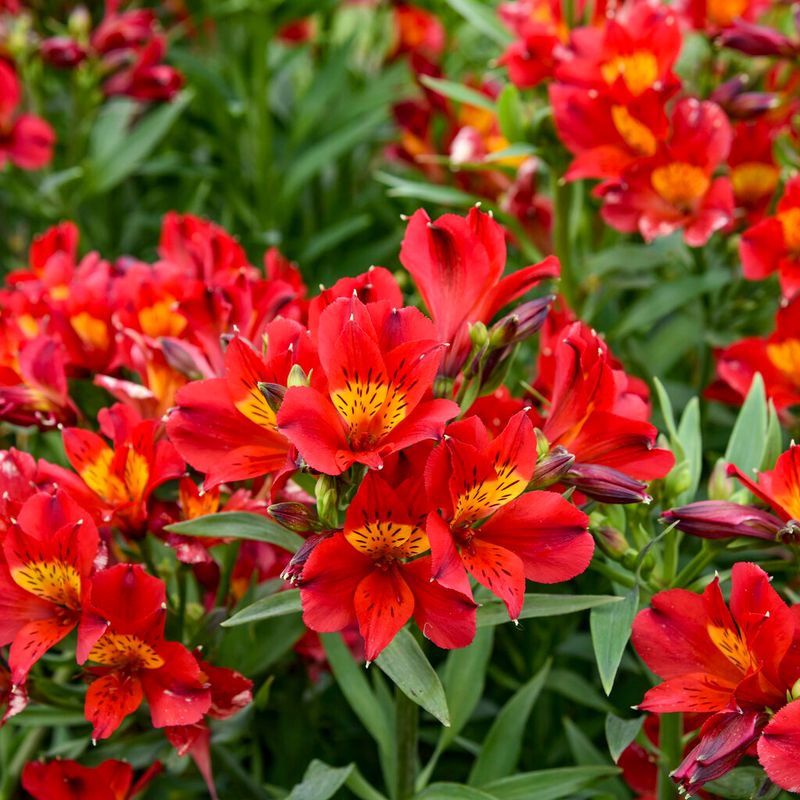
Bouquet lovers already know this one, because Peruvian lilies are the flowers that seem to last forever in a vase. In the garden they do the same thing, blooming for months with speckled, freckle-faced petals.
They spread into cheerful clumps and keep flowering from early summer into fall with hardly any fuss. Deadheading is easy since you can just tug the whole stem free.
Hardy in much of the country and drought-tolerant once settled in, they give you florist-quality color for the price of one plant.
4. Hydrangea
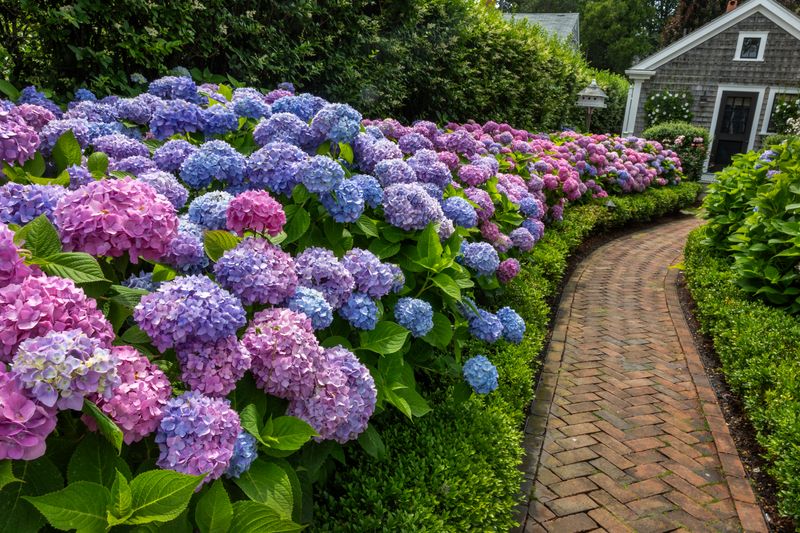
Nothing says old-fashioned charm quite like a hydrangea loaded with blooms the size of a soccer ball. Depending on your soil, some varieties even shift between blue and pink, giving you a built-in color surprise.
Plant them where they get morning sun and afternoon shade, and they will reward you with clouds of flowers for weeks. Many types bloom on both old and new growth, so pruning mistakes rarely cost you a season.
The dried blooms look gorgeous in fall arrangements too, stretching their beauty well past summer. One shrub can carry an entire corner of the yard.
5. Zinnia
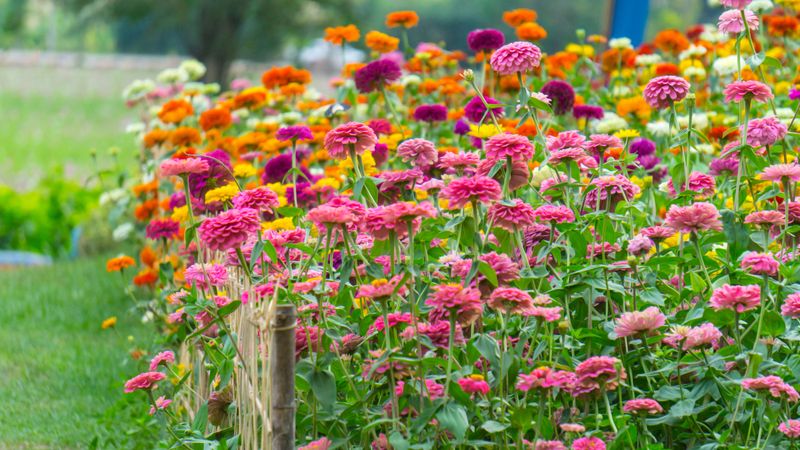
For pure bang-for-your-buck color, it is hard to beat a packet of zinnia seeds tossed into warm soil. Within weeks you get a rainbow of blooms that butterflies absolutely swarm.
They handle heat like champions, laughing off the summer sun that makes other flowers sulk. Snip a few for the kitchen table and the plant answers with even more buds.
Beginners love them because they are nearly impossible to mess up. Direct-sow, water occasionally, and enjoy the party.
6. Camellia
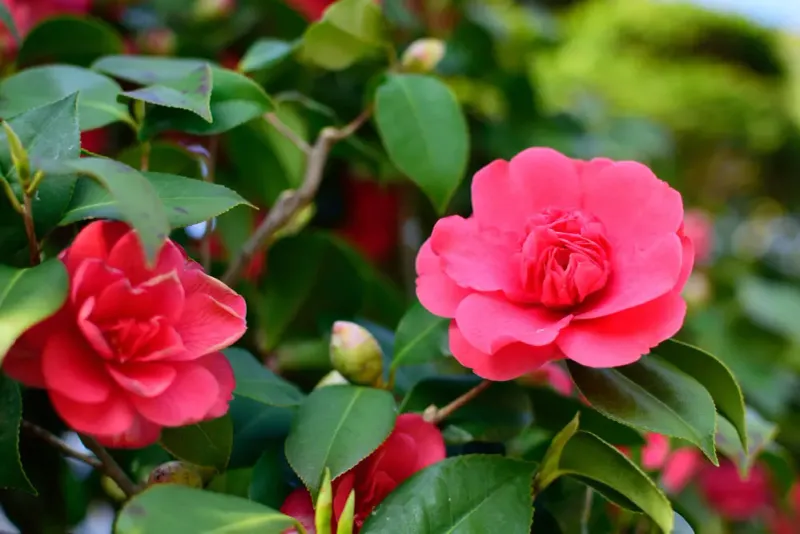
Imagine a rose-like bloom that opens in the middle of winter when everything else looks bare. Camellias do exactly that, brightening gray months with glossy evergreen leaves and elegant flowers.
Southern gardeners especially adore them, since they thrive in the mild winters of the Southeast. Plant in dappled shade with acidic soil and they need almost nothing from you.
The waxy petals look formal enough to belong in a wedding bouquet. A single mature shrub can bloom for weeks on end.
7. Ranunculus
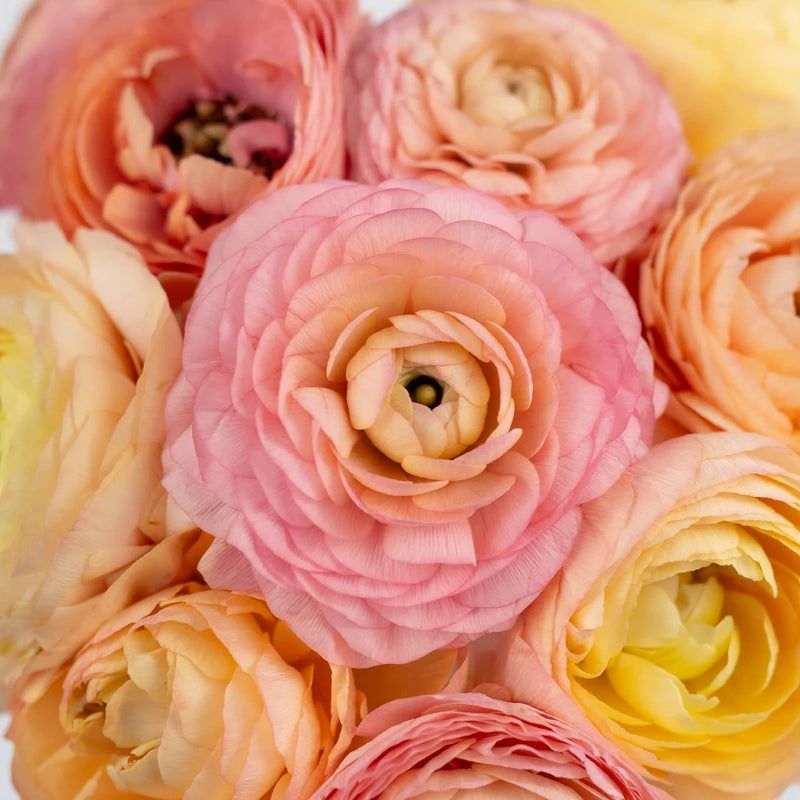
Layer upon layer of tissue-thin petals make ranunculus look like a rose that went to finishing school. Florists charge a fortune for them, yet they grow from cheap little claw-shaped corms.
Cool weather is their happy place, so gardeners in mild-winter regions plant in fall for spring blooms. Farther north, they make a fantastic spring container flower.
The stems are long and strong, perfect for cutting, and the colors run from soft peach to electric magenta. You get luxury-store flowers for pocket change.
8. Coneflower (Echinacea)
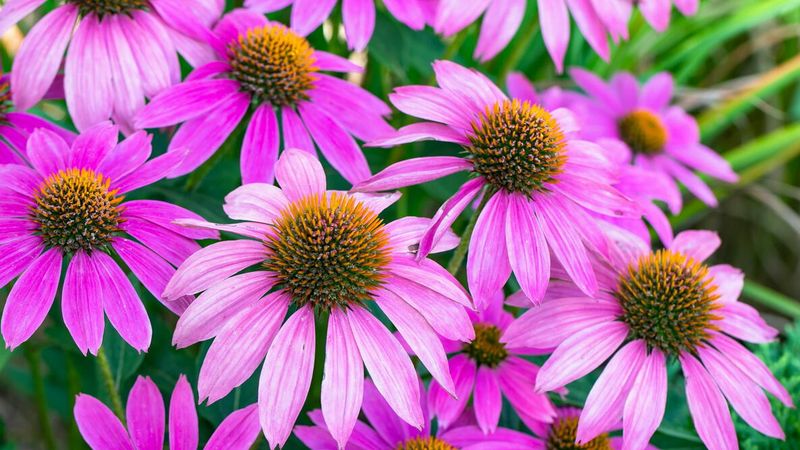
Tough as nails and pretty as a picture, coneflowers hold their own through drought, heat, and clay soil. Native to the American prairies, they are built for real backyard life.
Their daisy-like blooms come in purple, pink, orange, and even lime green, standing tall on sturdy stems. Bees and butterflies treat them like a favorite diner.
Leave the seed heads up in fall and goldfinches will visit to snack. Low effort, high wildlife reward, and years of return blooms.
9. Lisianthus
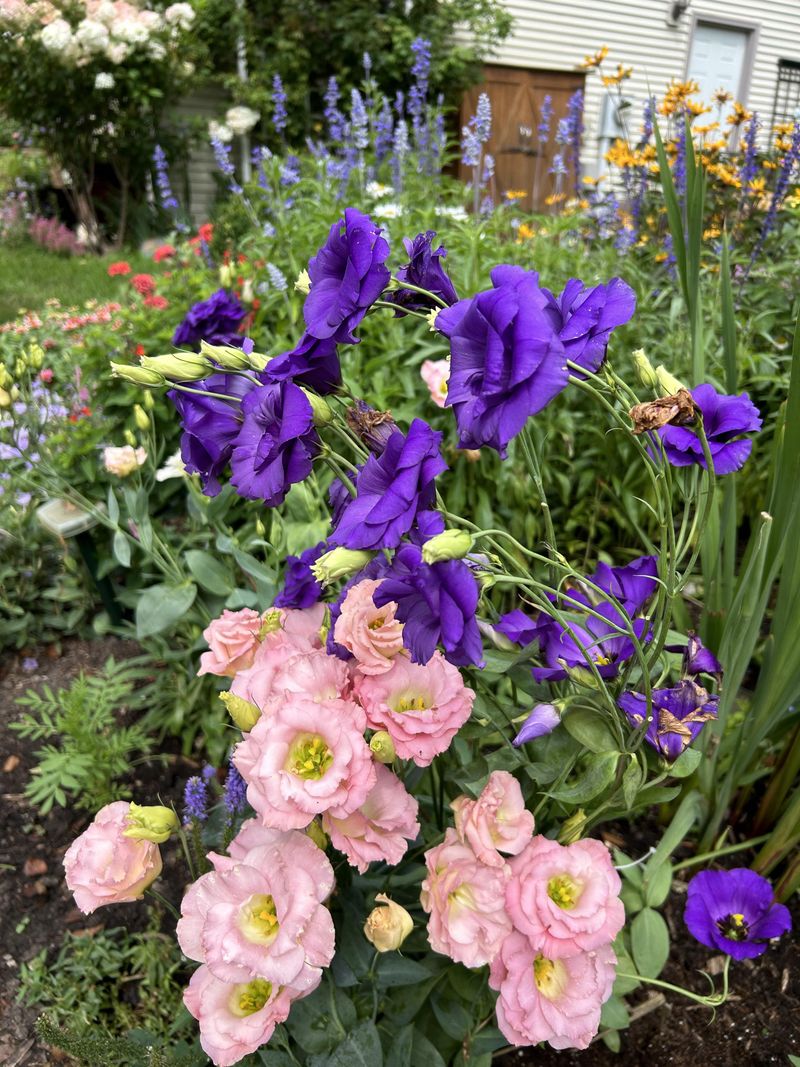
Often mistaken for roses in bouquets, lisianthus produces ruffled, cup-shaped blooms in dreamy shades of cream, lavender, and deep purple. The resemblance is uncanny, right down to the swirl of petals.
They take a little patience to start from seed, but once growing they bloom for a long stretch and last remarkably well when cut. Heat and humidity do not faze them.
Gardeners in warmer US zones can enjoy them as a reliable summer performer. The elegance is pure florist, the upkeep is refreshingly low.
10. Daylily
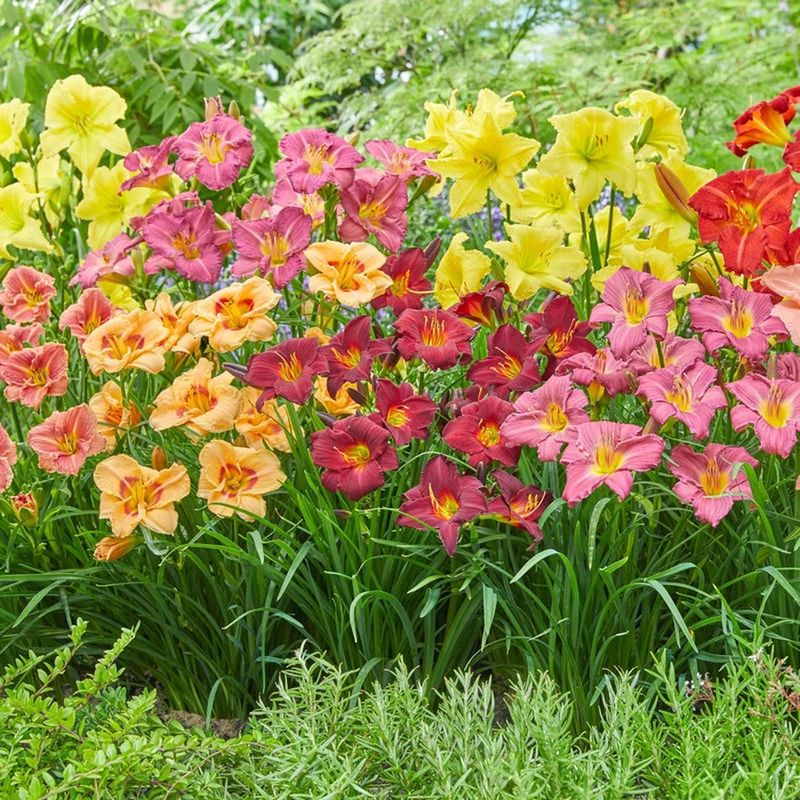
Each daylily bloom lasts a single day, but the plant sends up so many buds that you barely notice. The result is weeks of nonstop color from a plant that practically thrives on neglect.
Roadside ditches full of orange daylilies prove just how tough these things are. Give them sun and they multiply into generous clumps you can divide and share.
Modern varieties come in reds, yellows, purples, and bicolors with ruffled edges. Truly a plant-it-and-forget-it stunner.
11. Cosmos
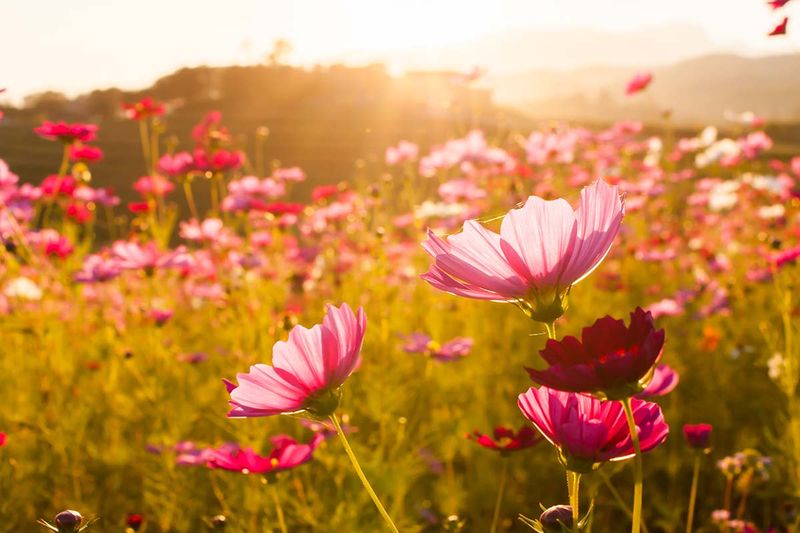
Toss cosmos seeds into a sunny patch of poor soil and you will get a swaying meadow of delicate blooms all summer. Rich soil actually makes them lazy, so neglect is a feature here.
The airy, fern-like foliage and daisy flowers dance in every breeze, giving the garden a soft, romantic feel. Pollinators adore the open blooms.
They reseed themselves happily, meaning next year’s show often plants itself. Fewer chores, more flowers, every single time.
12. Clematis
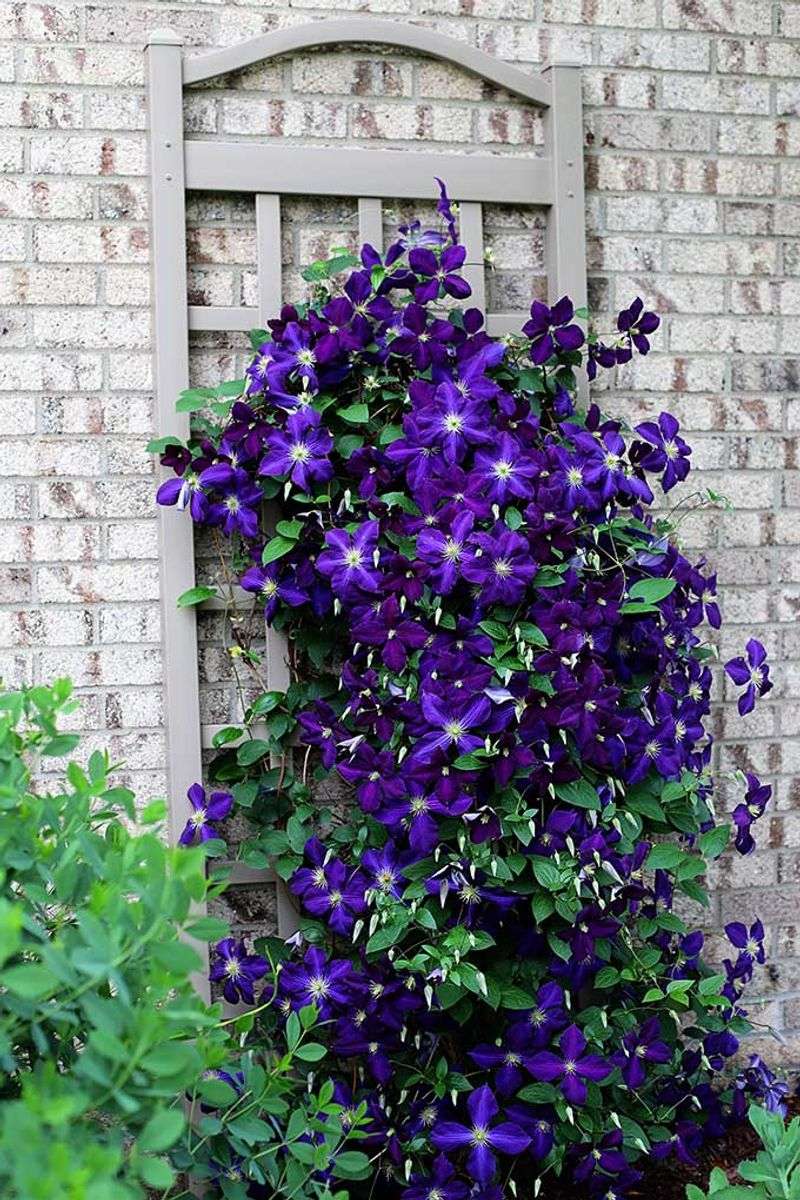
Want vertical drama? Clematis climbs a trellis, fence, or mailbox post and covers it in saucer-sized blooms. Some varieties open flowers as big as your palm.
The old rule is to keep their roots cool and their tops in the sun, which a bit of mulch handles nicely. Once established, they return bigger and bushier each year.
Colors span white, pink, purple, and near-red, with some kinds reblooming in fall. It brings the romance of a climbing rose without the thorns snagging your sleeves.
13. Geranium
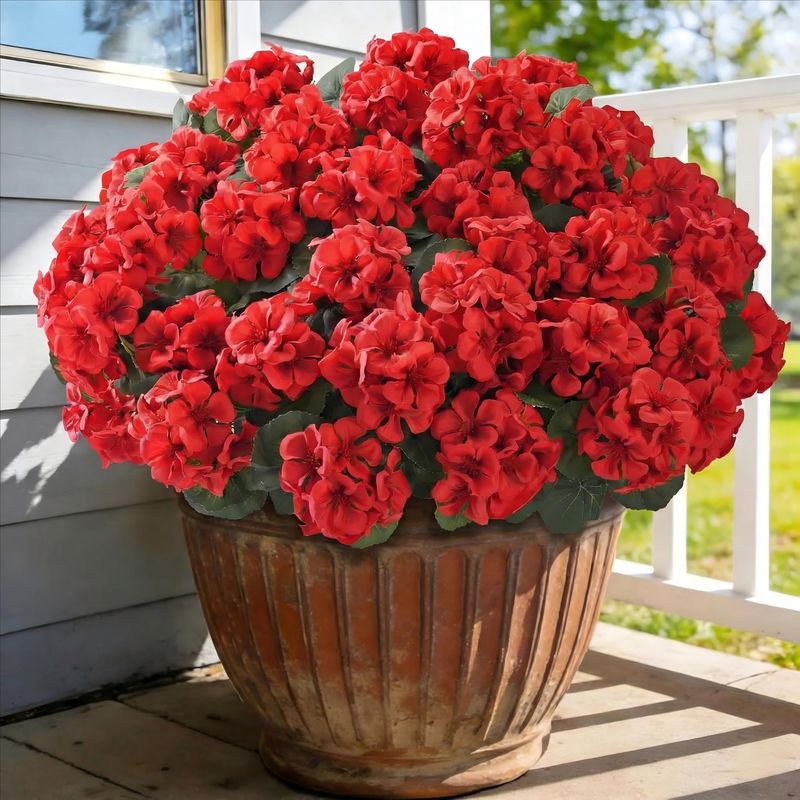
The trusty geranium has anchored front porches for generations, and there is a reason grandmas swear by it. It blooms cheerfully in pots or beds and forgives a missed watering or two.
Bright reds, pinks, and whites keep coming all season if you pinch off spent blooms. Some varieties even carry a spicy scent that many garden pests find off-putting.
Bring them indoors before frost and they can bloom on a sunny windowsill through winter. Dependable, colorful, and almost impossible to kill.
14. Begonia
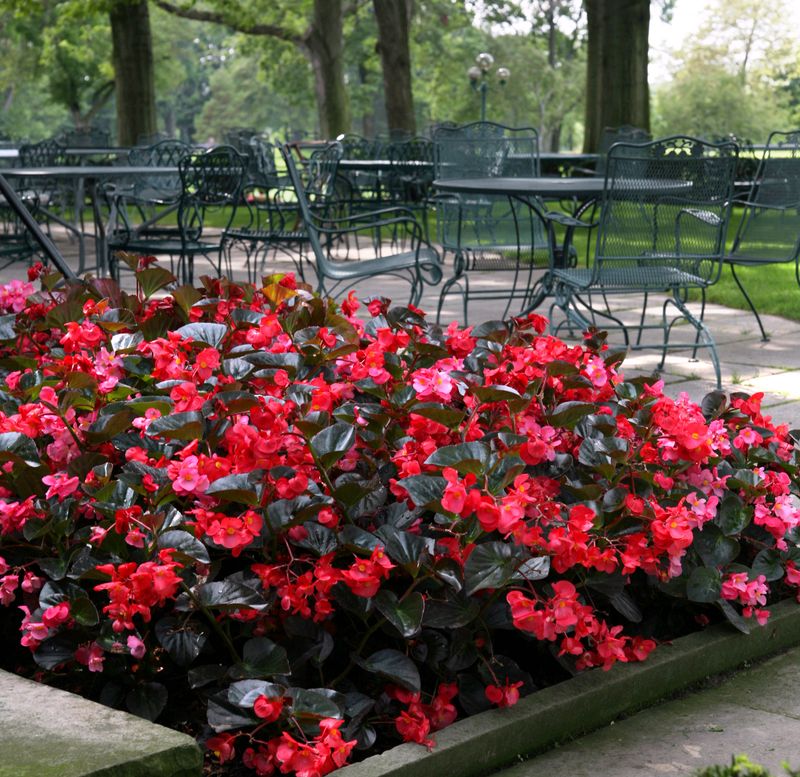
Shady spots where roses would sulk are exactly where begonias shine. They light up dim corners and covered porches with continuous ruffled blooms.
Tuberous types offer big, rose-like flowers, while wax begonias handle heat and neglect with a shrug. Both keep going without deadheading, which is a gift for busy gardeners.
Their glossy or bronze-tinted leaves look good even between blooms. Perfect for anyone whose yard is short on full sun.
15. Salvia
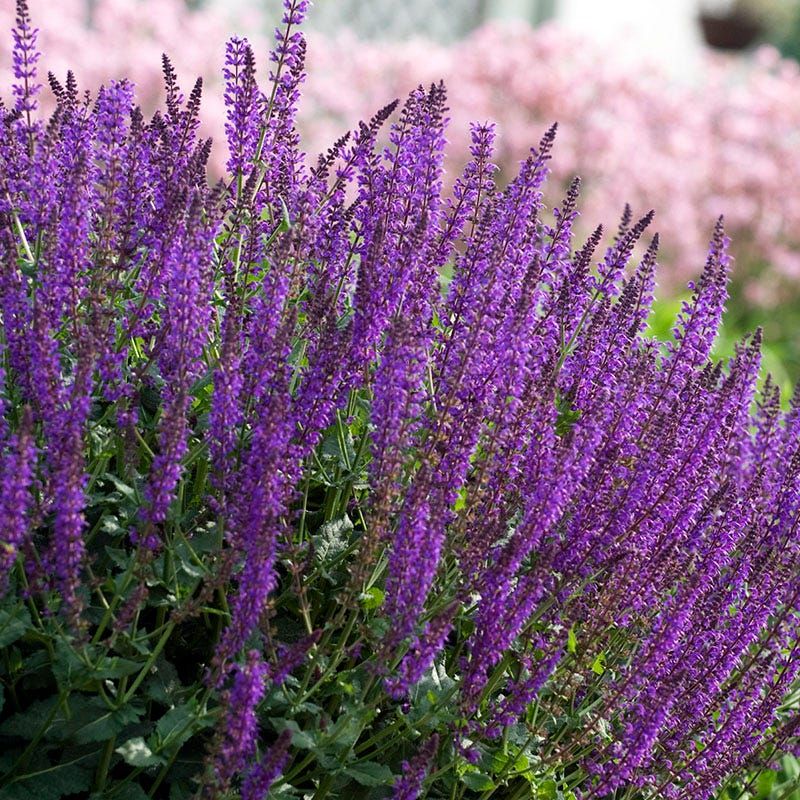
Spiky wands of blue, purple, or red make salvia a magnet for hummingbirds and a favorite of busy gardeners. The tall flower spikes add welcome height and structure to any bed.
Heat and drought barely register once the plant settles in, and deer tend to walk right past it thanks to the aromatic leaves. Many types bloom again if you trim them back mid-season.
Perennial varieties come back reliably, while annual kinds power through a single glorious summer. Set it, forget it, and watch the pollinators arrive.
16. Marigold
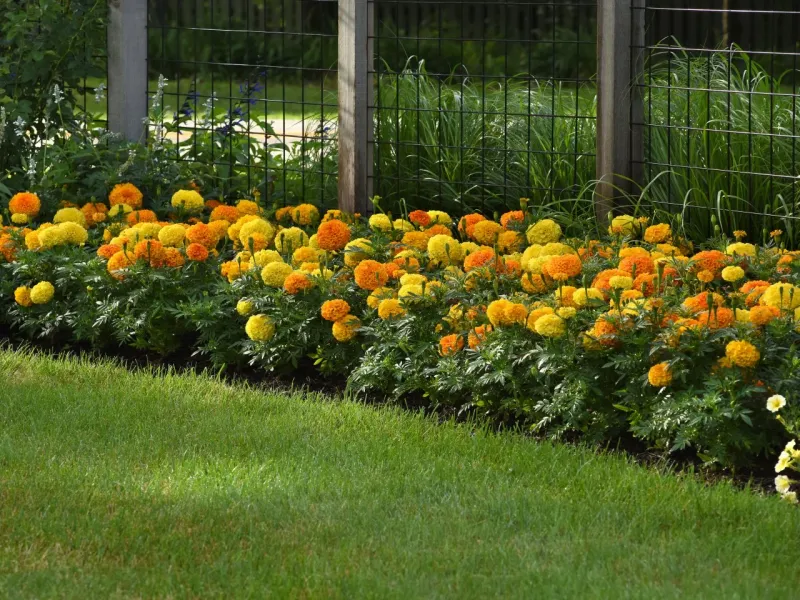
Cheerful and hardworking, marigolds pull double duty as garden decoration and pest bodyguard. Their pungent scent may help deter certain nibbling insects near vegetables.
From bright lemon to deep rust, the pom-pom blooms glow all summer with barely any care. They sprout quickly from seed, making them a favorite first flower for kids.
Plant them along the edge of a veggie bed and enjoy color plus a little natural protection. Simple, sunny, and endlessly useful.
17. Lavender
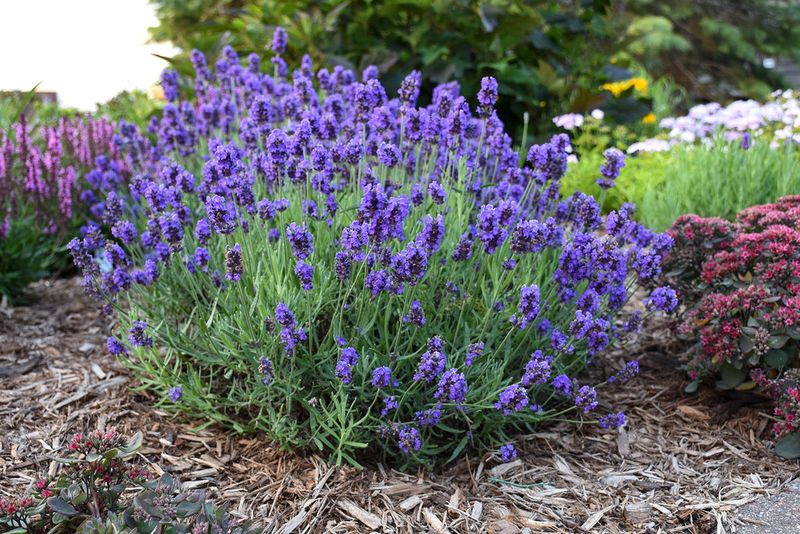
Run your hand across a lavender plant and the calming fragrance follows you around the garden. Beyond the smell, those silvery-purple spikes bring a Mediterranean glow to the driest, sunniest corners.
It positively loves poor, well-drained soil and hates being fussed over, so overwatering is the only real mistake. Bees flock to it while deer and rabbits keep their distance.
Harvest the stems to dry for sachets or cooking. Beauty, scent, and pest resistance rolled into one tidy shrub.
18. Poppy
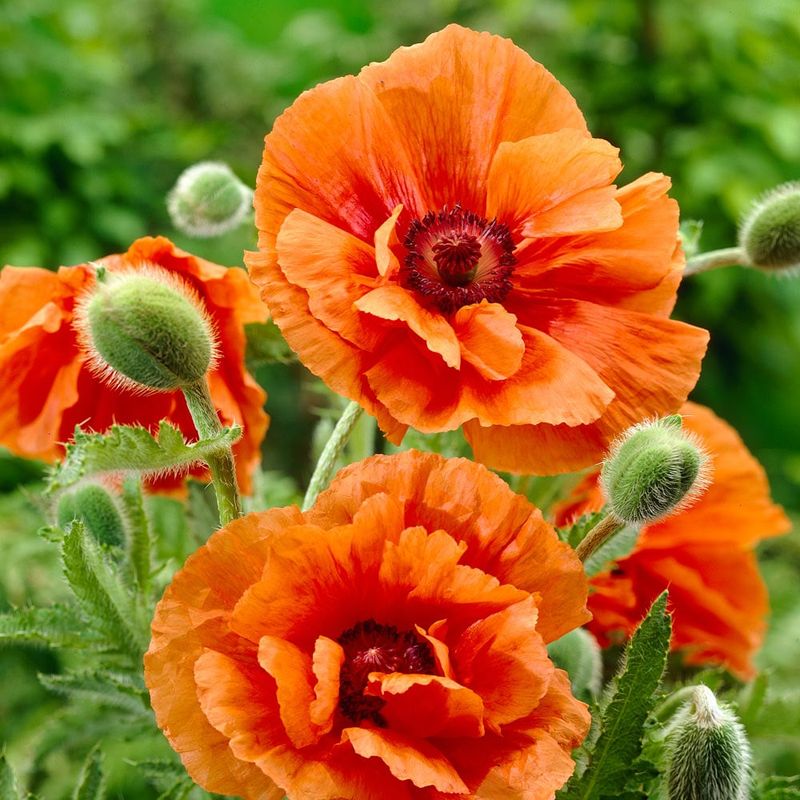
There is something almost magical about the way poppies unfurl their crinkled, paper-thin petals overnight. Oriental types deliver bold, saucer-sized reds and oranges that command attention.
Once planted, perennial poppies return each spring and ask for nothing but sunshine. Many kinds reseed, sprinkling next year’s blooms wherever they please.
The seed pods that follow are gorgeous in dried arrangements too. Fleeting, dramatic, and wonderfully low-maintenance.
19. Snapdragon
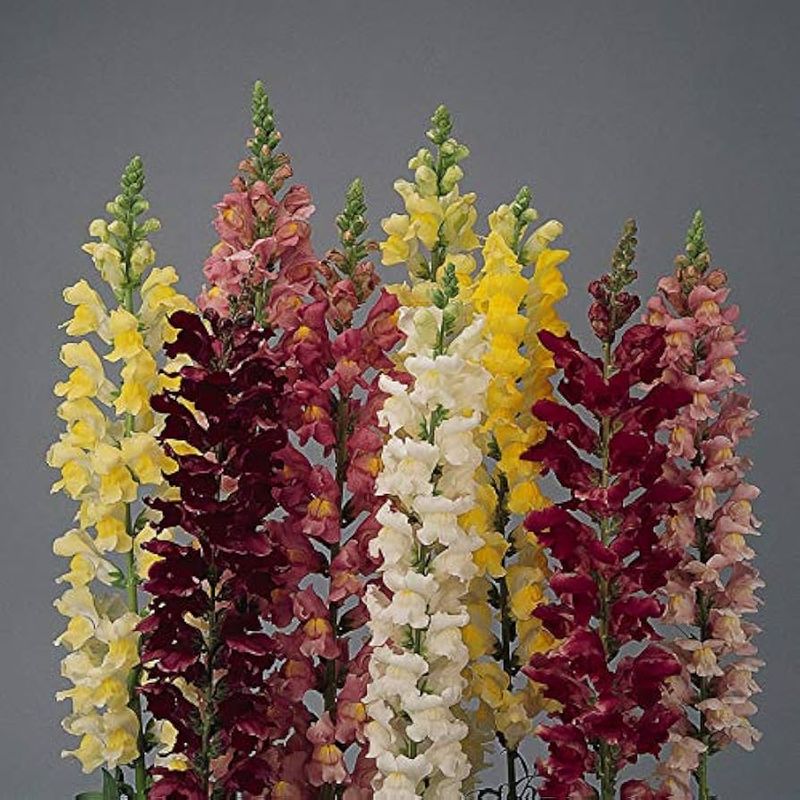
Kids love squeezing the blooms to make the dragon jaws snap open, and adults love the tall spires of color. Snapdragons bring an old-cottage-garden feel that pairs beautifully with roses or replaces them entirely.
Cool weather suits them best, so they shine in spring and fall and often push through mild winters. Cutting the spikes only encourages more.
They stack blooms from the bottom up, giving weeks of color per stem. Playful, tall, and endlessly charming.
20. Coreopsis
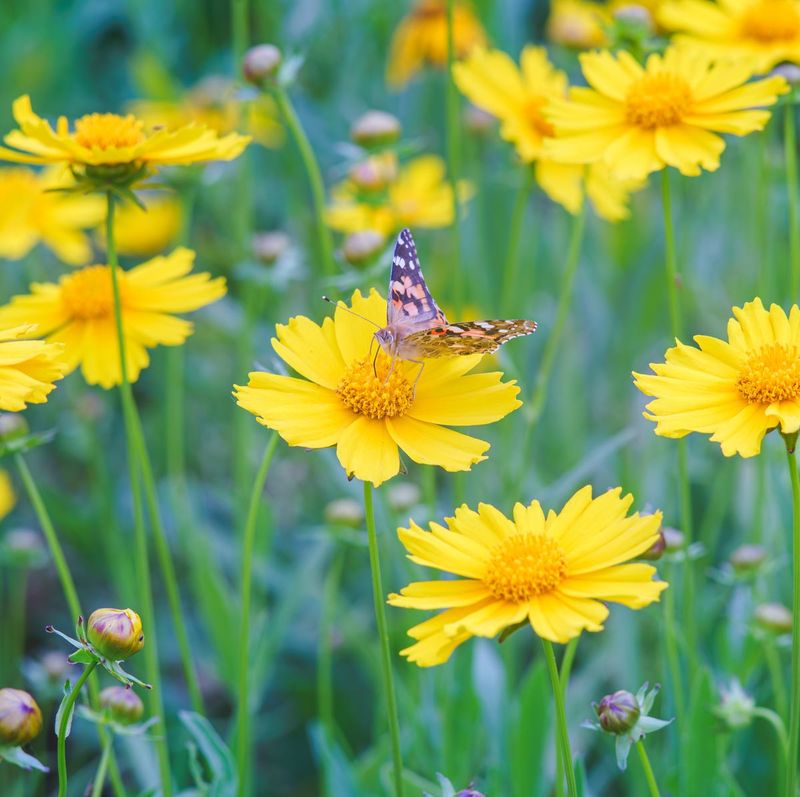
Golden and endlessly sunny, coreopsis blankets a bed in cheerful little daisies from early summer to frost. Native to North America, it is genuinely built for tough American backyards.
Drought, heat, and poor soil barely slow it down, and a quick shear mid-season brings a fresh flush of flowers. Butterflies treat it like a landing pad.
Many varieties spread gently into fuller clumps year after year. A carefree splash of gold for almost no effort.
21. Hibiscus
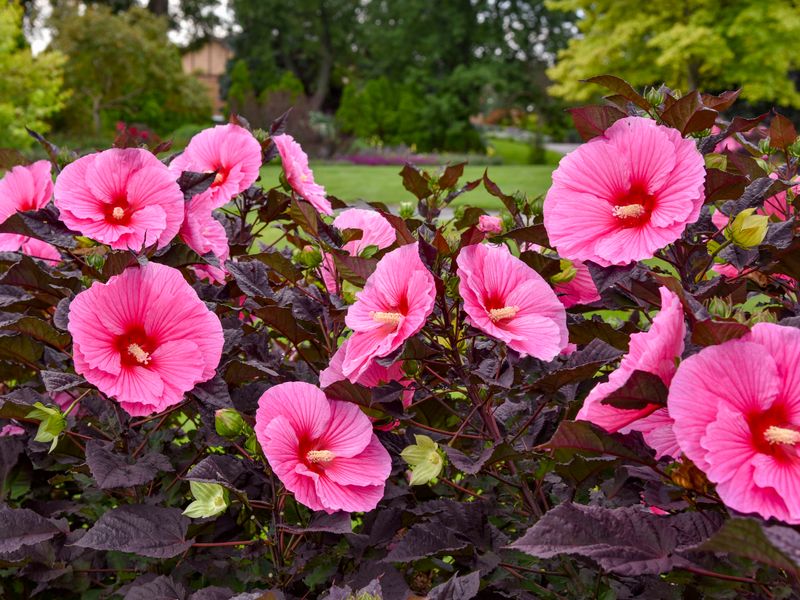
Go big or go home, and hibiscus goes very big, with tropical-looking blooms that can span the width of a dinner plate. Hardy varieties survive freezing winters and burst back to life each summer.
The flowers only last a day or two, but the plant produces so many that the show never stops. Reds, pinks, and whites practically glow in the heat.
Plant one and you instantly get a vacation vibe in the backyard. Big drama, surprisingly little maintenance.
22. Sweet Pea
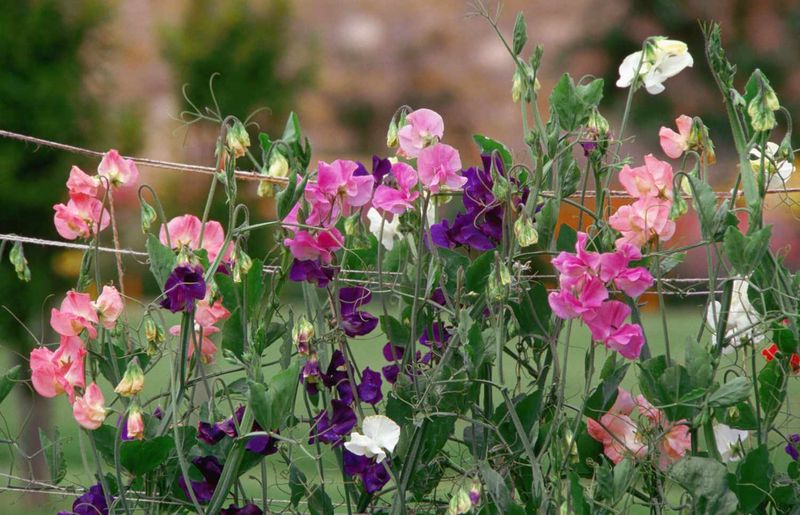
The perfume alone earns sweet peas a spot on this list, filling the spring air with a fragrance florists wish they could bottle. Delicate, ruffled blooms climb up strings or a trellis with cheerful ease.
Sow them early in cool soil and keep picking, because the more you cut, the longer they flower. Colors range from soft pastels to rich jewel tones.
A small vase of them can scent an entire room. Old-fashioned romance without a single thorn.
23. Anemone
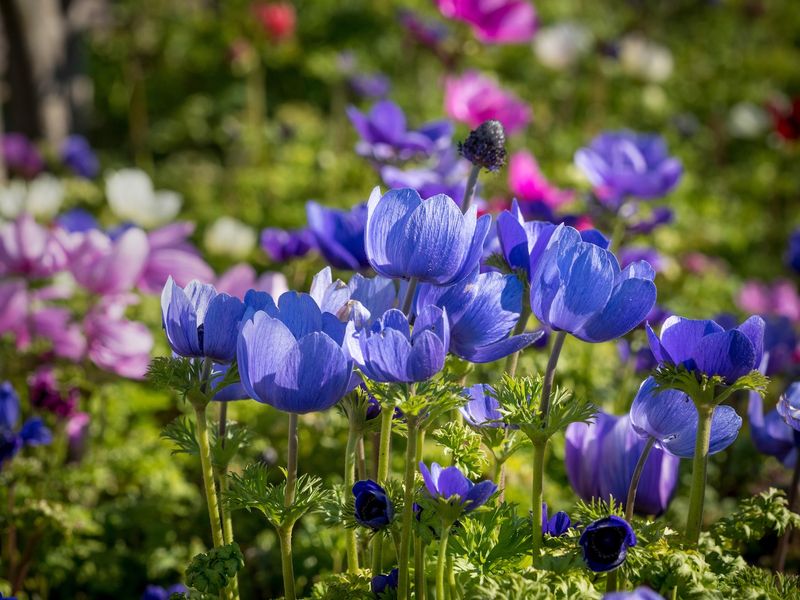
With their dark, velvety centers ringed by bright petals, anemones look like they were painted by hand. The contrast is so striking that a single bloom can steal the whole bouquet.
Plant the corms in fall or early spring and they open in cool weather when the garden needs a lift. They come in jewel-toned reds, purples, and pure white.
Long stems make them a cutting-garden favorite. Elegant, dramatic, and easier than they look.
24. Rudbeckia (Black-Eyed Susan)
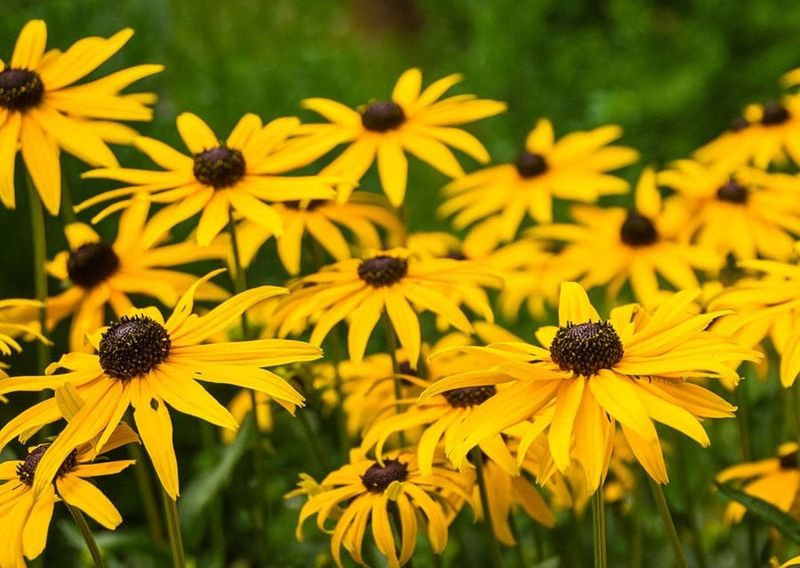
Golden petals framing a chocolate-brown center make black-eyed Susans one of the most recognizable flowers in the American garden. They bloom their hearts out through the hottest, driest weeks of the year.
Native and tough, they naturalize into big cheerful drifts and need almost zero pampering. Pollinators love them, and birds feast on the seeds come fall.
Leave a few seed heads standing for winter interest and wildlife. Sunshine in plant form, with a will of iron.
25. Tulip
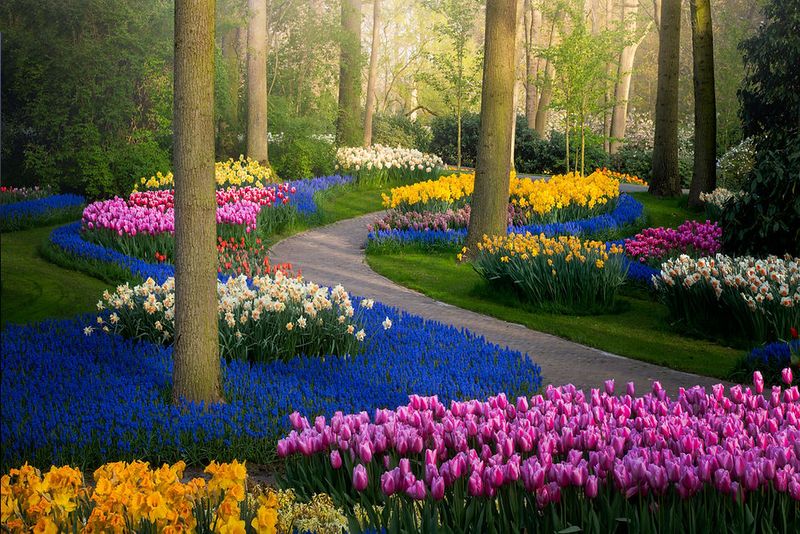
Nothing announces spring quite like a bed of tulips popping up after a long winter. Plant the bulbs in fall, forget about them, and let the surprise unfold months later.
They come in nearly every color imaginable, from creamy pastels to near-black burgundy and flame-streaked bicolors. Some fringed and doubled types rival roses for ruffled glamour.
Plant them among later bloomers so the fading foliage gets hidden. A cheap bulb now buys a whole show in April.
26. Iris
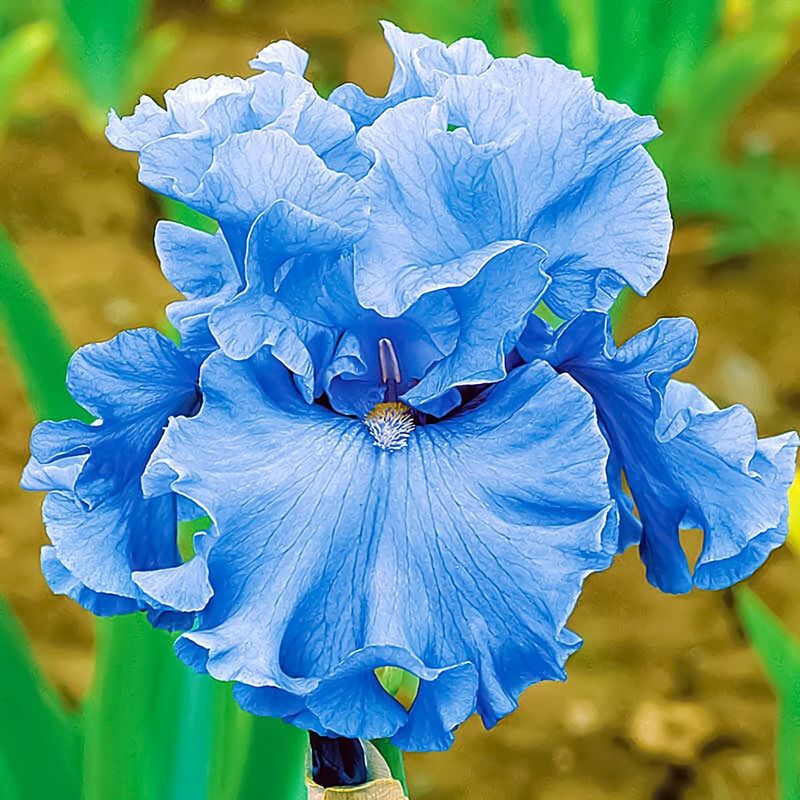
Regal and ruffled, bearded irises unfurl petals so silky they look almost artificial. The range of colors is staggering, including blues and purples you rarely see anywhere else in the garden.
Their fleshy rhizomes store energy, so once planted they thrive on benign neglect and multiply over time. Just give them sun and good drainage.
Divide the clumps every few years and you will have plenty to share. Old-world elegance with modern-day toughness.
27. Gardenia
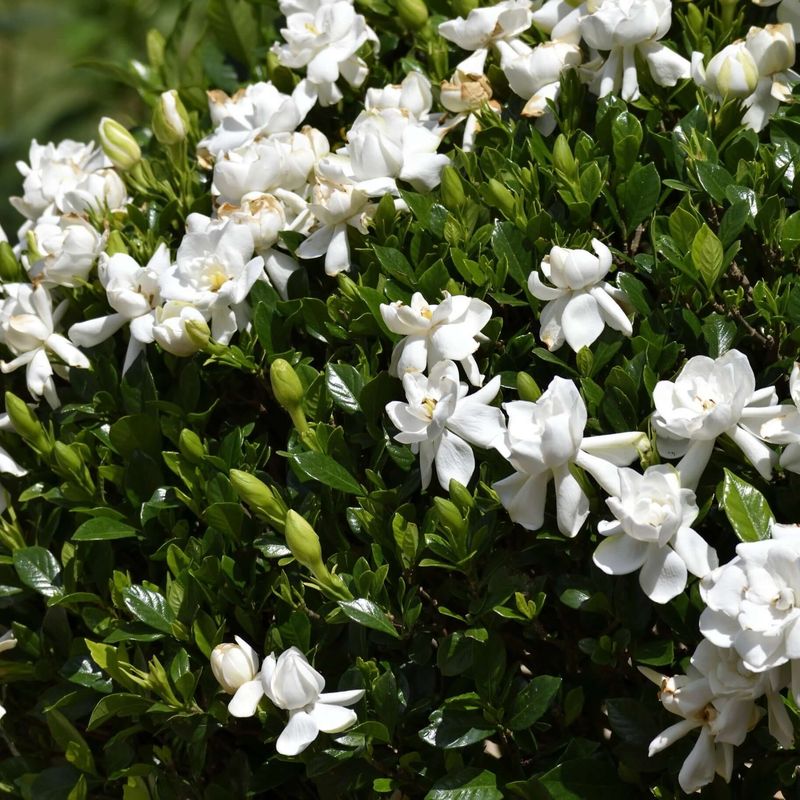
Close your eyes near a blooming gardenia and the intoxicating perfume does all the talking. The creamy white blooms look like rolled satin against deep glossy green leaves.
Warm-climate gardeners in the South treasure them for hedges and container displays. Give them acidic soil, humidity, and morning sun, and they reward you richly.
A single flower floated in a bowl of water can scent an entire kitchen. Pure Southern romance in a shrub.
28. Nasturtium
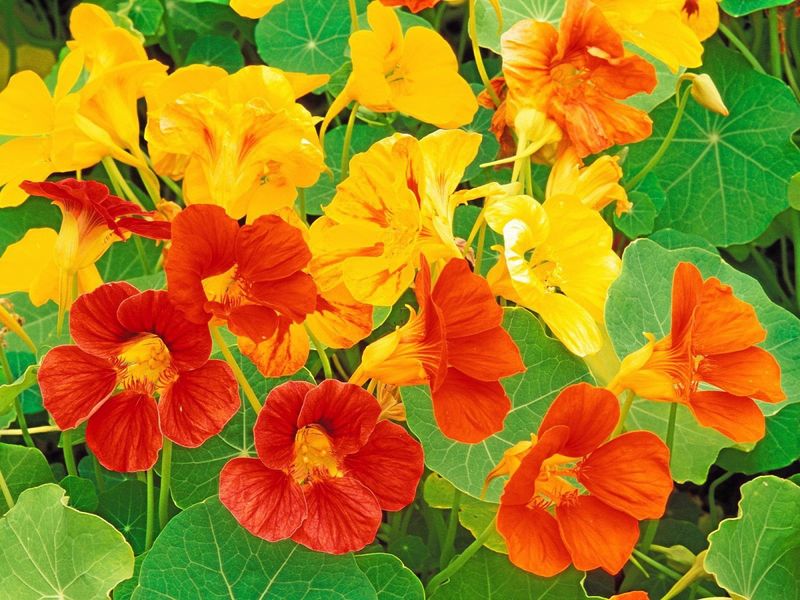
Here is a flower you can actually eat, since nasturtium blooms and leaves add a peppery kick to salads. Beyond the kitchen, they tumble over walls and containers in blazing orange, red, and yellow.
Poor soil suits them perfectly, and too much fussing just gives you leaves instead of flowers. They ask for almost nothing and give back cheerful color plus a snack.
Gardeners also plant them as a trap crop to lure aphids away from prized vegetables. Beautiful, edible, and hardworking all at once.
29. Foxglove
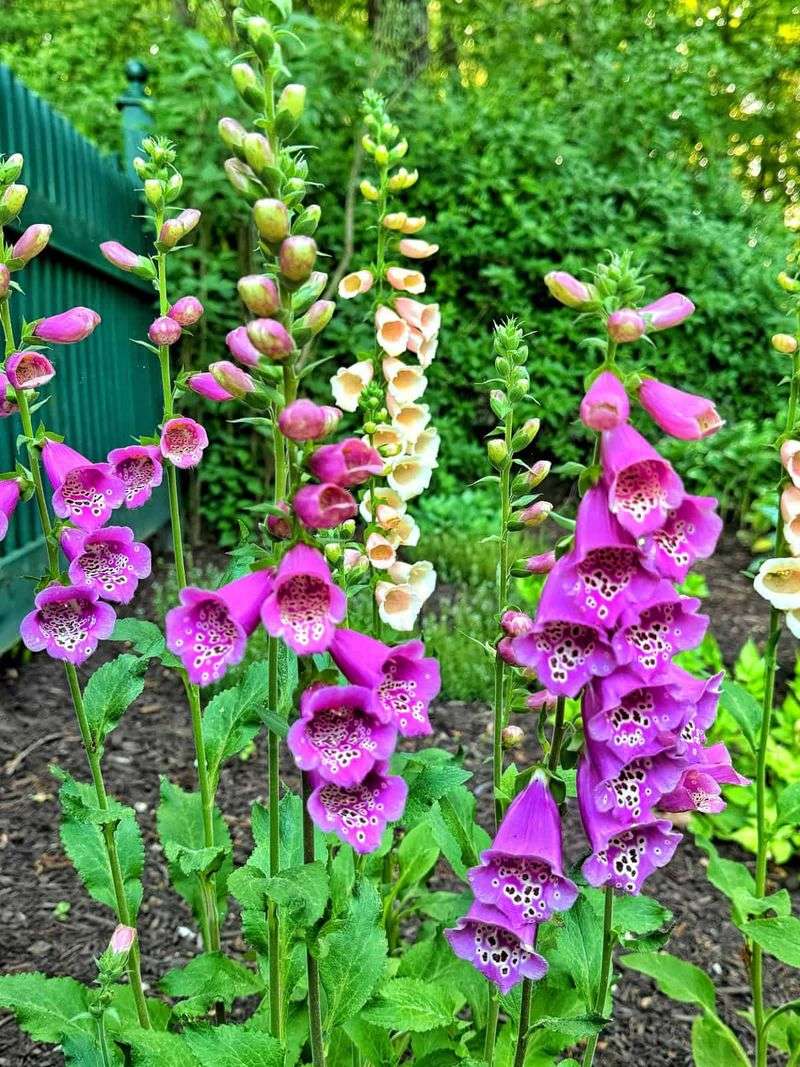
Towering spires studded with speckled, bell-shaped blooms give foxgloves a fairy-tale quality. They rise dramatically above the rest of the border and draw bumblebees right inside each flower.
Partial shade suits them, making them a great pick for spots that stay too dim for roses. Most kinds reseed themselves, quietly refilling the garden year after year.
A word of caution though, since every part is toxic if eaten, so plant thoughtfully around curious pets and kids. Stately, cottagey, and self-sustaining.
30. Sunflower
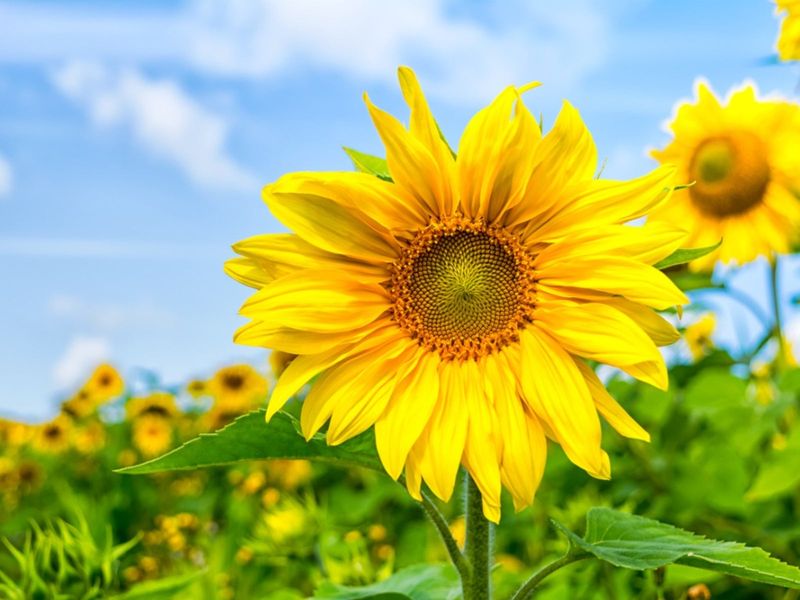
Plant a sunflower seed and within weeks you have a living, sun-tracking tower that makes everyone smile. Giant varieties soar over your head while branching types produce armloads of cut flowers.
They practically grow themselves in a sunny spot and shrug off summer heat with ease. Kids love measuring their progress week by week.
When the show ends, the seed heads feed a flurry of birds. Big, bold, and joyful from seed to snack.
31. Bee Balm (Monarda)
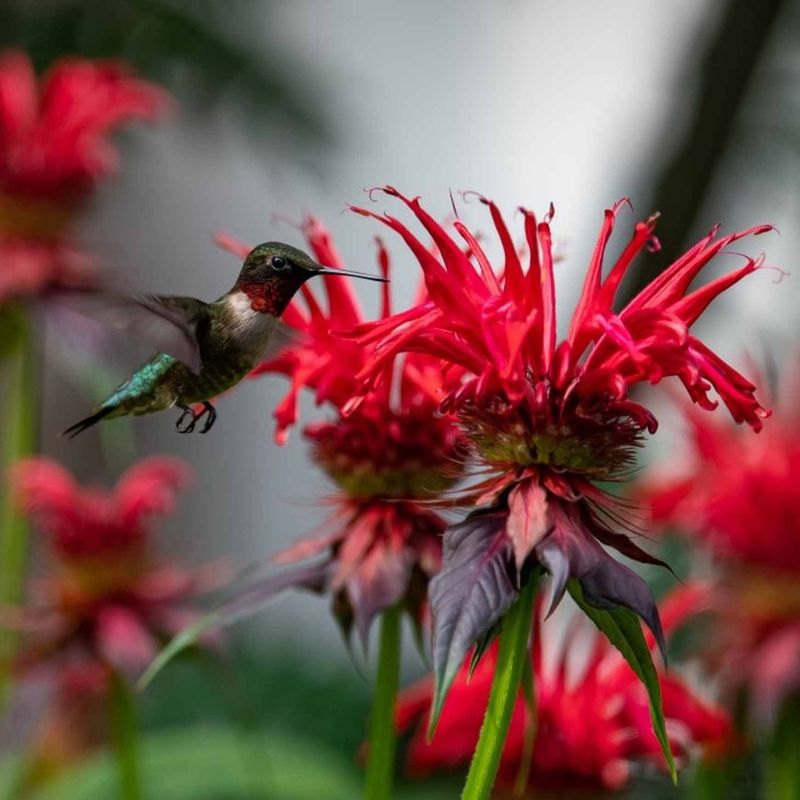
Shaggy, firework-shaped blooms make bee balm look like nothing else in the garden. As the name hints, bees, butterflies, and hummingbirds cannot stay away from it.
This North American native handles heat and humidity and comes back stronger each year. The minty-scented leaves may even help keep certain pests at a polite distance.
Reds, pinks, and purples light up the mid-summer border when many other flowers fade. A pollinator party wrapped in one easygoing plant.
32. Calla Lily
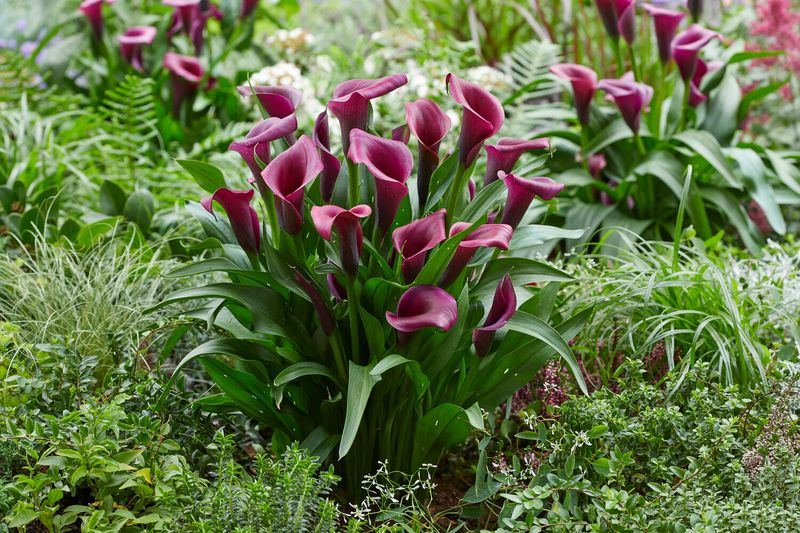
Sleek and sculptural, the calla lily brings a modern, elegant shape that feels almost architectural. That single graceful curl of a petal looks stunning in both the garden and the vase.
Colors run from classic white to deep plum, sunny yellow, and even near-black. In cooler US zones you lift the rhizomes in fall, much like dahlias, and replant in spring.
They thrive in moist spots where fussier flowers struggle, including near ponds. Effortless sophistication with a minimalist streak.