
17 Mistakes That Quietly Rot Your Tomatoes On The Vine Before They Ever Ripen
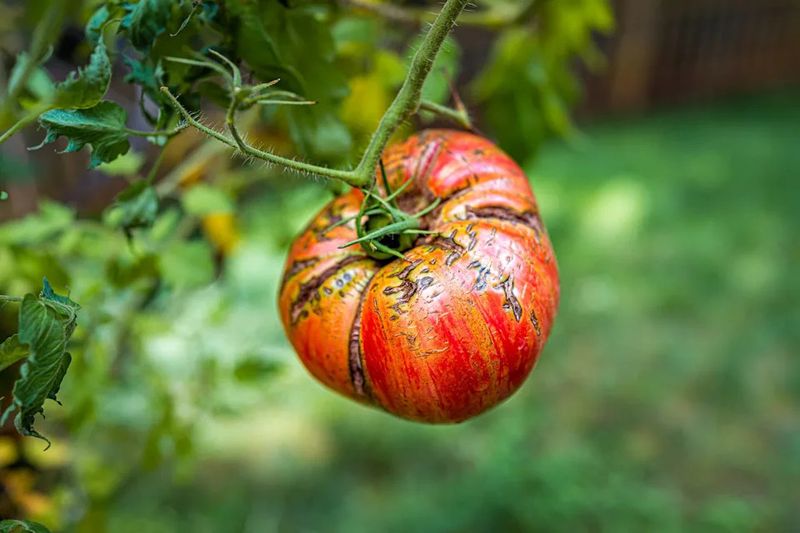
You water, you weed, you wait, and then one morning you find a soft brown spot spreading across a tomato that should have been perfect. Rot on the vine feels like bad luck, but most of the time it traces back to small habits that pile up unnoticed. The good news is that almost every cause here is something you can fix this weekend without fancy tools or a bigger budget. Walk through these 17 slip-ups and you will start spotting trouble before it ever reaches your dinner plate.
1. Skipping Calcium and Inviting Blossom End Rot
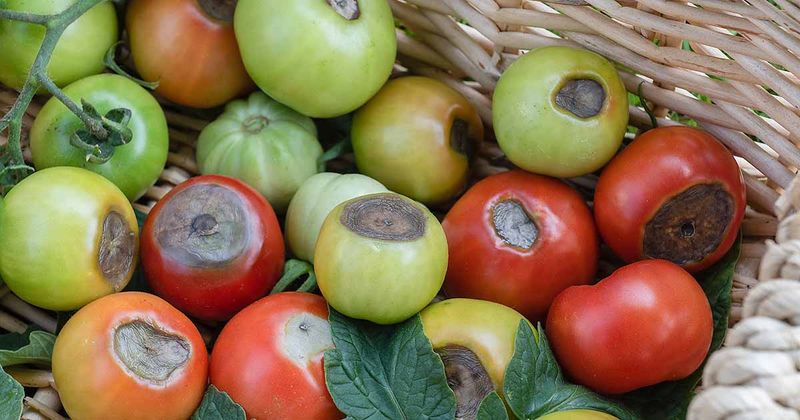
That sunken, leathery brown patch on the bottom of an otherwise pretty tomato is the calling card of blossom end rot. It looks like a disease, but it is really a plumbing problem inside the plant.
Calcium moves through tomatoes with water, so when the soil swings between bone dry and soaking wet, the fruit cannot pull enough of it to the far end. The tissue there collapses and turns dark. Most backyard soils in the US actually hold plenty of calcium already.
Steady moisture is the real fix, along with a soil test before you dump extra amendments. A layer of mulch and consistent watering does more than any bottled spray. Once you smooth out the swings, new fruit usually sets clean.
2. Crowding Plants Until Air Cannot Move
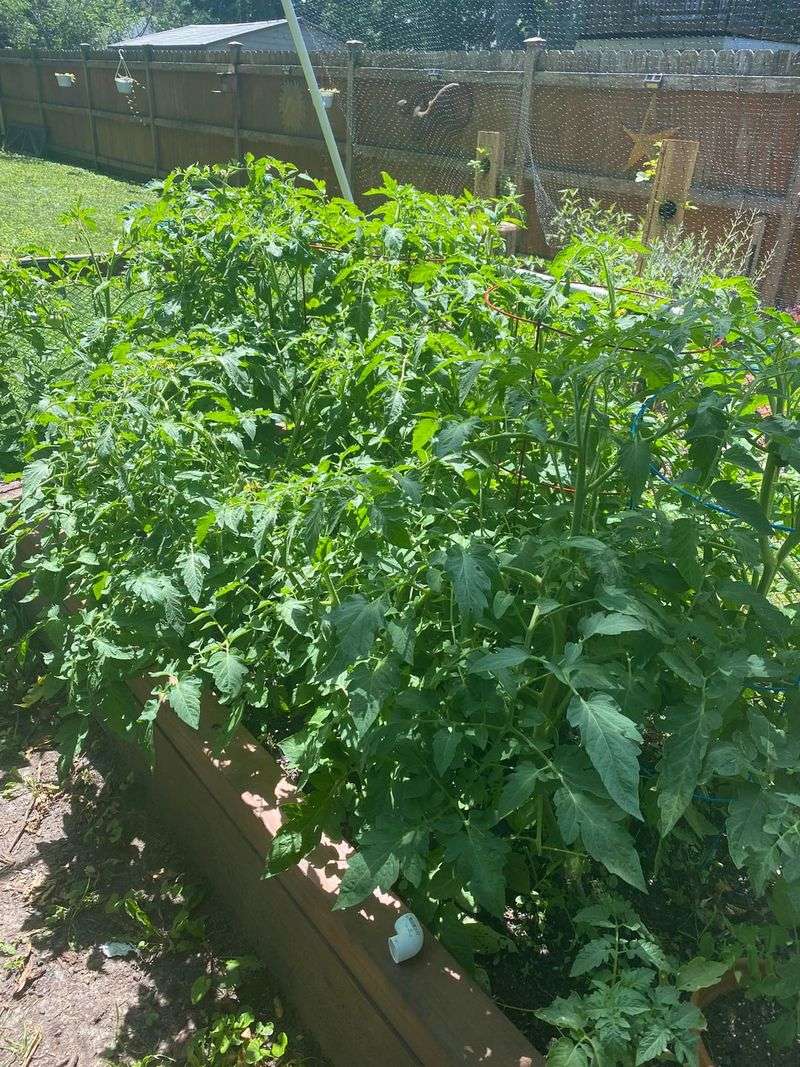
Tucking tomato seedlings close together in spring feels efficient, especially when they are still tiny and the bed looks empty. By July those same plants form a solid green wall that traps humid, stagnant air.
Fungal spores love that muggy pocket. Leaves stay wet longer after rain or dew, and fruit sitting inside the tangle never dries out fully, which invites rot to take hold quietly.
Give each indeterminate plant roughly two feet of breathing room, and prune out crossing branches so a breeze can pass through. You may feel like you are wasting space, but healthier fruit from fewer plants beats a jungle of rotting ones. Airflow is free insurance against a lot of vine problems.
3. Watering From Overhead and Soaking the Leaves
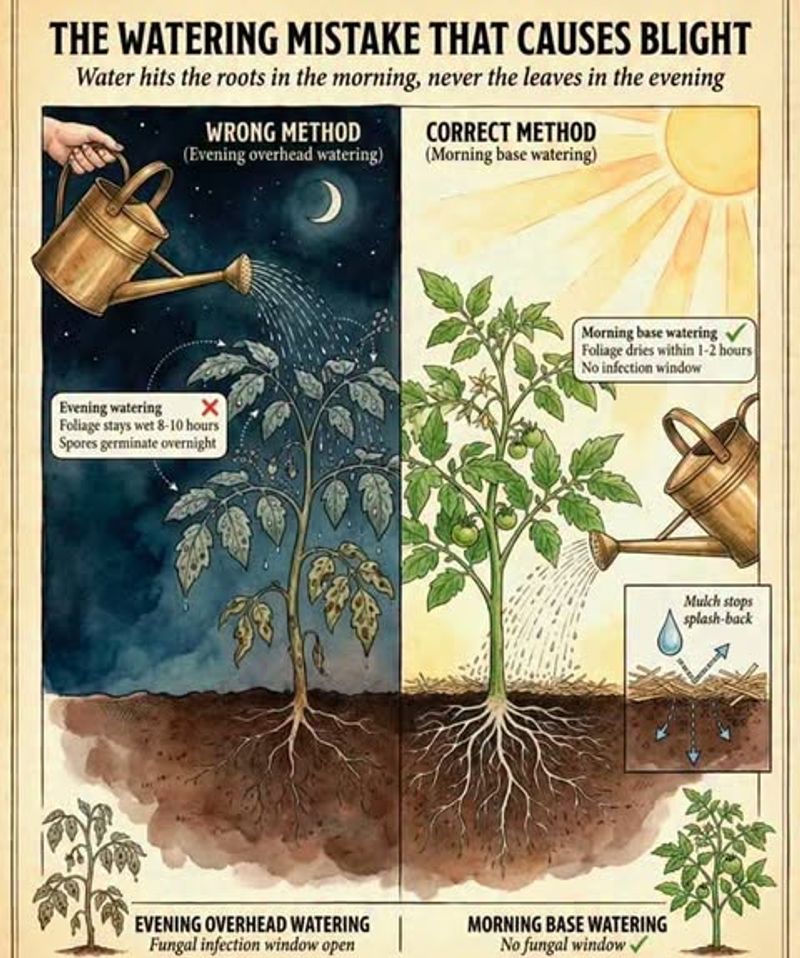
Grabbing the hose and spraying the whole plant from the top feels natural, but tomatoes hate a shower. Wet foliage that sits overnight becomes a launchpad for early blight and other rot-causing fungi.
Splashing water also kicks soil-borne spores up onto the lower leaves and fruit, spreading trouble you never see happening. The damage shows up days later as spots and softening.
Aim water at the base of the plant instead, using a soaker hose or a wand held low to the ground. If you must water overhead, do it early in the morning so the sun dries everything fast. Keeping leaves and fruit dry breaks the cycle before it starts.
4. Letting Fruit Rest on Bare Soil

Sprawling varieties love to flop their heavy branches right onto the dirt, and the fruit follows. Where a tomato touches damp ground, it picks up soil moisture and every microbe living there.
Contact rot creeps in from that resting spot, softening one side while the top still looks fine. Slugs and pill bugs find those grounded fruits first, too.
Stake or cage your plants so branches ride above the soil, and slip straw or mulch underneath as a clean buffer. A simple support keeps fruit dry on all sides and cuts down on the pests that finish what rot starts. Your back will thank you at harvest time as well.
5. Ignoring the Cracks That Open a Door for Rot
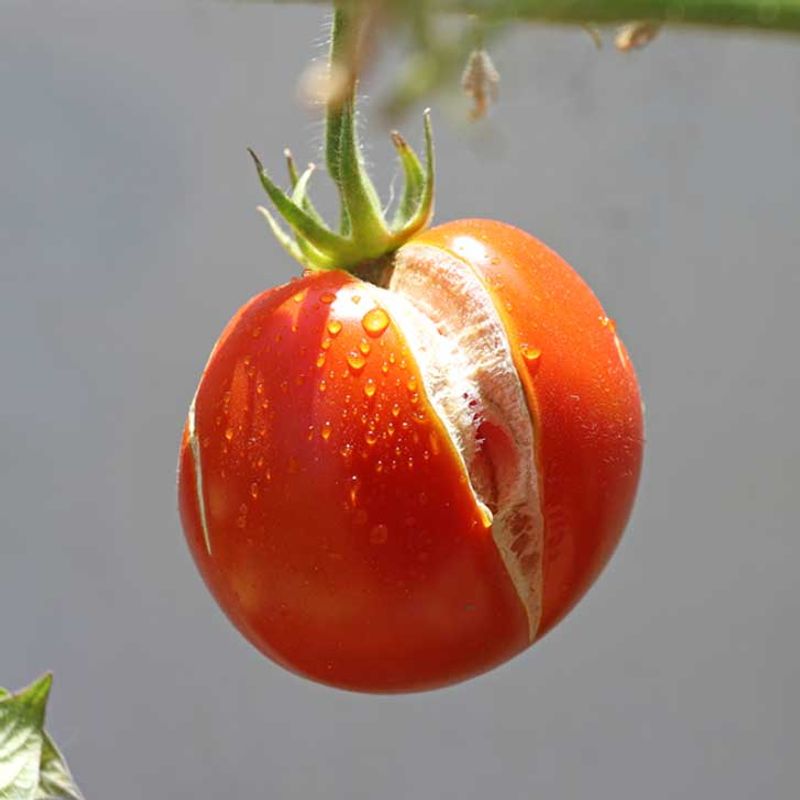
A tomato that splits open across the top or in rings around the stem is practically ringing a dinner bell for mold. Those cracks form when a dry plant suddenly gulps a big drink and the fruit swells faster than its skin can stretch.
Rainstorms after a dry spell are the usual culprit across much of the US. Once the skin tears, moisture and bacteria pour right into the flesh.
Even watering keeps fruit expanding at a steady pace so the skin can keep up. Mulch buffers the soil against sudden downpours, and picking crack-prone types a touch early spares them from the next storm. Smooth, unbroken skin is a rot barrier worth protecting.
6. Planting in the Same Bed Year After Year
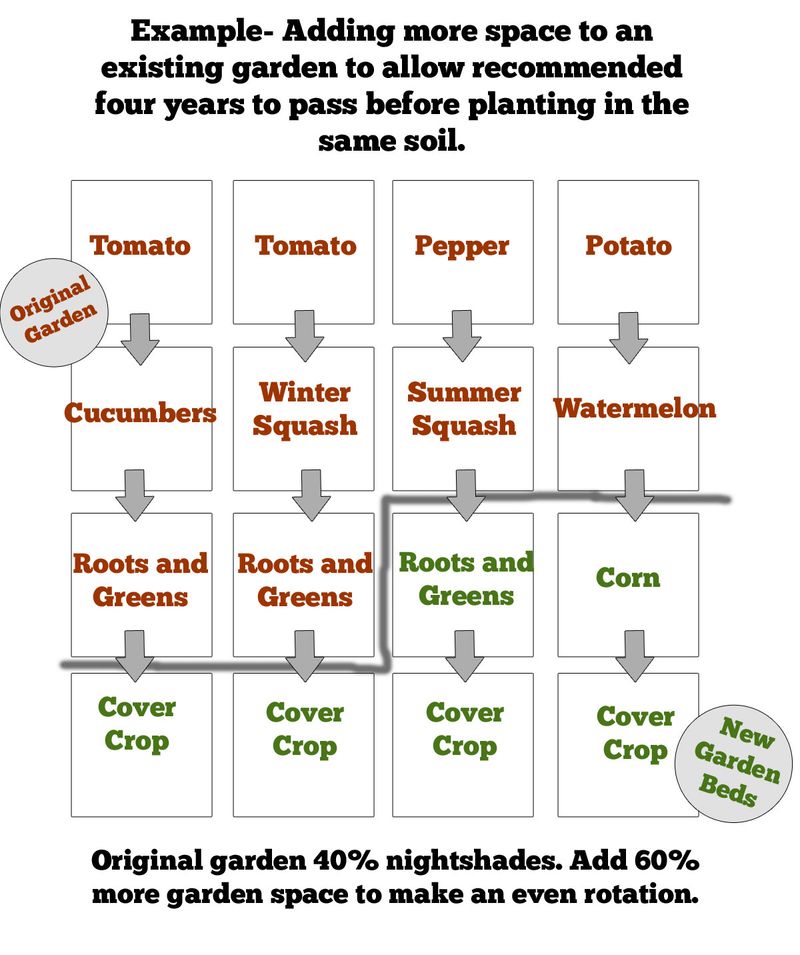
It is tempting to put tomatoes in your sunniest bed every single summer, because that spot just works. Trouble is, the diseases that attack tomatoes overwinter in that soil and wait for the next crop.
Verticillium, fusarium, and blight spores build up season after season until your plants start rotting before they can ripen a full crop. The bed looks the same, but the underground threat keeps growing.
Rotate tomatoes and their cousins, peppers, eggplant, and potatoes, to a different spot on a three-year cycle. If your yard is small, container growing with fresh mix breaks the chain. Moving the plants around starves those soil pathogens of the host they depend on.
7. Leaving Lower Leaves Touching the Ground
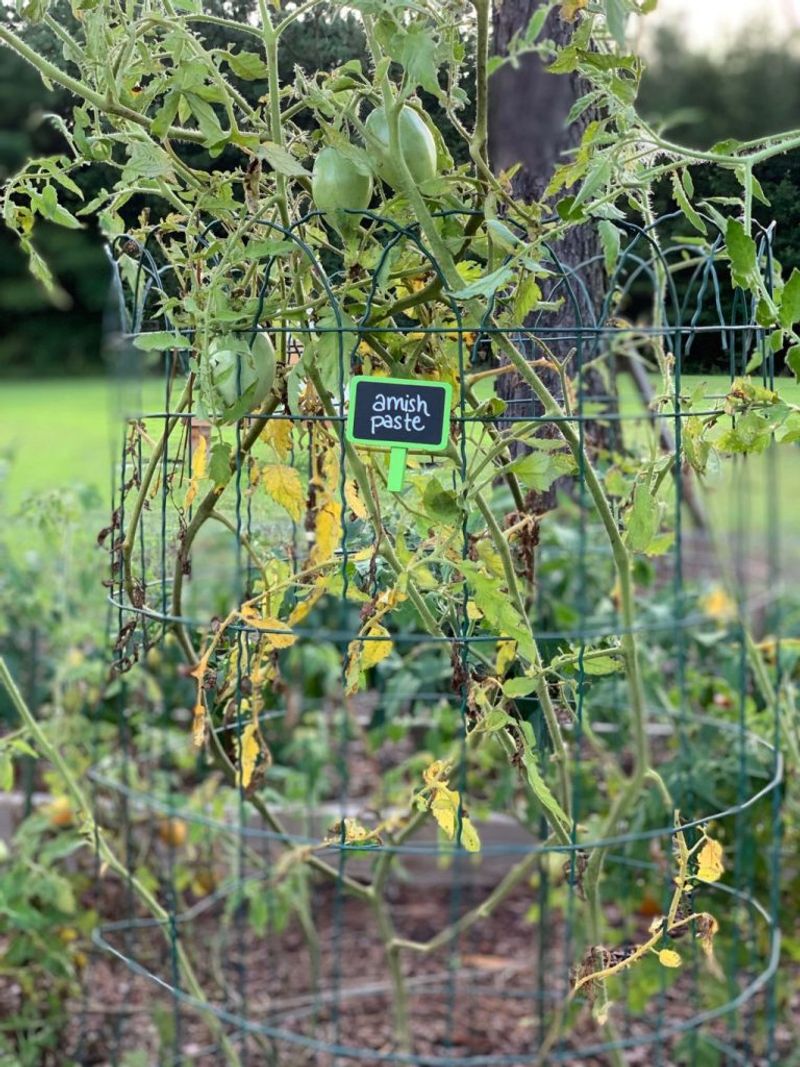
The lowest leaves on a tomato plant are the first to catch trouble, and they act like a ladder for it. Spores splash up from the soil, land on those bottom leaves, and march steadily toward the fruit above.
Yellowing edges and small brown bullseye spots on the lower foliage are your early warning that rot is heading upward. Reading those leaves buys you time to act.
Strip off the bottom eight to twelve inches of foliage once plants are established, so nothing touches the ground. Toss the clippings in the trash rather than the compost to avoid spreading spores. A clean lower stem is one of the simplest ways to slow disease before it reaches your harvest.
8. Over-Fertilizing With Nitrogen
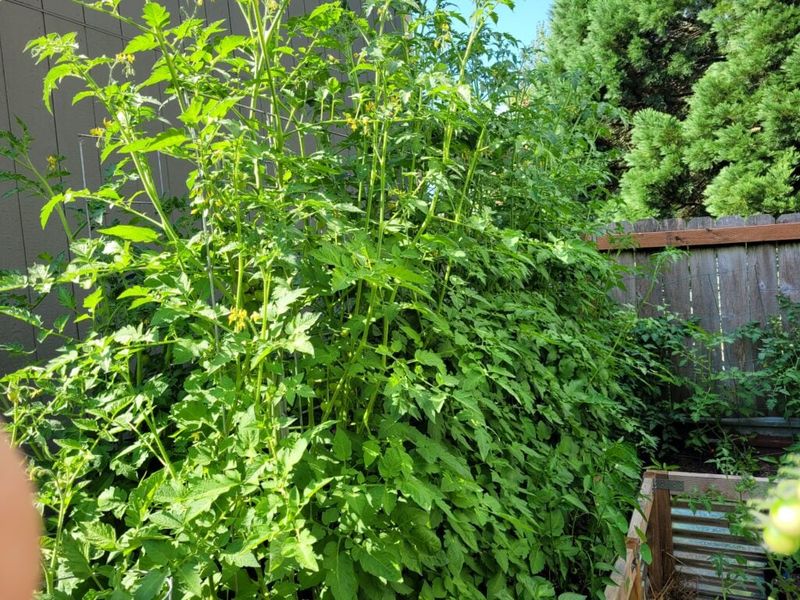
A tomato plant that looks like a prizewinning shrub, all lush leaves and dark green vigor, can fool you into feeling proud. All that leafy growth usually means you fed too much nitrogen, and the plant poured its energy into foliage instead of fruit.
Dense growth also traps humidity and shades the fruit, creating exactly the damp, still conditions rot enjoys. Fewer tomatoes form, and the ones that do sit hidden in a moist thicket.
Switch to a balanced or lower-nitrogen feed once flowers appear, favoring phosphorus and potassium for fruiting. Ease off the miracle growth boosters that promise jungle-sized plants. Balanced feeding gives you tomatoes you can actually eat instead of a green monster.
9. Mulching Too Late or Not at All
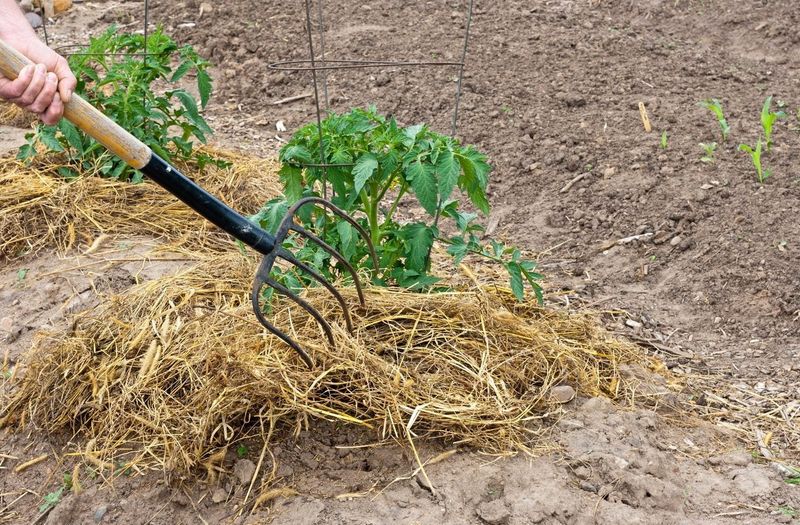
Bare soil around a tomato plant behaves like a rollercoaster, dry and cracked one day, soggy the next. Those moisture swings drive both blossom end rot and skin splitting, two problems that finish fruit before it ripens.
Uncovered dirt also lets rain splash spores straight up onto stems and low fruit. Every storm becomes a delivery system for disease.
Lay two or three inches of straw, shredded leaves, or grass clippings around each plant once the soil has warmed in late spring. The blanket holds moisture steady and blocks the splash. Wait too long and you spend the whole season chasing the very problems a little mulch would have quietly prevented.
10. Missing the First Signs of Hornworm and Pest Damage
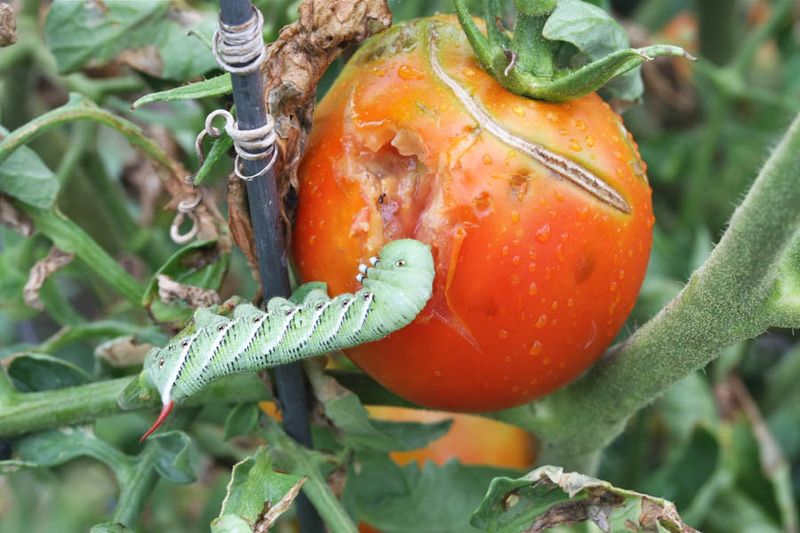
Tomato hornworms can strip a plant and gouge fruit faster than you would believe, often before you spot the fat green caterpillar hiding in plain sight. Every bite wound they leave becomes an open cut where rot moves in.
Stink bugs and fruitworms do the same, puncturing the skin and letting bacteria follow. The chewed spot softens and darkens within days.
Scout your plants every couple of days, checking undersides of leaves and looking for dark pellet droppings that give hornworms away. Some gardeners find that strong-scented plants like basil or marigold nearby may help throw pests off the trail. Catching the culprit early keeps small nibbles from turning into rotten fruit.
11. Composting Diseased Vines and Fruit
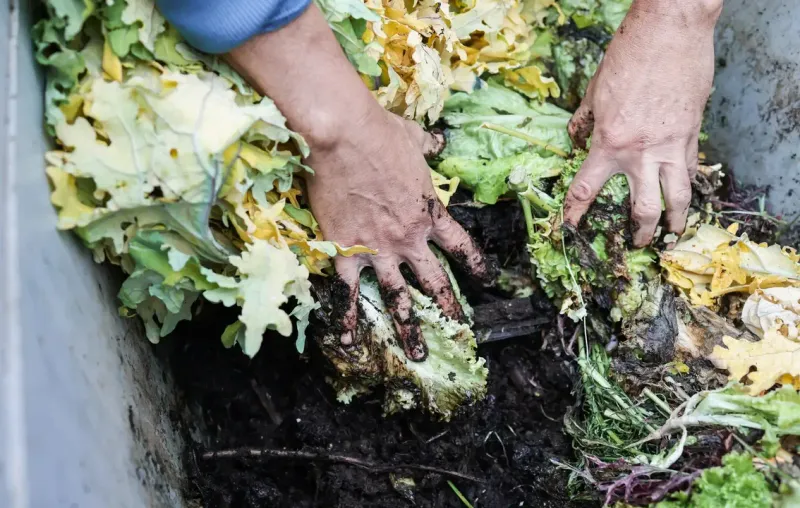
Chucking sick plants and mushy tomatoes onto the compost heap seems responsible, like nothing goes to waste. The catch is that most home piles never get hot enough to kill blight and wilt pathogens.
Those survivors ride your finished compost right back into the garden next spring, seeding the whole cycle again. You end up planting straight into last year’s disease.
Bag up any plant showing spots, wilt, or rot and send it out with the trash instead. Save the compost for healthy trimmings and kitchen scraps. Being a little ruthless with infected material now protects every crop you plant later.
12. Pruning With Dirty Tools
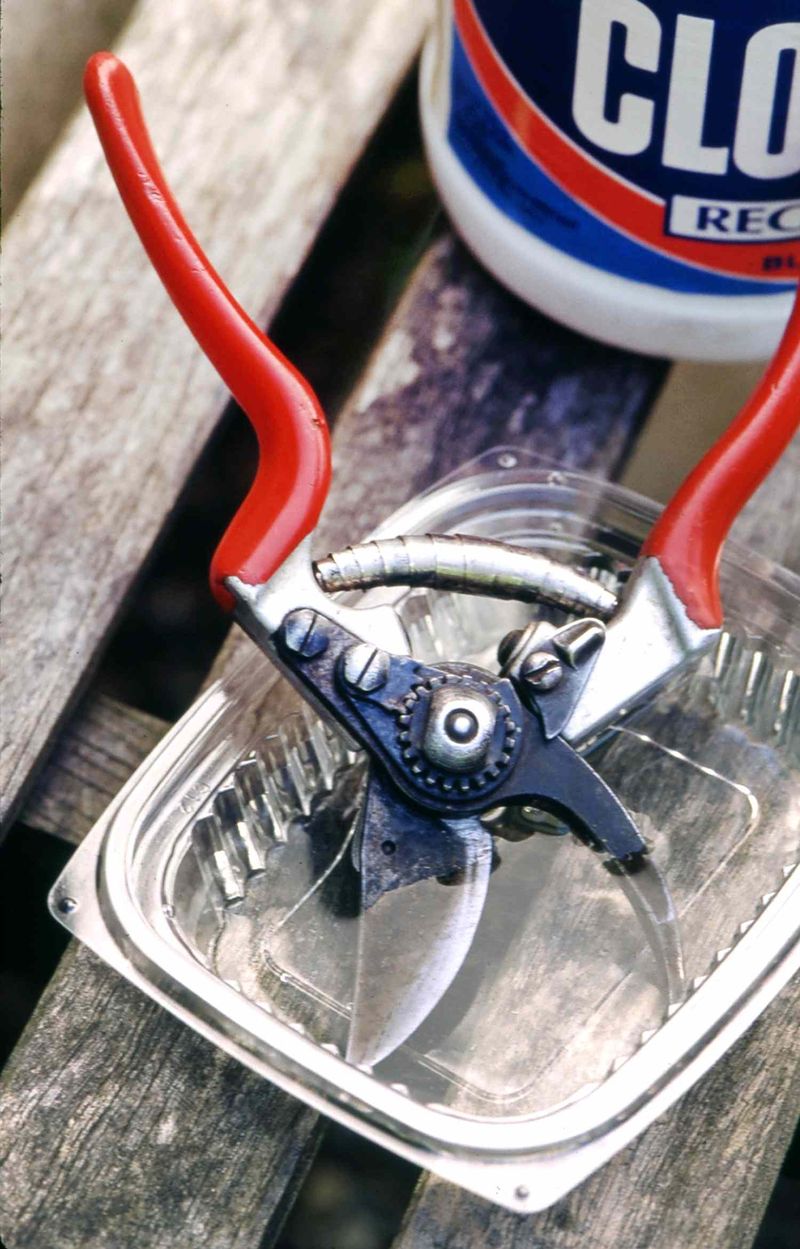
Snapping off suckers and trimming branches with the same shears you used on a sick plant is like reusing a bandage. Every fresh cut is an open wound, and dirty blades smear bacteria and fungal spores straight into it.
The infection travels down the stem and can reach developing fruit, softening it from the inside. You never connect the rot to the tool that caused it.
Wipe your pruners with rubbing alcohol or a diluted bleach solution between plants, especially if one looked unwell. Prune on a dry, sunny day so cuts seal quickly. A clean blade and good timing keep your trimming from spreading the very problem you are trying to manage.
13. Letting Ripe Fruit Sit Too Long on the Vine
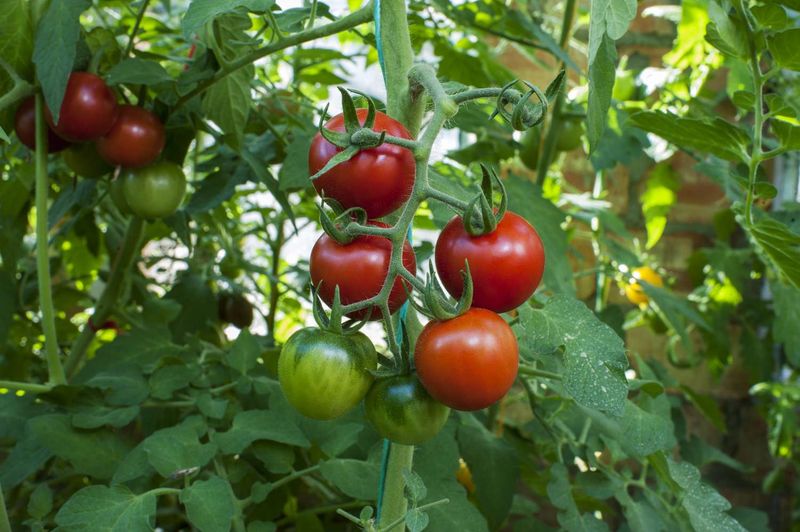
Waiting for that perfect deep-red color can backfire when a tomato tips over from ripe into overripe right on the plant. Fully mature fruit turns soft, splits, and starts to ferment where it hangs.
One rotting tomato left in place also invites fruit flies and mold that jump to its healthy neighbors. The problem spreads down the cluster fast.
Pick tomatoes at the breaker stage, when the bottom just blushes, and let them finish on the counter with no loss of flavor. Harvest often, every day or two at peak season, so nothing lingers. Timely picking keeps the whole vine cleaner and gives you fruit at its best.
14. Planting in a Spot That Never Fully Dries
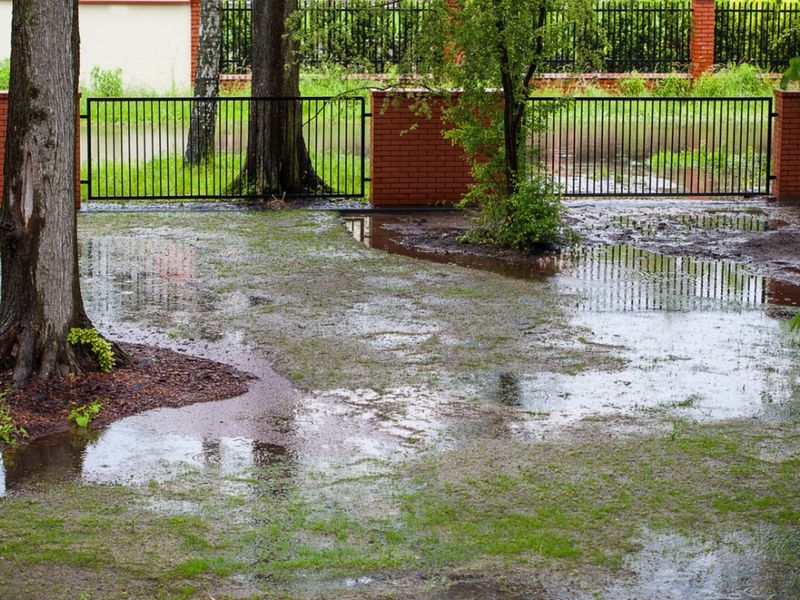
Some corners of a yard hold water like a sponge, staying damp long after the rest has drained. Tomatoes planted in that low, shady pocket keep their feet wet and their leaves humid, a recipe for root rot and fruit spoilage.
Roots sitting in soggy ground suffocate and rot, which weakens the plant’s defenses against everything else. Poorly drained beds simply cannot support healthy fruit.
Choose a spot with at least six to eight hours of sun and soil that drains after a rain, or build up a raised bed to lift the roots. Amending heavy clay with compost improves how fast water moves through. Where you plant matters as much as how you tend it.
15. Handling Wet Plants and Spreading Disease by Touch
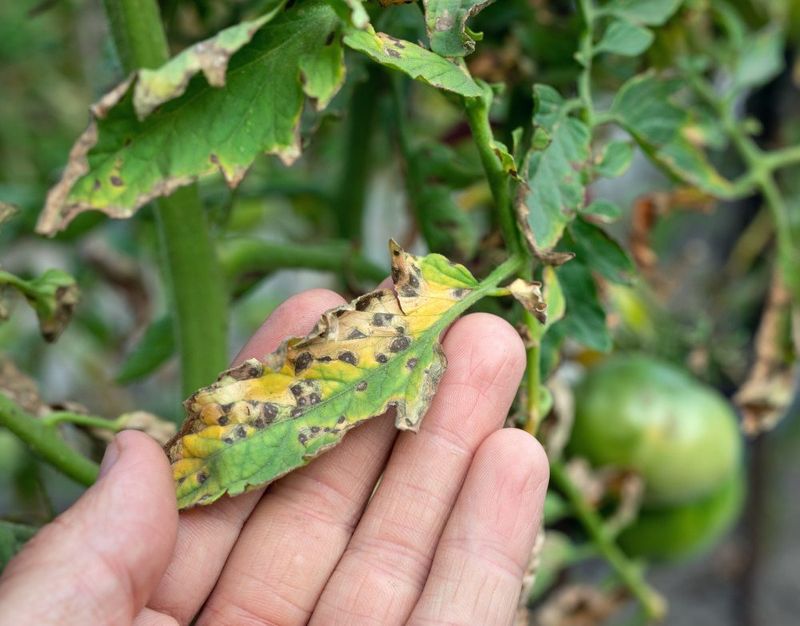
Walking the garden first thing with your coffee and brushing past dew-covered plants is a lovely ritual, but it moves disease around. Fungal and bacterial spores cling to wet leaves and hitch a ride on your hands, sleeves, and gloves.
From there they land on the next plant’s stems and fruit, quietly seeding new infections you will not see for a week. Wet tissue is far more fragile than dry.
Hold off on pruning, tying, or harvesting until the foliage has dried in the sun. Save any handling of a plant you suspect is sick for last, then wash up. Timing your touch keeps you from becoming the messenger for rot.
16. Choosing Varieties That Cannot Take Your Climate
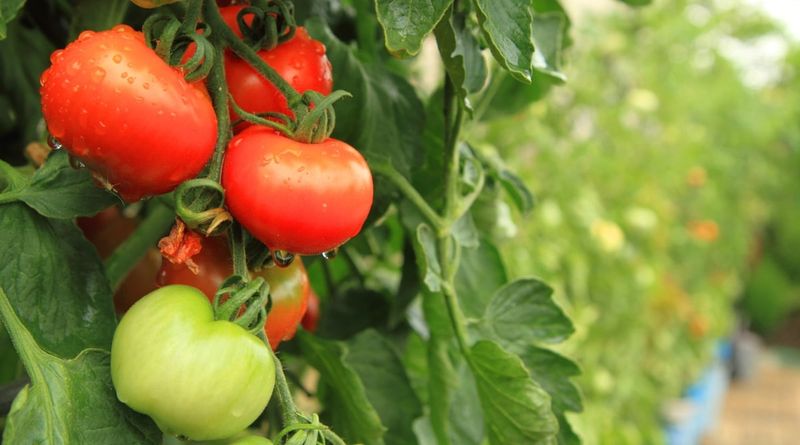
Falling for a gorgeous heirloom in a seed catalog is easy, but not every variety can handle your region’s humidity, heat, or short season. A plant fighting the wrong climate puts its energy into survival, not solid fruit.
Types prone to cracking or with thin skins struggle in the humid Southeast, while others crumble under Southwestern heat. Their fruit rots on the vine simply because the plant is overwhelmed.
Look for varieties labeled with disease resistance codes like V, F, and N, and ask local gardeners or extension offices what thrives nearby. Match the plant to your zone and season length. The right pick fights off rot on its own long before you lift a finger.
17. Forgetting to Read the Leaves as Early Warnings
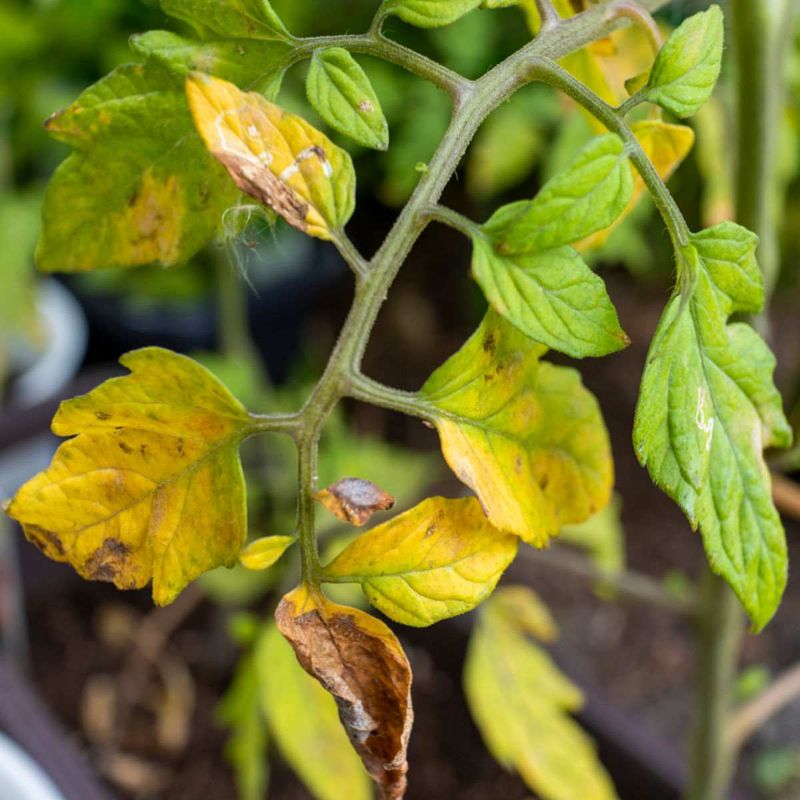
Leaves talk long before fruit ever shows a problem, and most gardeners walk right past the conversation. Yellowing between the veins, dark spots ringed with a halo, or curling edges each point to a different stress rolling toward the fruit.
By the time a tomato itself looks off, the trouble has usually been building for a week or more up in the canopy. Learning to read those signals turns you into your garden’s early alarm system.
Spend a minute each visit scanning the foliage for changes in color, shape, and spotting, and match what you see to a quick reference chart. Act on the leaves, prune, adjust water, treat, and you head off the rot before it reaches a single fruit. The plant tells you everything if you slow down and look.