
16 Clear Signs You’re Overwatering Or Underwatering Your Plants, And How To Tell Them Apart
Watering seems like the easiest part of keeping plants happy, yet it trips up more backyard gardeners than almost anything else. The tricky part is that too much water and too little water often look surprisingly alike, so you can end up making a struggling plant worse by treating the wrong problem. Once you learn to read the small clues in leaves, soil, and roots, you can figure out exactly what your plant is asking for. Here are 16 telltale signs, paired side by side, so you can tell thirst from drowning and fix it fast.
1. Yellowing Leaves With Soft, Mushy Texture (Overwatering)
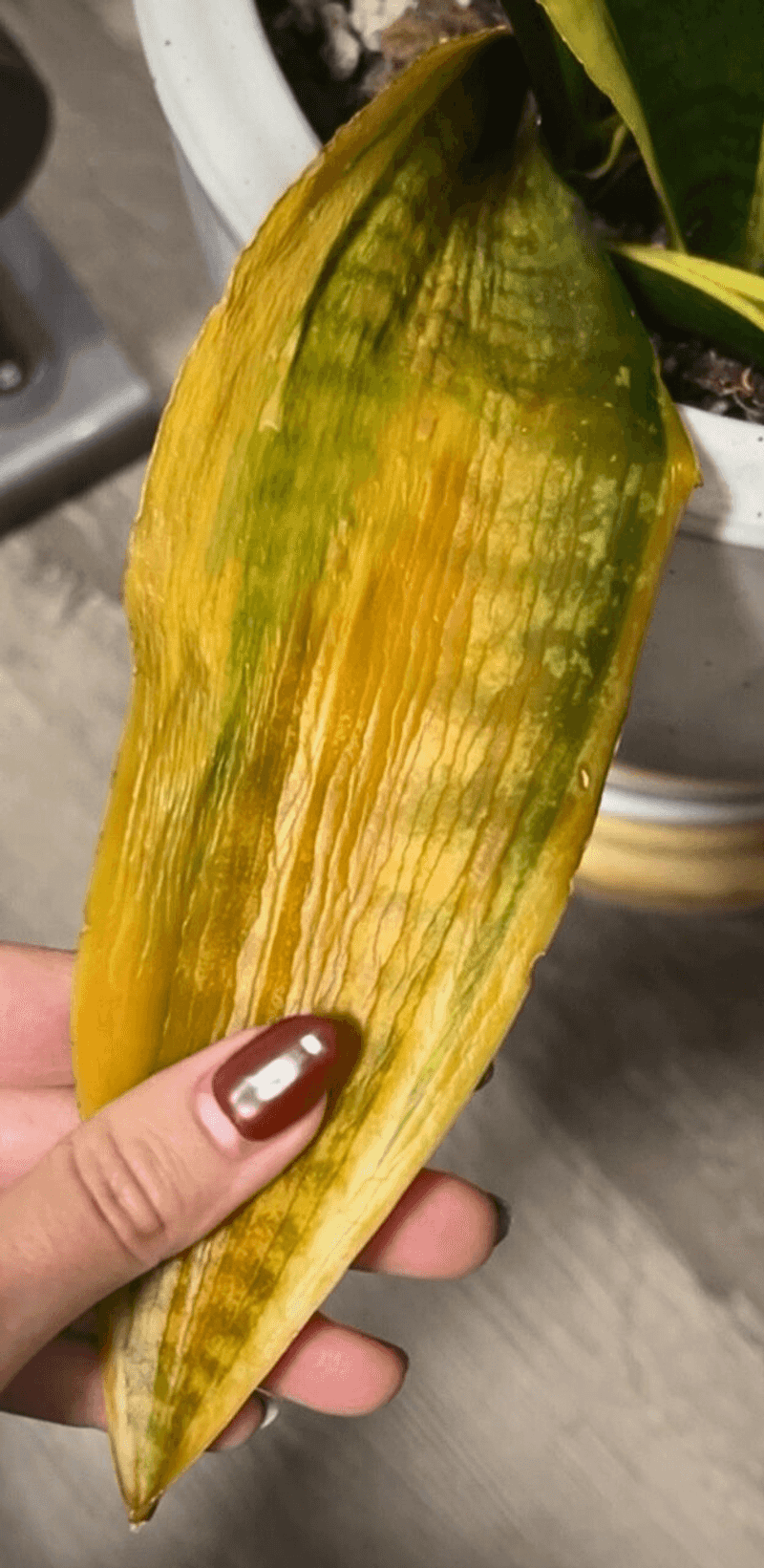
Grab a yellow leaf between your fingers and pay attention to how it feels. When roots sit in soggy soil too long, they stop delivering oxygen, and the lower leaves turn a dull, uniform yellow that feels limp and squishy rather than crisp.
What sets this sign apart is the texture, not just the color. A thirsty plant can also go yellow, but its leaves stay dry and papery, while an overwatered leaf almost feels waterlogged, sometimes even a little translucent near the base.
You will usually notice it starting at the bottom of the plant and creeping upward. That bottom-up pattern is your clue that the trouble is coming from soggy roots, not the air or the sun. If you catch it early, easing off on watering and letting the top inch or two of soil dry out can often turn things around before more leaves drop.
2. Crispy Brown Leaf Edges That Crumble (Underwatering)
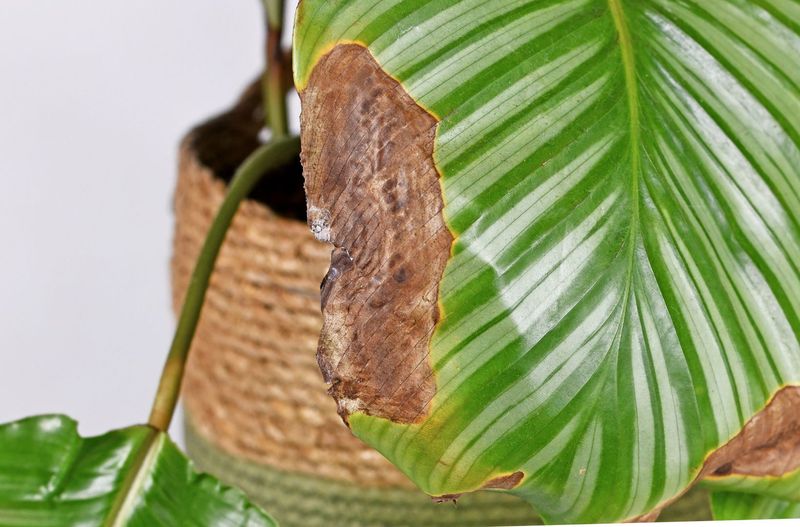
Run a fingertip along the rim of a suffering leaf and listen for a faint crackle. When a plant runs short on water, the tips and outer margins dry out first, turning brown and brittle enough to crumble into tiny flakes.
The reason this one earns its own spot is that it points straight to dehydration rather than root rot. Water travels to the leaf edges last, so those margins are the first to fail when the supply runs dry, giving you an early warning long before the whole leaf gives up.
Container plants and hanging baskets show this fastest because their soil dries from every side. A deep, slow soak until water runs from the drainage holes, followed by a consistent schedule, usually stops the browning from spreading. Trim the dead edges only after the plant recovers, since cutting too soon can stress it further.
3. Wilting Even When The Soil Is Wet (Overwatering)
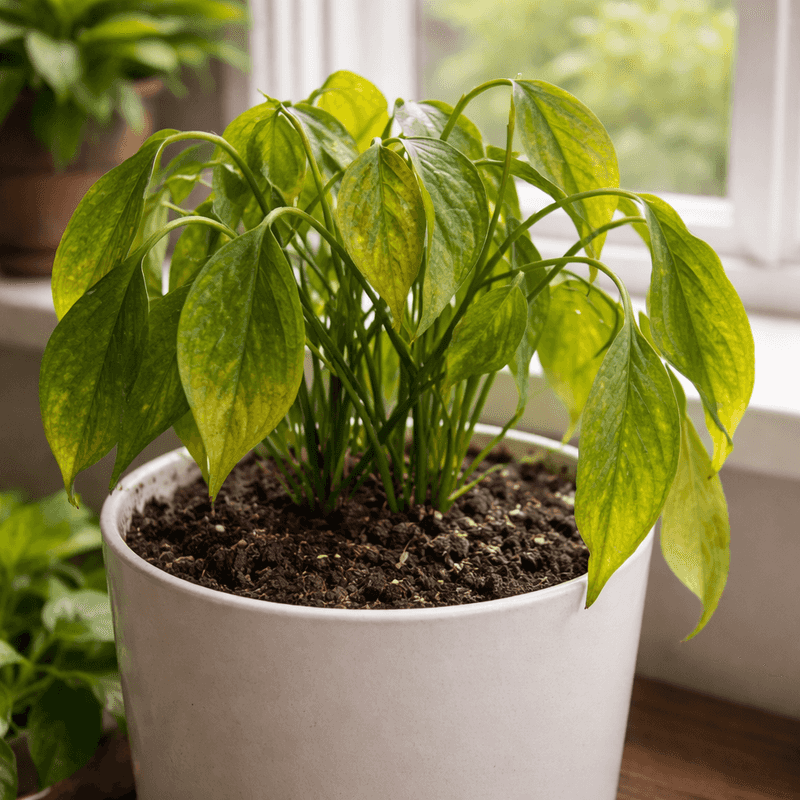
Here is the head-scratcher that fools even seasoned gardeners: a droopy plant sitting in damp soil. Your instinct screams to add water, but soggy roots that have started to rot simply cannot pull moisture up to the leaves anymore.
What makes this different from ordinary thirst is the mismatch between the wilting and the wet soil. A plant that droops with dry, pulling-away soil is thirsty, but one that flops while its soil stays cool and moist is drowning, and more water only speeds the decline.
Stick a finger two inches down before you reach for the watering can. If it comes out muddy, hold off, move the pot somewhere brighter and airier, and let the soil breathe. Checking the soil first, every single time, saves more plants than any fertilizer ever will.
4. Drooping Leaves That Perk Up After Watering (Underwatering)
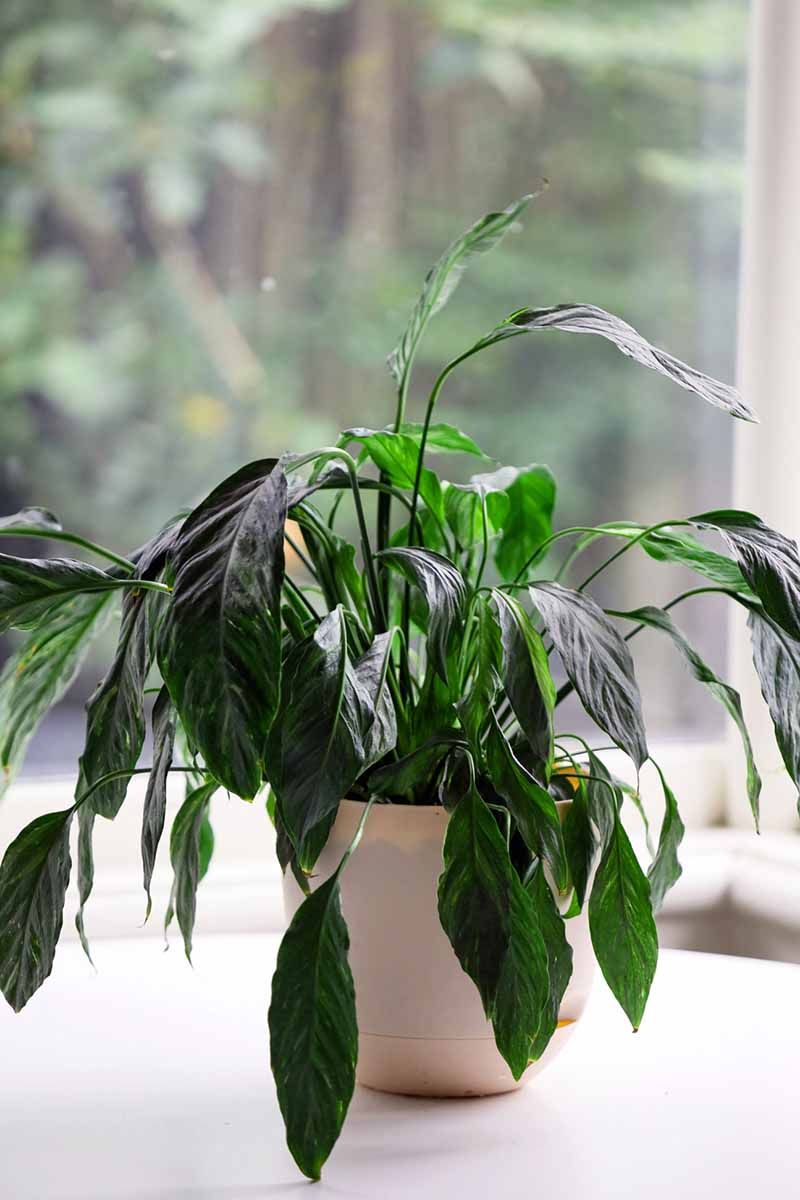
Some plants are wonderfully honest about their thirst. Come home to sad, sagging leaves, give the roots a good drink, and watch them lift back to attention within a few hours like nothing ever happened.
The bounce-back is exactly what separates this from the overwatering droop. Dehydrated cells collapse when they run dry, then plump back up the moment water reaches them, so a fast recovery is proof your plant was simply thirsty.
Peace lilies, hydrangeas, and many leafy greens are famous for this dramatic flop-and-revive routine. While it looks alarming, letting a plant reach that point again and again does add stress over time. Aim to water just before the drooping begins, and you will keep growth steady instead of riding a stressful roller coaster of wilt and recovery.
5. A Sour, Musty Smell From The Soil (Overwatering)
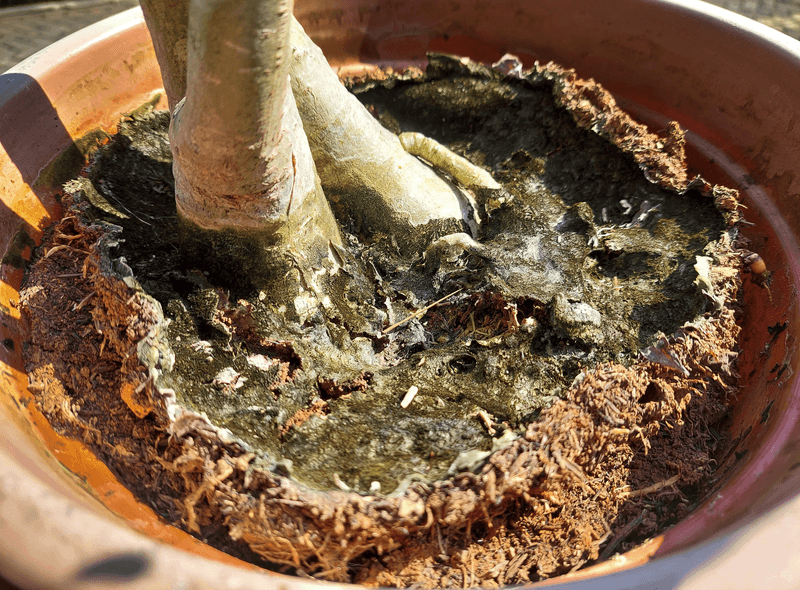
Lean in and take a sniff at the base of a struggling plant. Healthy soil smells earthy and fresh, but waterlogged soil that has gone anaerobic gives off a sour, swampy, almost rotten-egg odor that is hard to miss.
Smell alone makes this a standout clue, because you can catch trouble before a single leaf changes color. That funk comes from bacteria thriving in oxygen-starved, soggy conditions, which is a direct sign the roots are suffocating.
Once you notice the odor, act quickly. Repot into fresh, well-draining mix, trim away any mushy black roots, and make sure the container actually has working drainage holes. A pinch of cinnamon on cut roots may help discourage further rot. Nose-testing your pots now and then is a quick habit that catches problems days before they become visible.
6. Soil Pulling Away From The Pot Edges (Underwatering)
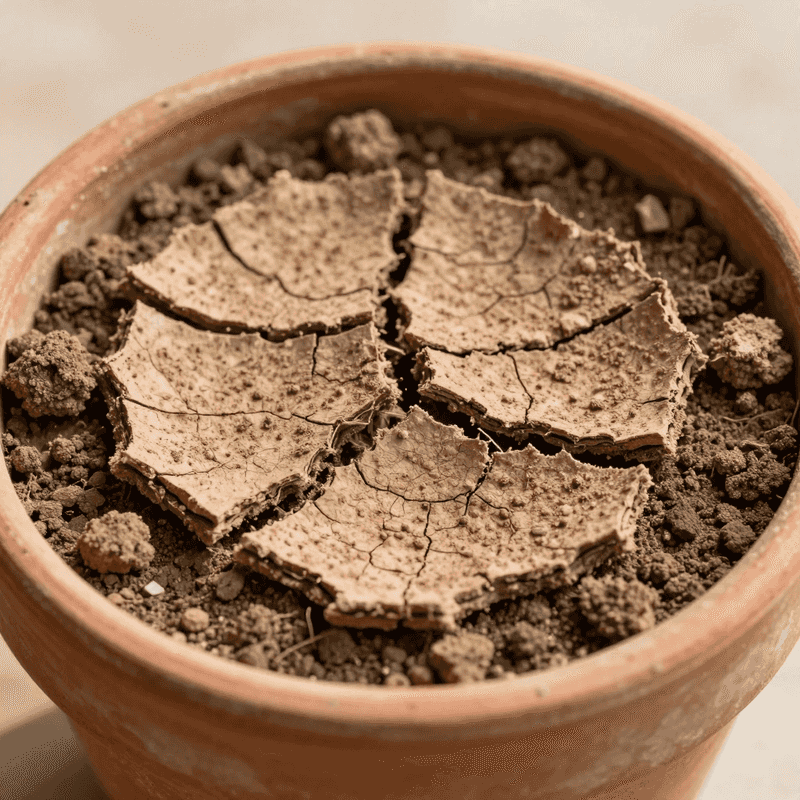
Peek down the inside rim of a container and you might spot a telltale gap. When soil dries out too far, it shrinks and pulls back from the walls of the pot, leaving a channel between the dirt and the container.
That shrinking gap is a fingerprint of dryness you will never see in an overwatered pot. It also causes a sneaky second problem: water you pour in races straight down the gap and out the bottom, barely wetting the roots at all.
To fix bone-dry soil, set the whole pot in a basin of water and let it soak from below for twenty to thirty minutes. Bottom-watering forces the parched soil to swell back up and hug the roots again. Once rehydrated, the gap closes, and your regular watering will start reaching the plant properly.
7. Fungus Gnats Swarming Around The Pot (Overwatering)
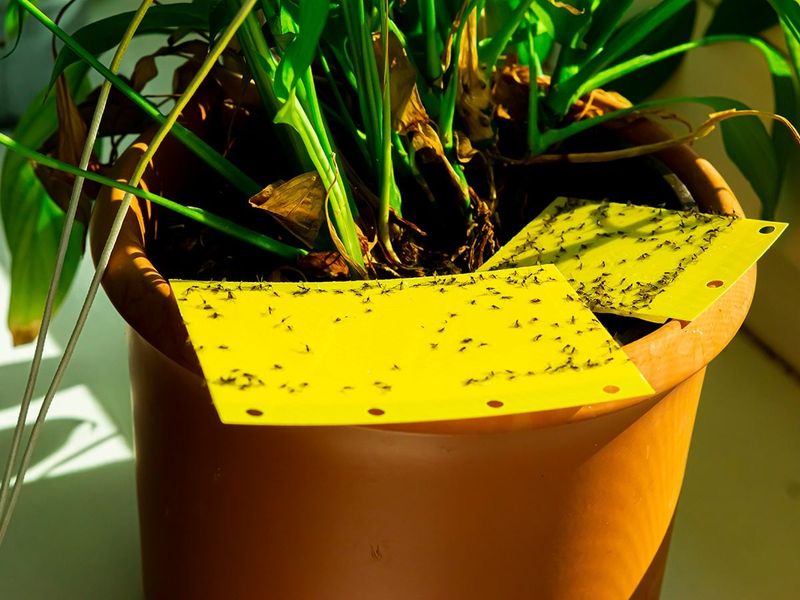
Notice tiny black flies zipping up whenever you brush a plant? Those pesky fungus gnats are basically a flashing sign that your soil stays wetter than it should.
Unlike most watering clues that show up on the plant itself, this one shows up in the air around it. Fungus gnat larvae feed on fungus and organic matter in constantly moist topsoil, so a swarm tells you the surface never gets a chance to dry.
Cutting back on water is the real cure. Let the top inch or two of soil dry between waterings, and the larvae lose their damp breeding ground. Yellow sticky traps can knock down the adults you already have, while a layer of sand or a bottom-watering routine keeps the surface dry and uninviting. Fewer gnats usually means you have finally dialed in a healthier watering rhythm.
8. Slow, Stunted Growth With Fewer New Leaves (Underwatering)
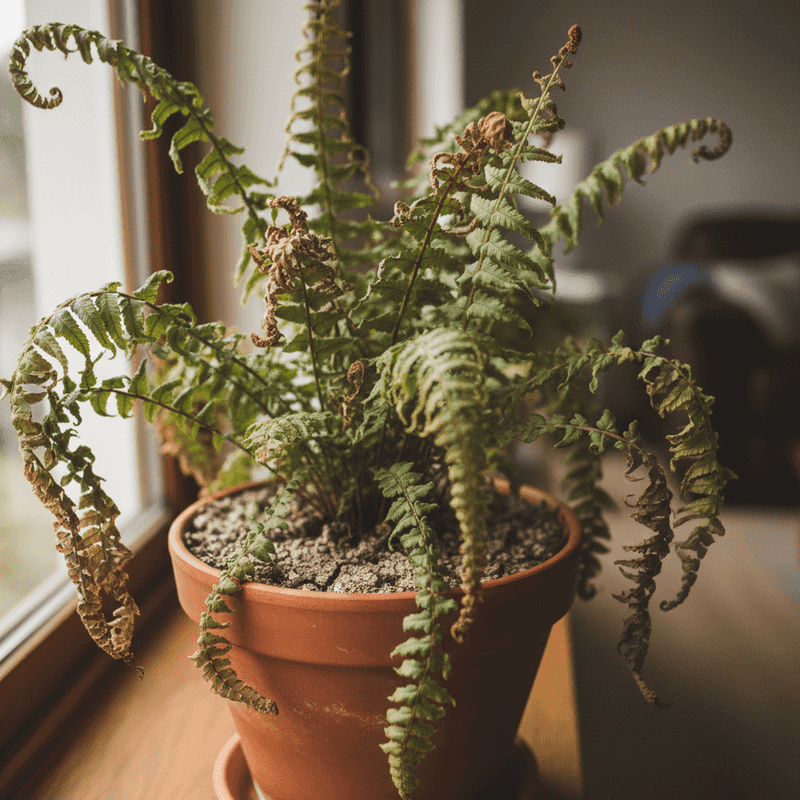
A plant that seems frozen in time, pushing out barely any new growth, may be quietly rationing its water. Without enough moisture, it cannot carry nutrients to fuel fresh leaves and stems, so it simply hits pause.
What makes chronic thirst different from other slowdowns is the overall shrinking scale. New leaves come in smaller than the old ones, spacing between growth points tightens up, and the whole plant takes on a stalled, undersized look even in good light.
Long stretches of dry soil train a plant to conserve rather than grow. Once you provide steady, deep watering and the roots recover, you will often see a burst of catch-up growth within a couple of weeks. Pairing a reliable schedule with the right pot size gives roots room and moisture to get moving again, turning a stuck plant back into a growing one.
9. Soft, Blackened Roots When You Lift The Plant (Overwatering)
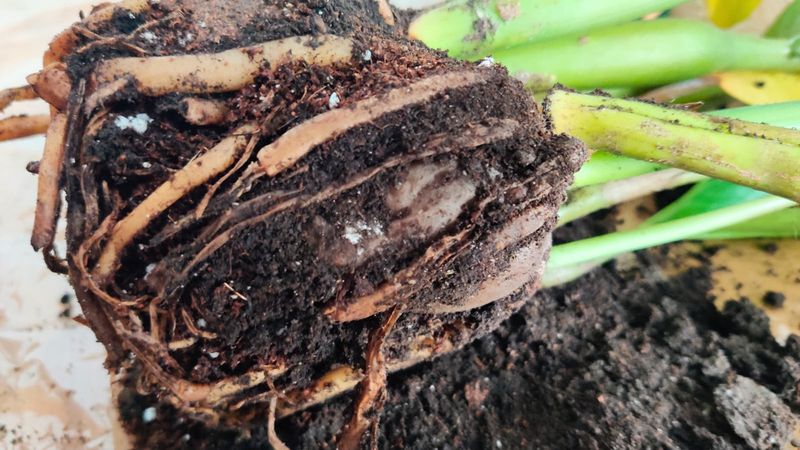
The truth about a plant’s health is hidden underground, and roots never lie. Slide an ailing plant out of its pot, and overwatered roots reveal themselves as brown or black, slimy, and so soft they slip apart between your fingers.
Root inspection is the most reliable test on this entire list, because it skips the guesswork of surface symptoms. Healthy roots are firm and pale, often white or tan, while rotten ones smell foul and fall away at the lightest touch.
If you find rot, all is not lost. Rinse the roots clean, snip off every mushy section with sterilized scissors, and repot into fresh, airy mix in a container with real drainage. Water sparingly while the plant rebuilds. Peeking at the roots whenever a plant looks off gives you the clearest answer you can get.
10. Dry, Wispy Roots That Look Shriveled (Underwatering)
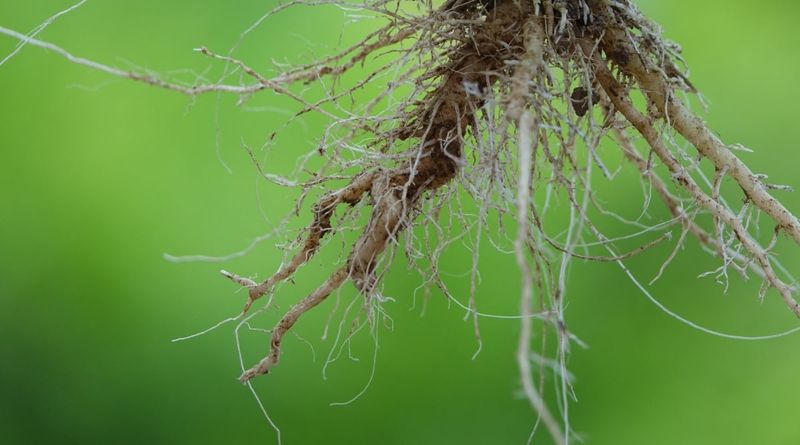
Flip the coin and inspect the roots of a plant you suspect is thirsty. Instead of the slimy mush of rot, dehydrated roots appear thin, brittle, and shriveled, sometimes crumbling like dried thread when you touch them.
Comparing root textures is what makes this pairing so useful. Firm and white means healthy, mushy and dark means drowning, and dry and wispy means starving for water, three very different diagnoses from the same quick look.
Roots this parched have struggled to draw up moisture for a while. Rehydrate the root ball with a long bottom-soak, then keep the soil evenly moist, never bone dry, as the plant recovers. Adding a bit of compost or coco coir to the mix helps it hold moisture longer between waterings, giving fragile roots a steadier supply to rebuild from.
11. Blisters Or Water-Soaked Bumps On Leaves (Overwatering)
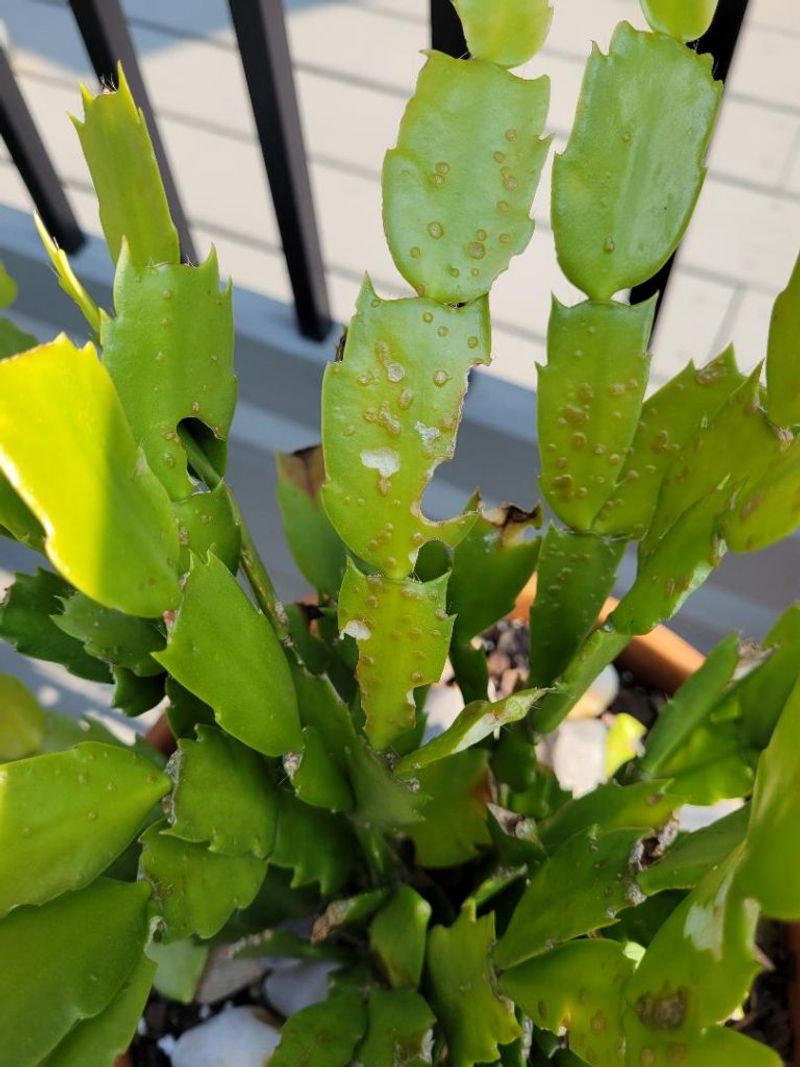
Ever spot odd little bumps or watery blisters dotting the underside of a leaf? Called edema, these raised, cork-like spots form when roots take up more water than the leaves can release into the air.
Edema is a uniquely overwatering signal because it is literally the plant overflowing. Cells swell with excess water until they burst, leaving behind crusty tan or brown bumps that no amount of sunlight or fertilizer will explain.
Succulents, geraniums, and thick-leaved plants show edema most often. The fix is simply to water less and improve air circulation so leaves can transpire freely. Warm, well-ventilated spots help the plant offload moisture instead of storing it under the skin. Damaged leaves will not smooth back out, but new growth comes in clean once your watering settles into balance.
12. Leaves Curling Inward To Save Moisture (Underwatering)
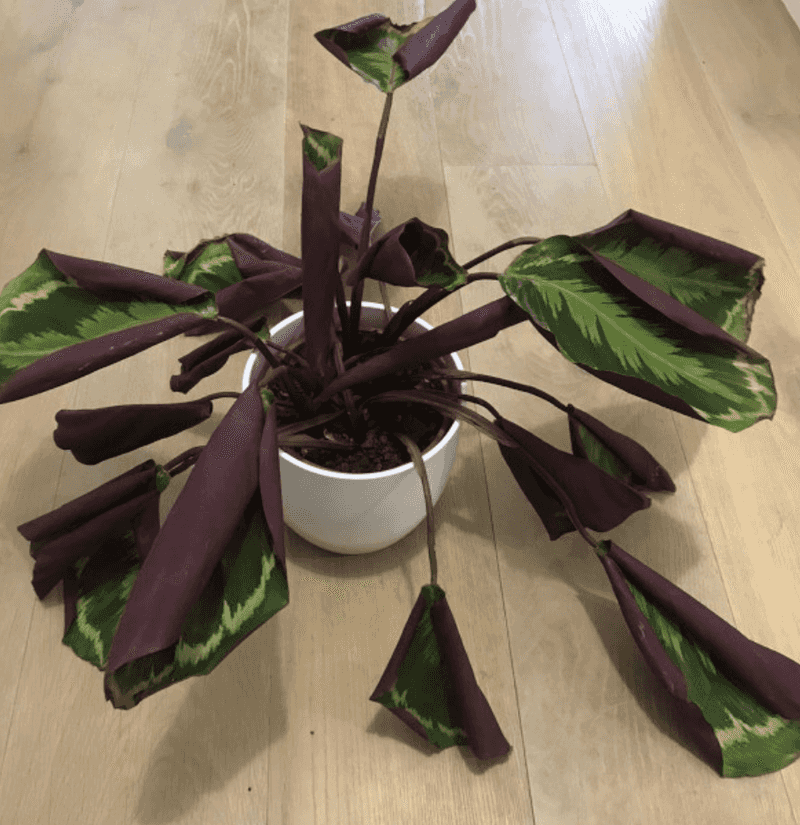
Watch a thirsty plant and you may catch its leaves quietly folding in on themselves. Curling and cupping inward is a clever survival trick that shrinks the surface exposed to sun and slows water loss.
The self-protective curl is what marks this apart from a droop or a wilt. Rather than flopping downward from weak stems, the leaves actively roll to conserve every drop, a deliberate response to running low.
You will see it most on hot afternoons or in plants that have missed a watering or two. A thorough soak usually relaxes the leaves back open by the next morning. Keep in mind that curling can also come from too much heat or light, so check the soil moisture first to be sure thirst is truly the cause before you rearrange anything.
13. Mold Or White Fuzz On The Soil Surface (Overwatering)
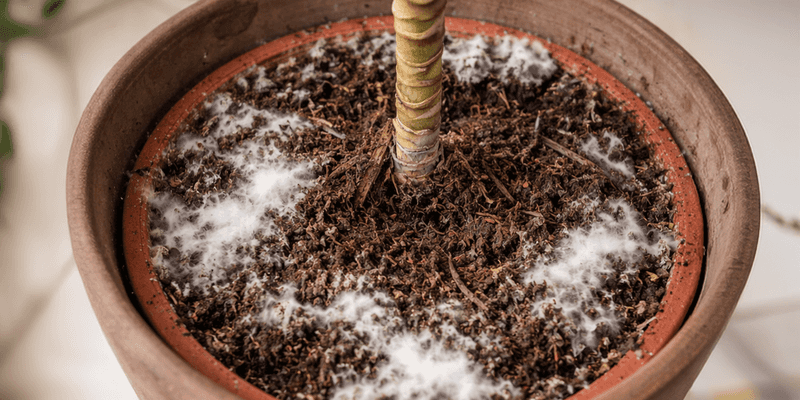
A patch of fuzzy white or gray growth spreading across the top of your soil is nature waving a red flag. Mold thrives on damp, poorly ventilated surfaces, so its presence means the topsoil rarely gets to dry out.
Surface mold sets itself apart by growing on the soil rather than the plant, giving you a warning that is easy to spot from across the room. It is harmless to touch in small amounts, but it signals conditions that invite root rot next.
Scrape off the fuzzy layer, then loosen the topsoil so air can reach it. Water less often, boost airflow around the pot, and consider a thin layer of coarse sand or fine gravel on top to keep the surface dry. Getting sunlight and a breeze to the soil usually clears the mold and, more importantly, corrects the sogginess behind it.
14. Leaves Dropping Quickly All At Once (Underwatering)
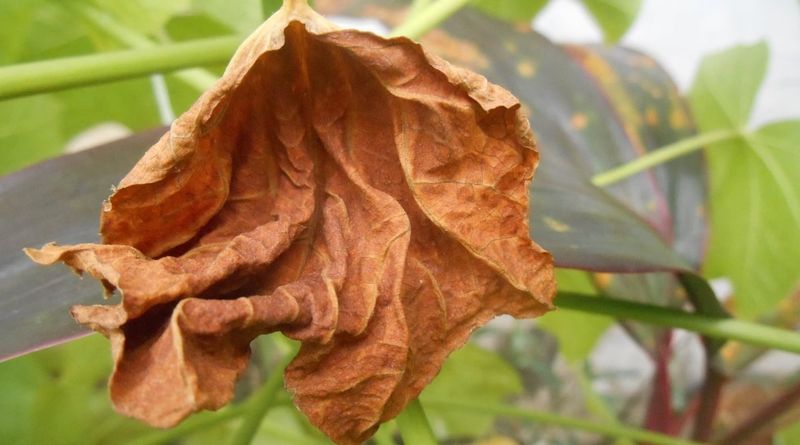
Come across a plant that suddenly sheds a pile of leaves in a day or two, and severe thirst is often the culprit. When water gets truly scarce, a plant will sacrifice foliage fast to cut its losses and survive.
The speed and dryness of the drop separate this from overwatering leaf loss. Underwatered leaves usually turn crispy, brown, and brittle before they fall, and they let go in a hurry, while an overwatered plant sheds soft yellow leaves more gradually.
A sudden bare patch means the roots have been dry for too long. Rehydrate slowly and deeply, then hold a steady schedule so the plant is not lurching between drought and flood. Not every leaf will return, but consistent moisture calms the panic-shedding and clears the way for fresh growth to fill in the gaps.
15. A Heavy Pot That Stays Wet For Days (Overwatering)
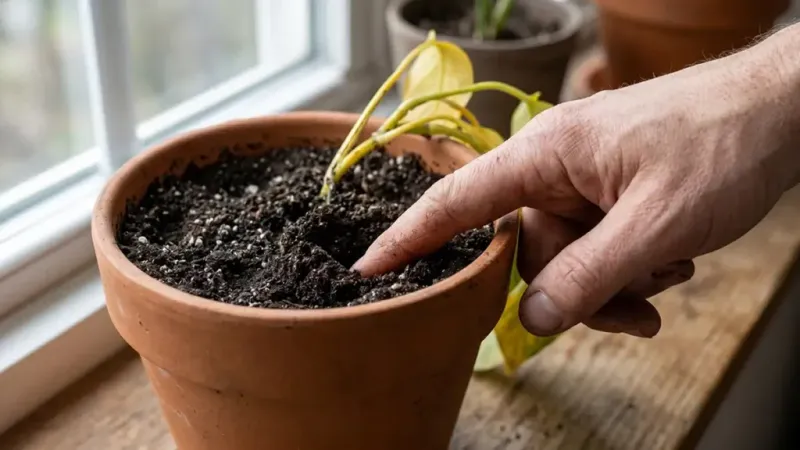
Lift a pot right after watering, then lift it again three or four days later. If it still feels surprisingly heavy and the soil is cool and damp deep down, water is lingering far longer than healthy roots would like.
The weight test is a quietly powerful tool that few beginners use. A pot that never seems to lighten up points to poor drainage, a container too large for the plant, or a dense mix that traps moisture around the roots.
Solutions come down to airflow and drainage. Choose pots with open holes, blend in perlite or bark to loosen heavy soil, and right-size the container so roots are not swimming in excess dirt. Learning the difference between a freshly watered pot and one that has properly dried out gives you a built-in sensor for perfect timing.
16. Lightweight Pot And Fast-Draining Water (Underwatering)
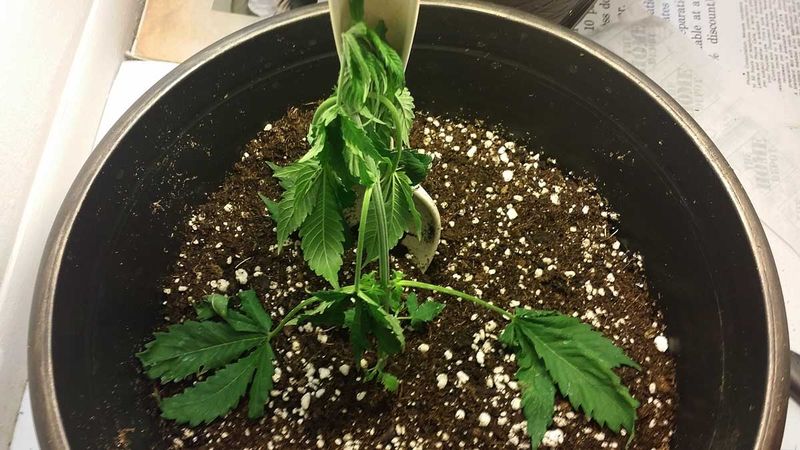
Pick up a container and it feels almost eerily light, like there is nothing but the plant inside. Bone-dry soil weighs a fraction of moist soil, so that feather-light heft is a dead giveaway that the roots are running on empty.
Pair the light weight with another telltale clue: water that pours straight through and out the bottom in seconds. Overly dry soil turns water-repellent, so instead of soaking in, the water sheets off and escapes, leaving the roots just as parched as before.
Rescue comes from slow, patient soaking rather than a quick splash. Bottom-water the pot or drizzle small amounts over several minutes until the soil finally accepts the moisture and the pot regains its proper weight. Once you know how a well-watered pot should feel in your hands, you will rarely let a plant slip into drought again.