
A Few Simple Tricks To Encourage Slow Peony Buds To Open After Cutting
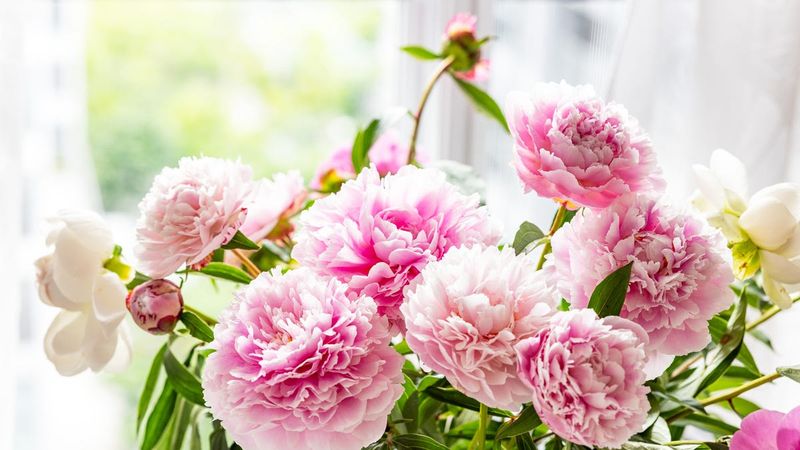
Peonies are one of the most rewarding flowers a gardener can grow, but watching a bud sit there, tight and stubborn, right before you need it for a vase can be genuinely frustrating. The good news is that healthy cut peony buds can often be coaxed along with a couple of straightforward steps. Knowing which buds are ready to respond and which ones are past help makes all the difference between a beautiful bouquet and a wasted effort.
Healthy cut buds can open, but not every slow peony can
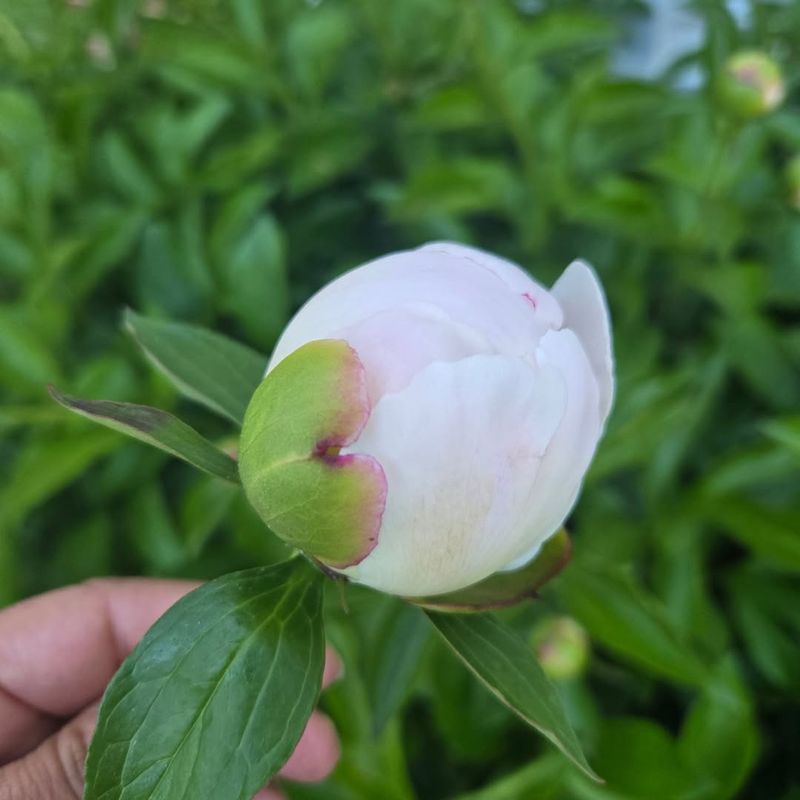
Before reaching for a vase and warm water, it helps to understand exactly what kind of bud this approach is meant for. The method works best on healthy, cut herbaceous peony stems where the bud has already reached what growers call the “marshmallow” stage. At that point, the bud shows some petal color peeking through the outer sepals and feels slightly soft when you give it a gentle, careful squeeze at the center.
A bud that is still hard, round, and completely green, like a marble, has not yet developed enough stored energy to reliably open after cutting. Iowa State University Extension specifically recommends harvesting at the color-showing, softening stage for the best chance of successful opening in a vase. Cutting too early, before the bud reaches that point, reduces the odds considerably.
Research published on cut peony starch and sugar reserves confirms that a bud draws on carbohydrates already stored in the stem to power its opening after harvest. That means the bud needs to have built up enough reserves before it is cut. A bud that has not reached that developmental threshold simply may not have the fuel to finish the job.
Cultivar, storage conditions, hydration history, and peony type all influence the result. Tree peonies and Itoh intersectional hybrids can behave differently from herbaceous types after cutting, so the guidance here applies most directly to standard herbaceous peonies. University of Missouri Extension notes that the marshmallow stage is the sweet spot for harvesting cut peonies. This article offers a practical nudge for suitable buds, not a guaranteed transformation of every slow or stubborn flower.
Harvest at the right stage and time of day
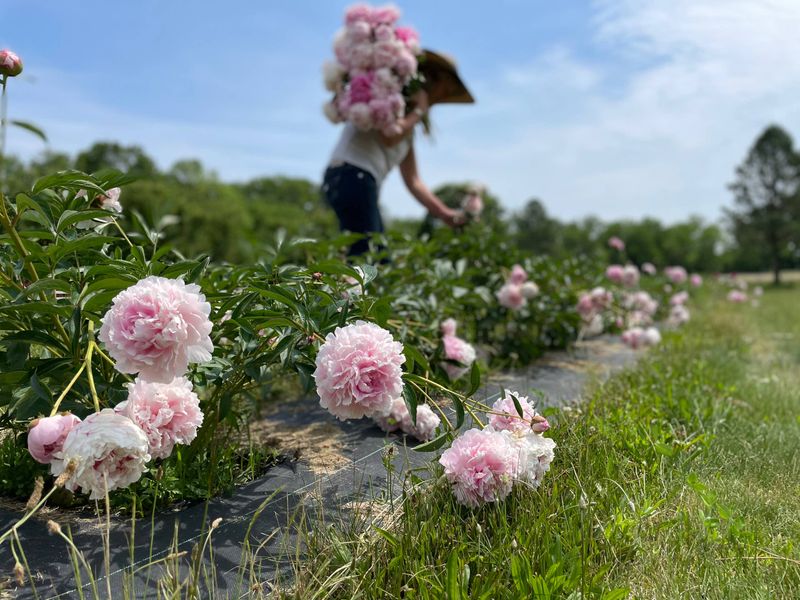
Timing your harvest correctly sets up everything that follows. Extension guidance consistently points to early morning as the best window for cutting peony stems. At that hour, stems are cool, the plant has had the night to rehydrate, and the bud has not yet been stressed by midday heat or direct sun. A stem that goes into the vase already well hydrated simply has a better start than one cut during the hottest part of the afternoon.
Penn State Extension’s Master Gardener guidance recommends getting cut stems into water promptly after harvesting, which means having your clean vase and water ready before you head outside. A few minutes of air exposure on a freshly cut stem can allow the cut end to seal over, reducing water uptake right from the start.
Once you are in the garden, look for buds that meet the marshmallow-stage description from the previous section, showing color and giving slightly under gentle pressure. University of Utah Extension’s cut-flower peony guide emphasizes leaving enough healthy foliage on the living plant after you take your stems. Peony leaves fuel the following year’s flower production by replenishing the plant’s underground carbohydrate reserves through the rest of the growing season.
A practical rule of thumb is to cut no more than one-third of a plant’s stems in any single season and to make sure several sets of healthy leaves remain on each plant. Take stems with two or three sets of leaves attached so the bouquet looks full, but resist stripping the plant bare for a single arrangement. A well-foliaged plant this summer means better blooms next spring.
Start with a clean vase and a fresh stem cut
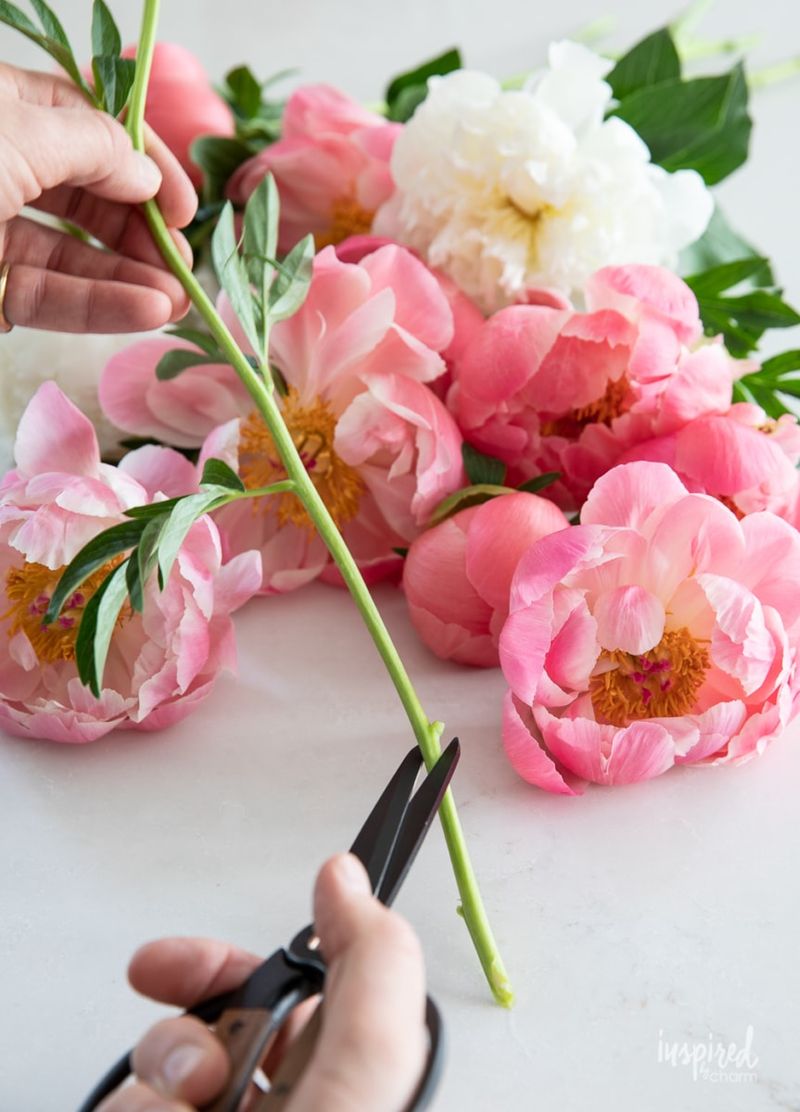
Getting the prep work right before the stems ever touch the water is one of the most practical things you can do to support bud opening. Start by washing the vase thoroughly with soap and hot water, then rinse it well. Bacteria build up quickly in flower vases, and a dirty container can clog stem vessels and shorten the life of even a perfectly harvested bud.
Once the vase is clean and filled with water, use sharp, clean scissors or garden clippers to make a fresh cut on each stem. Penn State Extension’s cut-flower care guide recommends cutting at an angle rather than straight across. An angled cut increases the surface area available for water uptake and prevents the stem end from resting flat against the bottom of the vase, which would block absorption.
Strip off any leaves that would sit below the waterline once the stem is in the vase. Submerged foliage decays quickly, and that decay encourages bacterial growth in the water, which in turn clogs stem tissue and reduces how well the bud can hydrate. A clean waterline, with only bare stem below the surface, keeps the water fresher for longer.
Iowa State University Extension reinforces that clean water and clean equipment both matter for cut peonies. Keep the leaves above the waterline intact since they help the stem move water upward toward the bud. Recutting and a hygienic setup are solid preparation steps, but they work best when paired with a bud that was already ready to open at harvest. A fresh cut on an underdeveloped or damaged bud will not change what the bud is capable of doing on its own.
Use gentle warmth to encourage development
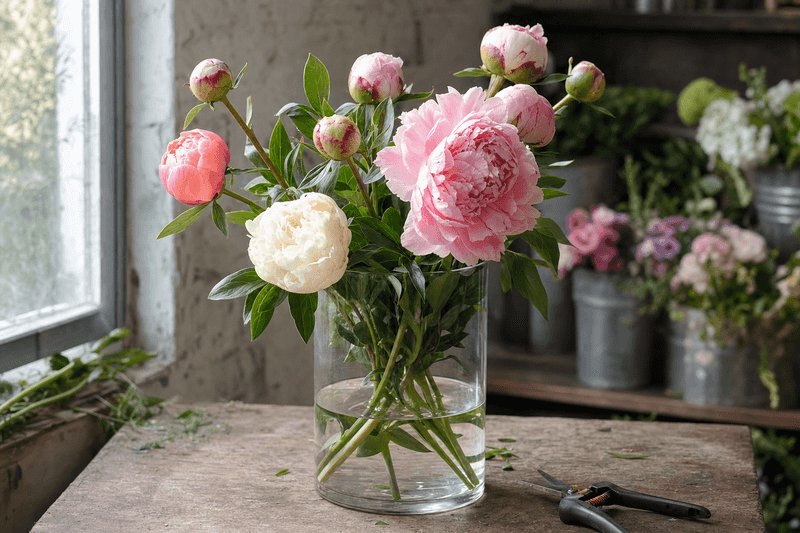
Once the stems are cleanly cut and the vase is ready, the central technique is straightforward. Place the recut stems in clean, warm water at roughly room temperature and keep them in a moderately warm spot indoors while the buds develop. The warmth signals the bud that conditions are favorable and helps the flower work through its natural opening process at a quicker pace than it would in cold storage.
Iowa State University Extension specifically recommends placing cut or previously refrigerated peony stems in warm water to initiate opening. The key word there is warm, not hot or scalding. Very hot water can damage stem tissue and stress the bud rather than support it. The source does not pin down a precise degree threshold, so aim for water that feels comfortably warm to the touch, similar to a warm bath, rather than anything that would be uncomfortable to hold your hand in.
The science behind this is practical rather than complicated. A bud at the marshmallow stage already carries stored carbohydrate reserves in the stem, and those reserves power the opening process. Research on starch and sugar use in cut peonies found that stems stored before opening drew on those reserves to complete development. Warmth does not add fuel; it just lets the bud use what it already has at a faster rate.
That tradeoff matters. Hall et al.’s controlled study on forcing temperature and peony development found that warmer conditions up to about 25 degrees Celsius accelerated shoot and flower development, but results varied by cultivar, and excessive heat can cause bud abortion or accelerate senescence. A bud that opens faster under heat may also fade sooner. Direct sun, heating vents, and warm appliances are all worth avoiding during the opening phase.
There is no reliable fixed timeline to promise, since cultivar, bud maturity, hydration, and room temperature all affect how long opening takes.
Cool the bouquet after the flowers open
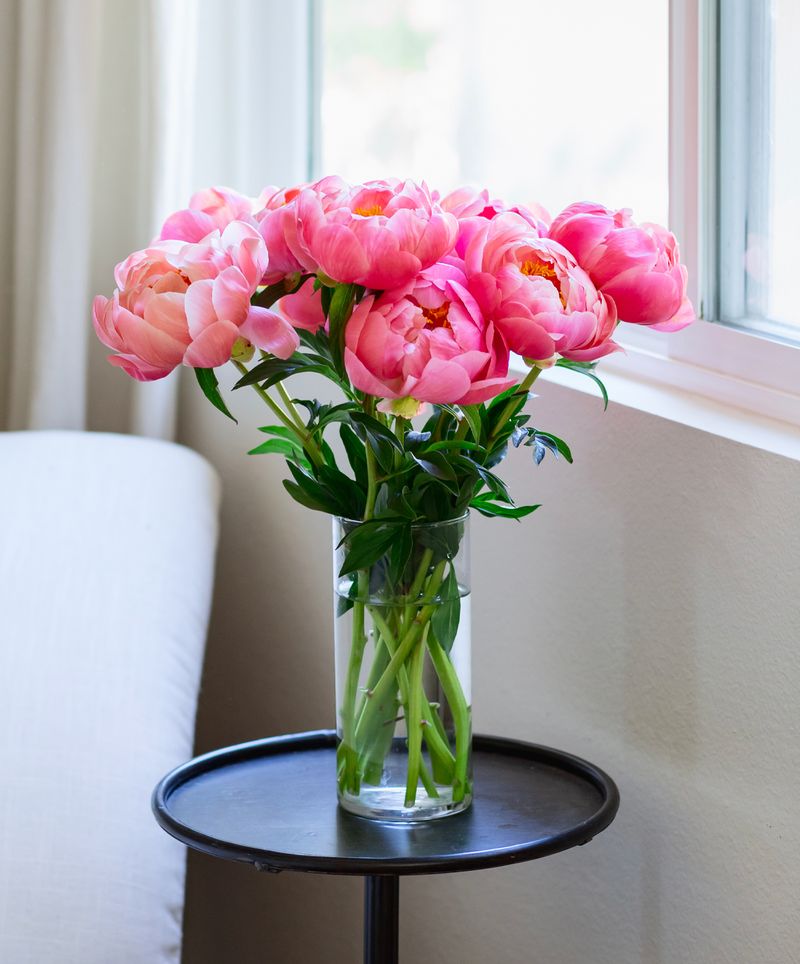
Once the buds start to open, the goal shifts from encouraging development to protecting the flowers you have already coaxed along. The warm conditions that helped the bud open will continue to work on an already-open bloom, and that means faster deterioration. Moving the vase to a cooler spot away from direct sun, heating vents, and warm appliances is one of the simplest things you can do to extend how long the flowers last.
Penn State Extension’s flower care guidance recommends keeping cut flowers away from direct sun and heat sources to slow the aging process. A bright but shaded area at room temperature, or even a slightly cooler room at night, can meaningfully add days to the vase life of open peonies. If you have the space, moving the bouquet to a cool room overnight is worth the small effort.
Continue changing the water every two to three days and rinse the vase each time to limit bacterial buildup. Commercial flower food is an option, and it does contain a mild acidifier and biocide that help keep water cleaner. However, a Kansas State University study on fresh-cut peony production and postharvest performance found that floral preservatives did not consistently improve vase life across most peony cultivars tested. Clean water, changed regularly, is a reliable baseline.
Skip the home remedies. Adding sugar, aspirin, bleach, or soda to the vase water is not supported by solid peony-specific evidence as a method for keeping flowers fresh or speeding opening. The cut peony reserve research also reinforces why the warmth tradeoff matters: stems that opened faster after storage had a shorter subsequent vase life than fresher-cut stems that opened more slowly. Faster does not always mean better when the flowers have already bloomed.
Diagnose damaged buds instead of adding more heat
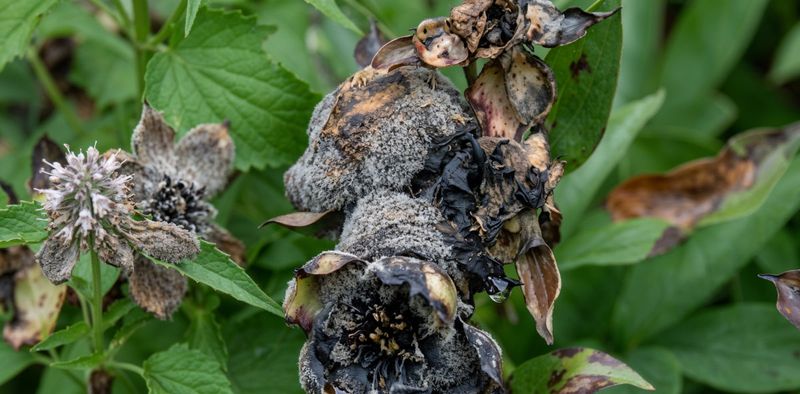
Not every bud that fails to open is simply slow. Brown, black, wilted, or gray-fuzzy buds are telling you something is wrong, and adding warm water or moving the stem to a warmer room will not fix the underlying problem. Recognizing the difference between a healthy bud that needs encouragement and a damaged one that needs to be removed is one of the most useful diagnostic skills a peony grower can develop.
Gray or brown fuzz on buds, along with darkening and withering, is a classic sign of Botrytis blight, a fungal disease that thrives in cool, wet conditions during spring. Iowa State University Extension’s guidance on brown peony buds identifies Botrytis as a common cause of bud failure and recommends removing affected material and improving air circulation and garden sanitation rather than attempting to force the bud open. Heating a diseased bud does not reverse the damage and can spread spores to nearby healthy growth.
Buds that turn brown and collapse after an unexpected late frost are freeze-damaged and similarly beyond recovery through vase care. Iowa State Extension’s overview of reasons peonies fail to bloom lists late freezes, insufficient sunlight, drought stress, poor nutrition, deep planting, and disease as common causes of bud failure on living plants. None of those underlying conditions can be corrected by warm water in a vase.
When you bring cut stems indoors, you may notice ants on the buds. Many gardeners assume the ants are necessary to open the flower, but that is a persistent myth. Penn State Extension explains that ants are attracted to the sugary nectar secreted on the outside of peony buds and do not help or harm the opening process. A gentle shake outdoors or a light rinse under cool water will remove them before you bring the stems inside.
Insecticide is not needed for ordinary ant activity on peony buds.
Follow a practical sequence without expecting a guarantee
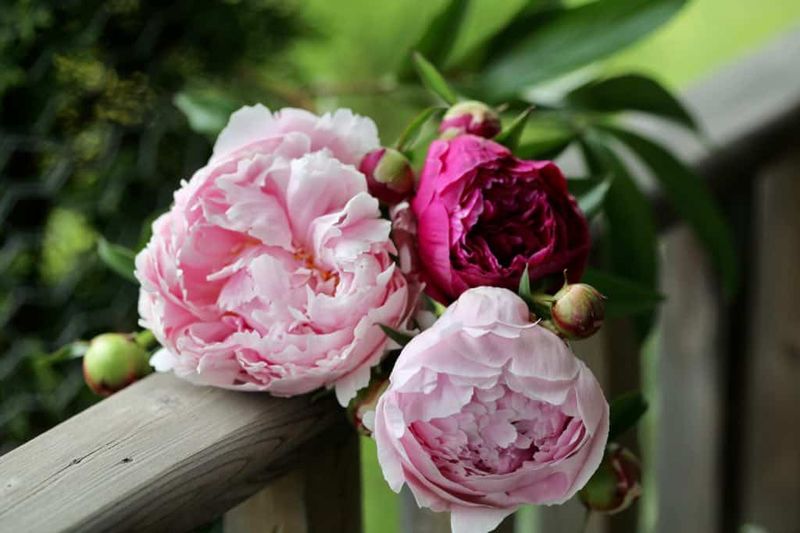
Putting it all together comes down to a clear sequence of decisions. Choose a healthy herbaceous peony bud that shows petal color and gives slightly under gentle pressure. Cut the stem early in the morning while the plant is well hydrated, take it inside promptly, recut the stem at an angle with clean clippers, remove any leaves that would sit below the waterline, and place it in a clean vase of warm water in a moderately warm room.
Iowa State University Extension’s harvest guidance and controlled temperature research on peony development both support this approach for suitable cut buds. Once the flowers open, move the vase somewhere cooler, out of direct sun and away from heat sources, and change the water every few days. Results vary by cultivar, bud maturity, and room conditions, so avoid expecting a fixed timeline.
Do not pry petals open, squeeze buds repeatedly, or use very hot water. Do not try to apply these cut-flower techniques to buds still attached to a living plant or to buds that show brown, black, or fuzzy signs of damage. Those situations call for different responses entirely. A bud that was ready to open will often reward a little patience and clean preparation with a genuinely beautiful bloom.