
If Your Fall Broccoli Grows Big Leaves But Never Forms A Head, One Feeding Habit May Be Behind It
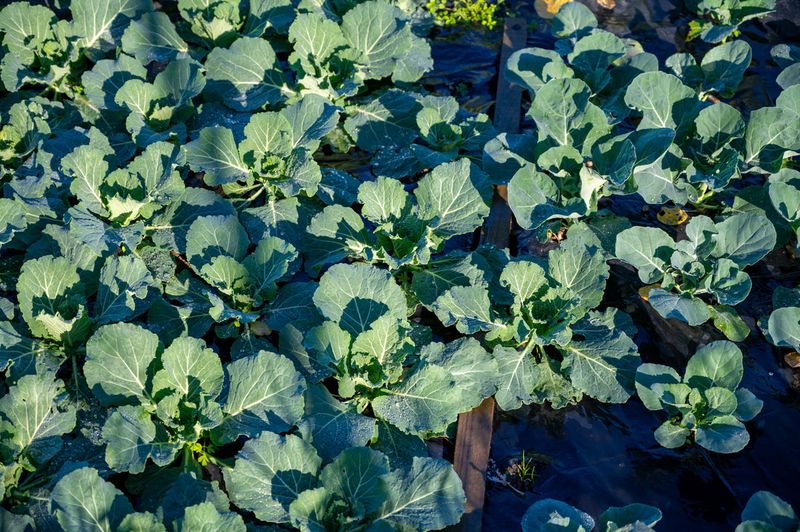
Growing fall broccoli and watching it produce huge, dark leaves without ever forming a central head is one of the more puzzling problems in the backyard garden. Before you assume something went seriously wrong, know that several factors can delay or prevent a crown, and excess nitrogen from repeated heavy feedings is one of the more common culprits when plants look unusually lush. Understanding what is actually happening in your bed helps you make smarter decisions rather than adding more amendments and accidentally making things worse. A little detective work now can still turn this season around.
A leafy broccoli plant may still be on schedule
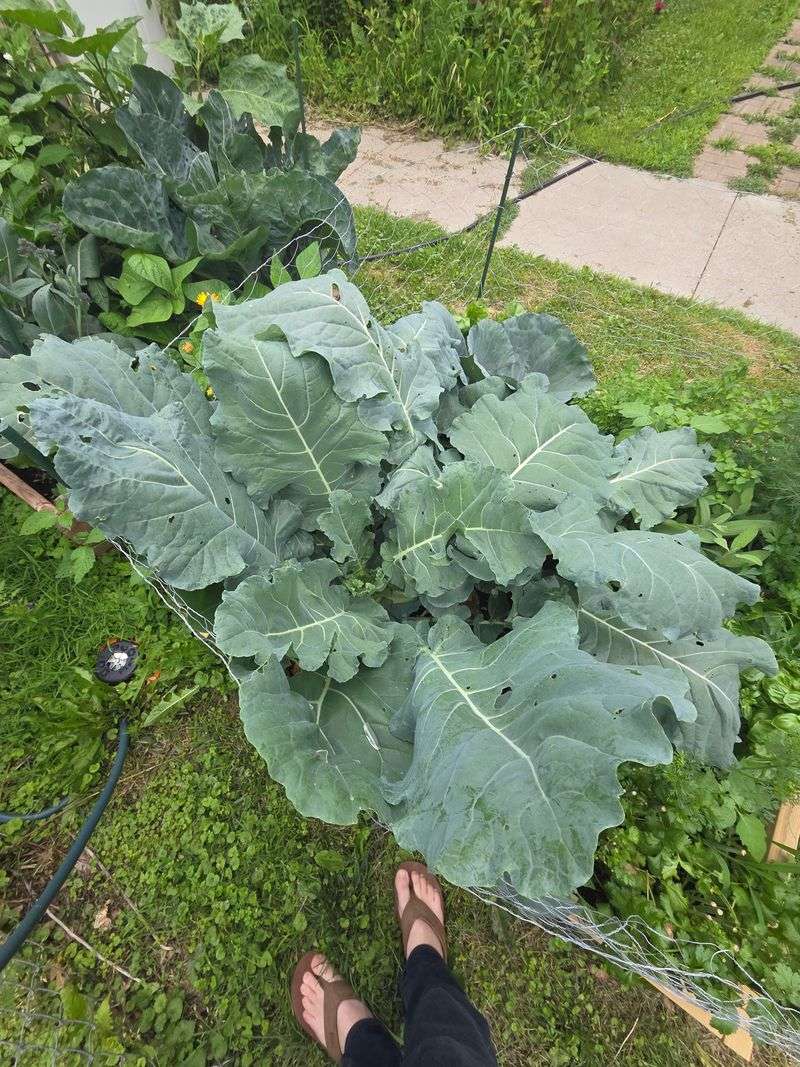
Broccoli is naturally a leafy plant, and a big canopy is part of the deal long before a head ever appears. The crop spends its early weeks pushing out foliage to build the energy reserves it needs for crown development, so a plant covered in broad, dark leaves is not automatically a sign that something went wrong. University of Minnesota Extension guidance on growing broccoli notes that the plant goes through a distinct vegetative phase before initiating a head, and that timeline can stretch longer than many gardeners expect.
Fall broccoli adds another layer of complexity because transplants often go into the ground during late-summer heat. Daytime temperatures that climb into the mid-to-upper 80s or higher can push the plant to keep producing leaves rather than shifting to head formation. That is not a fertilizer problem; it is a temperature response, and University of Minnesota Extension IPM’s brassica growing considerations confirm that brassicas establishing in warm conditions often lag before they settle into productive fall growth.
The important distinction is between a plant that is still on its normal developmental path and one that is unusually oversized, exceptionally dark green, and has received repeated doses of nitrogen-rich fertilizer or amendments. A healthy plant working through warm weather may form a tight crown once temperatures cool into the 60s and 50s. Foliage alone does not prove overfertilization, but it is one clue worth combining with a close look at your feeding history and the current forecast.
Excess nitrogen may contribute to poor head formation
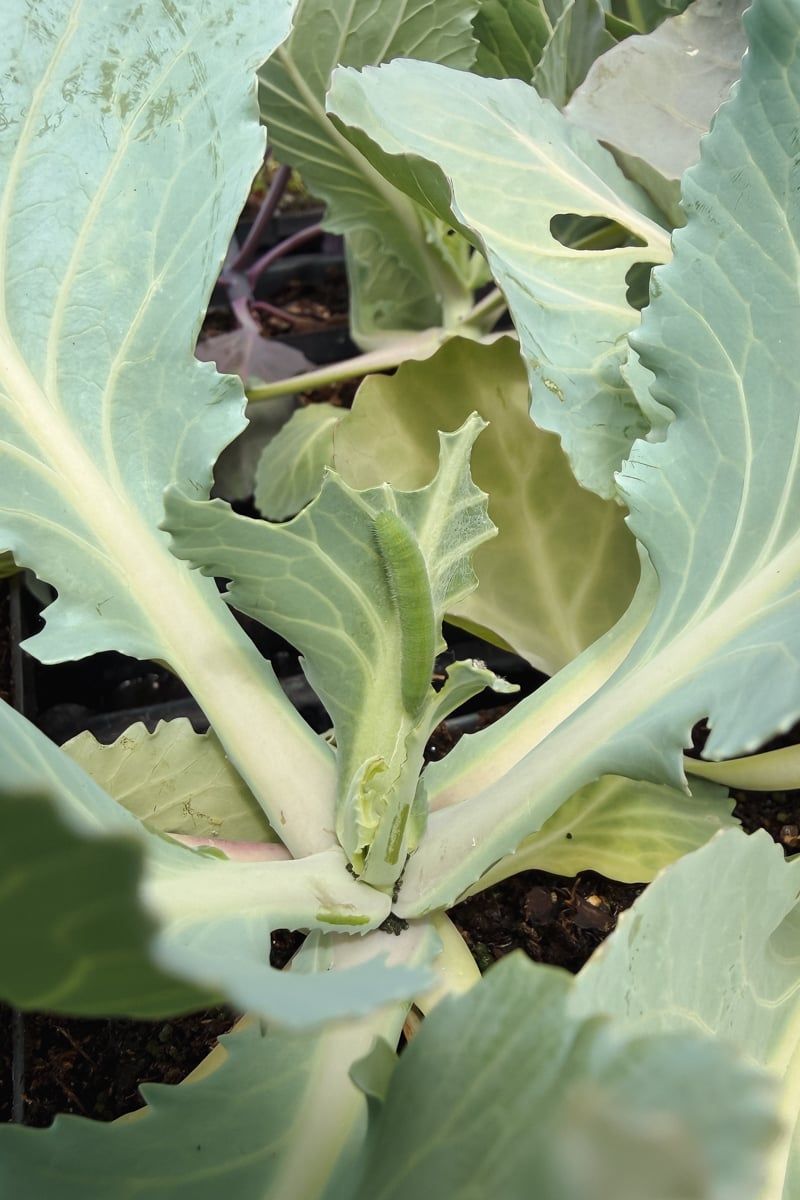
Nitrogen is not the enemy of broccoli; the crop genuinely needs it to grow. The concern arises when the supply of nitrogen in the soil significantly exceeds what the plant and its roots can use at that stage of growth. When that happens, the plant often responds by continuing to produce leaves and stems rather than shifting energy toward forming a central head. University of Minnesota Extension’s guide to non-pest issues in cool-season crops identifies excess nitrogen as one of the most common explanations for failure to form a head in cool-season vegetables.
The risk is especially relevant when gardeners apply high-nitrogen products repeatedly or late in the season. Fish emulsion, blood meal, fresh manure, composted manure, and synthetic fertilizers with a high first number on the N-P-K label all add nitrogen to the soil. Layering several of these over the course of a season, or applying them close to the time when the plant should be initiating its crown, can push the nitrogen level well past what the crop needs. University of Minnesota Extension’s compost report guidance points out that excess nitrogen from repeated organic amendments can drive excessive vegetative growth and reduce the quality of harvested structures.
Hollow stems are another sign that nitrogen management may be off. University of Minnesota Extension’s broccoli hollow-stem diagnosis page links hollow or poor-quality head structures to excess nitrogen, reinforcing that the problem affects more than just leaf size. UC Agriculture and Natural Resources guidance on fertilizing vegetables echoes that nitrogen timing and rate matter as much as the total amount applied across the season. The practical takeaway is that a plant which is unusually lush, deeply dark green, and has been fed repeatedly is the one most worth scrutinizing for a nitrogen connection, not every leafy broccoli plant in every garden.
Pause nitrogen-rich inputs while you investigate
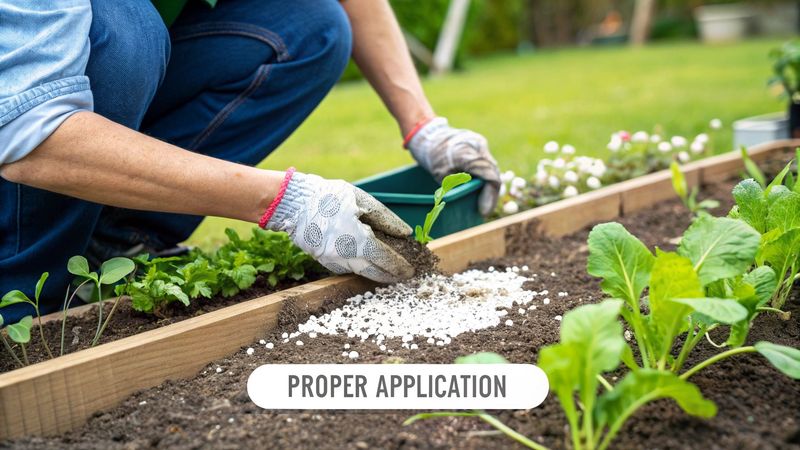
When a fall broccoli plant looks unusually lush, is a very deep green, and has been on the receiving end of repeated feedings, the most sensible first move is to stop adding nitrogen-rich products until you know more. That means setting aside the fish emulsion, blood meal, manure, composted manure, and any synthetic fertilizer with a high nitrogen value for now. The pause is a precaution against making the situation worse, not a declaration that the plant will never need feeding again.
University of Minnesota Extension’s guidance on correcting excess compost and manure is clear that adding more amendments to a bed that already has high nutrient levels compounds the problem rather than correcting it. Reaching for another bag of compost because the plant has not headed yet is a common instinct, but compost and composted manure can carry substantial nitrogen, phosphorus, salts, and other compounds that accumulate in the soil over time. Utah State University Extension’s broccoli guide recommends basing fertilizer decisions on what the soil actually needs, not on the appearance of the plant alone.
While you hold off on feeding, take a few minutes to write down everything you have applied to the bed this season, including product names, approximate amounts, and when you applied them. That list becomes useful context when you send a soil sample to a lab or contact your local Extension office. Interpreting your compost inputs alongside a soil report gives you a clearer picture of whether the bed is truly overloaded or whether the problem lies somewhere else entirely. Pausing is not a permanent answer; it is the first step toward a more accurate one.
Let a soil test guide the next feeding

Leaf color and plant size can point you in a direction, but they cannot tell you exactly what is in your soil. A laboratory soil test can. Before adding any fertilizer or amendment to a bed where you suspect nutrient imbalance, start by listing every product you have applied this season, the approximate quantities, and the timing. That record helps a lab or Extension advisor interpret the results in context rather than treating your bed as a blank slate.
University of Minnesota Extension’s soil-testing guidance for lawns and gardens explains that a lab test gives you actual nitrogen, phosphorus, potassium, pH, and organic matter values, along with fertilizer recommendations calibrated to those numbers. Oregon State University Extension’s guide to testing garden soil notes that home test kits are generally less reliable for detailed nutrient diagnosis than laboratory analysis, particularly when you are trying to determine whether a specific nutrient is excessive rather than just deficient. For a decision as specific as whether to feed a stalled fall crop, lab results are worth the modest cost.
One shortcut that is not worth taking is reaching for a high-phosphorus bloom booster in hopes of forcing a broccoli head. Broccoli crown formation is not the same process as flowering in ornamental plants, and University of Minnesota Extension’s guidance on cole crops does not support routine phosphorus boosting as a remedy for headless brassicas. Phosphorus should be applied when a soil test shows a genuine need for it, not as a general fix. Future feeding decisions should follow the test results, the product label, the crop stage, and the recommendations from your local Extension service, in that order.
University of Minnesota Extension’s vegetable garden planting guide reinforces that fertilizer applications tied to soil data consistently outperform guesswork based on visual symptoms alone.
Check heat, moisture, spacing, and planting timing
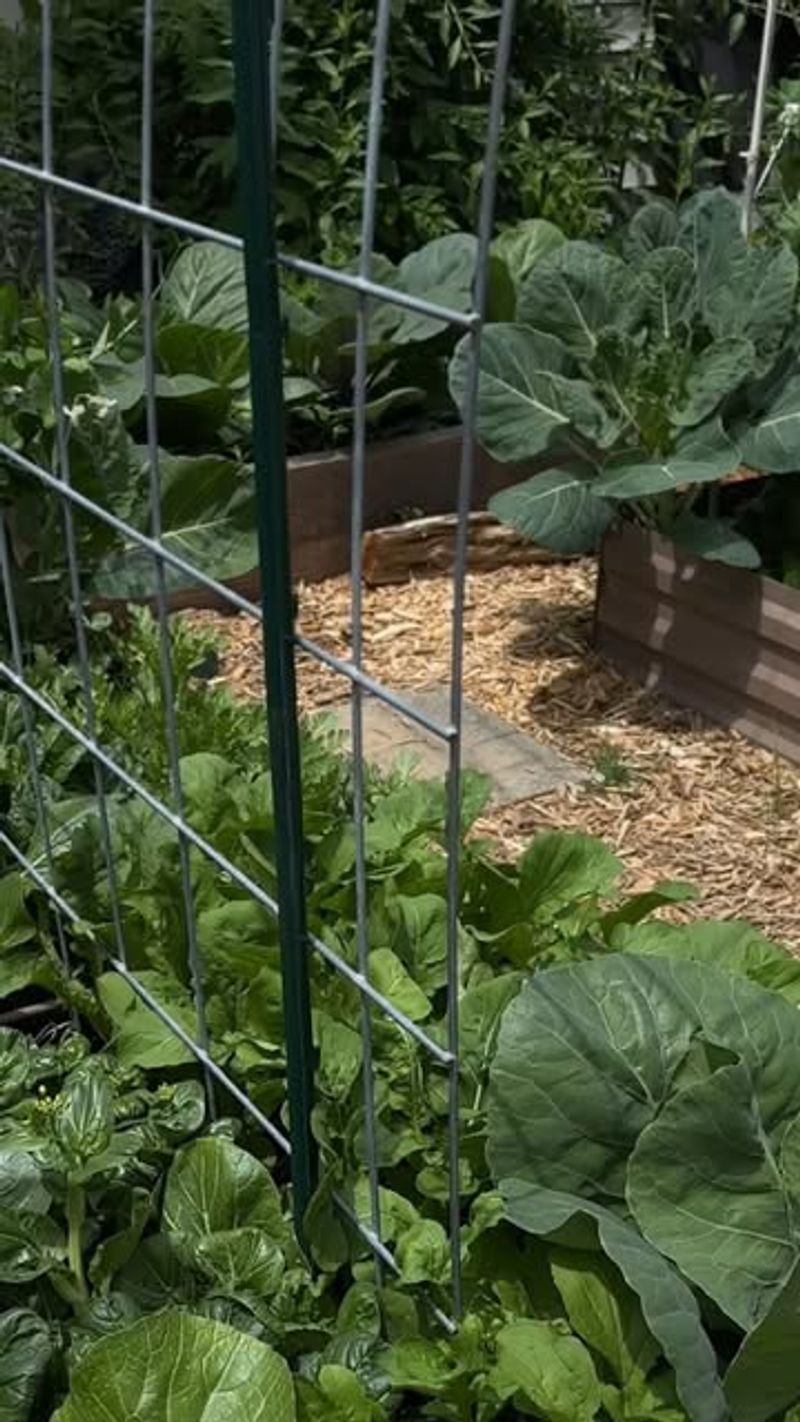
Before landing on fertilizer as the explanation, run through the growing conditions that most commonly delay a fall broccoli crown. Heat is the biggest factor during fall establishment. University of Minnesota Extension and Iowa State University Extension’s broccoli guide both identify daytime temperatures around 86 degrees Fahrenheit or higher, combined with warm nights near 77 degrees or above, as conditions that can prevent crown formation entirely. A plant sitting through that kind of heat is not going to head no matter how carefully you manage its fertilizer, and the right response is patience while temperatures come down, not another amendment.
Soil moisture deserves attention too. Utah State University Extension recommends roughly 1 to 2 inches of water per week for broccoli, adjusted for rainfall and site conditions. Uneven moisture, whether from drought stress or waterlogged soil, can contribute to poor or delayed head development. Even watering during the period when the plant should be initiating a crown reduces one more variable, though it cannot override heat damage or other serious problems on its own.
Crowding is easy to overlook in a raised bed where space feels limited. Plants placed too close together compete for light, water, and nutrients, which can restrict head size and reduce side-shoot development after harvest. University of Illinois Extension and Utah State University Extension both suggest spacing plants roughly 12 to 18 inches apart, though wider spacing is used in some home-garden systems depending on the cultivar.
Planting timing is the other variable worth rechecking. Fall broccoli schedules have to work backward from your local first-frost date, accounting for the variety’s days to maturity plus extra time for transplant establishment and the naturally slower growth that comes as days shorten. Purdue Extension’s broccoli resource and University of Maryland Extension’s home garden broccoli guide both note that fall planting windows vary considerably by region and cultivar, and a crop started too late simply may not have enough time to mature before cold shuts things down.
Pests, disease, and transplant stress point to another diagnosis
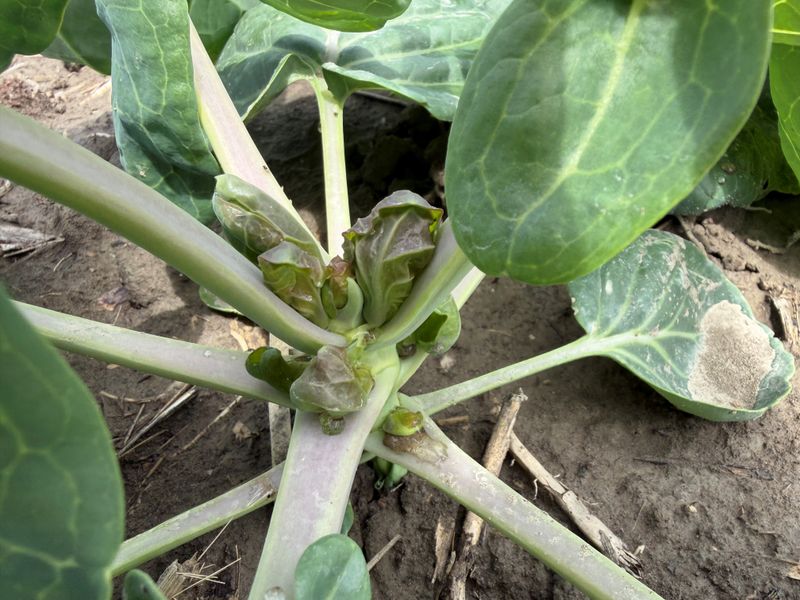
A plant that has never headed despite good temperatures and careful feeding deserves a hands-on inspection before any new amendment goes into the bed. Pull back the soil gently around the base and look at the roots. Clubroot, a soilborne disease caused by a fungus-like organism, deforms roots into swollen, misshapen knobs that block water and nutrient uptake. A plant with clubroot will struggle to form a crown regardless of what you feed it, and adding fertilizer to a diseased root system accomplishes nothing useful.
University of Minnesota Extension’s broccoli diagnosis tool for plants with no head lists clubroot, cutworms, and swede midge (in areas where that pest occurs) as documented causes of what growers call blindness, meaning no crown develops at all. Cutworms can sever or damage the growing point at or below the soil surface early in the plant’s life, leaving behind what looks like a healthy leafy plant that simply never progresses. Check the growing tip at the center of the plant; if it is absent, distorted, or shows signs of chewing, a pest or disease problem is the more likely explanation than nitrogen.
Utah State University Extension’s brassica production problems guide and University of Maryland Extension also point to transplant stress as a factor that can set a plant back significantly. A transplant that experienced root disturbance, drying out, or heat shock at planting time may look fine on the surface for weeks while it quietly struggles to establish. That kind of stress delays development and cannot be corrected by additional feeding. University of Minnesota Extension recommends contacting your local Extension office or using a plant diagnostic service when the cause is unclear, rather than applying more inputs to a plant whose underlying problem has not been identified.
Match the response to the evidence
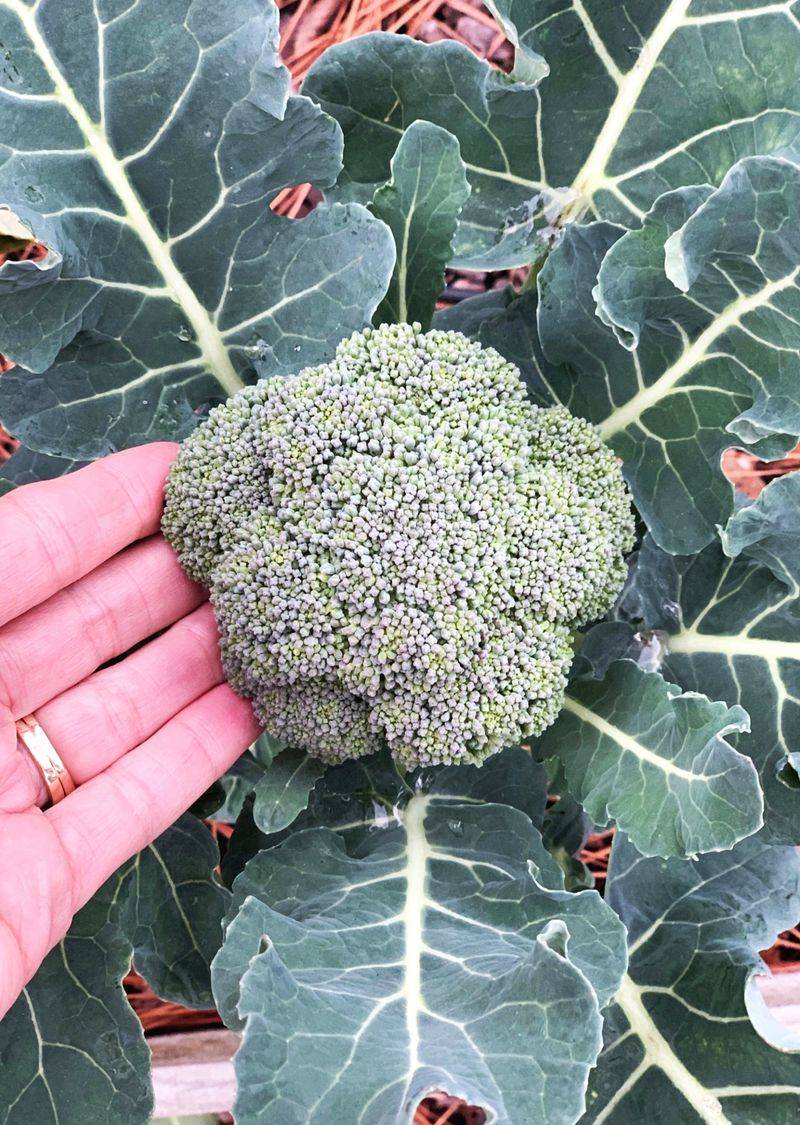
Pulling all the clues together makes the next step clearer. When a fall broccoli plant is unusually large and dark green and has received repeated applications of nitrogen-rich fertilizer or manure, pausing those inputs temporarily is a reasonable precaution. Combine that pause with a soil test, review your watering consistency, check that plants have adequate spacing, and confirm that temperatures are actually cool enough for crown initiation. University of Minnesota Extension notes that healthy plants may still form a head once conditions improve, so a leafy plant in decent shape is worth watching rather than immediately removing.
When inspection turns up confirmed pest damage, disease symptoms, or severe root problems, address those specifically rather than applying more fertilizer. A plant with clubroot or a severed growing point is unlikely to recover regardless of what the soil test shows. Similarly, a plant started too late for your region may simply run out of growing season before it can head, and no amount of nutrient adjustment changes that calendar reality. University of Illinois Extension and University of Maryland Extension both advise harvesting the central head promptly while the buds are still tight and green, before any yellow flowers open, because cutting the main crown can stimulate the plant to produce side shoots that extend your harvest window.
The best outcome comes from matching your response to what you actually observe rather than assuming one explanation covers every headless plant. A well-timed, evidence-based adjustment almost always beats a reflexive reach for another bag of fertilizer.