
If Your Fall Kale Grows Tough, Bitter Leaves Before Frost, You’re Harvesting Them at the Wrong Time
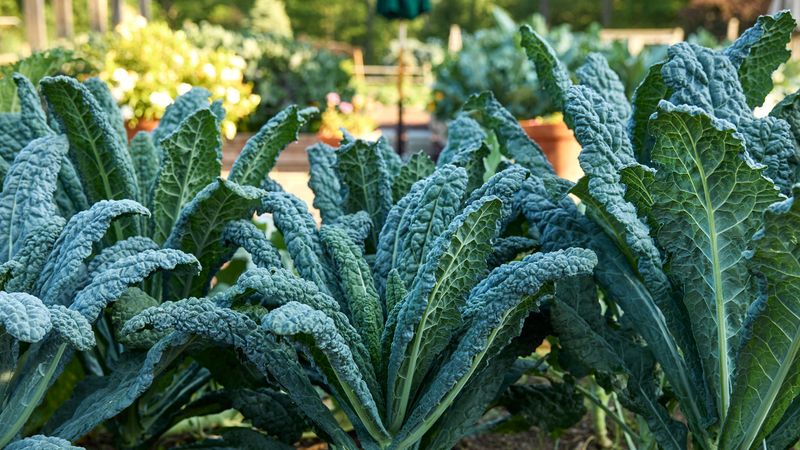
Fall kale has a reputation for tasting better after a frost, and there is real science behind that idea. But if your leaves are coming in bitter or tough before the first freeze hits, blaming your harvest timing might be sending you in the wrong direction. Growing stress, leaf age, hot weather earlier in the season, and uneven watering can all affect how kale tastes and feels on the plate. Understanding what actually shapes flavor and texture gives you a much better shot at great kale, whether frost shows up this week or not.
Cool weather helps, but frost is not a harvest deadline
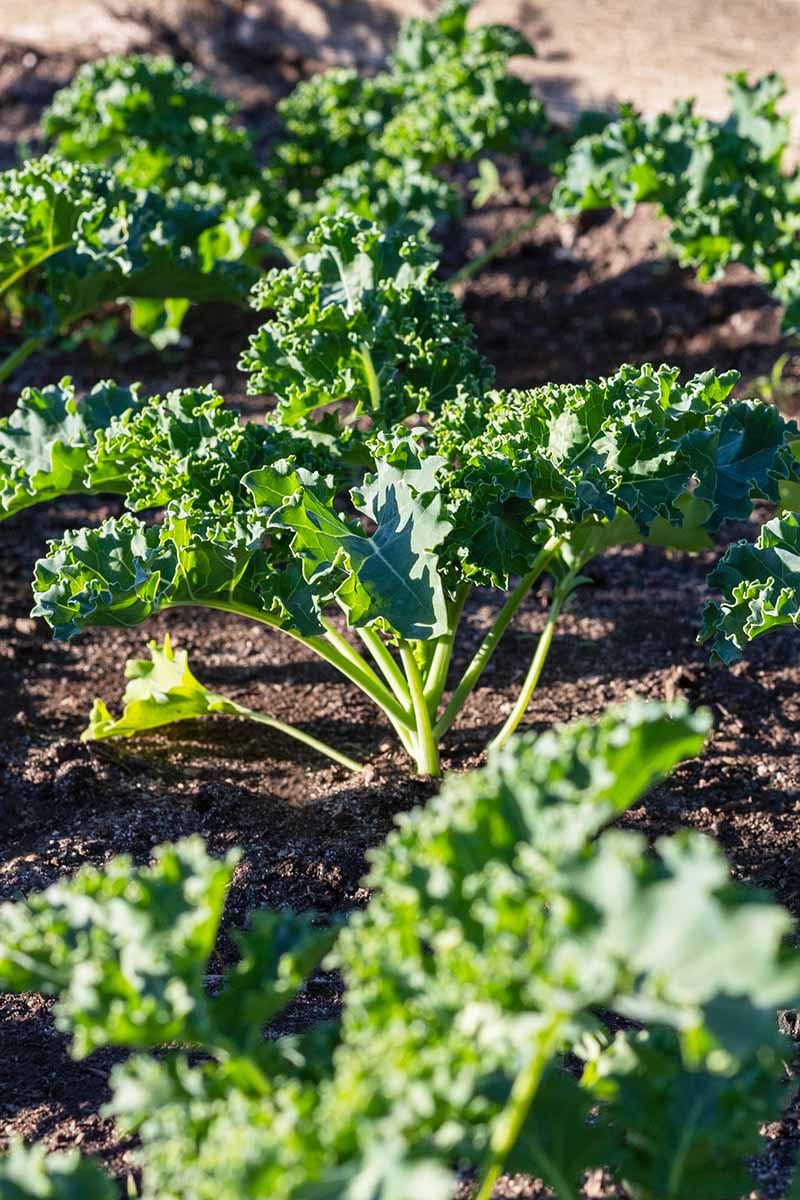
Many gardeners have heard that fall kale needs a frost before it tastes any good, and the cool-weather improvement is real enough that the advice has stuck around for decades. The problem is that treating one frost date as a hard harvest deadline can lead you to either wait too long or assume that a bitter leaf before frost means something went wrong with your timing. Neither conclusion holds up under closer inspection.
University of Minnesota Extension guidance on growing kale makes the point plainly: fall kale flavor improves as weather cools, but that improvement comes from the cooling itself, not from a single freezing night. Kale grown quickly under cool temperatures and even moisture can taste mild and tender well before any frost arrives. The goal is steady growth without heat or water stress, not a countdown to the first freeze.
Utah State University Extension even recommends timing your fall planting so that the crop reaches maturity roughly two to three weeks after your average first fall frost, which means the plants are still growing and improving through the cool weeks leading up to that date. That window of cool-weather growth matters just as much as the frost itself.
Oregon State University Extension does suggest harvesting after a frost or in the early morning for best flavor, and that is worth trying when the opportunity comes. But that is a flavor suggestion, not a rule that disqualifies every leaf picked before a freeze. The rest of this guide covers what else shapes kale quality, how to read your leaves for signs of stress, and how to protect and handle plants as fall temperatures drop.
What cold can change inside kale
The idea that cold sweetens kale is not a myth, but the full picture is more nuanced than the simple story of frost flipping a flavor switch. When kale experiences cold temperatures, it can undergo a process called cold acclimation, a broader metabolic response that includes shifts in soluble sugars and other compounds. Research on cold acclimation effects in kale has found that cool growing conditions can increase soluble sugar concentrations in some plants, which offers a plausible reason why cold-grown kale often tastes milder or slightly sweeter.
The catch is that this response is not uniform. How much a plant’s chemistry shifts depends on cultivar, growing conditions, and how gradually the cold arrives. A 2026 Journal of Plant Physiology study screening frost-tolerant kale genotypes found cultivar-dependent shifts in sucrose, glucose, and glucosinolates after frost exposure, which means two varieties grown side by side in the same bed can respond quite differently to the same cold night. Describing cold acclimation as a guaranteed flavor upgrade oversimplifies what is actually a variable, plant-specific process.
A controlled sensory study of curly kale adds an important qualification. That Food Chemistry study on nitrogen, plant age, and frost effects in curly kale found that frost mainly influenced aroma and texture in the test plants, while plant age and nitrogen supply explained more of the overall variation in taste. The researchers specifically noted that growers should not rely on frost alone to alter kale’s sensory qualities.
Sweetness and tenderness are also separate things worth keeping distinct. Cold may nudge soluble sugar levels upward in some plants, but an older or larger leaf can still have a tough midrib and fibrous texture regardless of how cold the night was. A chemical change in flavor does not automatically soften cell walls, so expecting frost to transform every leaf into something silky can lead to disappointment at the cutting board.
Diagnose heat and moisture stress before blaming harvest timing
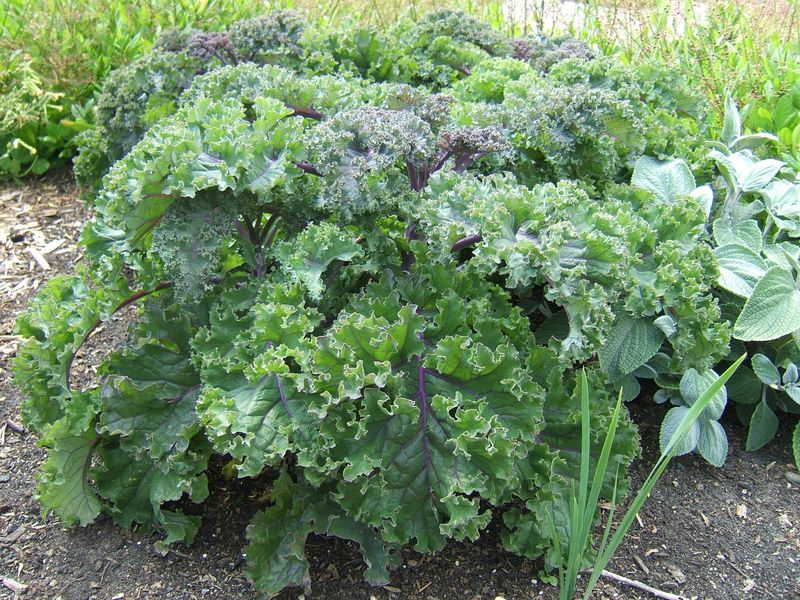
Bitter or tough kale before frost does not automatically mean you picked too early. Several growing conditions that have nothing to do with frost can push leaves toward stronger flavor and fibrous texture, and identifying the real culprit is the first step toward fixing the problem.
Heat is one of the most direct contributors. Minnesota Extension identifies heat and moisture stress as direct causes of bitter or pungent flavor in kale, and Utah State Extension similarly links high summer temperatures with off flavors and moisture fluctuations with tough leaves. If your plants spent any part of the summer baking in afternoon sun or going dry between waterings, that stress can linger in older leaves even after temperatures cool in fall.
Watering consistency matters more than total volume. Minnesota Extension recommends maintaining even soil moisture and offers approximately 1 inch of water per week as a general starting benchmark, with more frequent irrigation on sandy or fast-draining soil. That figure is a guideline rather than a precise prescription, since actual needs vary with rainfall, temperature, mulch cover, container versus in-ground growing, and local conditions. The key is avoiding the wet-dry-wet cycle that stresses roots and pushes leaves toward tougher texture.
Other factors worth checking include whether the plant has bolted or is close to it. A kale plant sending up a flower stalk redirects energy away from leaf production, and the remaining leaves often taste sharper as a result. Overcrowding limits airflow and root space, which can slow growth and concentrate bitter compounds. Cultivar also plays a role since some varieties are naturally more pungent than others regardless of weather or watering.
Plant age matters too: leaves from an older, larger plant tend to be tougher and stronger-tasting than leaves from a young, actively growing one.
The practical takeaway is that frost cannot undo stress damage that happened weeks earlier. If your fall kale tastes bitter before the first freeze, look at what the plant went through during the warm months and adjust your growing conditions before expecting cold nights to rescue the flavor.
Harvest outer leaves while they are still tender
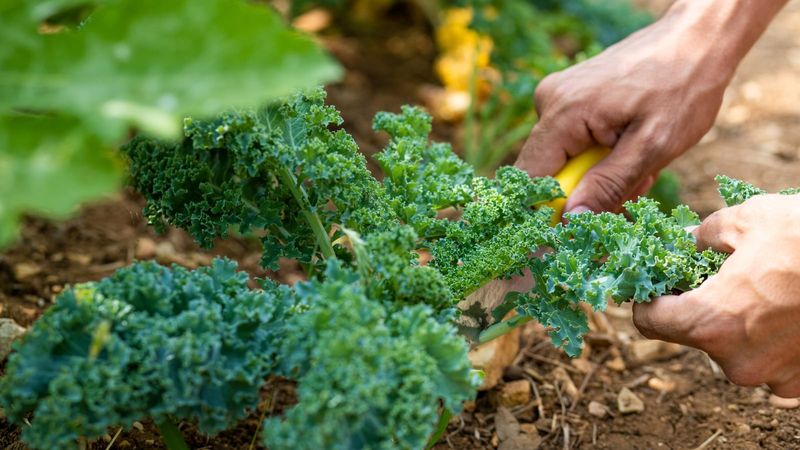
Good kale harvesting technique stays the same whether frost has arrived or not. Rather than cutting the whole plant at once, the method that keeps production going and quality high is removing individual outer leaves as they reach a usable size, while leaving the central bud and younger inner leaves in place. That central growing point is what drives new leaf production, so protecting it extends your harvest window by weeks.
Oregon State University Extension recommends removing outer leaves while they are still tender and no longer than about 8 inches. That size guideline is practical rather than absolute. Leaves around that length are often at a good stage for fresh eating or light cooking, but a leaf that has grown a little beyond 8 inches is not automatically ruined. Use the guideline as a prompt to check your plants regularly rather than a cutoff that disqualifies anything larger.
Penn State Extension notes that kale can be harvested at multiple stages, with younger leaves well suited to salads and larger leaves generally working better cooked. Cooking softens texture and mellows flavor, which makes bigger, more mature leaves easier to enjoy even when they would feel tough or sharp eaten raw. Knowing which use fits which leaf size helps you avoid wasting good produce.
One common mistake is letting outer leaves grow too large before picking. Oversized leaves develop tougher midribs, more fibrous texture, and often a stronger, more bitter flavor regardless of the season. Checking your plants every few days during active growth and harvesting outer leaves promptly keeps quality up and encourages the plant to push out fresh growth from the center. That regular attention, more than any single frost date, is what makes fall kale consistently worth eating.
Use a light frost as a flavor opportunity, not a gamble
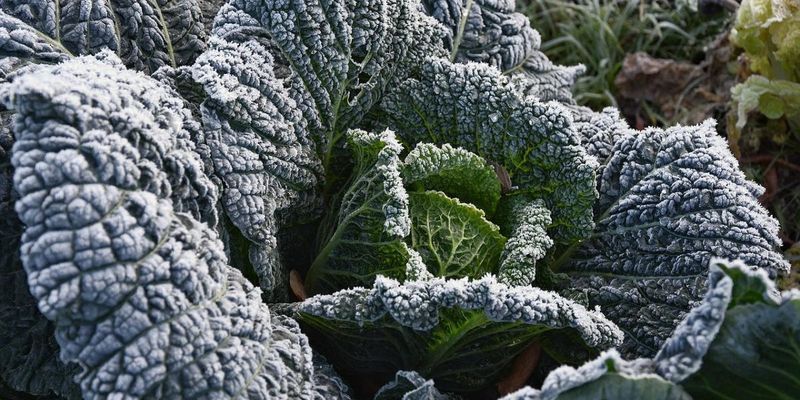
Kale is genuinely one of the cold-hardiest vegetables a backyard gardener can grow, and that hardiness is worth understanding before the temperatures start dropping. Minnesota Extension’s midsummer planting guide notes that established kale can survive temperatures down to around 20 degrees Fahrenheit, while Oregon State classifies it among vegetables capable of tolerating heavy frost below 28 degrees. Both figures are general extension guidance, not guarantees, and actual survival depends on factors the thermometer alone does not capture.
Cultivar makes a meaningful difference. Some varieties, such as Lacinato and Red Russian, handle cold differently than curly types, and newer cold-bred selections may perform better or worse than older standards in your specific conditions. Plant maturity also matters: a well-established fall plant that has had weeks to harden off tends to handle a sudden cold snap better than a younger transplant set out late in the season.
Container-grown kale faces more cold risk than in-ground plants because the roots are surrounded by air on all sides rather than insulated by soil mass. A pot sitting on a patio can lose heat quickly on a windy night, even if the same temperature would not damage a raised-bed plant a few feet away. Wind exposure and freeze duration add further variables that no single temperature threshold can account for.
When a light frost is in the forecast, harvesting the morning after or in the early morning as Oregon State Extension suggests is a reasonable way to sample whether that particular frost improved your crop’s flavor. When harder or prolonged freezes are coming, covering plants with a row cover, floating fabric, or even old bedsheets offers a practical buffer. Minnesota Extension confirms that kale can continue growing in cool fall conditions, but protecting plants from severe cold keeps that growing window open longer and reduces the risk of damage that no amount of harvesting technique can undo.
Plan to cook leaves that have frozen
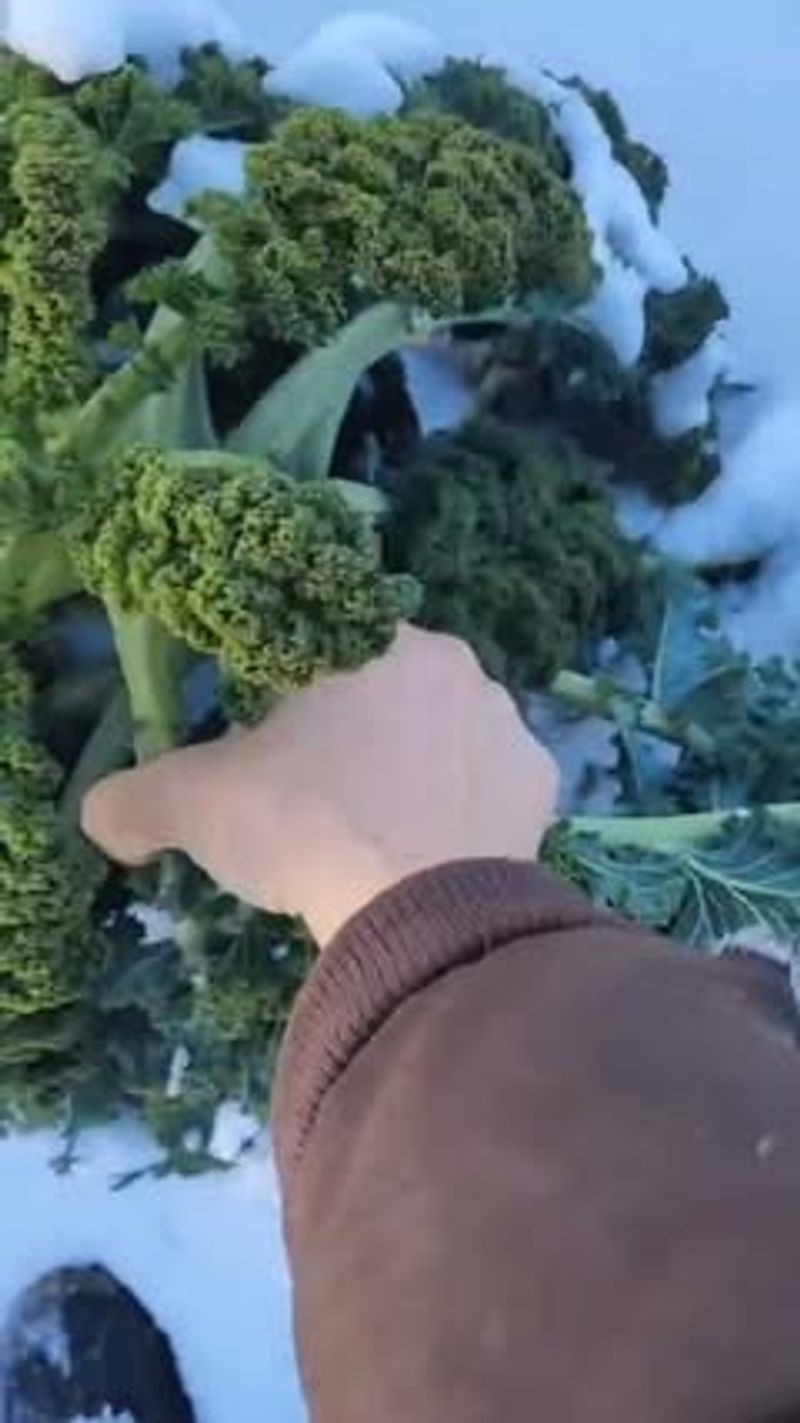
Finding your kale leaves frozen solid on a cold morning does not mean the harvest is lost, but it does change how you should handle and use those leaves. When plant cells freeze, ice crystals form inside and rupture the cell walls, a process that softens the leaf’s structure significantly. Leaves that have frozen and thawed in the garden will feel limp and less crisp than fresh-picked greens, which makes them poorly suited for raw salads but often quite good for soups, sautes, and braised dishes where a softer texture is an asset rather than a flaw.
Minnesota Extension confirms that previously frozen kale leaves can be harvested and cooked directly from the garden, which is reassuring news for gardeners who wake up to an unexpected hard frost. The leaves are not ruined, but they do need to go from garden to pot relatively quickly since the compromised cell walls mean they break down and deteriorate faster than undamaged leaves.
Food safety is where the rules do not bend. Frost and freezing do not kill harmful bacteria. Minnesota Extension’s freezing and food preservation guidance makes clear that freezing halts microbial growth temporarily but does not eliminate pathogens. Garden-frozen kale should be inspected carefully, with any rotting, slimy, or contaminated tissue removed and discarded before washing.
Rinse the leaves thoroughly under clean running water, handle the harvest as you would any perishable fresh produce, and refrigerate or cook it promptly.
The practical approach is to treat a frozen-leaf harvest as a same-day cooking project. Pick what you plan to use, wash and prep it right away, and do not let it sit at room temperature while you decide what to make. Frozen kale headed for a pot of soup or a skillet of greens is a perfectly good outcome from a cold night in the garden.
Judge the leaves, not the calendar
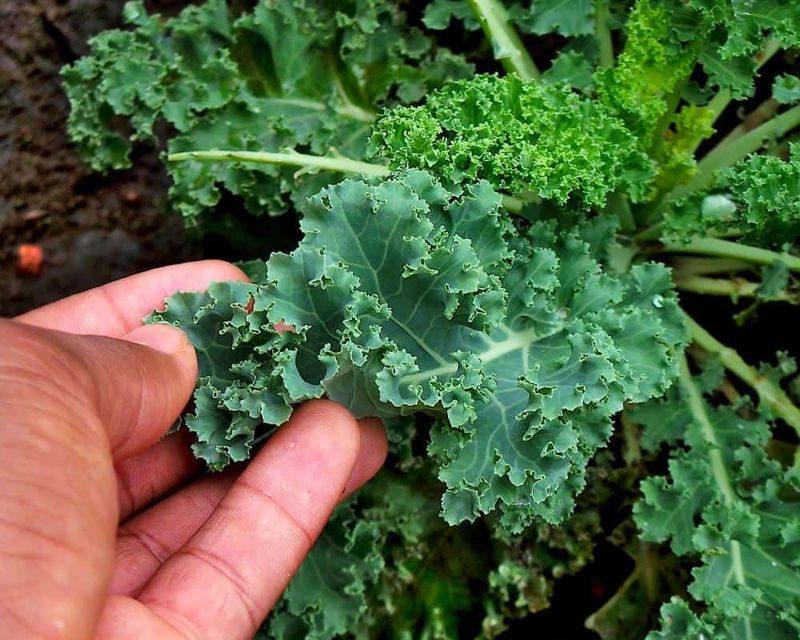
The clearest signal that your fall kale is ready to pick is the leaf itself, not the date on a calendar or whether frost has visited yet. Tender outer leaves at a manageable size, deep color, and firm texture are the markers worth watching. Minnesota Extension’s core advice points to steady growth under cool temperatures and even moisture as the foundation of good kale quality, which means your job is to support those conditions rather than wait passively for a frost to do the work.
A simple checklist covers most situations. Keep healthy fall plants growing through cool weather by maintaining consistent moisture. Remove outer leaves regularly once they reach a usable size, leaving the center intact. If a light frost is coming, consider harvesting the next morning to test whether the cold improved flavor for your particular variety.
Use Oregon State’s leaf-size guidance as a helpful prompt to check plants often rather than an absolute cutoff. Protect plants from hard or prolonged freezes with row cover, especially in containers or exposed beds.
When leaves taste bitter or feel tough before frost, look at growing conditions first. Heat earlier in the season, uneven watering, a bolting plant, or simply an oversized leaf can all explain poor quality without implicating your harvest timing at all. Utah State Extension’s guidance on fall kale timing reinforces that the cool weeks leading up to and after your average first frost are a productive growing window, not just a waiting period. Pre-frost kale grown well can be perfectly good eating, and the best kale you harvest this fall will likely come from consistent attention to your plants rather than from any single cold night.