
If Your Hydrangeas Grow Big Green Leaves But Never Flower, Late Pruning Is Cutting Off Next Season’s Blooms
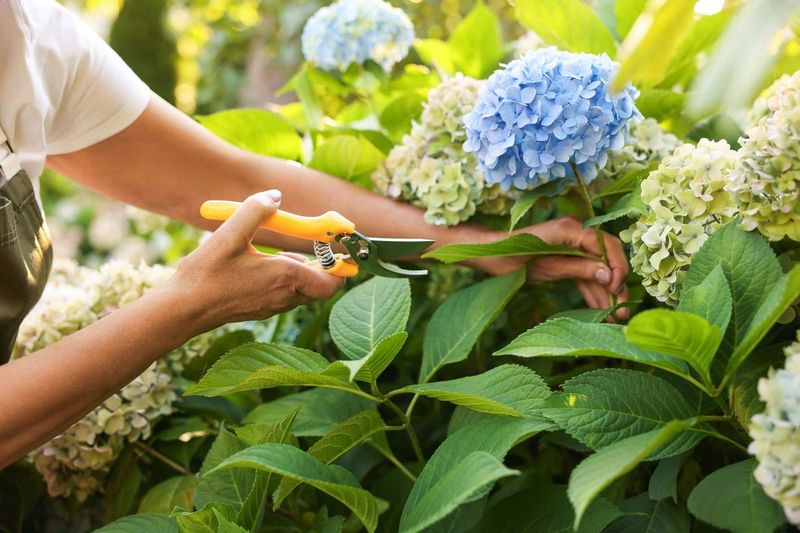
You water it, you feed it, and every summer it rewards you with a gorgeous canopy of green leaves and absolutely nothing else. If your hydrangea looks perfectly healthy but refuses to flower, the timing of your last pruning session could be the quiet culprit. For certain hydrangea types, cutting back stems at the wrong point in the season removes the buds that were already forming for next year’s display. Understanding why this happens, and for which plants, is the fastest way to get your shrub blooming again.
The pruning rule depends on where the hydrangea makes its buds
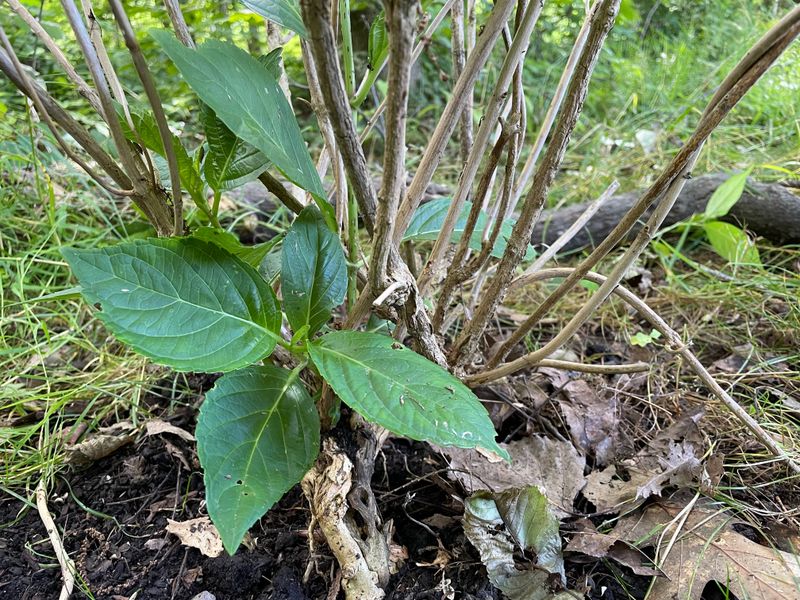
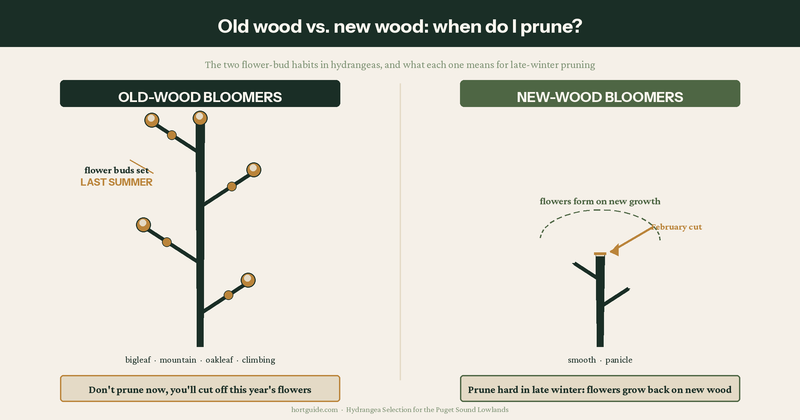
Not every hydrangea follows the same flowering calendar, and that single fact explains most of the confusion around pruning timing. Some species form next season’s flower buds on stems grown the previous year. Those stems are called “old wood,” and if they get cut off before the buds have a chance to open, the plant leafs out beautifully while producing no flowers at all.
Traditional bigleaf hydrangeas (Hydrangea macrophylla), oakleaf hydrangeas (H. quercifolia), mountain hydrangeas (H. serrata), and climbing hydrangeas all fall into this old-wood category. University of Minnesota Extension guidance on pruning hydrangeas confirms that these types set their buds on the previous season’s growth, making timing especially critical. Pruning them after they have formed those buds, whether in late summer, fall, winter, or early spring, can leave the plant with nothing to open come bloom season.
The timing concern also shifts depending on when in the cycle you cut. Pruning after flowering can remove buds that were forming for the following season. Cutting in early spring can remove buds that already developed the previous fall for the current year’s bloom. The consequence is the same: healthy green growth without a single flower.
Smooth hydrangeas (H. arborescens) and panicle hydrangeas (H. paniculata) work differently. Penn State Extension’s species-by-species pruning guide explains that these types flower on new growth produced each spring, so late-winter or early-spring pruning generally does not cost them a bloom. Some modern bigleaf cultivars, including reblooming types such as the Endless Summer series, can flower on both old and new wood, which gives them a measure of resilience after an ill-timed cut. Knowing which group your plant belongs to matters far more than memorizing a single calendar date.
Why a leafy hydrangea can miss its next bloom
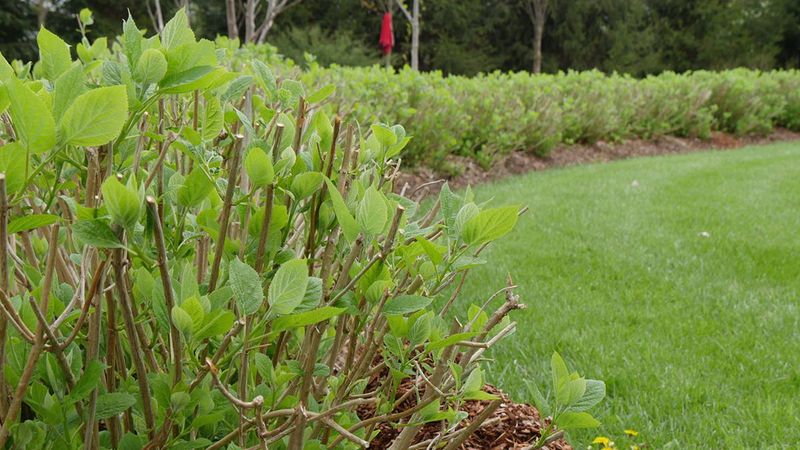
A hydrangea covered in glossy, oversized leaves can look like the picture of health, yet still produce zero blooms. Vegetative growth and flower-bud survival are separate processes, and the plant handles them on different schedules. Once dormant buds are removed from old-wood stems, the plant simply redirects its energy into producing foliage without missing a beat.
The timing of bud formation varies by species, cultivar, local climate, and the specific growing season. For many bigleaf hydrangeas, University of Georgia Cooperative Extension’s guide to growing bigleaf hydrangea notes that bud set often begins in late summer, which is why late-summer through fall is a commonly cited risk window for those plants. That guideline is a useful regional rule of thumb, not a universal biological cutoff that applies to every cultivar or climate zone.
The difference between post-flowering pruning and early-spring pruning matters here. Cutting back an old-wood hydrangea shortly after it finishes blooming in summer can remove buds that were just beginning to develop for the following year. Waiting until early spring does not make things safer; by that point, buds that formed the previous fall are already sitting on those stems, ready to open. Either cut removes them.
Large green leaves do not confirm that the plant is otherwise in good shape. Foliage can remain vigorous even when flower buds were lost to pruning, winter cold, or other factors. Treating a leafy appearance as proof of preserved buds is one of the most common reasons gardeners repeat the same pruning mistake season after season. The leaves tell you the plant is alive and growing; they do not tell you whether any buds survived to open.
Which hydrangea do you have?
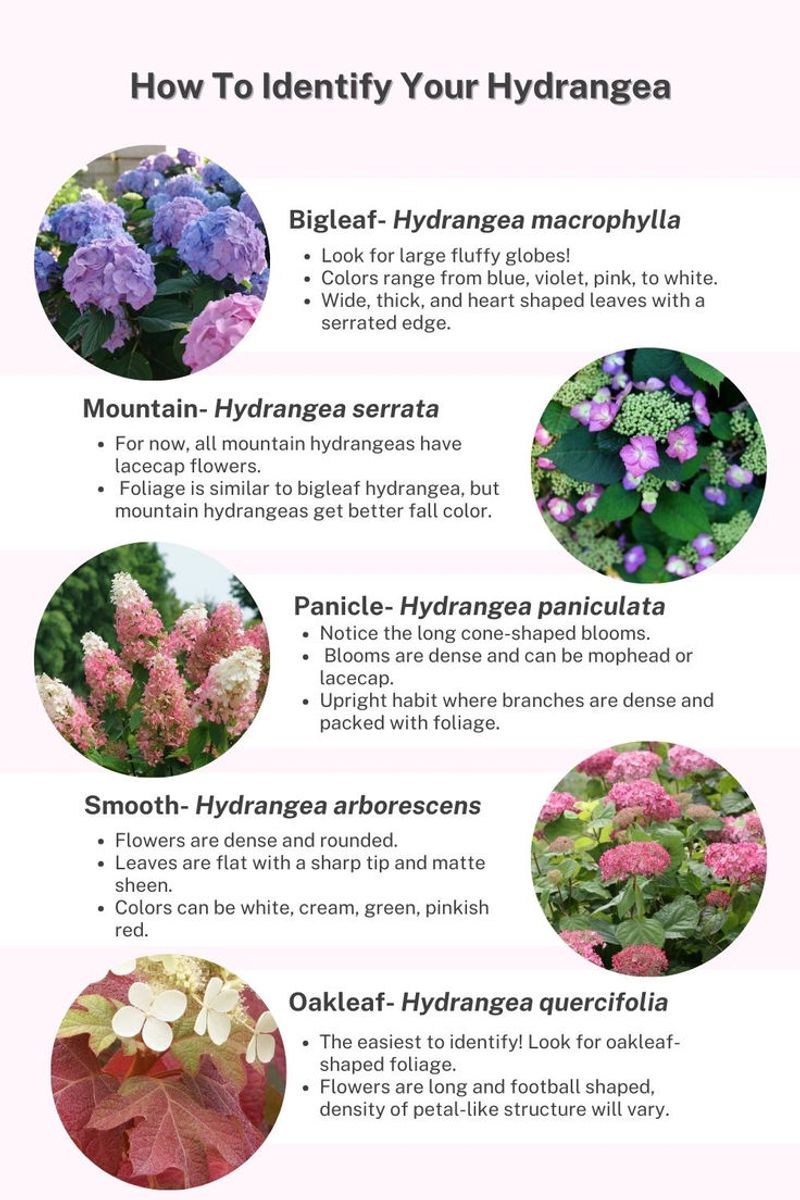
Before changing your pruning routine, spend a few minutes identifying exactly what is growing in your yard. The species determines the entire approach, and a misidentification can lead to another lost season. Start with the plant tag or any paperwork from when the shrub was purchased; the cultivar name is the most reliable clue you can find.
When a tag is no longer available, the flower and leaf shape can narrow things down considerably. University of Illinois Extension’s pruning guide points out that cone- or pyramid-shaped flower heads strongly suggest a panicle hydrangea, which blooms on new wood. Leaves shaped like a deeply lobed oak leaf point to an oakleaf hydrangea, an old-wood bloomer. Large, heavily serrated leaves paired with round mophead or flat lacecap flower clusters are characteristic of many bigleaf hydrangeas, most of which also bloom on old wood.
Visual clues can get you close, but they cannot always separate cultivars with different flowering habits. Penn State Extension’s species identification resource cautions that within the bigleaf group alone, traditional cultivars bloom mainly on old wood while reblooming cultivars can flower on both old and new wood. Two plants with nearly identical leaves and flowers may respond very differently to the same pruning cut. If you genuinely cannot identify the plant, treat it as an old-wood type until you know otherwise; the conservative approach protects next season’s blooms while you gather more information.
Prune old-wood types soon after flowering
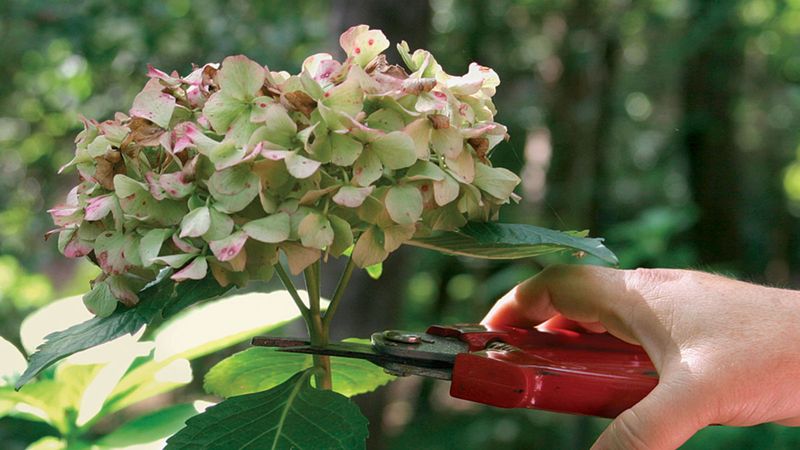
For old-wood hydrangeas, the window for safe pruning is relatively brief. The goal is to finish any cutting soon after the flowers fade and before the plant begins forming buds for next season. That generally means working in mid- to late summer, right after bloom, rather than waiting for fall cleanup or a spring tidy-up.
UGA Cooperative Extension offers “before August 1” as a practical guideline for many bigleaf hydrangeas in the Southeast, acknowledging that bud set typically begins in late summer. That date is a useful starting point for gardeners in similar climates, not a rigid national deadline that applies everywhere. Gardeners in cooler northern zones, or those growing later-blooming cultivars, may have a slightly different window. The principle holds across regions: prune as soon as the flowers are spent, and stop before the plant moves into bud formation.
The type of cut matters as much as the timing. University of Minnesota Extension recommends removing dead, broken, or diseased wood first, then selectively thinning some of the oldest stems at the base to encourage fresh growth. When shortening a stem, make the cut just above a healthy, outward-facing bud. Use sharp, clean bypass pruners to avoid crushing the stem tissue.
Shearing the entire shrub flat, or cutting all stems back to a uniform height, removes far more potential bloom wood than necessary and is best avoided on old-wood types.
Missouri Botanical Garden’s pruning FAQ reinforces that minimal intervention is usually the right call for old-wood types when you are unsure how much to remove. Cutting back only what is clearly dead or damaged, then observing how the plant responds over the following season, gives you much better information than a heavy prune that costs you another year of flowers.
New-wood hydrangeas follow a different pruning calendar
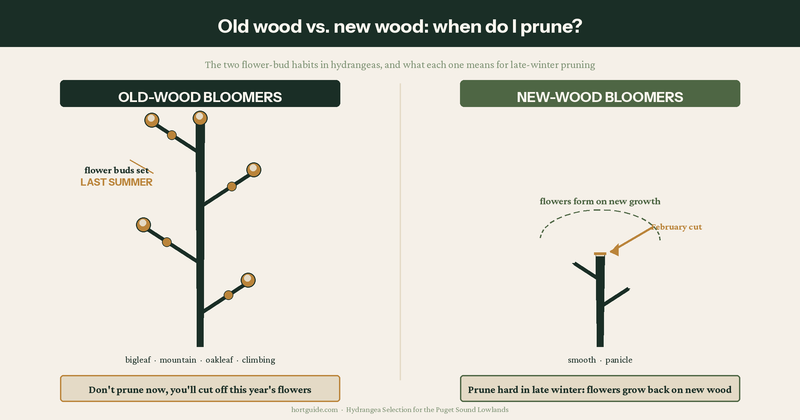
Panicle and smooth hydrangeas operate on a completely different schedule, and the old-wood warning does not apply to them. Both types produce their flower buds on new stems grown each spring, so cutting them back in late winter or early spring leaves plenty of time for fresh growth to emerge and set buds before summer. Pruning them at the same time you would prune an old-wood type, right after flowering in summer, is actually less ideal because it shortens the growing season available for new stems.
Penn State Extension confirms that late-winter or early-spring pruning, before new growth begins, is the standard recommendation for both panicle (H. paniculata) and smooth (H. arborescens) hydrangeas. Smooth hydrangeas such as Annabelle may tolerate fairly hard pruning in late winter without losing a bloom; some gardeners cut them close to the ground and still get flowers. Panicle hydrangeas can also be reduced in size, but the right amount depends on the specific cultivar and the size you want the shrub to reach.
Neither fact should be read as a green light for aggressive cutting across the board. University of Minnesota Extension notes that while smooth hydrangeas generally handle harder pruning, panicle hydrangeas respond better to moderate shaping rather than severe reduction every year. The takeaway is straightforward: if you have confirmed a panicle or smooth hydrangea, late-winter pruning will not cost you next summer’s flowers, but selective cuts still produce better long-term results than shearing the plant to a stump.
When the type is unknown, protect the stems first
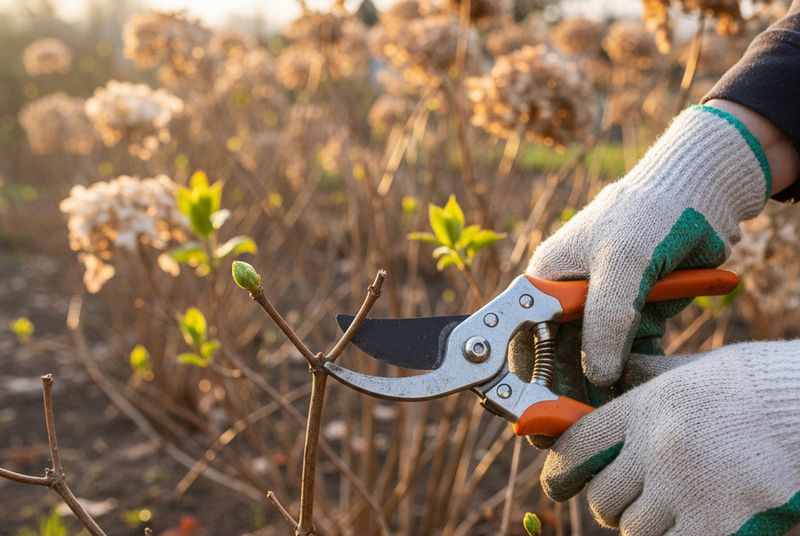
Standing in front of a hydrangea you cannot identify is frustrating, but the conservative path forward is clear: do as little as possible until you know what you have. Remove any stems that are visibly dead, snapped, or showing signs of disease, and leave everything else alone. A light cleanup does not cost you any buds; a heavy prune on an unidentified old-wood type could cost you next summer’s entire display.
Missouri Botanical Garden specifically advises removing only dead, broken, or crossing wood when the species is uncertain. That approach keeps the bud-bearing stems intact through the winter and gives you a full growing season to observe the plant’s behavior, flower shape, and leaf structure so you can make a confident identification.
One distinction worth making is between deadheading and deep stem removal. Snipping off the old, dried flower head near the top of a stem is not the same as cutting that stem back by a foot or more. The Royal Horticultural Society’s hydrangea pruning guide notes that in colder or more exposed gardens, leaving some of the faded mophead flowers in place over winter can actually help protect the dormant buds sitting lower on those stems. The dried heads act as a modest buffer against frost and wind, so removing them too early in fall or winter can expose buds to damage you did not intend.
If pruning has already removed flowering stems on an old-wood type, the plant may still produce a full canopy of leaves during the current season while the replacement stems mature. UGA Cooperative Extension describes how bigleaf hydrangeas depend on the previous season’s stems for bloom, which means regrowth from the base needs time to mature before it can carry flowers. Recovery is plausible, but it is not guaranteed on a fixed schedule; some plants may need a full season before flowering resumes normally.
Pruning is not the only reason hydrangeas miss a bloom cycle
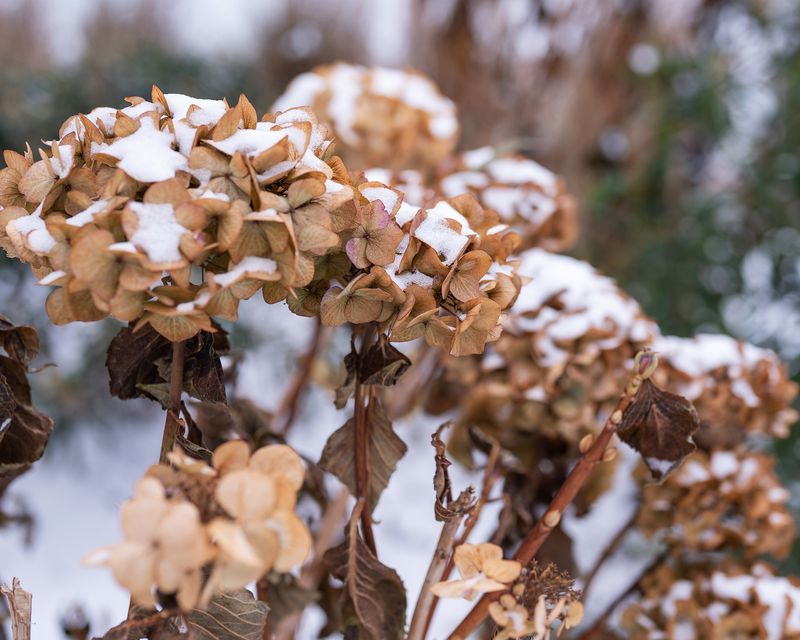
A flowerless hydrangea is easy to blame on the last pruning session, but several other factors can produce the exact same result. Winter cold is one of the most common culprits for old-wood types, particularly bigleaf hydrangeas grown in colder parts of their hardiness range. When temperatures drop hard enough, the stems carrying next season’s buds can die back, leaving the plant to regrow from the base with plenty of leaves and no blooms. A late frost after new growth has started in spring can do the same damage in a single night.
Penn State Extension’s guide on why hydrangeas fail to bloom lists winter injury, late frost, and insufficient light alongside pruning as the primary causes of missing flowers. Shade is an often-overlooked factor; most hydrangeas need several hours of direct sun to bloom reliably, and a shrub that has become surrounded by maturing trees may be getting far less light than it did when it was first planted. Deer and rabbit browsing can also strip exactly the stems that carry flower buds, producing a result that looks identical to pruning damage. University of Minnesota Extension’s hydrangea browsing diagnosis tool can help identify whether animal damage is part of the picture.
Physical protection can make a real difference for tender old-wood types in cold climates. Wrapping stems loosely with burlap, surrounding the plant with a wire cage filled with dry leaves, or using other insulating materials suited to your zone can help preserve bud-bearing stems through hard winters. University of Minnesota Extension’s guide to protecting trees and shrubs in winter outlines several approaches for cold-climate gardeners.
Fertilizer and soil adjustments are not reliable bloom fixes. Excess nitrogen, the nutrient most associated with fast leafy growth, can actually push a hydrangea toward foliage at the expense of flowers. Soil pH does influence flower color in many bigleaf hydrangeas, shifting blooms between pink and blue, but it does not restore buds that were lost to pruning or cold injury. Penn State Extension specifically cautions that unnecessary applications of aluminum sulfate, sometimes recommended for color adjustment, can damage roots.
Adding more fertilizer or amending the soil will not compensate for a missing bud if the bud was removed by a pruning cut or killed by a late freeze.
Save next season’s buds before you reach for the pruners
A practical decision sequence can prevent another lost season. First, identify the plant using the tag, cultivar name, flower shape, and leaf shape. Second, confirm whether it flowers on old wood or new wood. Third, find out roughly when that species sets its buds in your climate, keeping in mind that late summer is a useful starting point for many bigleaf hydrangeas rather than a fixed universal rule.
Fourth, schedule any pruning within the appropriate window for that type.
When there is any doubt about the species or the timing, make only selective cuts: remove dead, broken, or diseased wood and leave the rest. University of Minnesota Extension and Penn State Extension both emphasize that species identification is the essential first step before any pruning decision. Healthy-looking leaves confirm that the plant is growing vigorously, but they say nothing about whether the flower buds are still intact. Correct timing and plant identification will always matter more than following one calendar rule for every hydrangea in the yard.