
If Fall Squirrels Keep Digging Up Your Newly Planted Bulbs, These Strong Smells Make Your Beds Less Inviting
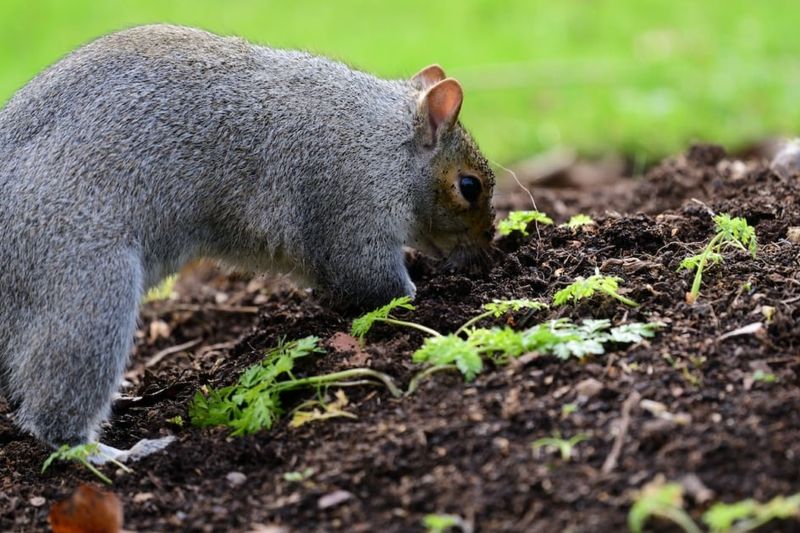
Every fall, gardeners tuck tulip and daffodil bulbs into the soil, dreaming of spring color. Then the squirrels show up, sniff out the fresh digging, and treat your flower bed like an all-you-can-eat buffet. The good news is that squirrels rely heavily on their sense of smell, and a few strong scents can make your beds smell downright unwelcoming to them. Here are seven powerful odors that may send bushy-tailed diggers looking for snacks somewhere else.
1. Cayenne Pepper and Chili Flakes

Squirrels hate surprises, and a mouthful of heat is the rudest one of all. Sprinkling cayenne pepper or crushed red chili flakes over your freshly planted bulb beds gives curious noses a sharp, burning warning long before they start to dig.
The active ingredient, capsaicin, irritates a squirrel’s sensitive nose and mouth without doing lasting harm. Birds, by the way, cannot taste capsaicin at all, so your feathered visitors stay perfectly happy while the rodents keep their distance.
For the best results, dust the soil surface after planting and reapply after heavy rain or watering, since moisture washes the powder away. Some gardeners mix cayenne into a homemade spray with a little water and dish soap, then coat the top layer of mulch. It is cheap, it is easy, and most kitchens already have a jar sitting in the spice rack ready to go.
2. Garlic Cloves and Garlic Spray

Pungent enough to clear a room, garlic works on squirrels for the same reason it lingers on your breath. The sulfur compounds it releases create a heavy, lingering odor that rodents find overwhelming and off-putting near their food-hunting grounds.
You can plant crushed cloves right alongside your bulbs, tucking them a few inches into the soil around the edges of the bed. Another approach is to blend several cloves with water, let the mixture steep overnight, then strain it into a spray bottle and mist the surrounding area.
A neat bonus is that garlic also seems to bother deer and rabbits, so a single ingredient can guard against several backyard raiders at once. Refresh the spray every week or so, because the smell fades faster than you might expect once it hits open air and sunshine.
3. Peppermint Essential Oil
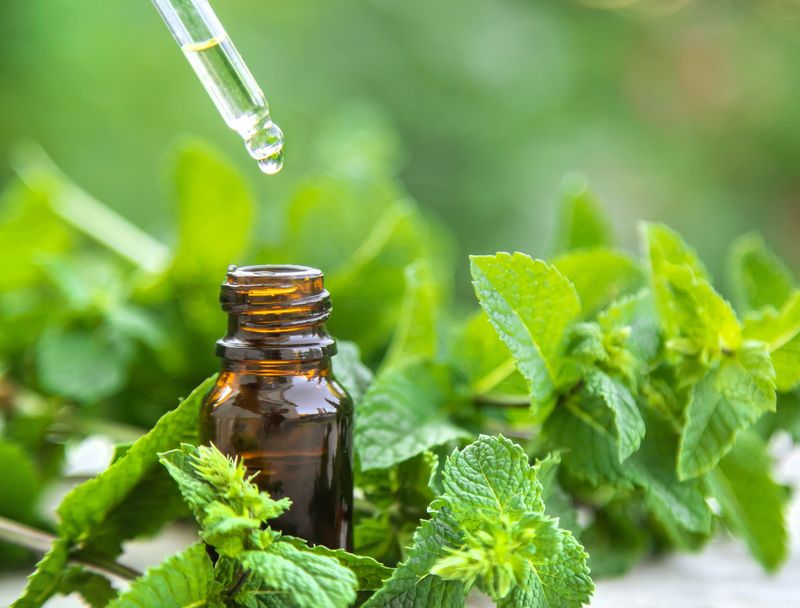
Fresh and crisp to us, peppermint reads as harsh and confusing to a squirrel navigating by scent. A few drops of peppermint essential oil scattered around your bulb bed can scramble the smell map that leads them straight to buried treasure.
Soak cotton balls in the oil and press them into the soil near your plantings, or tuck them into small mesh bags staked around the perimeter. The scent is strong to a rodent but pleasant to most people, which makes it a favorite for beds close to patios and walkways.
Rain and time will weaken the oil, so plan to swap out the cotton balls every week during peak digging season. Fun fact: many gardeners keep a bottle of peppermint oil around anyway, since the same trick discourages mice from sneaking into sheds and garages when the weather turns cold.
4. Blood Meal
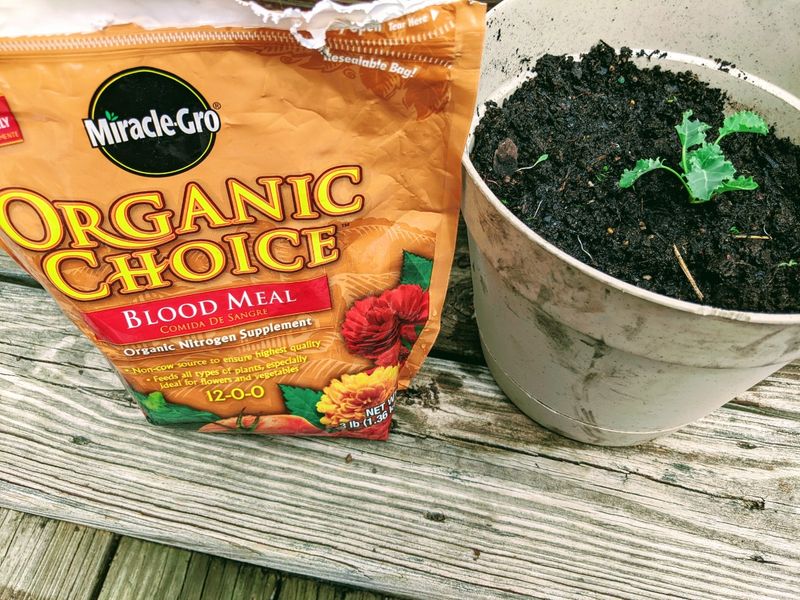
Here is a deterrent that pulls double duty in your garden. Blood meal is a dried, powdered fertilizer made from animal blood, and its faint predator-like scent triggers a deep instinct in squirrels to steer clear.
Scattered lightly over the bed, it whispers danger to a small rodent that spends its whole life dodging hungry hawks and foxes. At the same time, it feeds your soil a hearty dose of nitrogen, giving those bulbs a stronger start when spring arrives.
Apply a thin ring around the planting zone rather than dumping it in a pile, and reapply after rain since it dissolves into the ground. One caution worth mentioning: the meaty aroma can occasionally attract dogs or raccoons, so use it thoughtfully if those visitors already roam your yard. Used with a light hand, it may reduce digging while quietly building healthier soil.
5. Apple Cider Vinegar
That sour tang you notice the moment a bottle opens hits a squirrel’s nose ten times harder. Apple cider vinegar carries a sharp acidic smell that rodents dislike enough to reroute their afternoon foraging.
Rather than pouring it directly on the soil, where it could harm plant roots, soak rags or cotton balls and place them in small containers around the bed. You can also dilute it with water and mist the mulch and nearby hardscape, keeping the liquid off tender foliage.
Because vinegar evaporates, its power fades within a day or two, so this one rewards consistency. Gardeners who keep a jug in the pantry love that it costs pennies per application and doubles as a cleaning supply. Think of it as a quick, refillable smell barrier you can top off whenever you notice fresh paw prints in the dirt.
6. Coffee Grounds
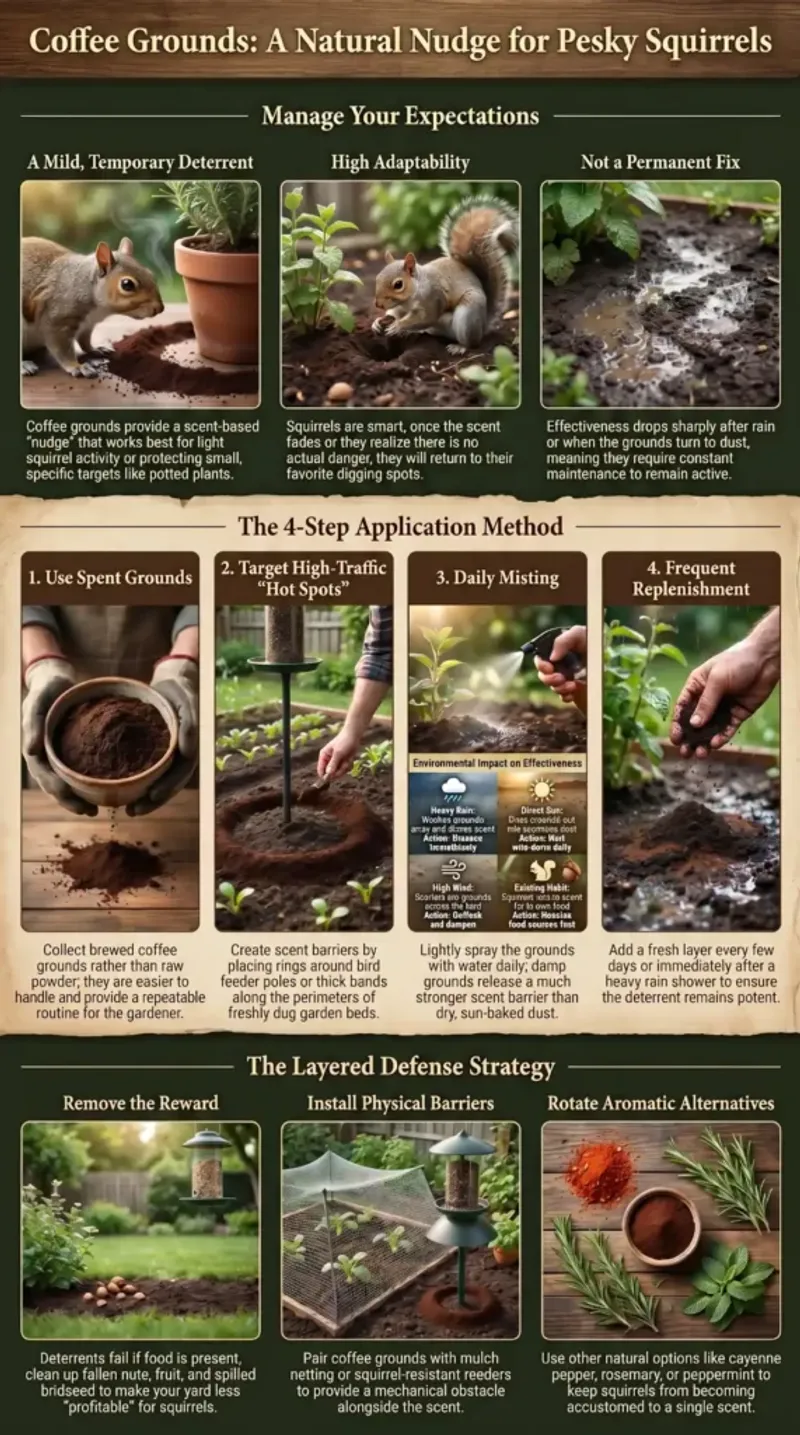
Do not toss those used coffee grounds just yet, because your morning habit might be the cheapest bulb guard around. The rich, bitter aroma that lingers in spent grounds reads as unpleasant to squirrels sniffing for a buried snack.
Spread a layer of dried grounds across the top of the soil after planting, focusing on the areas most likely to get disturbed. The strong scent masks the tempting smell of freshly turned earth and newly buried bulbs, which is often the very thing that tips squirrels off in the first place.
As an added perk, coffee grounds slowly break down and add organic matter and a touch of nitrogen to your beds. Reapply a fresh layer every week or after rain, and let those grounds do double work as a scent barrier and a soil booster while your bulbs settle in for winter.
7. Predator Urine Granules
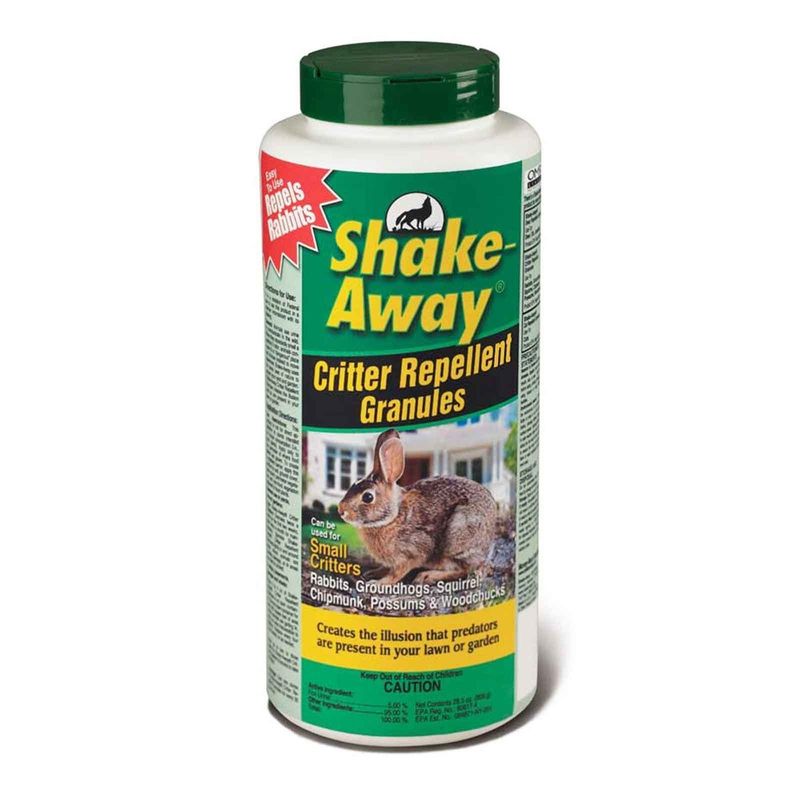
Nothing empties a dinner table faster than the scent of the animal that eats you. Predator urine products, usually from foxes or coyotes, tap directly into a squirrel’s survival wiring and signal that danger is close by.
Sold as granules or sprays at most garden centers, these products are scattered around the border of your bulb bed to create an invisible fence of fear. A squirrel that catches even a whiff will often decide the risk is not worth a mouthful of tulip bulb and move along to safer ground.
The effect fades with rain and wind, so reapplication matters, especially during a wet fall. Keep in mind the smell can be noticeable up close, so it suits larger yards better than tiny courtyard beds right beside your door. When squirrels are especially stubborn, this instinct-driven option can be one of the strongest tools in the shed.