
If Your Backyard Feeder Draws Sparrows But No Chickadees, These Fall Shrubs Give Them A Reason To Stay
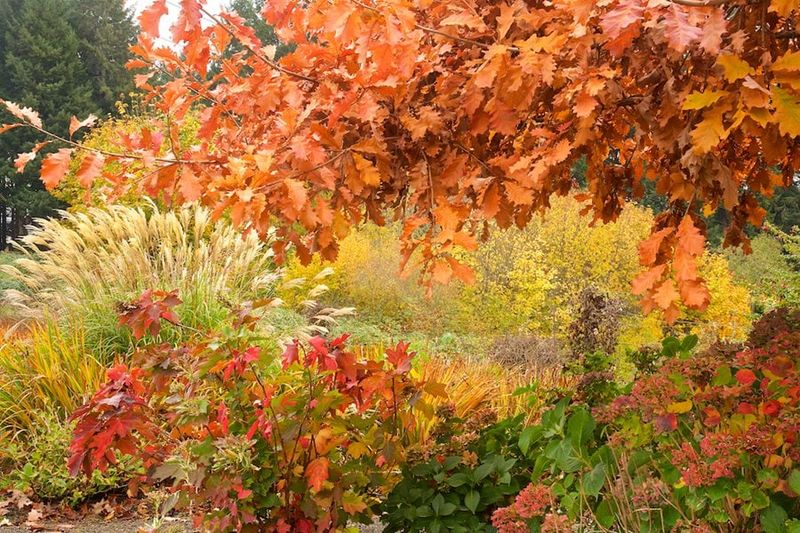
Sparrows will happily crowd a feeder, but chickadees are a little pickier about where they hang out. These curious little birds want cover, natural food, and safe places to nest before they commit to your yard. The good news is that a few well-chosen fall shrubs can flip your backyard from a sparrow stopover into a chickadee hangout. Here are eight shrubs that give chickadees a real reason to stick around when the weather cools down.
1. Winterberry Holly
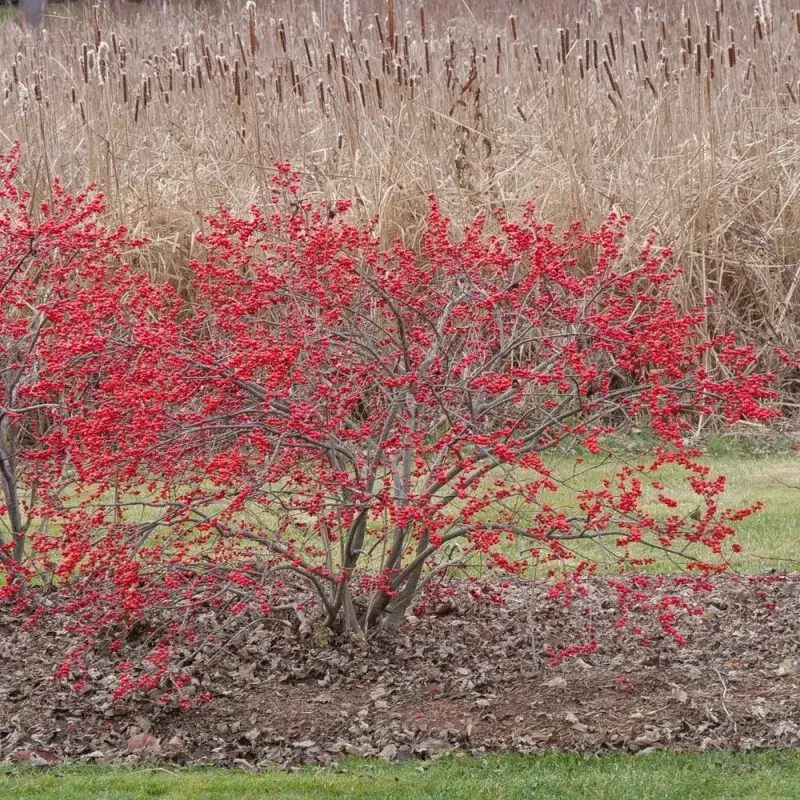
Bright red berries clinging to bare branches long after the leaves drop is the calling card of winterberry holly. While the fruit itself is more of a robin and waxwing favorite, the dense tangle of twigs gives chickadees exactly what they crave: cover to duck into the moment a hawk casts a shadow overhead.
Chickadees are jumpy by nature, and they rarely visit feeders that sit far from a safe hiding spot. Plant a winterberry within a short hop of your feeder and you give these birds a reason to feel bold. They can grab a seed, dart into the shrub, crack it open, and repeat.
You will need both a male and a female plant to get those famous berries, so ask at the nursery before you buy. Winterberry is native across much of the eastern and central United States and loves damp spots where other shrubs sulk. If you have a low, soggy corner of the yard, this one may thrive where nothing else will.
2. Serviceberry
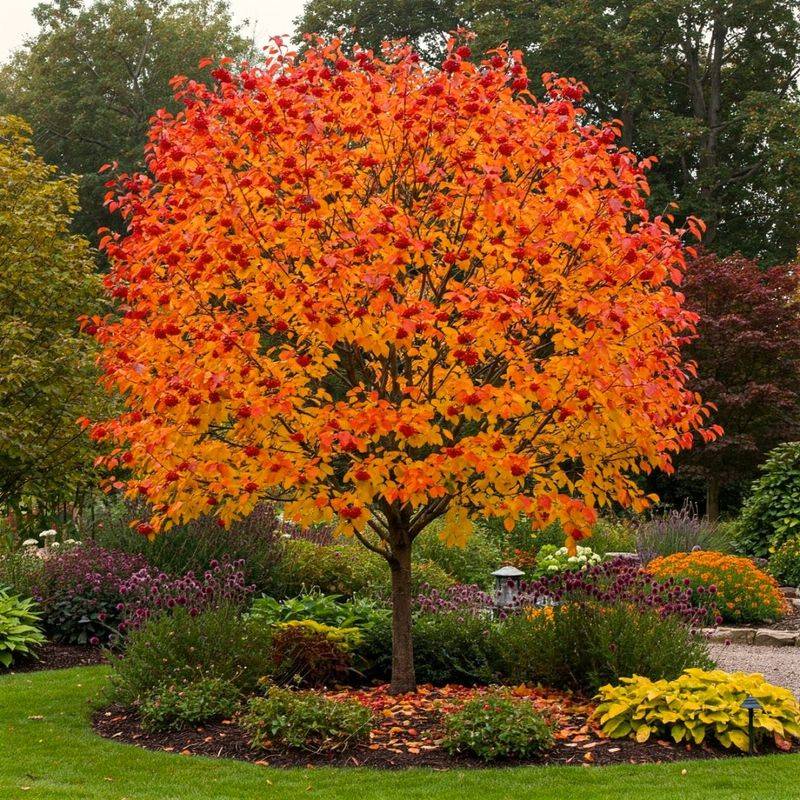
Few shrubs pull double duty quite like serviceberry. It bursts with white spring flowers, drops sweet purple fruit in early summer, and then closes out the year with fiery orange and red fall foliage that chickadees use as leafy cover.
Here is the part birders love: serviceberry attracts a swarm of insects and caterpillars during the growing season, and chickadees are insect hunters at heart. A yard rich in bugs in summer often becomes a yard full of chickadees in fall, because the birds remember where the good hunting was.
Grown as either a multi-stemmed shrub or a small tree, serviceberry fits tidy suburban lots without taking over. It handles a range of soils and shrugs off cold winters across most of the northern and central states. Tuck one near a patio and you get a front-row seat to the birds you have been trying to lure in all along.
3. Northern Bayberry
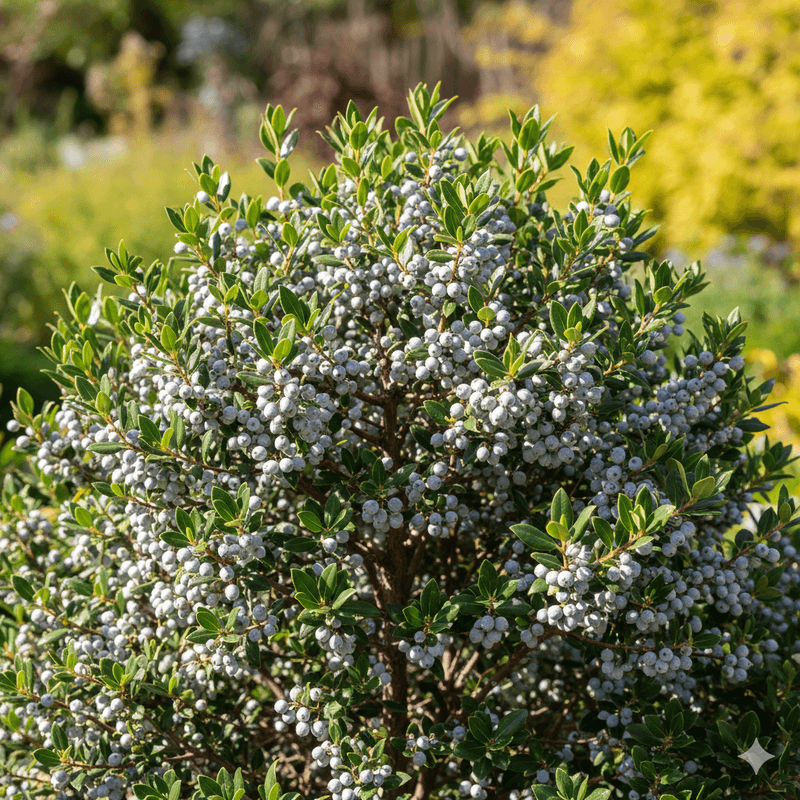
Waxy gray-blue berries that hang on through the coldest months make northern bayberry a genuine winter lifeline. When snow covers the ground and other food vanishes, chickadees and their winter companions can still pick at these fat-rich fruits.
The berries owe their staying power to a thick wax coating, the same wax once used to make old-fashioned candles. That fat is pure fuel for a tiny bird trying to survive a January cold snap, and chickadees are smart enough to seek it out.
Bayberry is tough as nails. It tolerates salt spray, sandy soil, and wind, which makes it a hero along coastal yards from the Northeast down the Atlantic. It also fixes nitrogen in poor soil, so it can improve the ground it grows in. Plant a small cluster and let it form a low, semi-evergreen thicket that shelters birds year-round.
4. Red-Twig Dogwood
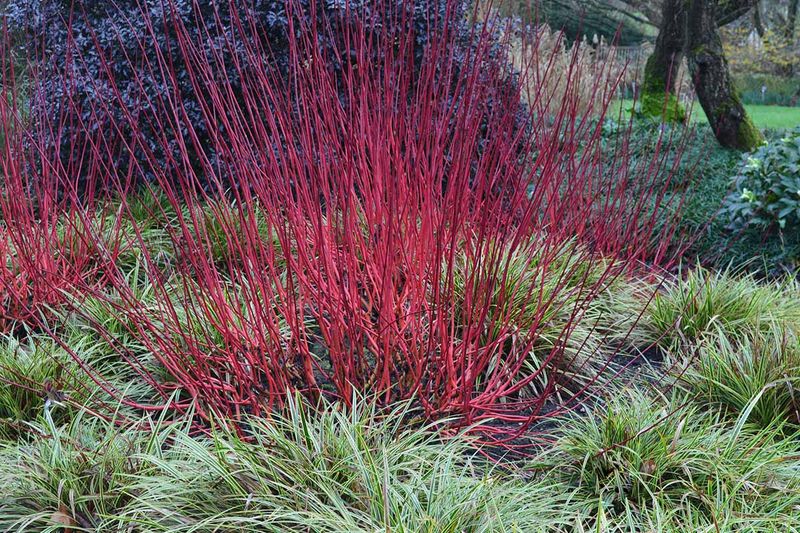
Come late fall, when most of the yard has gone brown and dull, red-twig dogwood lights up with stems the color of a fire truck. Those glowing red branches are not just for show, though the winter interest alone is worth the planting spot.
The dense, upright stems create a protective screen where chickadees can roost out of the wind and slip away from predators. Small white berries in late summer add a food source, and the whole shrub buzzes with insects earlier in the year.
Native to much of the northern United States, red-twig dogwood spreads slowly to form thickets if you let it, which is exactly the kind of messy edge habitat small birds adore. Prune out a third of the oldest stems each spring and the newest growth will glow the brightest. If you want a shrub that pays you back visually while sheltering birds, this one delivers on both counts.
5. Elderberry
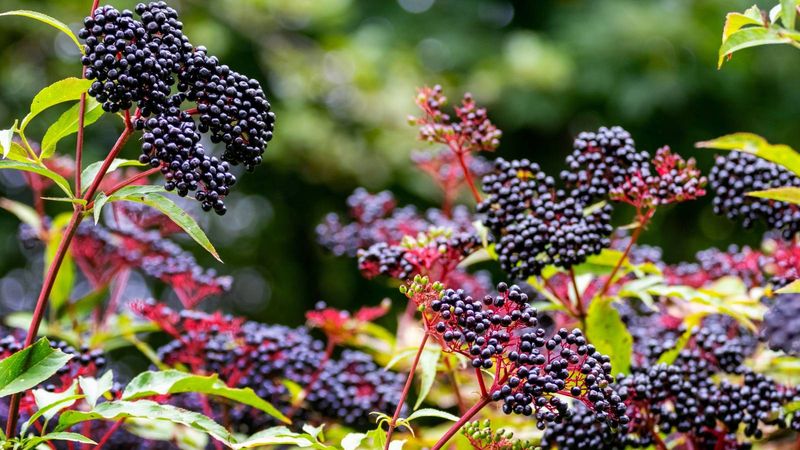
Think of elderberry as a bird buffet that keeps the crowd coming back. Its flat clusters of dark purple berries ripen in late summer and early fall, feeding dozens of songbird species, and the loose, arching branches give chickadees a jungle gym of perches.
What really sells elderberry for chickadee fans is the insect activity. The plant hosts a parade of bugs and larvae, and since chickadees feed those protein-packed insects to their young, an elderberry patch can quietly boost your local nesting population.
It grows fast, sometimes surprisingly so, filling a bare corner in just a couple of seasons. Give it moist soil and a bit of room to sprawl, then cut it back hard every few years to keep it dense and productive. A single well-placed elderberry can turn a quiet fence line into the busiest spot in your backyard.
6. Arrowwood Viburnum
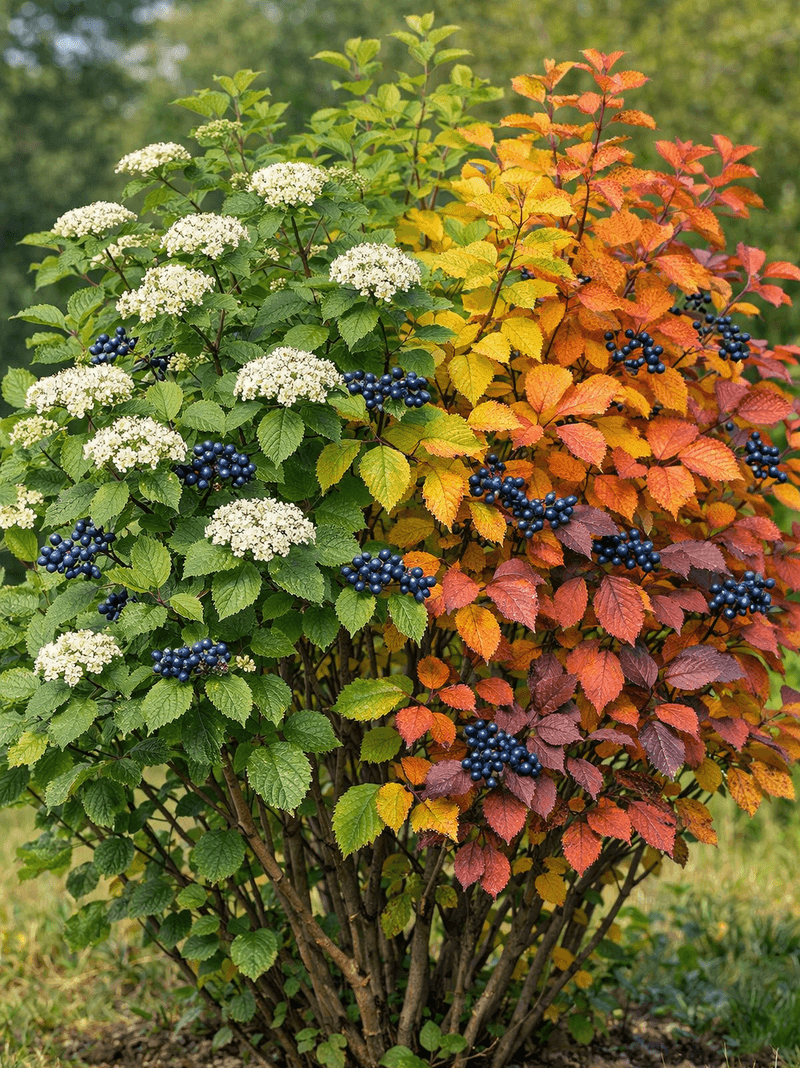
Reliability is the quiet superpower of arrowwood viburnum. It flowers, fruits, and colors up in fall without demanding much fuss, and its blue-black berries are a fat-rich snack that helps birds pack on the reserves they need for cold nights.
The name comes from its straight, slender shoots, which Native Americans once used to make arrow shafts. That same dense, twiggy growth is what makes it such a welcoming spot for chickadees to shelter and forage between trips to your feeder.
Hardy across a wide swath of the eastern and midwestern states, arrowwood tolerates clay, part shade, and neglect. Plant two or more nearby for better berry production, since cross-pollination bumps up the fruit. If you want one shrub that checks the boxes for cover, food, and easygoing care, arrowwood viburnum rarely disappoints.
7. Chokeberry (Aronia)
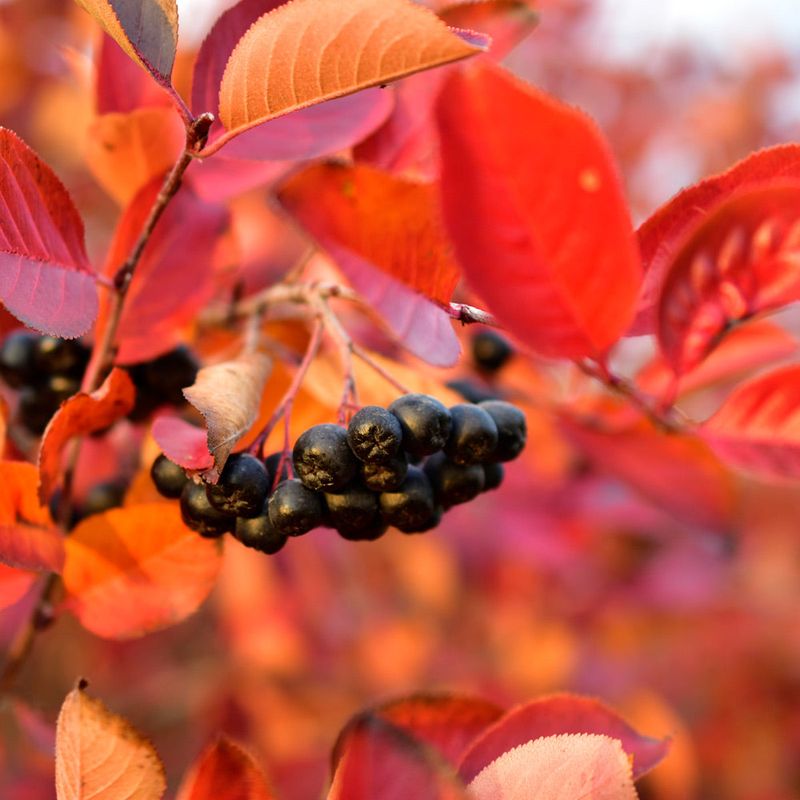
Do not let the unfortunate name scare you off. Chokeberry, also sold as aronia, produces glossy dark fruit that lingers on the branch well into winter, offering a steady food supply exactly when chickadees need it most.
Birds tend to leave the berries alone until the fruit softens and other options run low, which means chokeberry acts like a backyard pantry stocked for the lean months. Meanwhile, the shrub delivers some of the most spectacular scarlet fall foliage you can grow.
Compact and well-behaved, chokeberry fits smaller yards and raised bed borders without crowding out its neighbors. It handles wet feet, dry spells, and cold with equal patience across the northern and central United States. Pair its brilliant leaves with a nearby feeder and you build a little station where chickadees can eat, hide, and rest all in one spot.
8. Common Juniper
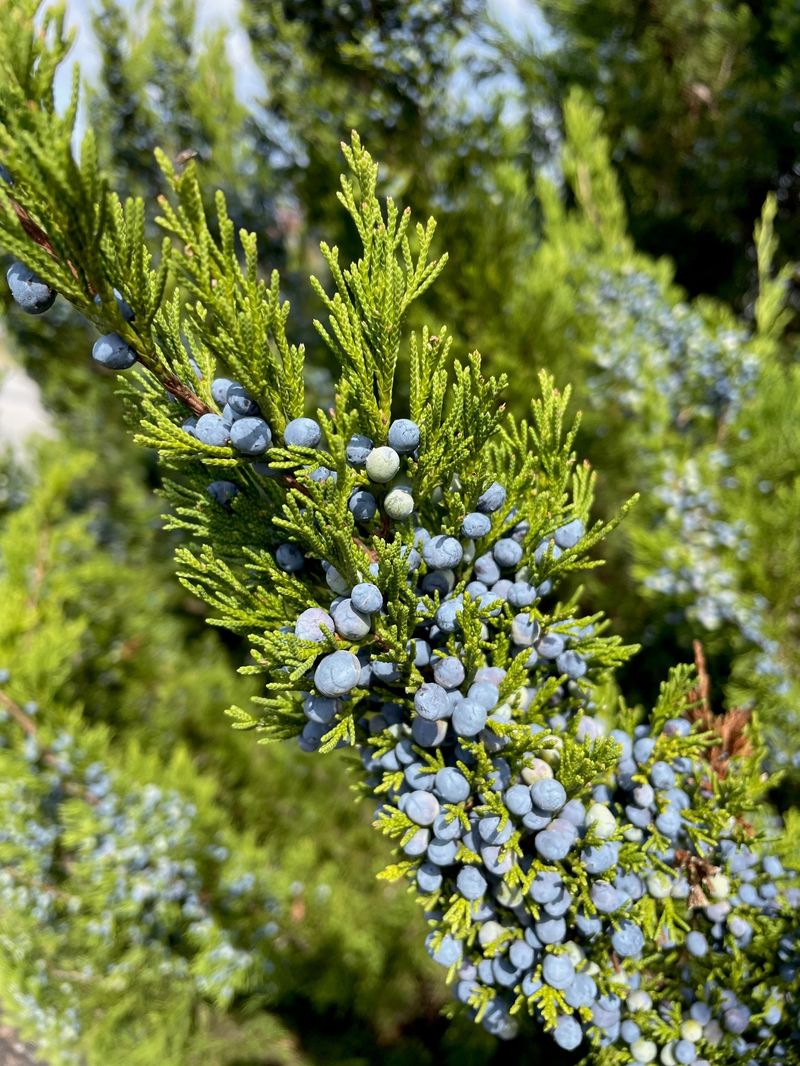
When a bitter wind howls through the yard, chickadees need a place that blocks it, and few shrubs do that better than a dense evergreen juniper. Its needled branches stay full all winter, creating a snug windbreak and roost when leafy shrubs stand bare.
The frosty blue-gray berries, technically tiny cones, hang around for a long season and give birds a nibble on the harshest days. More importantly, that year-round greenery is prime hiding cover, and a chickadee that feels safe is a chickadee that stays.
Juniper thrives in poor, rocky, dry soil where pampered plants give up, and it grows across a huge range of the United States. Low spreading types work as ground-level shelter, while upright forms make a tidy living screen. Set one on the windward side of your feeder and you give chickadees a reason to weather the winter right in your backyard.