
13 Things To Do The Moment Your Hydrangeas Wilt In August Heat (And 3 Panic Moves To Skip)
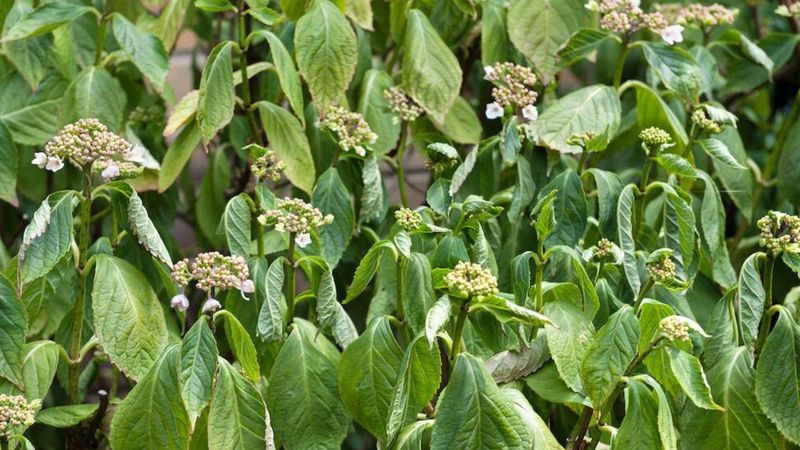
Few things make a gardener panic faster than walking outside in August and finding hydrangea leaves flopped over like wet towels. The good news is that most heat wilt looks scary but fixes fast once you know what to do.
Some moves rescue your plant in hours, while a few common reactions actually make things worse. Here are 13 smart steps to take the second your hydrangeas droop, plus 3 panic moves you should skip.
1. Water Deeply Early in the Morning
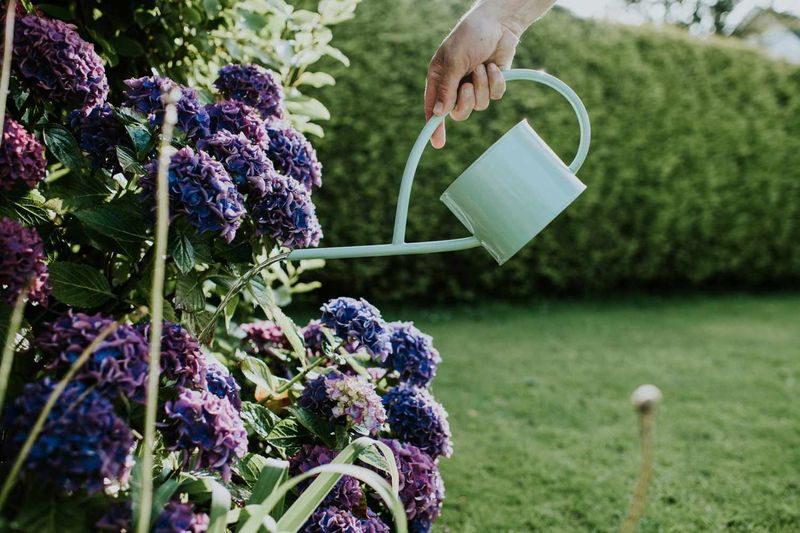
Beat the sun to the punch. Watering slowly and deeply at the soil level first thing in the morning gives your hydrangea a full reservoir to draw from before the temperature climbs.
Morning moisture soaks in before it can evaporate, so the roots get a real drink instead of a splash that vanishes by noon. Aim the water right at the base, not over the leaves, and let it run long enough to reach several inches down.
Get into this habit during a heat wave and you may notice the afternoon flopping gets less dramatic each day. A well-watered plant simply has more to lose before it starts to sag.
2. Perform the Finger Test for Soil Moisture
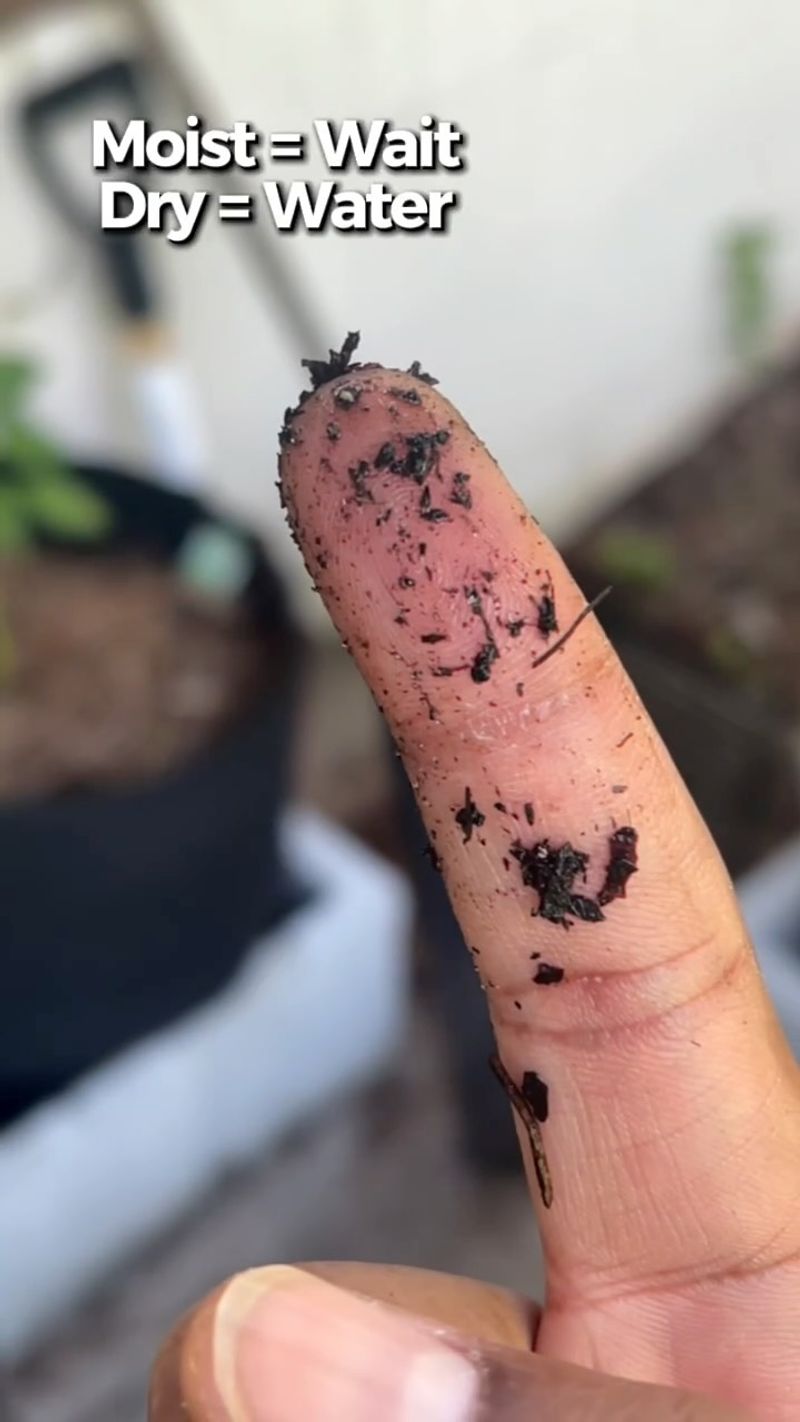
Before you grab the hose in a frenzy, let your hand do the diagnosing. Push a finger two to four inches into the soil near the drip line and pay attention to what you feel.
Cool and slightly damp soil tells you the wilt is heat stress, not thirst, and your plant will likely perk up on its own by evening. Dry, crumbly soil is the real signal that watering is overdue.
Skipping this quick check is how gardeners accidentally drown a plant that was never dry to begin with. Thirty seconds of poking around saves you from soggy roots and root rot down the line.
3. Provide Temporary Afternoon Shade
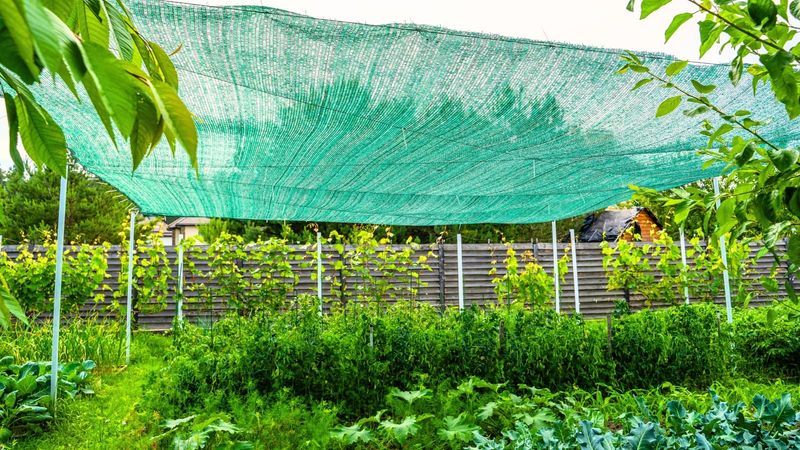
Somewhere between 2 and 5 in the afternoon, the sun turns brutal, and that is exactly when hydrangeas throw in the towel. Blocking those harsh rays for a few hours can stop the wilt before it fully sets in.
Reach for whatever you have on hand, whether it is a patio umbrella, a folding lawn chair leaned just so, or a length of shade cloth on stakes. You are not aiming for total darkness, just a break from the fiercest light.
Even a couple hours of relief lets the roots catch up with the leaves. Once the worst of the day passes, your plant should ease back to standing on its own.
4. Apply a Thick Layer of Organic Mulch
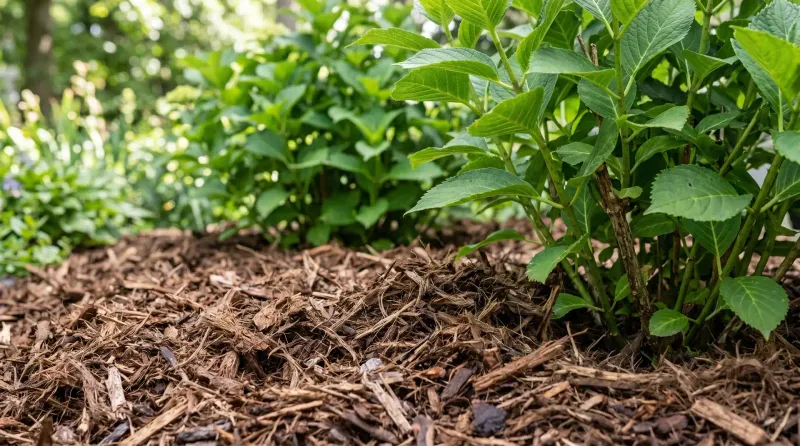
Think of mulch as a cozy blanket that works in reverse, keeping the roots cool instead of warm. A two to four inch layer of wood chips, shredded bark, compost, or leaf mold insulates the soil and slows evaporation to a crawl.
The difference is real: mulched soil can stay noticeably cooler and hold moisture far longer than bare ground baking in the sun. That steady dampness is what keeps your hydrangea from crashing every afternoon.
One rule to remember is to keep the mulch a few inches back from the stems. Piling it against the base traps rot-friendly moisture right where you do not want it.
5. Switch to Slow, Deep Watering Techniques
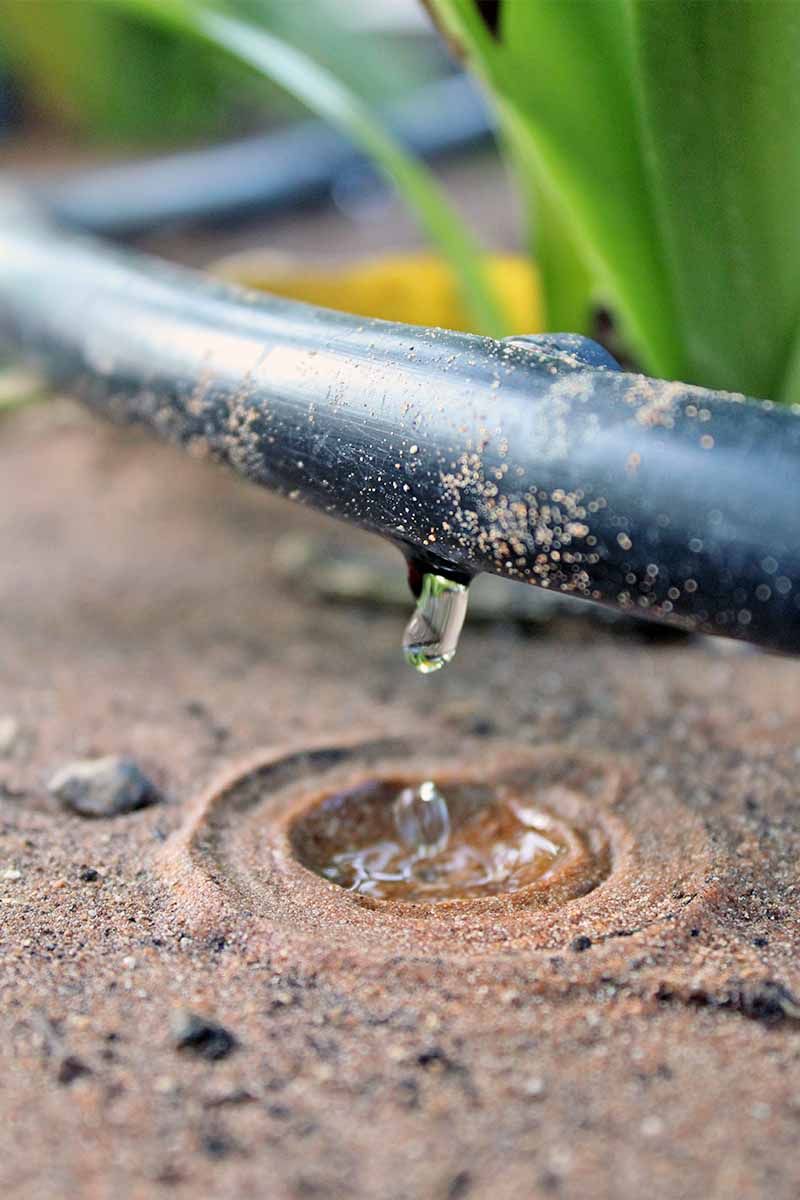
Quick sprinkles feel productive, but they only wet the top layer and trick you into thinking the job is done. Slow, deep watering is what actually reaches the root zone and builds a tougher plant.
Soaker hoses, drip lines, or even a slow-flow watering can deliver moisture gradually so it sinks instead of running off. Roots respond by growing deeper, chasing that lower water and becoming far more heat resilient over time.
Picture a plant with shallow roots versus one reaching a foot down during a July scorcher. The deep-rooted one shrugs off the heat while the shallow one wilts by lunch.
6. Cool the Surrounding Microclimate
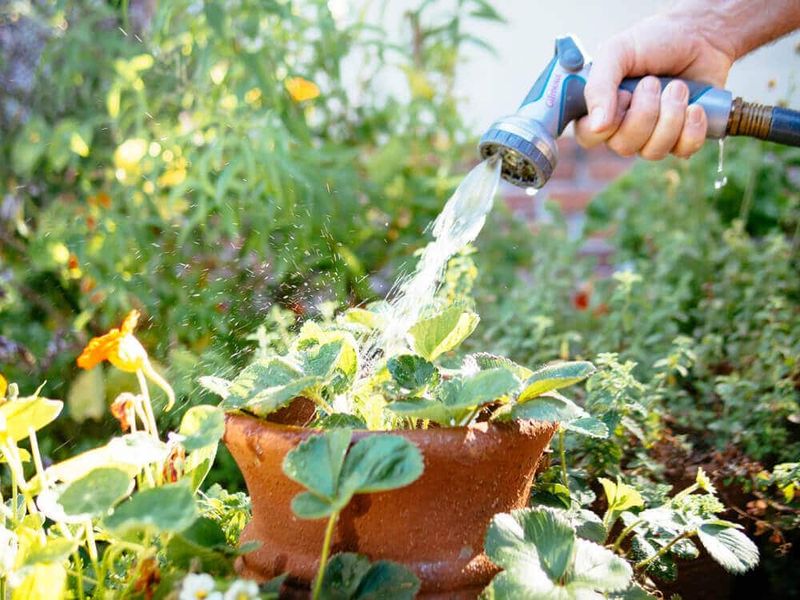
Ever notice how a splash of water on hot pavement sends up a cool little breath of air? That same trick can take the edge off the heat around your hydrangeas.
Wetting nearby hot surfaces like a stone path, a patio, or landscape rocks pulls heat out of the air through evaporation. The temperature dip is subtle, but during a heat wave every degree of relief counts for a stressed plant.
Hydrangeas tucked near reflective hardscape suffer the most, so this move is especially handy for them. A quick hose-down of the surrounding area buys your plant a gentler afternoon.
7. Reduce Stress by Removing Some Blooms
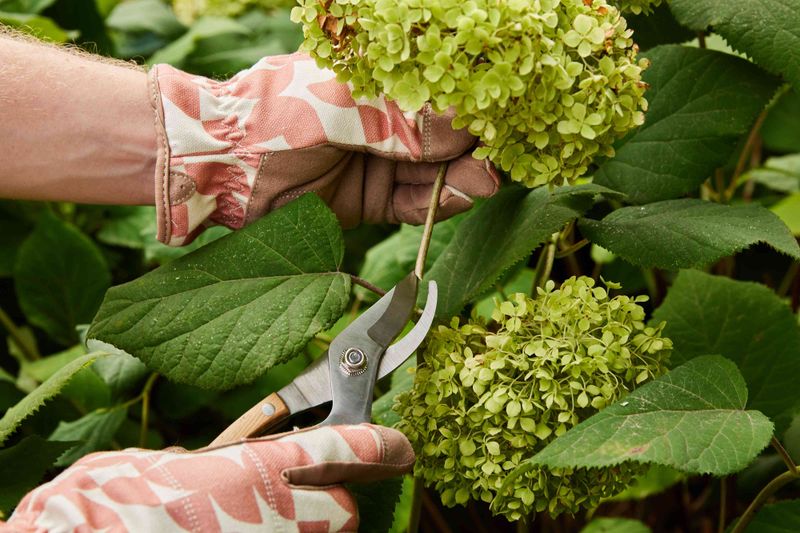
Those big showy flower heads come at a cost, and in a heat wave that cost is water. Every bloom is basically a straw pulling moisture the plant desperately needs elsewhere.
Snipping off some spent or clearly struggling blooms frees up water and energy for survival. You are not scalping the plant, just easing its workload during the hardest stretch of summer.
It can feel counterintuitive to cut flowers when you planted hydrangeas for the flowers. But a plant that pulls through August healthy will reward you with plenty more blooms later.
8. Move Potted Hydrangeas to a Cooler, Shaded Location
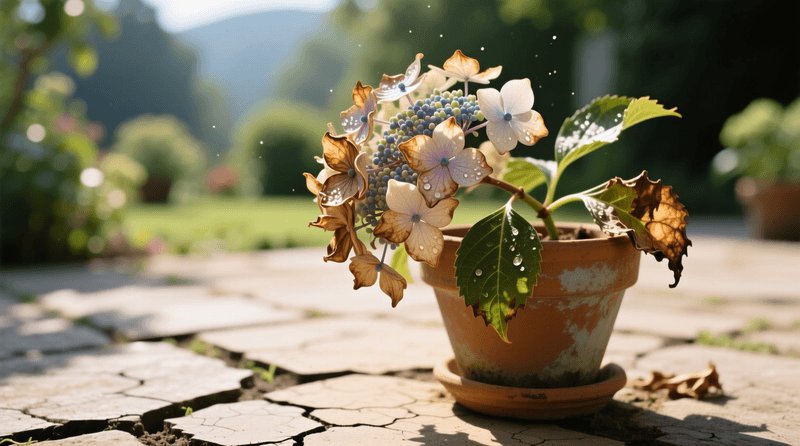
Potted hydrangeas live life on hard mode when the heat rolls in. With so little soil to buffer them, their roots warm up fast and dry out faster than anything planted in the ground.
The simplest fix is also the easiest: pick up the pot and carry it somewhere shaded during a heat wave. A spot under a tree, on a covered porch, or against a north-facing wall works wonders.
Because containers heat and cool quickly, a move like this shows results within a day. Once the heat wave breaks, you can slide the pot back to its usual sunny home.
9. Increase Watering Frequency for Potted Hydrangeas
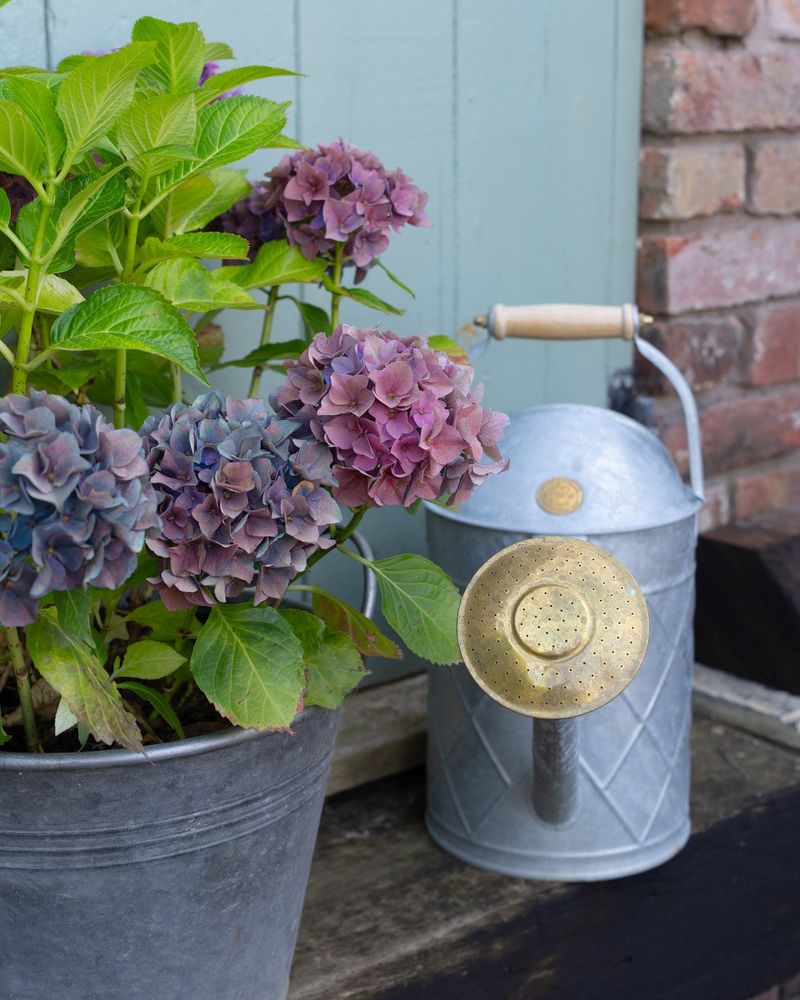
A hydrangea in a pot can go from happy to droopy between breakfast and dinner. Limited soil means limited water storage, and August sun drains that supply in a hurry.
During summer heat, check your potted plants every single morning by sticking a finger into the top inch of soil. Many will need a drink daily, and some in small or dark containers may even ask for a second check in the evening.
Consistency matters more than volume here. A pot that swings from bone dry to flooded stresses the roots, while steady daily moisture keeps everything calm and standing tall.
10. Use Lighter-Colored Pots for Container Hydrangeas
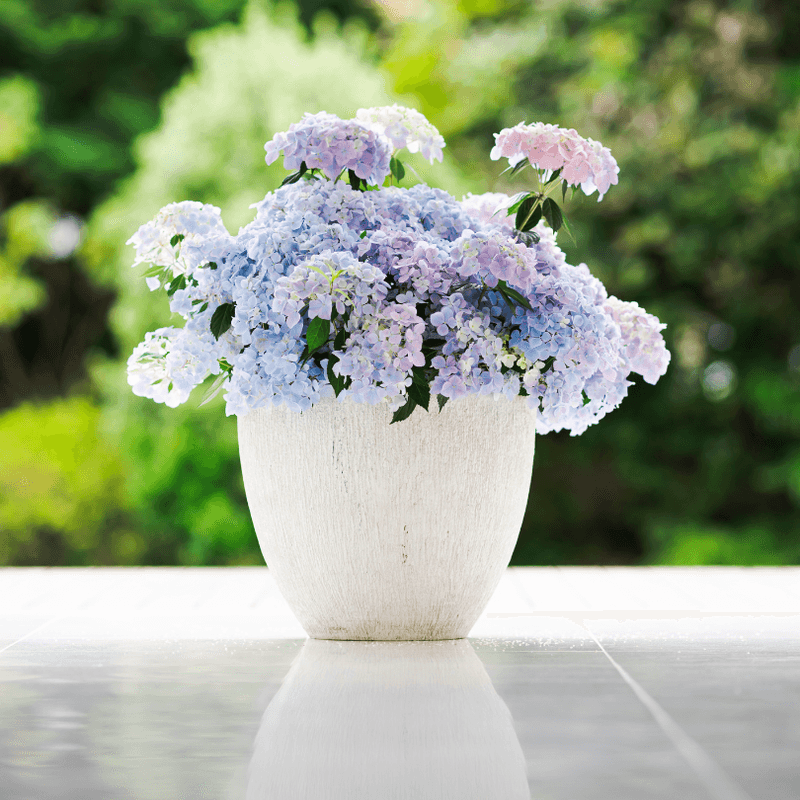
Color is doing more work in your garden than you might think. A dark pot soaks up sunlight and roasts the roots inside, while a light one bounces those rays right off.
Swapping a black or deep-toned container for a white, cream, or pale terracotta pot keeps the soil measurably cooler. Cooler soil holds moisture longer and spares the roots from cooking on a scorching afternoon.
If you are shopping for new pots anyway, this is an easy upgrade with lasting payoff. And if you love a dark pot for looks, tucking it into shade helps offset the heat it absorbs.
11. Implement a Slow-Release Hydration Hack
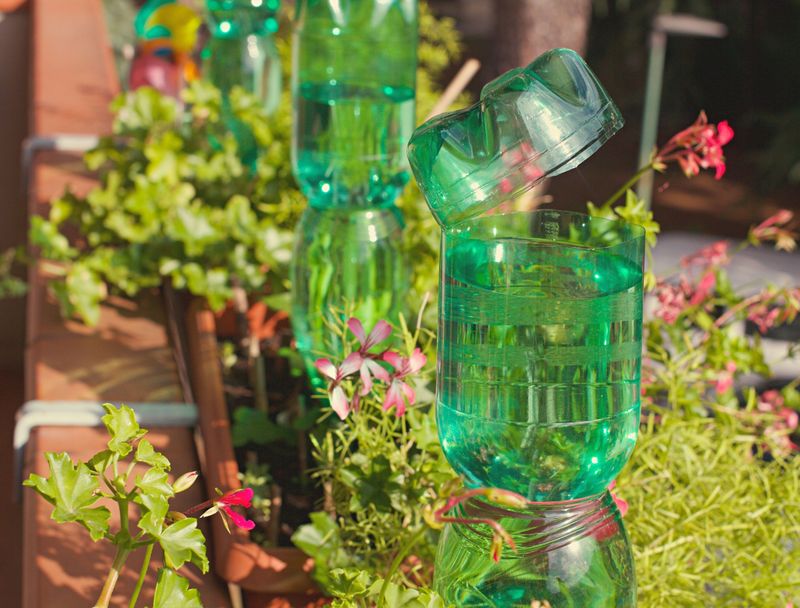
Here is a scrappy trick that costs nothing but an empty water bottle. Cut the bottom off, poke a few small holes near the cap, and bury it upside down in the soil near the roots.
Fill it up and the water seeps out slowly, feeding moisture straight to the root zone over hours instead of minutes. It is like a tiny drip system you built from the recycling bin.
Gardeners love this hack for hydrangeas because those thirsty roots crave steady, deep hydration rather than surface splashes. Refill the bottle each morning during a heat wave and let it quietly do the work while you are away.
12. Group Potted Hydrangeas Together
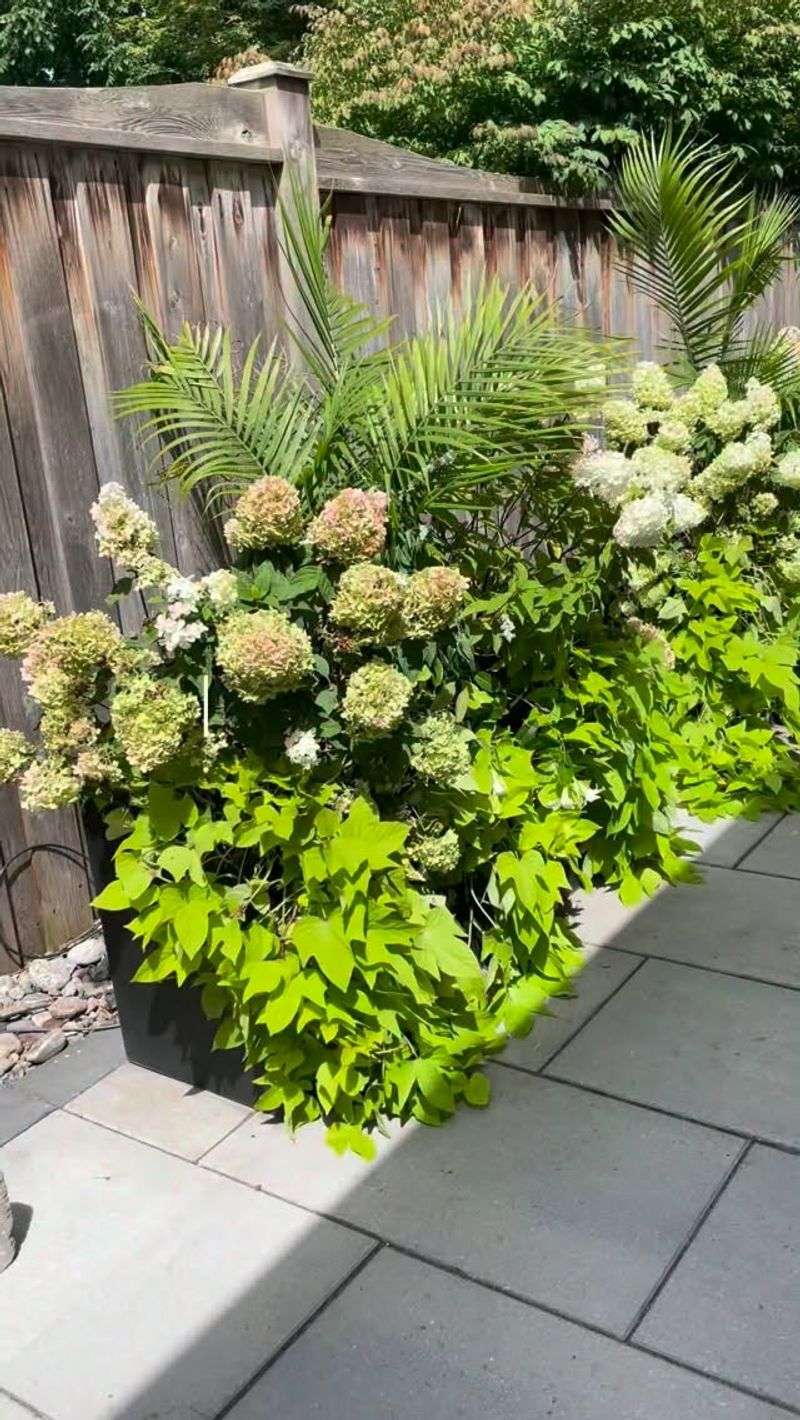
Plants are a little like people at a summer barbecue, more comfortable clustered together than standing alone in the sun. Bunching your potted hydrangeas side by side creates a shared pocket of cooler, more humid air.
As each plant releases moisture through its leaves, the group raises the humidity around them and shades one another’s containers. The result is a mini microclimate that softens the heat for everyone in the cluster.
Grouping also makes your morning watering rounds faster since everything sits in one spot. Fewer scattered pots means fewer forgotten drinks on a busy hot day.
13. Mist Foliage in the Early Morning or After Sunset
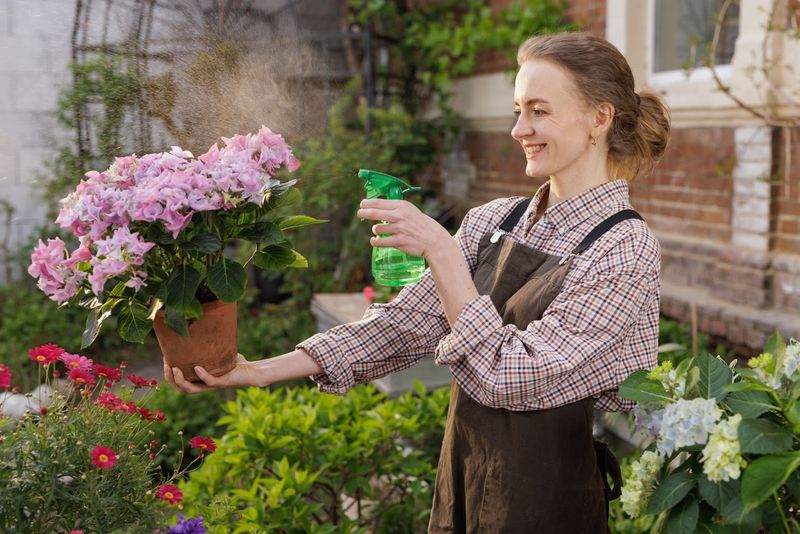
A light mist over the leaves can cool your hydrangea and bump up the humidity it loves. Timing is everything, though, so save this for the calm hours of early morning or after the sun goes down.
Misting at those times refreshes the foliage without the risk that comes with midday sun. During the day, water droplets can act like tiny magnifying glasses and scorch the very leaves you are trying to help.
Keep it gentle and occasional rather than a daily soaking of the leaves. The goal is a cooling boost, not wet foliage sitting all night, which can invite fungal trouble.
14. Skip This: Pruning During Heatwaves
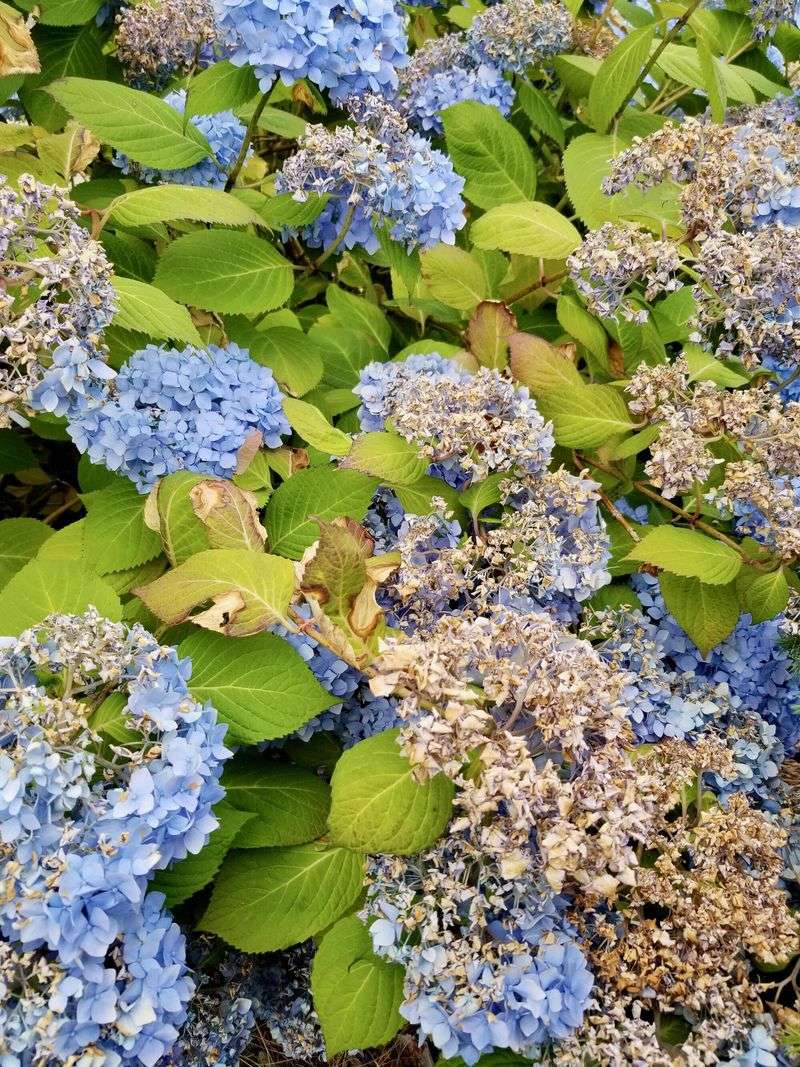
When leaves are drooping, grabbing the shears feels like taking charge, but resist the urge. Cutting stems in extreme heat strips away stored moisture and forces the plant to spend precious energy healing wounds instead of surviving.
A stressed hydrangea has no spare resources for recovery pruning. Every cut is one more thing it has to seal up while already struggling to stay hydrated.
Hold off until the weather cools and the plant bounces back. Proper pruning done at the right time helps your hydrangea, but pruning mid-heatwave only piles on the stress.
15. Skip This: Fertilizing Stressed Plants
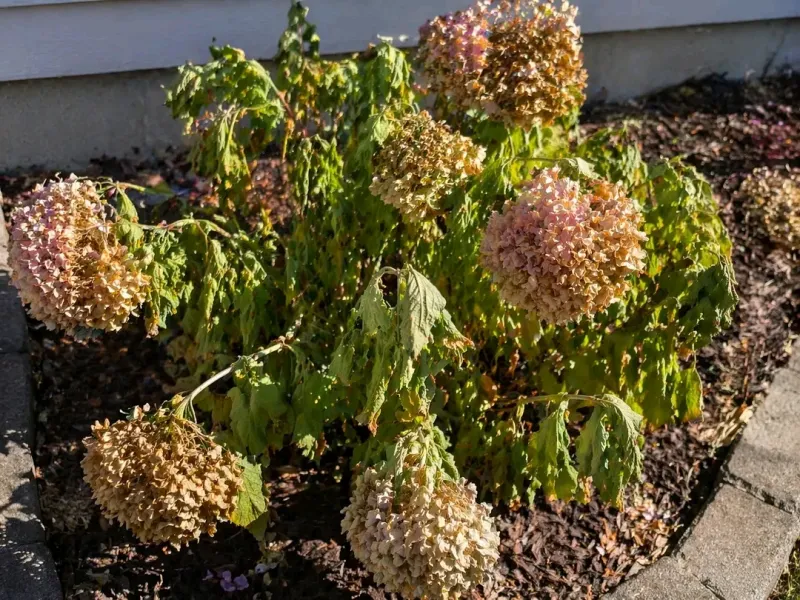
It is tempting to reach for a feeding when a plant looks weak, as if food will nurse it back to health. With a heat-stressed hydrangea, that instinct backfires badly.
Fertilizer pushes a plant to grow at the exact moment it needs to conserve, and the salts can burn already fragile roots and leaves. You end up adding injury to an overwhelmed plant instead of helping it.
Wait until temperatures drop and you see clear signs of recovery, like leaves holding firm through the afternoon. Feed a healthy, rested plant and it can actually use the boost.
16. Skip This: Watering or Misting Leaves in the Middle of the Day
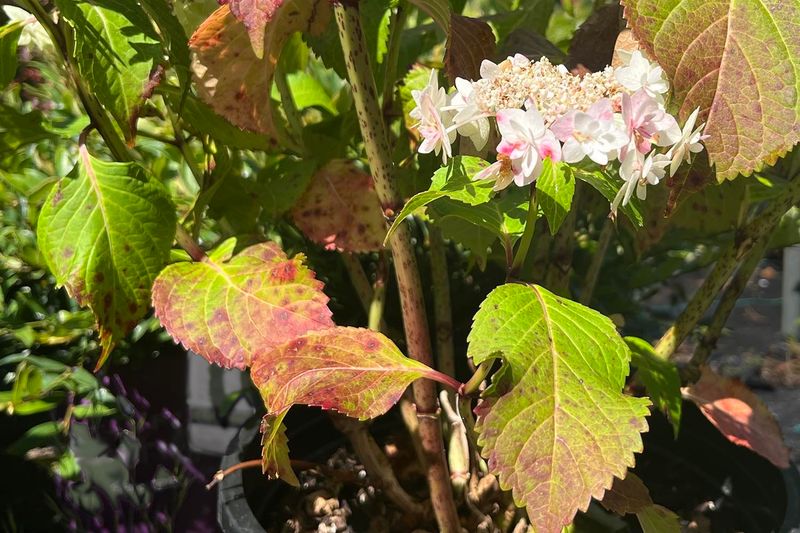
Midday watering feels like the obvious rescue when your plant is gasping in the sun, yet it wastes water and risks harm. Much of what you pour evaporates off hot leaves before it ever reaches the roots that need it.
Worse, droplets clinging to foliage can focus the sun’s rays and leave scorch marks across the leaves. You could end up with burnt spots on top of the wilting you started with.
Point your watering to the soil in the cool morning hours instead, and let afternoon wilt ride itself out. If a plant looks rough at 3 p.m. but stands tall by evening, it never needed that midday drink.