
22 Reasons Your Tomato Leaves Are Curling (And The Quick Fixes That Straighten Them Out)
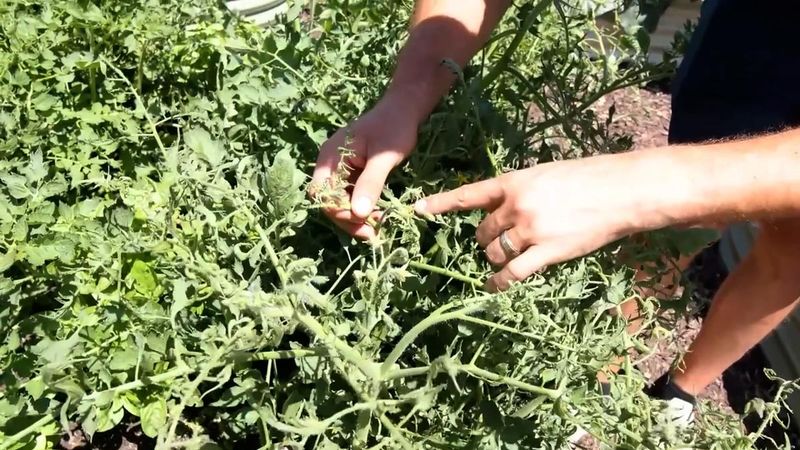
Walk out to your garden, spot your tomato leaves twisting and curling, and your stomach drops. Is the plant dying?
The good news is that curling leaves are usually your tomato’s way of waving a flag about something fixable, and most causes are easy to spot once you know what to look for. Below you will find 22 reasons behind those curling leaves, along with simple fixes you can start today to help your plants bounce back.
1. Heat Stress and Too Much Sun
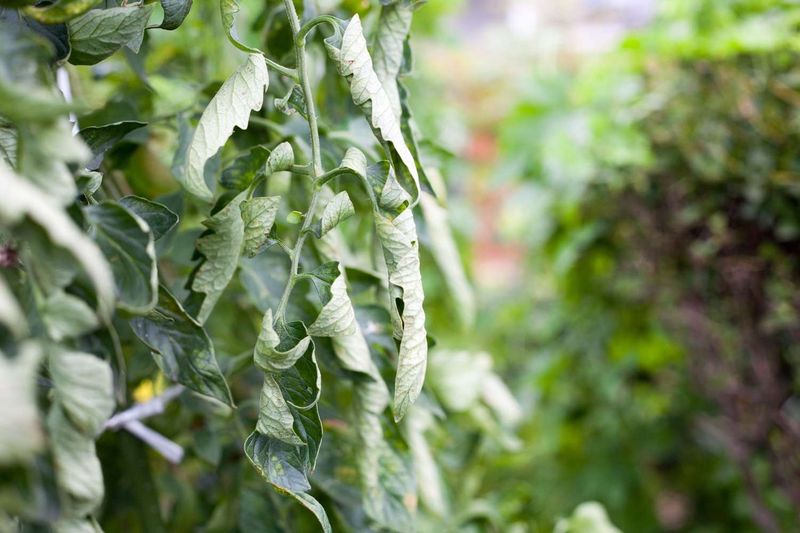
When the thermometer climbs past 90 degrees Fahrenheit and the afternoon sun beats down hard, your tomato plants pull a clever survival trick. Their leaves curl upward and inward to shrink the surface area exposed to that blazing light.
Think of it as your tomato putting up its own tiny umbrella. It is trying to hold onto water and avoid frying under the UV rays.
The leaves may look leathery and rolled, but the plant itself is often just fine.
To help out, drape a shade cloth or garden net over your plants during the hottest stretch of the day, usually between noon and four. Keep the watering consistent, ideally early in the morning, so the soil stays moist and the roots have plenty to draw from when the heat spikes.
2. Underwatering and Drought Stress
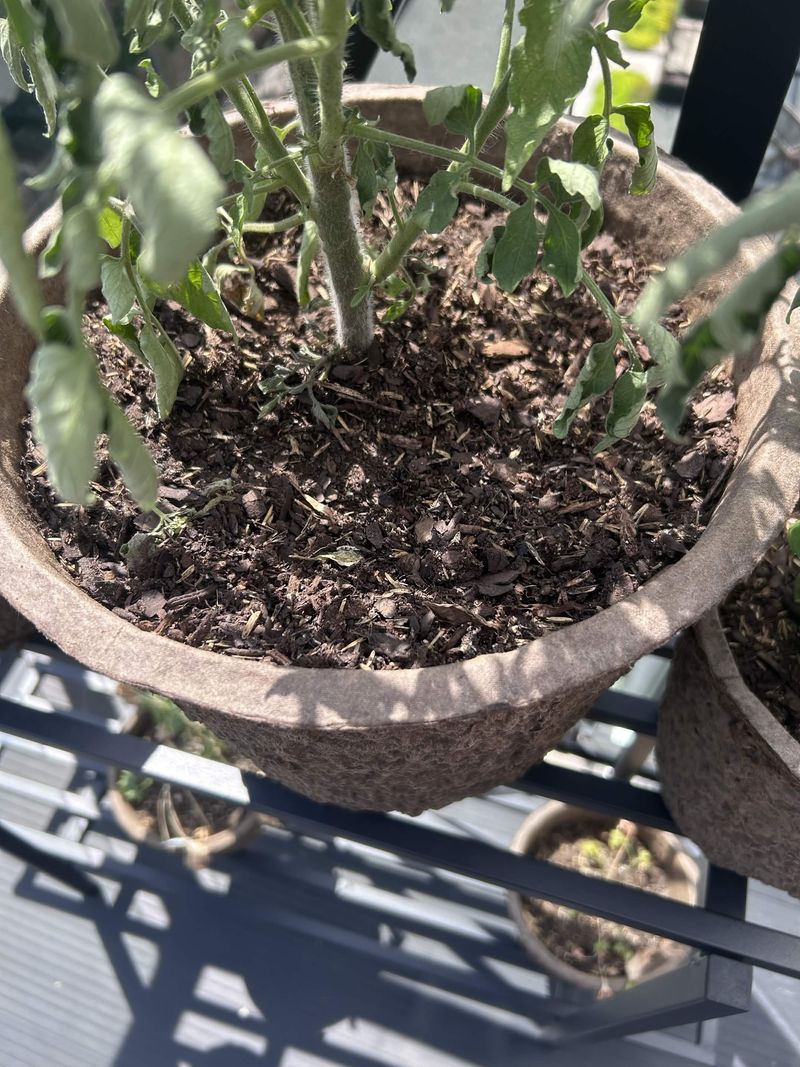
A thirsty tomato speaks up loud and clear. When roots cannot find enough moisture, the leaves roll inward and upward to slow down water loss through their pores.
Container plants are the biggest culprits here since pots dry out far faster than garden beds, sometimes needing water twice a day in peak summer. If your soil feels dusty two inches down, your plant is running on empty.
Deep, consistent watering is the answer. Aim the hose or watering can at the soil base rather than the foliage, and do it in the early morning so the water soaks in before the sun burns it off.
A layer of mulch around the base works like a sponge, holding moisture in the soil where the roots can reach it long after you have walked away.
3. Overwatering and Soggy Roots
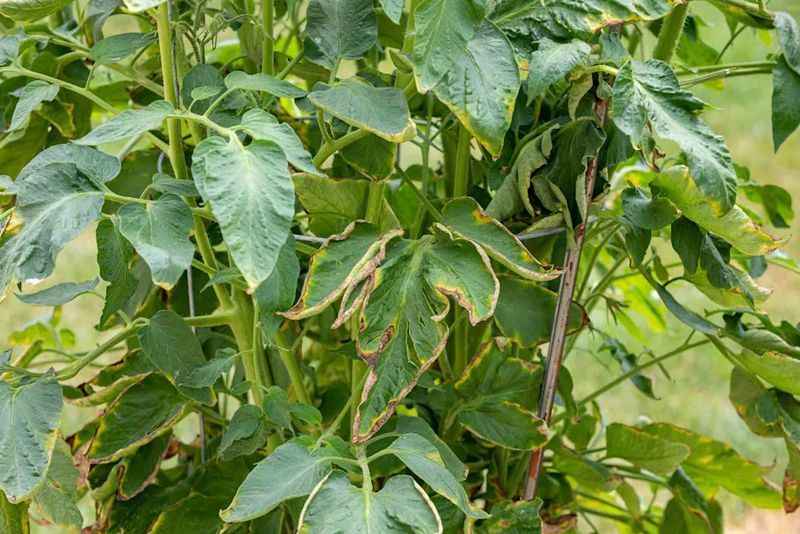
Loving your tomatoes too much with the hose can backfire in a hurry. Soil that stays soggy chokes out the air roots need, and rot sets in, which strangely leaves the plant unable to actually absorb water.
The tell here is different from thirst. Leaves often yellow and curl downward rather than up, and the whole plant may look droopy and sad despite sitting in wet ground.
Well-draining soil is your best defense, so mix in compost or plant in raised beds if water tends to pool. Hold off on watering until the top inch of soil feels dry to the touch.
Your tomatoes would rather run a little thirsty than sit with wet feet.
4. Wind Damage
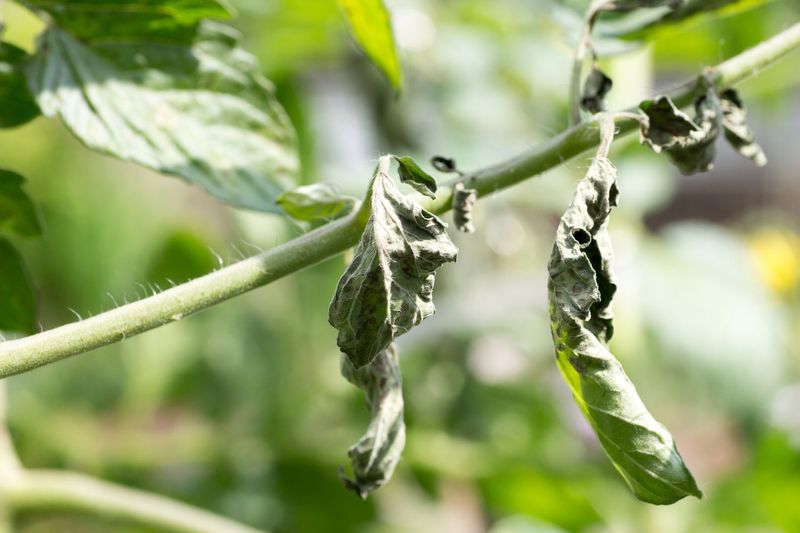
Ever notice how a windy stretch leaves your skin feeling parched? Tomato leaves react the same way.
Strong, dry gusts pull moisture straight out of the foliage, and the leaves curl up as a shield against the drying blast.
Plants growing in open, exposed spots take the hardest hit, especially during hot summer breezes that carry away water faster than the roots can replace it.
Setting up a windbreak makes a real difference. A simple row of stakes with garden fabric, a fence panel, or even taller companion plants can knock down the gusts.
Mulching around the base helps too, keeping soil moisture steady so the roots have a reliable supply to counter the wind’s drying pull.
5. Temperature Fluctuations
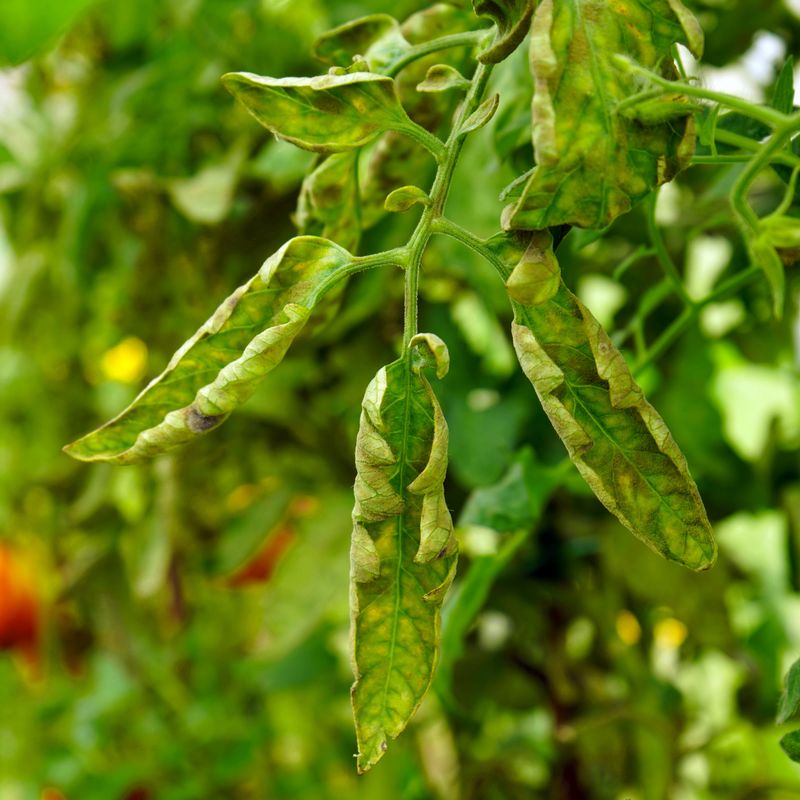
Spring and early summer love to play games with the weather. Warm afternoons followed by chilly nights send tomato plants on a stressful rollercoaster, and rolled leaves are the result.
Rapid swings between day and night temperatures confuse the plant’s inner rhythms, triggering a physiological leaf roll that has nothing to do with disease or pests. It is simply the plant reacting to an unstable environment.
Mulch comes to the rescue once again. A generous layer around the base acts like insulation, keeping soil temperatures more even through the ups and downs.
Steadier roots mean a calmer plant, and calmer plants tend to keep their leaves flat and happy even when the air above them cannot make up its mind.
6. Physiological Leaf Roll
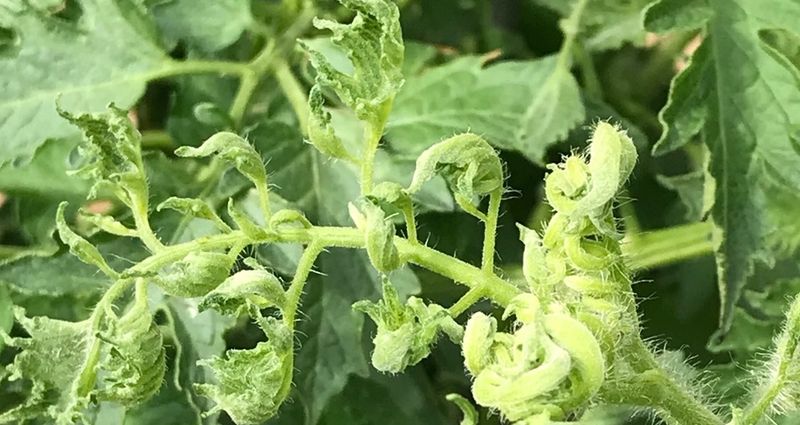
Here is one that scares gardeners for no good reason. Physiological leaf roll shows up as older, lower leaves rolling upward and inward, often turning thick and leathery while staying stubbornly green.
Vine-type indeterminate varieties are especially prone to it, and the plant is simply coping with a combination of heat, uneven watering, or heavy pruning. The reassuring part is that it rarely touches fruit production at all.
Most of the time you can leave it be and your harvest will roll in just fine. If you want to minimize it, stick to deep and consistent watering, lay down mulch, and keep phosphorus levels in a healthy range.
Go easy on high-nitrogen fertilizer and avoid hacking away too many stems at once, since both tend to make the rolling worse.
7. Transplant Shock
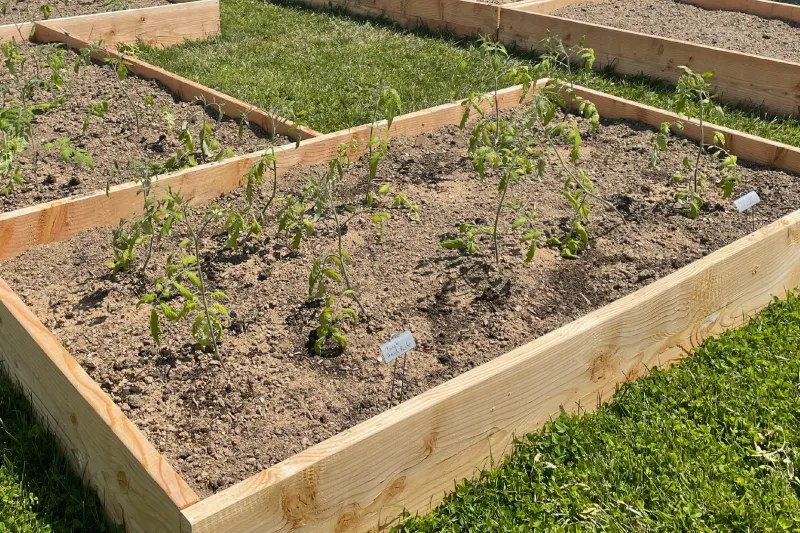
Moving day is stressful for tomatoes too. Seedlings freshly tucked into a new bed often respond with curled leaves as they scramble to adjust, particularly if their roots got jostled during the move.
Picture uprooting from a cozy little cell tray and landing in a big, unfamiliar patch of garden. The plant needs a moment to find its footing, and drooping or rolled foliage is part of that adjustment period.
Keep the soil consistently moist while your seedling settles in, and handle those delicate roots as gently as you can during planting to avoid extra damage. Patience pays off here.
Most transplants shake off the shock and perk right back up within a couple of weeks, no dramatic intervention required.
8. Incorrect Planting Time
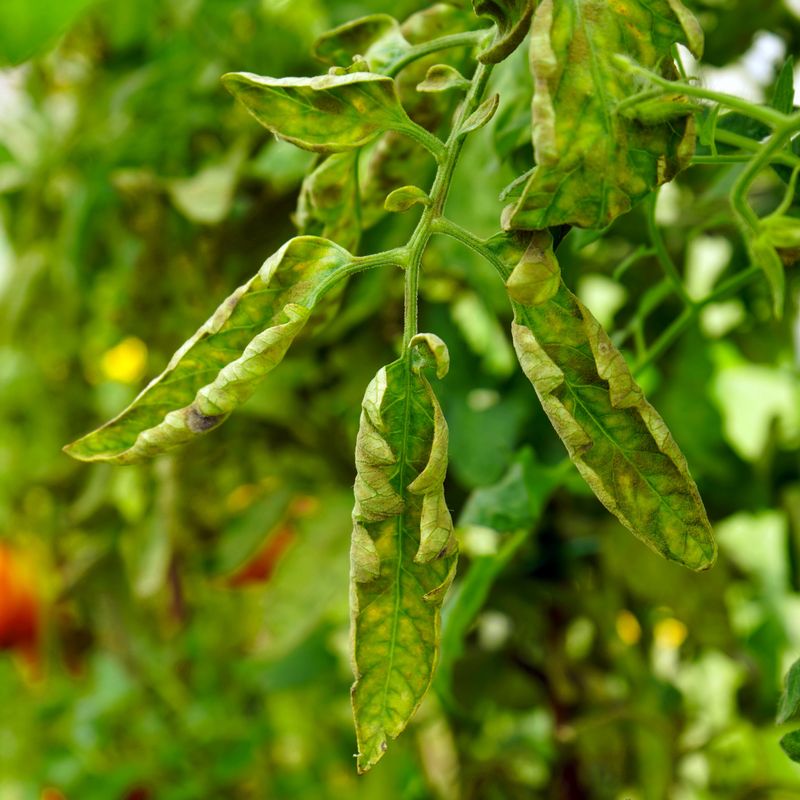
Eager gardeners often jump the gun in spring, and their tomatoes let them know about it. Planting seedlings out while the air is still chilly puts real stress on the young plants, and the lower leaves respond by curling upward and inward.
Tomatoes are warm-weather lovers at heart. Cold soil and cool nights slow everything down and leave the plant sulking instead of settling in.
The fix starts before the plant ever hits the ground. Harden off your seedlings by gradually introducing them to the outdoors over a week or so, then wait until the weather has genuinely warmed and nighttime temperatures stay reliably above the chilly range.
A little patience beats replanting a cold-shocked crop later in the season.
9. Root Damage
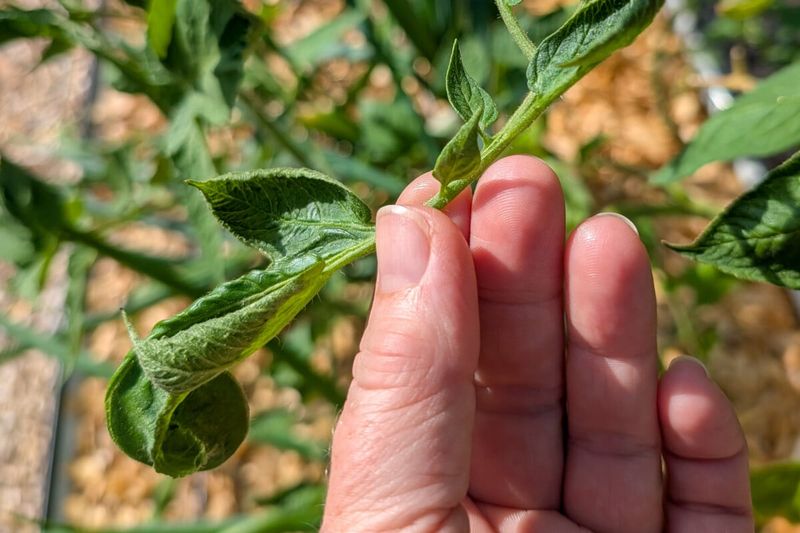
Sometimes the trouble happens below the surface where you cannot see it. Aggressive weeding, hoeing, or tilling too close to your tomato disturbs the shallow feeder roots, and the plant registers that damage as stress showing up in curled leaves.
Those surface roots are the plant’s lifeline for water and nutrients, so tearing through them mid-season is a bit like clipping the plant’s supply cables.
Slow down and cultivate carefully around the base of your tomatoes. Pull weeds by hand when they are close to the stem, and keep the tiller and deep hoe work well away from the root zone.
A thick mulch layer smothers most weeds anyway, which means less digging and far fewer accidental root injuries to worry about in the first place.
10. Over-Pruning
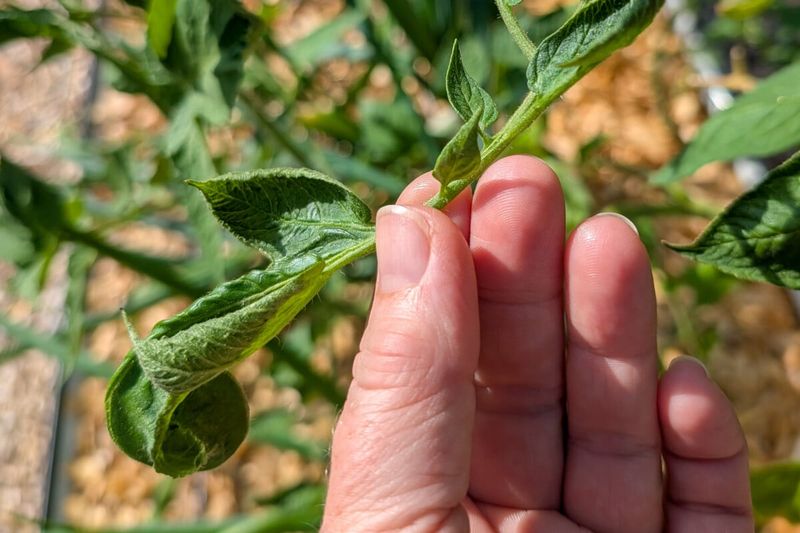
Snip-happy gardeners, this one is for you. Stripping away too many stems or leaves in a single session shocks the plant, and the leaves left behind often curl in protest at the sudden loss.
Pruning has its place, since removing suckers and lower foliage improves airflow and directs energy toward fruit. The problem comes when enthusiasm turns into a full haircut all at once.
Take it slow and steady instead. Remove just a few side shoots or lower leaves at a time, spacing your pruning sessions across days rather than clearing the plant in one go.
Your tomato adjusts much better to gradual changes, and the remaining leaves stay flat and productive instead of curling up in a stress response you could have easily avoided.
11. Excess Nitrogen
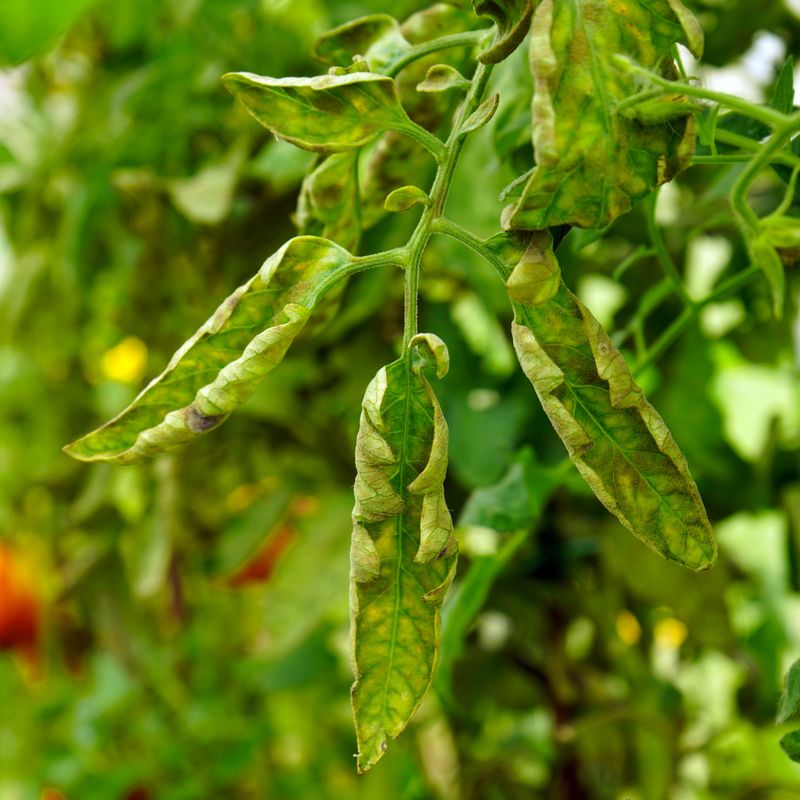
More fertilizer does not always mean a happier plant, and tomatoes prove it. Piling on nitrogen pushes the plant to pump out lush, abundant foliage that the root system simply cannot keep supplied with water and nutrients, so the leaves curl and droop under their own excess.
You end up with a big, leafy, green monster that looks vigorous but is quietly struggling to support all that growth.
A soil test before planting takes the guesswork out and tells you exactly what your ground already holds. Ease off the high-nitrogen feeds, and once your plants start setting fruit, switch over to a fertilizer richer in potassium.
Balanced nutrition keeps the plant focused on producing tomatoes rather than sprawling leaves that curl from being overfed.
12. Potassium Deficiency
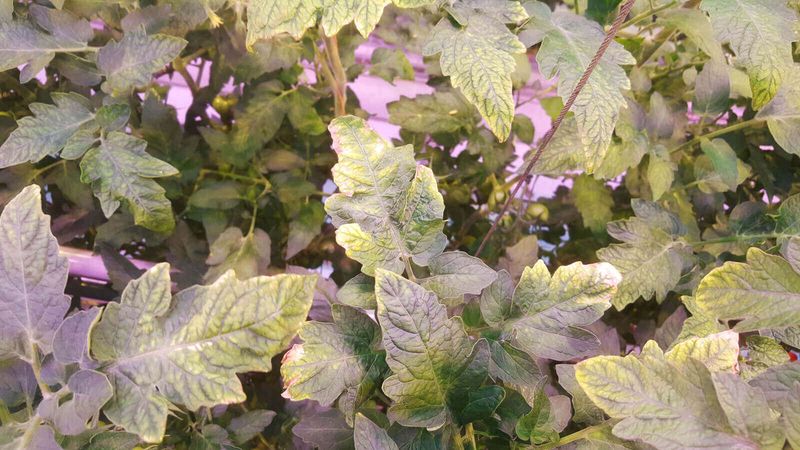
Potassium is one of those behind-the-scenes nutrients that quietly keeps everything running. When your tomato runs short on it, growth stalls, fruit production drops off, and leaves start yellowing or curling, sometimes with scorched-looking edges.
The plant essentially cannot manage its water and energy properly without enough potassium, so it shows the strain through its foliage first.
A soil test confirms whether potassium is truly the missing piece before you start amending blindly. If it is, work in a balanced fertilizer or one weighted toward potassium to top up the shortfall.
Correcting the deficiency not only smooths out those curled, crispy-edged leaves but also helps your plant get back to the business of setting a healthy crop of tomatoes.
13. Phosphorus Deficiency
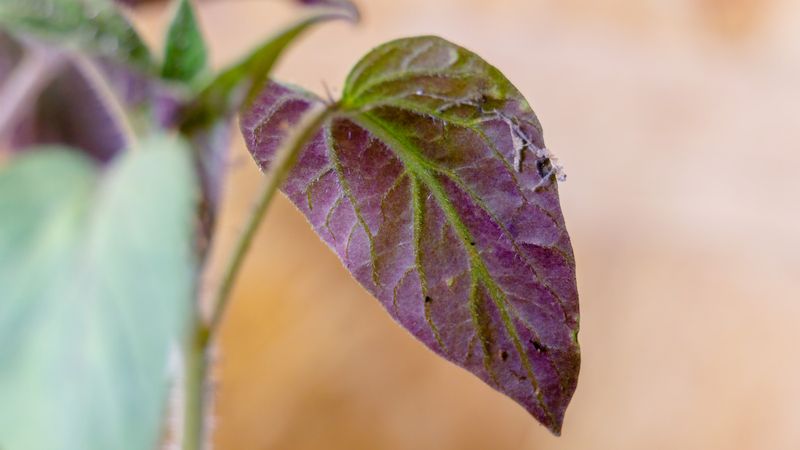
Root development and fruiting both lean heavily on phosphorus, so a shortage tends to hold your whole plant back. Low phosphorus levels stunt growth, shrink your yield, and can leave leaves curling or taking on a yellowed, sometimes purplish tint.
Cold soil early in the season often makes phosphorus harder for the plant to absorb, which is why chilly springs sometimes bring on these symptoms even when the nutrient is present.
Rather than guessing, run a soil test to pin down whether phosphorus is genuinely lacking. When it is, amend the ground with a phosphorus-rich fertilizer to restore the balance.
Giving your tomato the phosphorus it craves supports stronger roots and better fruit set, and it helps those curled, off-color leaves flatten back out over time.
14. Calcium Deficiency
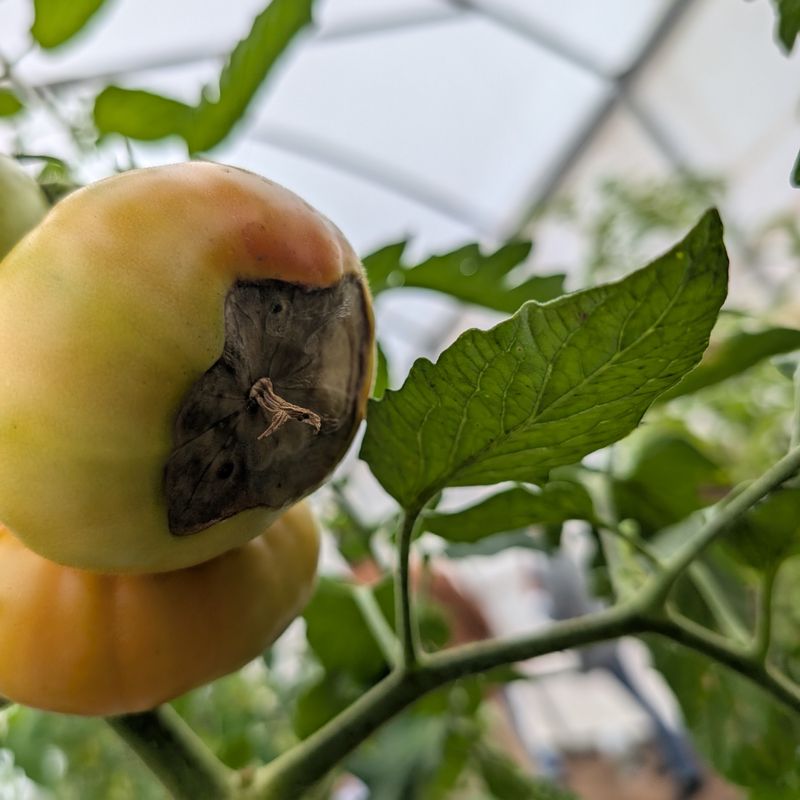
Most gardeners know calcium as the culprit behind blossom end rot, but it messes with leaves too. A calcium shortfall can twist and distort new foliage, causing curling right alongside those sunken black spots on the bottoms of your fruit.
Interestingly, the problem often is not a lack of calcium in the soil but inconsistent watering that prevents the plant from moving it where it needs to go.
Start with a soil test to see whether you truly need to add calcium through amendments like garden lime or gypsum. Just as important, keep your watering steady and even, because reliable moisture is what allows the plant to actually deliver calcium to its growing tips and fruit.
Fix the flow and both the leaf distortion and the end rot tend to ease up together.
15. Magnesium Deficiency
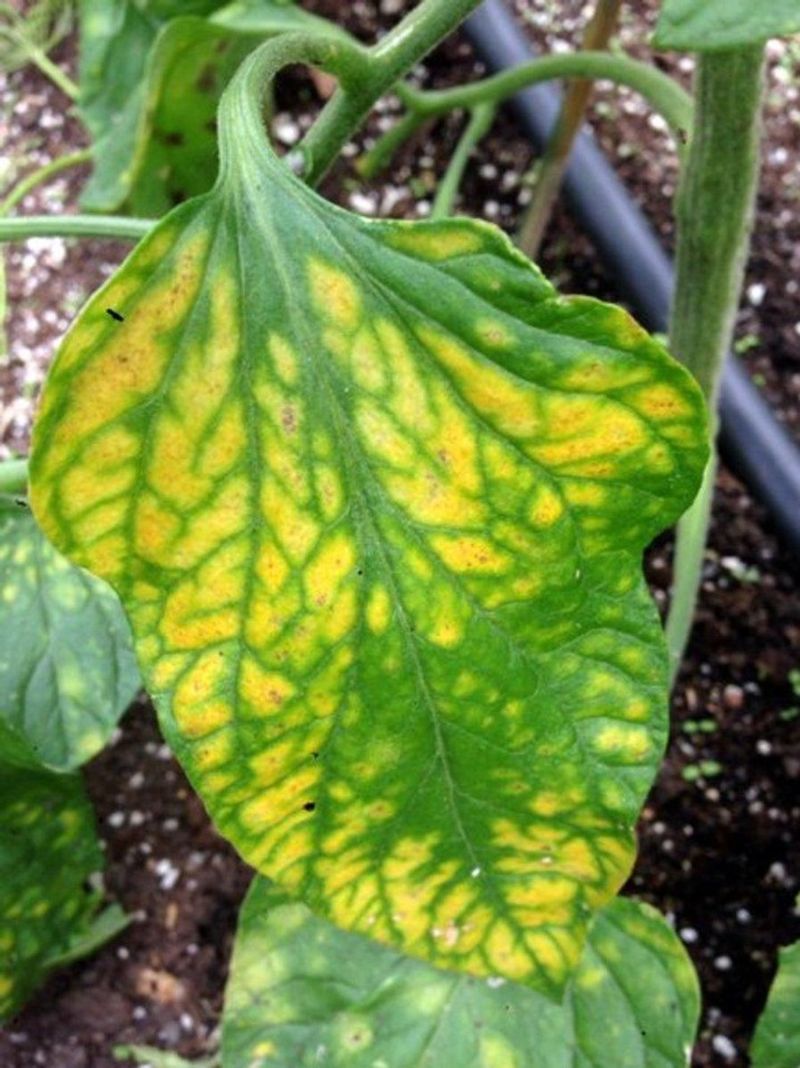
Magnesium sits right at the heart of chlorophyll, the stuff that keeps leaves green and photosynthesis humming. When it runs low, leaf development suffers and curling can creep in, often paired with yellowing between the leaf veins while the veins themselves stay green.
Sandy soils and heavy potassium applications can both nudge magnesium out of reach, so it shows up more often than you might expect.
Let a soil test guide you here rather than reaching for a random remedy. If magnesium is confirmed as the shortfall, a targeted amendment such as Epsom salt worked into the soil can bring levels back up.
Restoring that missing magnesium helps your tomato rebuild healthy green leaves and eases the curling that came from the plant struggling to photosynthesize efficiently.
16. Aphids
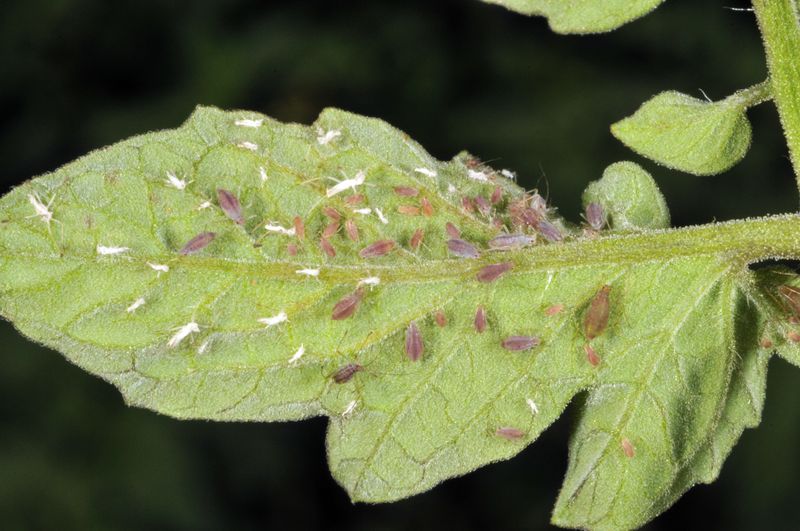
Flip over a curling tomato leaf and you might find the real troublemakers hiding underneath. Aphids are tiny, soft-bodied insects that gather in colonies on new growth and leaf backs, sipping the plant’s juices and leaving the foliage yellowed, curled, and stunted.
They also leave behind a sticky residue called honeydew, which can attract ants and grow sooty mold, so the damage stacks up fast if you ignore them.
A blast from the garden hose knocks a surprising number of aphids clean off the plant, and repeating it every few days keeps their numbers down. For stubborn infestations, insecticidal soap does the job without harsh chemicals.
Better yet, invite their natural enemies to the party, since ladybugs and lacewings feast on aphids and will happily patrol your tomatoes for you.
17. Spider Mites
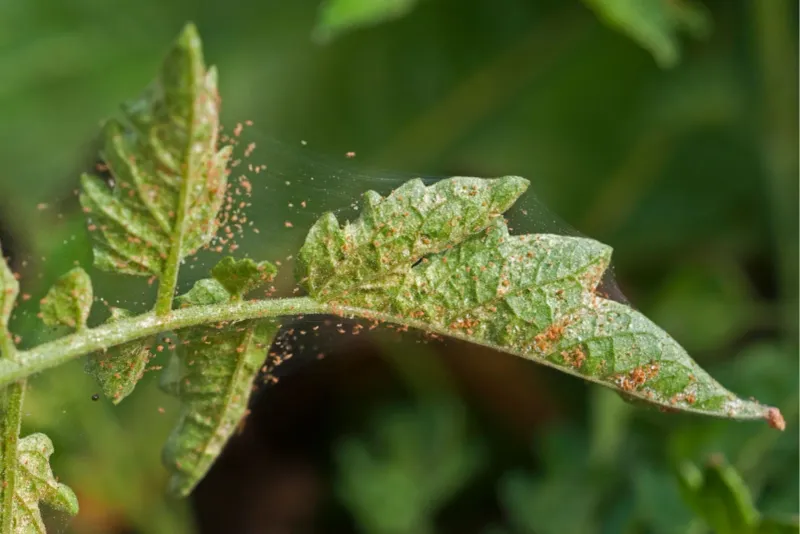
Hot, dry spells bring out a nearly invisible pest that can wreck a tomato before you even spot it. Spider mites are so small you may need a magnifying glass, but their feeding leaves telltale stippling, bronzing, and discoloration that eventually turns into curling and wilting leaves.
Look for fine, silky webbing strung between leaves and stems, a dead giveaway that mites have moved in and multiplied.
Because they thrive in dry conditions, keeping plants well watered and hosing them down with a forceful spray disrupts the colony and washes many away. Insecticidal soap helps knock back heavier populations, and releasing predatory mites turns the tables by unleashing a hungry natural enemy.
Staying on top of moisture during hot stretches is your best long-term shield against these persistent little pests.
18. Whiteflies
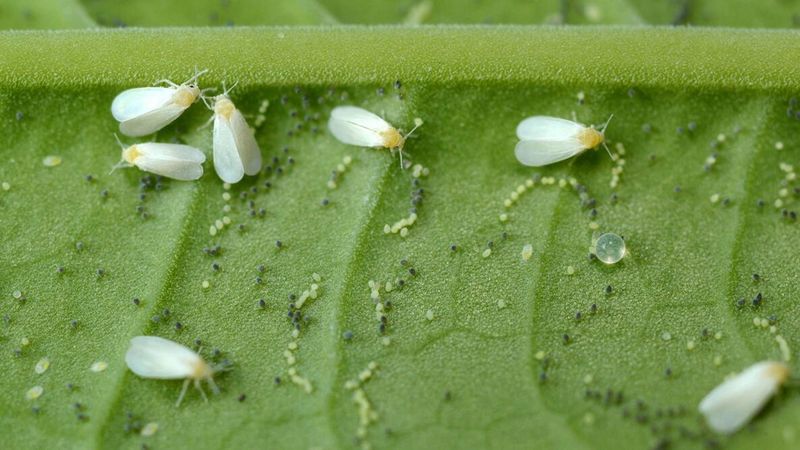
Give a struggling tomato plant a gentle shake and watch for a little cloud of white specks lifting into the air. Whiteflies are tiny winged insects that feed on plant sap, leaving leaves cupped and pale green as they drain the plant’s strength.
The bigger worry is that whiteflies act as couriers for plant viruses, spreading disease from one tomato to the next as they flit around your garden.
Spraying the undersides of leaves with water or horticultural oil helps control heavier infestations where the pests like to hide. Beneficial insects such as ladybugs make a dent in their numbers too, and laying down reflective mulch confuses the flies and discourages them from landing.
Tackling whiteflies early does double duty by cutting down both the direct feeding damage and the viruses they carry.
19. Tomato Russet Mites
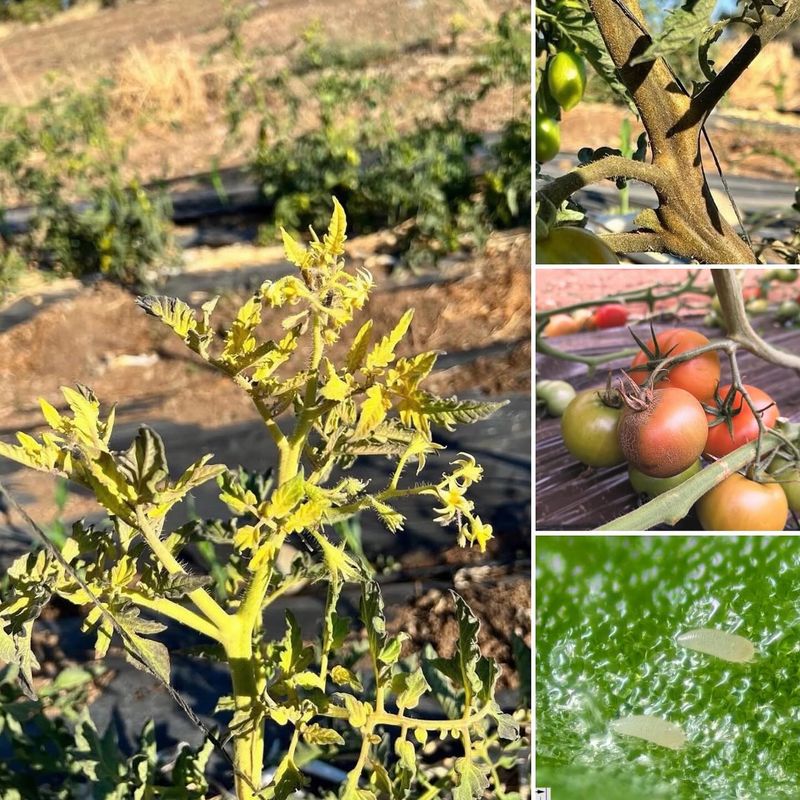
Some pests are so small they slip past even careful gardeners, and russet mites top that list. These microscopic invaders leave a distinctive bronze or rusty russeting on stems, leaves, and fruit, and the damaged leaves respond by yellowing, curling, and eventually withering away.
They tend to strike during hot, dry weather and can climb a plant from the bottom up before anyone notices the telltale bronzing creeping along the stems.
Prevention beats cure with these mites. Inspect any transplants closely before planting so you do not carry them into your garden, and steer clear of setting out tomatoes during the driest, hottest stretches when the mites are most active.
Keeping your plants well irrigated and vigorous makes them far less inviting to a pest that preys on stressed, thirsty tomatoes.
20. Herbicide Drift or Residue
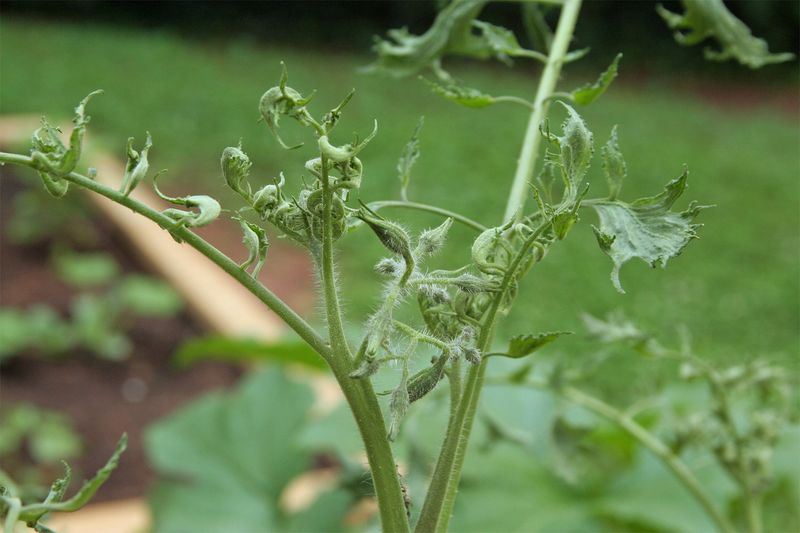
Few things frustrate a gardener more than damage they did not cause. Tomatoes are extraordinarily sensitive to weed killers, and even a whisper of herbicide drifting from a neighbor’s lawn or lingering in composted manure can twist and roll the leaves dramatically.
Watch for downward-rolling, twisted, or stunted new growth, sometimes curling into a distinct C shape. That warped, distorted look on fresh leaves is a classic herbicide signature.
Unfortunately there is no spray or fix that reverses herbicide-damaged foliage once it appears. If the damage is mild, new growth may eventually come in clean and the plant can recover, but severe or ongoing distortion often means the plant is best removed.
Going forward, keep weed killers far away from your tomato patch and stay alert to any spraying happening nearby that could drift your way.
21. Tomato Yellow Leaf Curl Virus (TYLCV)
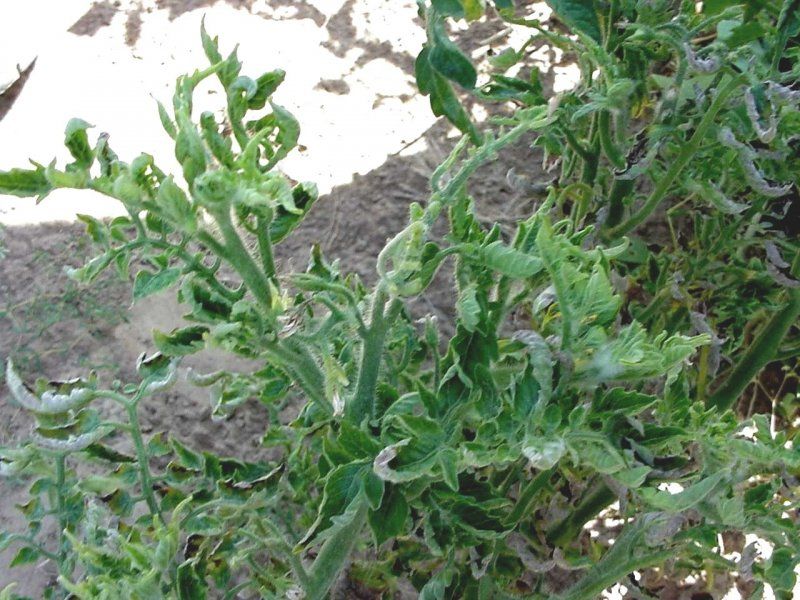
Certain curling comes with a diagnosis no gardener wants to hear. Tomato Yellow Leaf Curl Virus forces leaves to curl upward, turn yellow, and cup into a pale green shape while the whole plant becomes stunted and stops growing normally.
The virus hitches a ride on whiteflies, which pick it up from an infected plant and pass it along as they feed elsewhere in the garden.
There is no cure once a plant catches it, so quick action protects the rest of your crop. Pull out infected plants immediately and throw them in the trash rather than the compost pile, where the virus could linger.
From there, your energy is best spent knocking down whitefly populations, since controlling the messenger is the only real way to keep this virus from spreading down the row.
22. Beet Curly Top Virus (BCTV)
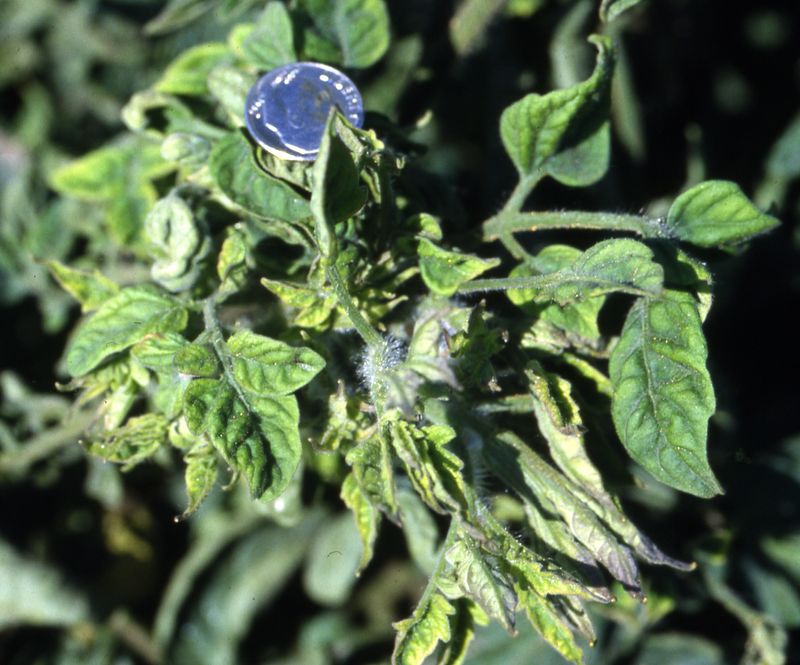
Rounding out the list is a virus with a name that says it all. Beet Curly Top Virus dwarfs and crinkles tomato leaves, rolling them inward and cupping them upward, and you may even spot a purple discoloration running through the veins.
Young plants sometimes die outright.
Leafhoppers spread this one, carrying the virus from nearby weeds and other host plants straight into your tomatoes as they feed.
No cure exists, so removing and destroying infected plants promptly is the priority, along with clearing out weeds that give leafhoppers a place to hang around. Insecticides tend to fall short once the virus has already been passed along, but fine mesh barriers can help keep leafhoppers off your plants.
Choosing resistant tomato varieties where they are available gives you a head start against this stubborn disease.