
Keep Your Whole Garden Weed-Free With One Stunning Plant That Blankets Bare Ground
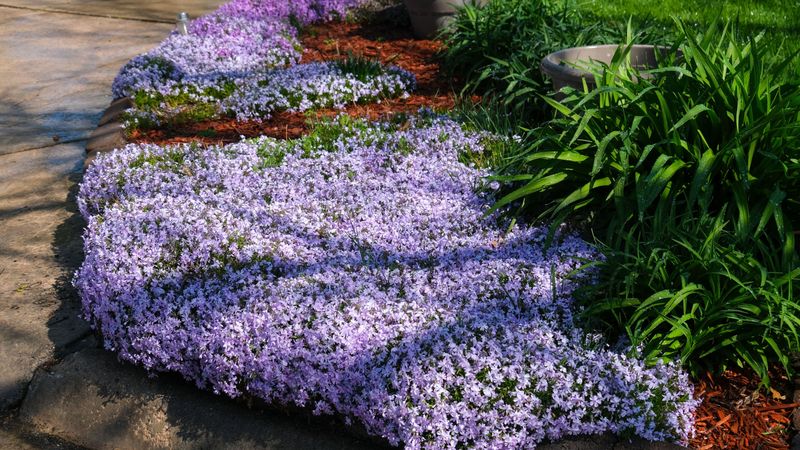
Bare patches in a sunny garden are basically an open invitation for weeds to move in and take over. Moss phlox, Phlox subulata, is a low-growing, spreading plant that can blanket those open spots with a dense mat of foliage and a brilliant spring flower display, making it much harder for weeds to get a foothold.
It will not eliminate every weed in your entire yard, but in the right spot, it can seriously cut down on the time you spend pulling them. Understanding where this plant thrives and how to get it established is the key to making it work for you.
Moss phlox creates a spring-flowering mat
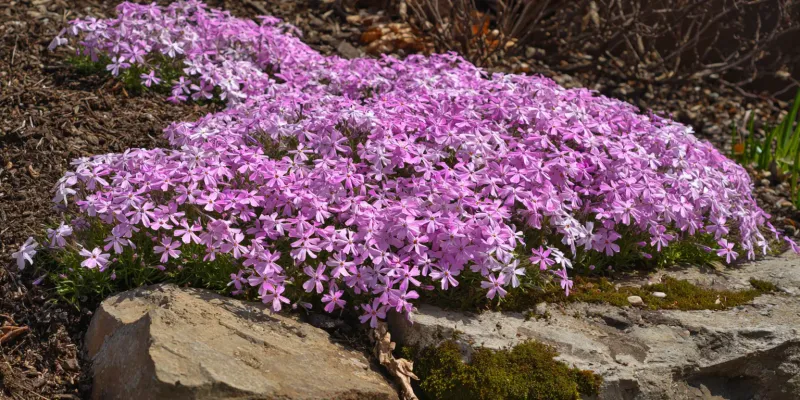
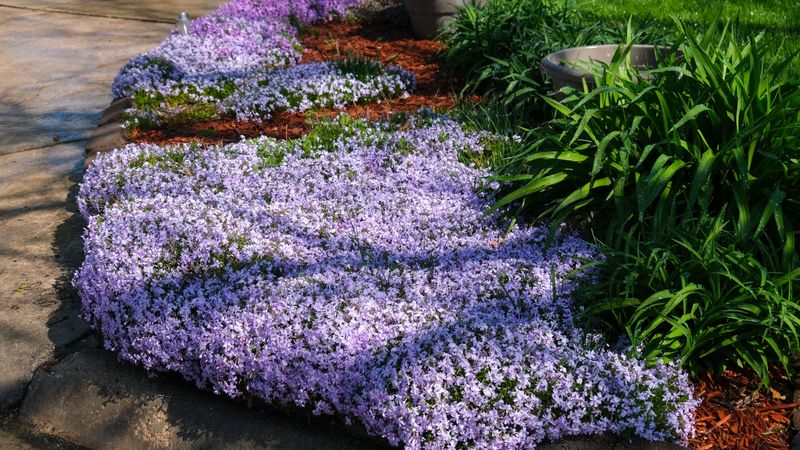
Moss phlox, Phlox subulata, earns its place in sunny gardens with a combination of practical ground-covering ability and a flower display that stops people in their tracks. Growing only about 4 to 6 inches tall, it spreads outward into a tight, cushion-like mat that hugs the soil closely enough to crowd out many weeds once it fills in.
North Carolina Extension’s plant profile for moss phlox describes it as suited to sunny slopes, rock gardens, borders, and comparable groundcover sites where drainage is reliable.
The flower show arrives in spring and is genuinely striking. Blooms come in shades of pink, lavender, white, and bicolor, often covering the foliage so completely that the green mat underneath nearly disappears.
That display is seasonal, not continuous, so gardeners should expect a concentrated burst of color in spring rather than flowers throughout the growing season.
After the blooms fade, the foliage takes over as the main event. The needle-like leaves form a persistent mat that supplies coverage through the rest of the year.
In suitable climates and well-drained sites, moss phlox can remain evergreen or semi-evergreen, but winter appearance does vary depending on your location and local conditions, so expect some regional differences.
The honest promise of moss phlox is not that it will keep an entire garden weed-free. Colorado State University Extension notes that no single groundcover species works for every landscape situation, and weed suppression becomes meaningful only after the plant grows dense enough to compete.
Plant it in the right spot, give it a clean start, and it can make a genuinely weedy bare area much easier to manage.
A dense mat reduces the light and space weeds need
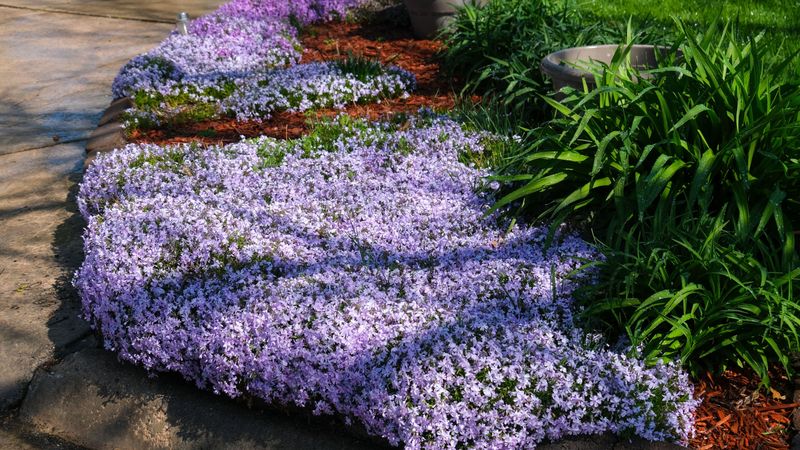
Weeds are opportunists. They germinate where light reaches bare soil, and a dense groundcover mat takes that opportunity away by shading the surface and holding the space before weed seeds can get established.
Colorado State University Extension explains that groundcovers suppress weeds primarily by reducing light at the soil surface and competing for moisture, nutrients, and space, which cuts down on the number of new seedlings that can get started.
That suppression is real and useful, but it has limits worth understanding. A groundcover competes effectively against weed seeds trying to germinate in the dark beneath its canopy.
Mature perennial weeds, especially established grassy weeds and deep-rooted perennials, are a different story. Those plants already have root systems in place and can push through a groundcover mat rather than being smothered by it.
The practical takeaway is that moss phlox works best as a preventive layer once it fills in, not as a cure for an already-weedy bed. University of Maryland Extension is candid that weeds can remain a significant problem in groundcover plantings and that some maintenance is still required.
Replacing “weed-free” with “fewer weeds and easier upkeep” is the more accurate and useful expectation to carry into planting day.
Weed pressure does drop noticeably once a planting fills in and the mat closes off open soil. Gardeners who have struggled with annual weeds in a sunny bare area often find that a well-established moss phlox planting genuinely cuts their weeding time.
The key phrase is “well-established” – the suppression builds gradually as coverage grows denser, not immediately after planting.
Match moss phlox to sun and drainage
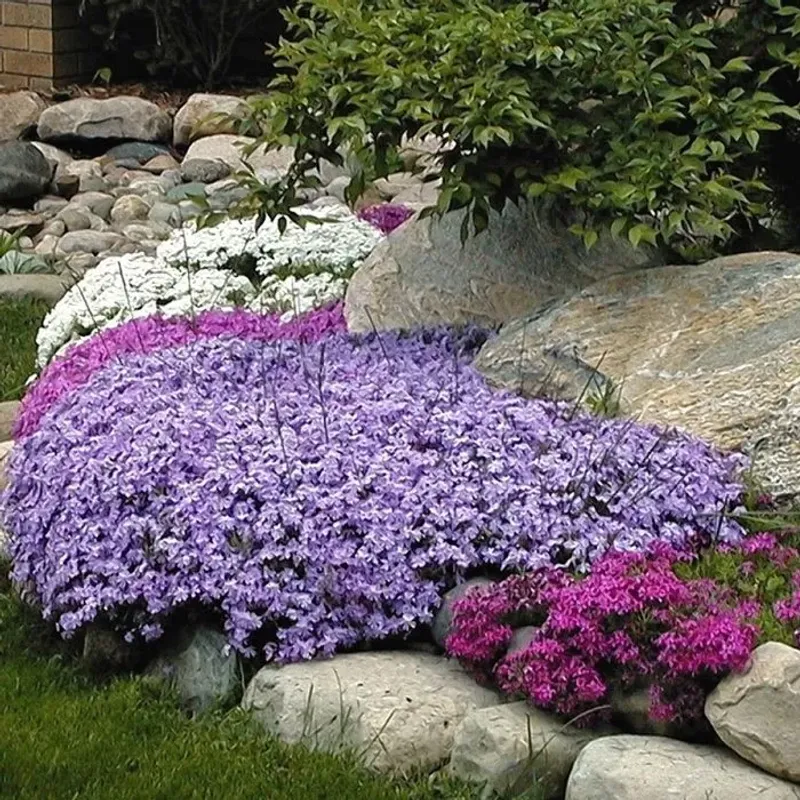
Before purchasing a single plant, walk your planting area and ask two questions: does it get full sun, and does water drain away quickly after rain? Those two factors matter more than almost anything else when it comes to moss phlox.
North Carolina Extension lists moss phlox as performing best in full sun and well-drained soil, and that description is not just a preference – it reflects what the plant genuinely needs to thrive and spread into the dense mat that does the weed-suppression work.
Sunny slopes, rock gardens, edging along paths, and the front of a border with good drainage are natural fits. Iowa State University Extension guidance on creeping phlox planting sites echoes the preference for open, well-drained locations.
Spots where water pools after a heavy rain, where soil stays consistently moist, or where a tree canopy blocks sunlight for most of the day are not good matches, regardless of how much you want a groundcover there.
Moss phlox is listed as suitable across USDA hardiness zones 3a through 9b, which covers most of the continental United States. That range is reassuring, but it does not mean the plant performs equally well everywhere within it.
Heat, humidity, soil drainage, and the amount of direct sunlight your specific site receives all affect how well the mat establishes and how persistently it covers the ground.
Colorado State University Extension reinforces that selecting the right groundcover for the specific conditions of each area in your yard is the starting point for success. High foot traffic is another factor to consider: moss phlox handles occasional light stepping but is not built for regular foot traffic, so paths and play areas need a different solution.
Matching the plant to the site honestly is what separates a thriving mat from a struggling, weedy disappointment.
Clear persistent weeds before planting
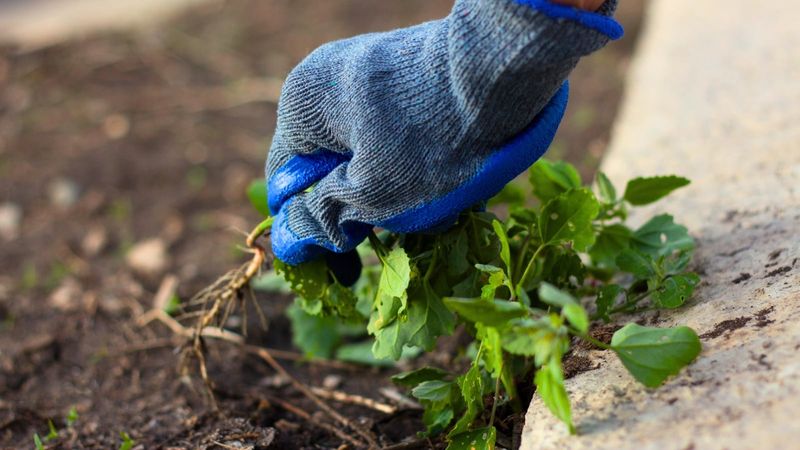
The single most common reason a groundcover planting fails is skipping the prep work. Moss phlox needs a clean start, and that means removing existing weeds, unwanted lawn grass, and other competing vegetation before a single plant goes in the ground.
University of Maryland Extension is direct on this point: existing vegetation should be removed or smothered before planting, because desired groundcover plants may fail to outcompete mature, established weeds.
Perennial grasses and deep-rooted perennial weeds deserve extra attention. Annual weeds are frustrating but manageable because they start fresh each season.
Perennials, though, have established root systems that can survive beneath a new planting and push back up through the mat as it tries to fill in. Getting those out before planting is far easier than trying to remove them later when the phlox has spread around their bases.
For small areas, hand-digging and thorough root removal is effective. For larger patches with heavy weed or grass cover, smothering the area with cardboard or black plastic sheeting for several weeks before planting can kill off existing vegetation without introducing chemicals.
If you choose to use an herbicide, follow the current product label precisely and observe any required waiting periods before planting. Penn State Extension guidance on weed control in landscape plantings cautions that herbicide products vary in their tolerance for ornamental plants, and labels must be read carefully for each specific situation.
Rushing past this step by planting directly into a weedy or grassy bed almost always produces a patchy, struggling result. Spending a few extra days or weeks on thorough preparation makes the establishment phase go faster and gives the moss phlox the clear ground it needs to spread and do its job.
Protect the gaps while young plants spread
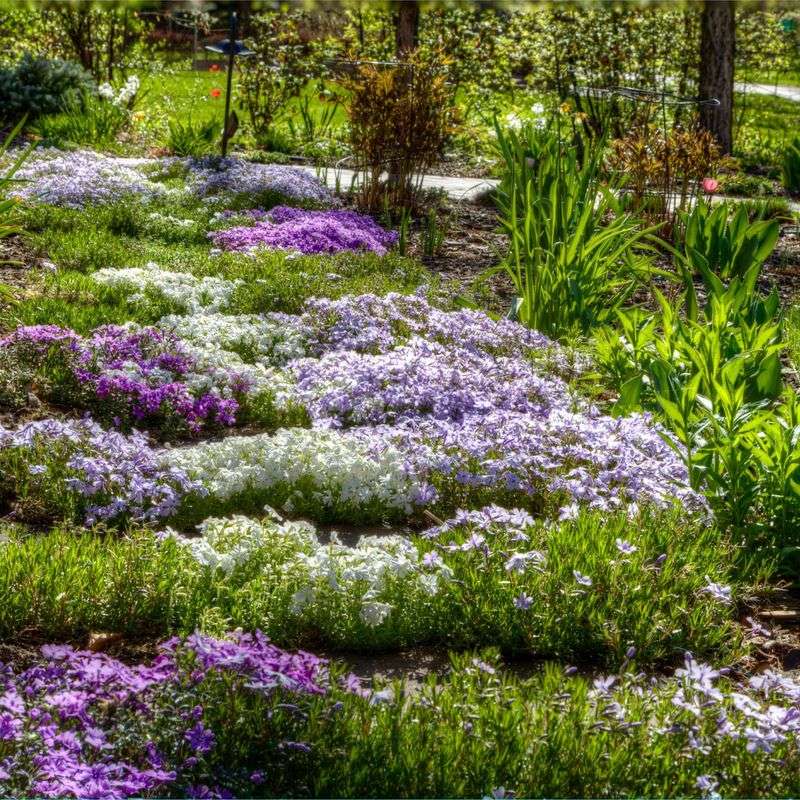
Freshly planted moss phlox looks sparse at first, and those open gaps between plants are exactly where weeds will try to move back in. Managing those gaps well during the establishment phase is what separates a planting that fills in cleanly from one that ends up half-covered with weeds.
University of New Hampshire Extension recommends planting groundcovers in spring or fall when temperatures are moderate and rainfall is more reliable, because those seasons generally make establishment easier than planting during hot, dry summer weather.
Summer planting is possible if you stay on top of watering. Young roots have not yet spread far enough to pull moisture from a wide area, so they depend on consistent soil moisture while they get established.
Check the soil several inches deep every few days and water when it feels mostly dry rather than waiting for plants to show obvious stress. Deep, thorough watering encourages roots to grow downward rather than staying shallow.
Spacing choices affect how quickly the gaps close. Closer spacing, often 12 to 18 inches apart or even tighter, produces faster coverage but requires more plants and costs more upfront.
University of Maryland Extension notes that wider spacing is acceptable but means the gardener must continue managing weeds in the open areas until the plants knit together. Very close spacing can also reduce air circulation, which increases the risk of disease problems in wet conditions, so avoid going too dense.
Temporary mulch between young plants is one of the most practical tools available during establishment. University of Minnesota Extension guidance on mulching supports applying roughly 2 to 4 inches of organic mulch to suppress weeds and retain soil moisture.
Apply it between the plants, but leave a small unmulched gap around each plant’s crown and stems so the mulch does not sit directly against the base of the plant.
As the phlox spreads and fills in, the mulch layer gradually becomes less necessary.
Expect less work, not no maintenance
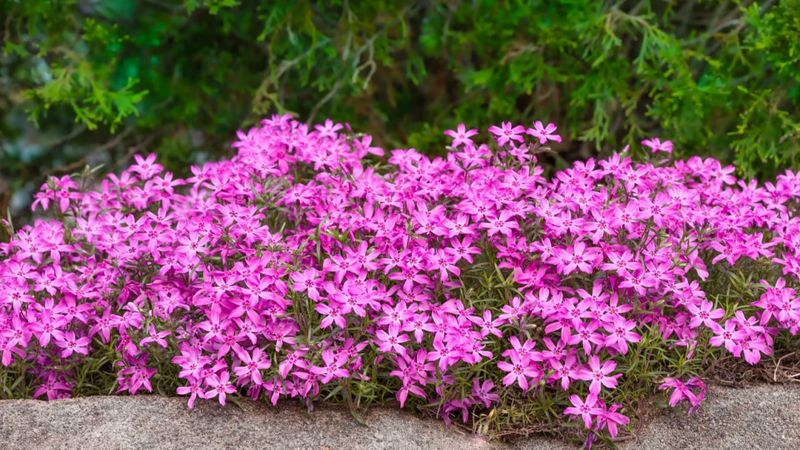
A well-established moss phlox mat genuinely does reduce routine maintenance compared to keeping that same area as lawn or leaving it bare. Mowing disappears entirely, and the dense foliage keeps many annual weed seeds from getting the light they need to sprout.
For a gardener who has spent years pulling weeds from a sunny slope or rocky border, that change is noticeable and welcome.
What does not disappear is maintenance altogether. Colorado State University Extension is clear that groundcovers are not no-maintenance plantings: weeding, watering during dry periods, and containing spread may all still be necessary.
Persistent weeds that survived the preparation phase or crept in from neighboring areas will still need to be pulled by hand, and during extended drought even an established mat benefits from supplemental watering.
Trimming or light shearing after the spring bloom keeps the mat looking tidy and can encourage denser regrowth. Some gardeners also find that edging the perimeter of the planting once or twice a year prevents it from creeping into lawn areas or adjacent beds where it is not wanted.
University of New Hampshire Extension echoes the point that monitoring for weeds continues after establishment, not just during it.
University of Maryland Extension explains that dense coverage reduces weed colonization by limiting available light at the soil surface, but it does not guarantee a weed-free surface, particularly where persistent perennial weeds or poor drainage are still factors. The realistic reward is a site that takes noticeably less time to maintain rather than one that takes none at all.
For most gardeners, that trade is well worth the establishment effort.
Use woodland creeping phlox in a shadier niche
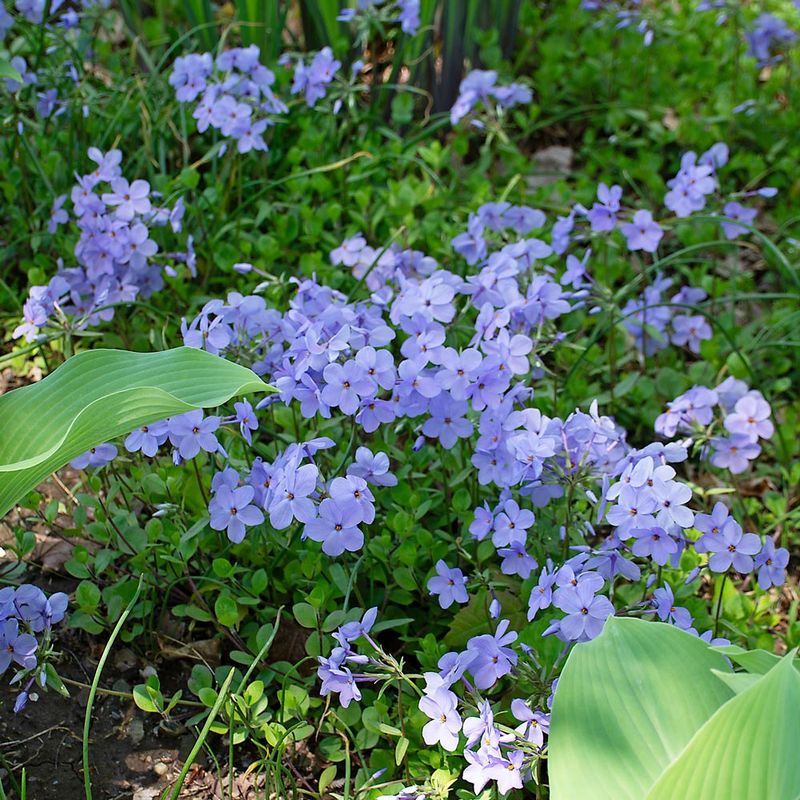
The name “creeping phlox” covers more than one plant, and mixing them up leads to real disappointment. Moss phlox, Phlox subulataPhlox stolonifera, and woodland creeping phlox, , share a common name but occupy very different garden niches.
North Carolina Extension’s profile of Phlox stolonifera describes it as a plant suited to partial shade and more moisture, making it a better fit for areas under open tree canopies or along shaded slopes where Phlox subulata would struggle.
If your bare area gets fewer than six hours of direct sun per day, or if the soil stays consistently moist, woodland creeping phlox is the better starting point for research. Moss phlox’s own profile makes clear that its preference for full sun and well-drained soil is a genuine requirement, not a suggestion.
Planting it in shade or wet ground typically produces thin, weak growth that does little to suppress weeds and may not survive long.
Colorado State University Extension reinforces that no single groundcover species works for every landscape situation. Sun, shade, drainage, moisture, foot traffic, and nearby tree roots all affect which plant will actually thrive and spread into a useful mat.
Before choosing any vigorous groundcover for a shaded or moist area, check your state extension service’s recommendations and review your local invasive-plant list. The National Invasive Species Information Center’s terrestrial plant resources can help you understand whether a plant you are considering has caused problems in your region.
Invasive status varies by state, so a plant that is widely recommended in one part of the country may be restricted or problematic in another.
Choose easier weeding in the right place
The decision rule for moss phlox is straightforward: full sun, well-drained soil, and a clean start. Colorado State University Extension’s groundcover guidance supports matching the plant to the site first, then preparing the ground thoroughly before anything goes in.
Remove existing weeds, protect the open gaps with temporary mulch while young plants spread, and water consistently until the mat fills in.
Once established in the right spot, moss phlox delivers a genuine spring flower display followed by persistent foliage that keeps the soil covered through the rest of the growing season. Winter appearance varies by region and site, with some areas staying green and others going semi-dormant, but the mat generally returns reliably in spring.
The reward is real: a sunny bare area that once needed constant weeding becomes a low-maintenance planting that mostly takes care of itself, with occasional spot-weeding, edging, and a light trim after bloom keeping it looking sharp.
Living groundcover is one tool in a maintenance plan, not a replacement for preparation and monitoring. The gardener who clears the site carefully, plants at the right time, and stays patient through the establishment phase is the one who ends up with a thriving mat.
A beautiful, well-placed moss phlox planting does not end weeding entirely, but it turns a relentless chore into an occasional one.