
10 Powerful Ground-Cover Plants That Smother Weeds While They Thrive

Pulling weeds every weekend gets old fast, and bare patches of soil are basically an open invitation for them to move in. The good news is that certain low-growing plants do the hard work for you by spreading into a thick living carpet that crowds weeds out before they ever get started.
These ten ground covers are tough, easy to keep alive, and beautiful enough to earn their spot in your yard. Pick the right one for your sun, shade, or dry-spot problem, and you can spend a lot more time enjoying your garden and a lot less time weeding it.
1. Lamium (Spotted Dead Nettle)
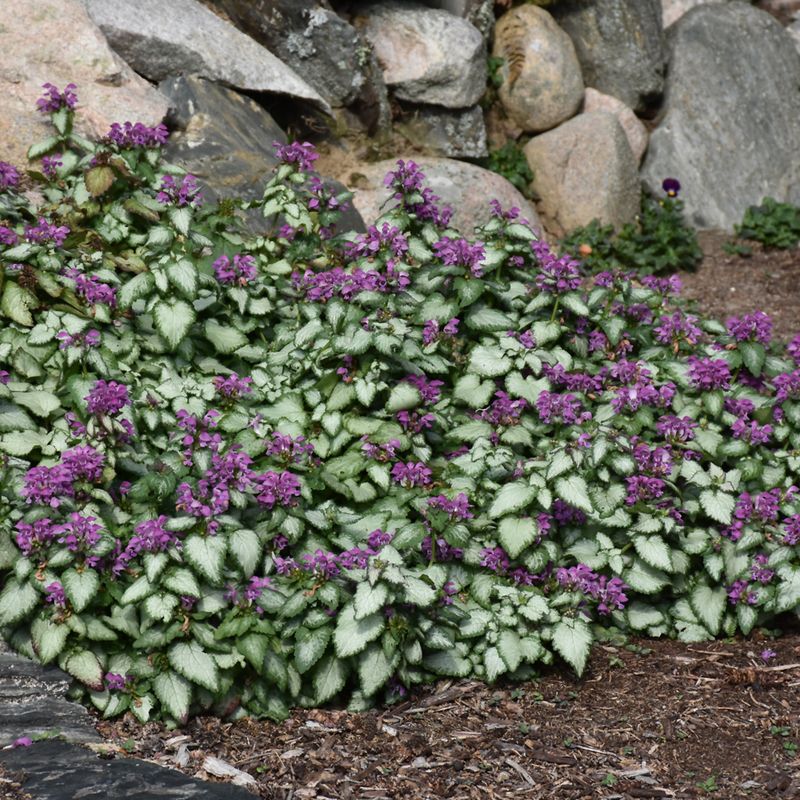
Got a shady corner where nothing seems to want to grow? Lamium, often called spotted dead nettle, actually prefers those spots that leave other plants sulking.
Its silver-splashed leaves brighten up dim areas, and it spreads into a dense mat so quickly that weeds simply run out of room.
Once it settles in, this perennial asks for almost nothing. It shrugs off dry spells, helps hold moisture in the soil, and keeps slopes from washing away.
Bees and other pollinators show up for the little pink and purple blooms too.
Easy fix tip: if your Lamium starts looking leggy or reaching too far, give it a trim in early spring or late fall and snip off faded flowers. A quick cleanup keeps it tidy and stops it from wandering where you do not want it.
2. Creeping Thyme (Thymus serpyllum)

Step on this one and it thanks you with a wave of herby fragrance. Creeping thyme handles light foot traffic like a champ, which makes it a favorite for tucking between pavers or edging a sunny path.
As it knits together into a tight green carpet, weeds get squeezed out of the picture.
Full sun is its happy place, and once established it barely needs watering. The nectar-rich flowers pull in bees and butterflies all season, so you get a pollinator magnet and a weed blocker in one.
Easy fix tip: that first season really matters. Keep the soil consistently moist while it takes hold, then ease off the water.
Pull weeds by hand rather than reaching for broadleaf herbicides, which can hurt young thyme, and skip the fertilizer since too much can make it floppy and prone to rot.
3. Sedum (Stonecrop)
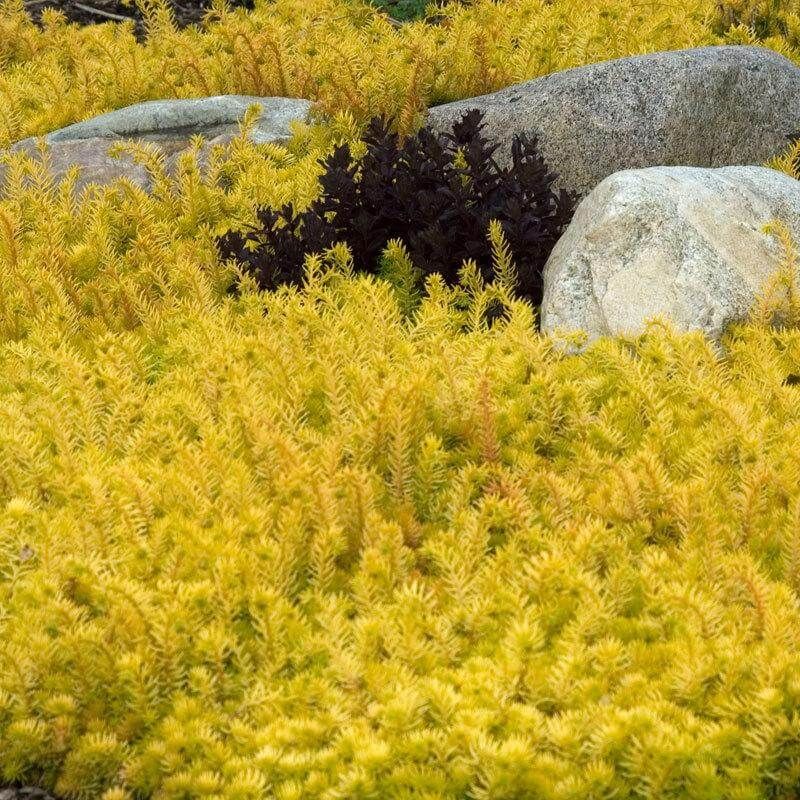
Forget to water for a couple weeks? Sedum barely notices.
These low, mat-forming succulents store water right in their plump leaves, so they cruise through heat and drought while spreading out to blanket bare soil and shove weeds aside.
Think of them as a living mulch that also happens to bloom. Many varieties throw up star-shaped flowers that pollinators adore, and the plants resist pests without any fuss from you.
Easy fix tip: the one thing sedum truly hates is soggy feet. Give it well-draining soil and go light on the watering once it is established, because sitting in wet conditions invites fungal problems.
Get the drainage right and this is about as close to a plant-it-and-forget-it option as you will find.
4. Ajuga (Bugleweed)
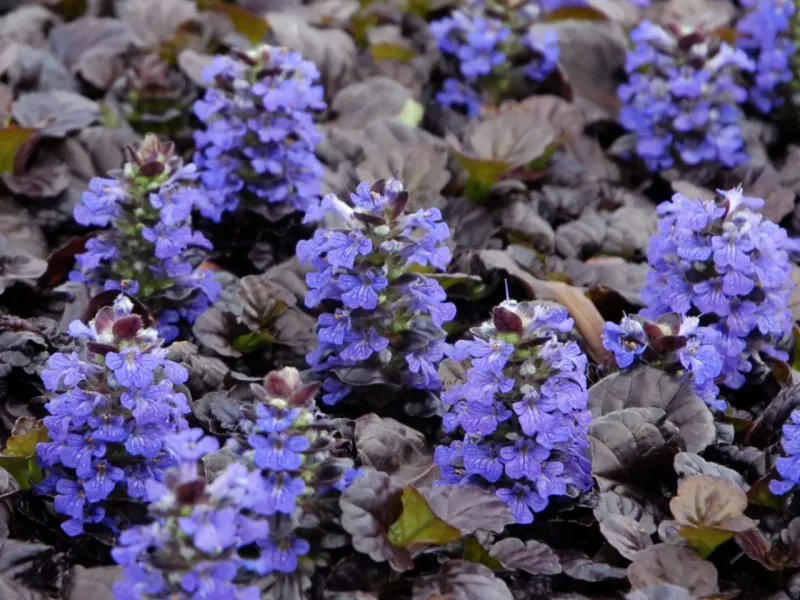
Few ground covers put on a spring show quite like Ajuga. Its glossy foliage ranges from deep green to bronzy purple, and in spring it sends up spikes of blue, purple, or white flowers that turn a shady patch into a scene.
Underneath all that beauty, runners are busy weaving a mat too dense for weeds to break through.
Bugleweed handles both heat and cold, thrives where sun is scarce, and keeps maintenance low. Just know that it means business when it spreads, so it can creep into your lawn if you let it.
Easy fix tip: to keep Ajuga in bounds, sink a barrier along the edge of the bed or dig up stray runners now and then. In humid weather, give it some breathing room and good air circulation to head off mildew.
5. Lamb’s Ear (Stachys byzantina)
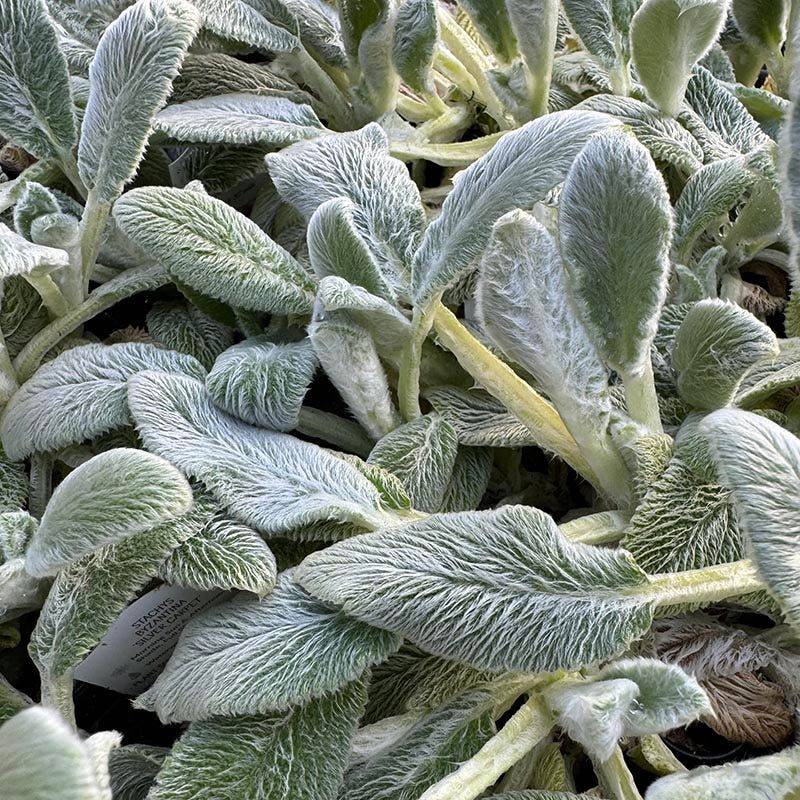
You will want to reach down and pet this one. Lamb’s Ear grows into a low mat of soft, silvery leaves so fuzzy that kids and adults alike can’t resist touching it.
Beyond the velvety appeal, that thick foliage shades the ground and keeps weed seeds from getting the light they need to sprout.
Hot, dry, sunny spots that fry other plants are exactly where Lamb’s Ear shines. It is a natural fit for gravel gardens, dry slopes, and sun-baked borders where watering is a hassle.
Easy fix tip: lean into its love of dry, sunny conditions and resist the urge to overwater. Planting it where heat and drought have defeated other plants often turns a problem corner into one of the easiest spots in the whole garden.
6. Hardy Geraniums (Bigroot Geranium)
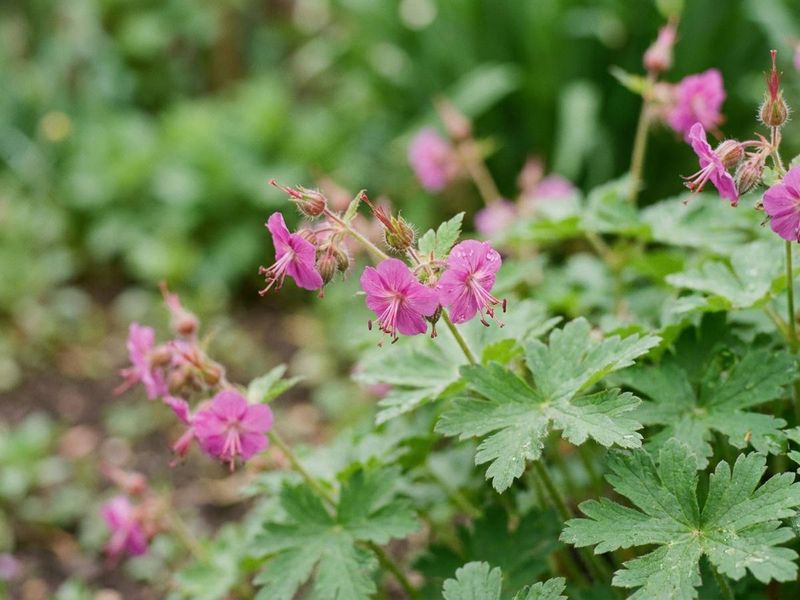
If you already love geraniums for their blooms, meet the tough cousin that also fights your weeds. Bigroot geranium and other hardy types are muscular perennials that spread fast and fill in ground so completely that weeds barely stand a chance.
Lush coverage lasts all through the growing season, and the plants keep looking full without demanding much from you. That combination of good looks and grit is why gardeners lean on them for problem beds and slopes.
Easy fix tip: once established, these geraniums pretty much run themselves, forming a sturdy barrier against unwanted growth. Plant them, give them a season to knit together, and let them build that dense wall of foliage that keeps weeds locked out.
7. Creeping Phlox (Phlox subulata)
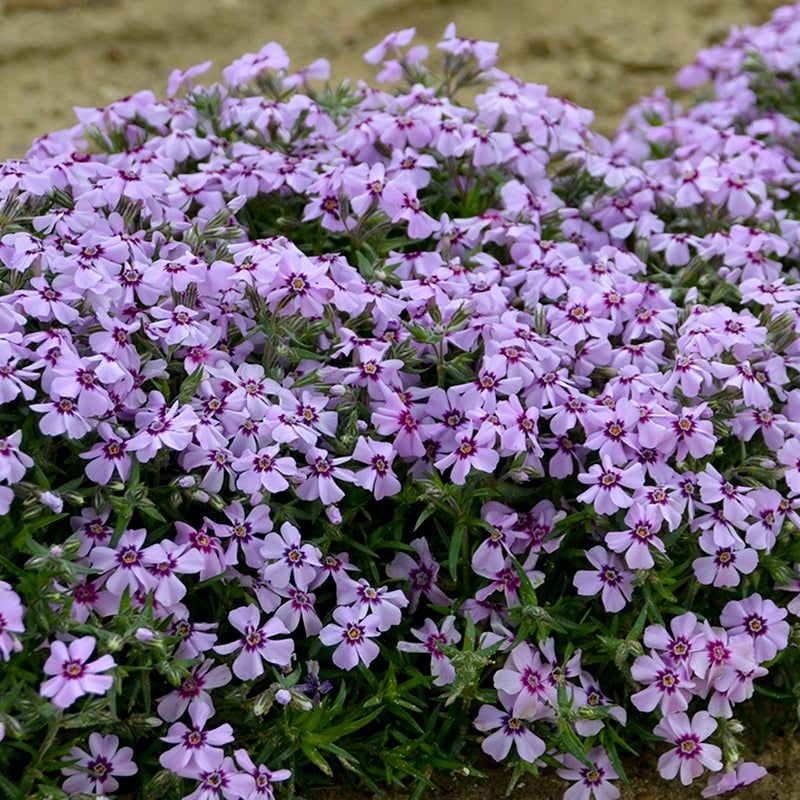
Spring simply looks better with a river of creeping phlox running through the garden. This aggressive spreader carpets the ground in vivid pink, purple, and white blooms, and while you are admiring the color, it is quietly choking out weeds before they can take root.
Beyond the springtime fireworks, the plant knits into a solid mat that stays useful long after the flowers fade. It is a favorite for slopes, edges, and spilling over walls where a burst of color earns its keep.
Easy fix tip: as with most fast spreaders, clear out any existing weeds before you plant. Then keep the water steady during that first establishment stretch so the phlox can form a thick mat quickly and take over the weed-blocking job on its own.
8. Sweet Woodruff (Galium odoratum)
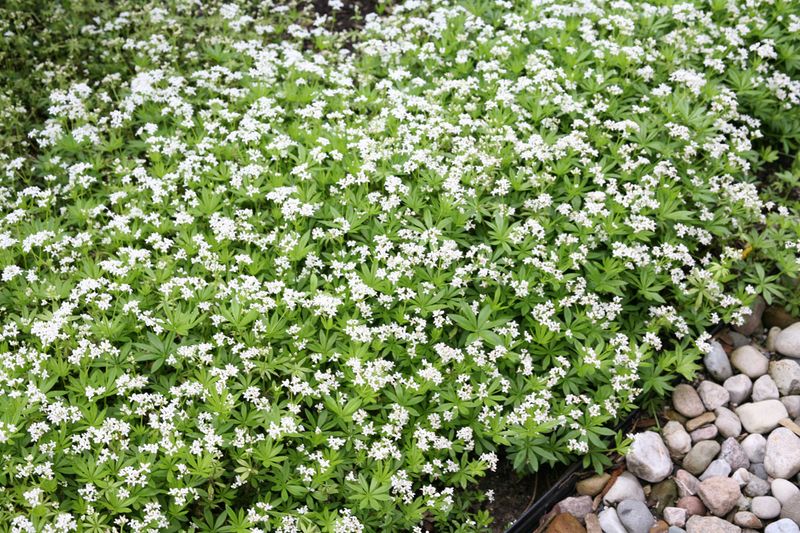
Under trees and along the shady north side of the house, sweet woodruff turns tricky ground into a lush green floor. Its whorled leaves and dainty white spring flowers give a soft woodland feel, and the foliage carries a sweet fragrance when brushed or dried.
What makes it a weed fighter is speed. Sweet woodruff spreads quickly to fill in bare shade, and the thicker it grows, the less weeding you end up doing.
Easy fix tip: give it consistently moist, well-drained soil in shade to part shade and it will do the rest. Because it fills in so readily, a healthy patch practically eliminates the need to weed that spot at all.
Fun fact: dried sweet woodruff smells like fresh-cut hay and has long been used to scent linens.
9. Dwarf Leadwort (Ceratostigma plumbaginoides)
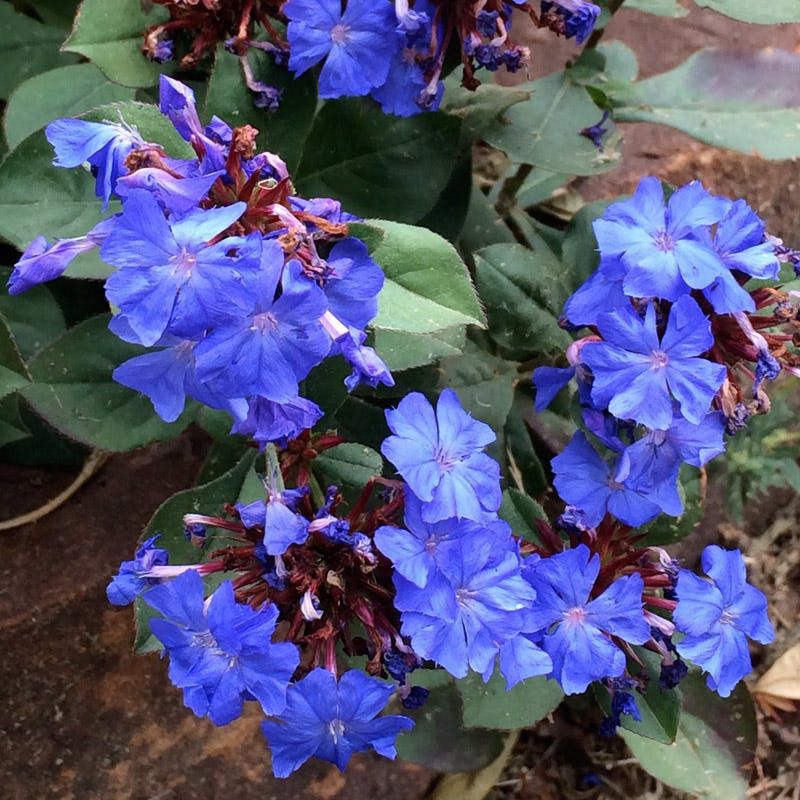
Most ground covers do their showing off in spring, but dwarf leadwort saves the drama for late in the year. It opens vivid cobalt-blue flowers in late summer and fall, right when the rest of the garden is winding down, and then its leaves shift to a fiery bronze-red as the weather cools.
All season long, its vigorous spreading habit keeps weeds in check by covering the ground it claims. That means you get late-season color and a weed barrier from the same plant.
Easy fix tip: leadwort is adaptable but happiest in well-drained soil, and it takes both full sun and partial shade in stride. Plant it where you want a fresh pop of blue after summer fades, and enjoy the bonus autumn foliage as a send-off.
10. Ice Plant (Delosperma sp.)
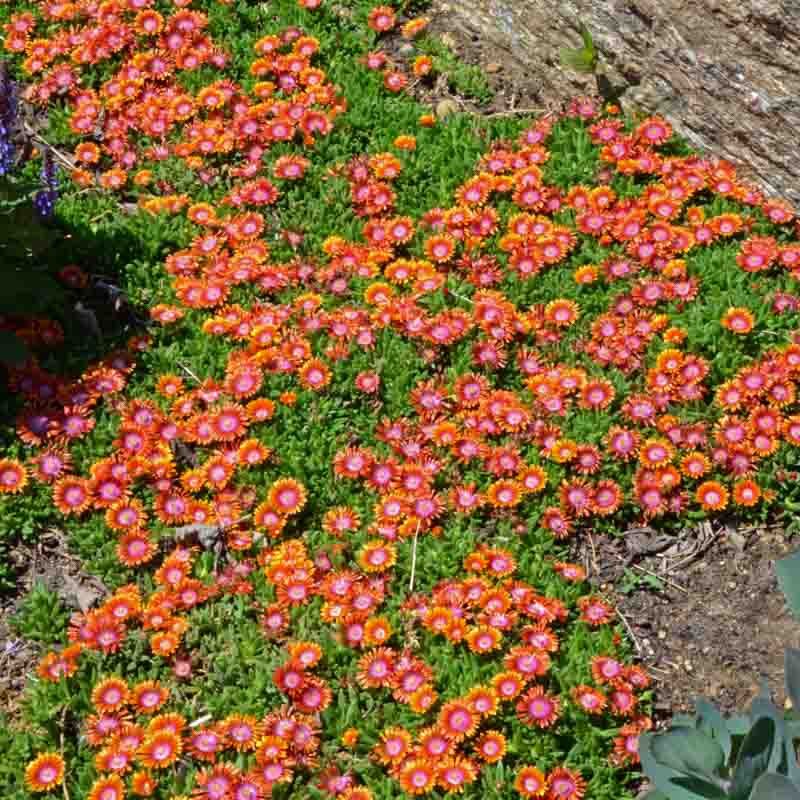
For that scorching, dry spot where weeds seem to be the only thing that thrives, ice plant builds a colorful fortress. This succulent ground cover spreads into a low carpet studded with dazzling daisy-like flowers, and it does it in the kind of hot, arid conditions that send most plants running.
Here is the surprise: despite loving heat, many varieties handle cold winters just fine, so it is not only a warm-climate treat. Its moderately fast spread lets it blanket trouble spots without becoming a headache to control.
Easy fix tip: give ice plant full sun and well-drained, dry soil, and it will reward you with a weed-smothering mat and eye-popping blooms. It is one of the best picks for those baked, challenging corners where nothing else wants to cooperate.