
Why North Carolina Gardeners Should Start Broccoli Now For Strong Fall Heads
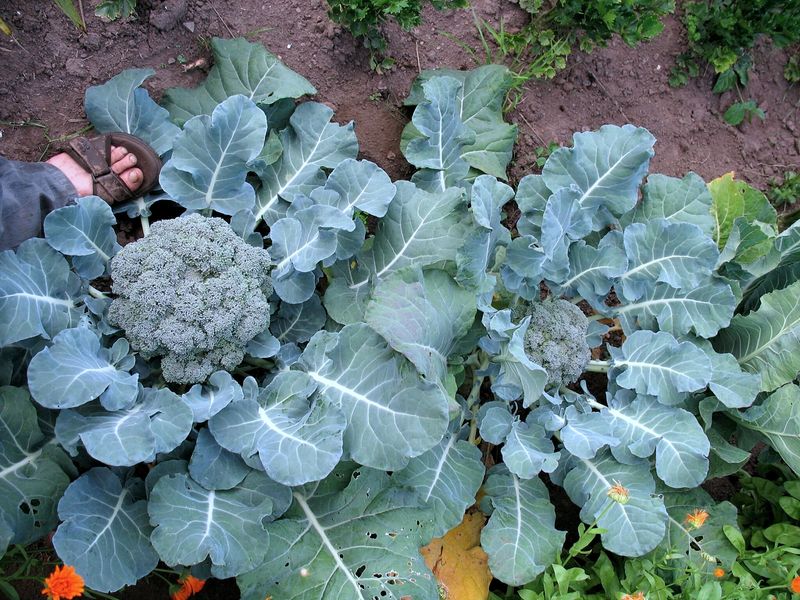
Piedmont and eastern North Carolina gardeners who have not yet started fall broccoli are sitting in a narrow but still-open window where the calendar is working in their favor. Broccoli forms its best heads when cooler fall temperatures arrive during the right stage of growth, and getting plants in the ground at the right time is the single biggest factor a gardener can control.
This guide explains who should plant now, how to pick the right cultivar and starting method, and how to keep plants growing steadily until harvest.
Timely planting helps broccoli finish under cooler conditions
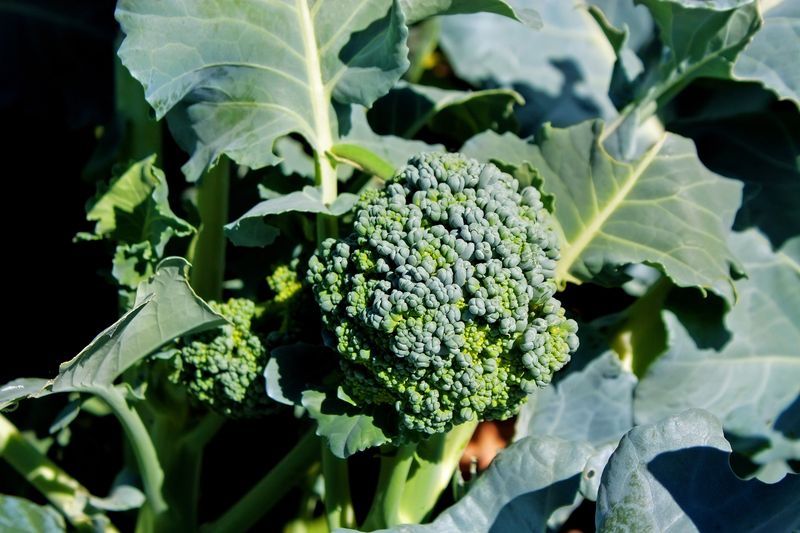
Broccoli is not particularly difficult to grow, but it is particular about when its heads form. The leafy vegetative stage can tolerate a range of temperatures, including the warm conditions that still linger in North Carolina through August and into September.
The problem arrives when the growing tip begins transitioning toward flower-bud formation: heat during that stage is where real damage happens.
When several days above about 95 degrees Fahrenheit fall during the approximately 10-day heat-sensitive period around head initiation, the result can be loose, misshapen, bitter, or prematurely flowering heads. University of Minnesota Extension guidance on growing broccoli notes that broccoli performs best when temperatures moderate during head development, and that heat stress at the wrong stage can significantly reduce quality.
The goal of a timely late-summer start is to push that critical head-formation window into the cooler weeks of October and November, when North Carolina temperatures are more reliably favorable.
Planting on time improves the odds of firm, tight heads, but it is not a guarantee. Cultivar selection, spacing, fertility, irrigation, transplant stress, insect pressure, and the actual weather pattern all shape the outcome.
Utah State Extension research on broccoli production confirms that multiple factors interact to determine final head quality. A timely start gives the plant more opportunity to establish roots and build canopy before that heat-sensitive window arrives, which is a meaningful advantage, not a magic fix.
Warm weather after transplanting is not the enemy. Broccoli can put on strong leaf and stem growth under warm conditions, building the plant structure that eventually supports a large central head.
NC State’s broccoli production guidance reinforces that the critical concern is heat during head initiation and development, not an immediate need for cold after planting. Starting on time keeps the calendar aligned so that the most sensitive growth stage arrives when temperatures are already trending down.
Regional timing determines whether now is the right time

Not every corner of North Carolina shares the same fall planting calendar, and treating the state as a single zone will lead some gardeners astray. NC State’s commercial broccoli production publication recommends fall planting from approximately August 1 through September 15 in eastern North Carolina and identifies August as the principal fall-planting period for the Piedmont.
Those two regions are the strongest fit for the late-summer message in this article’s title.
The Coastal Plain can run a bit later than the Piedmont. NC State’s Extension Gardener Handbook notes that fall planting dates may be roughly 7 to 14 days later in the Coastal Plain than in the Piedmont, reflecting the milder fall temperatures closer to the coast.
That extra window is useful, but it is not unlimited: a gardener in the Coastal Plain who waits until early October to start is still compressing the season.
Mountain gardeners face a fundamentally different situation. The same NC State publication that sets out the eastern and Piedmont windows explicitly states that fall broccoli planting is not recommended in western North Carolina.
NC State’s community food gardening handbook similarly notes that western and mountain areas typically need to end fall planting earlier than the Piedmont, reflecting shorter growing seasons and earlier freeze risk at higher elevations.
For gardeners in the mountains, the right answer is not to follow the Piedmont schedule. Elevation, local frost history, and county Extension guidance should drive that decision.
The NC State Climate Office Freeze Explorer is a practical starting point for checking location-specific freeze probabilities before committing transplants to the ground. As of mid-August, Piedmont and eastern North Carolina gardeners who have not yet started are generally still within the useful window, but that window narrows with every passing week.
Choose seed or transplants according to your remaining window
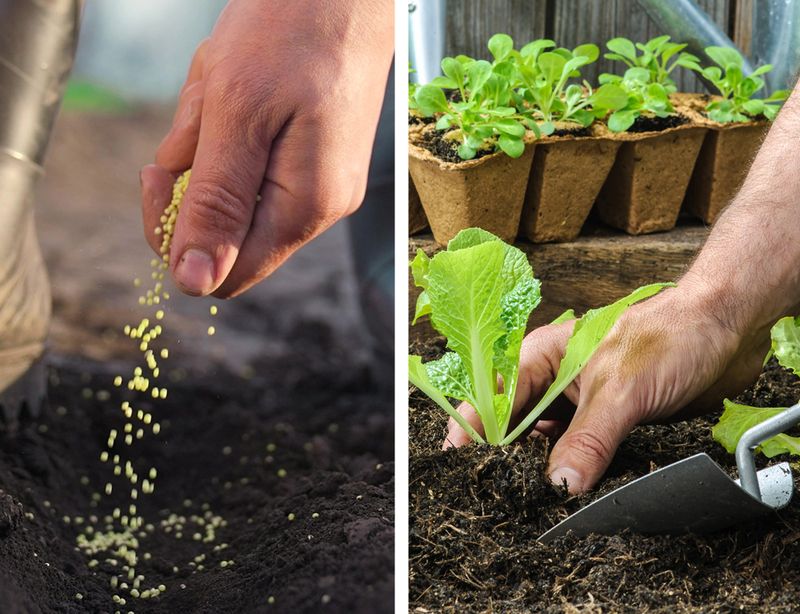
“Start broccoli now” can mean three different things depending on what a gardener has access to, and those three paths are not interchangeable. Direct-seeding puts seed into prepared garden soil and requires consistently moist conditions from germination through the first few weeks of growth.
Starting seed indoors or under cover produces a seedling that can be hardened off and moved outside. Buying nursery transplants skips both of those steps and puts a four-to-five-week-old plant directly into the bed.
NC State’s broccoli production guidance places transplant readiness at roughly four to five weeks after seeding, and notes that fall seedlings require consistently moist soil during emergence and early growth. In a hot August garden, maintaining that moisture through germination and the first true-leaf stage is genuinely difficult without reliable irrigation.
A gardener who cannot water daily or who lacks a drip system may find that direct-seeded fall broccoli struggles to establish before soil temperatures drop.
Purchased transplants sidestep the germination challenge and buy back some of that calendar time. NC State’s Extension Gardener Handbook recommends transplants for home gardeners who do not have dependable irrigation, and for good reason.
A transplant already has several weeks of root and leaf development behind it, which shortens the time from planting to head formation. The tradeoff is that transplant availability at local nurseries can be limited by late August, so gardeners should check supply soon.
University of Minnesota Extension points out that seed-packet maturity estimates may begin counting from seeding rather than from transplanting, so gardeners using transplants should factor in the weeks already completed. A packet that says “70 days” may mean 70 days from seed, not 70 days from the moment the transplant goes in the ground.
Knowing which clock the packet uses helps avoid misreading how much time remains in the season.
Match cultivar maturity to the fall growing season
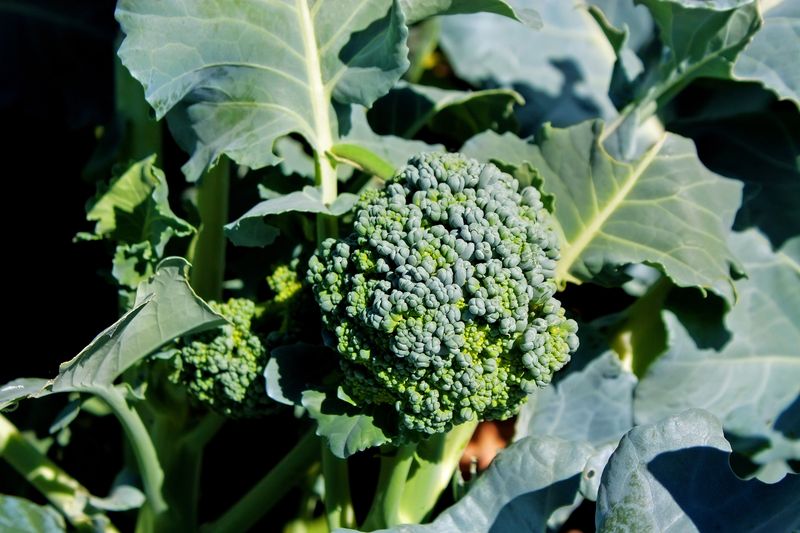
Picking a cultivar is not just a matter of taste or head size. In a fall garden with a defined end point, maturity timing and the plant’s ability to hold a tight head without bolting are practical requirements.
NC State’s cultivar selection guidance for North Carolina identifies maturity timing and holding ability as especially important in the state’s narrow fall windows, where a cultivar that matures a week or two too late may never form a usable head before damaging cold arrives.
A general working range for fall broccoli cultivars runs from roughly 60 to 85 days, but that range comes with a significant qualification: seed packets may count maturity from the date of seeding or from the date of transplanting, and those two methods produce very different numbers for the same cultivar. Utah State Extension’s broccoli research reinforces that cultivar days-to-maturity figures vary by counting method and growing conditions, so the number on a packet is a useful estimate, not a firm deadline.
The practical planning approach is to count backward from the expected maturity window rather than forward from today. NC State’s eastern North Carolina planting calendar supports this backward-counting method, matching vegetable maturity windows to the local fall season.
Use local freeze probability data as a risk indicator while doing that math: the first light frost is not a harvest deadline, because broccoli can tolerate light frost, but a hard freeze presents a real risk to unprotected heads.
University of Minnesota Extension notes that cultivar choice can provide some flexibility, particularly with heat-tolerant or early-maturing types, but no cultivar removes the underlying regional and weather constraints. A 65-day cultivar gives a Piedmont gardener more margin than an 80-day type started in mid-August, all else being equal.
Checking cultivar reviews from NC State trials before buying seed or transplants is worth the few minutes it takes.
Maintain steady growth while heads develop
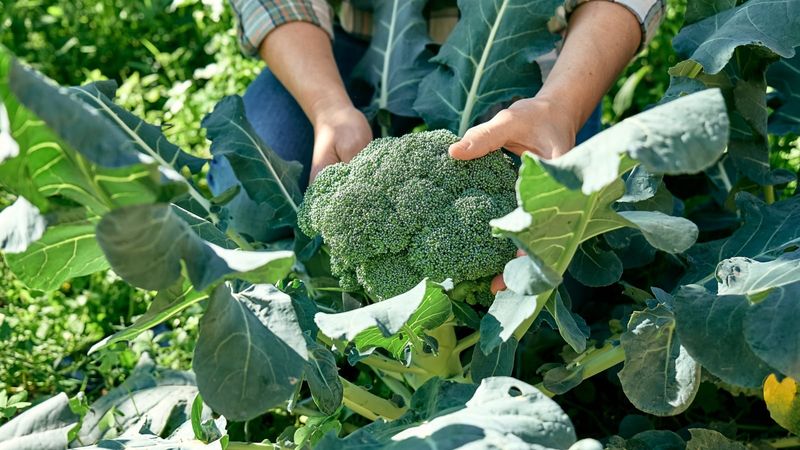
Once transplants are in the ground, consistent care is what converts a timely start into a harvestable head. Water is the most immediate need.
NC State’s broccoli production guidance gives a general moisture requirement of about 1 to 1.5 inches of water per week, adjusted for soil type, cultivar, and current conditions. Water stress during active growth can reduce yield, impair head development, and contribute to poor flavor, so inconsistent watering at any stage carries real cost.
Soil fertility matters almost as much as water. Rather than guessing at what the bed needs, run a soil test first.
NC State’s guide to soil testing explains the process for home gardeners and notes that the lab report will include specific amendment recommendations for your results. Broccoli grows best in a pH range of 6.0 to 6.5, and most North Carolina garden soils benefit from periodic lime applications to stay in that range.
Nitrogen is essential for broccoli, but more is not better. Utah State Extension’s brassica production problems guide identifies excessive nitrogen as a contributor to hollow stems and overly rapid, uneven growth.
Follow the soil test recommendations and the fertilizer label rather than applying extra in hopes of a larger head. Commercial fertilizer rates from production publications are calibrated for field-scale systems and should not be transferred directly to a backyard bed without adjustment.
Spacing deserves attention too. Utah State Extension and University of Minnesota Extension both note that closer spacing generally reduces individual head size and limits side-shoot development after the main head is cut.
Follow the cultivar’s packet directions as a baseline, and lean toward the wider end of the recommended range if head size is a priority.
Row cover applied immediately after transplanting reduces wind stress and blocks the cabbage worms, imported cabbageworms, and cabbage loopers that are active in late summer. NC State’s cabbage looper fact sheet recommends monitoring and physical controls before reaching for any chemical treatment.
Anchor the cover securely at the edges so it does not trap heat against plants during warm spells, and check underneath regularly. If pests do appear despite physical protection, any pesticide used on an edible crop must be specifically labeled for that crop and use: EPA guidance on pesticide labels makes clear that the label is a legal document, not a suggestion.
Protect the heat-sensitive stage of head formation
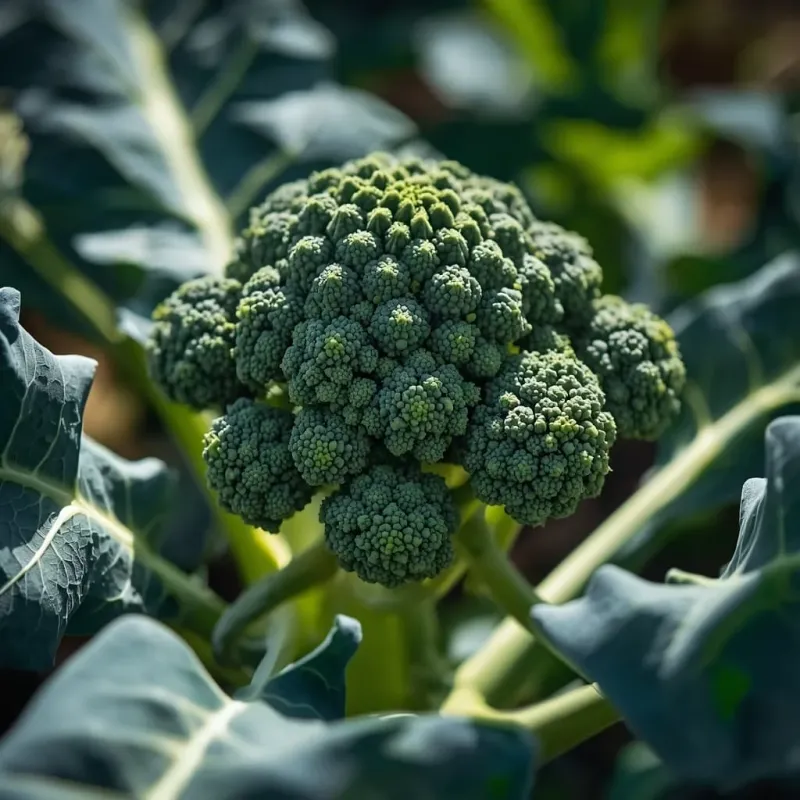
Broccoli’s vulnerability to heat is not uniform across the whole growing season. Leafy vegetative growth can proceed reasonably well under warm conditions, which is why late-summer planting works at all.
The window that demands attention is a roughly 10-day period when the growing tip transitions from vegetative to reproductive growth, initiating the flower buds that become the head. Heat concentrated in that period causes the most damage.
Research summarized by UMass Extension identifies this as the critical heat-sensitive interval. UMass Extension’s broccoli and summer heat fact sheet explains that several days above about 95 degrees Fahrenheit during that approximately 10-day period can deform developing heads, producing loose, uneven, or prematurely opening buds.
UMass Vegetable Notes reinforces that the threshold and the window are both approximate, and that cultivar tolerance and actual weather patterns shape how much damage occurs in any given season.
The practical implication is straightforward. A gardener who plants in early August in the Piedmont is setting up head initiation to occur sometime in October, when temperatures in much of central and eastern North Carolina are trending well below the damaging threshold.
A gardener who delays until late September compresses that window and increases the chance that head formation coincides with a late warm spell or runs into frost risk before the head matures.
Oregon State University’s heat-tolerant broccoli project highlights that breeders are actively working on cultivars with better heat tolerance during head initiation, which may eventually expand planting flexibility. For now, the most reliable strategy remains timing the planting so that head formation lands in cooler weather, while choosing cultivars with the best available heat tolerance for the region.
Harvest tight heads and use the crop’s frost tolerance
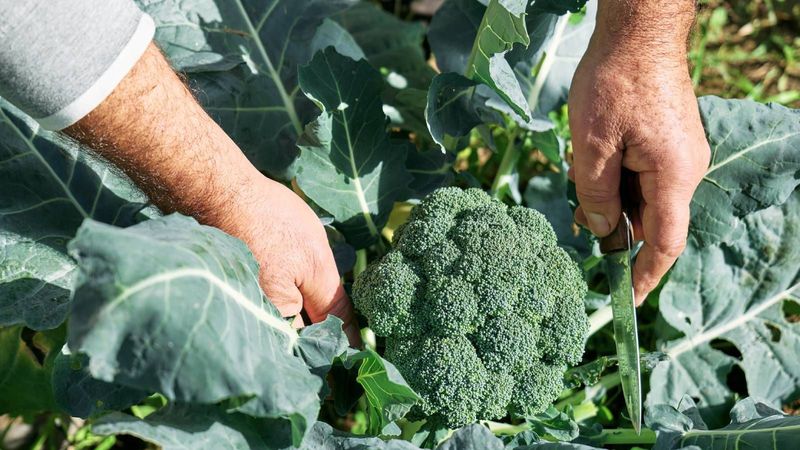
Knowing when to cut matters as much as everything that came before. The right harvest moment is when the central head is firm and tight and the individual flower buds are still closed and compact.
Waiting for the head to reach its maximum possible diameter is a mistake: once buds begin to open and show yellow, quality drops quickly and the window for a good harvest closes fast. University of Minnesota Extension advises cutting based on bud tightness and head firmness, not diameter alone.
Cutting the main head does not end the plant’s productive life. Leaving the root system and lower stem intact allows the plant to push out side shoots over the following weeks, producing smaller but fully edible florets that can extend the harvest well into fall.
Those side shoots often develop under the cooler temperatures that follow the main harvest, which can make them particularly sweet and tender. Utah State Extension’s broccoli research confirms that side-shoot production is a normal and worthwhile part of fall broccoli management.
Light frost does not automatically end fall broccoli. Mature broccoli plants can tolerate light frost and may continue growing and producing side shoots after the season’s first frost event.
The relevant risk is a hard freeze, not the first light frost date. Gardeners should weigh cultivar maturity, the extended weather forecast, and local freeze probability together when deciding whether to harvest or protect plants.
The NC State Climate Office Freeze Explorer gives location-specific freeze probability data that is more useful than a single average first-frost date for making those calls. A light frost on a well-established head is often fine; an unexpected hard freeze on a nearly mature head is where gardeners lose the crop.
Use the regional decision, not the headline alone
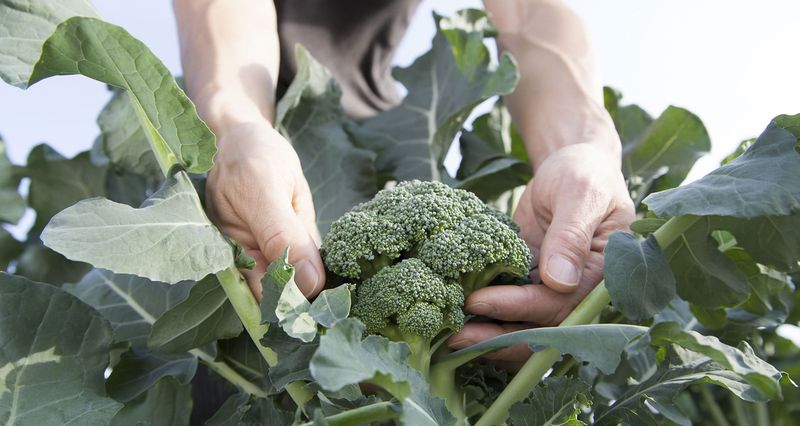
Piedmont and eastern North Carolina gardeners who are still within the late-summer window have a clear set of next steps. Choose a cultivar whose maturity fits the time remaining in your local season, prioritizing types with good heat tolerance and holding ability.
If nursery transplants are available, set them out promptly and water them in well. If you are starting from seed, get them under cover now and plan to move transplants to the bed in about four to five weeks.
Once plants are established, keep moisture consistent at roughly 1 to 1.5 inches per week, protect young transplants with anchored row cover, and monitor regularly for caterpillar pests. NC State’s broccoli production guidance and the NC State cultivar selection resource together provide the regional detail needed to make those decisions confidently.
The Extension Gardener Handbook covers home-garden fertility and planting calendars at the scale that backyard beds actually require.
Mountain gardeners should pause before following the Piedmont schedule. Local elevation, freeze history, and county Extension recommendations should drive that timing decision, not a headline written for a different region.
Starting on time gives broccoli more opportunity to establish and form heads as temperatures cool, but the final result always comes down to garden care, cultivar fit, actual weather, and where in North Carolina you are growing. A well-timed planting in the right region is the best first move a fall broccoli grower can make.