
9 North Carolina Native Plants That Keep Monarch Caterpillars Fed As They Head South This Fall
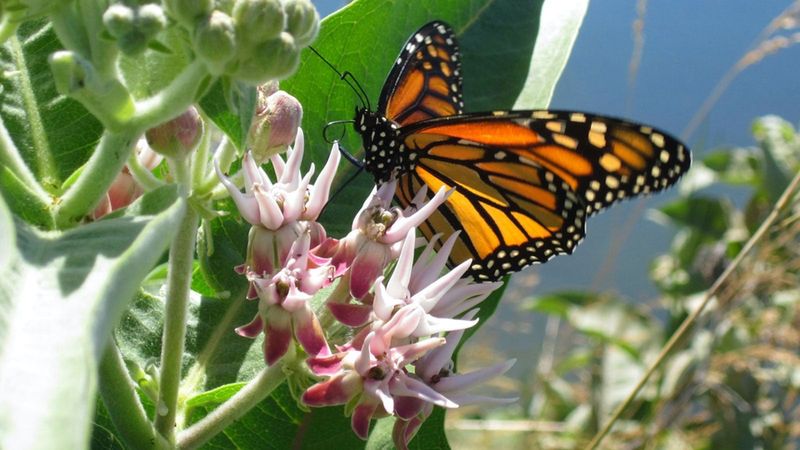
Every fall, monarch butterflies pass through North Carolina on their long trip south, and their striped caterpillars depend on one plant to survive: milkweed. Without it, baby monarchs simply have nothing to eat.
The good news is that North Carolina is home to about 16 native milkweed species, so your own backyard can become a roadside diner for these travelers. Here are nine NC natives that keep monarch caterpillars fed while helping you build a healthier, wildlife-friendly yard.
1. Common Milkweed (Asclepias syriaca)
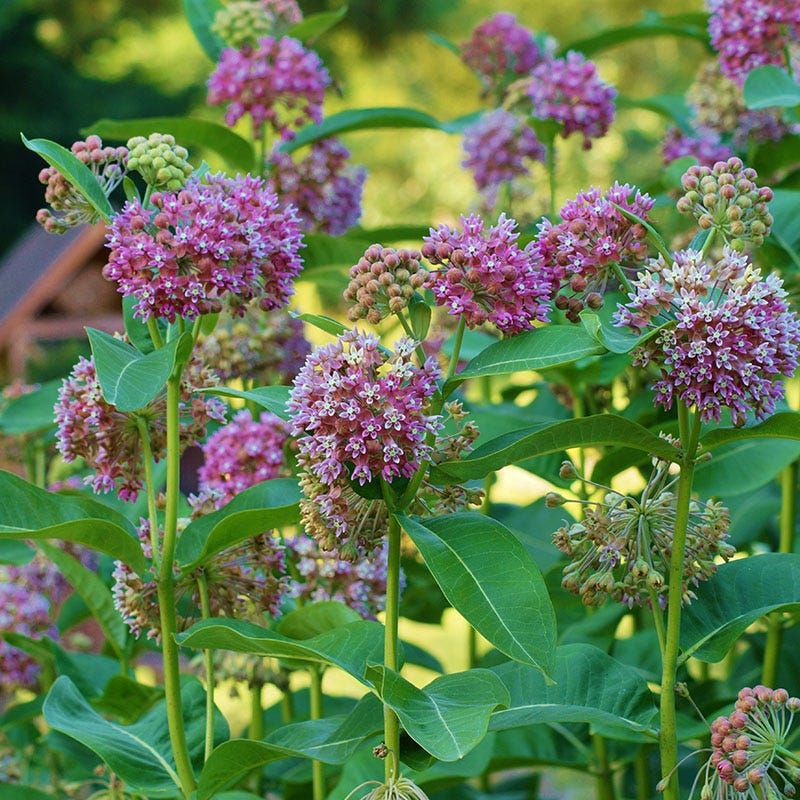
If you only have room for one milkweed, this tough old workhorse earns its spot. Common milkweed shrugs off poor, dry soil and thrives in sunny meadows, old fields, and the back of a mixed border where its height won’t crowd shorter plants.
From June through August it puts out clusters of fragrant, dusty-pink blooms that pollinators can’t resist. The leaves are broad and plentiful, giving hungry caterpillars plenty to chew.
Here’s the part that fits fall perfectly: the plant naturally dies back as the season winds down, which nudges monarchs to keep moving on their southward journey instead of lingering too long. It spreads by underground runners, so give it a spot where a little wandering is welcome rather than a tidy formal bed.
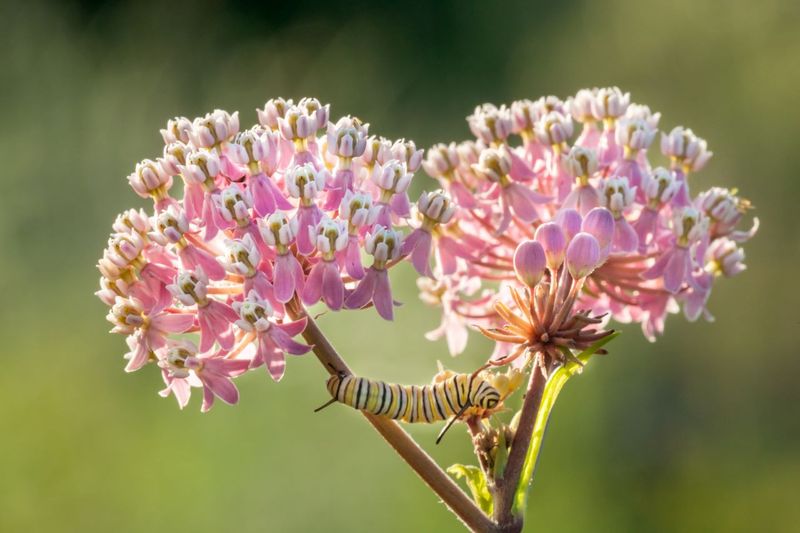
2. Swamp Milkweed (Asclepias incarnata)
Got a soggy corner where nothing seems happy? That low, wet spot is exactly where swamp milkweed shines.
Sometimes called pink milkweed, it loves rain gardens, pond edges, and any ground that stays consistently moist.
Rose-purple flower clusters top its branching stems from June all the way into October, making it one of the longer-blooming choices on this list. That extended season matters for late-arriving monarchs still fueling up before heading south.
Unlike common milkweed, this one behaves itself and stays put in a clump, so it plays nicely in a designed garden bed. It’s a smart pick for Coastal Plain and Piedmont gardeners tired of watching thirsty plants sulk in wet ground.
3. Butterfly Milkweed (Asclepias tuberosa)
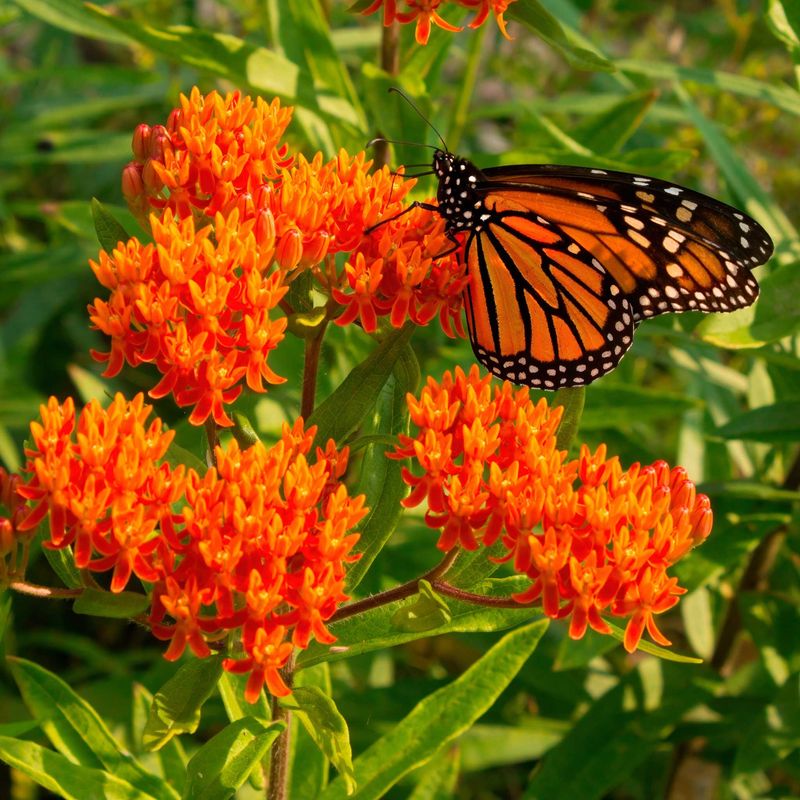
Few native plants light up a yard like this one. Blazing orange (sometimes yellow) flower clusters make butterfly milkweed the show-off of the milkweed family, and monarchs, swallowtails, and bees swarm it all summer.
Drought is no problem here. It happily tolerates dry to moist soil, full sun, and even the baked, poor dirt near driveways and roadsides where other flowers give up.
Blooming from May through September, it feeds adults with nectar while its leaves nourish caterpillars. One heads-up: it grows a deep taproot, so plant it where you want it to live permanently, because moving it later is a losing battle.
Set it once, give it sun, and enjoy the fireworks for years.
4. Whorled Milkweed (Asclepias verticillata)
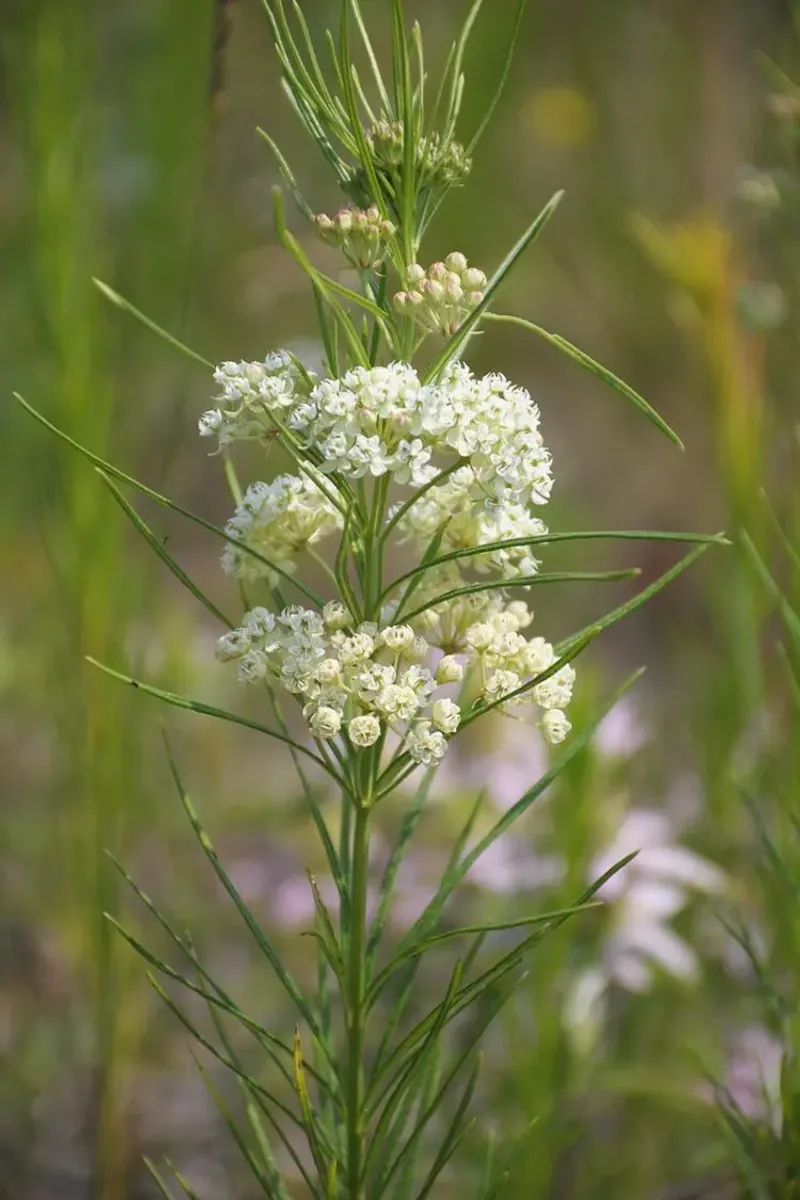
Fine, feathery foliage sets this species apart from its broad-leaved cousins. Whorled milkweed wears skinny, needle-like leaves arranged in circles up the stem, giving it an airy, almost ornamental look that mixes beautifully into small beds.
Native to the Piedmont and mountain regions, it tops out at just 1 to 3 feet tall and prefers full sun with medium to dry soil. Greenish-white flowers appear from May through September.
Because it blooms later than many milkweeds, it becomes a valuable food stop for the fall migration when other plants have already faded. Its modest size makes it perfect for gardeners working with tight quarters who still want to do right by monarchs.
5. Red-Ring Milkweed (Asclepias variegata)
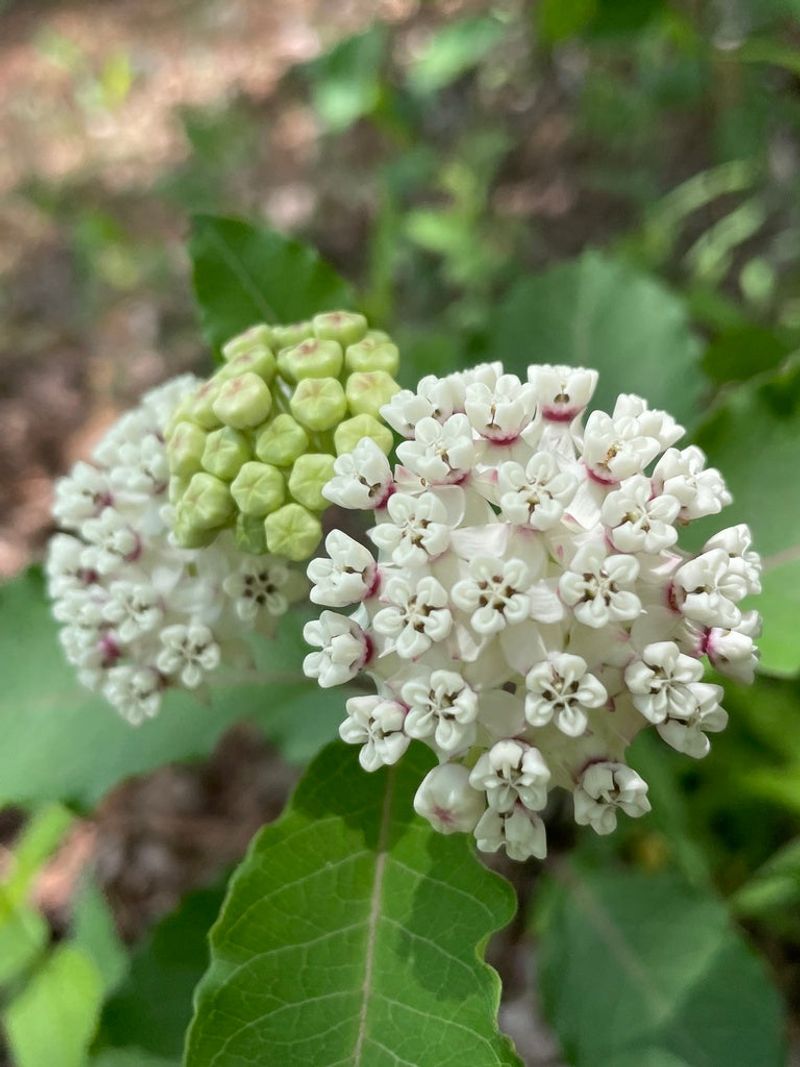
Shady spots usually spell trouble for milkweed, but this one breaks the rule. Red-ring milkweed grows across all of North Carolina and actually prefers part-sun to light shade, thriving in dry sandy or rocky soil where sun-lovers struggle.
Its blooms are a stunner up close: crisp white flowers, each marked with a purple to red ring at the base, giving the plant its name. Look for them from May through July.
For gardeners with a woodland edge or a spot dappled by tree cover, this is the milkweed that finally fits. It proves you don’t need a wide-open sunny field to feed traveling monarch caterpillars.
6. Green Comet Milkweed (Asclepias viridiflora)
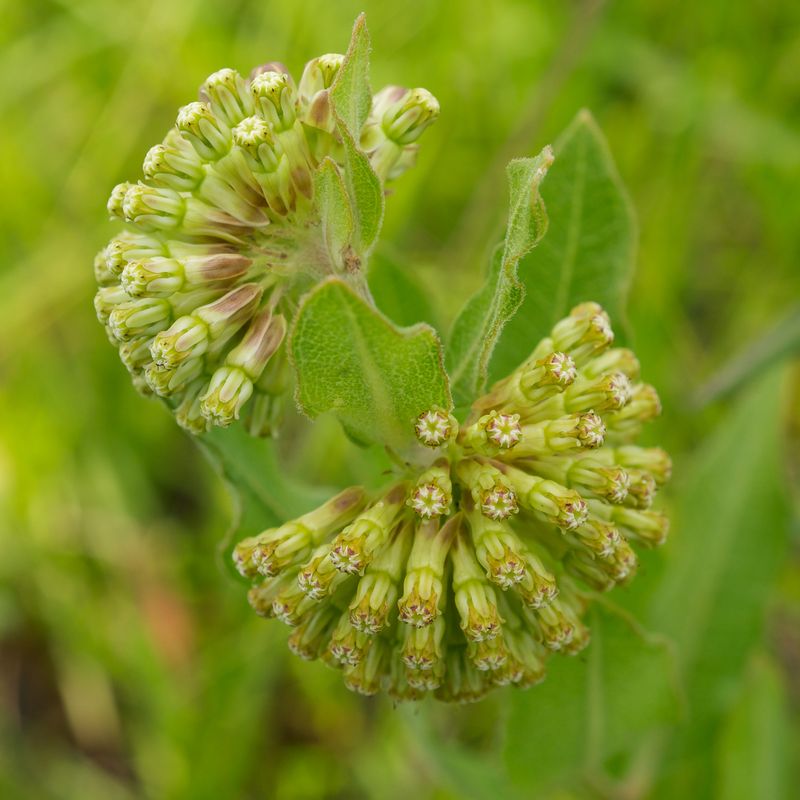
Want something a little offbeat? Green comet milkweed trades the usual pinks and oranges for clusters that open green and slowly mature to yellow with a hint of purple.
The subtle color shift makes it a conversation starter among plant-curious neighbors.
You’ll find it naturally in the central Piedmont and northeastern Coastal Plain, where it settles into sunny, open ground with medium to dry sandy soil. Flowers arrive from June through August.
Its tolerance for lean, sandy conditions makes it a great match for those tricky spots that dry out fast in summer heat. Quietly generous to caterpillars, it adds unexpected texture to a native planting while keeping the monarch buffet stocked.
7. Red Milkweed (Asclepias rubra)
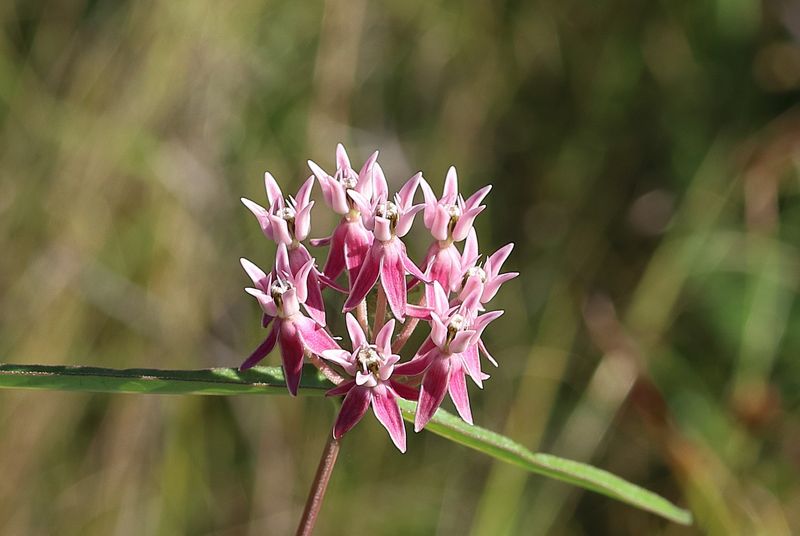
Wetland gardeners in the eastern part of the state have a standout to consider. Red milkweed calls the eastern Piedmont and Coastal Plain home, favoring wet, open places like meadows, bogs, and pine barrens.
Standing 1 to 3 feet tall, it flowers in warm shades of pink, purple, red, and lavender from May through August. The rich coloring pulls in pollinators while the foliage does its quiet work feeding young monarchs.
Think of it as swamp milkweed’s less common cousin, a special-occasion plant for gardeners restoring boggy or naturally damp ground. If you have a genuinely wet spot and want something beyond the ordinary, this native rewards the effort.
8. Purple Milkweed (Asclepias purpurascens)
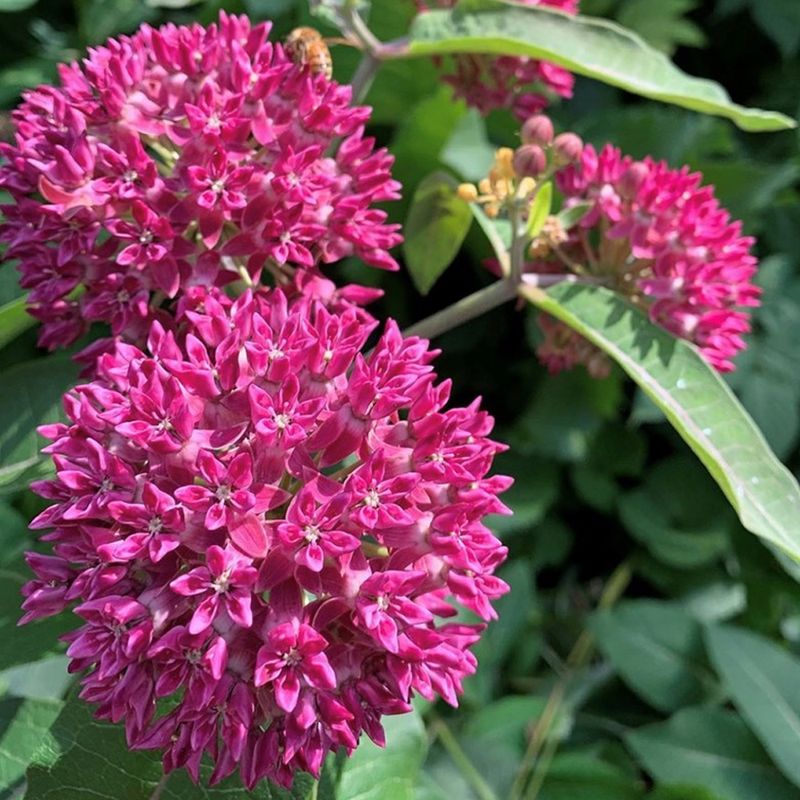
For sheer color intensity, few milkweeds beat this one. Purple milkweed produces deep, saturated purple blooms that look almost jewel-like compared to the softer pinks of its relatives.
Native to North Carolina, it’s less commonly found in nurseries, which makes adding it to your yard feel a bit like rescuing a hidden gem. It tends to appreciate a spot with some sun but can handle a touch of shade, blending into the edge of a border nicely.
Because it’s rarer in the landscape, planting it does double duty: you feed monarch caterpillars and help keep a lesser-seen native in circulation. Seek it out from a reputable native plant sale rather than digging it from the wild, so the local population stays healthy.
9. Poke Milkweed (Asclepias exaltata)
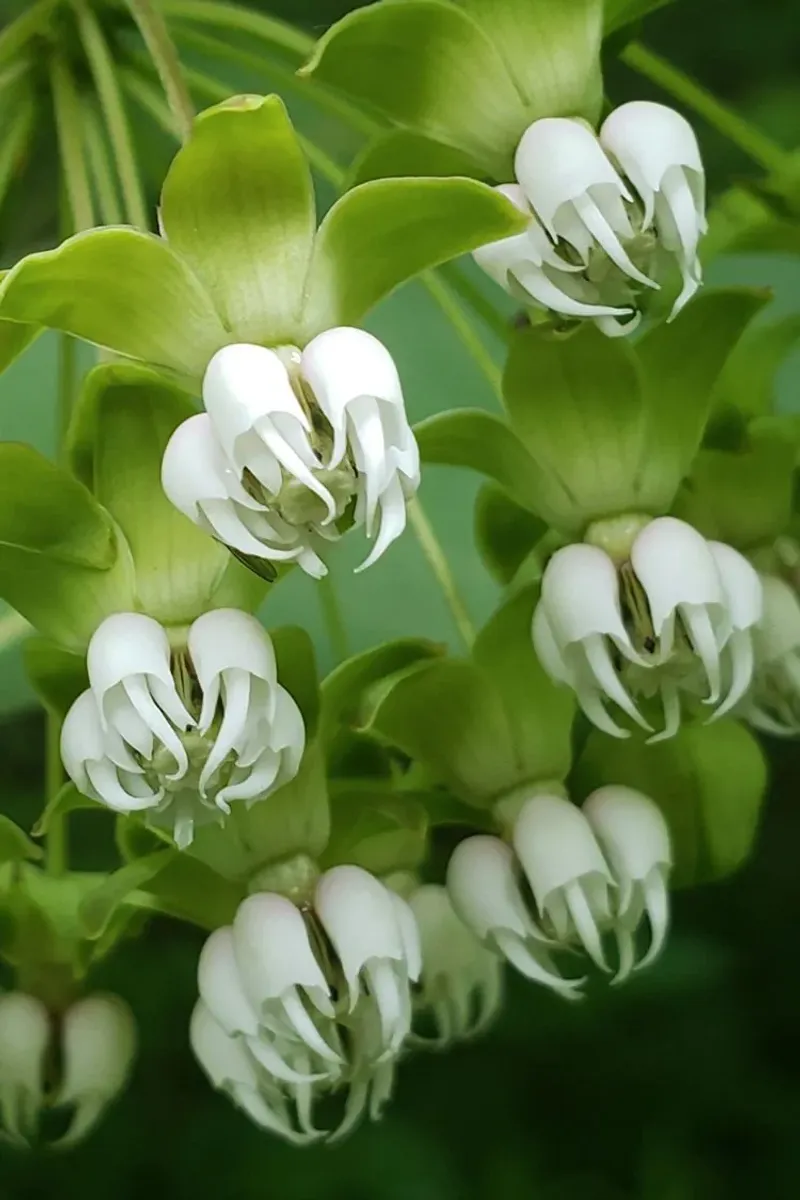
Mountain gardeners, this final pick was practically made for you. Poke milkweed is common in the Blue Ridge and mountain regions and rare down in the Piedmont, so it fills a niche the others leave open.
Its droopy flower clusters, tinged green and purple, dangle downward in an elegant, understated way from July through August. Rather than demanding blazing sun, it happily grows along shady woodland edges as well as in sunnier garden beds.
It prefers organically rich soil but will adapt to the average clay so many NC yards are stuck with. If you garden under a canopy of trees in the mountains or foothills, poke milkweed lets you support the monarch migration without cutting down a single limb for more sun.