
If Your Christmas Cactus Leaves Look Pale And Limp Right Now, Here Are 12 Fixes That Reset It
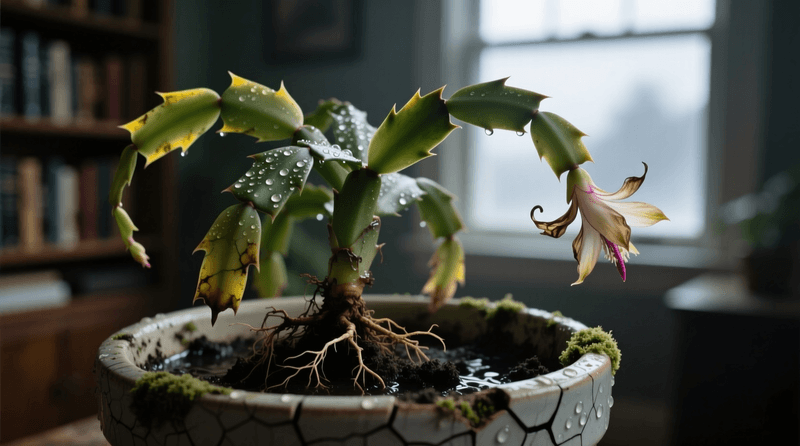
A Christmas cactus that once looked plump and glossy can suddenly turn pale and floppy, and it is easy to panic when you spot it. The good news is that limp leaves are almost always a cry for help you can answer, not a death sentence.
Most of the time the trouble comes down to water, light, or a hungry plant that needs a little extra care. Here are 12 simple fixes you can start today to bring your cactus back to life.
1. Check Soil Moisture Immediately
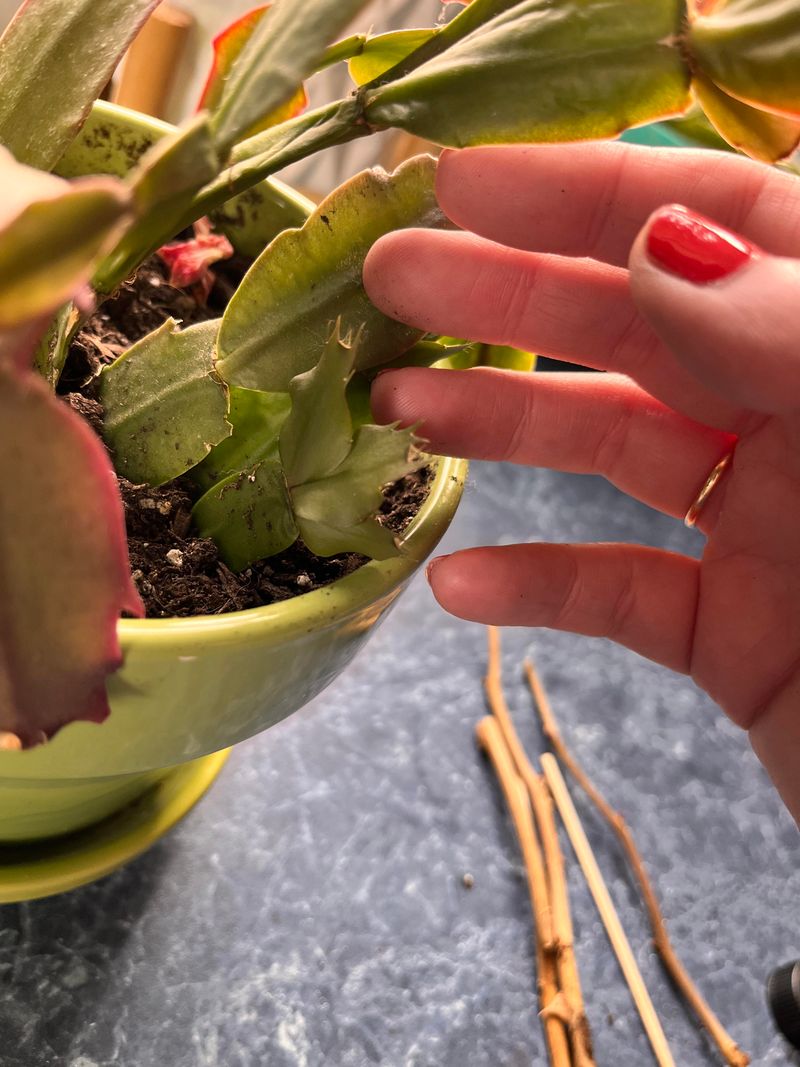
Before you do anything dramatic, stick your finger about an inch into the soil and feel around. Limp leaves are sneaky because both too much and too little water can cause them, so this quick test tells you which problem you are actually dealing with.
If the soil feels soggy and clings to your finger, you are likely looking at overwatering. If it feels bone dry and pulls away from the pot edges, thirst is the culprit.
Skipping this step is where most people go wrong. They grab the watering can out of habit and end up making a soggy plant even soggier.
One honest finger check saves you from guessing and points every other fix in the right direction.
2. Adjust Watering for Overwatering
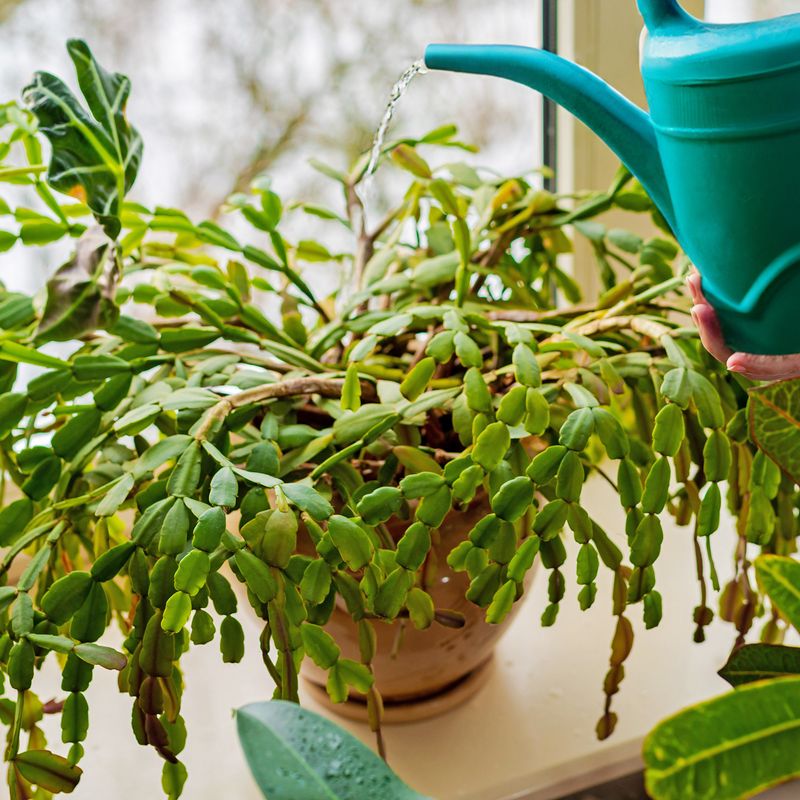
So the soil came back damp? Put the watering can down and walk away.
A Christmas cactus does not want to sit in wet feet, and the fastest way to help it is simply to let the top couple of inches dry out before the next drink.
When soil stays saturated for days, the roots cannot breathe, and that is when leaves go soft and pale. Giving the mix time to dry lets oxygen back down to the roots.
If the soil is truly waterlogged and not draining at all, gently slide the plant out of its pot so the root ball can air out. That small move can stop a bad situation from sliding into full root rot.
3. Perform Root Rot Rescue
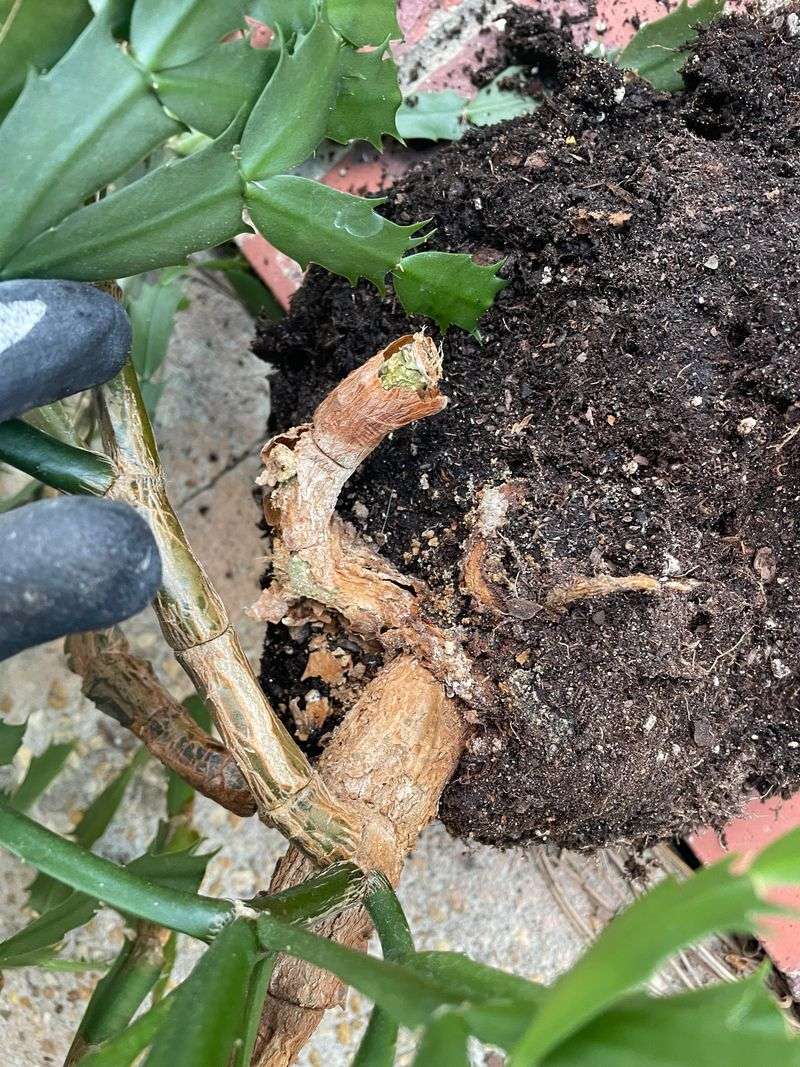
Here is the part nobody enjoys but that can genuinely save the plant. If the roots smell foul or look mushy, brown, or black, root rot has moved in and needs surgery.
Slide the plant out and rinse the old soil off under lukewarm water so you can actually see what you are working with. Grab a pair of sterilized scissors or pruners and snip away every soft, rotten section until only firm, healthy roots remain.
Cutting into your plant feels scary, I know. But leaving the rot behind guarantees it spreads, while a clean cut gives the healthy roots a real shot.
Wipe your blades with rubbing alcohol between cuts so you are not spreading trouble around.
4. Repot with Fresh, Well-Draining Soil
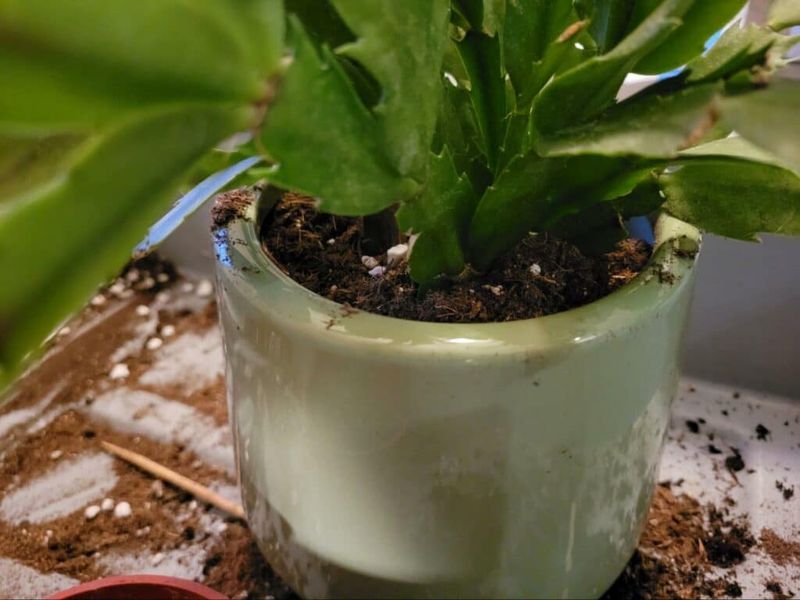
Fresh roots deserve a fresh start. After a rot rescue, or anytime the old mix has turned dense and gunky, move your cactus into clean soil that drains fast.
Reach for a cactus or succulent blend, then loosen it up with perlite, coarse sand, or a handful of orchid bark. That airy texture keeps water moving through instead of pooling around the roots.
Barely moisten the new mix before planting, and choose a pot with drainage holes every single time. A Christmas cactus is actually a tropical epiphyte that clings to trees in the wild, so it craves that loose, breathable footing rather than a heavy, water-holding bog.
5. Adjust Watering for Underwatering
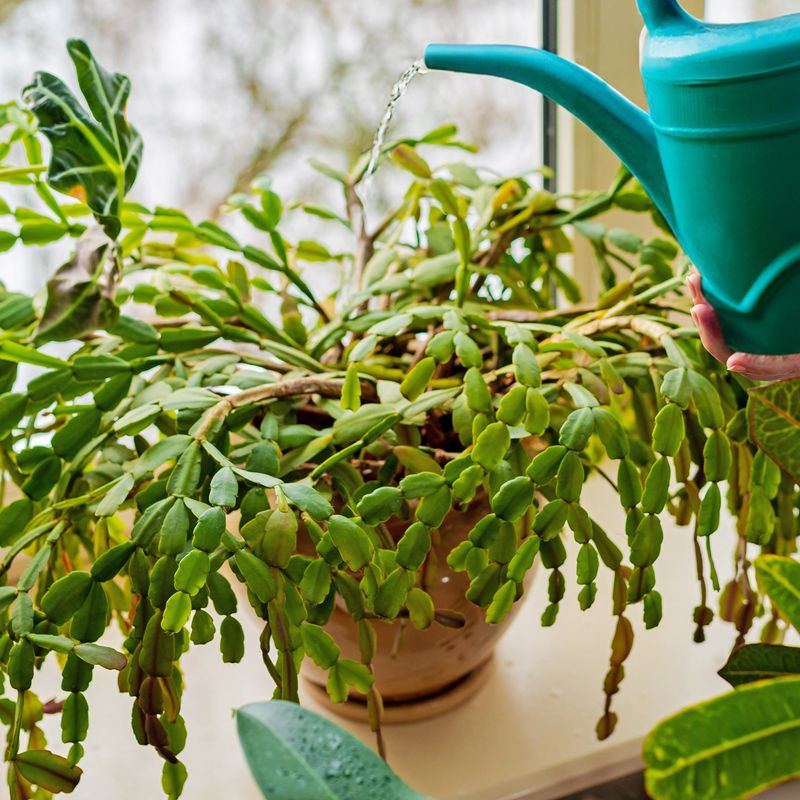
Turns out the soil was dry as a cracker? Your plant is simply parched, and the fix is refreshingly easy.
Give it a good, thorough soak rather than a timid splash.
Water until you see it running out the drainage holes at the bottom, which tells you the whole root ball got a drink and not just the surface. Then let the excess drain fully so the plant is never left standing in a saucer of water.
Once you get back on a steady rhythm, those flat, thirsty segments usually plump up within a few days. Consistency beats flooding, so aim for regular, deep waterings whenever the top inch dries out.
6. Provide Bright, Indirect Light
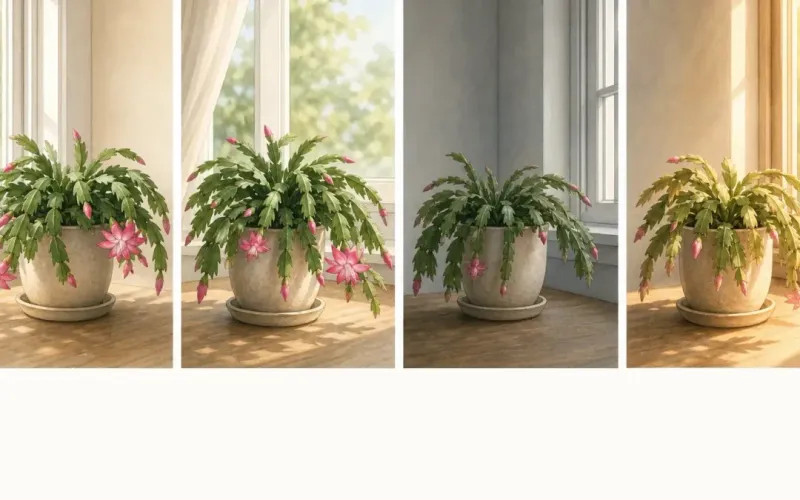
Light can be a quiet troublemaker. Harsh, direct sun beating on the leaves often bleaches them pale, or tints them a stressed purple-red or pinkish shade that gardeners mistake for disease.
Scoot your cactus out of that blazing spot and give it bright but filtered light instead. An east or west-facing window usually hits the sweet spot, and a sheer curtain does wonders for softening midday intensity.
Think of the dappled light beneath a rainforest canopy, since that is the environment this plant evolved in. Get the brightness right and the color deepens back to a rich, healthy green.
7. Ensure Adequate Drainage in the Pot
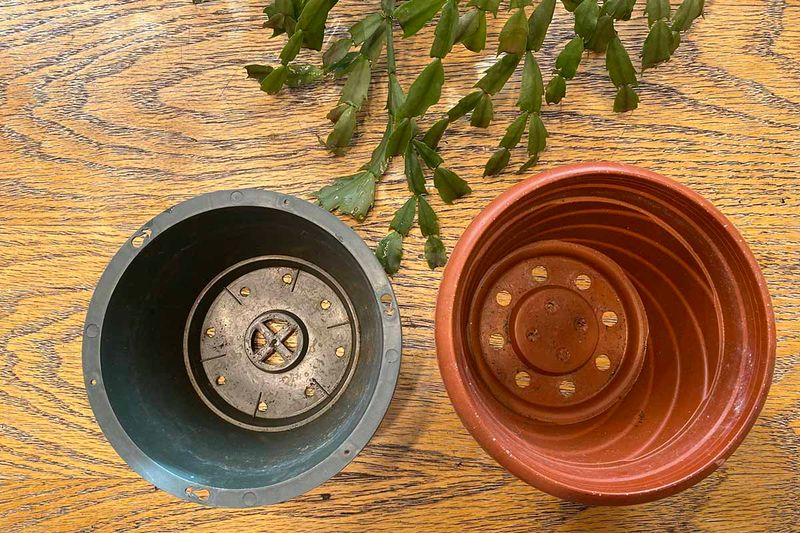
A gorgeous decorative pot with no holes in the bottom is basically a trap for your cactus. Water pours in, has nowhere to go, and the roots end up marinating in a swamp.
Always plant into a container with drainage holes, no exceptions. If you adore a certain cachepot, keep the plant in a plain nursery pot with holes and just tuck it inside the pretty one.
Good drainage is the unsung hero behind so many of these fixes. When water can escape freely, you sidestep the waterlogged soil that leads straight to rot and those disheartening limp leaves.
8. Fertilize Thoughtfully
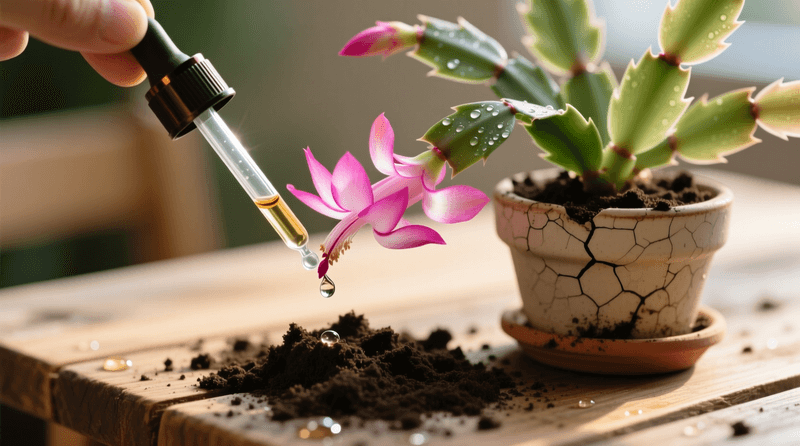
Sometimes pale leaves are just plain hungry leaves. A cactus that has lived in the same soil for ages may have used up its nutrients, leaving segments faded and washed out.
Feed it monthly from late spring into early fall using a balanced, low-nitrogen, water-soluble fertilizer, something in the neighborhood of 5-10-10. Dilute it to half strength so you gently nourish rather than shock the roots.
More is not better here. Overfeeding can burn a Christmas cactus faster than skipping meals ever will, so ease off entirely once the plant heads into its resting season in fall and winter.
9. Supplement with Magnesium
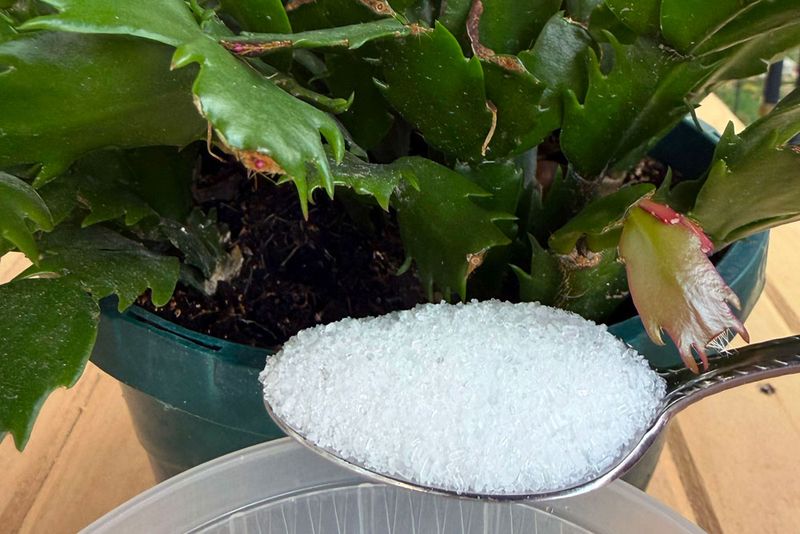
Here is a little-known quirk of this plant: it has a bigger appetite for magnesium than most houseplants. A shortfall can leave leaves looking dull and lackluster no matter how well you water.
You can top it up with a monthly dose of Epsom salts, about a teaspoon dissolved in a gallon of water, during the active growing season. It is a cheap fix hiding in most bathroom cabinets.
One scheduling tip that trips people up: apply the Epsom salt on a different week than your regular fertilizer. Spacing them out helps the plant actually absorb the magnesium instead of competing with other nutrients.
10. Maintain Stable Temperatures
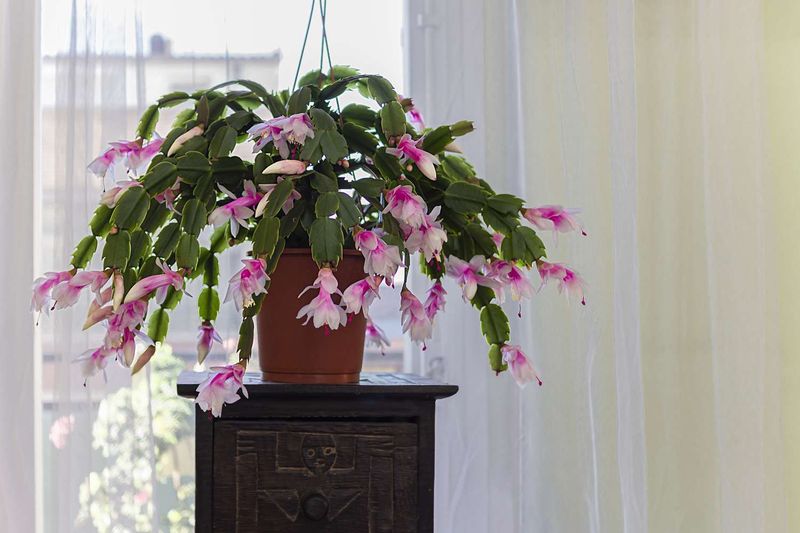
Christmas cacti are creatures of habit, and they hate surprises. Park one next to a heating vent, a cold drafty door, or a fireplace, and the sudden swings will stress it into drooping.
Keep it somewhere with steady, moderate temperatures and away from those hot-and-cold hot spots. When it comes time to coax out those famous holiday blooms, cooler nights around 50 to 60 degrees Fahrenheit work like magic.
Stability is the theme. A plant that is not constantly bracing against temperature shocks can pour its energy into firming up leaves and setting buds instead of just surviving.
11. Increase Humidity
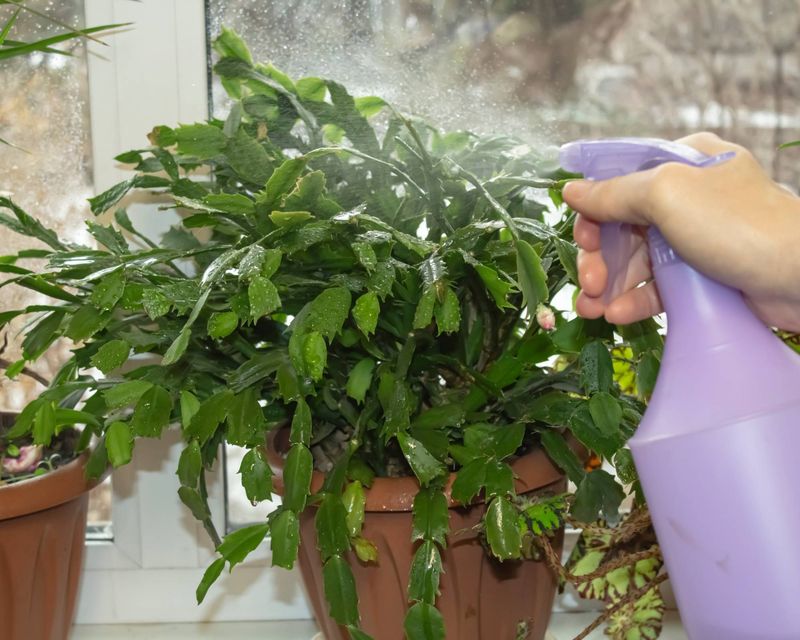
Remember that rainforest heritage? It means your cactus quietly longs for moisture in the air, something in short supply when winter heating dries your home to a crisp.
Give it a boost by misting the segments every few days, or set the pot on a pebble tray with a little water in the bottom. As that water evaporates, it lifts the humidity right around the plant.
Grouping it near other houseplants helps too, since plants share moisture as they breathe. Dry indoor air is an easy thing to overlook, but nudging up the humidity can perk up limp leaves you had almost given up on.
12. Consider Repotting if Root-bound
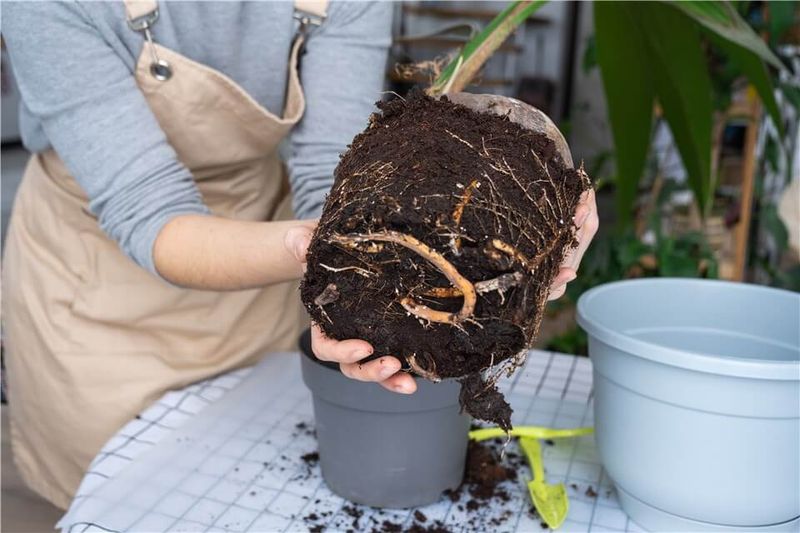
Been years since this plant saw a new home? A cactus that has sat in the same pot for ages can get root-bound, with roots coiled so tightly they crowd out any room for soil.
When that happens, water and nutrients just cannot get through, and the leaves show it by turning limp and hungry-looking. Slide the plant out and check: if you see a dense, circling mat of roots, it is time.
Bump it up to a pot just one size larger, no bigger, and settle it into fresh mix. Curiously, Christmas cacti bloom best when a touch snug, so resist the urge to give it a giant new pot and let it enjoy its cozy fresh start.