
If You Grow Tomatoes, Here Are 12 Plants You Should Never Set Too Close To Them
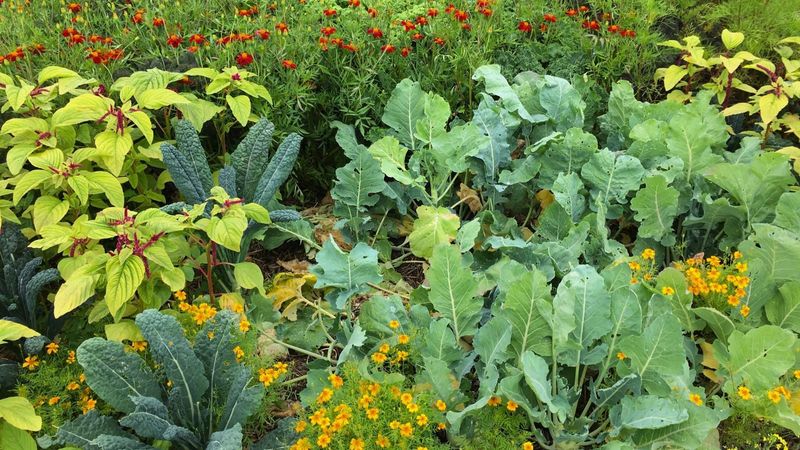
Tomatoes are one of the easiest things to grow in a backyard, but where you plant them matters just as much as how you water them. Some plants steal their nutrients, invite the same pests, or even slow down their growth without you noticing.
If your tomato plants look weak or stop producing fruit, a bad neighbor might be to blame. Here are 12 plants you should keep far away from your tomatoes so they can thrive all summer.
1. Cabbage
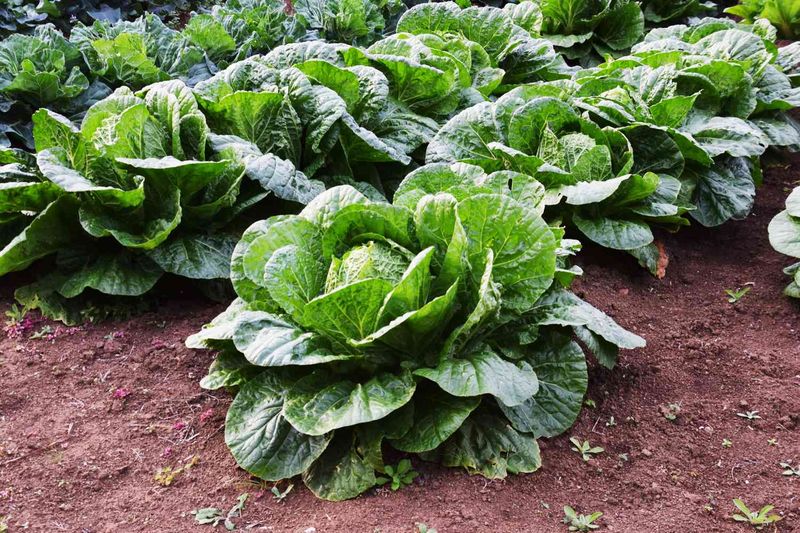
Cabbage and tomatoes might both belong in your dinner, but they make terrible roommates in the garden. Cabbage is a heavy feeder, meaning it gobbles up the same nitrogen and nutrients your tomatoes desperately need to grow strong.
When they compete for the same food in the soil, your tomatoes often lose the battle. You may see slower growth, smaller fruit, or plants that just look tired.
Cabbage also belongs to the brassica family, which tends to stunt tomato growth when planted too close. Give these two plenty of space, ideally on opposite ends of the garden, and both will reward you with a better harvest.
2. Corn
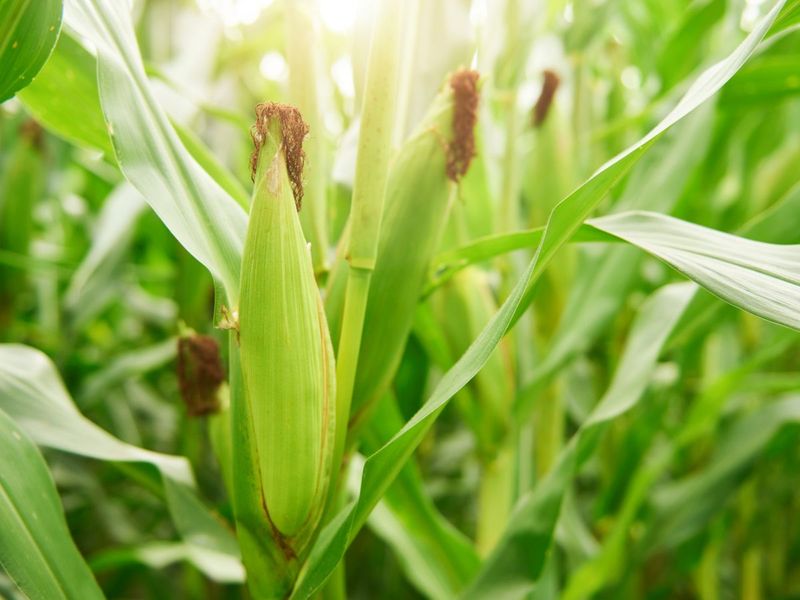
Sweet corn towering over your garden looks impressive, but keep it far from your tomatoes. Both plants attract the exact same troublemaker: the corn earworm, which also happens to be the tomato fruitworm.
Plant them side by side and you basically roll out a welcome mat for a pest that will chew through both crops. One infestation can quickly spread from stalk to vine.
Corn is also a hungry, tall plant that shades out sun-loving tomatoes and competes for nutrients. Your tomatoes need six to eight hours of direct light, and a wall of corn can rob them of that.
Keep these two well apart to break the pest cycle.
3. Potatoes
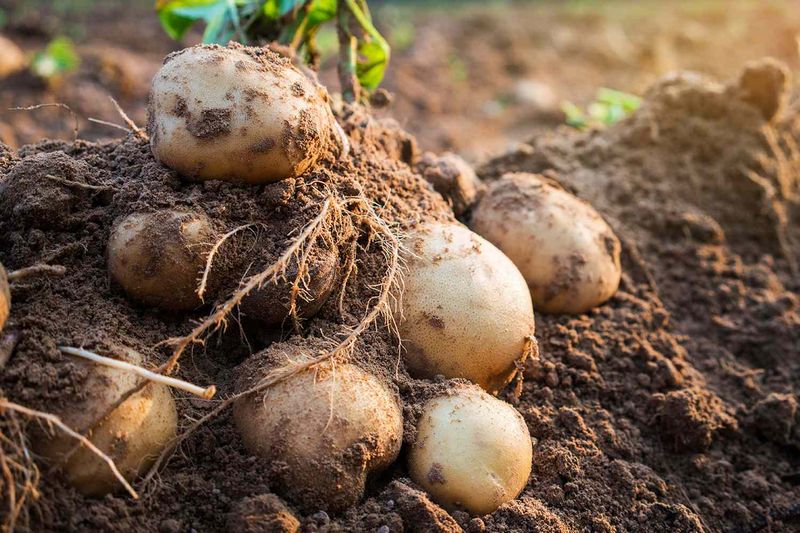
Here is a sneaky one: potatoes and tomatoes are actually cousins, both part of the nightshade family. You might think relatives would get along, but that shared family tree is exactly the problem.
Because they are so closely related, they catch the same diseases, especially the dreaded early and late blight. Plant them near each other and a disease in one can wipe out both in a matter of days.
Digging up potatoes can also disturb tomato roots and spread fungus through the soil. If you want to grow both, put a good stretch of garden between them and never plant one where the other grew last season.
4. Fennel
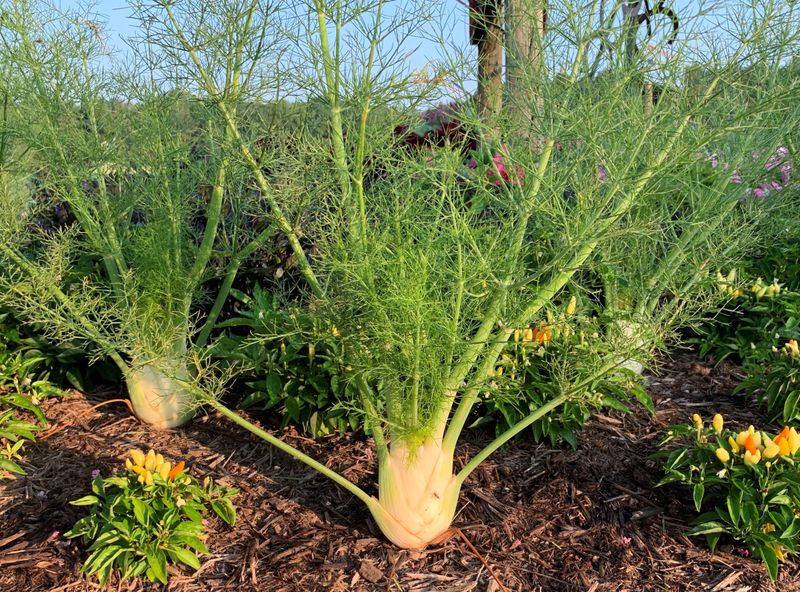
Fennel is the loner of the vegetable world, and almost nobody wants it as a neighbor. Its roots release chemicals into the soil that slow down or even harm nearly every plant around it, tomatoes included.
Gardeners call this behavior allelopathy, which is a fancy way of saying fennel fights back with chemical warfare. Your tomatoes can end up stunted and struggling for no obvious reason.
The safest move is to grow fennel in its own container, far from the rest of your garden. That way it can do its thing without dragging your tomatoes down with it.
5. Broccoli
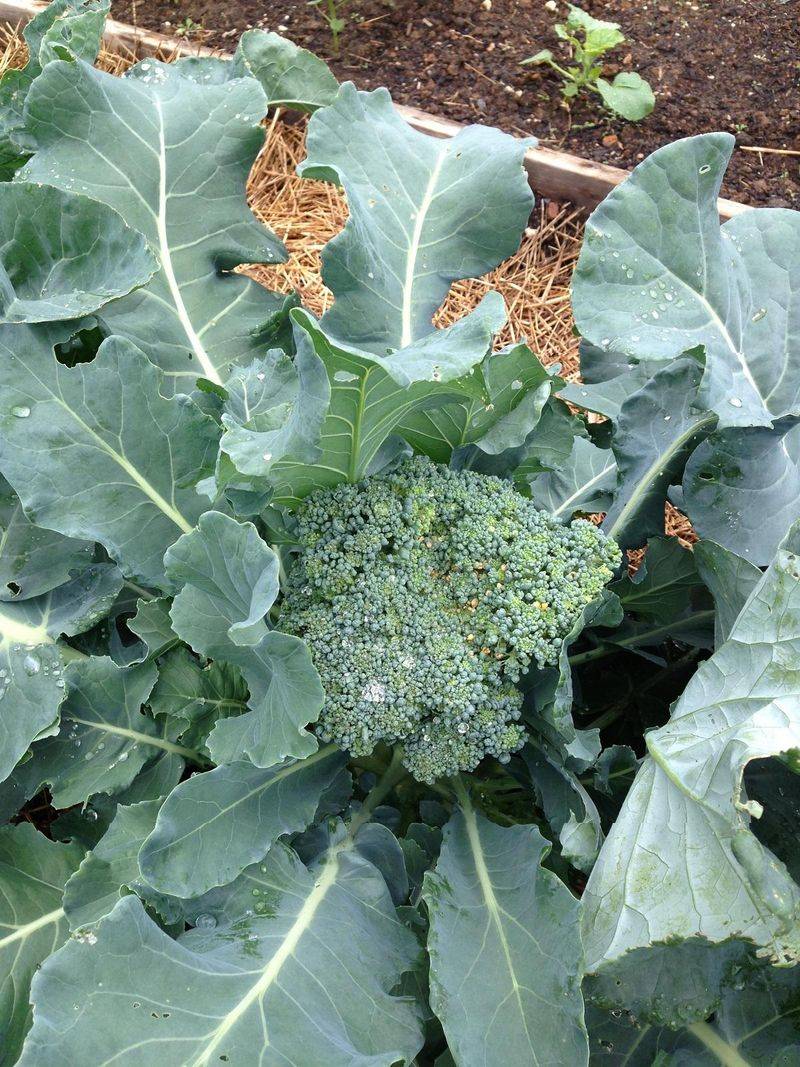
Broccoli is another brassica that treats the soil like an all-you-can-eat buffet. It craves calcium and nitrogen, the very nutrients your tomatoes rely on to build strong stems and juicy fruit.
Set them close together and they will constantly fight over the same meal. In most cases, the broccoli wins and your tomatoes come up short.
You might notice yellowing leaves or blossom end rot on tomatoes that are starved for calcium. Keep broccoli in its own section of the garden and feed the soil well so neither plant goes hungry.
6. Cauliflower
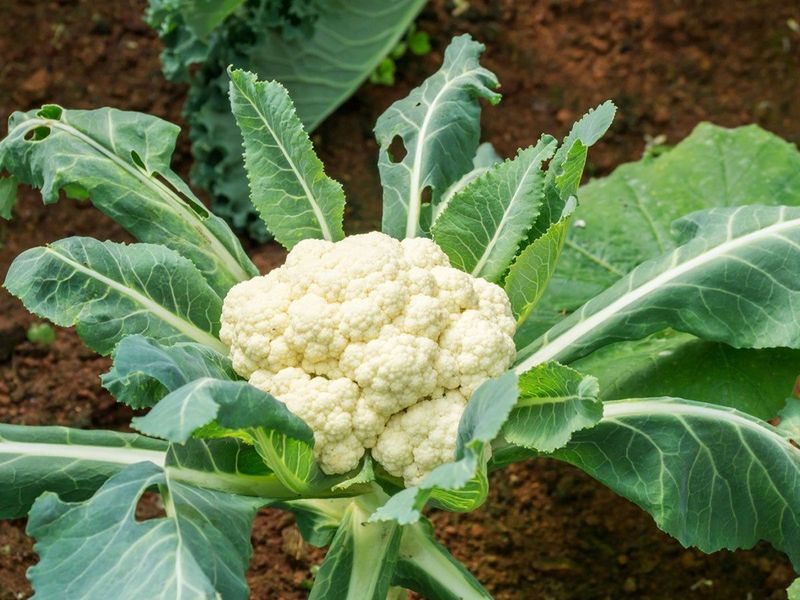
Much like its brassica siblings, cauliflower is a demanding feeder that does not play nice with tomatoes. It pulls heavy amounts of nutrients from the soil and leaves little behind for anything growing nearby.
Tomatoes planted too close often end up pale and slow, missing the fuel they need to fruit well.
Cauliflower also prefers cooler weather, while tomatoes love the heat, so their needs rarely line up anyway. Growing them in separate beds keeps both happy and lets each one get the care it actually wants.
7. Dill (mature)
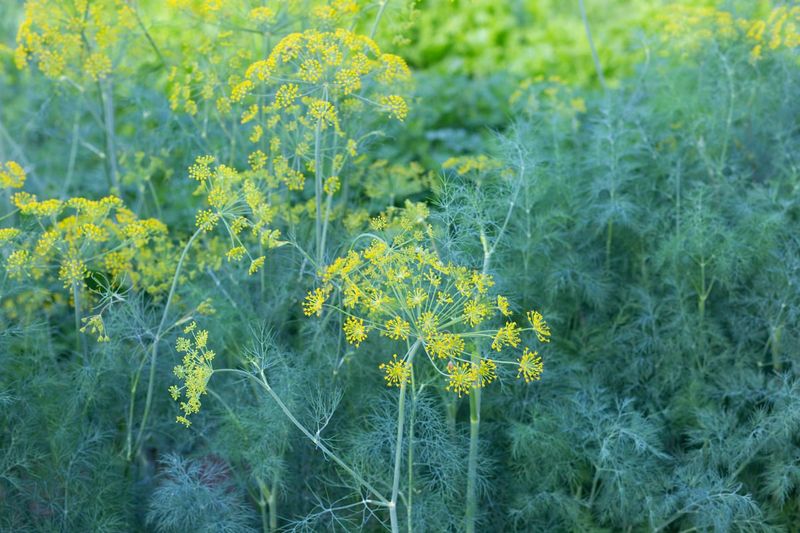
Young dill can actually help tomatoes, which is where a lot of gardeners get tricked. The trouble starts once dill matures and begins to flower, because that older plant can stunt tomato growth.
Mature dill sends out compounds that interfere with how tomatoes develop, and it may reduce your fruit yield.
If you love dill, harvest it young and pull it before it bolts and flowers near your tomatoes. Better yet, grow the mature plants in a spot of their own where they can go to seed without causing any harm.
8. Eggplant
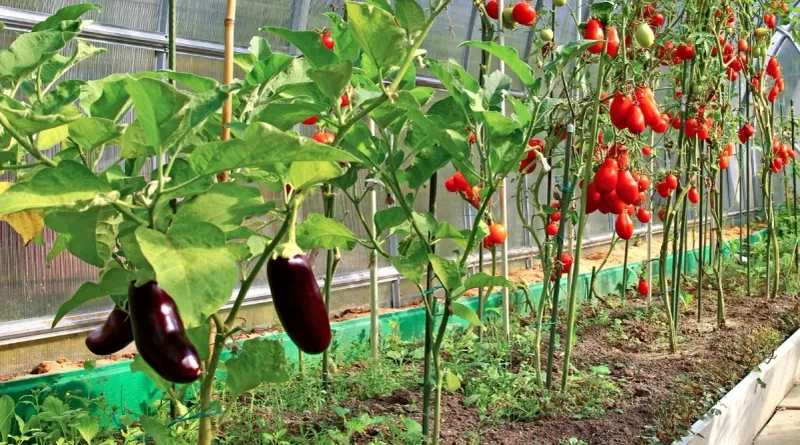
Eggplant is yet another member of the nightshade family, and that connection spells trouble. Sharing a family with tomatoes means sharing the same enemies: blight, verticillium wilt, and hungry flea beetles.
Plant them cheek to cheek and a single outbreak can hop from one to the other with ease.
Both plants also draw the same nutrients from the soil, so they compete just when they need to be growing hard. Space them out and rotate where you plant nightshades each year to keep diseases from building up in the ground.
9. Peppers
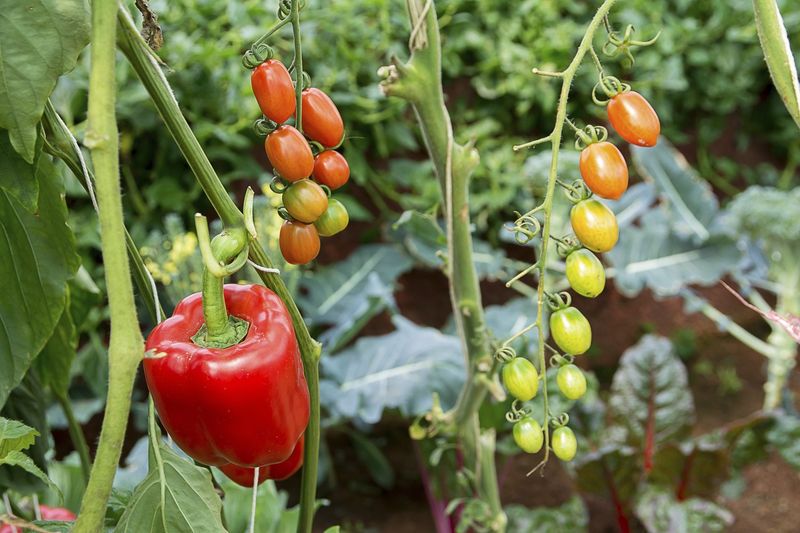
Peppers feel like a natural match for tomatoes since they end up in so many of the same recipes. In the garden, though, that friendship falls apart because peppers are nightshades too.
They catch the same fungal diseases and attract the same pests, so trouble in one bed can quickly become trouble in both.
Growing them side by side also concentrates all your nightshades in one spot, which makes disease spread faster and harder to stop. A little distance between your peppers and tomatoes goes a long way toward keeping both crops healthy.
10. Walnut Trees
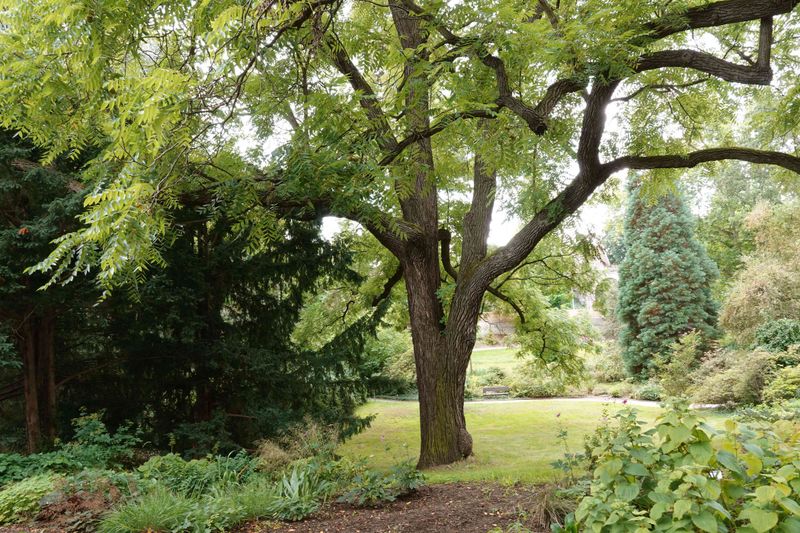
Of all the bad neighbors on this list, the walnut tree might be the most dangerous. Black walnut trees produce a natural chemical called juglans, or juglone, that poisons many plants growing in their shade.
Tomatoes are especially sensitive to it, and plants growing near a walnut can suddenly wilt, yellow, and die with no obvious cause. Gardeners often call this walnut wilt.
The tricky part is that juglone stays in the soil even after the tree is gone, sometimes for years. Never plant tomatoes anywhere near the root zone of a walnut, and choose raised beds with fresh soil if you have one nearby.
11. Kohlrabi
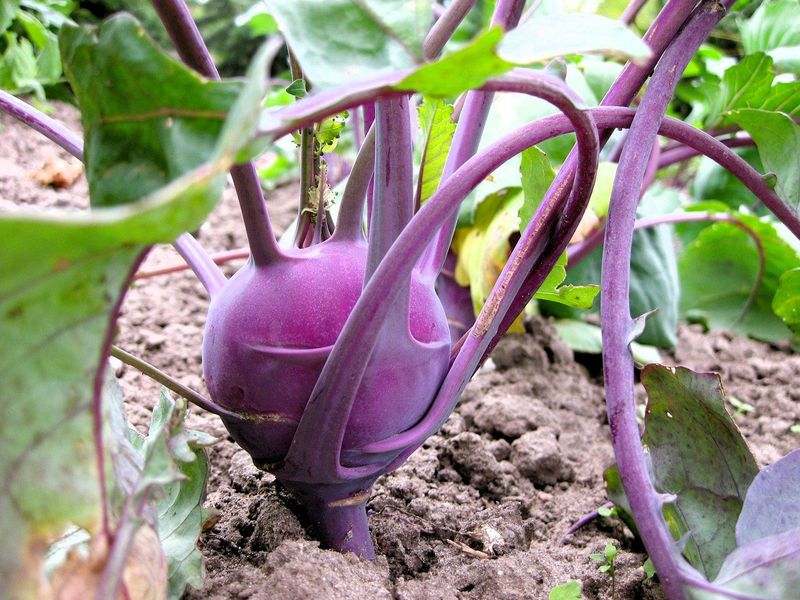
Kohlrabi looks like a little alien spaceship in the garden, but it is really just another brassica up to the same old tricks. It competes aggressively for nutrients and can stunt tomato growth when planted close by.
Your tomatoes may struggle to reach full size while the kohlrabi quietly hogs the good stuff in the soil.
Since both like a steady supply of nutrients, putting them together only sets up a rivalry. Keep kohlrabi in a separate bed and your tomatoes will have room to grow without the competition weighing them down.
12. Rosemary
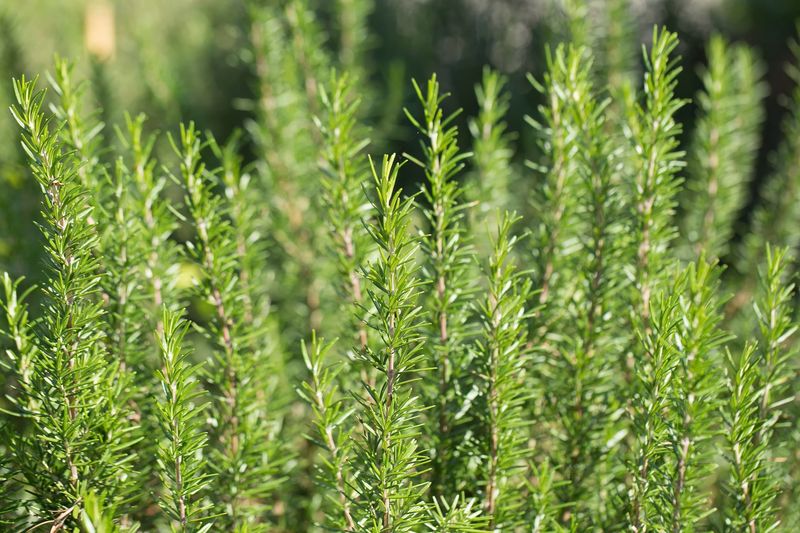
Rosemary is a wonderful herb, but it and tomatoes want completely different lives. Rosemary thrives in dry, sandy soil and prefers to be left thirsty, while tomatoes love rich soil and regular watering.
Plant them together and someone always ends up unhappy. Water enough for your tomatoes and the rosemary may rot; water for the rosemary and your tomatoes go thirsty.
Their mismatched needs make them poor partners even though neither is truly toxic to the other. Grow rosemary in a dry corner or its own pot, and let your tomatoes enjoy the moist, fertile bed they crave.