
The Native North Carolina Perennials That Choke Out Weeds Better Than Landscape Fabric In A Full-Sun Border
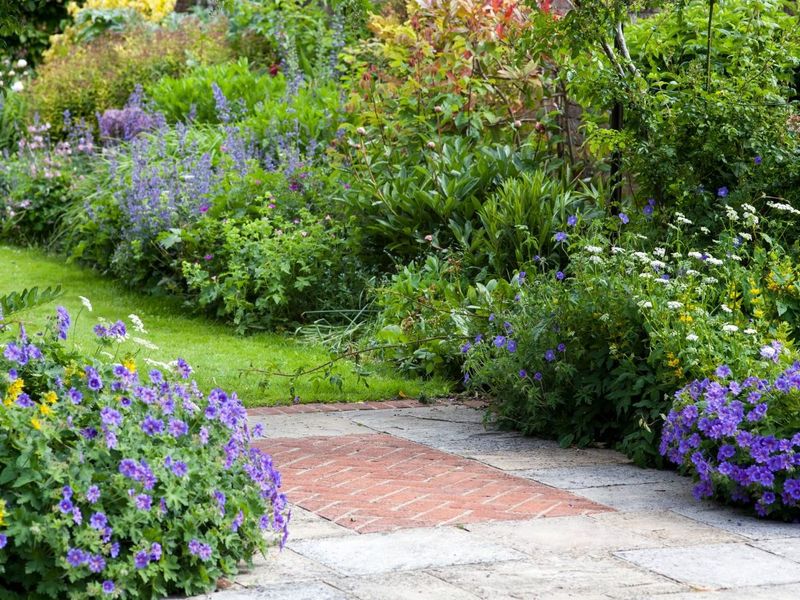
If you have ever laid down landscape fabric only to watch weeds punch right through it a year later, you know that plastic is not the answer. The smarter fix for a sunny North Carolina border is a living carpet of tough native plants that crowd weeds out on their own.
These perennials feed pollinators, shelter beneficial wildlife, and stand up to our Piedmont clay and coastal heat. Here are nine natives that turn a weedy problem spot into a thriving, low-fuss corner of your yard.
1. Blazing Star (Liatris spicata)
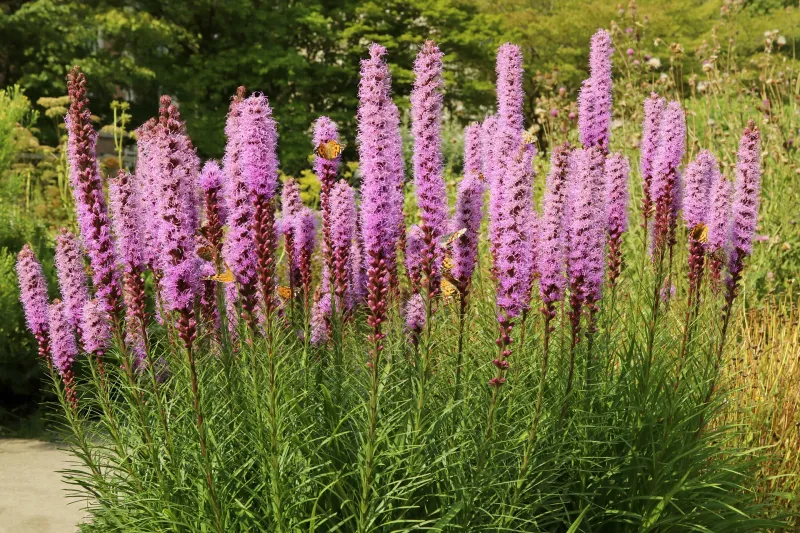
Picture a row of purple bottle-brush spikes swaying above your border in late August, buzzing with bees the whole time. That is Blazing Star, and it earns a spot on this list for its upright, clumping habit that fills vertical space other plants leave open.
Reaching 3 to 6 feet tall, it shrugs off North Carolina’s summer heat and humidity while forming dense clumps that shade the ground below. Weeds have a hard time finding room or light underneath.
It is happiest in full sun and on the drier side, making it a natural fit for that baked strip along a driveway or fence. As a bonus, its nectar is a lifeline for pollinators when many other flowers have already faded.
2. Butterfly Weed (Asclepias tuberosa)
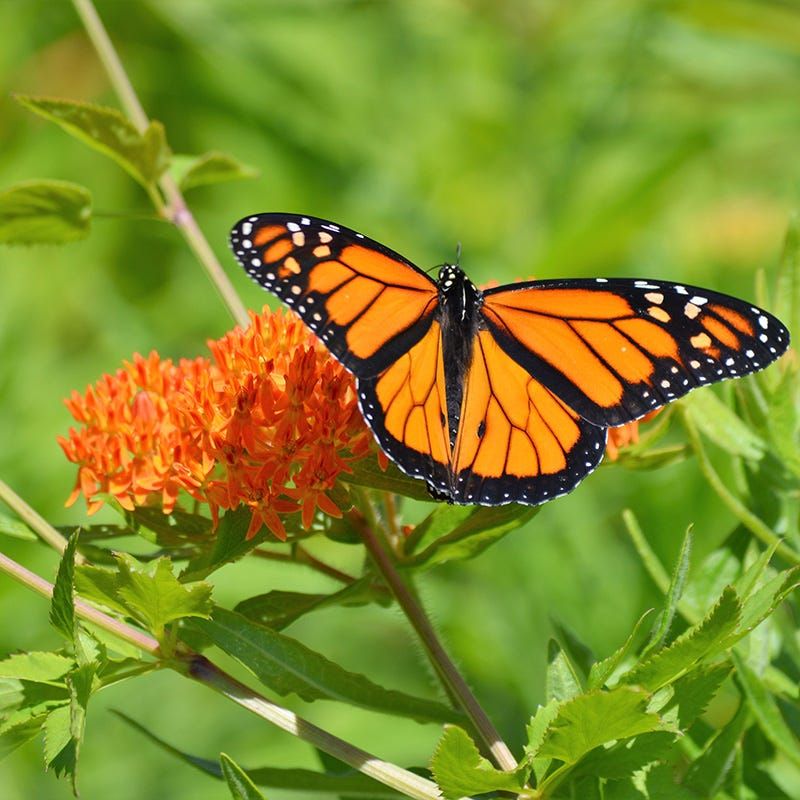
Few natives grab attention like Butterfly Weed, with flame-orange flower clusters that look almost tropical against our red clay. It is the milkweed monarch caterpillars depend on, so planting it does double duty for weed control and for one of NC’s most beloved insects.
Unlike common milkweed, this one stays polite and clumps neatly instead of spreading everywhere. Grouped together in a drift, the plants knit into a robust patch that leaves little bare soil for weeds to colonize.
Dry soil and blazing sun are exactly what it wants, and once its deep roots settle in, it asks for almost nothing. Water it too much or move it around and it will sulk, so pick the spot and leave it be.
3. Purple Coneflower (Echinacea purpurea)
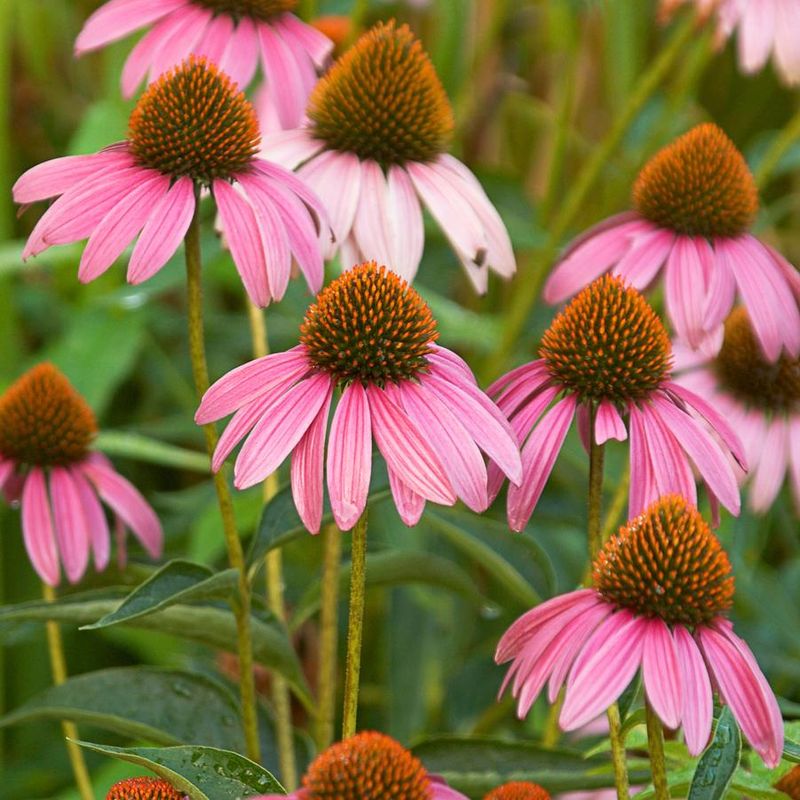
Call it tough-as-nails and you would not be exaggerating. Purple Coneflower laughs at poor clay, brutal heat, and the occasional dry spell, which is exactly why it establishes fast and holds its ground against weeds.
The plants bulk up into sturdy clumps that muscle out competitors for light and water. Their daisy-like petals draw in native pollinators, including the striking Eastern Tiger Swallowtail.
Here is a reason to skip the fall deadheading: goldfinches cling to the spent seed heads all winter, cracking open the seeds for a meal. Leave the stalks standing and you get free bird-watching plus a border that keeps working through the cold months.
4. Wild Indigo (Baptisia australis)
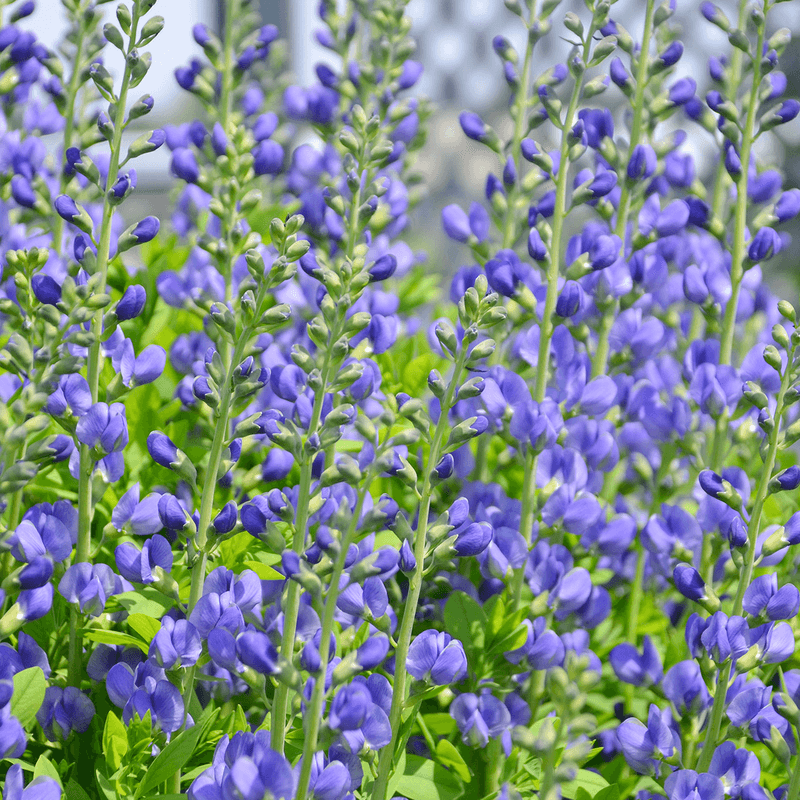
Think of Wild Indigo as the quiet anchor that holds the whole border together. It grows into a rounded, shrub-like mound of blue-green foliage that stays handsome from spring through frost, casting shade that keeps weed seedlings from ever getting going.
Below ground, a deep taproot makes it remarkably drought-tolerant once it settles in, though that same taproot means it hates being transplanted. Plant it where you want it to live for years.
In late spring, spires of indigo-blue flowers rise above the leaves, and native sulfur butterflies use the plant as a host for their caterpillars. Structure, staying power, and butterfly habitat in one package make it hard to beat.
5. Threadleaf Tickseed (Coreopsis verticillata)
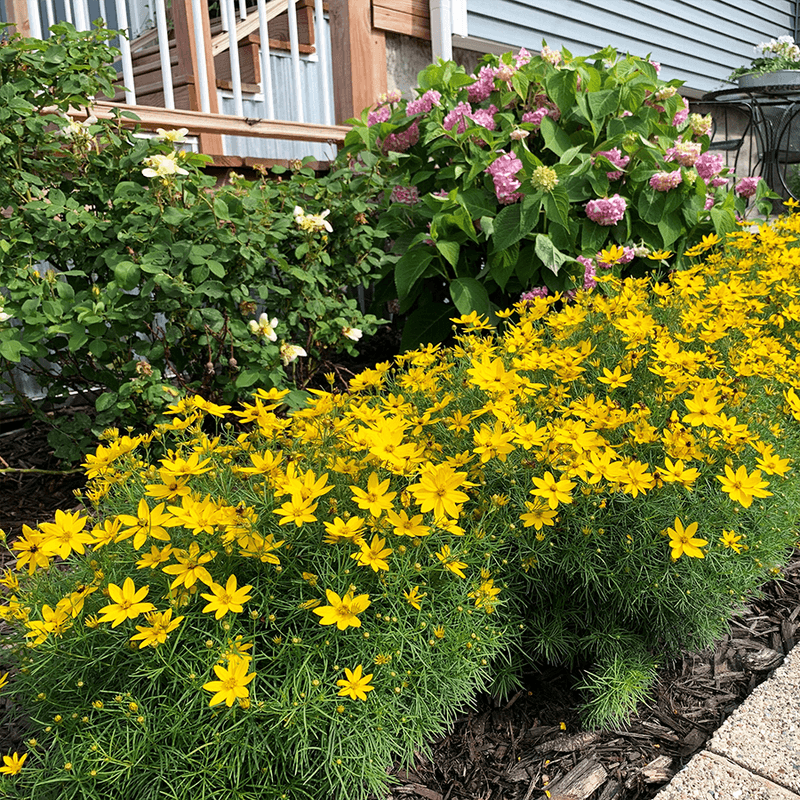
Want months of cheerful yellow with barely any effort? Threadleaf Tickseed delivers exactly that, spreading into a fine-textured mat that behaves like living mulch across the front of a border.
The airy, ferny foliage knits together so tightly that weeds simply cannot find an opening. That gentle spreading habit is the whole point here: it fills gaps other clumping plants leave behind.
Coastal heat, humidity, and lean soil do not faze it one bit. Pair it with the taller natives on this list and it becomes the ground-level layer that seals the deal on weed suppression.
6. Lobed Tickseed (Coreopsis auriculata)
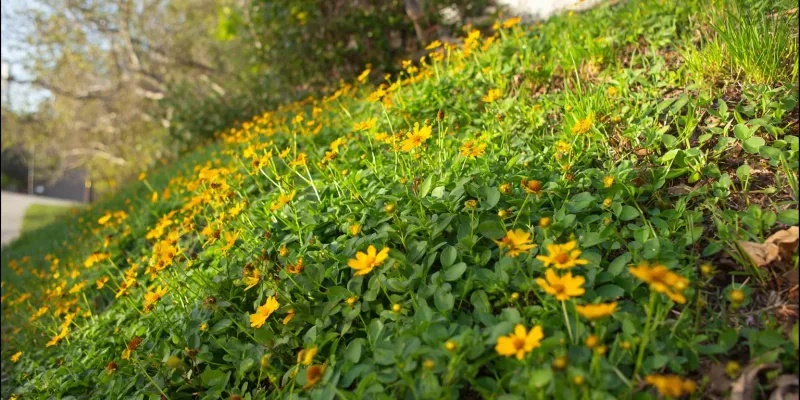
Its cousin gets a lot of praise, but Lobed Tickseed deserves its own moment for how it colonizes bare ground. Low and clump-forming, it sends out runners that gradually cover open soil and lock out invaders.
The sunny yellow blooms sit on short stems above tidy rosettes, giving you color early and often through the growing season. It is one of the more reliable natives for handling North Carolina’s sticky summers.
Because it hugs the ground, it works beautifully along a path edge or the sunny lip of a bed where taller plants would flop. Let it fill in and you will spend far less time pulling weeds.
7. Black-Eyed Susan (Rudbeckia hirta)
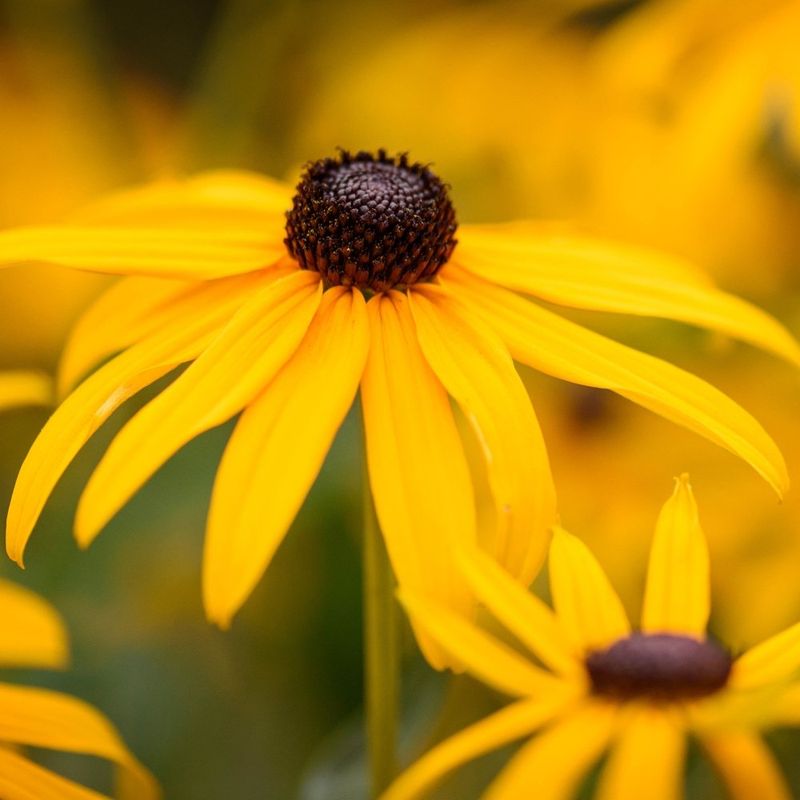
Golden petals circling a chocolate-brown center make Black-Eyed Susan one of the most recognizable faces in any sunny NC yard. Beyond the good looks, it is a workhorse that fills open spaces fast and leaves weeds nowhere to settle.
The plants seed themselves around in a friendly way, quilting over gaps in the border season after season. That self-sowing habit means your weed-fighting coverage actually improves over time instead of thinning out.
Tough, sun-loving, and unbothered by heat, it pairs easily with coneflower and tickseed for a layered look. Pollinators visit the blooms all summer, and the seed heads add winter interest for hungry songbirds.
8. Wild Bergamot / Bee Balm (Monarda fistulosa)
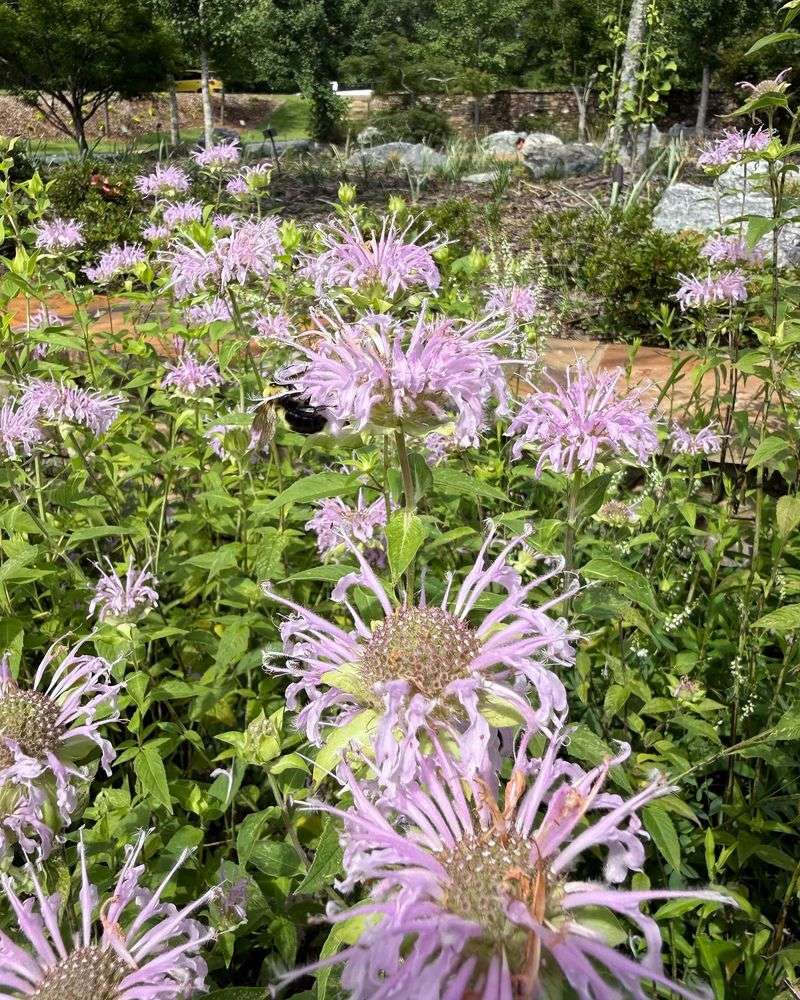
Crush a leaf of Wild Bergamot and you will catch a spicy, oregano-like scent that hummingbirds and native bees cannot resist. This is the plant that turns a weed-prone patch into a buzzing, humming destination.
It grows vigorously, sending up leafy stems that spread outward and shade the soil surface as they go. That enthusiasm for covering ground is exactly what smothers weeds before they get a foothold.
Full sun brings out its best performance and helps keep the foliage healthy through humid summers. Give it a little elbow room and it will reward you with lavender-pink flower crowns and a constant parade of pollinators.
9. Planting in Drifts Instead of Fabric
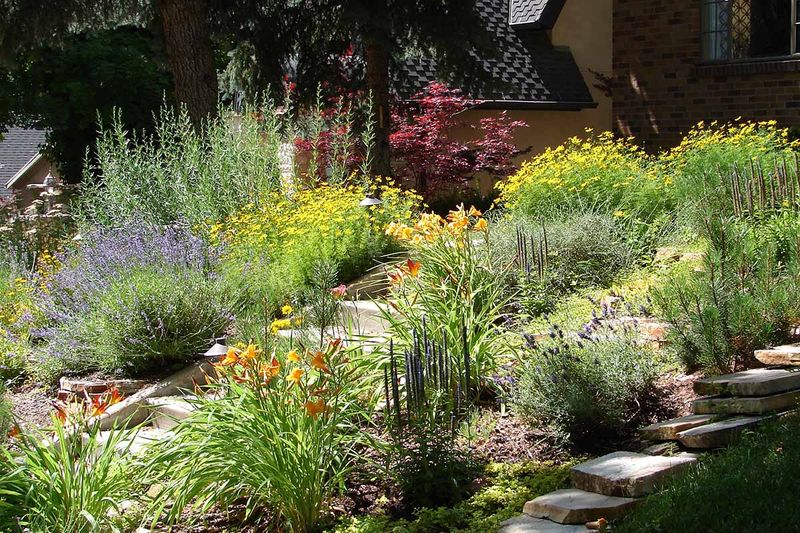
Here is the secret that ties every plant above together: it is not just what you plant, but how densely you plant it. Grouping natives in drifts of 5 to 9 of the same species creates a living barrier that outcompetes weeds for light, water, and nutrients.
Landscape fabric may seem easier, but it compacts soil, blocks air and water, and eventually breaks down into a weedy, plasticky mess you have to rip out. Native drifts do the opposite, building healthy soil as roots grow and old growth decomposes.
If you need to knock back weeds before planting, skip the fabric and use cardboard, contractor’s paper, or natural burlap that rot away and feed the ground. Dense drifts also read as intentional and tidy rather than wild, and pollinators spot the larger patches from farther away.
Plant close, mulch lightly the first year, and let the plants take over the job that plastic never really did.