
Do These 8 Things To North Carolina Lantana In September For Blooms Right Up To Frost
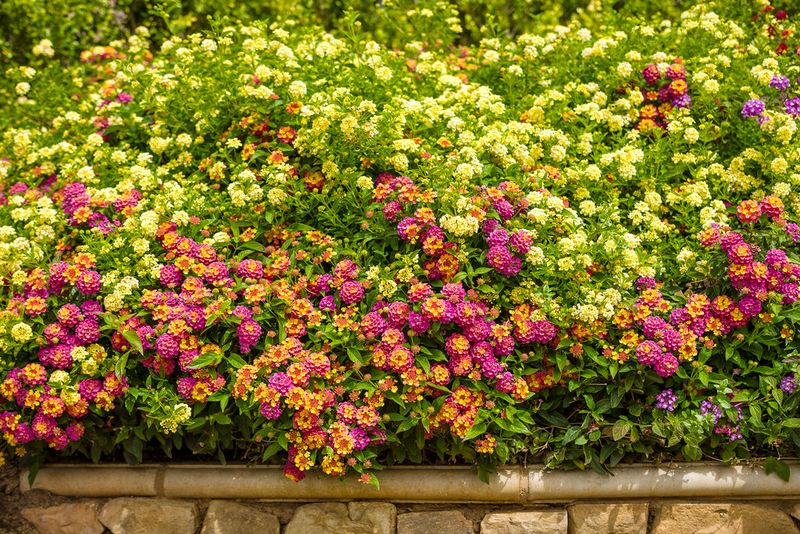
Lantana lights up North Carolina yards with waves of color that butterflies and hummingbirds can’t resist. As September rolls in, a few smart moves can keep those blooms coming all the way to the first frost.
Since lantana isn’t native to our state, it also pays to garden in a way that keeps local wildlife safe. Here are eight simple things you can do this month to stretch the show and be a good steward of your yard.
1. Prioritize Deadheading to Encourage More Blooms and Prevent Seed Spread
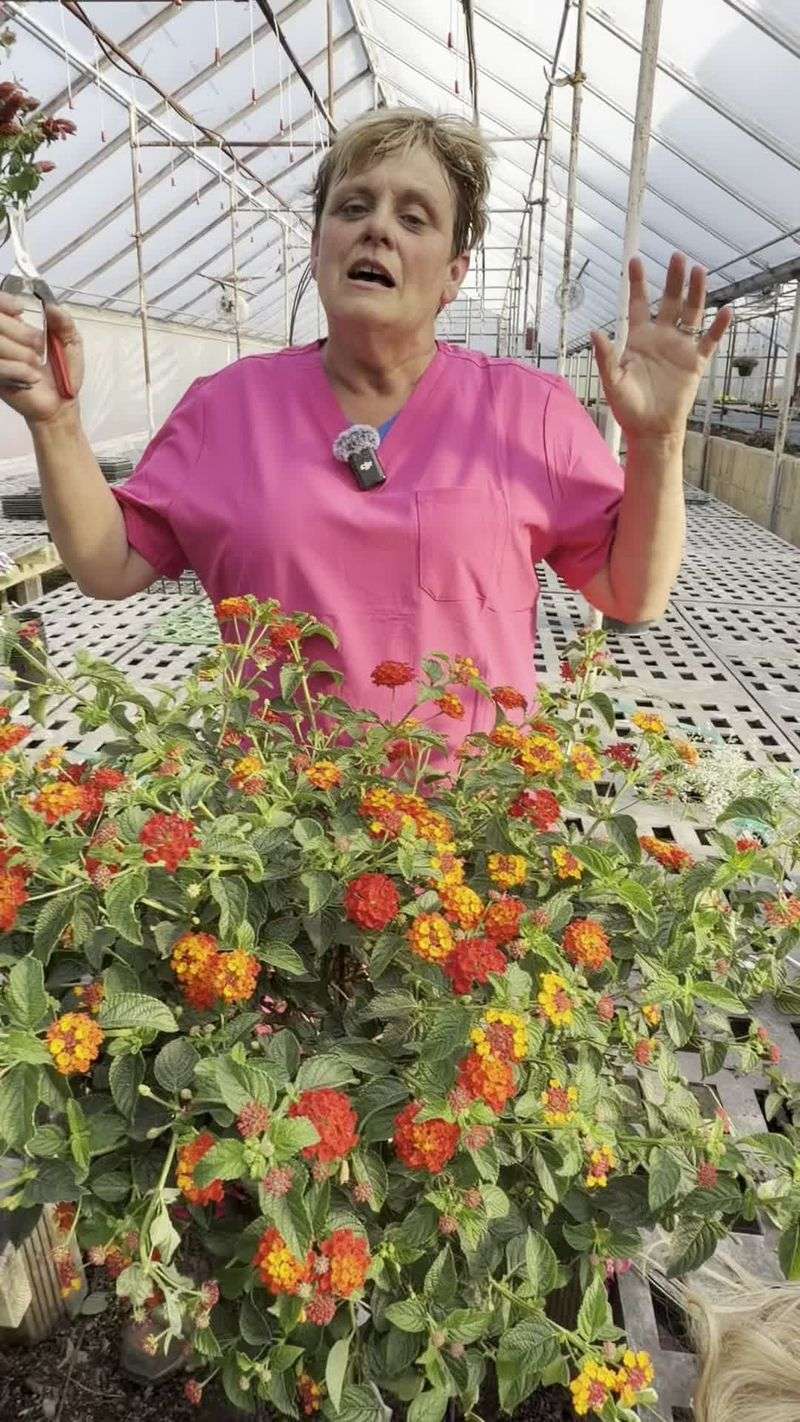
Pinching off faded flower clusters might feel small, but it tricks your lantana into thinking its job isn’t done yet. Instead of pouring energy into making berries, the plant keeps cranking out fresh blooms.
Go over your lantana every few days and snip away the tired, browning clusters before they turn into those little green berries. On non-sterile varieties, this matters even more because the berries are toxic and can spread seed you don’t want traveling into wild areas.
For a North Carolina yard, that extra bit of tidiness does double duty. You get more color, and you cut down the chance of lantana escaping where it isn’t welcome.
2. Perform Light Shearing to Promote Branching and New Flowers
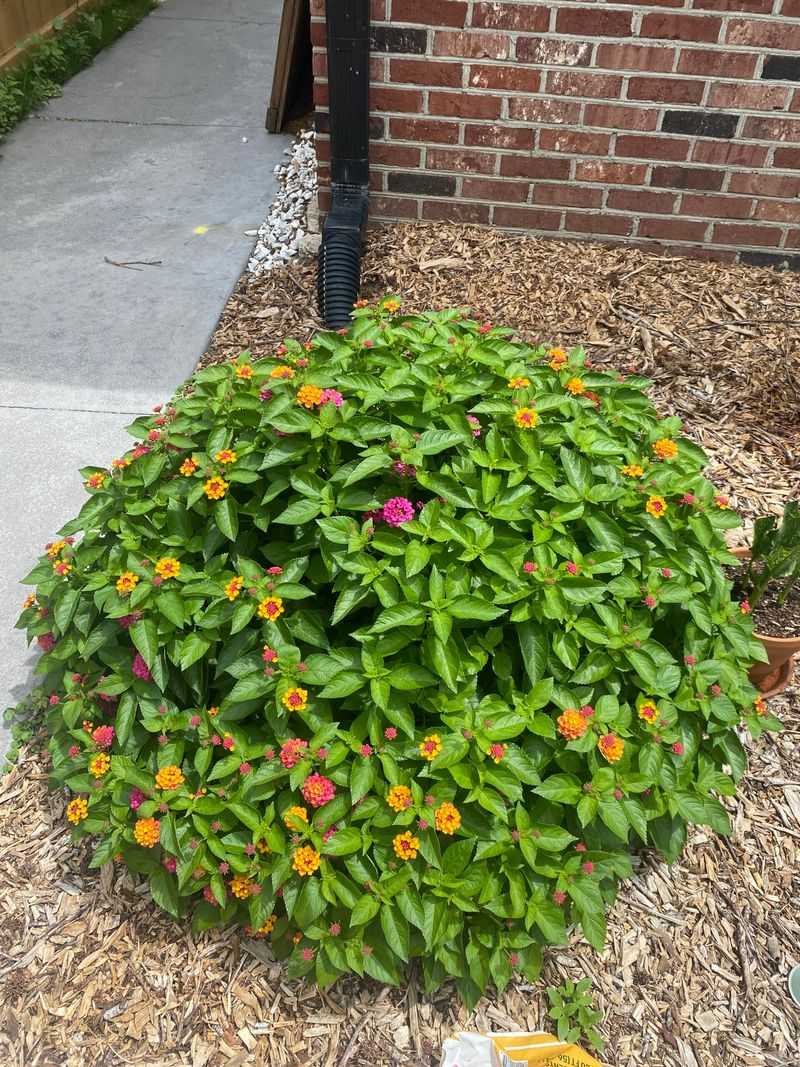
Ever notice how a lantana that gets a little haircut comes back fuller? Trimming the soft, growing tips encourages the plant to branch, and every new branch is a chance for more flowers.
Focus only on the tender new growth, not the woody stems. A light shear after a big flush of blooms fades will nudge the plant to bush out and set up another round of color.
Think of it as gentle shaping rather than a big cut. Done through late summer and into early September, it keeps the plant compact, leafy, and generous with blooms.
3. Avoid Heavy Pruning in Early Fall
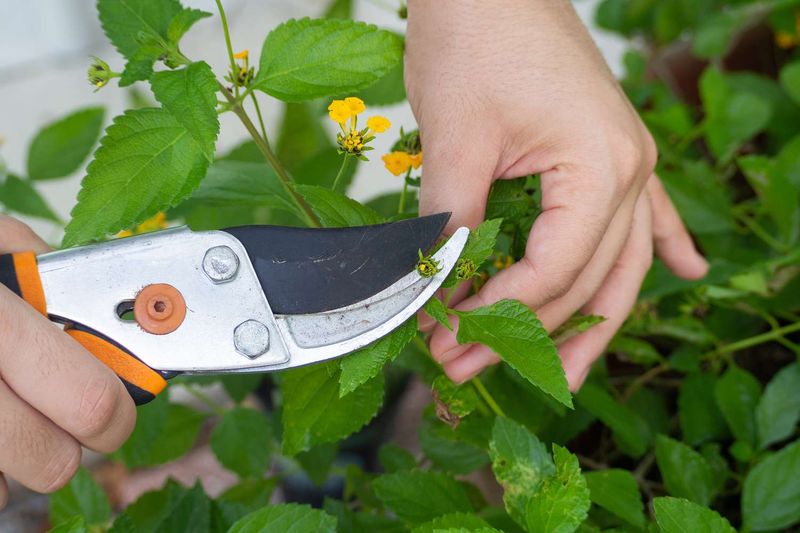
Here’s where a lot of well-meaning gardeners slip up. Cutting your lantana way back in fall feels like a fresh start, but it can leave the plant weak just when cold weather is coming.
Hard pruning now reduces cold hardiness and can invite crown rot over winter. In much of North Carolina, that could mean the difference between a plant that returns in spring and one that doesn’t.
Save the big cutbacks for late winter or early spring instead. Right now, keep it to light touch-ups and let the plant hold onto its strength.
4. Stop Fertilizing Towards the End of Summer
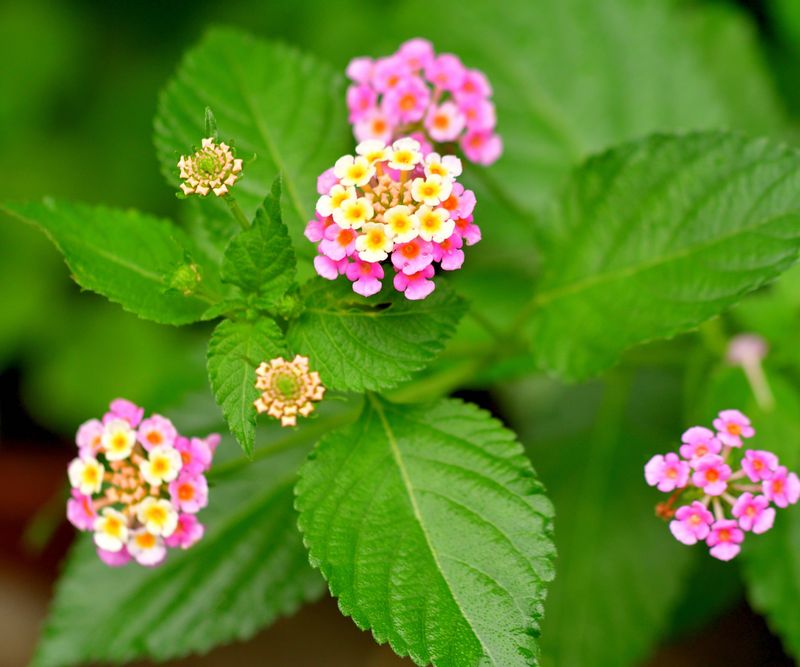
Lantana is a laid-back eater, and piling on fertilizer this time of year backfires. Too much nitrogen pushes out leafy growth at the expense of the flowers you actually want.
By September, the plant is starting to think about slowing down for the season. Feeding it now stimulates tender new shoots that an early frost will scorch overnight.
Put the fertilizer away until spring. A single light, balanced feeding early next year is plenty for in-ground plants, so let your lantana coast into fall on its own.
5. Maintain Consistent Watering, but Reduce as Temperatures Cool
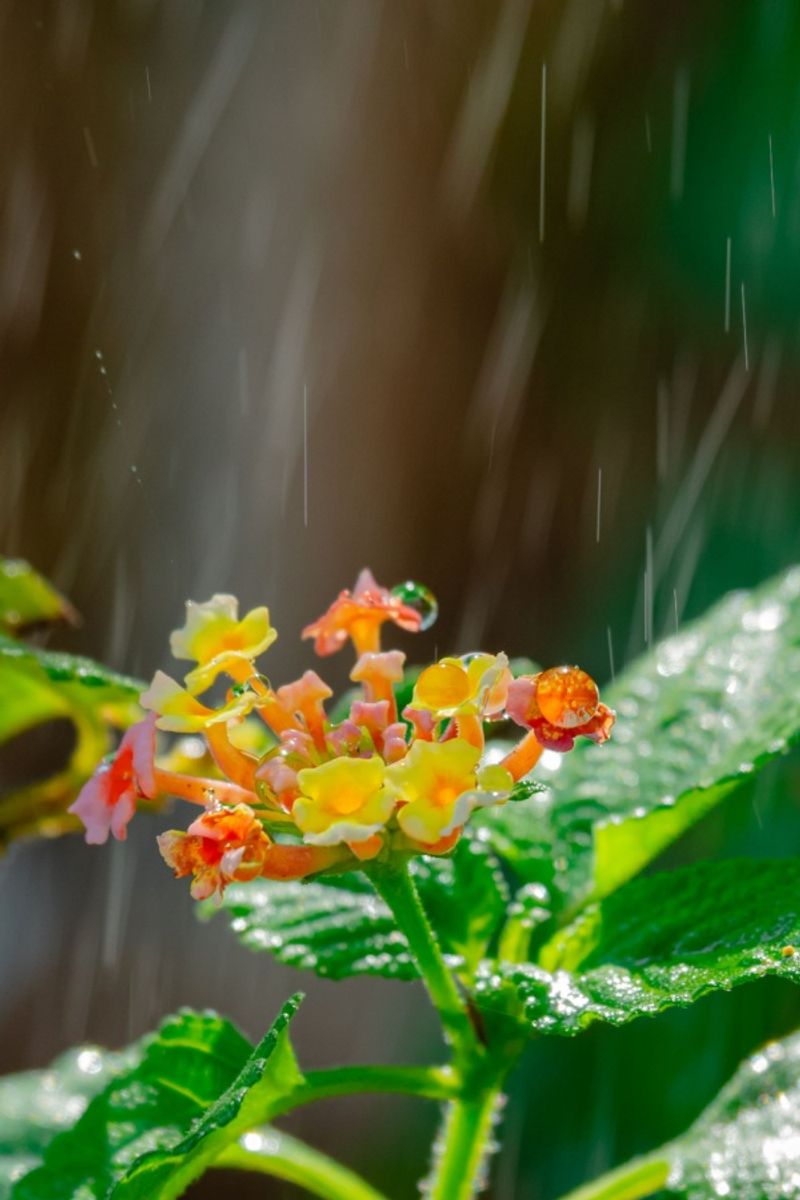
Established lantana can shrug off a dry spell, but steady moisture is what fuels its best blooming. When the top inch or two of soil feels dry, that’s your cue to water.
As the days cool off in fall, ease back on how often you reach for the hose. The plant simply needs less, and soggy roots invite rot that quickly stops flowering.
A good rhythm is to check the soil with your finger before every watering. Let the weather guide you, and taper things down as autumn settles over the Piedmont, coast, or mountains.
6. Ensure Full Sun Exposure
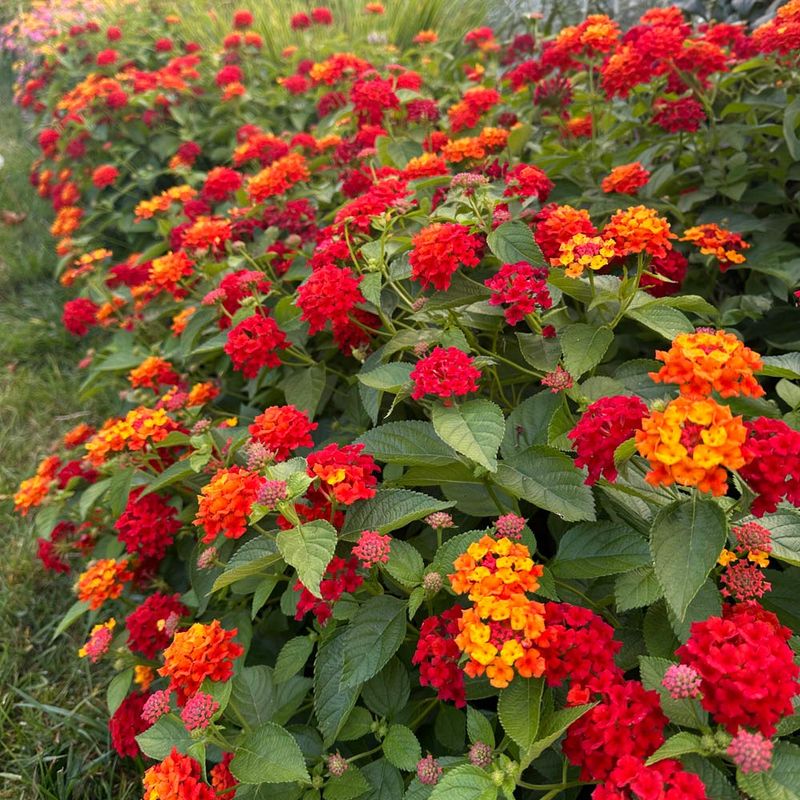
Sunshine is lantana’s secret fuel. Give it six to eight hours of direct light a day and it rewards you with those saturated, crowd-pleasing colors.
As trees start dropping leaves and the sun sits lower in the sky, spots that were sunny in July can slip into afternoon shade. It’s worth watching how light moves across your yard this month.
If your lantana lives in a pot, you have the easy option of scooting it into a brighter corner. Getting the light right is one of the biggest keys to late-season flowers.
7. Provide Well-Drained Soil
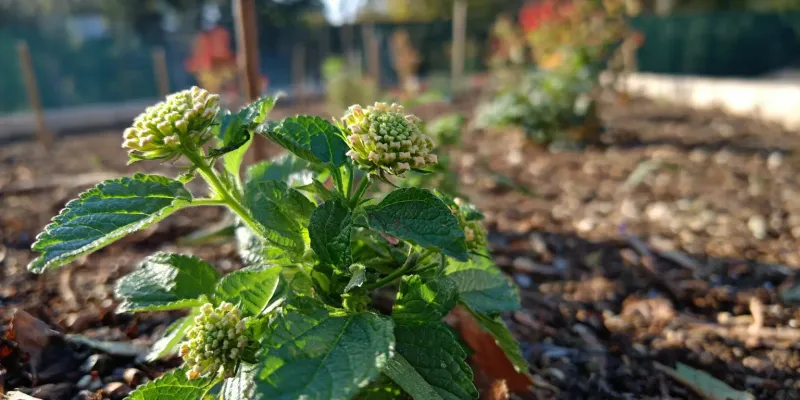
Soggy feet are lantana’s worst enemy, especially as temperatures drop and the plant sips less water. Good drainage keeps roots healthy and rot at bay.
Lantana will tolerate poor or lean soil, but it wants that water to move through, not pool around the crown. If your bed stays wet after rain, mixing in some coarse material or planting on a slight mound helps a lot.
Container growers should double-check that drainage holes aren’t clogged. A pot that drains freely can be the difference between a thriving plant and a mushy, stalled one come October.
8. Consider Bringing Container Plants Indoors Before Frost
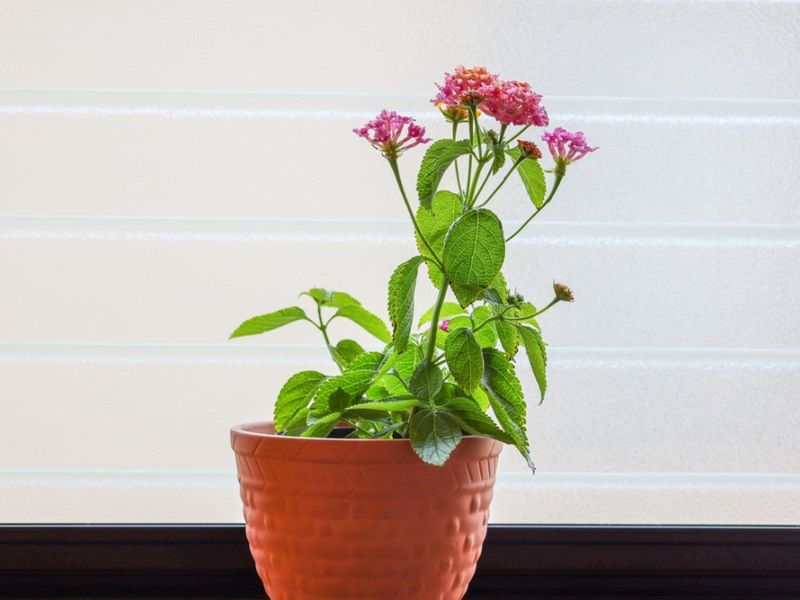
In the colder corners of North Carolina, the mountains and higher elevations, lantana often can’t survive winter outdoors. A potted plant, though, gets a second life inside.
Before the first hard frost, move containers into a cool, bright room and treat them like houseplants until spring. Watch the forecast closely, because a single frosty night can end the season fast.
Overwintering this way saves you from buying new plants and keeps a favorite going year after year. If you’re in a milder zone of the Coastal Plain or lower Piedmont, in-ground lantana may pull through on its own, but potted ones are always safer inside.
One more steward-minded note: keeping lantana contained also makes it easier to manage a plant that isn’t native to our region. If you’d rather lean fully native, asters, goldenrod, boneset, scarlet bee balm, and ironweed offer similar fall color and feed local pollinators too.