
If You Still Have Empty Beds In Late August, Here Are 15 Crops You Can Plant Right Now For A Fall Harvest
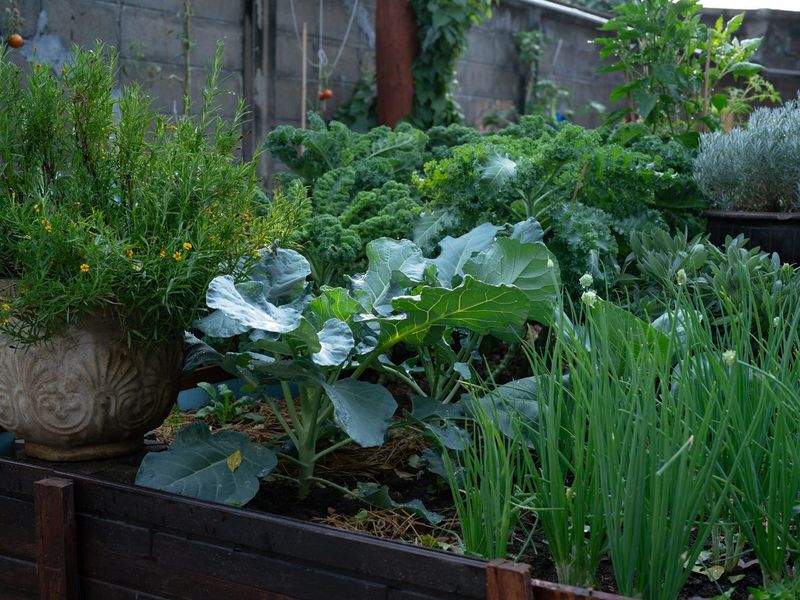
An empty garden bed in late August can feel like a missed chance, but it is really an open invitation. Plenty of vegetables actually taste better when they grow through cool autumn days, and many of them race from seed to plate before the first hard frost.
All you need to know is your local frost date and which fast-growing crops to reach for. Grab a packet of seeds and let’s fill those bare beds with food.
1. Radishes
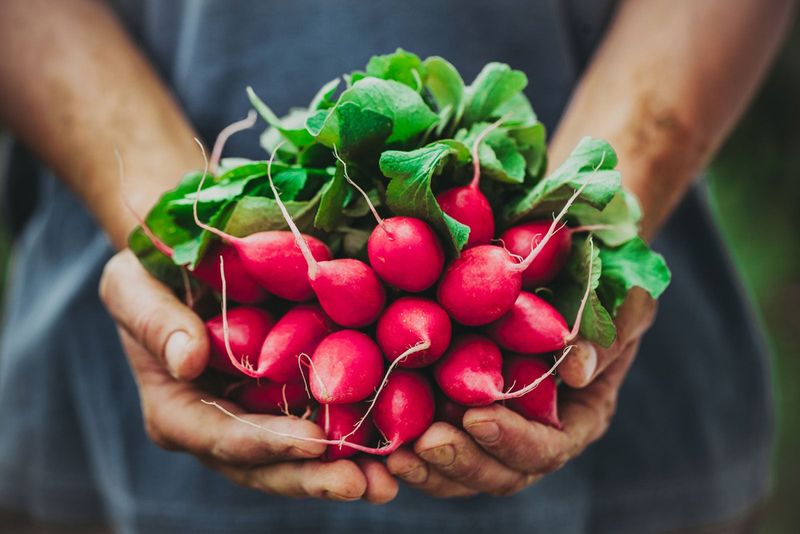
Few crops reward impatient gardeners quite like radishes. Many varieties go from seed to snappy root in just 25 to 35 days, which makes them the sprinter of the fall garden.
Cool weather does something magical to them too. Instead of the harsh bite of a summer-grown radish, autumn roots stay crisp, juicy, and pleasantly mild.
Sow a short row every 7 to 10 days and you will have a steady supply straight through the season. If you have never watched a seed become dinner in under a month, radishes are the easiest confidence booster in the bed.
2. Loose-Leaf Lettuce
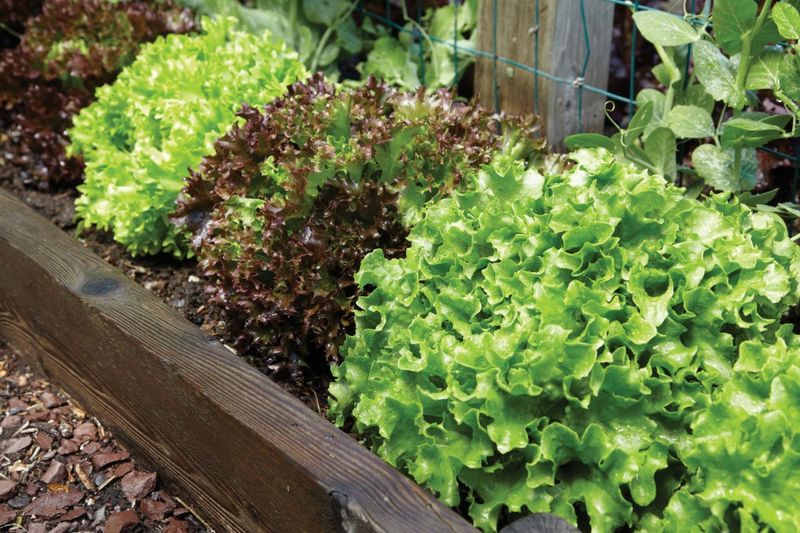
Loose-leaf lettuce is the crop that keeps giving. Rather than waiting for a whole head to form, you can start snipping outer leaves for a fresh salad in about 30 days.
Summer heat tends to make lettuce turn bitter and shoot up seed stalks, a headache known as bolting. Cooler fall temperatures keep the leaves sweet, tender, and slow to bolt.
Because you harvest a little at a time, one planting can feed you for weeks. Tuck seeds into any spare corner and treat yourself to homegrown greens long after the summer crops have quit.
3. Arugula
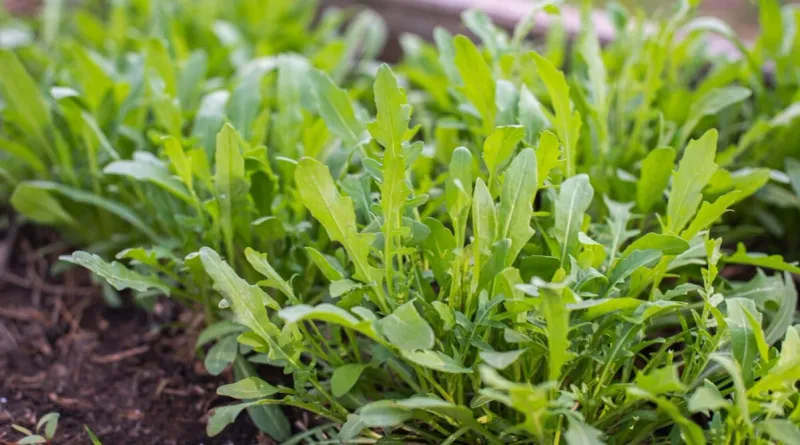
Spring arugula has a bad habit of bolting the moment things warm up, but the autumn version is a completely different plant. Cooler days let it settle into lush, deeply flavored leaves.
That signature peppery kick actually mellows a touch in the cold, giving you a green that shines raw in salads or wilted quickly in a hot pan.
It grows fast and forgives beginners, springing up within days of sowing. If you want maximum flavor from minimum effort this fall, arugula earns its spot.
4. Spinach
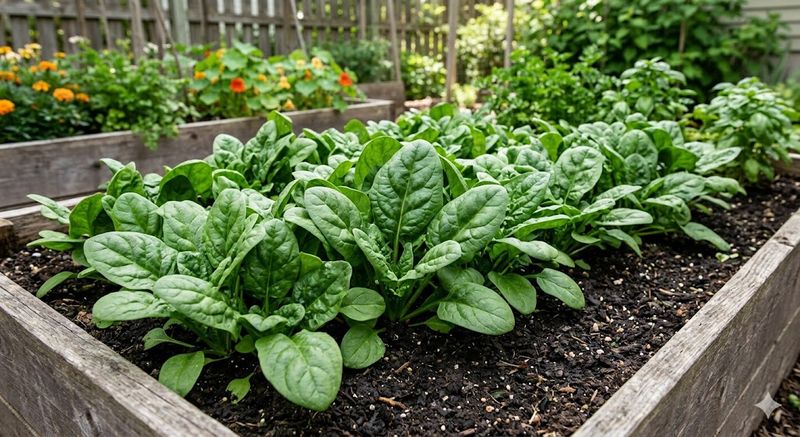
Spinach practically waits all summer for the temperatures to drop. As a classic cool-season crop, it hits its stride when the August heat finally breaks.
The payoff is a steady flow of tender, dark-green leaves perfect for salads, smoothies, or a quick sauté with garlic.
Sow it now and you can keep harvesting well into the chilly weeks ahead, since spinach shrugs off light frost like a champ. It is one of the most reliable ways to keep something green on your plate as the garden winds down.
5. Bok Choy
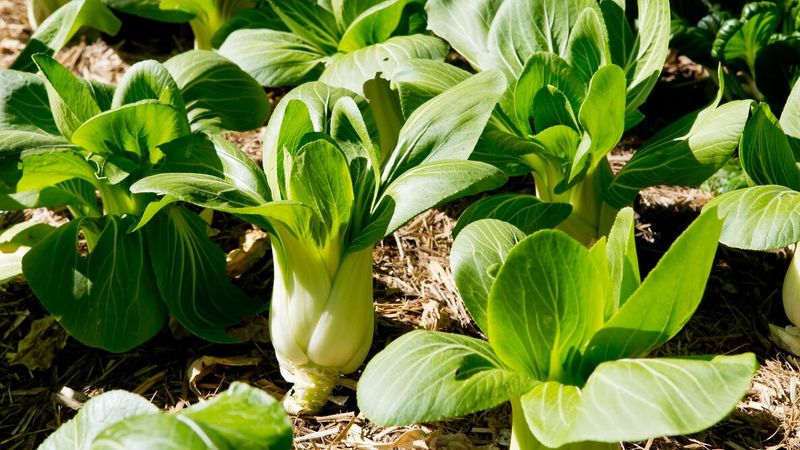
Bok choy is the quiet overachiever of the late-summer bed. Some baby varieties go from seed to harvest in as little as six weeks, which fits neatly into that shrinking fall window.
With crisp white stems and leafy green tops, it is built for the stir-fry pan, though a quick turn on the grill brings out a surprising sweetness.
This Asian green loves the cooler nights of autumn and grows in a tidy upright shape, so it slots easily between other crops. If you like fast results and a little something different, give it a try.
6. Kale
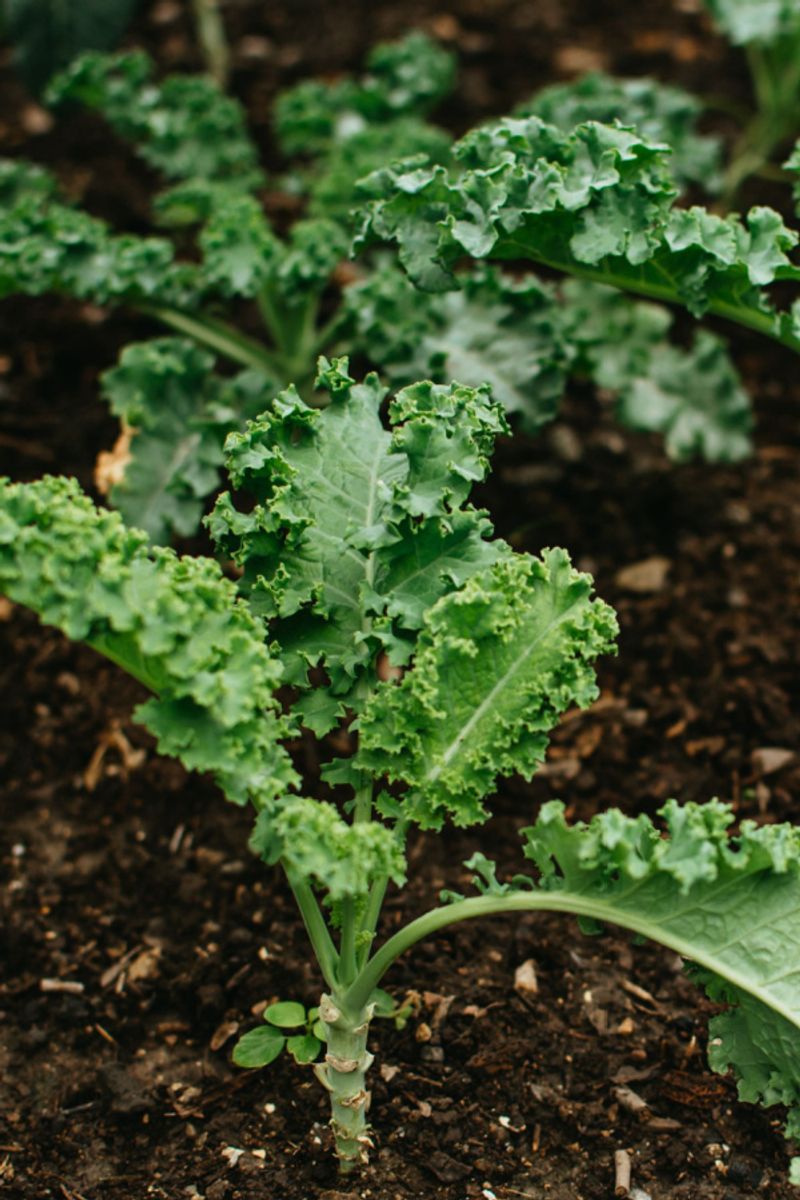
Kale is one of the toughest customers you can plant this time of year. Harvest it young as tender baby greens in about 30 days, or let it size up to full leaves in roughly 60.
Here is the fun part: a light frost actually makes kale taste better. The cold nudges the plant to produce sugars, so those leaves turn sweeter as the season chills down.
It keeps standing in the garden long after tender crops have called it quits, sometimes right through early winter. For nonstop greens with almost no fuss, kale is hard to beat.
7. Swiss Chard
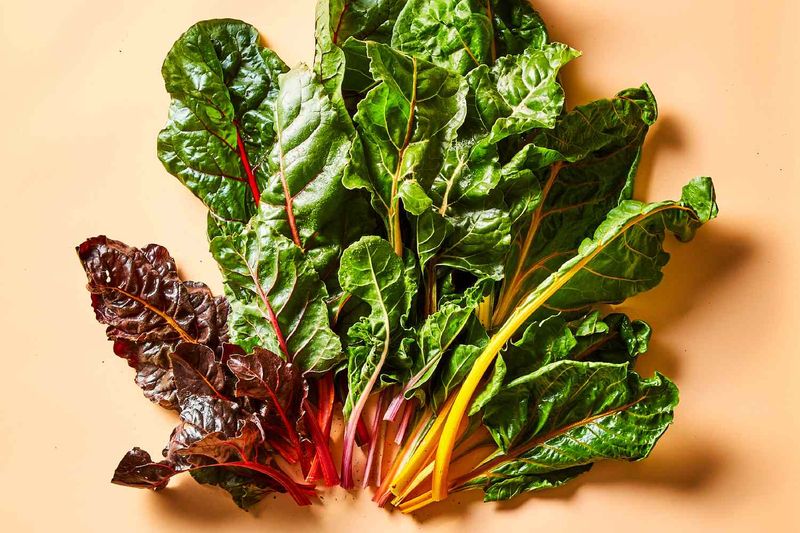
If you want your fall garden to look as good as it tastes, Swiss chard delivers. Those glowing stems in red, gold, and pink turn an ordinary bed into something worth photographing.
Beauty aside, it is genuinely useful, giving you nutritious leaves that cook down like spinach and stems you can treat almost like asparagus.
Plant it in late August and it usually takes around 40 days to mature before frost. Even better, chard keeps producing when you harvest the outer leaves, so a single planting works overtime.
8. Beets
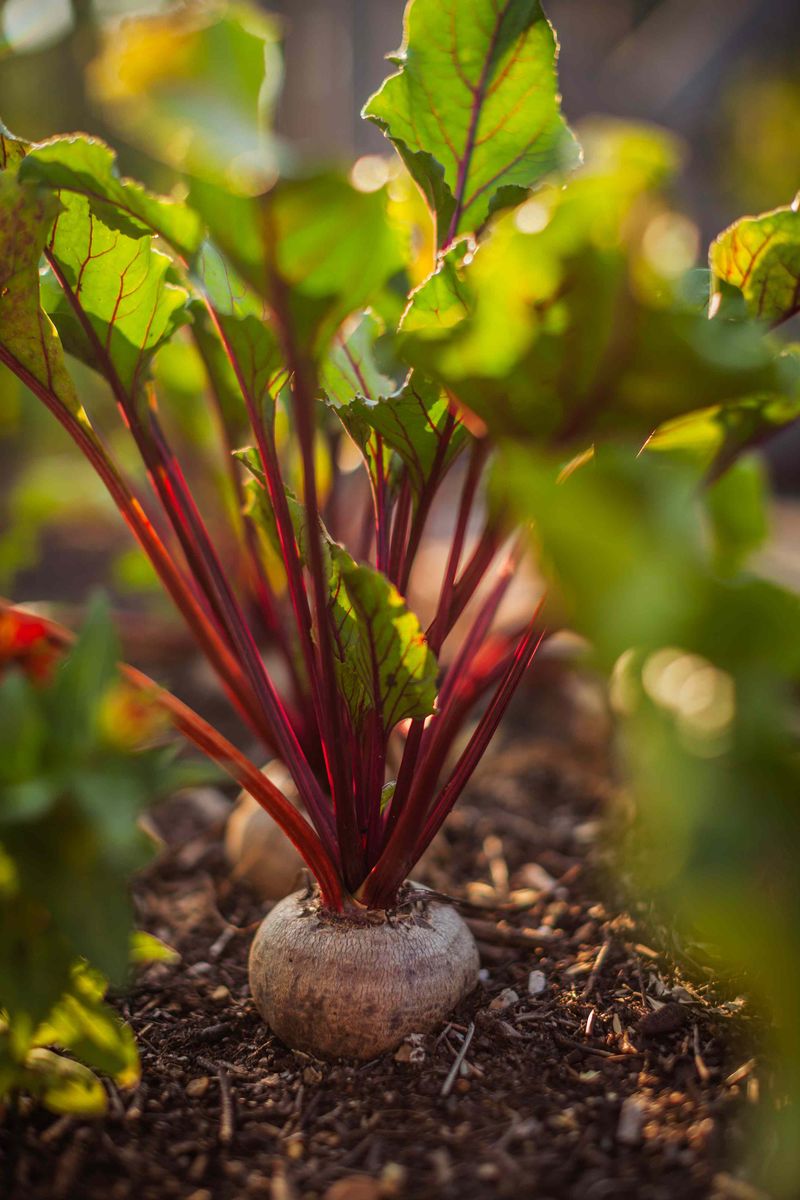
Beets are a two-for-one bargain, and fall makes them even sweeter. The roots typically mature in 50 to 60 days, developing deeper color and richer flavor as the temperatures fall.
A touch of cold weather, even a light freeze, coaxes out an almost candy-like sweetness that summer beets rarely match.
Do not overlook the leafy tops either. The greens are tender and tasty, so you get a bonus harvest while the roots keep growing underground.
Sow now and you will thank yourself when you are roasting jewel-toned beets in October.
9. Carrots
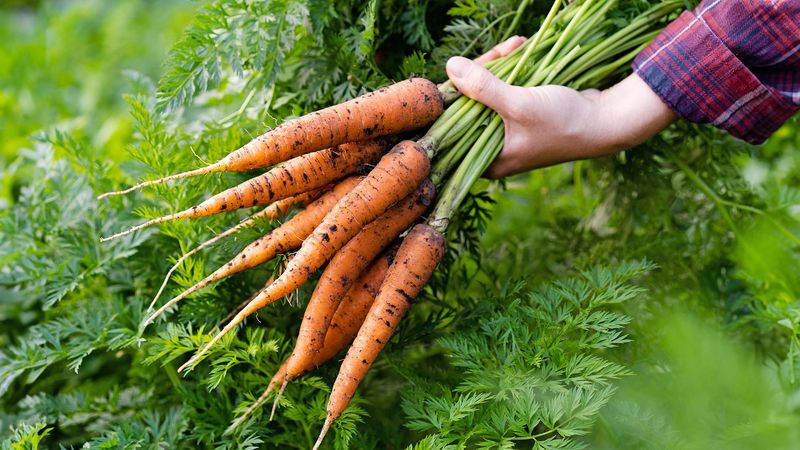
Carrots and cold soil are old friends. Choose a faster-maturing variety and a late-August sowing gives the roots time to fatten up in the crisp weather they prefer.
Something remarkable happens as the days cool: carrots convert their stored starches into sugar, so fall-grown roots come out noticeably sweeter than summer ones.
Patience is the price of admission, since they take their time germinating and swelling. Keep the seedbed moist while they sprout, and you will be rewarded with the crunchiest, sweetest carrots of the whole year.
10. Turnips
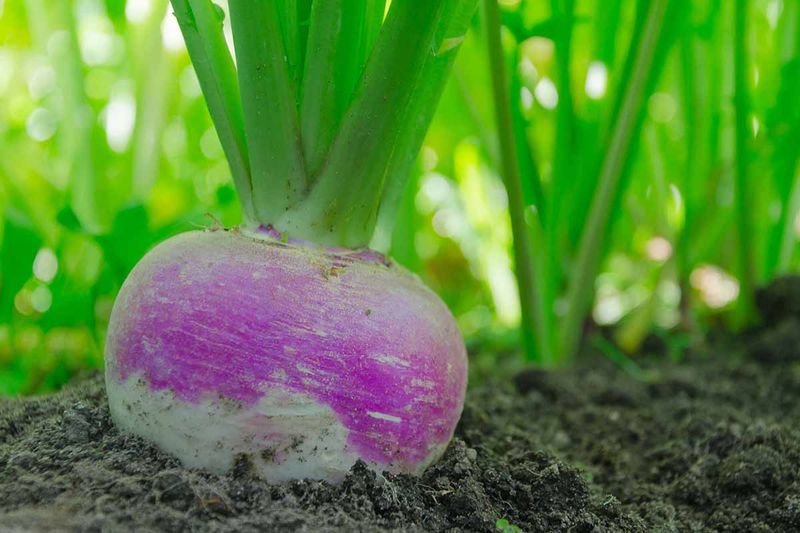
Turnips are the dependable workhorse most gardeners forget about. Quick to mature at roughly 60 days, they hand you both a flavorful root and a pile of nutritious greens.
Cool weather is their happy place, smoothing out any sharpness and leaving the bulbs mild and almost sweet.
You can harvest the leafy tops early while the roots keep bulking up below, which stretches a single planting nicely. Roasted, mashed, or tossed into a soup, fall turnips are far tastier than their humble reputation suggests.
11. Bush Beans
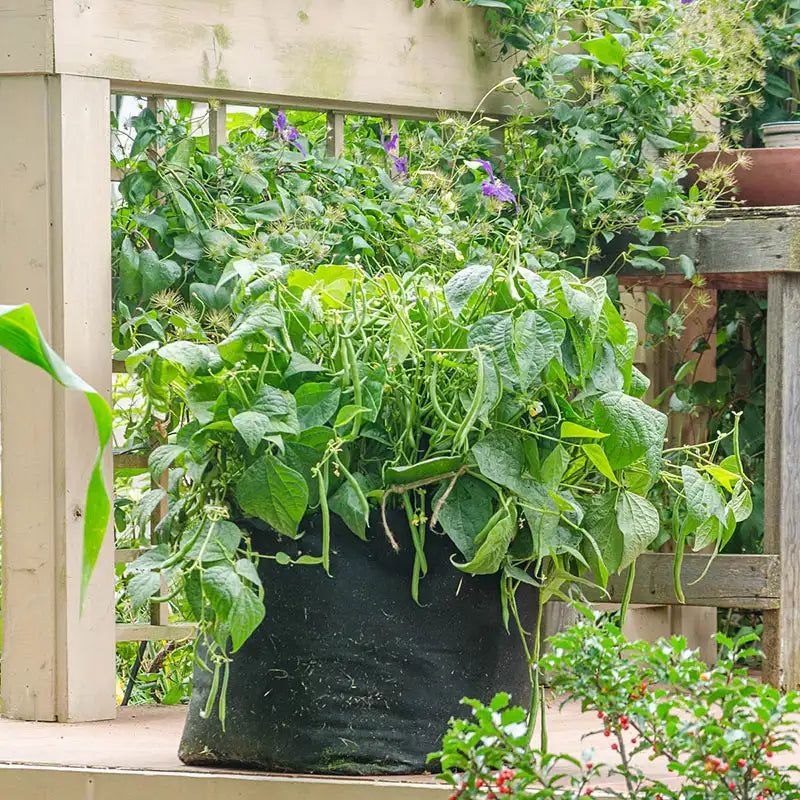
Bush beans bring a warm-season favorite into the fall lineup, and they move fast. Many varieties race to a full harvest in about 60 days and keep cranking out pods right up to the first frost.
Unlike pole beans, they need no trellis or fussing, growing in compact little mounds that fit almost anywhere.
The trick is timing, so count backward from your frost date to be sure you have enough warm days left. Do that, and you will be picking tender beans while your neighbors assume the season is already over.
12. Bush Cucumbers
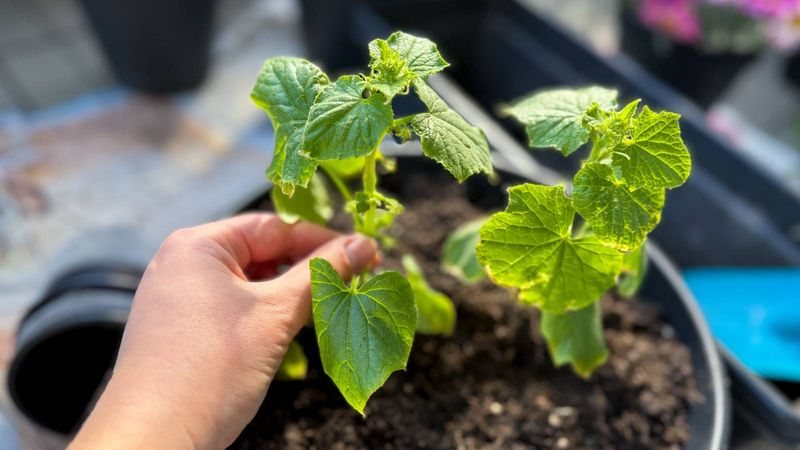
Craving one more round of fresh cucumbers before summer bows out? Certain bush varieties wrap up their whole season in just 50 to 60 days, making a late planting worth the gamble.
They stay compact instead of sprawling, so they thrive in a spare bed or even a large pot on the patio.
The one condition is warmth, as they need average temperatures to hold above 65 degrees Fahrenheit to keep producing. If your early autumn stays mild, these bushy plants will hand you crisp slicers well into the cooler weeks.
13. Broccoli Raab (Rapini)
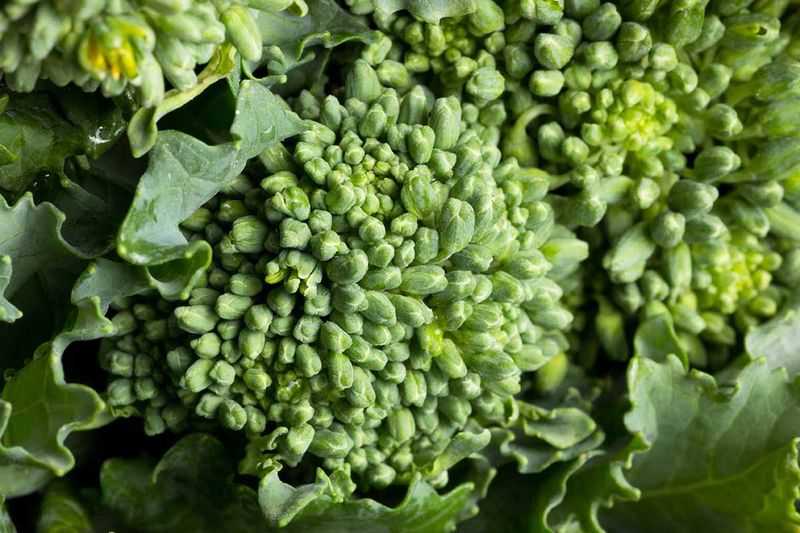
Broccoli raab, also called rapini, is the speedy cousin in the brassica family. In about 40 days it offers up tender stems, leafy greens, and dainty little florets all at once.
Its flavor leans pleasantly bitter, the kind of bold green that turns silky and mellow when sauteed in olive oil and garlic.
Because it grows so quickly, it fits perfectly into a bed you just cleared. For anyone who loves Italian cooking, planting rapini now means a homegrown side dish before the frost arrives.
14. Collard Greens
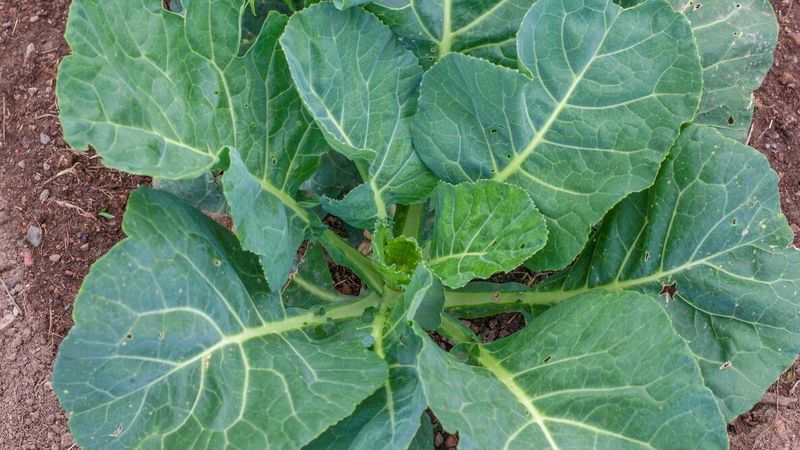
Collard greens carry a bit of Southern soul into the fall garden. A close relative of kale, they take beautifully to direct seeding in late summer and grow into broad, sturdy leaves.
Their flavor is buttery and mild, and like their kale cousin, they sweeten up once cool weather settles in.
Frost does not scare them, so these greens keep standing tall long after tender crops have surrendered. Slow-cooked with a little smoke or quickly sauteed, they are proof that the last plants of the season can be the most comforting.
15. Kohlrabi
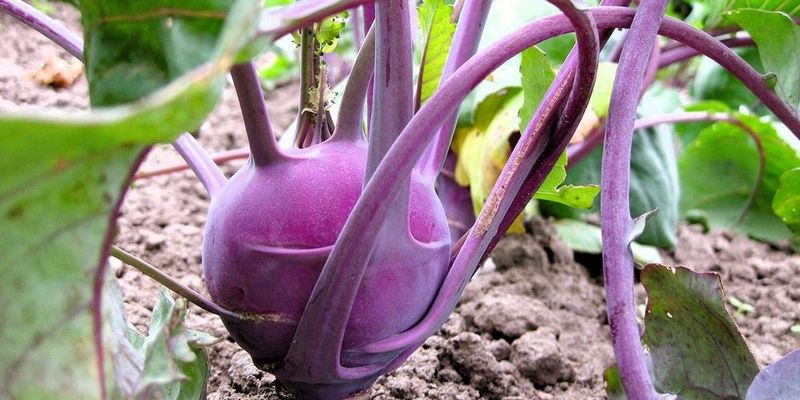
Kohlrabi looks like a vegetable from another planet, and that is half its charm. This bulbous member of the cabbage family swells just above the soil and is often ready in about six weeks.
Peel back the skin and you find crisp, sweet flesh that tastes like a milder, nuttier broccoli stem, delicious raw or roasted.
Direct-sow it now and the cool autumn air will keep the bulbs crunchy rather than woody. If you want to surprise dinner guests with something they have never grown, kohlrabi is a fast and fun way to do it.