
If Your Petunias Sprawl Long And Weak By Late Summer, Here Are 13 Reasons And The Fix For Each
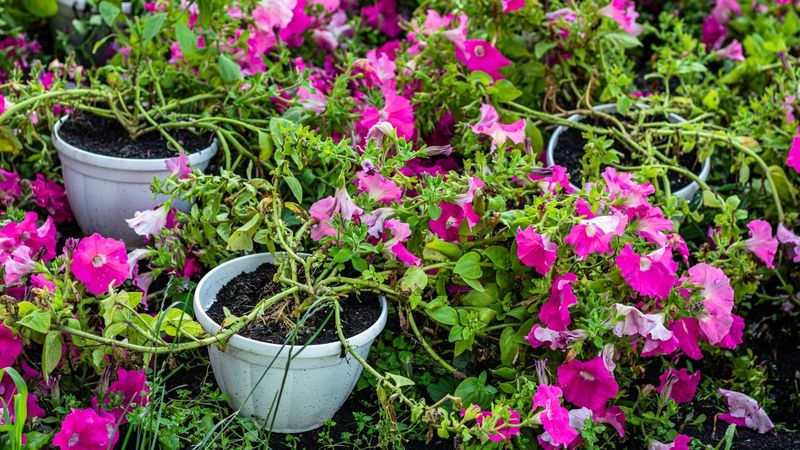
Your petunias started spring full and bright, but now they look stretched out, floppy, and short on flowers. That tired, leggy look happens to almost every gardener, and it usually means the plant needs a little help rather than a trip to the trash.
The good news is that most causes are easy to spot once you know what to look for. Here are 13 reasons your petunias sprawl long and weak, plus the simple fix for each one.
1. Natural Aging and Exhaustion
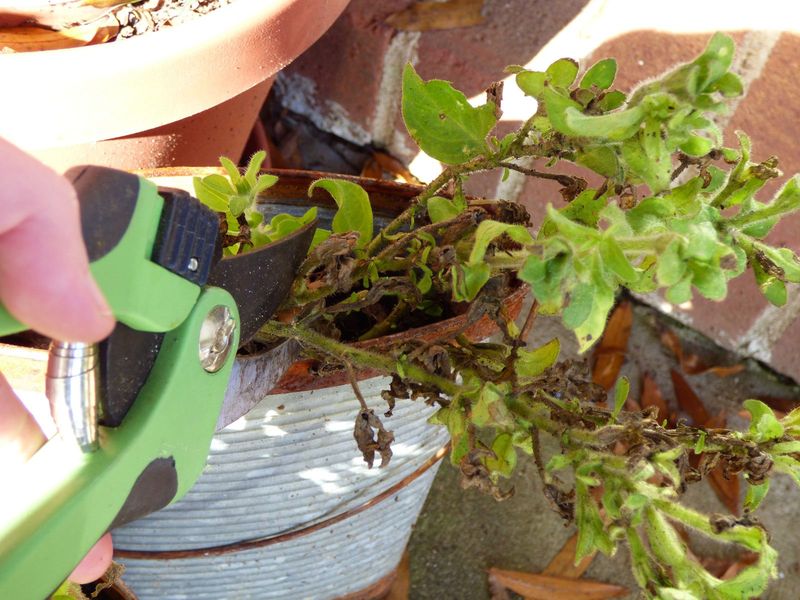
Even a perfectly cared-for petunia gets tired by August. After months of nonstop blooming, the plant shifts its energy toward making seeds instead of pushing new leaves and flowers, so you end up with woody, bare stems and only a handful of tired blossoms.
The fix is bolder than most people expect. Give your plant a hard cutback, sometimes called the midsummer chop, by trimming the stems back by one-half to two-thirds.
It feels harsh, almost like you are wrecking the plant, but that shock is exactly what forces it to restart its growing cycle. Within a couple of weeks you should see fresh shoots, and a whole new flush of color follows soon after.
2. Lack of Regular Pruning
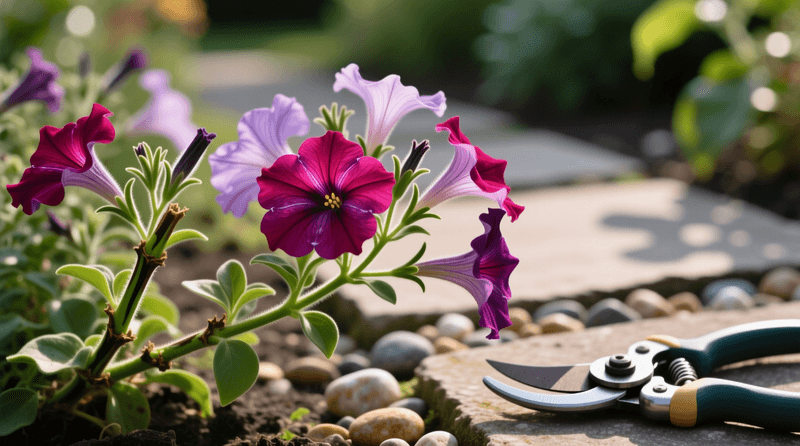
Petunias left to grow on their own tend to run in one long, unbranched direction, like a kid who shoots up tall but stays skinny. Without regular trims, those stems get spindly and the plant loses its full, mounded shape.
Grab your scissors every couple of weeks and trim the stems back by about one-third to one-half. The trick is to cut just above a node, the little spot where a leaf or side branch pokes out.
Each cut tells the plant to send out new side shoots, and more shoots mean a bushier, sturdier petunia loaded with buds instead of one lonely stem reaching for the fence.
3. Insufficient Deadheading
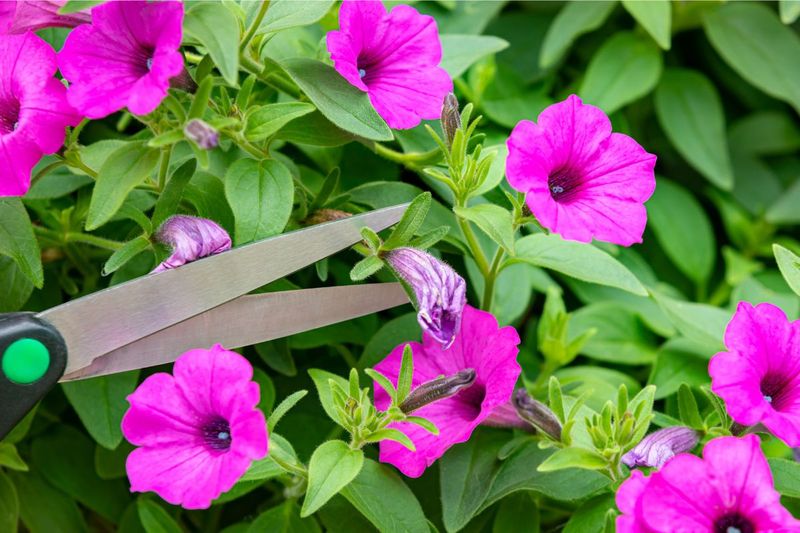
Those faded, crispy flowers hanging on your petunia are doing more harm than you think. Once a bloom fades and starts forming a seed pod, the plant pours its energy into making seeds rather than opening new flowers.
Make a habit of snipping or pinching off spent blooms before they can set seed. It only takes a few minutes while you are out watering.
Removing those tired flowers flips a switch inside the plant, redirecting all that saved-up energy straight into fresh buds. Stay on top of it and your petunias reward you with color right up until frost.
4. Inadequate Sunlight
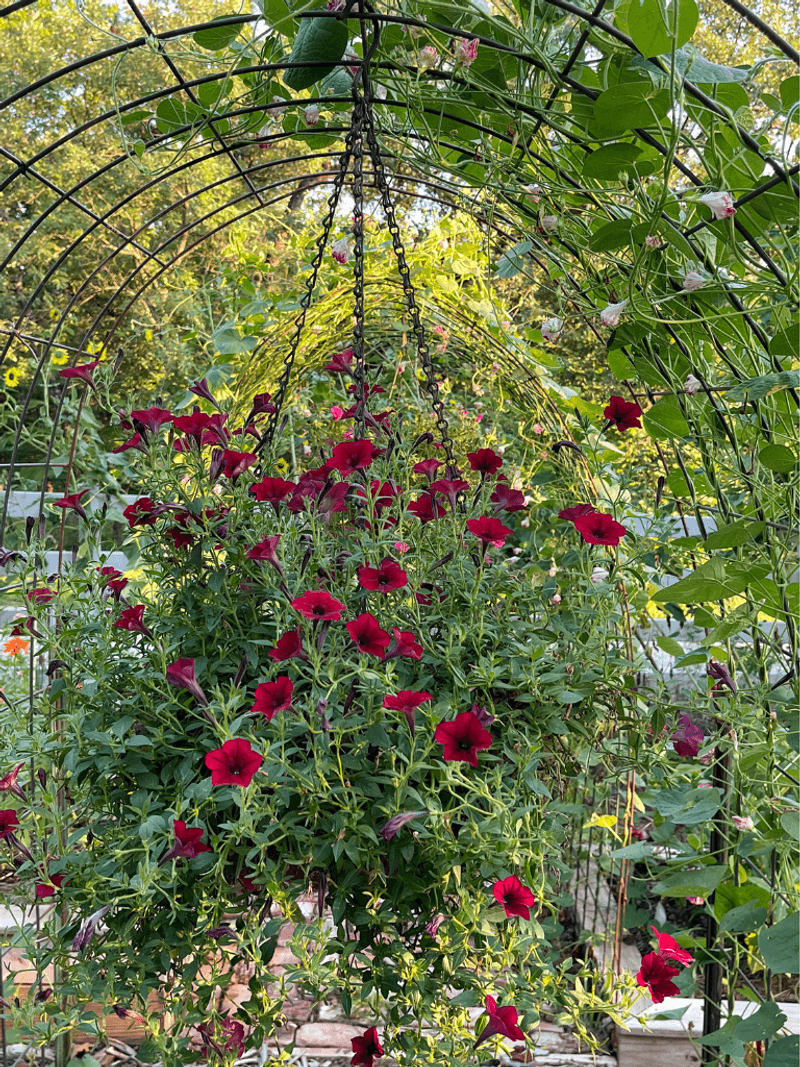
Petunias are sunbathers at heart. They want at least six to eight hours of direct sun every day, and when they do not get it, the stems stretch thin and pale as they reach toward any light they can find.
Scientists call that stretching etiolation, but gardeners just call it leggy.
Move your pots to the brightest, most open spot you have. If your petunias are stuck in a garden bed, look up and trim back any taller plants or branches throwing shade over them.
Give them the full sun they crave and you will notice the growth tighten up and the flower count climb.
5. Heat Stress
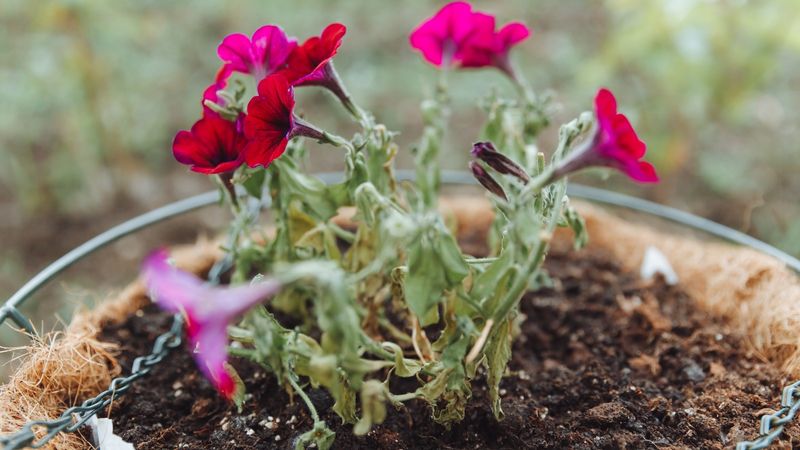
Heat is a sneaky troublemaker. When temperatures climb above 80 degrees, petunia stems can shoot up fast and floppy while the whole plant looks droopy and worn out, especially through a brutal late-summer stretch.
If your afternoon sun is punishing, give the plants a break with some light afternoon shade during the hottest hours. A shade cloth or a spot that catches morning sun works well.
Keep air moving around them and the soil evenly moist during heatwaves. A little relief from the blazing afternoon can be the difference between plants that sulk and plants that keep pushing new growth.
6. Nutrient Depletion or Under-fertilization
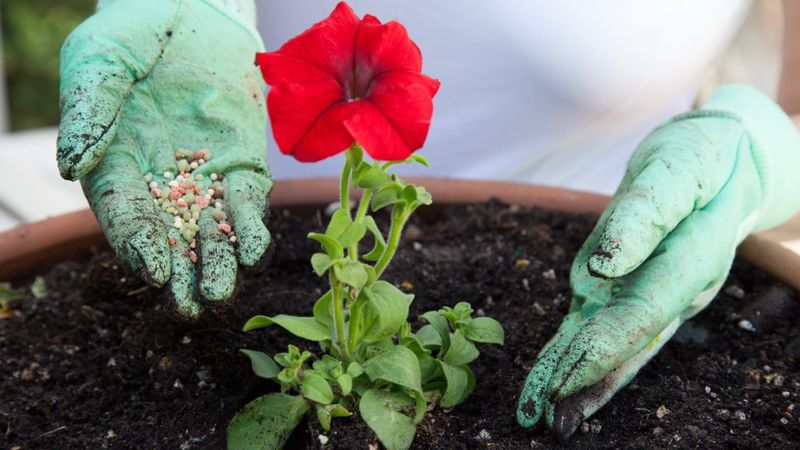
Here is a fact that surprises a lot of folks: petunias are hungry plants. They eat through nutrients quickly, and container-grown ones burn through their food supply even faster since the roots only have so much soil to pull from.
When the tank runs empty, growth turns weak and blooms drop off. The fix is a regular feeding schedule, usually a balanced, water-soluble fertilizer every one to two weeks.
Think of it like refueling a car that never stops driving. Keep the nutrients coming and your petunias stay strong, leafy, and covered in flowers instead of running on fumes.
7. Inconsistent or Insufficient Watering
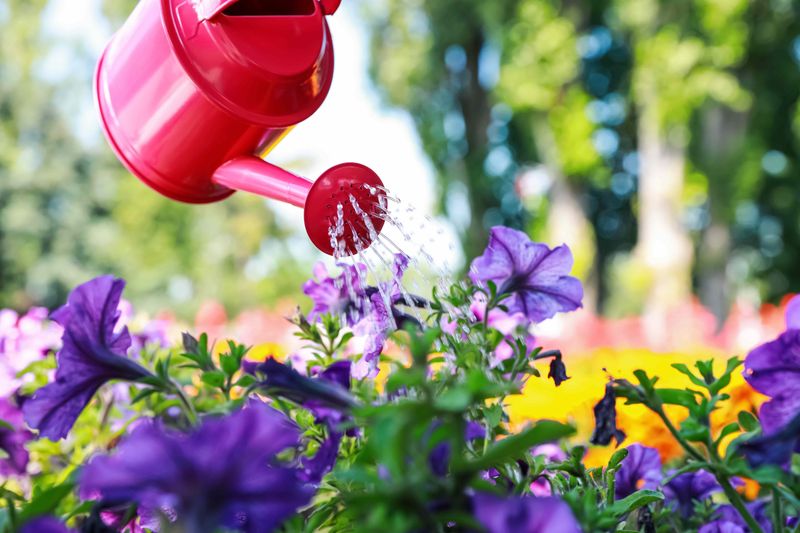
Letting the soil bake bone-dry between waterings puts real strain on a petunia. A thirsty plant cannot pull up nutrients well, and that stress shows up as spindly stems and sad, wilting foliage right when the summer heat peaks.
Water deeply and on a steady rhythm rather than in random little splashes. A quick daily check helps: poke your finger about an inch into the soil, and if it feels dry, it is time to water.
Soak it thoroughly until water runs out the bottom of the pot. Consistent moisture keeps your petunias plump and blooming instead of parched and leggy.
8. Overwatering or Poor Drainage
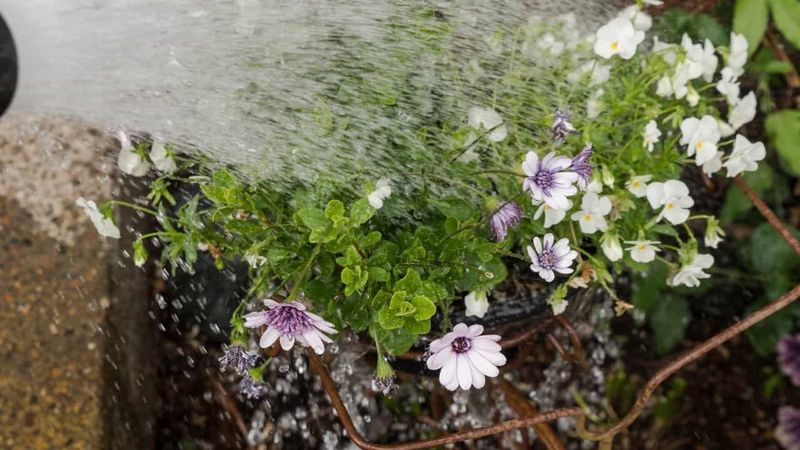
Too much love can drown a petunia just as surely as neglect. Soil that stays soggy all the time cuts off air to the roots and invites root rot, which makes the plant wilt and the leaves yellow, oddly enough looking a lot like a plant that needs water.
Start by making sure every container has real drainage holes and that your garden soil is not holding puddles. Then always test the soil before reaching for the hose.
Let the top inch dry out slightly between drinks. Roots that can breathe grow strong stems, and strong stems do not sprawl.
9. Overcrowding
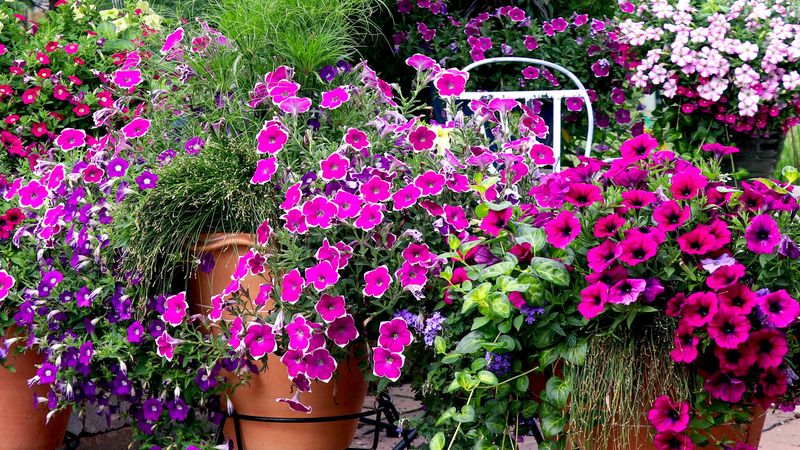
Cram too many petunias into one pot or squeeze them next to bigger plants, and you set off a quiet turf war. Each plant fights its neighbors for light, water, and food, and the result is a bunch of stretched, weak stems all straining to climb over one another.
Give them elbow room. Space plants according to how big they get at maturity, and thin out seedlings that are jammed too close together.
Better spacing also means better airflow, which keeps disease down. When a petunia is not battling for every resource, it can settle in and grow the way it should: full, bushy, and steady.
10. Excess Nitrogen Fertilizer
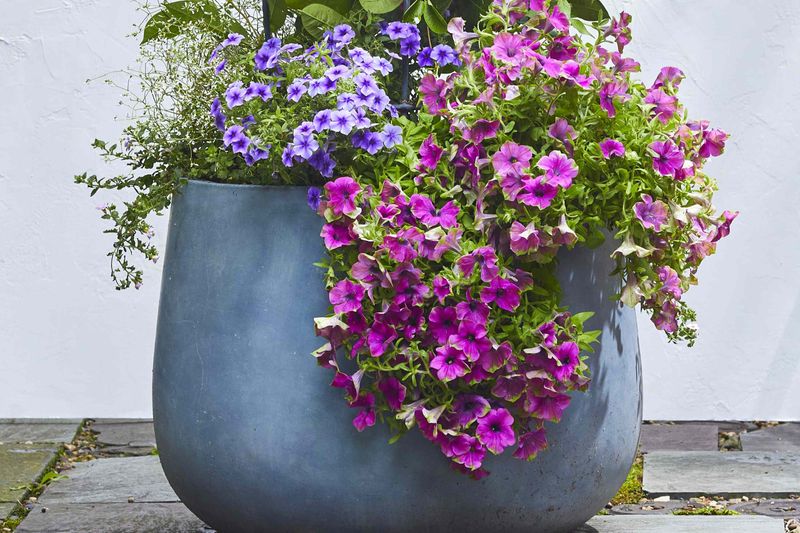
Not all plant food helps flowers. Fertilizers loaded with nitrogen push out tons of leafy green growth, but they do it at the cost of blooms, leaving you with long, leggy stems and barely a flower to show for it.
Reach instead for a balanced fertilizer or one made for blooming plants, which usually runs higher in phosphorus and potassium. Those nutrients feed flower production rather than endless foliage.
Steer clear of lawn feeds and leafy-plant formulas, since they are packed with nitrogen your petunias do not need. Match the food to the goal, and you trade all those bare green stems for a plant covered in color.
11. Pest Infestations
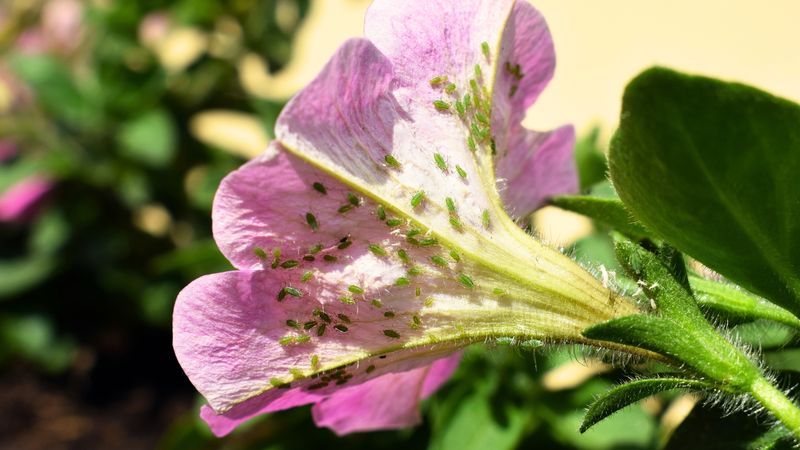
Tiny freeloaders can wear a petunia down fast. Aphids, spider mites, thrips, and tobacco budworms all feed on the plant, sucking away its strength and leaving stunted growth, chewed leaves, and a generally sickly look.
Get in the habit of flipping leaves over and checking stems for these pests, since early detection makes a huge difference. Insecticidal soap or neem oil can knock back an infestation, and inviting helpers like ladybugs adds natural backup.
Snip off any badly chewed or infested parts to stop the spread. A pest-free petunia can finally put its energy into growing instead of just surviving the bug buffet.
12. Fungal Diseases
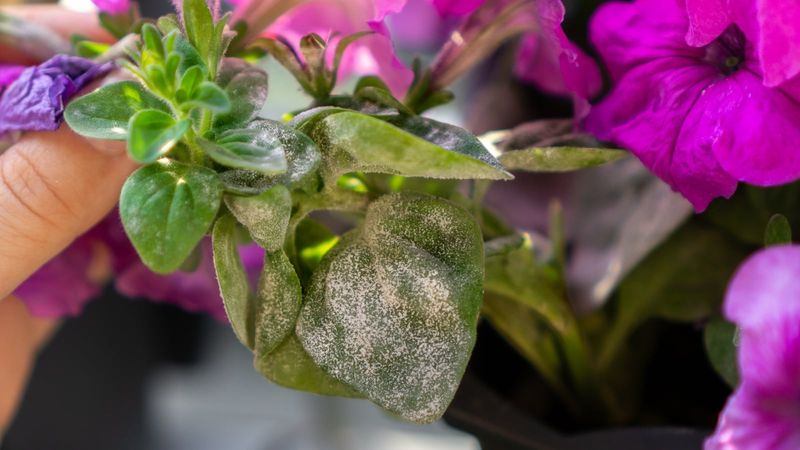
Damp, humid weather rolls out the welcome mat for fungus. Powdery mildew leaves a white film on the foliage, botrytis blight brings fuzzy gray-brown spots, and root or crown rot causes wilting and yellowing from below, all of them dragging your petunia down.
Airflow is your best defense. Space plants properly, pull off any infected leaves or stems right away, and toss them rather than composting.
Water at the base instead of over the top so the leaves stay dry, and make sure drainage is good. If things get truly bad, a fungicide can be a last-ditch option, but good habits usually keep fungus from taking hold in the first place.
13. Viral Diseases
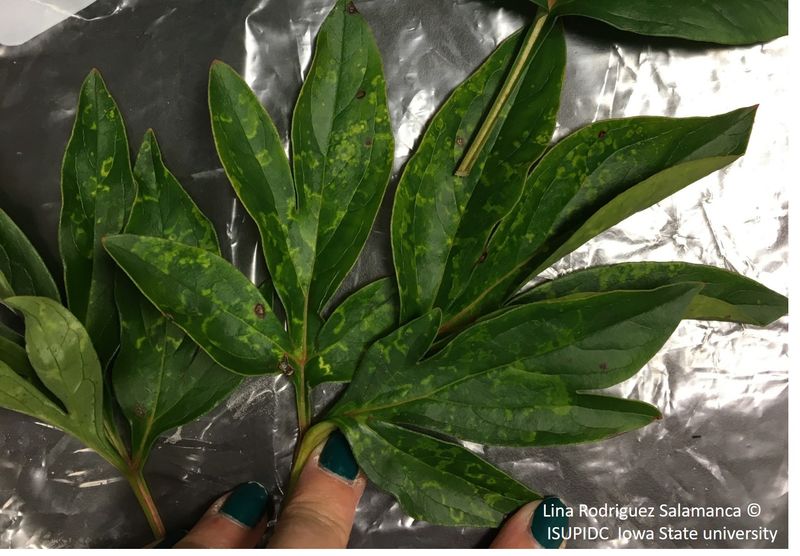
Of all the culprits on this list, viruses are the toughest to beat. Spread by sap-sucking bugs like aphids or even dirty garden tools, they cause mottled, twisted, or yellow leaves, weak little shoots, and warped flowers that never look quite right.
Sadly, most plant viruses have no cure, so the game plan shifts to prevention and damage control. Keep insect carriers in check, since they are the main way viruses jump from plant to plant, and always clean your tools between plants.
If a petunia is badly infected, the kindest move for the rest of your garden is to pull it and throw it away, not compost it. Removing the sick plant protects the healthy ones nearby.