
7 Fast-Filling North Carolina Native Perennials That Look Established The Season You Plant Them
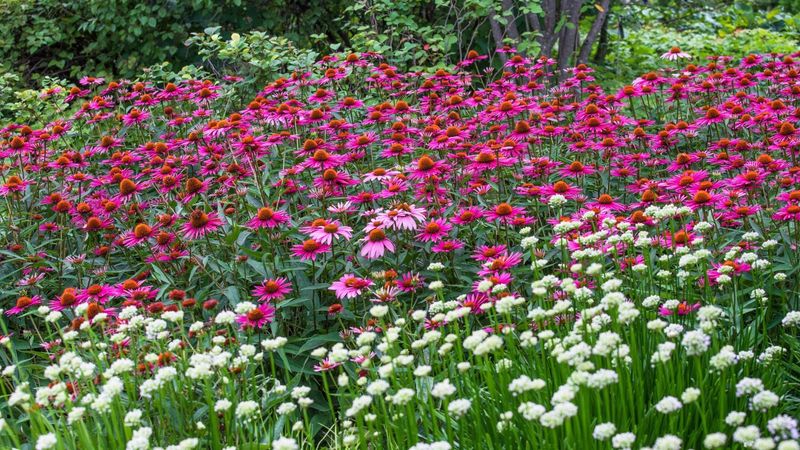
Waiting years for a new garden bed to look full can feel like watching paint dry. The good news is that some North Carolina native perennials spread fast and give you that established, lush look in their very first season.
Better still, these plants feed the pollinators, goldfinches, and butterflies your yard already depends on, and they crowd out the invasives that steal space from wildlife. Here are seven natives that fill in quickly while doing right by your patch of North Carolina.
1. New York Ironweed (Vernonia noveboracensis)
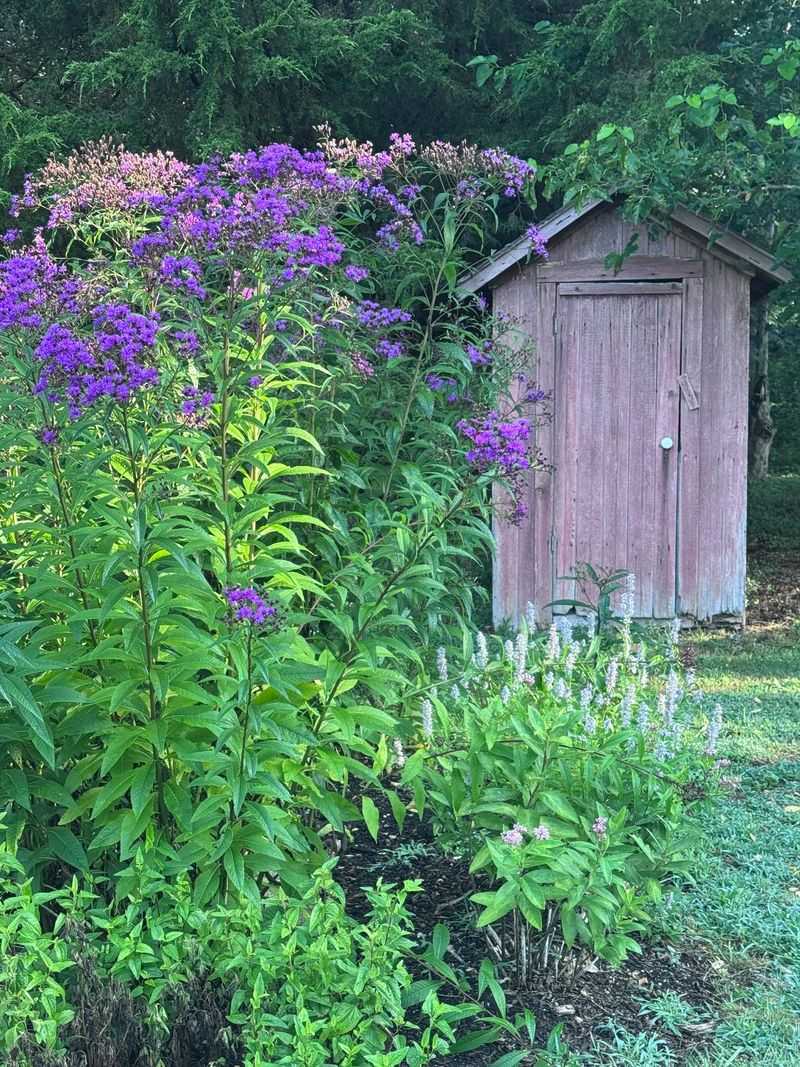
Height is the showstopper here. New York Ironweed can shoot up fast in a single season, giving a young bed instant backbone and vertical drama that most first-year plants just cannot match.
Give it full sun and rich, moist soil, and it will settle in beautifully along a wet spot or the low corner of your yard where water tends to collect. It self-seeds readily, so it fills gaps on its own without you fussing over it.
Those fluffy purple flower heads are magnets for native bees, swallowtails, and skippers late in the summer when other blooms are fading. If you are trying to replace a thirsty invasive in a soggy area, this is a stately, wildlife-rich swap.
Come fall, the seed heads help feed goldfinches, giving you a reason to leave a few standing through winter.
2. Wild Geranium (Geranium maculatum)
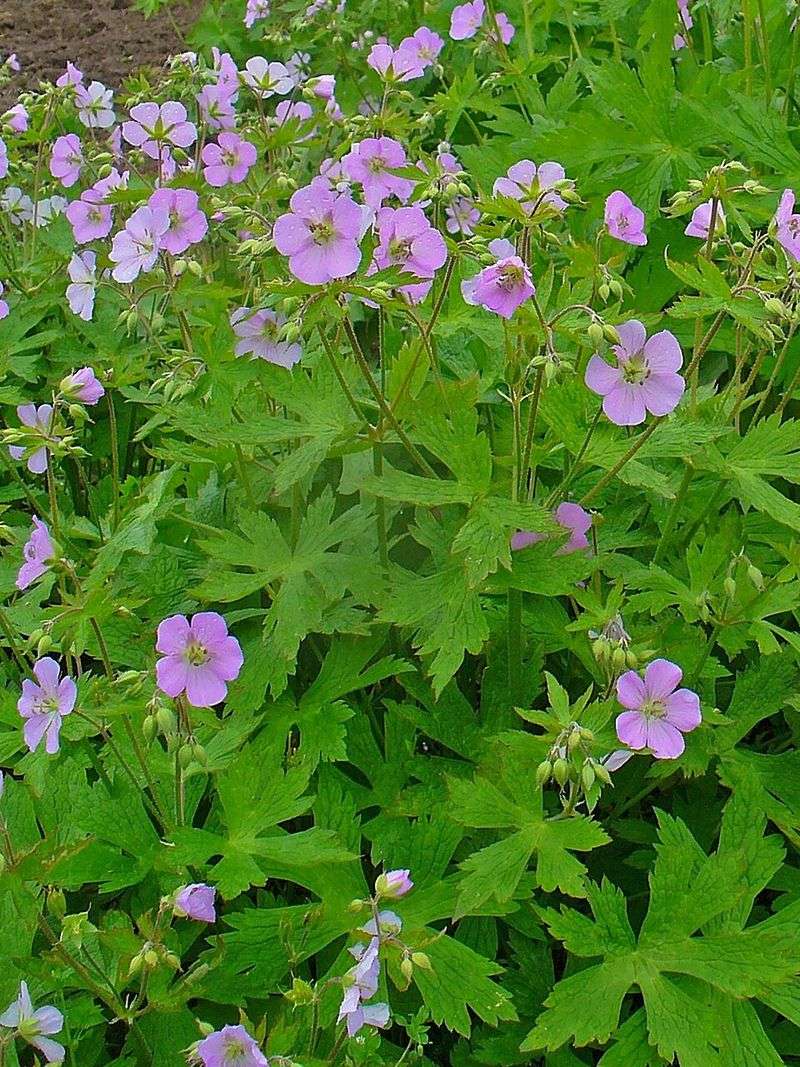
Shady spots under trees are famously hard to fill, and wild geranium quietly solves that problem. It carpets those tricky woodland corners with soft mounds of lobed leaves and cheerful pinkish-purple blooms in spring.
Easygoing is the word for this one. It handles full sun or partial shade as long as the soil stays moist and full of organic matter, and it asks for almost nothing once it takes hold.
Deer and rabbits tend to leave it alone, which is a rare gift for anyone gardening near hungry critters. Meanwhile, early butterflies and native bees show up for the nectar just as they emerge in spring.
Plant a cluster instead of a single one, and by summer you will have a tidy, established look that reads like it has been there for years.
3. Lanceleaf Coreopsis (Coreopsis lanceolata)
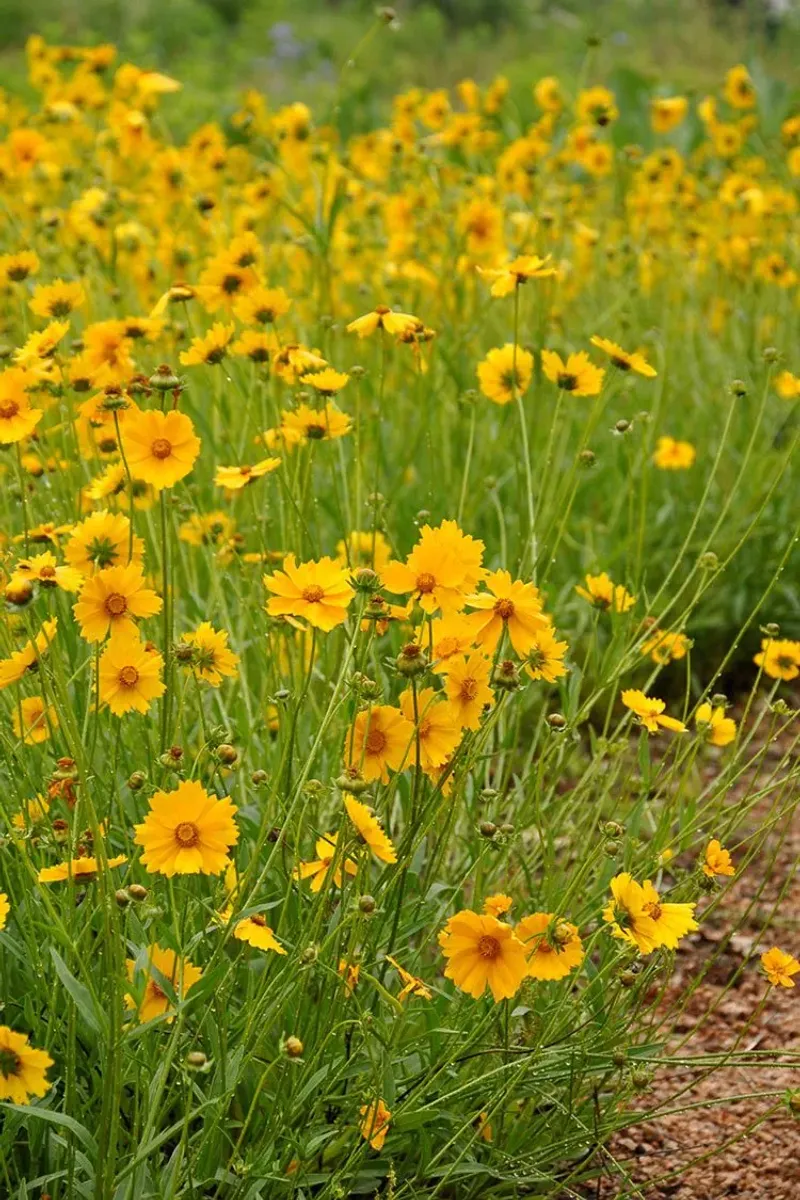
Tough as nails and twice as cheerful. Lanceleaf Coreopsis shrugs off poor soil, blazing heat, and drought that would wilt fussier plants, which makes it a dependable pick when you need color fast and fuss-free.
Its brilliant yellow daisy-like flowers pop up quickly and keep coming, turning a bare, sun-baked patch into a golden sweep in a matter of weeks. This is the plant for that hot strip by the driveway or the spot where nothing else seems happy.
Deer and rabbits pass it by, and pollinators flock to it, so you get low maintenance and high wildlife value in one plant. Leave some spent flowers and goldfinches will happily pick at the seeds.
If you have been tempted to fill a dry bank with an aggressive non-native, this native does the job without escaping into the wild.
4. Swamp Milkweed (Asclepias incarnata)
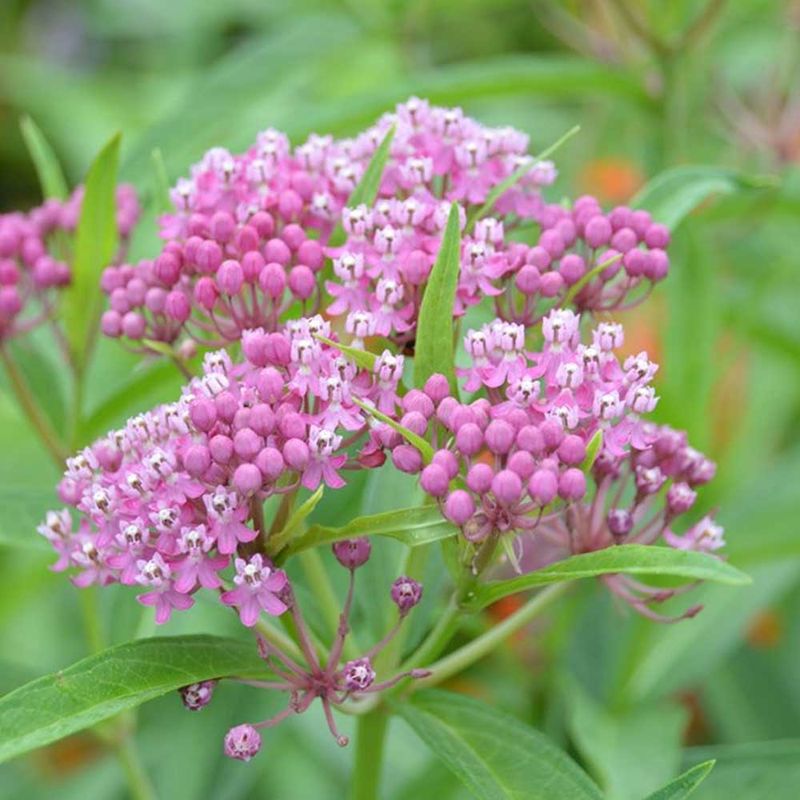
Ask a monarch butterfly what it needs, and the answer is milkweed. Swamp Milkweed is a host plant for monarch caterpillars, so planting it turns your yard into a nursery for one of the most beloved insects in North Carolina.
Despite the name, it does not need a swamp. It grows happily across the Piedmont, Coastal Plain, and mountains, thriving in rain gardens, along ponds, or in any spot that stays a bit damp.
The soft pink flower clusters draw bees, beetles, and a parade of butterflies all summer long, while deer tend to leave it be. Watching a monarch lay eggs on a plant you put in the ground is the kind of stewardship payoff that makes gardening feel worthwhile.
It bulks up quickly its first year, so the show does not make you wait.
5. Pussytoes (Antennaria plantaginifolia)
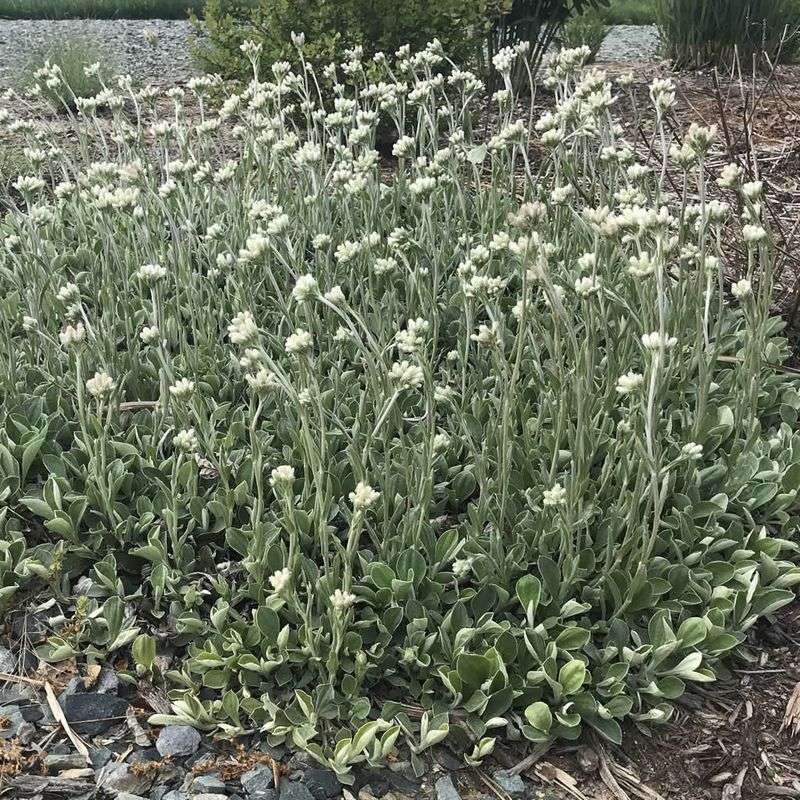
Small, silvery, and surprisingly hardworking. Pussytoes is a native groundcover that spreads out to knit bare soil into a soft, cohesive mat, so your beds look intentional and finished from day one.
The fuzzy white flower clusters really do resemble a cat’s toes, which is where the charming name comes from. It handles dry, lean soil that other groundcovers snub, making it perfect for edging paths or filling awkward gaps between larger plants.
Here is the part butterfly lovers will love: Pussytoes is a host plant for the American Lady butterfly, so it earns its keep beyond just looking neat. Swap it in where you might otherwise reach for an invasive spreading groundcover, and you get quick coverage that supports native wildlife instead of choking it out.
6. Creeping Phlox (Phlox stolonifera)
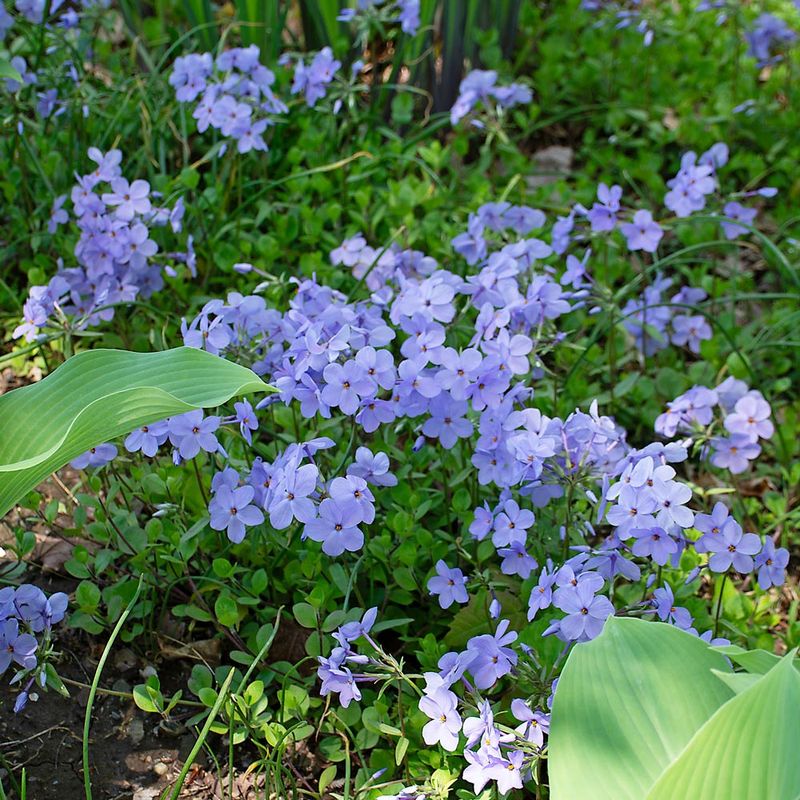
Few plants earn their keep as fast as creeping phlox in spring. It sends out runners that spread into a low, flowering carpet, so a patch of dirt becomes a sheet of color almost before you know it.
Unlike the sun-loving moss phlox many people know, this woodland native prefers dappled shade and rich, moist soil, making it ideal for those spots beneath trees where grass gives up.
The lavender-blue blooms pull in early pollinators just when they need a food source, and the evergreen-ish foliage keeps things tidy after the flowers fade. Use it to blanket a slope or soften the front edge of a shady bed.
In a single season, it fills in enough to look like a planting that has been happily settling in for ages.
7. Golden Ragwort (Packera aurea)
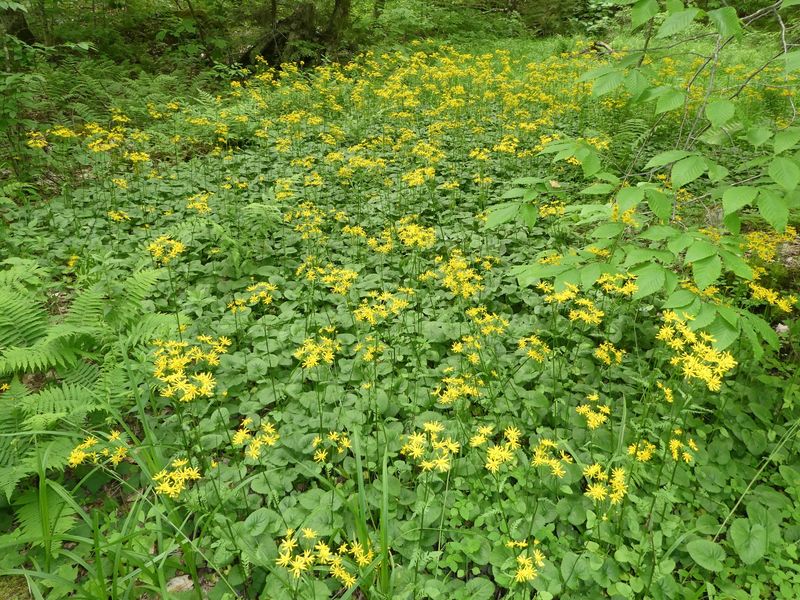
Colony-builder extraordinaire. Golden Ragwort spreads by both seed and runners to form dense, weed-smothering colonies, which is exactly what you want when a new bed needs to look full and lived-in fast.
It is remarkably adaptable, taking sun or shade and tolerating moisture that many plants can’t handle, so it thrives in damp, part-shaded corners where you have struggled before.
In spring, cheerful yellow flowers rise on tall stems above a mat of rounded, semi-evergreen leaves, feeding early bees and small pollinators. Because it covers ground so aggressively in the best sense, it makes a genuine alternative to invasive groundcovers like English ivy or vinca that so many NC yards are fighting.
Plant a few, stand back, and let them do the filling for you.
One quick tip: give it room, because a happy Golden Ragwort likes to roam.