
If You Want A Fuller Garden That Spreads Itself, Here Are 15 Perennials That Multiply On Their Own Year After Year
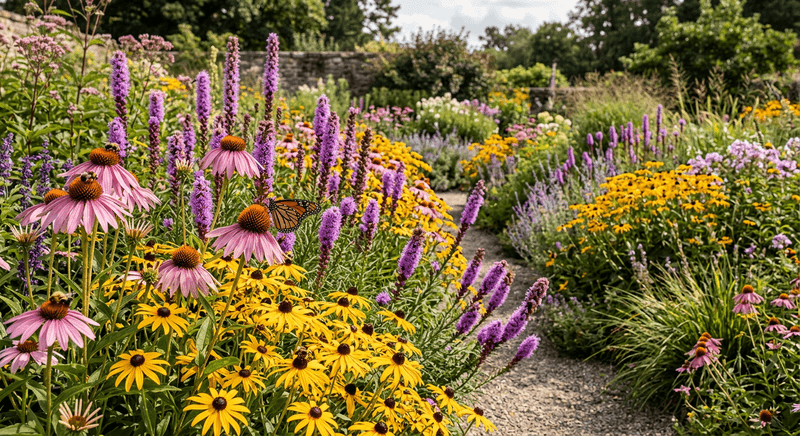
Some plants are so eager to fill your garden that they practically do the work for you. Instead of buying new flowers every spring, you can pick perennials that spread by seed or by roots and come back thicker each year.
That means more color, fewer bare spots, and less money spent at the garden center. Here are 15 tough, generous perennials that quietly multiply on their own so your beds look fuller without a lot of extra effort.
1. Rose Campion (Lychnis coronaria)
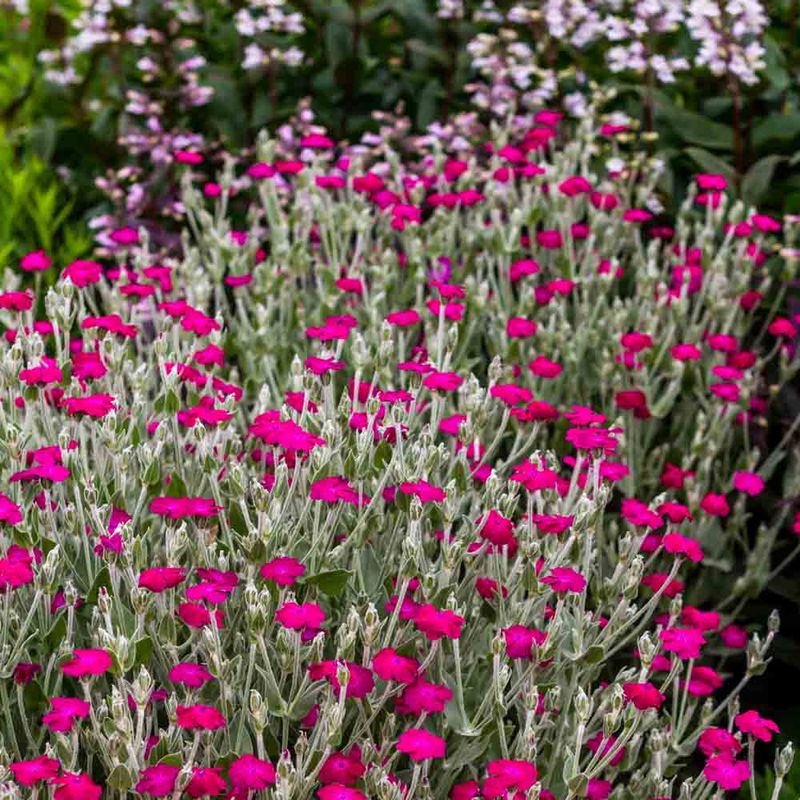
Picture a plant with soft, silvery leaves that look almost like felt, topped by shocking magenta blooms all summer long. Rose Campion is the kind of flower you plant once and then find popping up in cheerful surprise spots for years.
It self-seeds so freely that volunteer seedlings appear in gravel paths, cracks, and neighboring beds. If you don’t want it wandering too far, just snip the spent flowers before the seeds scatter.
The gray foliage also gives your garden a cooling contrast against all the greens, making the pink pop even harder in the summer heat.
2. Black-Eyed Susan (Rudbeckia)
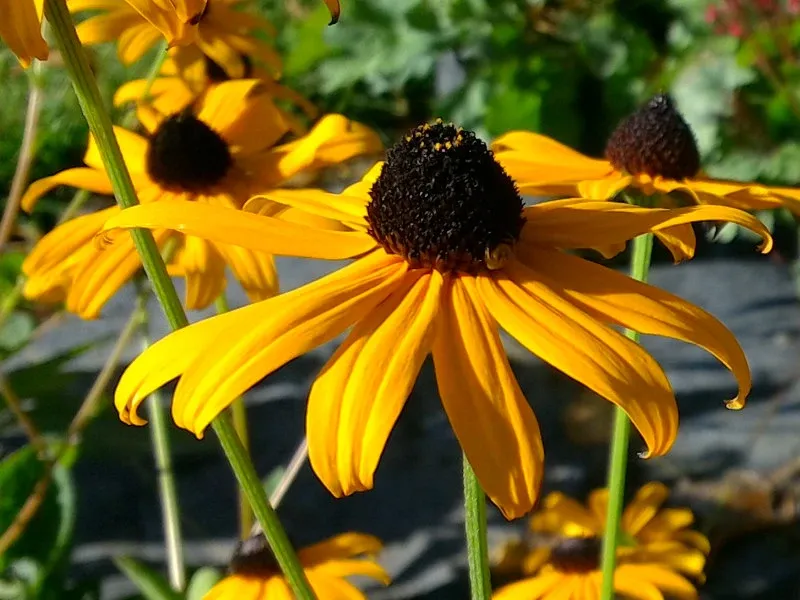
Golden petals wrapped around a chocolate-brown button – Black-Eyed Susans look like little bursts of sunshine that keep the party going all summer.
Varieties like ‘Indian Summer’ re-seed themselves every year, and some types quietly creep along by underground stems to form wider patches. Even though certain kinds behave like biennials, their steady self-seeding means you rarely notice a gap.
Pollinators adore them, so expect bees and butterflies to show up along with the extra plants. Leave a few seed heads standing in fall and the birds will thank you too.
3. Perennial Cornflower (Centaurea montana)
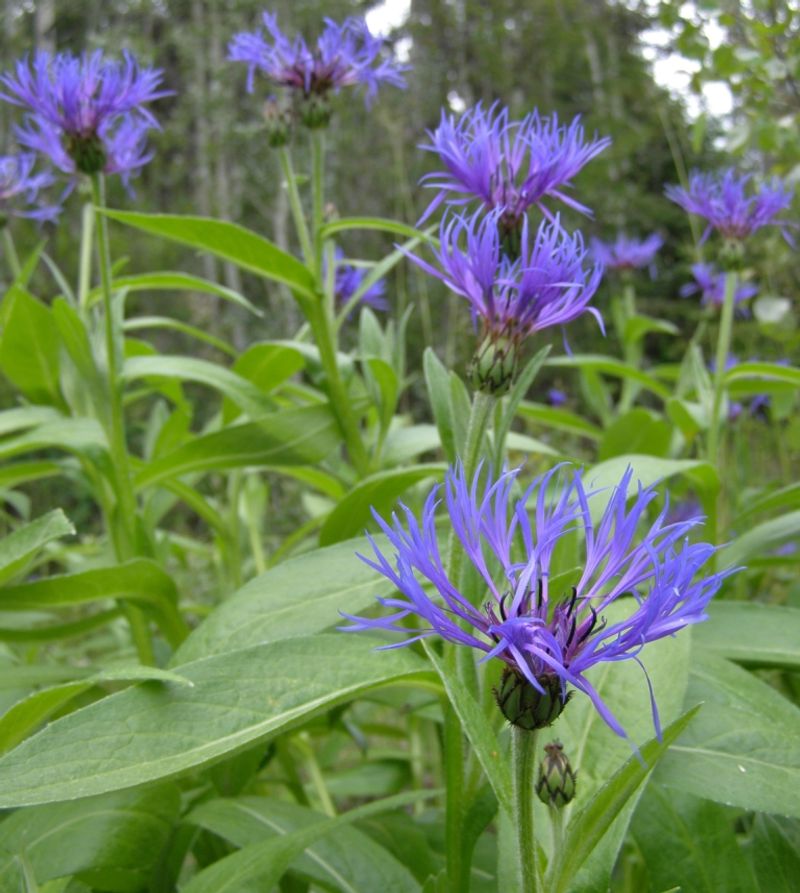
Few flowers have a shape as fun as the perennial cornflower, with its fringed, spidery blue-purple blooms that look almost hand-drawn.
Also called Perennial Bachelor’s Button, it will grow almost anywhere you plant it, and it can spread with real enthusiasm. That toughness is a blessing in tricky spots where fussier flowers sulk.
Because it can get a little pushy, keep an eye on it and pull stray clumps if it starts crowding gentler neighbors. Deadheading after the first flush often rewards you with a second round of blooms.
4. Hardy Geranium (Geranium spp.)
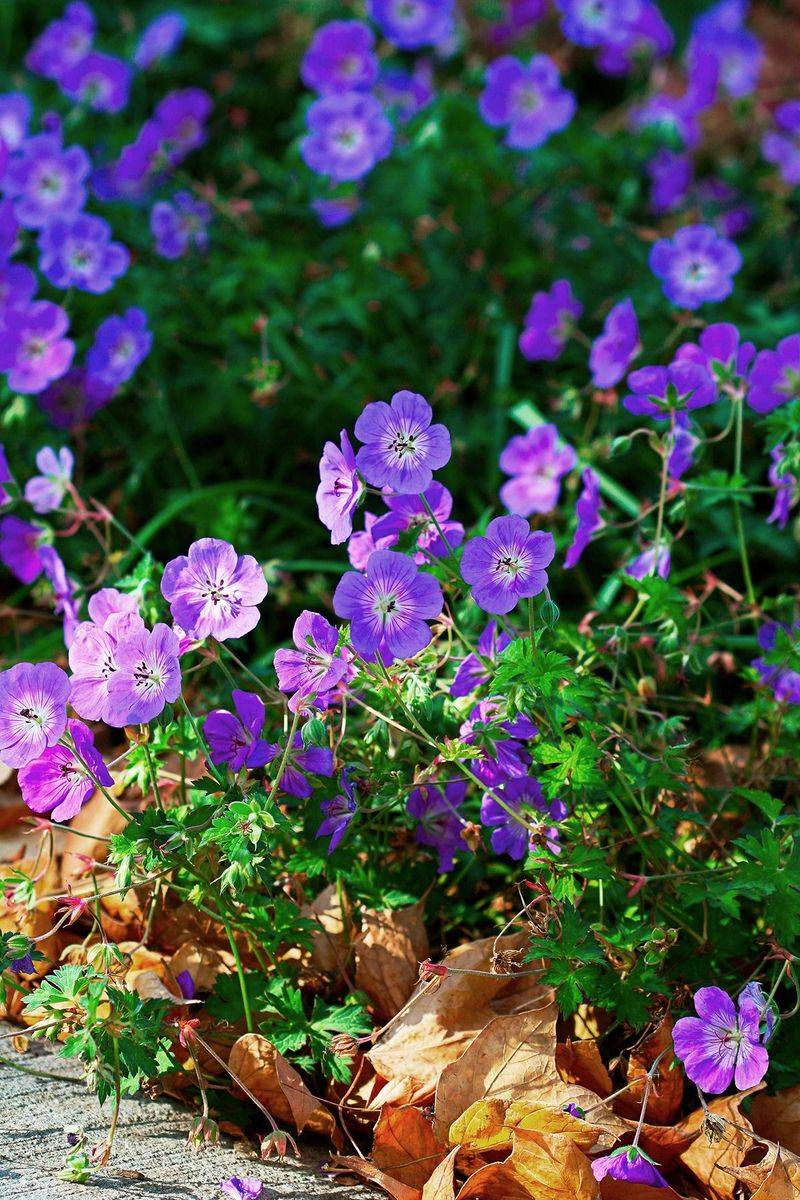
Don’t confuse these with the potted geraniums on your porch – hardy geraniums are low, mounding perennials that knit themselves into a living carpet.
They spread outward season after season, filling gaps between larger plants and smothering weeds along the way. That easy-going habit makes them a favorite for gardeners who want beauty without babysitting.
Many kinds bloom for weeks in soft blues, pinks, and purples, and a quick shearing after the first flush can bring on fresh flowers and tidier foliage.
5. Catmint (Nepeta)
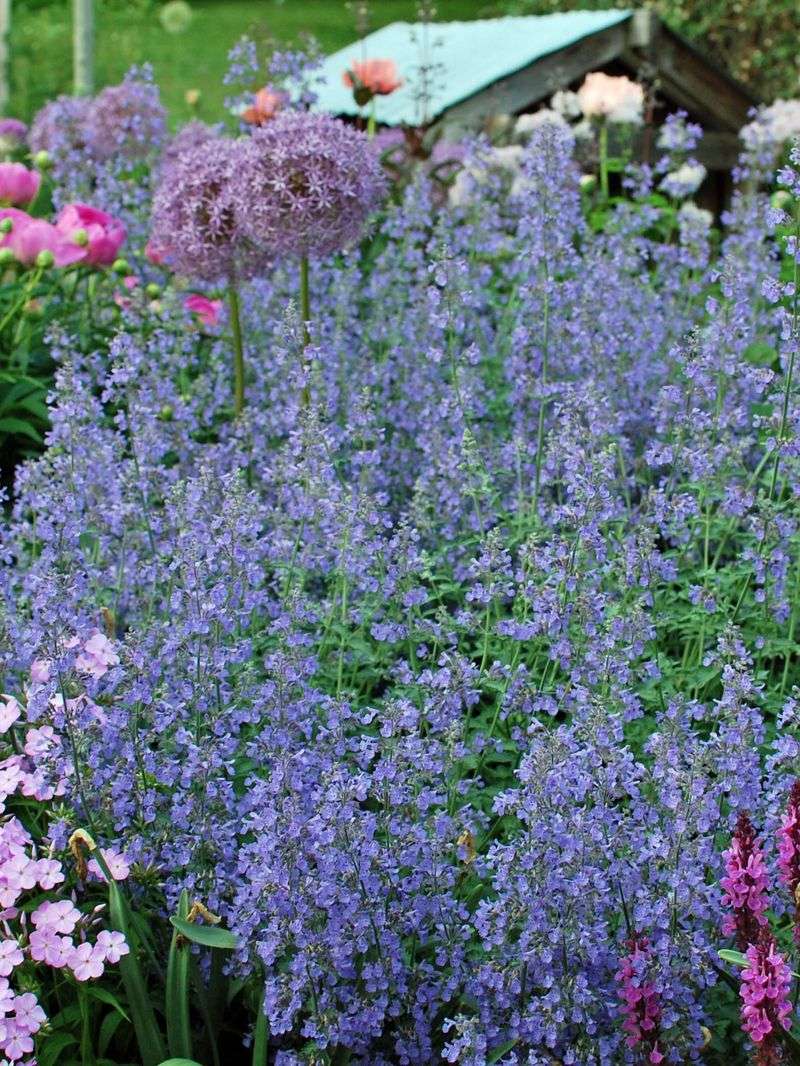
Run your hand across catmint and you’ll release a fresh, minty scent that even cats find hard to resist. Its hazy purple-blue haze of flowers spills over pathways and softens hard edges beautifully.
Catmint builds into big, generous mounds and readily drops seed to make more of itself, though a few fancy named cultivars stay put. It laughs at drought and shrugs off poor soil, which is exactly why so many gardeners rely on it.
Shear it back after the first bloom and it usually rebounds with a whole new wave of color into late summer.
6. Bee Balm (Monarda)
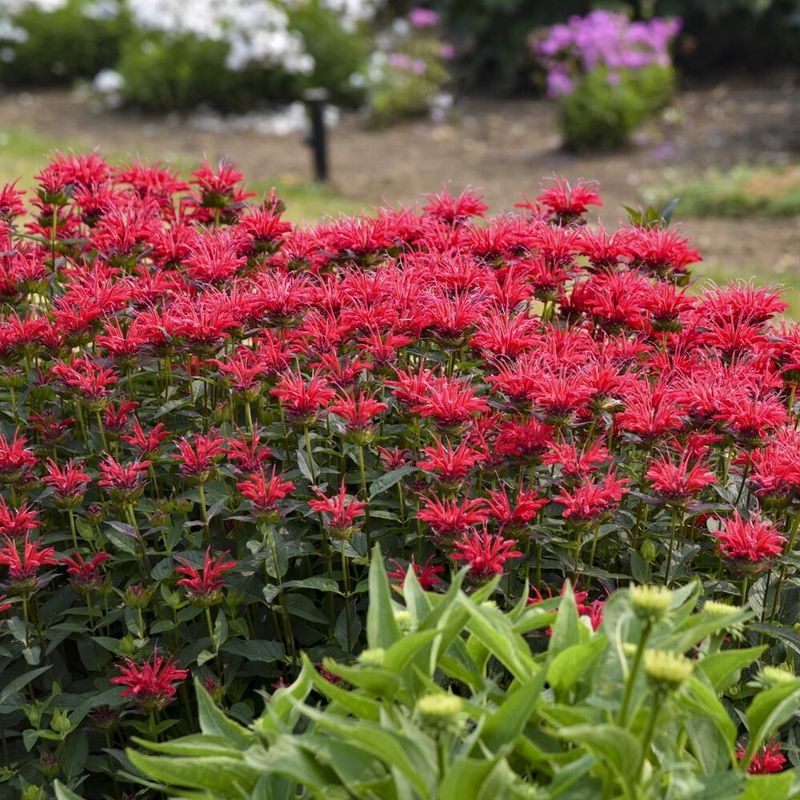
With wild, shaggy blooms that look like tiny fireworks, Bee Balm brings drama and a crowd of hummingbirds to any bed.
Underground rhizomes let it march outward each year, forming dense colonies that quickly fill space. If it gets too ambitious, digging out the edges in spring keeps it in bounds and gives you free plants to share.
The leaves smell wonderful when brushed, and gardeners have long used them for tea. Give it good airflow to help keep its foliage looking clean through humid summers.
7. Lamb’s Ear (Stachys byzantina)
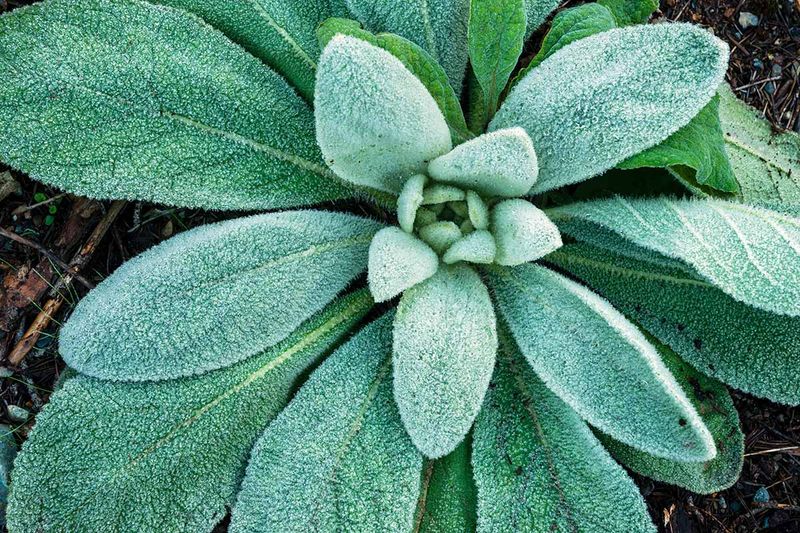
Kids can’t stop petting Lamb’s Ear, and honestly, neither can most adults – its leaves feel like the softest velvet you’ve ever touched.
Beyond the cuddly texture, it spreads fast to form a shimmering silver blanket that lights up the front of a border. That silvery sheen makes nearby flowers look even brighter by contrast.
It thrives in sun and dry soil, and if it wanders farther than you’d like, the extra rosettes lift right out with a trowel. Snip the flower stalks if you prefer to keep the focus on the fuzzy foliage.
8. Garden Phlox (Phlox paniculata)
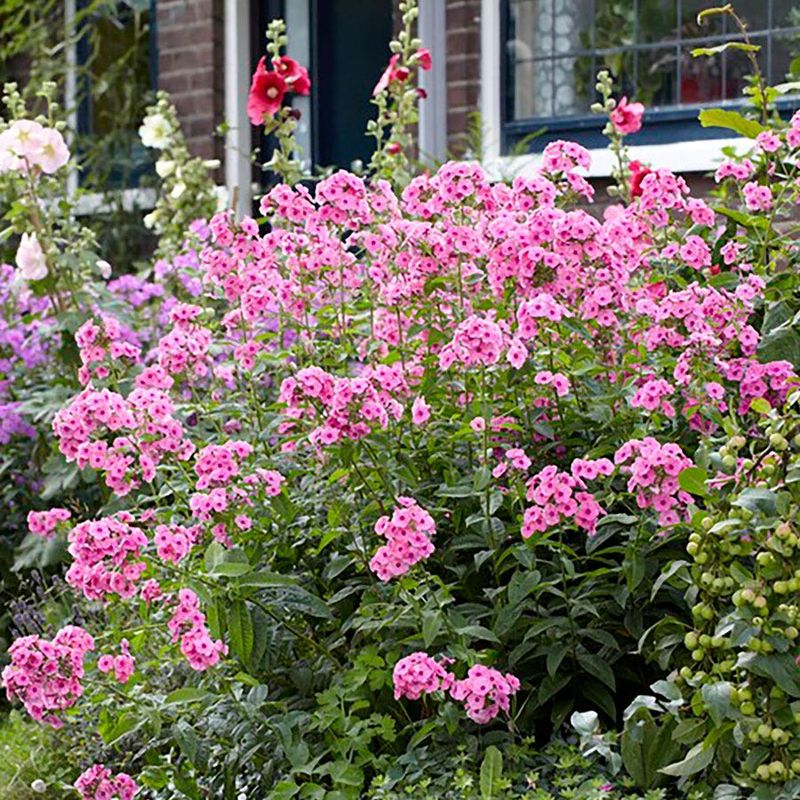
Sweet-smelling and dependable, Garden Phlox delivers big domed clusters of color right when high summer needs a lift.
It’s one of the faster-spreading perennials, widening its clumps a little more each year until it fills a border with fragrant flowers. Butterflies flock to the blooms, adding motion and life to the display.
To keep it happy, give it room for air to move around the leaves, which helps fend off the powdery mildew phlox is sometimes prone to. Dividing established clumps every few years keeps them vigorous and gives you spares.
9. Yarrow (Achillea millefolium)
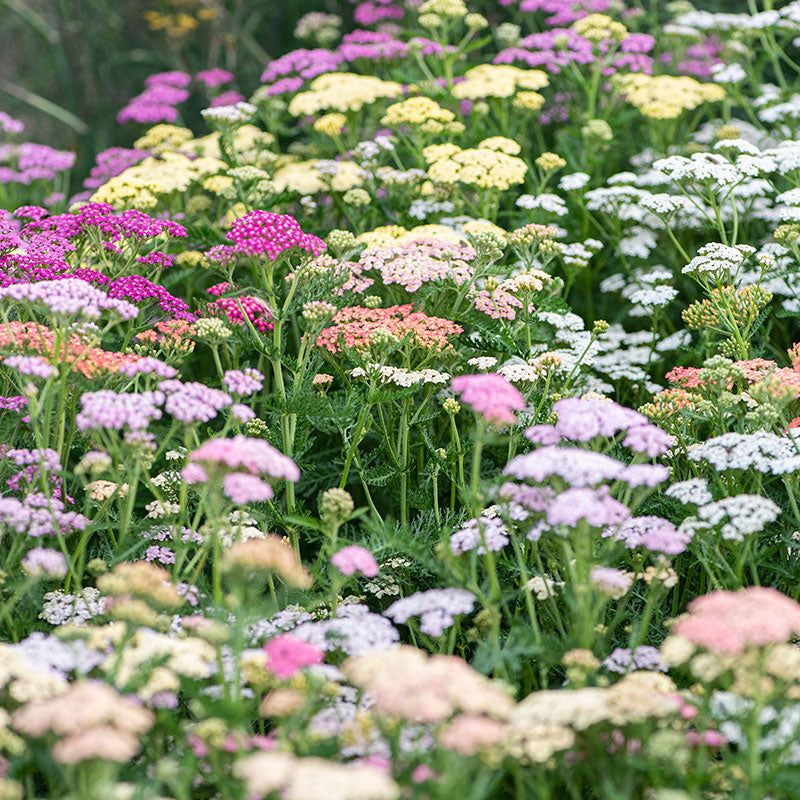
Flat, plate-like flower heads and feathery leaves give Yarrow a look that fits right into both tidy borders and wild meadow plantings.
It spreads quickly, both by roots and by seed, turning a single starter plant into a broad drift surprisingly fast. That vigor makes it a hero for dry, sunny spots where you want coverage in a hurry.
Colors range from buttery yellow to peach, red, and white, and the blooms dry beautifully for indoor arrangements. Bonus: it shrugs off drought once it settles in.
10. Shasta Daisy (Leucanthemum x superbum)
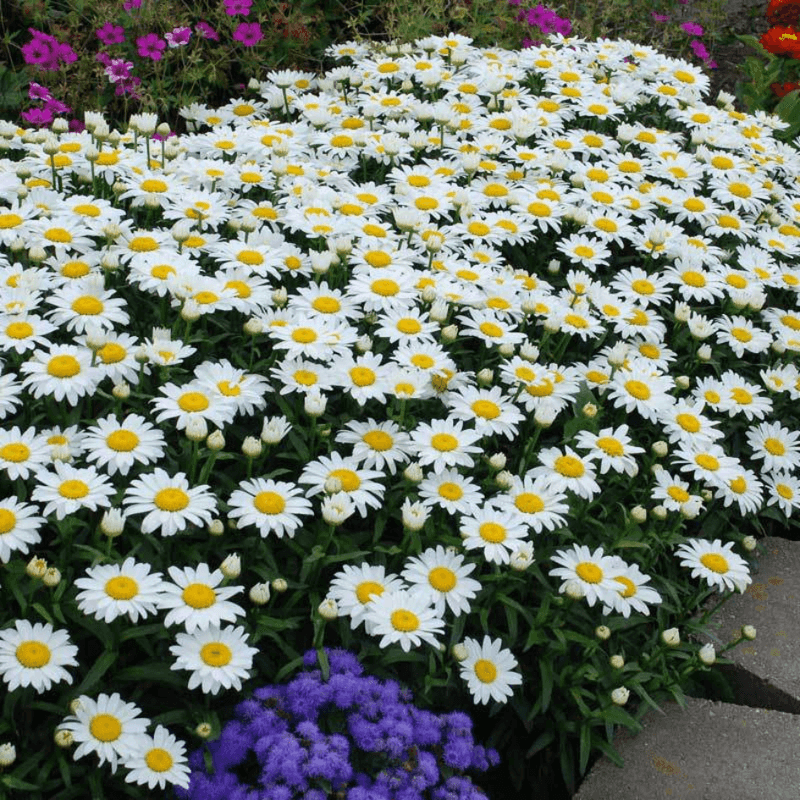
Nothing says classic summer garden quite like the crisp white petals and sunny centers of a Shasta Daisy.
These long-lived charmers spread quickly and toss out plenty of seed, so a small planting can become a generous patch in just a few seasons. They adapt easily to different conditions, which is part of what makes them so reliable.
Keep in mind they can become a bit invasive in some parts of the country, so it’s smart to watch their spread and thin them when needed. Deadheading keeps the flowers coming and slows the self-sowing if you want more control.
11. Butterfly Weed (Asclepias tuberosa)
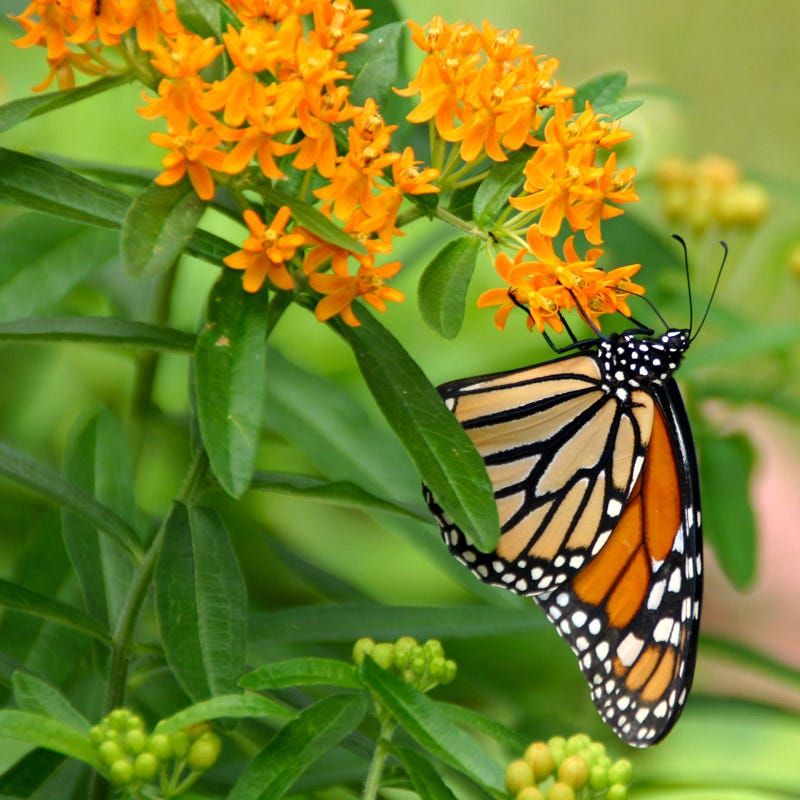
Blazing orange clusters make Butterfly Weed impossible to miss, and monarch butterflies feel exactly the same way.
A tough native built for hot, dry, sunny corners, it forms seed pods that split open and release downy, parachute-like seeds. Those seeds drift on the breeze and sprout the following spring, giving you volunteer plants scattered nearby.
It’s a key host plant for monarch caterpillars, so growing it means directly helping a beloved species. Plant it once in a sunny spot and let it settle in – its deep roots dislike being moved.
12. Purple Coneflower (Echinacea purpurea)
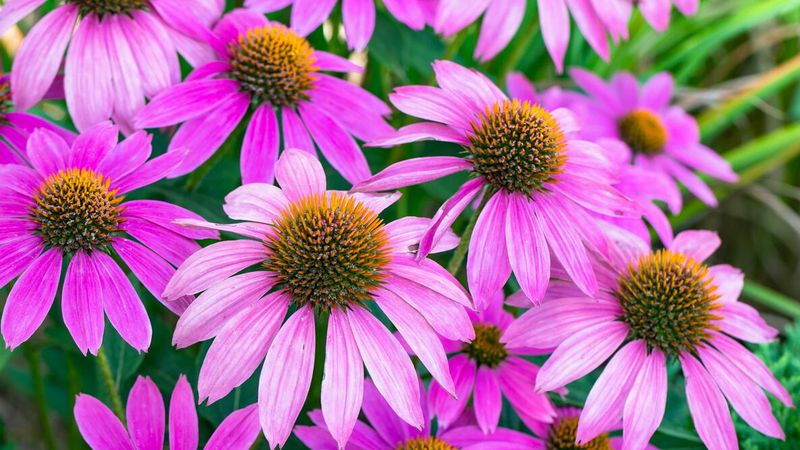
Sturdy stems, daisy-like petals, and a bristly orange cone in the middle make Purple Coneflower a favorite of gardeners and pollinators alike.
It’s a champion self-spreader, quietly dropping seed that fills in around the parent plant year after year. Finches love perching on the dried seed heads in fall, adding winter interest while planting next year’s crop for you.
Drought-tolerant and dependable, coneflowers hold up through heat that flattens fussier flowers. Leave a few seed heads standing and you’ll be rewarded with both birds and free seedlings.
13. Bergenia (Bergenia cordifolia)
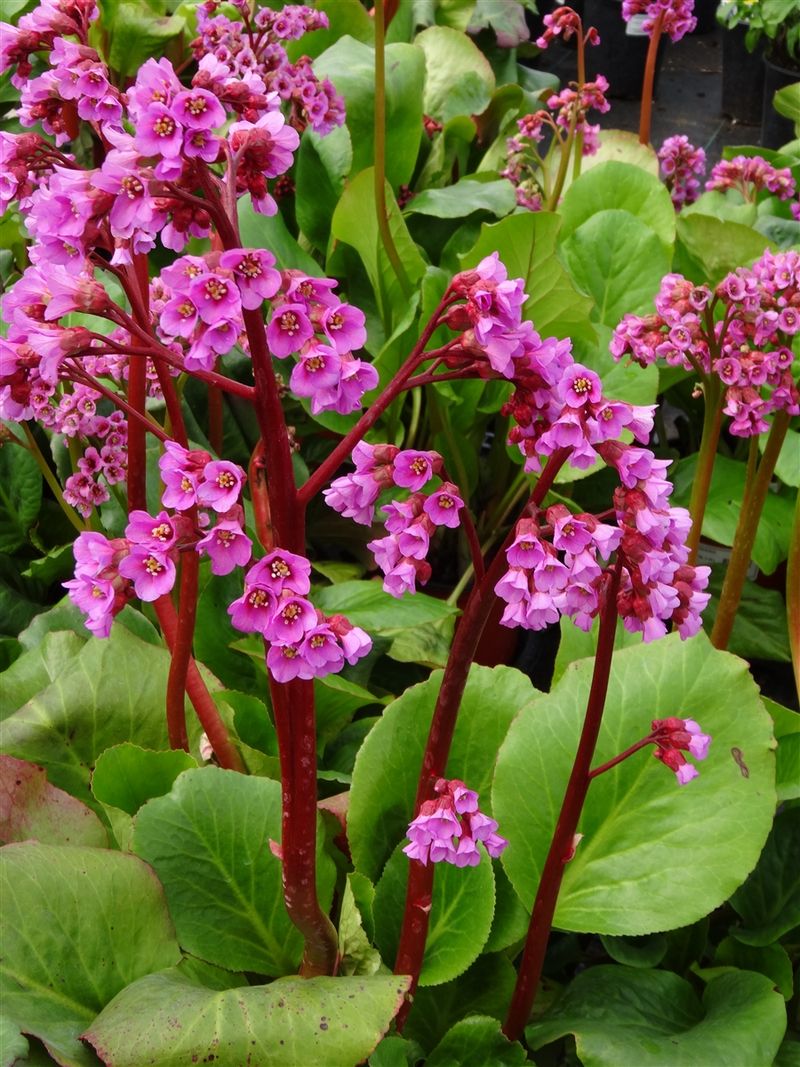
Big, glossy, cabbage-like leaves earned Bergenia the nickname pigsqueak, because the foliage squeaks when you rub it between your fingers.
Instead of scattering seed everywhere, it spreads through creeping root rhizomes that you can lift and divide to make new plants whenever you like. That makes it one of the easiest perennials to multiply on purpose.
Pink flowers rise in early spring, and the bold leaves often blush red as cold weather arrives, giving you interest across seasons. It handles shade and edges beautifully, softening the front of a border with its rounded shapes.
14. Hollyhock
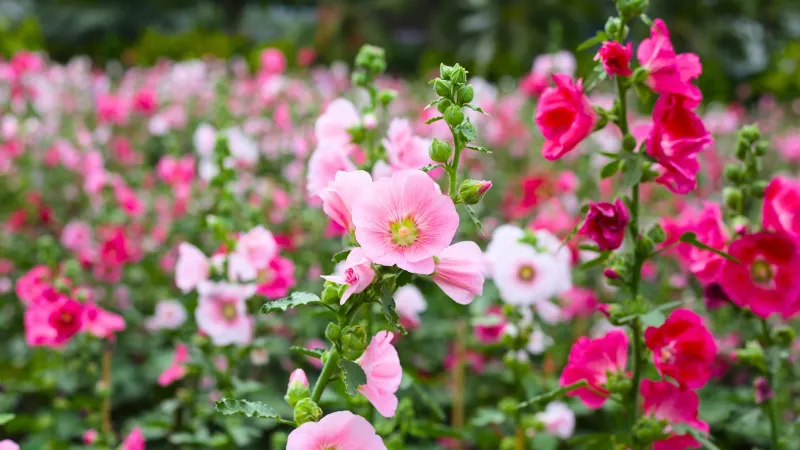
Towering flower spikes that can stretch taller than a person make Hollyhocks the grand backdrop of any cottage garden.
Famous for self-seeding, they drop their seeds at the base and return year after year with almost no help from you. Plant them along a fence or wall where their height can shine and their stalks get a little support.
The old-fashioned blooms come in dreamy shades of pink, red, white, and near-black, drawing bees all summer. Tall, colorful spires like these really depend on the basics: full sun, decent soil, and room to reach for the sky.
15. Columbine
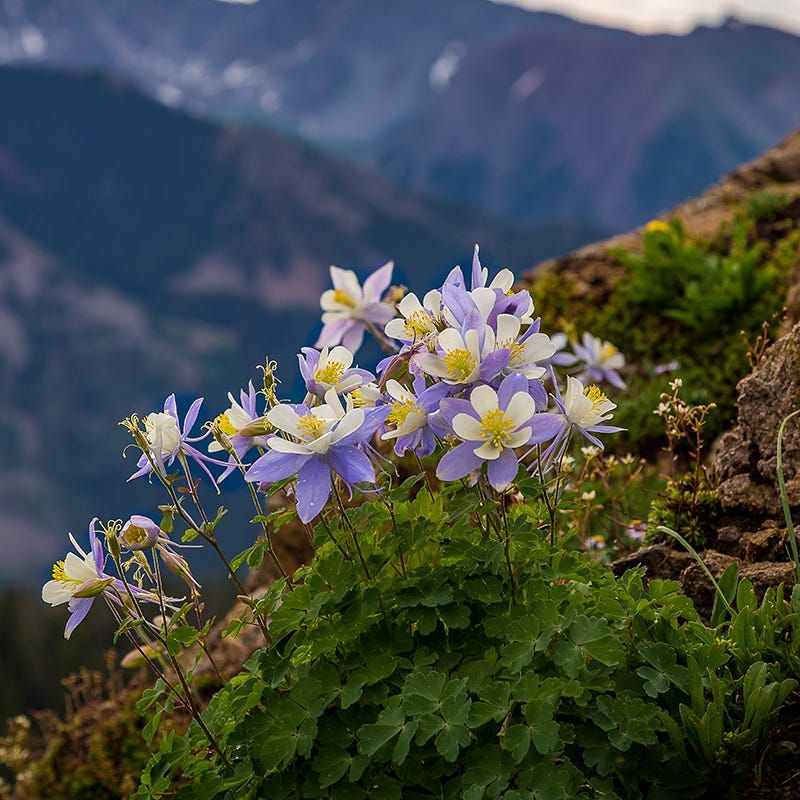
With nodding, bonnet-shaped blooms and delicate spurs, Columbine has a fairy-tale charm that feels a little magical in the spring garden.
It’s a reliable self-seeder, tucking new plants into nooks and crannies so it multiplies gracefully over time. The seedlings sometimes surprise you with fresh color combinations, since columbines love to cross and mix.
Hummingbirds adore the dangling flowers, making it a lively addition to partly shaded beds. Let a few seed heads ripen and scatter, and you’ll enjoy a rotating cast of blooms for years without spending a dime.