
If You Want Beds That Fill Themselves In Year After Year, Here Are 17 Perennials You Plant Once And Forget
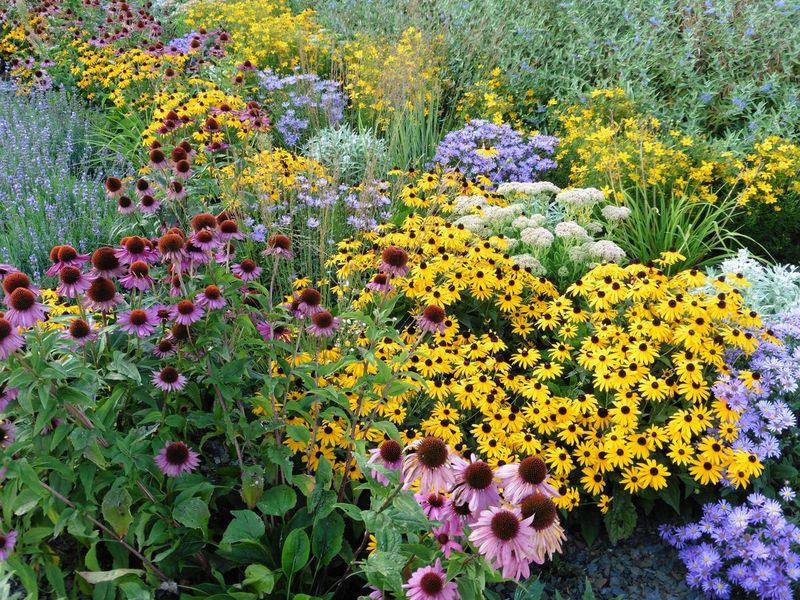
Nothing feels better than watching your garden come back on its own without begging you for constant attention. The plants below are the kind you tuck into the soil once, water while they settle in, and then let them do their thing season after season.
Whether you are nervous about killing something or just tired of replanting every spring, these tough perennials reward you with steady color and almost no fuss. Here are 17 dependable growers that fill in your beds year after year.
1. Black-Eyed Susans (Rudbeckia)
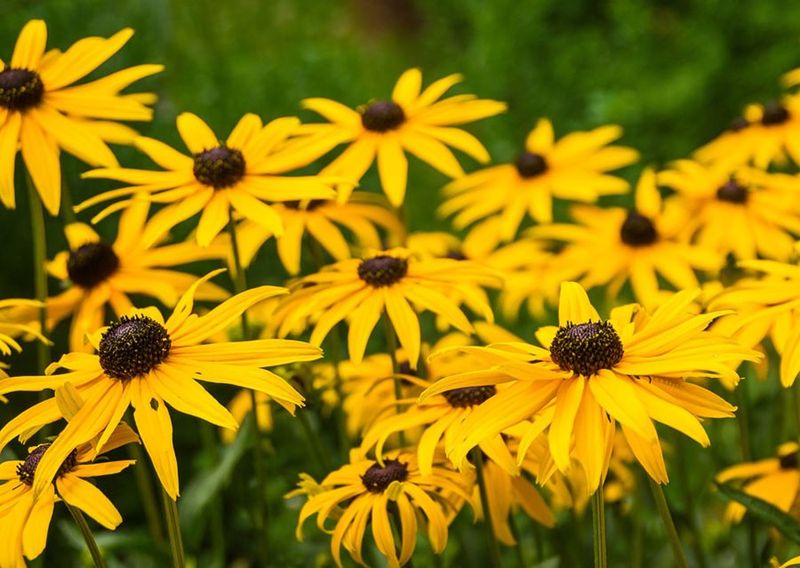
Golden petals with a chocolate-brown button in the middle make Black-Eyed Susans one of the friendliest faces in any summer garden. If you have killed plants before and lost faith in yourself, this is the one that quietly builds your confidence back up.
They bloom for weeks on end, holding their cheerful color from midsummer right up until frost. Even though each plant is technically short-lived, they scatter their own seed so freely that new ones keep popping up on their own.
You barely need to lift a finger. Give them sun, decent soil, and a little patience, and they will fill an empty corner faster than almost anything else on this list.
2. Daylilies
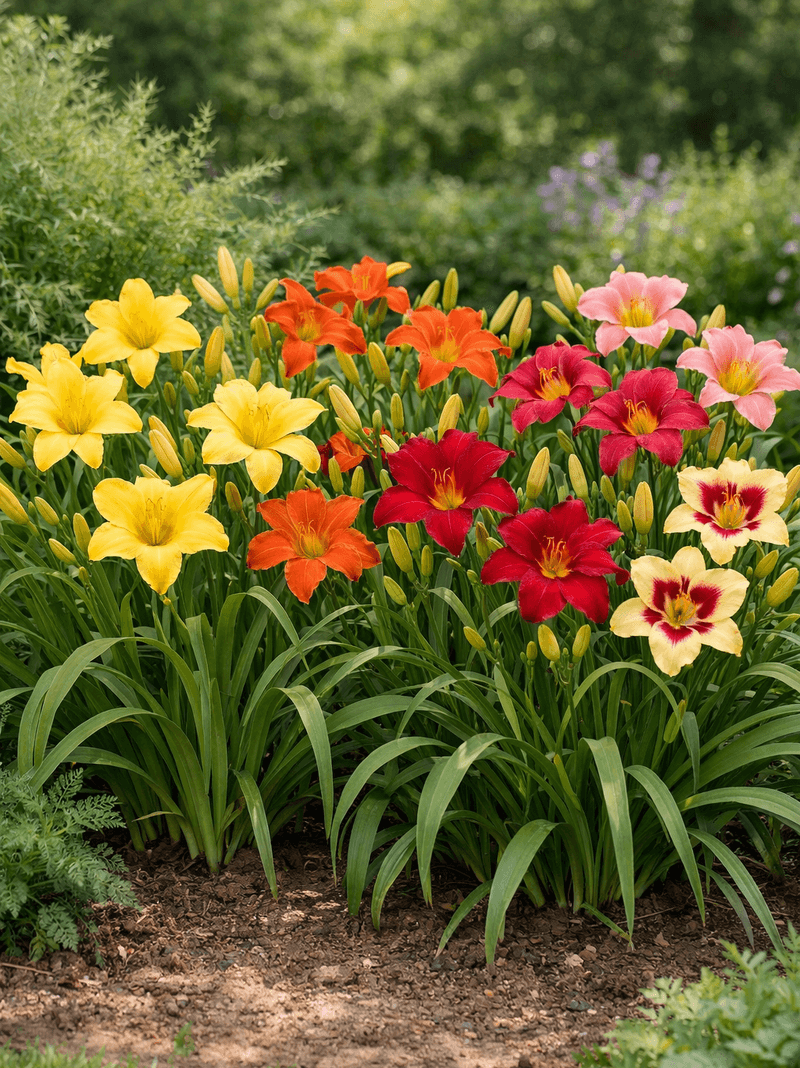
Gardeners jokingly call daylilies the plant you cannot kill, and honestly, they earn the nickname. Neglect them, forget to water them, plant them in a spot you were not sure about, and they still shrug it off and bloom.
Each flower lasts a single day, but the plant sends up so many buds that the show rolls on for weeks. Over time, one clump slowly widens into a fuller patch you can dig up and share with neighbors.
For anyone who wants reliable color without babysitting, daylilies are a forgiving place to start. They tolerate heat, poor soil, and a busy schedule with equal grace.
3. Coneflowers (Echinacea)
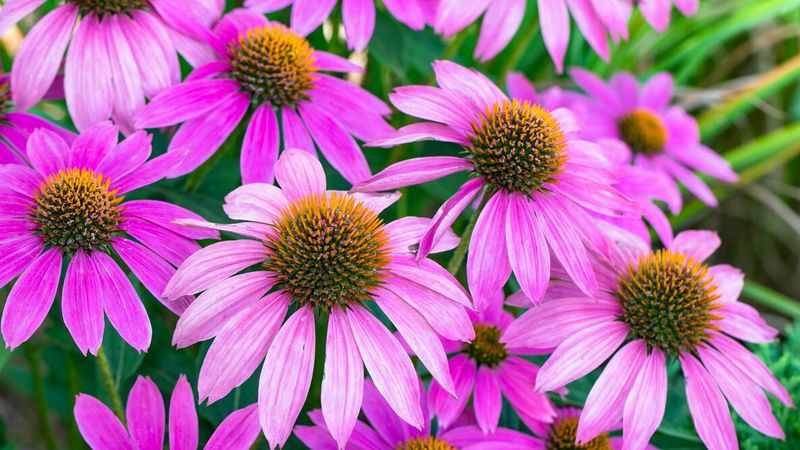
Bees and butterflies treat coneflowers like an all-day buffet, so planting a few means your yard suddenly buzzes with life. That alone makes them worth the small space they take up.
Beyond their good looks, they are tough as nails. Once settled, they handle drought, shrug off heat, and reseed themselves so new plants appear where you least expect them.
Leave the spent flower heads standing through fall and winter. Birds like goldfinches will pick at the seeds, and any that drop will thicken your patch for next year.
4. Baptisia (False Indigo)
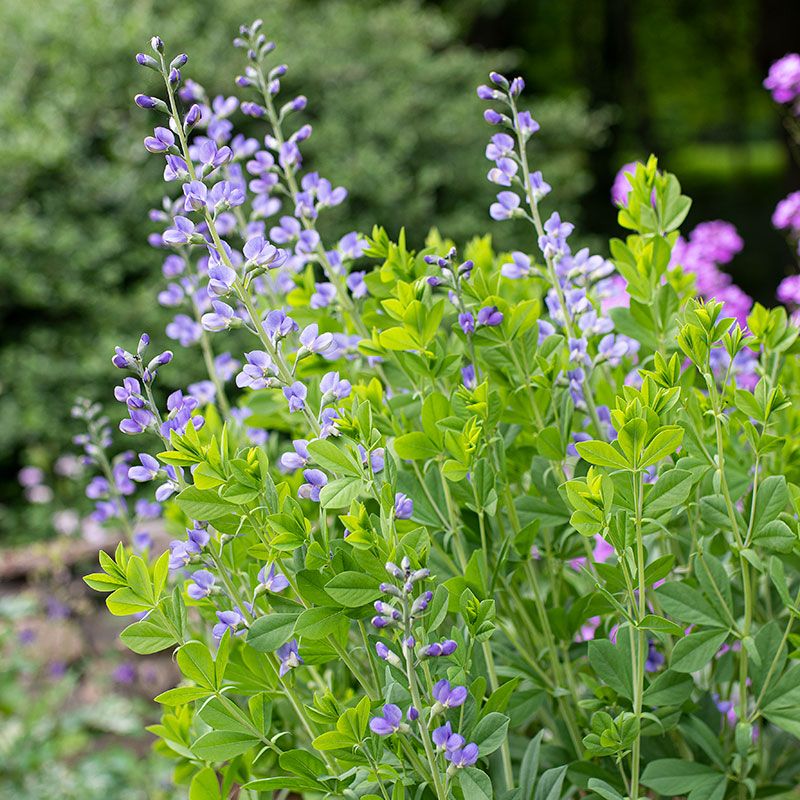
Think of Baptisia as the marathon runner of the perennial world. It takes a season or two to settle in, but once those deep roots grab hold, this native can live for decades in the same spot.
Drought does not scare it. Hot, baking summer weather is exactly where it thrives, and it never asks for fertilizer or deadheading to keep looking sharp.
Blue-purple flower spikes rise in late spring, followed by dark seed pods that rattle like little maracas in the wind. Plant it once in full sun and you may never need to touch it again.
5. Lavender (Lavandula)
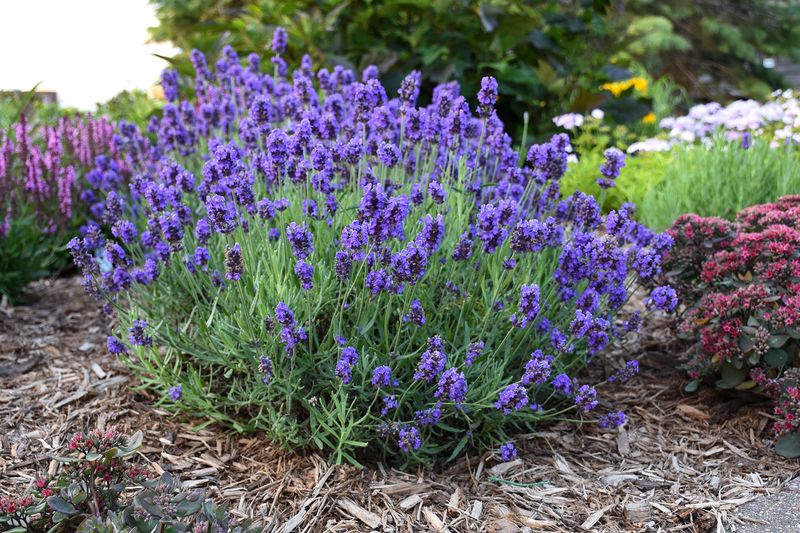
Run your hand across a lavender plant and the scent alone will win you over. That sweet, calming fragrance is reason enough to give it a permanent home in your yard.
The secret to keeping lavender happy is almost the opposite of fussing over it. Full sun and sharp drainage matter far more than frequent watering, which it actually dislikes.
Give it a gravelly, sunny spot and let the soil dry between drinks. Do that, and this Mediterranean favorite will reward you with silvery foliage and purple wands year after year.
6. Agastache (Anise Hyssop)
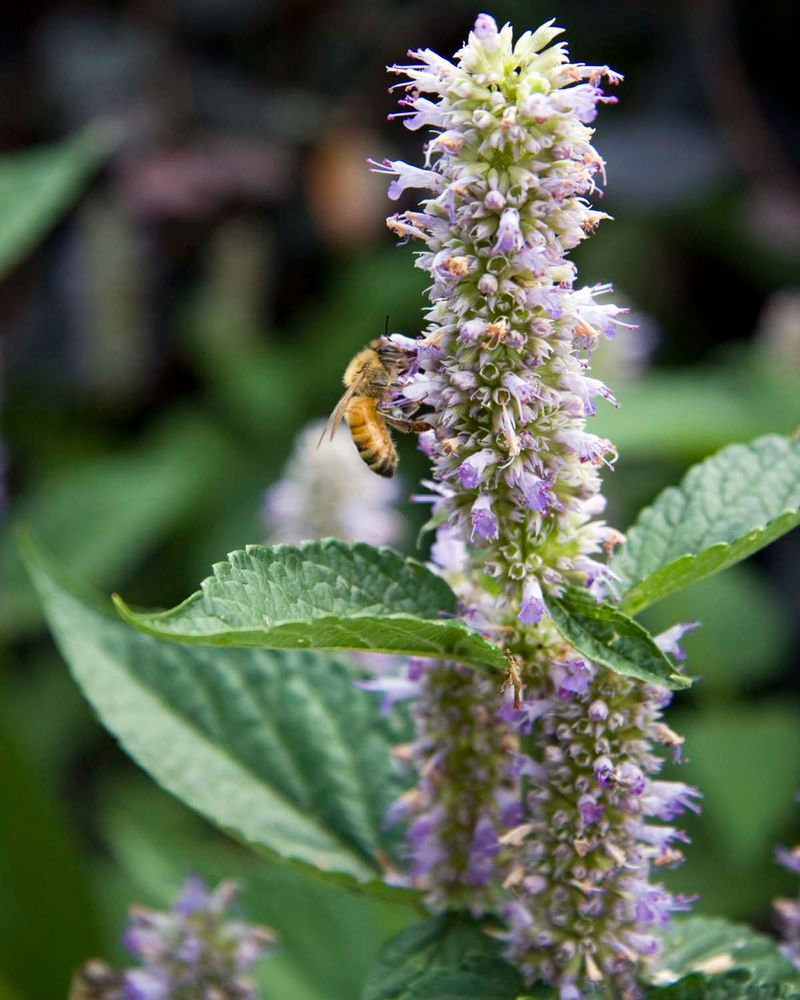
Crush a leaf of anise hyssop and you get a whiff of licorice that pollinators find absolutely irresistible. Hummingbirds and bees will make a beeline for it all summer long.
Hardy and drought-tolerant, Agastache asks for very little once it settles into a sunny bed. It laughs off dry spells that would flatten thirstier plants.
Best of all, it drops seed generously, so fresh plants keep filling the gaps around it. One planting turns into a fragrant, humming corner of the garden without any effort from you.
7. Sweet William (Dianthus barbatus)
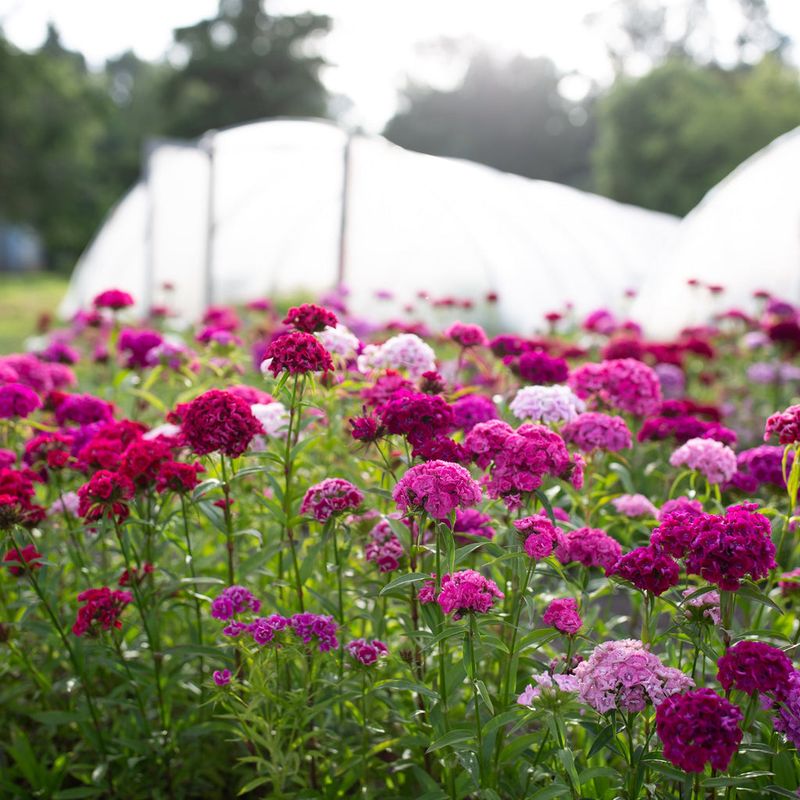
There is something old-fashioned and comforting about Sweet William, the kind of flower your grandmother might have grown by the porch. Its clustered blooms in pink, red, and white bring a cottage-garden charm that never goes out of style.
Starting it from seed is easy, and once it is in the ground it takes over the job of replanting itself. New seedlings appear each year to keep the patch going.
The blooms carry a light, spicy-sweet fragrance that makes them worth planting near a walkway. Snip a few for a vase and you will understand why gardeners have loved this one for generations.
8. Columbine (Aquilegia)
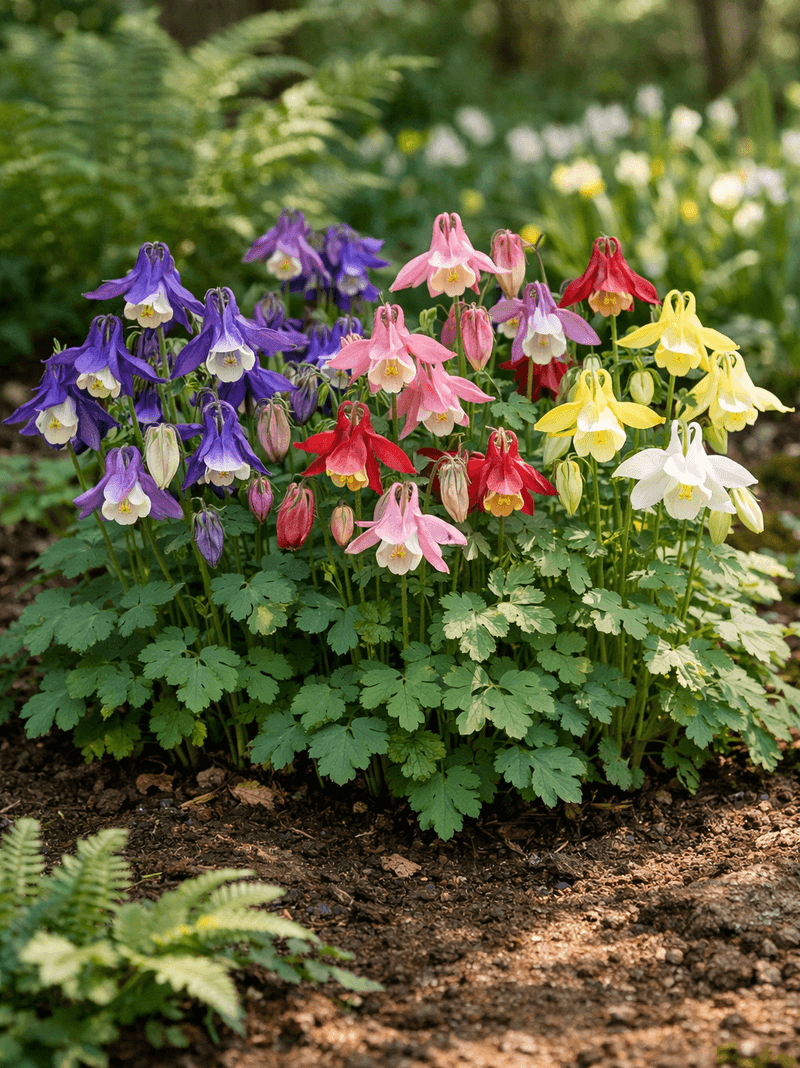
Columbine flowers look almost like tiny lanterns dangling on thin stems, nodding gently whenever a breeze passes. Their spurred, whimsical shape gives any bed a soft, fairy-tale feel.
Unlike many sun-lovers on this list, columbine happily handles a bit of shade, making it a smart pick for those trickier spots under trees or along the north side of the house.
It is refreshingly low-maintenance and reseeds with ease. The interesting part is that seedlings sometimes cross and surprise you with new color combinations you did not plant on purpose.
9. Coreopsis
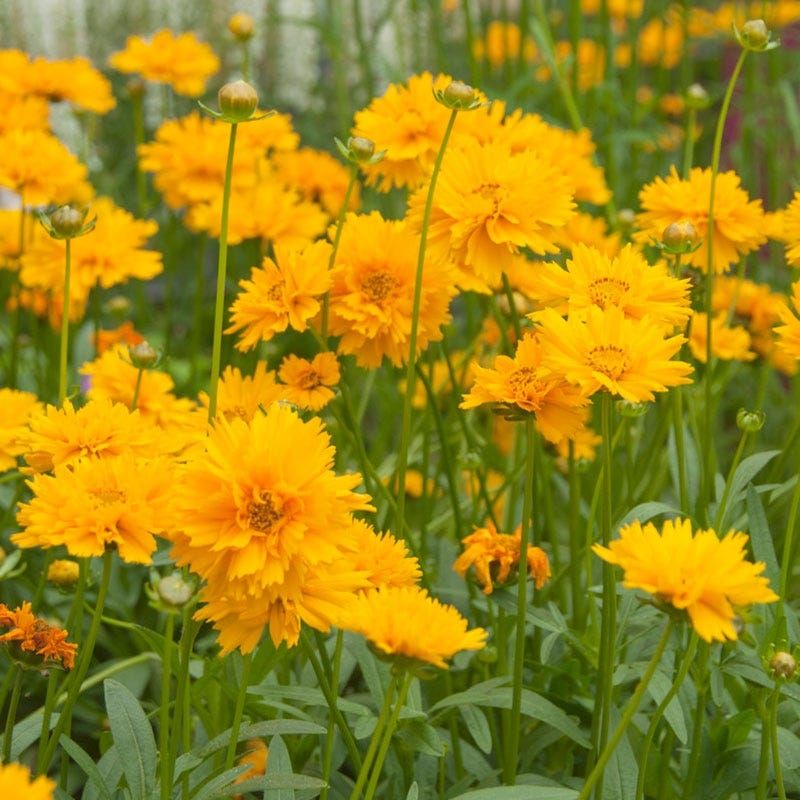
If you want a plant that just keeps going, Coreopsis blooms so long and so cheerfully that it earns its nickname of tickseed with buckets of daisy-like flowers. Its sunny golden color feels like sunshine poured into the garden.
Durability is its middle name. It handles drought without complaint and settles beautifully into naturalized, meadow-style plantings where you want a relaxed, wild look.
Snip off spent blooms if you feel like it, and you will get even more flowers. Skip that step, and it still performs like a champ while quietly filling in the space around it.
10. Penstemon (Beardtongue)
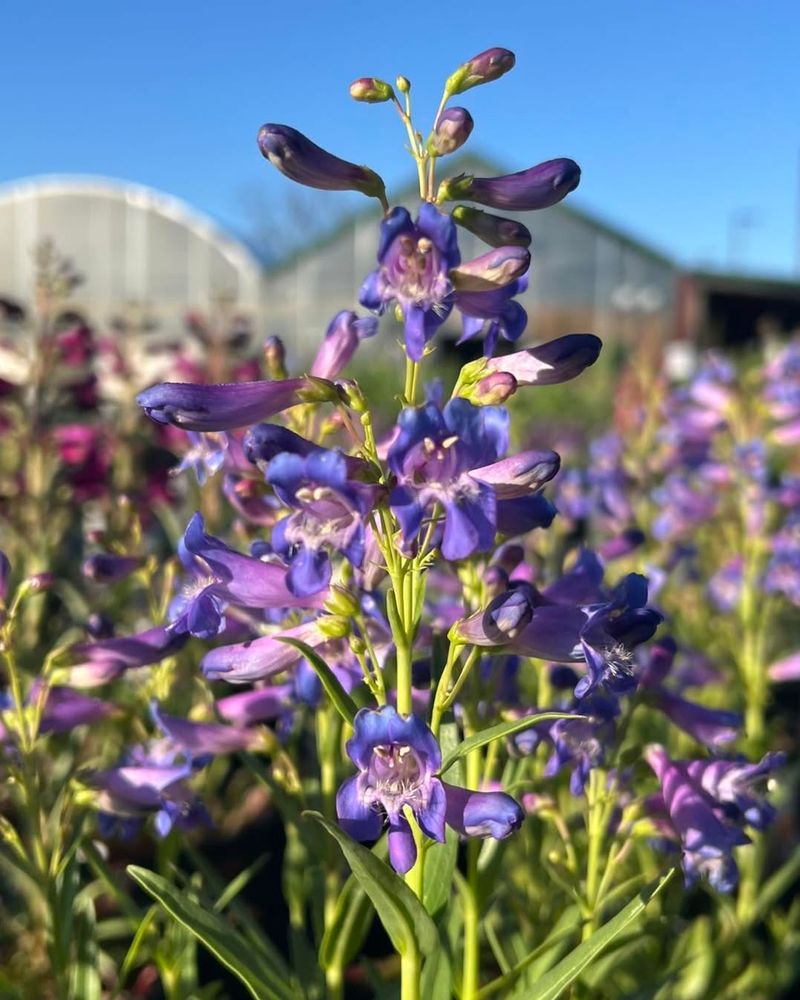
Out in the wild, Penstemon is often one of the first plants to move into disturbed ground, which tells you everything about how eager it is to grow. That pioneering spirit makes it a workhorse in the home garden too.
Its tubular flowers, held on tall spikes, are a magnet for hummingbirds who cannot resist dipping in for a sip. Colors range from soft pinks to deep purples depending on the variety.
Because it reseeds so willingly, a single planting can quickly repopulate a bare patch. Give it sun and good drainage, then step back and let it colonize the space for you.
11. Daffodils (Narcissus)
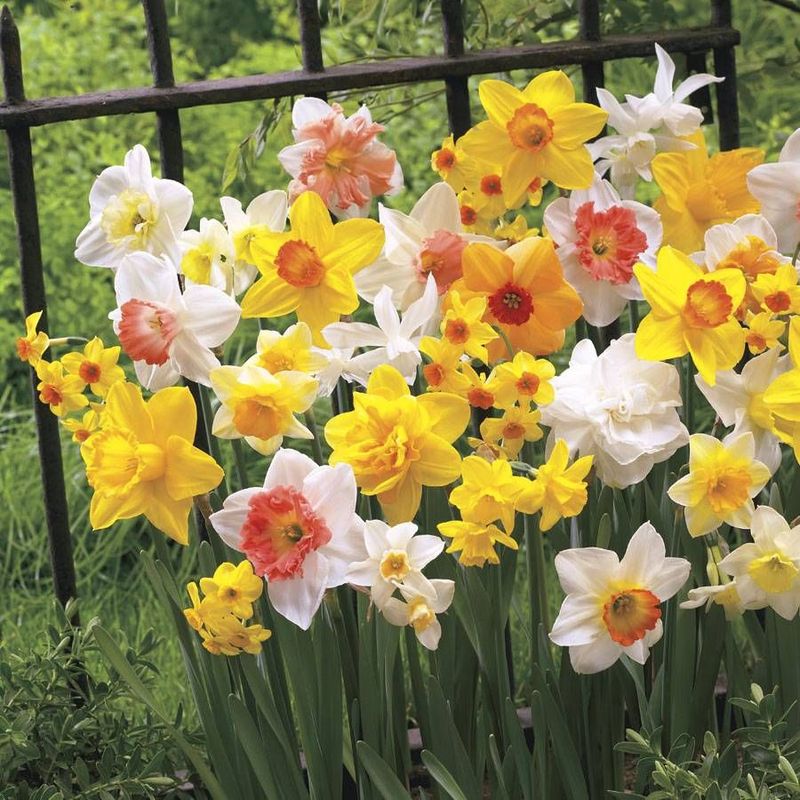
Few sights say spring has arrived quite like a cheerful drift of daffodils. Plant these bulbs once in fall, and they reward you the following spring with trumpets of yellow and white.
The magic is that they multiply. Each year the clumps grow fuller as the bulbs divide underground, so your original handful slowly becomes a golden carpet.
Critters like squirrels and deer tend to leave them alone, which is a relief if furry visitors usually raid your garden. Tuck them under trees or along fences and forget about them until they surprise you every March.
12. Crocus
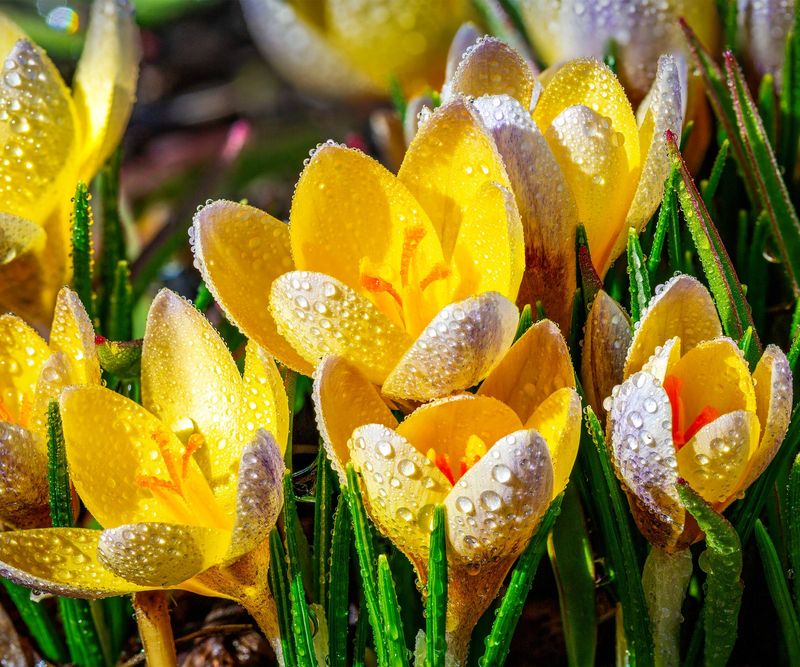
Sometimes the tiniest plants make the biggest emotional impact, and crocus proves it every year. These little cups often push up through the last patches of snow, the very first sign that winter is loosening its grip.
Low-growing and early, they are perfect for scattering across a lawn or tucking into a rock garden. Over time they naturalize, spreading into cheerful pools of purple, gold, and white.
You plant the bulbs once in autumn and basically forget them. Come late winter, they arrive right on schedule to lift your spirits before anything else has woken up.
13. Scilla and Chionodoxa
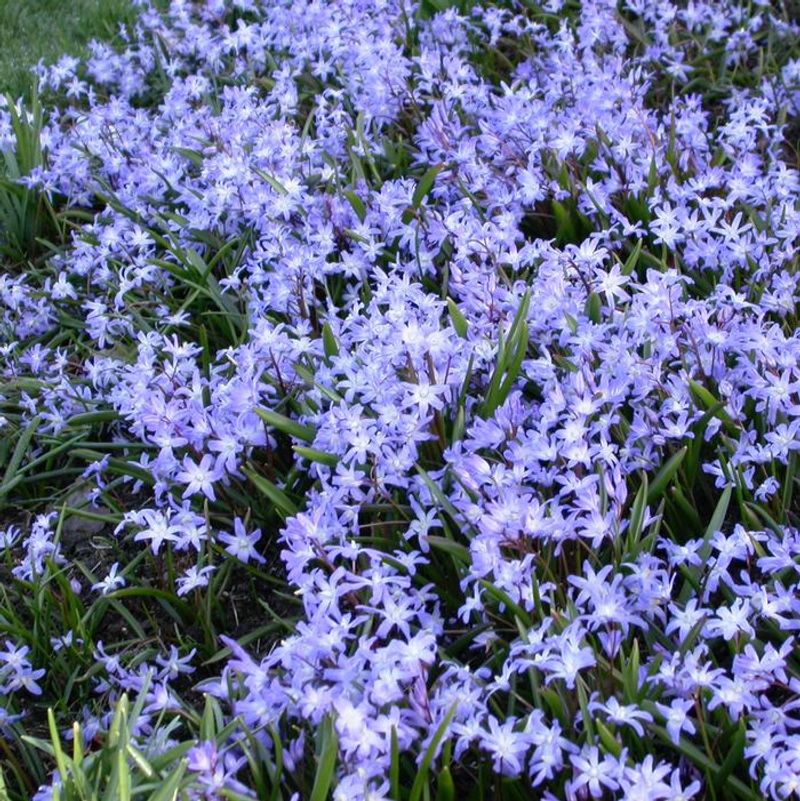
Picture a shimmering blue carpet rolling out beneath your trees in early spring, and you have the effect these two little bulbs create together. Scilla and Chionodoxa, sometimes called glory-of-the-snow, spread into breathtaking sheets of color.
They are wonderfully hands-off. Deer and rodents usually pass them by, and they multiply on their own until they blanket the ground.
Plant a handful of bulbs and give them a few seasons. What starts as a modest sprinkle turns into a naturalized flood of blue that returns bigger and better each year.
14. Snowdrops (Galanthus)
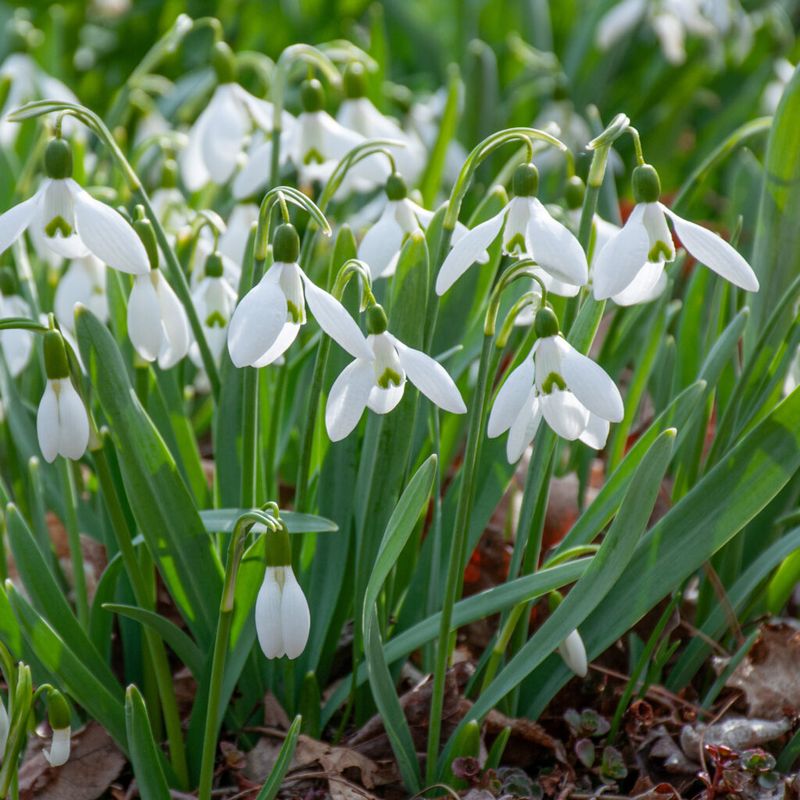
Dainty as they look, snowdrops are surprisingly tough little fighters. Their nodding white bells often appear while frost still lingers, bravely opening in the chill when nothing else dares.
They love the dappled shade beneath deciduous trees, thriving in spots where fussier flowers would sulk. That makes them a clever choice for those shady corners you never knew what to do with.
Once established, they naturalize into cheerful colonies that thicken year after year. A quiet promise that spring is on the way, they ask for almost nothing in return.
15. Muscari (Grape Hyacinth)
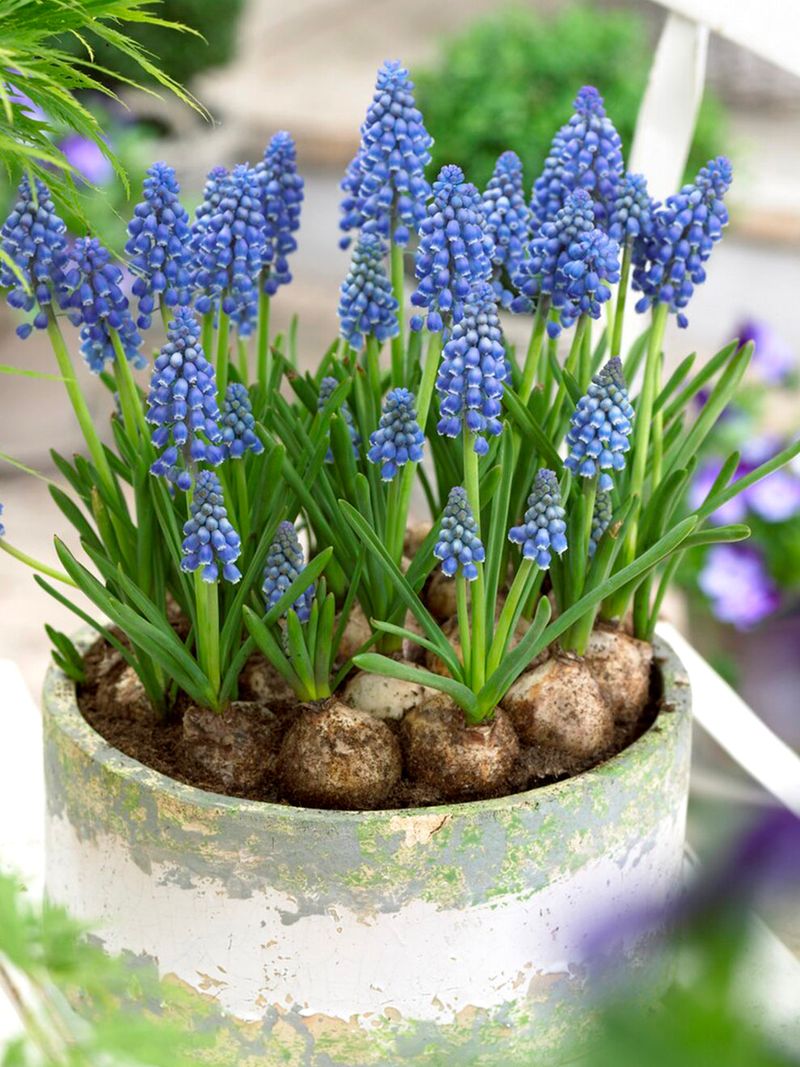
Their little flower spikes look exactly like tiny bunches of grapes, which is how grape hyacinth earned its name. The bold blue color is so rich it almost looks fake, in the best possible way.
Muscari are steady, dependable spreaders. Plant them once and they naturalize effectively, filling in edges and drifts with that unmistakable jewel-toned blue.
They pair beautifully with daffodils and tulips, weaving a low ribbon of color beneath taller blooms. Low, tidy, and reliable, they are one of the easiest ways to add spring drama.
16. Carolina Wild Petunia (Ruellia caroliniensis)

Do not let the name fool you, because Carolina wild petunia is not a true petunia at all, but it does share those pretty, funnel-shaped lavender-blue blooms. It brings a soft, easygoing charm to naturalized beds.
What sets it apart from its wilder cousins is its manners. It stays in a tidy clump and reseeds far less aggressively, so you get the spreading benefit without it taking over your whole yard.
This long-lived native handles drought and partial shade with ease, thriving in drier, less-than-perfect spots. For a fuss-free filler that behaves itself, it is a quiet overachiever.
17. Baby’s Breath (‘Festival Star’ Gypsophila)
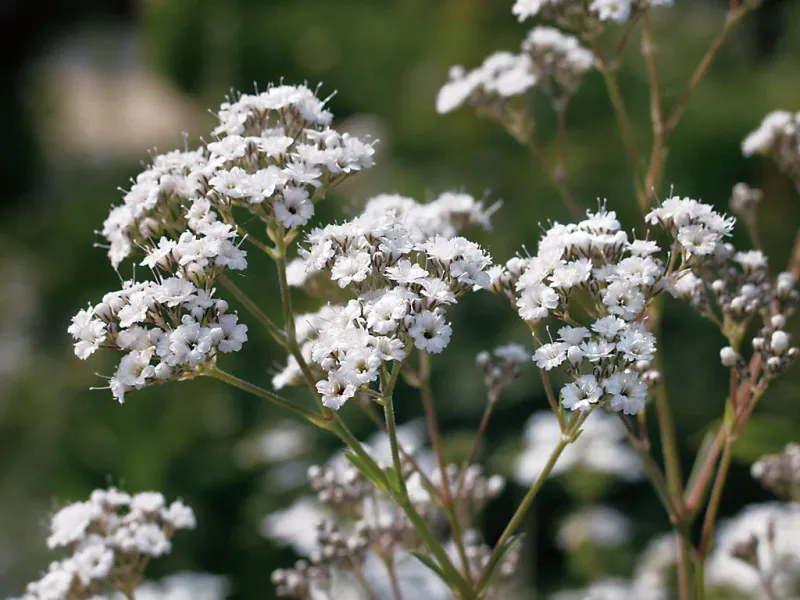
Clouds of tiny white flowers give baby’s breath its soft, dreamy look, the same airy texture florists love in bouquets. The ‘Festival Star’ selection takes that classic charm and makes it far easier to grow.
Unlike older varieties that fizzle out midsummer, this improved type keeps blooming from late spring right into fall. It does not go dormant in the heat or demand constant deadheading to stay tidy.
The one thing it insists on is good drainage and a sunny spot, since it prefers to dry out between waterings. Give it those conditions and it rewards you with a frothy, low-effort haze of white all season long.