
If You Want A Garden That Comes Back Bigger Every Year, Here Are 18 Perennials You Plant Once And Never Replace
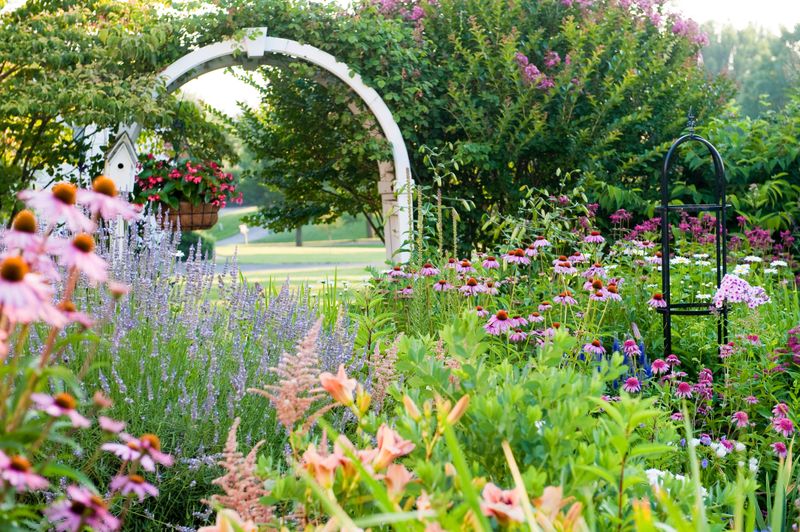
Planting a garden that fills in on its own feels almost like magic, but it comes down to picking the right perennials. These are the plants you tuck into the ground once and watch return every spring, often bigger and better than before.
No yearly trips to the garden center, no starting over, just more flowers for less work. Here are 18 dependable perennials that reward you season after season.
1. Daylily (Hemerocallis)
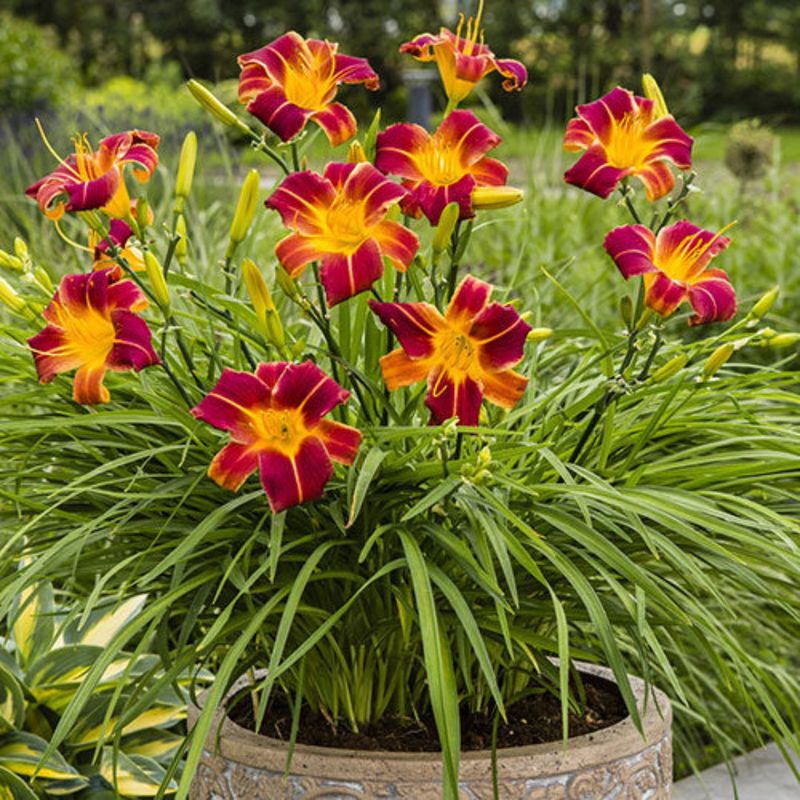
Toughness is the daylily’s calling card. You can plant it in clay, sandy soil, or that neglected corner nobody wants to deal with, and it just keeps going.
Each clump grows a little wider every year, so a single plant slowly becomes a generous patch of color. Dividing those clumps every few springs gives you free plants to spread around.
Fun fact worth sharing: each individual bloom lasts just one day, which is where the name comes from. A healthy plant makes so many buds you would never notice one fading.
2. Hosta
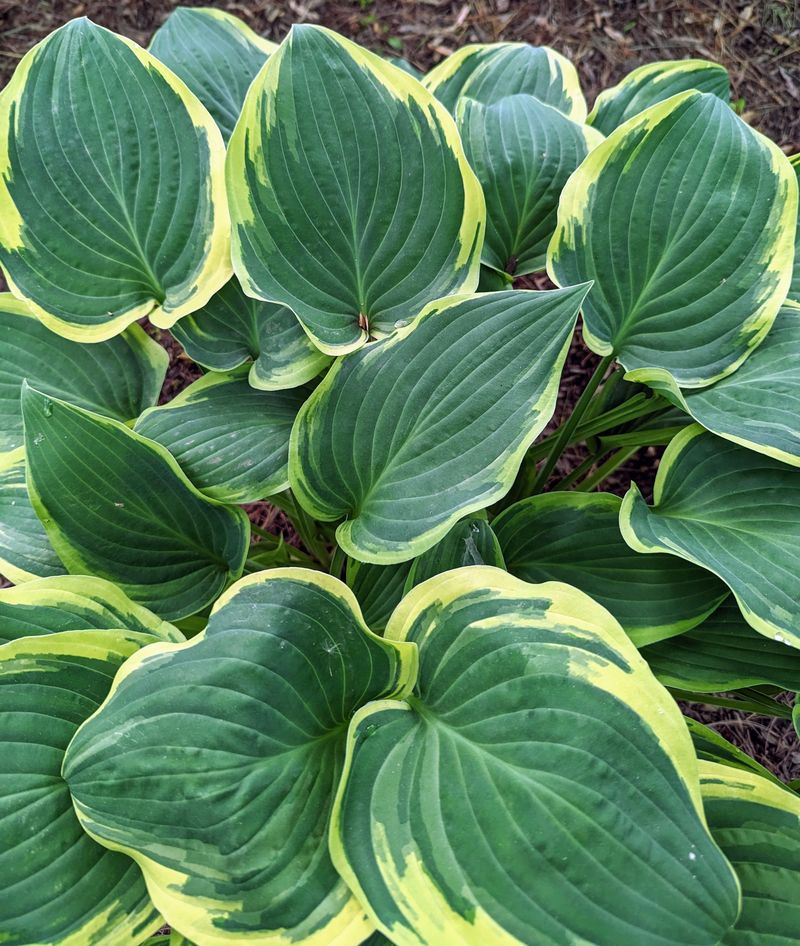
Gardeners with shady yards tend to fall hard for hostas, and it is easy to see why. While most showy plants demand sun, hostas thrive in the dappled light under trees where little else looks good.
Their broad leaves come in greens, blues, and creamy variegated patterns, so you get a full display without relying on flowers. Year after year the crowns expand into bigger, fuller mounds.
Once a hosta settles in, it asks for almost nothing beyond a drink during dry spells. Slugs are the main pest to watch, but a little vigilance keeps them handsome.
3. Bee Balm (Monarda)
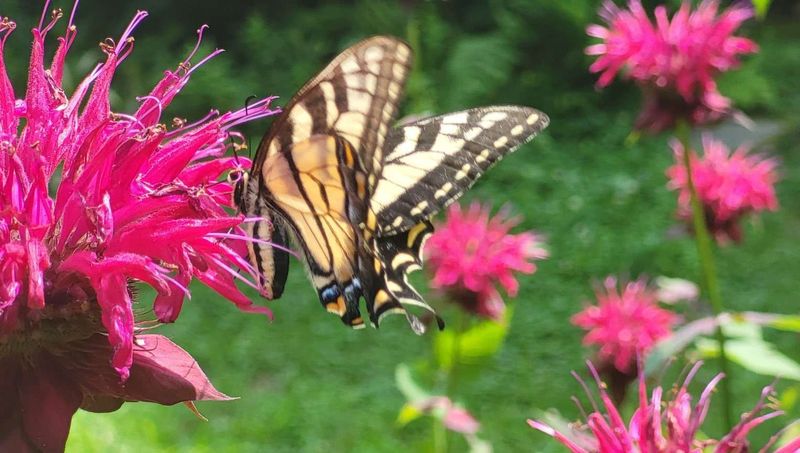
If you want your yard buzzing with life, bee balm delivers. Its shaggy, firework-shaped blooms pull in bees, butterflies, and hummingbirds all summer long.
Deer and rabbits tend to leave it alone, which is a relief if browsing critters usually ruin your plants. Meanwhile, the roots creep outward each season, filling gaps and creating a fuller stand of color.
Give it decent airflow and it will reward you for years. Powdery mildew can show up in crowded spots, so thinning the clump now and then keeps the leaves clean.
4. Phlox
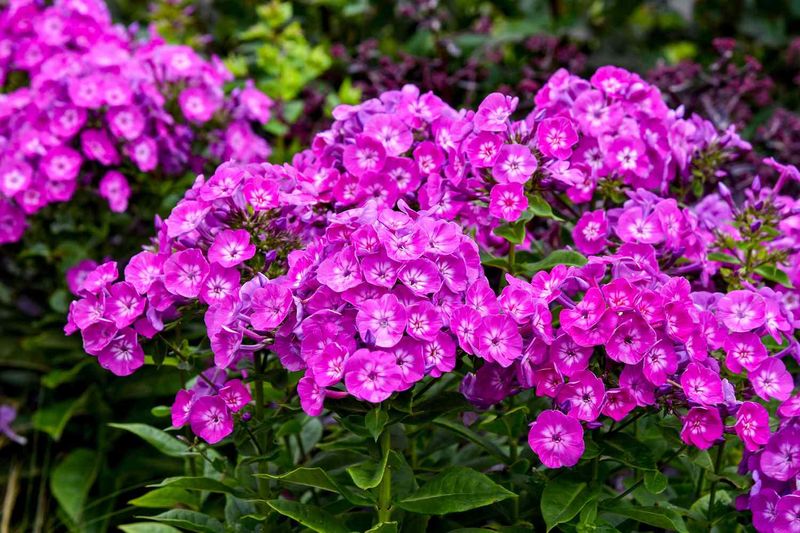
Few plants pull double duty like phlox. Tall garden types send up fragrant clouds of pink, purple, and white in midsummer, while creeping ground-cover varieties carpet slopes with early spring color.
Both kinds settle in and gradually claim more territory, so a modest planting becomes a sweep of blooms over a few seasons. That spreading habit means fewer bare spots to fuss over.
Tall phlox appreciates a bit of breathing room to fend off mildew. Space the clumps well and you will have sweet-smelling flowers that keep coming back.
5. Hardy Geraniums (Cranesbill)
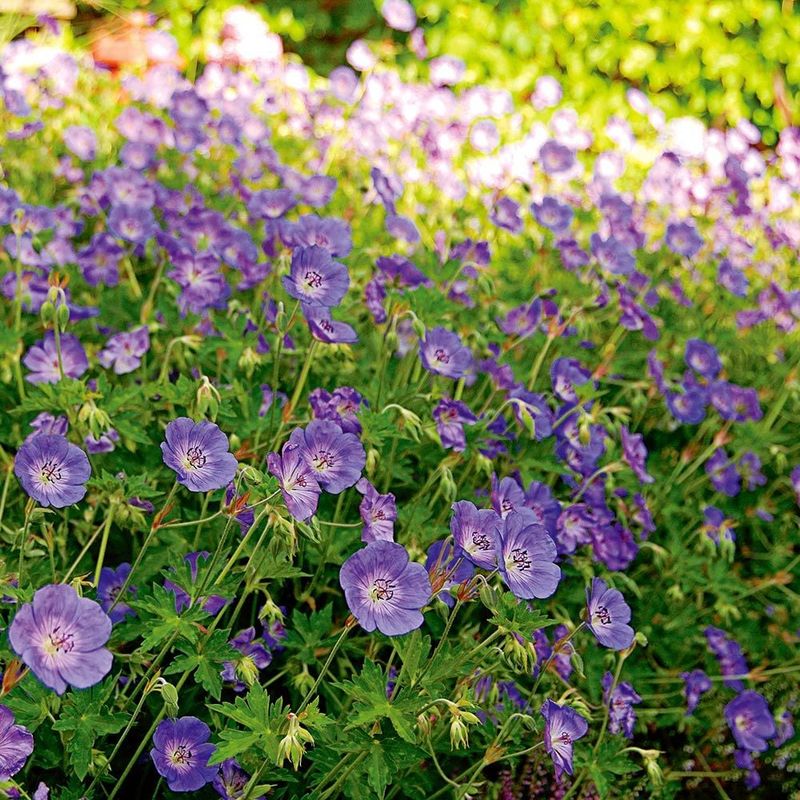
Not to be confused with the potted geraniums on your porch, these hardy cranesbills are the workhorses of the perennial world. Varieties like ‘Rozanne’ and ‘Azure Rush’ pump out blue-purple blooms for most of the summer.
They grow in low, arching mounds that widen a little each year, gently knitting together and smothering weeds along the way. That easygoing sprawl makes them perfect for softening the front of a bed.
Once established, they shrug off heat and neglect. A quick shearing midsummer tidies them up and often sparks a fresh flush of flowers.
6. Catmint (Nepeta faassenii)
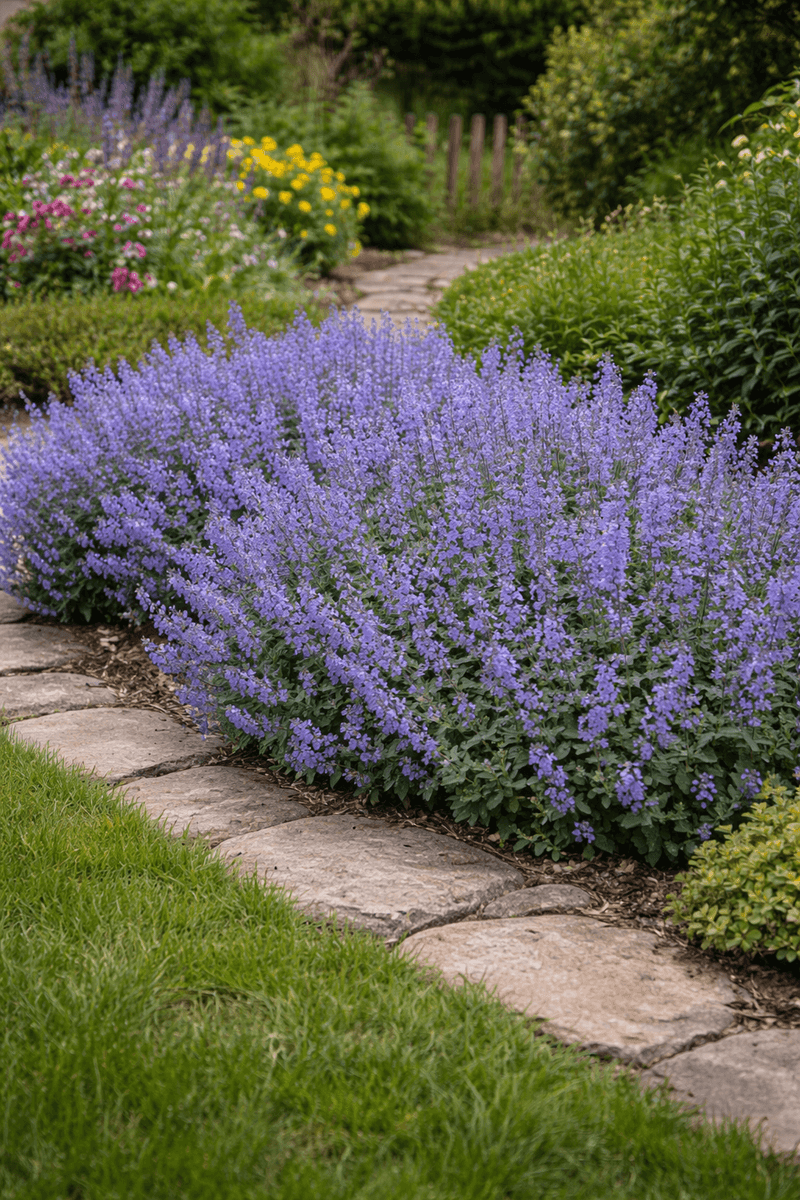
Picture a haze of soft blue flowers spilling along a path all summer, and you have catmint. It loves sun, tolerates dry soil, and asks very little in return.
The clumps widen steadily and, best of all, a hard cutback after the first bloom triggers a second wave that can last until frost. That reblooming trick sets it apart from many one-and-done perennials.
Pollinators adore it, and unlike true catnip, most cats ignore this cousin. It is a low-drama choice for anyone who wants long color without babysitting.
7. Sedum (Stonecrop)
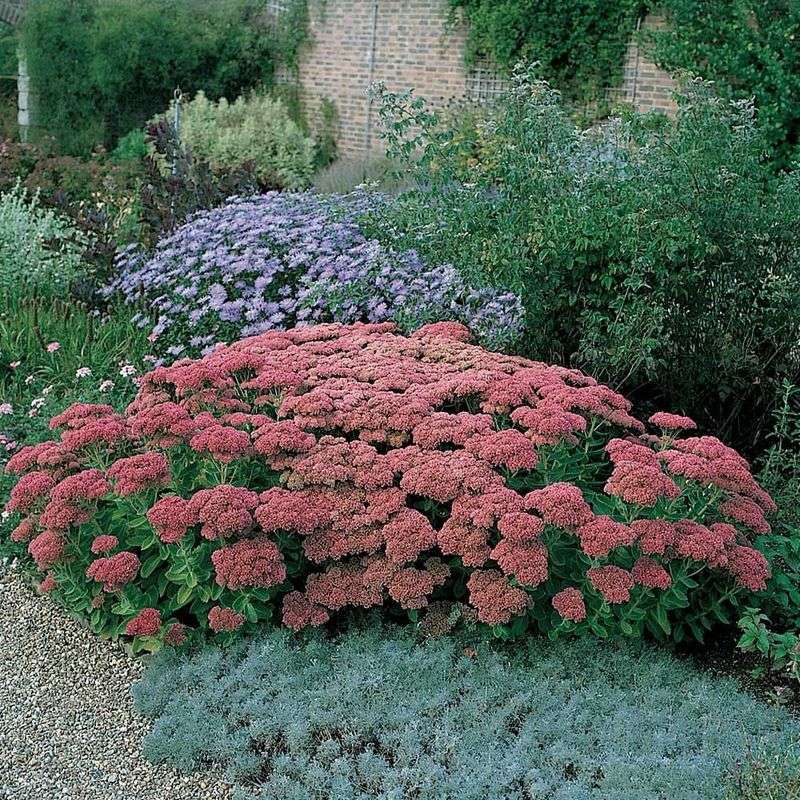
Drought throws no fear into sedum. Its thick, succulent leaves store water, so it stays plump and happy when the rest of the garden wilts in a heat wave.
Low creeping types spread into living mats, ideal for mass plantings or filling cracks, while upright varieties like ‘Autumn Joy’ form tidy clumps topped with pink flower heads. Both expand reliably over time.
Bees flock to the late-season blooms right when other flowers fade. Leave the dried heads standing through winter for a bit of frosty texture in the garden.
8. Yarrow (Achillea)
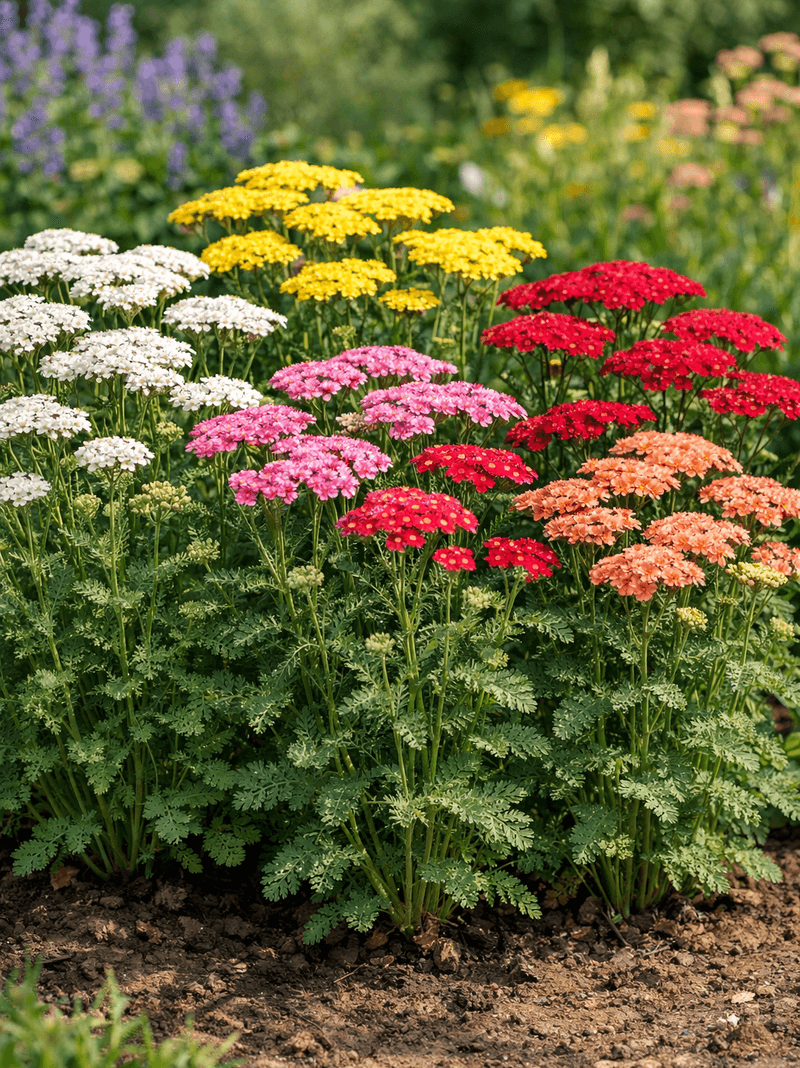
Flat clusters of tiny flowers make yarrow look like it is holding out landing pads for pollinators, and it is. Butterflies and beneficial insects can’t resist those broad blooms in yellow, red, pink, and white.
The plant spreads happily and rewards you with even more flowers the more you cut. Snipping stems for bouquets actually encourages a fresh round of buds.
Poor soil and drought barely faze it. Yarrow’s feathery foliage also carries a pleasant, herby scent when brushed, a small bonus as you walk by.
9. Coneflower (Echinacea)
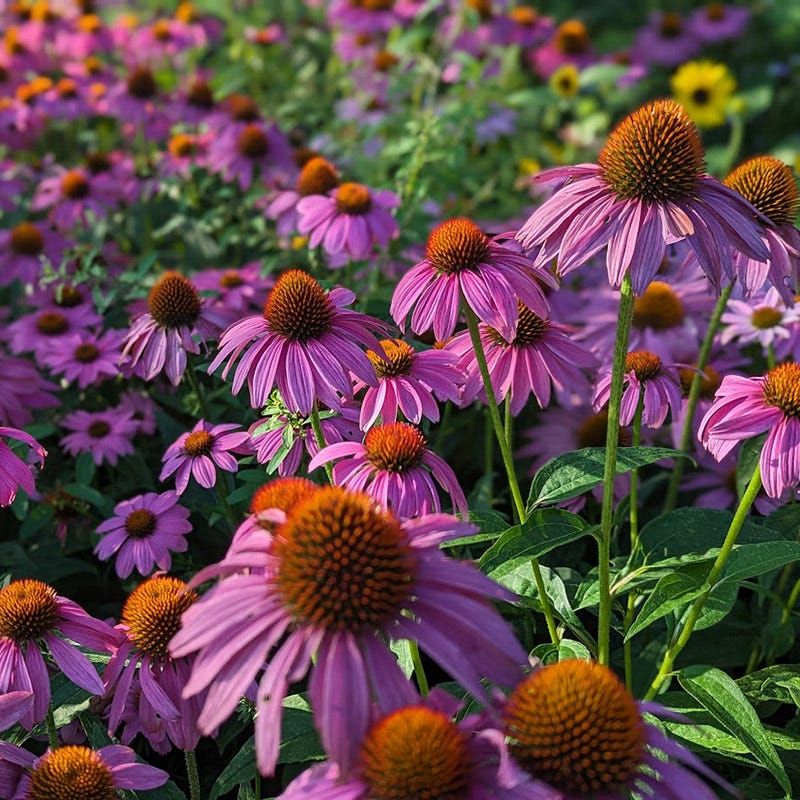
Coneflowers bring that classic prairie look with their raised, spiky centers and drooping petals. They bloom for weeks, standing tall through summer heat without complaint.
Left to their own devices, they drop seeds that sprout into new plants nearby, quietly expanding their footprint each year. If you want more, just let a few seed heads ripen.
Those same seed heads feed goldfinches into fall and winter. Plant coneflowers once and you get flowers for you, food for birds, and a nectar bar for butterflies.
10. Shasta Daisy (Leucanthemum superbum)
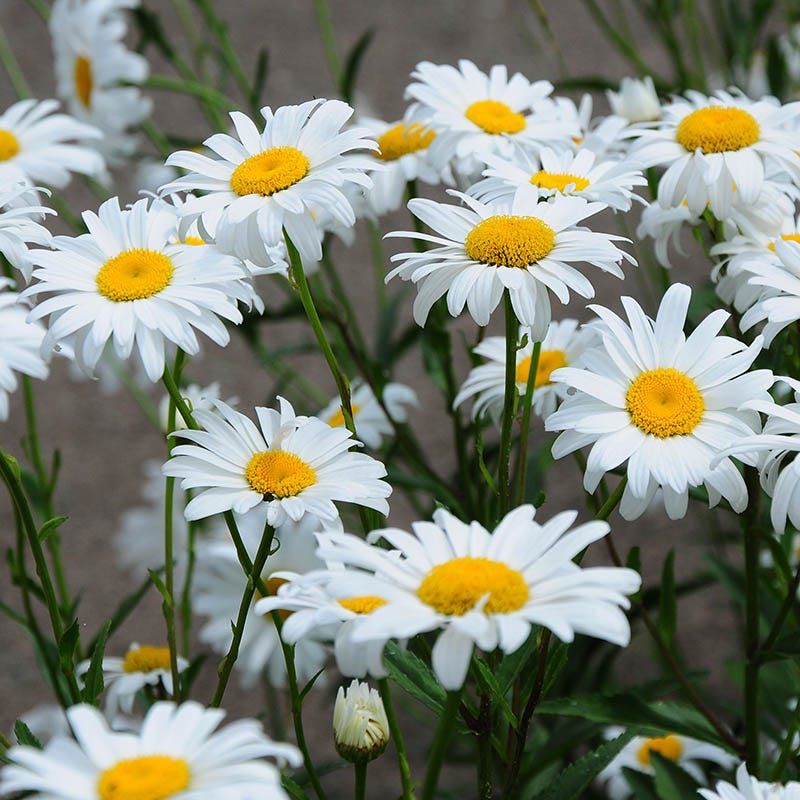
Cheerful white petals around a sunny yellow eye make the Shasta daisy the picture of a classic garden flower. In full sun it blooms for an unusually long stretch, keeping beds bright well into summer.
The clumps bulk up year after year, giving you more of those crisp daisies each season. Deadheading spent blooms nudges the plant to keep producing.
They make wonderful cut flowers that hold up in a vase for days. Dividing older clumps every few years keeps them vigorous and gives you extras to plant elsewhere.
11. Lavender (Lavandula)
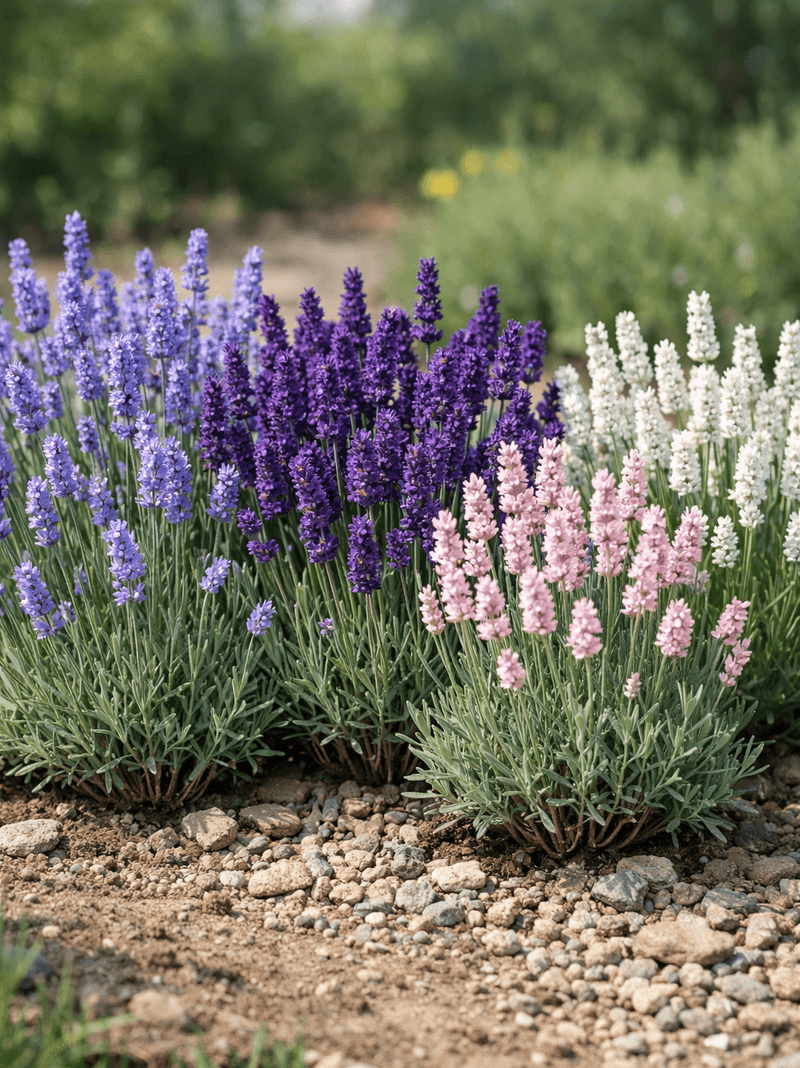
Run your hand across lavender and the scent alone earns its spot in the garden. Those slender purple spikes rise above silvery foliage and hum with bees on warm days.
Once it settles into well-drained soil and plenty of sun, lavender forms bigger, rounder mounds each year with barely any care. Overwatering is really the only way to disappoint it.
The flowers dry beautifully for sachets and cooking. A light trim after flowering keeps the plant compact and prevents it from turning woody too soon.
12. Black-eyed Susan (Rudbeckia)
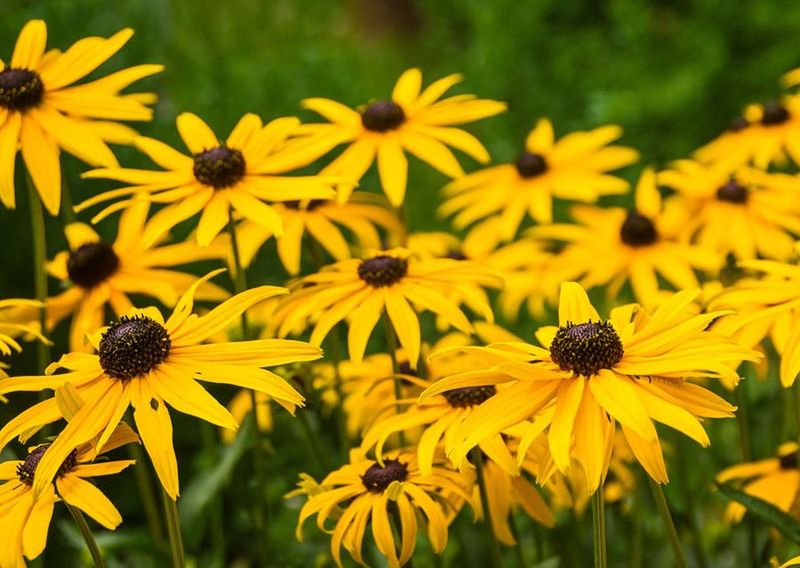
Golden petals surrounding a dark chocolate center give black-eyed Susans their friendly, sunny face. They light up the garden from midsummer into fall when many spring bloomers have called it quits.
Reseeding is their superpower, so a small planting tends to multiply and drift across the bed over time. You will often find happy volunteers popping up in new spots.
Pollinators love them, and the seed heads feed birds later in the year. For long-lasting color that practically plants itself, these are hard to beat.
13. Perennial Salvia (Salvia nemorosa)
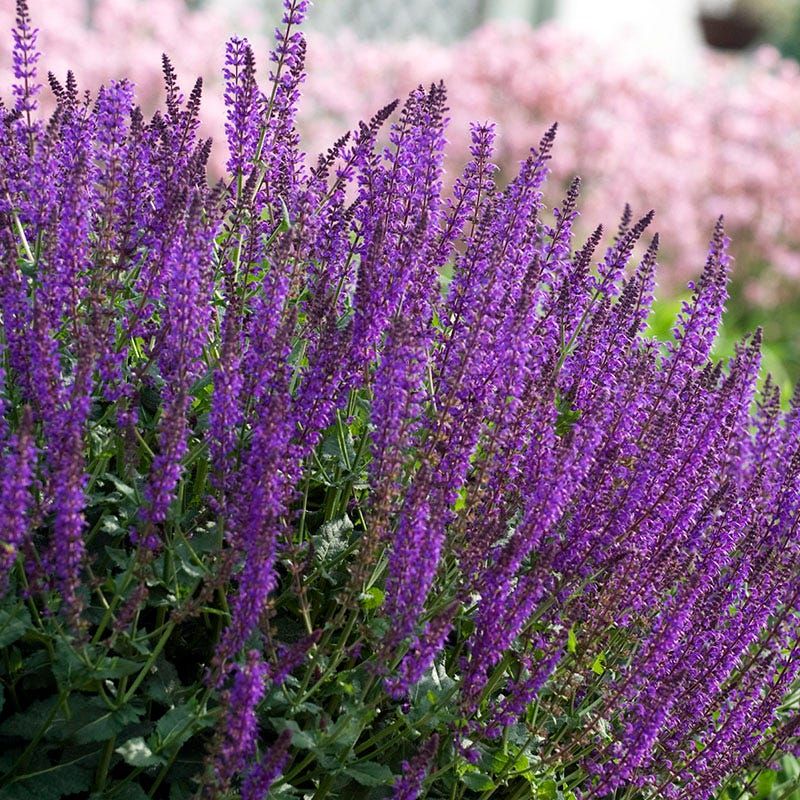
Spiky wands of violet-blue give perennial salvia a bold, upright presence in any bed. It returns dependably each spring and tends to grow more substantial as the years pass.
Hummingbirds and bees make a beeline for the flowers, and the plant shrugs off heat and dry spells like a champ. Deer usually pass it by, too.
Cutting it back after the first bloom often coaxes a fresh round of spikes later in the season. Pair it with yellow flowers and the color contrast really sings.
14. Russian Sage (Perovskia atriplicifolia)
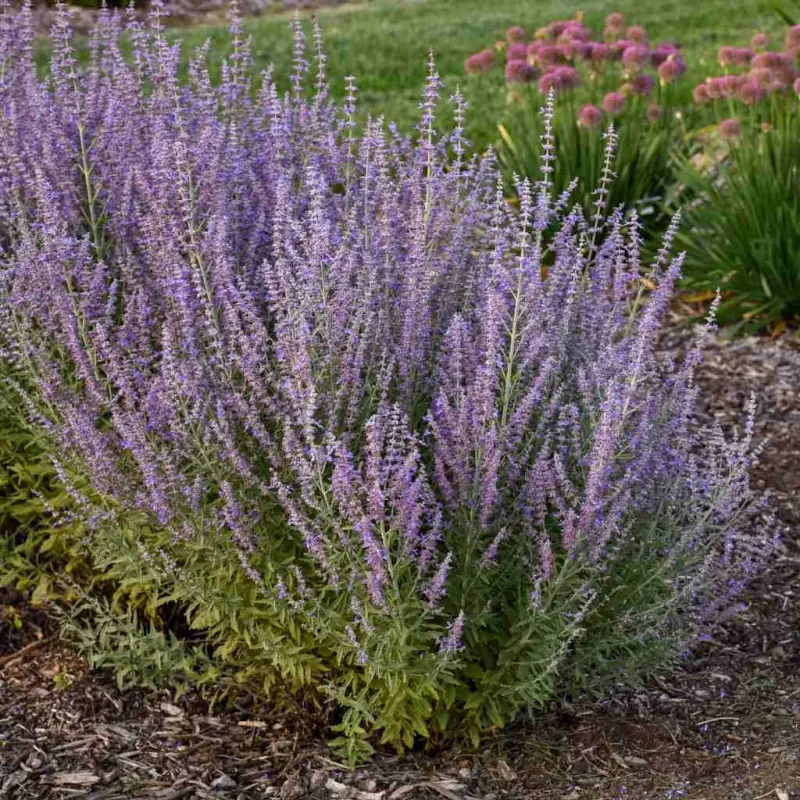
Airy and cloud-like, Russian sage adds a hazy wash of lavender-blue that seems to float above the garden. Its silvery stems and fragrant foliage give it a cool, breezy look even in the hottest weather.
Drought is no problem for this tough plant, which grows bigger and fuller in poor, dry soil where fussier perennials would sulk. Over the years it forms an impressive, billowing mound.
Pollinators swarm the tiny flowers all summer. Cut it back hard in early spring and it bounces right back, stronger than before.
15. Anise Hyssop (Agastache)
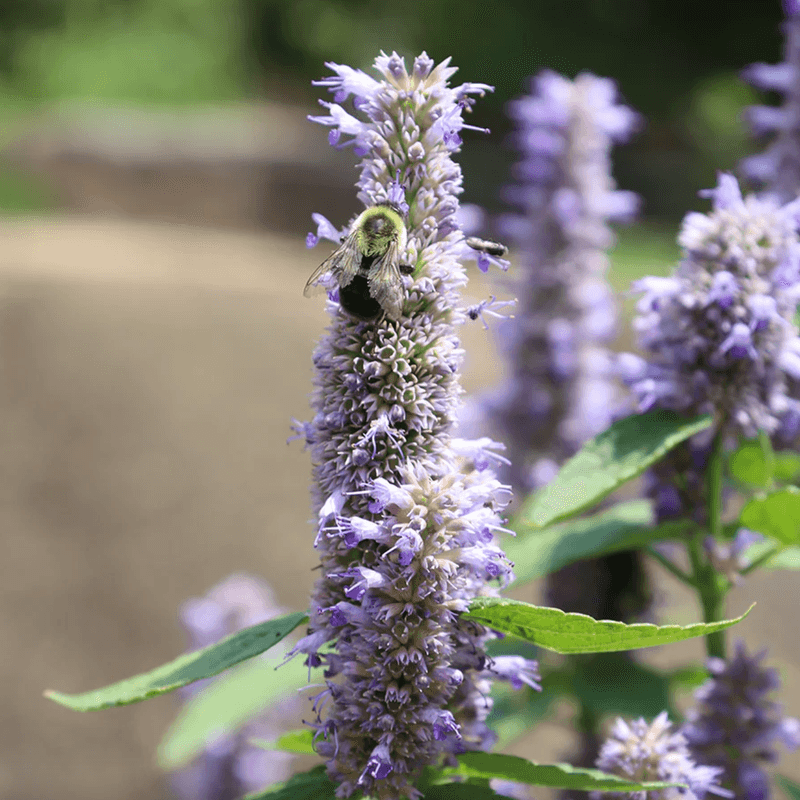
Crush a leaf of anise hyssop and you get a sweet, licorice-like scent that hints at its herbal roots. The purple flower spikes bloom for weeks and stay busy with bees and butterflies from dawn to dusk.
It reseeds freely, so it keeps returning and slowly widens its reach through the garden. If you want to control the spread, just snip a few spent spikes before they scatter.
The leaves and flowers are edible and make a nice tea. Between the fragrance, the pollinators, and the long bloom, it earns its keep several times over.
16. Brunnera (Siberian Bugloss)
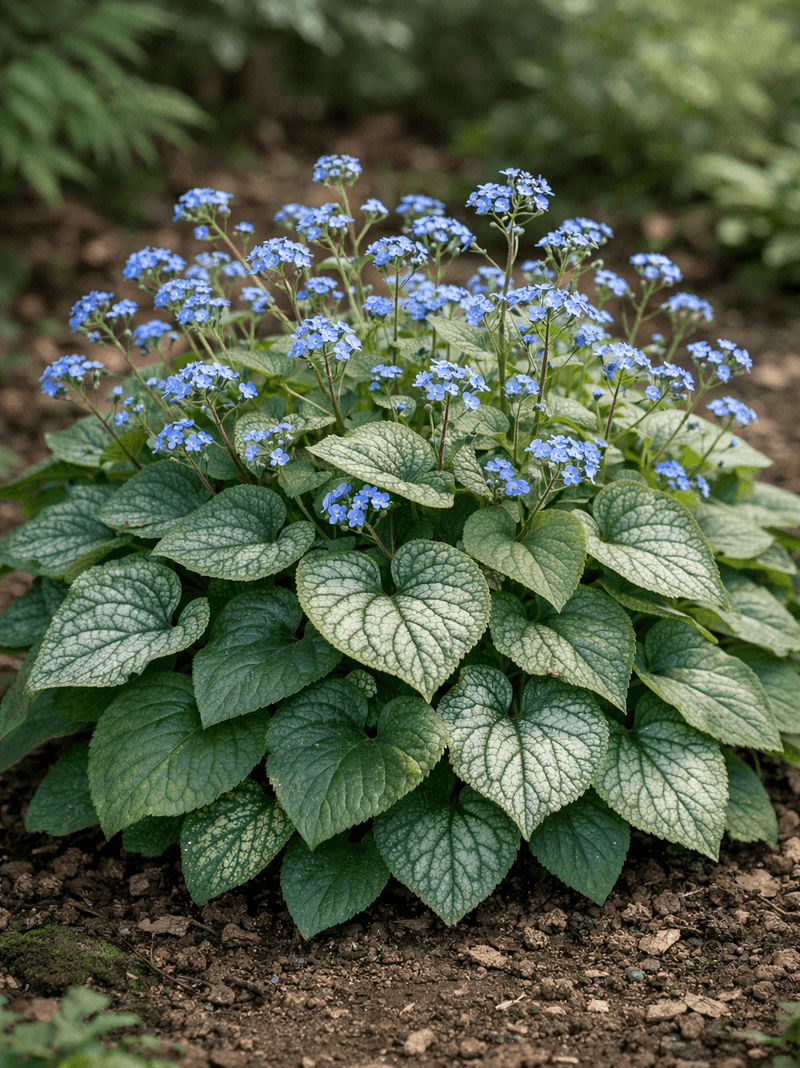
Delicate sprays of tiny blue flowers appear in spring above brunnera’s bold, heart-shaped leaves. Those airy blooms look just like forget-me-nots dancing over the foliage.
It is one of the most undemanding shade plants you can grow, and varieties with silvery leaves like ‘Jack Frost’ brighten dim corners all season. The clumps expand slowly and reliably over the years.
Long-lived and fuss-free, brunnera pairs beautifully with hostas and ferns. Give it shade and a bit of moisture and it will quietly get better with age.
17. Peony (Paeonia)
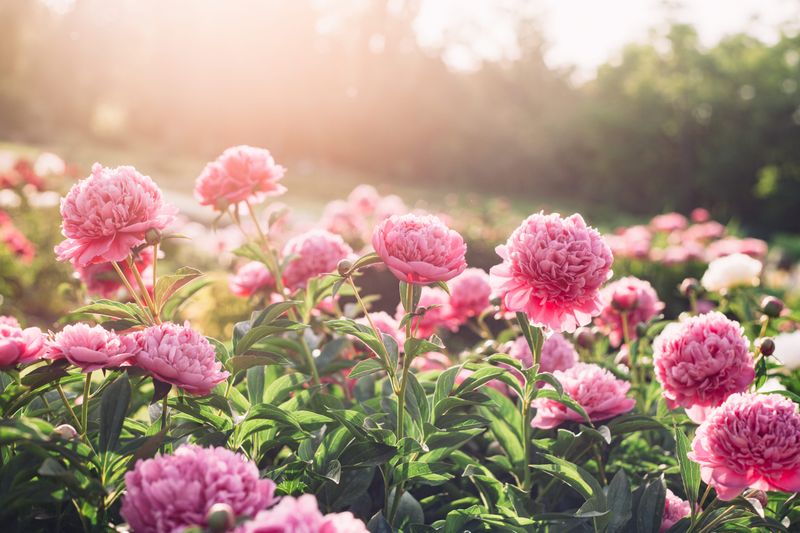
Few flowers stir up as much devotion as the peony, with its enormous, ruffled blooms and swoon-worthy fragrance. Plant one and you may be handing it down to your grandchildren.
These are famously long-lived, thriving in the same spot for decades and forming ever-larger clumps that produce more blooms each spring. Patience pays off, since a young plant takes a couple of years to hit its stride.
Plant the roots shallow, since burying them too deep prevents flowering. Do it right and you will enjoy an annual explosion of blossoms for a lifetime.
18. Hardy Hibiscus (Hibiscus moscheutos)
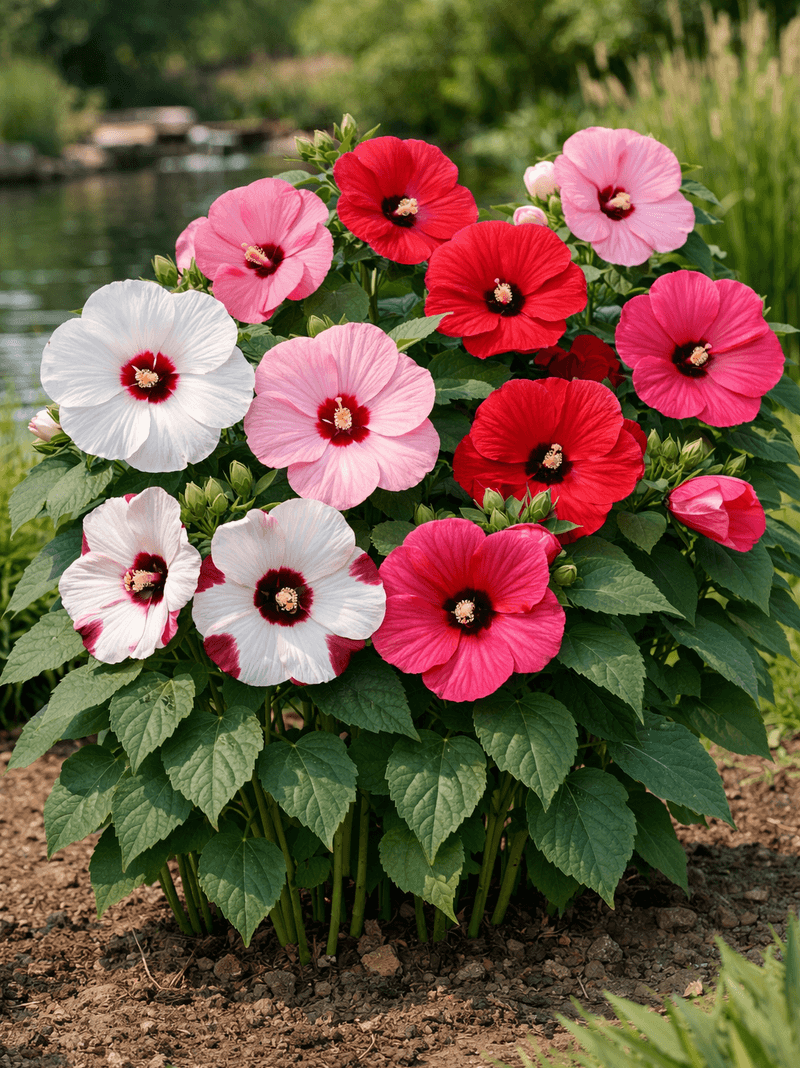
Dinner-plate-sized blooms make hardy hibiscus the showstopper you never expected to survive winter. Each flower can stretch wider than your hand, in shades of red, pink, and white.
Despite the tropical look, this perennial is genuinely tough and can thrive for decades in one spot, growing larger and more robust every year. It is slow to wake in spring, so don’t panic if it looks bare while everything else leafs out.
Once it gets going in the summer heat, the flower show is nonstop. Give it sun and steady moisture and it will steal the spotlight all season.